Estimated read time: 11 min read
Table of Contents
List of Characters
| Character Name | Role |
|---|---|
| Karl Marx | Author, Philosopher, Revolutionary |
| Friedrich Engels | Author, Philosopher, Revolutionary |
| Capitalists | Antagonists, Representing the Bourgeoisie |
| Proletariat | Supporting Characters, Representing the Working Class |
| Socialists | Supporting Characters, Advocates for Socialism |
| Intellectuals | Supporting Characters, Engaging with Marxist Ideas |
Role Identification
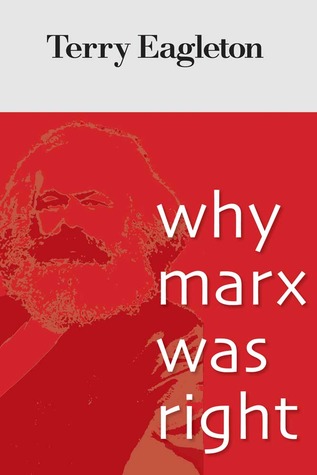
In "Why Marx Was Right" by Terry Eagleton, the characters serve different roles to explore the ideas and arguments put forth by Karl Marx. The main characters are Karl Marx and Friedrich Engels, who are the authors of the influential work "The Communist Manifesto" and "Capital." The capitalists represent the antagonists, embodying the bourgeoisie, while the proletariat represents the working class. Additionally, there are supporting characters such as socialists and intellectuals who engage with Marxist ideas.
Character Descriptions
Karl Marx
Karl Marx is one of the central characters in the book and a renowned philosopher, economist, and political theorist. He is depicted as a brilliant and insightful thinker who dedicated his life to critiquing capitalism and advocating for a socialist society. Marx's writings, including "The Communist Manifesto" and "Capital," form the basis of Marxist theory. He is portrayed as a determined and passionate revolutionary who seeks to expose the exploitative nature of the capitalist system.
Friedrich Engels
Friedrich Engels, a close collaborator and friend of Marx, is another key character in the book. Engels played a crucial role in developing and popularizing Marxist theory. He co-authored several works with Marx and provided financial support to him. Engels is depicted as an intellectual and advocate for socialism, contributing to the analysis and critique of capitalism through his writings.
Capitalists
The capitalists in the book represent the antagonistic force of the bourgeoisie, who control the means of production and exploit the working class. They are portrayed as profit-driven individuals who prioritize their own economic interests over the well-being of the proletariat. The capitalists serve as a foil to Marx's arguments, embodying the class struggle and inequality inherent in capitalist societies.
Proletariat
The proletariat, or working class, is depicted as a group of individuals who sell their labor in exchange for wages. They are the ones who experience the exploitation and alienation within the capitalist system. The proletariat characters represent the oppressed class that Marx argues should rise up and overthrow the bourgeoisie to establish a more equitable society.
Socialists
The socialists in the book are supporting characters who advocate for socialist ideals and engage with Marxist ideas. They are portrayed as individuals who recognize the flaws and injustices of capitalism and seek to build a society based on cooperation and equality. The socialists provide additional perspectives and arguments in support of Marx's theories.
Intellectuals
The intellectuals in the book represent a diverse group of individuals who engage with Marxist ideas and contribute to the discourse surrounding Marxism. They include philosophers, economists, and other thinkers who critically analyze and interpret Marxist theory. The intellectuals offer their insights and interpretations, further enriching the understanding of Marx's ideas.
Character Traits
Karl Marx
- Brilliant
- Determined
- Passionate
- Revolutionary
- Critical
- Analytical
- Visionary
Friedrich Engels
- Intellectual
- Supportive
- Collaborative
- Committed
- Advocate
- Analytical
- Influential
Capitalists
- Profit-driven
- Exploitative
- Self-interested
- Greedy
- Powerful
- Oppressive
Proletariat
- Working-class
- Exploited
- Alienated
- Resilient
- Oppressed
- Solidarity
- Revolutionary potential
Socialists
- Idealistic
- Cooperative
- Equality-minded
- Advocates
- Critical
- Empathetic
- Revolutionary potential
Intellectuals
- Analytical
- Thoughtful
- Engaged
- Interpretive
- Critical
- Expanding knowledge
Character Background
Karl Marx
Karl Marx was born in 1818 in Germany and lived during a time of significant social and economic change. He studied philosophy and economics, and his observations of the harsh conditions faced by the working class during the Industrial Revolution deeply influenced his thinking. Marx became a prominent figure in socialist and communist movements, advocating for a society where the means of production are collectively owned. His writings, including "The Communist Manifesto" and "Capital," continue to shape political and economic discourse.
Friedrich Engels
Friedrich Engels was born in 1820 in Germany and was the son of a wealthy industrialist. Engels witnessed the inequality and exploitation of the working class firsthand, which motivated his collaboration with Marx. Engels provided financial support to Marx and co-authored several works with him, including "The Communist Manifesto." Engels dedicated his life to socialist activism and played a crucial role in popularizing Marxist theory.
Capitalists
The capitalists in the book represent the dominant class in capitalist societies. They come from diverse backgrounds, but their common trait is ownership of the means of production. They accumulate wealth and exert control over the economy, often at the expense of the working class. The capitalists' background is characterized by privilege, power, and a vested interest in maintaining the status quo.
Proletariat
The proletariat in the book represents the working class, which includes individuals from various backgrounds who sell their labor to survive. They come from diverse socioeconomic backgrounds, but they share a common experience of exploitation and struggle under capitalism. The proletariat's background is marked by poverty, limited opportunities, and a desire for a more just and equitable society.
Socialists
The socialists in the book come from different walks of life but share a commitment to socialist ideals. They may have been inspired by Marx's writings or their own experiences of the injustices of capitalism. Their background includes individuals from the working class, intellectuals, and activists who dedicate themselves to advocating for social change and challenging the capitalist system.
Intellectuals
The intellectuals in the book are individuals who engage with Marxist ideas and contribute to the discourse surrounding Marxism. They come from various academic disciplines and intellectual backgrounds, with a shared interest in analyzing and interpreting Marx's theories. Their background includes philosophers, economists, and other thinkers who contribute to the broader understanding and development of Marxist thought.
Character Arcs
Karl Marx
Karl Marx's character arc in the book focuses on his development as a philosopher and revolutionary. He starts by observing the harsh conditions faced by the working class and identifying the exploitative nature of capitalism. Throughout the book, Marx's arguments and theories evolve, becoming more refined and comprehensive. His character arc culminates in his seminal works, "The Communist Manifesto" and "Capital," which articulate his vision for a socialist society and inspire generations of activists and intellectuals.
Friedrich Engels
Friedrich Engels' character arc in the book complements Marx's development. Engels starts as a supporter and collaborator of Marx, offering financial and intellectual support. His understanding of capitalism deepens through his research and firsthand experiences, shaping his contributions to Marxist theory. Engels' character arc ultimately leads him to become a key figure in the popularization and dissemination of Marxist ideas.
Capitalists
The capitalists in the book do not undergo significant character arcs, as they represent the entrenched interests of the bourgeoisie. However, their actions and interactions with Marx and other characters serve to reinforce the class struggle and the need for revolutionary change. Their character arc can be seen as a resistance to the challenge posed by Marx's ideas and a defense of the existing capitalist system.
Proletariat
The proletariat characters in the book experience a collective character arc. Initially portrayed as oppressed and alienated, they gradually become aware of their collective power and revolutionary potential. The character arc of the proletariat is characterized by a growing sense of solidarity, organization, and mobilization against the capitalist class. Their arc represents the transformative potential of the working class in bringing about social change.
Socialists
The socialists' character arcs in the book revolve around their engagement with Marxist ideas and their commitment to activism. They start as individuals who recognize the flaws of capitalism and seek alternatives. Throughout the book, their understanding of Marxist theory deepens, and they become more actively involved in advocating for socialist ideals. The socialists' character arcs demonstrate their evolving commitment to challenging the capitalist system and working towards a more equitable society.
Intellectuals
The intellectuals' character arcs in the book are marked by their engagement with Marxist ideas and their contributions to the development of Marxist theory. They start as individuals who are intrigued by Marx's writings and seek to further explore and interpret his ideas. Through their research and critical analysis, their understanding of Marxist theory expands, leading to the development of their own insights and interpretations. The intellectuals' character arcs demonstrate their ongoing intellectual growth and their contributions to the broader Marxist discourse.
Relationships
Karl Marx and Friedrich Engels
The relationship between Karl Marx and Friedrich Engels is one of the most significant in the book. They are depicted as close friends and collaborators who share a deep commitment to socialist ideals and the critique of capitalism. Their relationship is characterized by mutual support, intellectual collaboration, and financial assistance. Marx and Engels' partnership is seen as crucial to the development and popularization of Marxist theory.
Marx and Capitalists
The relationship between Marx and the capitalists is one of opposition and conflict. Marx criticizes the capitalists for their exploitation of the working class and their perpetuation of inequality. The capitalists, in turn, dismiss Marx's ideas as radical and threatening to their economic interests. The relationship between Marx and the capitalists represents the class struggle and the ideological battle between capitalism and socialism.
Marx and Proletariat
Marx's relationship with the proletariat is one of solidarity and advocacy. He identifies with the struggles of the working class and sees them as the agents of revolutionary change. Marx seeks to empower the proletariat by articulating their grievances and providing a theoretical framework for their liberation. The relationship between Marx and the proletariat represents the alliance between the intellectual elite and the oppressed class.
Marx and Socialists
Marx's relationship with the socialists is one of shared ideals and collaboration. They engage in discussions and debates, seeking to refine and apply Marxist theory to the real world. Marx values the support and advocacy of the socialists, who help disseminate his ideas and build a broader movement for social change. The relationship between Marx and the socialists represents the collective effort to advance socialist ideals and challenge the capitalist system.
Marx and Intellectuals
Marx's relationship with the intellectuals is one of intellectual exchange and engagement. The intellectuals analyze and interpret Marx's ideas, contributing to the development and enrichment of Marxist theory. Marx values their insights and critical analysis, as they help refine and expand his arguments. The relationship between Marx and the intellectuals represents the ongoing dialogue and intellectual growth within the Marxist tradition.
In "Why Marx Was Right" by Terry Eagleton, the characters play essential roles in exploring the ideas and arguments put forth by Karl Marx. Each character, from Marx himself to the capitalists, proletariat, socialists, and intellectuals, contributes to the analysis and critique of capitalism and the vision for a socialist society. Through their interactions and character arcs, the book provides a comprehensive examination of Marx's ideas and their relevance in contemporary society.