
Estimated read time: 9 min read
One Sentence Summary
In "Wisdom" by Amanda Hocking, vampire Alice Bonham grapples with love, danger, and difficult choices as she confronts new threats and her own changing nature.
Table of Contents
Introduction
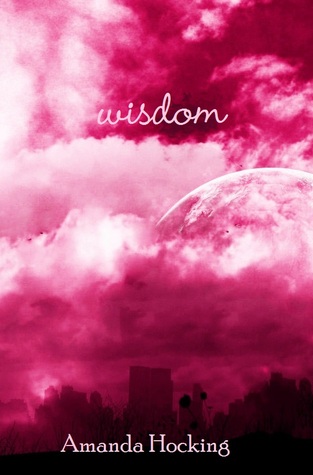
Let’s dive into the magical and mysterious world of Amanda Hocking’s "Wisdom," the fourth installment in her popular "My Blood Approves" series. Whether you’re a late-night reader, a fantasy aficionado, or a college student in need of a study break, "Wisdom" offers a heady cocktail of romance, danger, and moral dilemmas. Hocking, a self-publishing sensation, delivers a story where vampires wrestle with both ancient rivalries and modern heartbreaks. If you’ve ever wondered what immortality might really cost—or how a love triangle can become a matter of life and death—this book is for you.
Not just another teen paranormal romance, "Wisdom" stands at the crossroads of coming-of-age drama and supernatural suspense. Hocking’s narrative is both accessible and emotionally rich, perfect for readers looking to escape into a world that is just a little bit more thrilling—and a lot more dangerous—than our own.
Historical Context
Amanda Hocking wrote "Wisdom" in the late 2000s, a period marked by the meteoric rise of self-publishing and indie authorship. This was also the era of a vampire renaissance in popular culture—think "Twilight," "True Blood," and "The Vampire Diaries." The public’s fascination with the undead was at an all-time high, and Hocking’s work both fed and furthered that obsession.
Her characters reflect the anxieties of a generation caught between tradition and transformation. The vampires in "Wisdom" are not just monsters; they are complex beings navigating the messy intersections of love, loyalty, and identity. The book’s themes echo broader societal questions about belonging, autonomy, and the price of power.
Brief Synopsis
Plot Overview
"Wisdom" picks up where the previous book left off, plunging our heroine, Alice Bonham, deeper into vampire politics and personal turmoil. As Alice grapples with her transition into the vampire world and her feelings for Jack and Peter, a new threat emerges. Vampire hunters are on the loose, and no one is safe—not Alice, not her friends, and certainly not her family.
The stakes (pun intended) are higher than ever. Alice must navigate deadly external threats, internal family tensions, and her own rapidly evolving powers. Along the way, she faces impossible choices that test her heart, her morals, and her very sense of self.
Setting
The story unfolds in contemporary America, primarily in Minnesota, but the environment often feels suspended between the mundane and the magical. Hocking describes neighborhoods, forests, and secluded mansions with equal parts warmth and menace. The atmosphere is thick with tension—every shadow might conceal an enemy, every conversation might shift the balance of power.
The contrast between the everyday and the supernatural is key. Alice’s world is recognizably ours, but with the ever-present threat of danger lurking just beneath the surface.
Main Characters
Here’s a handy table to keep track of the key players:
| Name | Role | Key Traits | Importance to Plot |
|---|---|---|---|
| Alice Bonham | Protagonist | Brave, compassionate, conflicted | Central; her choices drive the story |
| Jack Townsend | Alice’s love interest, vampire | Loyal, playful, protective | Emotional anchor and source of tension |
| Peter Townsend | Jack’s brother, vampire | Brooding, intense, mysterious | Complicates Alice’s feelings and choices |
| Milo Bonham | Alice’s brother, new vampire | Caring, adaptable, maturing | Alice’s family, navigating new identity |
| Ezra Townsend | Vampire patriarch | Wise, authoritative, calm | Leader figure, moral guide |
| Mae Townsend | Vampire matriarch | Warm, nurturing, diplomatic | Provides emotional support |
| Vampire Hunters | Antagonists | Ruthless, secretive, dangerous | Drive external conflict |
| Jane | Alice’s best friend | Loyal, vulnerable, witty | Human perspective, ups the emotional stakes |
Plot Summary
Let’s walk through "Wisdom" in digestible sections, avoiding any major spoilers.
Opening Tensions
Alice is adjusting to her new reality as a vampire-in-waiting. Her relationship with Jack is passionate but fraught, especially with Peter’s brooding presence complicating her feelings. The family is on edge as rumors of vampire hunters swirl, and every day brings new dangers. Alice’s bond with her brother Milo, now also a vampire, adds another layer of complexity.
Rising Threats
The vampire hunters become more than just rumors—they strike close to home, targeting Alice and her loved ones. Hocking ramps up the suspense as the family is forced to go on the defensive, questioning whom they can trust. The hunters are not your standard-issue villains; they have their own histories and motivations, which Alice must try to understand if she wants to survive.
Emotional Crossroads
Alice’s romantic dilemma intensifies. Jack’s devotion is unwavering, but Peter’s tortured soul pulls at her heartstrings. The emotional stakes rise alongside the physical danger. Alice struggles to hold on to her humanity as she learns more about the darkness in both herself and those she loves.
Showdown and Sacrifice
The tension culminates in a series of confrontations—with the hunters, within the vampire family, and inside Alice herself. Choices must be made, and not everyone will walk away unscathed. Hocking masterfully blends action with introspection, forcing Alice and the reader to confront the costs of power, love, and loyalty.
Aftermath and Growth
As the dust settles, Alice is forever changed—wiser, perhaps, but also more aware of the dangers that come with knowledge and immortality. The ending sets the stage for further adventures while providing a satisfying sense of closure to the book’s central conflicts.
Themes and Motifs
Wisdom lives up to its title by exploring what it really means to grow up and gain insight—often painfully.
Central Themes
- Identity and Transformation: Alice’s journey is a metaphor for adolescence and self-discovery. Becoming a vampire is both a gift and a curse, echoing the push-pull of growing up.
- Love and Sacrifice: The romantic entanglements are more than just teenage drama; they raise questions about loyalty, desire, and the cost of commitment.
- Family and Belonging: The vampire family is unconventional but deeply connected. Their struggles mirror universal questions about acceptance and loyalty.
- Power and Responsibility: With great power comes great…well, you know. Alice must reckon with the consequences of her new abilities.
Recurring Motifs
- Blood: Both literal and symbolic—blood is about family, life, temptation, and survival.
- Light and Darkness: The contrast between the mundane and the supernatural, safety and danger, innocence and corruption.
Literary Techniques and Style
Amanda Hocking’s writing is deceptively simple—easy to read, but packed with emotion and imagery.
Notable Techniques
- First-Person Narrative: Alice’s voice is honest and relatable, drawing the reader into her internal struggles.
- Dialogue-Driven Scenes: Conversations drive much of the plot, revealing character motivations and relationships.
- Suspense and Pacing: Hocking expertly balances moments of quiet reflection with bursts of action.
- Symbolism: Blood, light, and darkness function as recurring symbols that deepen the narrative.
Style
- Conversational Tone: Hocking’s style is direct, witty, and approachable, making even the most fantastical elements feel grounded.
- Emotional Honesty: Characters are allowed to be messy, vulnerable, and real, which adds depth to the story.
Author's Background
Amanda Hocking’s journey is almost as fascinating as her fiction. She began self-publishing her paranormal romances in 2010 after being repeatedly rejected by traditional publishers. Her books—especially the "My Blood Approves" and "Trylle" series—quickly found a massive audience online.
Influences
Hocking cites classic vampire literature, modern YA fiction, and her own experiences growing up in Minnesota as influences. Her writing reflects a blend of gothic tradition and contemporary sensibility.
Other Significant Works
- "My Blood Approves" (series)
- "The Trylle Trilogy" ("Switched," "Torn," "Ascend")
- "Hollowland" (The Hollows series)
Legacy
Hocking helped legitimize self-publishing as a viable path for new authors. Her success story has inspired countless writers to take creative risks and connect directly with readers.
Key Takeaways
- Growth often requires sacrifice—Alice must give up parts of her old life to embrace her new identity.
- Love is complicated—and not just in a romantic sense. Family bonds are tested and redefined throughout the story.
- Power is double-edged—gaining strength means facing new dangers and responsibilities.
- It’s okay to be conflicted—Alice’s internal struggles reflect universal questions about choice, loyalty, and self-discovery.
Reader's Takeaway
"Wisdom" is more than a supernatural romance. It’s a coming-of-age story set against a backdrop of danger and desire. Readers will find themselves rooting for Alice not just to survive, but to thrive—to find her voice, make her own choices, and claim her place in a world that is as perilous as it is beautiful.
Emotionally, the book is a rollercoaster. There are moments of heart-stopping action, bittersweet romance, and genuine soul-searching. Intellectually, it invites readers to question what they would do in Alice’s place—how far they would go for love, family, and self-acceptance.
Conclusion
Amanda Hocking’s "Wisdom" is a compelling blend of fantasy, romance, and psychological drama. Its fast-paced plot and relatable protagonist make it an ideal read for college students, lecturers, and anyone interested in the complexities of identity and belonging. Hocking’s approachable style and emotional honesty ensure that "Wisdom" is both entertaining and thought-provoking.
If you’re looking for a book that’s easy to read but hard to forget, "Wisdom" is well worth your time. Pick it up for the vampires; stay for the wisdom. There’s much more to this story than meets the eye—and plenty more to explore in Hocking’s ever-expanding universe.
Ready for more? Consider reading the rest of the "My Blood Approves" series to follow Alice’s journey to its dramatic conclusion.
Wisdom FAQ
What is 'Wisdom' by Amanda Hocking about?
'Wisdom' is the fourth book in the 'My Blood Approves' series by Amanda Hocking. The story continues to follow Alice as she navigates her relationships with vampires, grapples with her growing feelings for Jack and Peter, and faces new dangers that threaten her and her loved ones.
Do I need to read the previous books in the 'My Blood Approves' series before reading 'Wisdom'?
Yes, it is highly recommended to read the previous books in the series to fully understand the characters, relationships, and ongoing plotlines that continue in 'Wisdom.'
Who are the main characters in 'Wisdom'?
The main characters include Alice Bonham, Jack, Peter, Milo, and Mae. The story revolves around Alice's struggles with her feelings and her place in the vampire world.
What genre does 'Wisdom' fall under?
'Wisdom' is a young adult paranormal romance novel with elements of fantasy, suspense, and drama.
Are there any major themes in 'Wisdom'?
Major themes in 'Wisdom' include love, loyalty, family, the challenges of immortality, and making difficult choices.
Is 'Wisdom' appropriate for young readers?
'Wisdom' is intended for a young adult audience. It contains some mature themes and situations, so parental discretion is advised for younger readers.
How does 'Wisdom' fit into the overall 'My Blood Approves' series?
'Wisdom' is the penultimate book in the series, setting up the final events and resolving many of the conflicts that have built up throughout the previous books.
Where can I purchase or read 'Wisdom' by Amanda Hocking?
'Wisdom' is available for purchase in print and digital formats through major book retailers such as Amazon, Barnes & Noble, and can also be found in libraries.
Is there a sequel to 'Wisdom'?
Yes, the series concludes with the fifth book, 'Letters to Elise,' which serves as a companion novella, and the main storyline wraps up in 'Swear.'


