
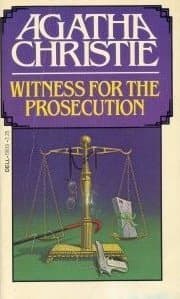
Synopsis
Covers the whole plot, including the ending.
- Difficulty
- Easy
- Pacing
- Moderate
- Mood
- Suspenseful, Clever, Cynical, Shocking
- Read it if
- You enjoy classic courtroom dramas with shocking twists, clever legal maneuvering, and a cynical view of justice.
- Skip it if
- You prefer fast-paced action, clear-cut heroes, or dislike stories where the 'good guys' resort to morally ambiguous methods.
Witness for the Prosecution Plot Summary
Covers the whole plot, including the ending.
Leonard Vole's Arrest and the Pursuit of Legal Counsel
Leonard Vole, a charming but somewhat feckless young man, is arrested for the murder of Emily French, a wealthy, elderly widow with whom he had struck up an unlikely friendship. Emily French had recently changed her will, leaving a substantial portion of her estate to Leonard. The police have strong circumstantial evidence against him. Leonard seeks the help of the barrister Sir Wilfrid Robarts, known for his sharp mind and success in court. Despite his initial skepticism about Leonard's story, Sir Wilfrid agrees to take on the case, intrigued by the challenge and Leonard's seemingly earnest plea of innocence. Leonard maintains that he was at home with his wife, Romaine Heilger, at the time of the murder, and she can provide an alibi.
Romaine's Damning Revelation to Sir Wilfrid
Sir Wilfrid Robarts meets with Romaine Heilger, Leonard Vole's German wife, expecting to discuss her alibi testimony. However, Romaine shocks Sir Wilfrid by calmly stating that she will not provide an alibi for Leonard. Instead, she reveals that Leonard returned home late on the night of the murder, covered in blood, and confessed to killing Emily French. She explains that she despises him and wishes to see him condemned. Sir Wilfrid is taken aback by her cold demeanor and the devastating impact her testimony will have on the defense. He realizes the challenge ahead, as his own client's wife is prepared to be the star witness for the prosecution.
The Trial Commences and Romaine's Testimony
The murder trial begins, drawing public attention. The prosecution presents its case, detailing Leonard's financial motive and the circumstantial evidence placing him at Emily French's house. Romaine Heilger is called to the stand and, to the shock of the courtroom, confirms Sir Wilfrid's fears. She testifies that Leonard came home late on the night of the murder, admitting he had killed Emily French. Her calm, collected, and seemingly truthful demeanor under cross-examination makes her testimony damaging to Leonard's defense. The jury is visibly swayed by her words, and Leonard's chances of acquittal appear to dwindle with each statement from his own wife.
The Mysterious Woman and the Incriminating Letters
Just as the defense seems lost, Sir Wilfrid receives a cryptic message from a mysterious, disfigured woman who claims to have information vital to the case. He meets her in a dark alley, where she presents him with a packet of love letters allegedly written by Romaine Heilger to another man, a former lover named Max. These letters express Romaine's hatred for Leonard and her desire to see him suffer, even indicating a plot to frame him for murder. The woman, who calls herself Max's former maid, demands a large sum of money for these letters, which Sir Wilfrid reluctantly pays. He believes these letters could be the key to discrediting Romaine and saving Leonard.
Sir Wilfrid's Cross-Examination of Romaine
Armed with the incriminating letters, Sir Wilfrid recalls Romaine Heilger to the stand for cross-examination. He presents the letters, accusing her of perjury and revealing her alleged affair with Max and her motive to frame Leonard. Romaine initially maintains her composure, denying the letters' authenticity and her involvement with Max. However, under Sir Wilfrid's relentless questioning and the weight of the evidence, her composure breaks. She collapses, admitting to the affair and the hatred she harbored for Leonard, making her previous testimony seem like a calculated lie to condemn him. This dramatic turn shifts the tide of the trial, casting doubt on Romaine's credibility and bolstering Leonard's defense.
Leonard Vole's Acquittal
Following Romaine's breakdown and the revelation of the letters, the jury deliberates. The prosecution's star witness has been discredited, making her previous testimony unreliable. The defense successfully argues that Romaine's hatred for Leonard and her affair with Max provided her with a strong motive to lie and frame her husband. After a period of suspense, the jury returns with a verdict: Not Guilty. Leonard Vole is acquitted of Emily French's murder, much to the relief of Sir Wilfrid and the public, who now view Romaine as a manipulative and vengeful woman. Leonard is free, and the courtroom erupts in a mix of relief and confusion.
The Shocking Truth Revealed by Romaine
After the trial concludes and Leonard is acquitted, Romaine Heilger requests a private meeting with Sir Wilfrid Robarts. To his astonishment, she calmly reveals the shocking truth: she fabricated the entire story about the letters and the mysterious woman. The woman who provided the letters was, in fact, Romaine herself, disguised with makeup and a changed voice. There was no Max; the letters were forged by her. She explains that she knew her testimony as a loving wife would not be believed by the jury, but her testimony as a scorned, vengeful woman, later discredited by 'new evidence,' would create enough doubt to secure Leonard's acquittal. Her love for Leonard was so strong that she was willing to commit perjury and orchestrate this deception to save him, knowing that if she testified for him, she would not be believed.
Leonard's Cold Confession and Sir Wilfrid's Realization
As Romaine finishes her confession to Sir Wilfrid, Leonard Vole enters the room, oblivious to Romaine's recent revelation. He is jubilant, celebrating his freedom and expressing gratitude to Sir Wilfrid. However, in a chilling turn, Leonard then casually reveals to Romaine, and by extension, Sir Wilfrid, that he did, in fact, murder Emily French. He explains how he cleverly manipulated the situation, knowing Romaine would go to any lengths to save him. He has a new lover, a young woman named Janet MacKenzie, and now that he is free and wealthy, he plans to leave Romaine. Sir Wilfrid is horrified, realizing the depth of Leonard's depravity and the tragic irony of Romaine's selfless, yet misguided, love. He has saved a guilty man.
Romaine's Vengeance and the Final Act
Romaine Heilger, upon hearing Leonard's cold confession and his plans to abandon her for Janet MacKenzie, is overcome with a mixture of love, betrayal, and rage. The man she risked everything for, committed perjury for, and orchestrated a deception to save, not only committed the murder but is now mocking her sacrifice and planning to leave her. In a sudden, desperate act, Romaine grabs a knife from Sir Wilfrid's desk and stabs Leonard Vole, killing him instantly. Sir Wilfrid, stunned and horrified, witnesses the murder. Romaine is immediately arrested for Leonard's murder, completing the tragic and twisted cycle of justice and vengeance, leaving Sir Wilfrid to grapple with the moral implications of the entire case.
Witness for the Prosecution Characters
Sir Wilfrid Robarts
Protagonist
A renowned and astute barrister, initially defending Leonard Vole.
Sir Wilfrid Robarts is an elderly, highly respected, and extremely sharp criminal barrister. He is recovering from a heart attack, which adds a layer of vulnerability to his otherwise formidable intellect. He prides himself on his ability to discern truth and justice, often taking on cases that intrigue him beyond just the fee. He is initially skeptical of Leonard Vole but becomes convinced of his innocence through Romaine's 'damning' testimony. His journey through the trial tests his legal acumen and ultimately challenges his understanding of human nature and justice. He is driven by a desire for truth, but also by the thrill of a challenging case.
Relationships: Leonard Vole (Client he defends); Romaine Heilger (Client's wife, key witness for prosecution and then defense)
Leonard Vole
Antagonist/Accused
A charming but manipulative young man accused of murder.
Leonard Vole is a seemingly naive, charming, and financially struggling young man accused of murdering the wealthy Emily French. He possesses a magnetic quality that draws people to him, including Emily French and Romaine Heilger. He is portrayed as somewhat feckless and dependent on others, but beneath this facade lies a calculating and utterly ruthless individual. He is driven by greed and self-preservation, willing to manipulate anyone, including his own wife, to achieve his goals. His innocence is the central question of the trial, and his true character is slowly revealed through the unfolding events.
Relationships: Romaine Heilger (Wife, later revealed as his victim and accomplice); Emily French (Murder victim, benefactor); Sir Wilfrid Robarts (His barrister); Janet MacKenzie (His new lover)
Romaine Heilger (Vole)
Supporting/Key Witness
Leonard Vole's enigmatic and fiercely loyal German wife.
Romaine Heilger is Leonard Vole's German wife, a woman of striking appearance and intense emotional depth. She is initially presented as cold and detached, testifying against her husband. However, her true character is far more complex. She is fiercely devoted to Leonard, driven by an obsessive love that compels her to commit perjury and orchestrate an elaborate deception to save him. She is incredibly intelligent, resourceful, and capable of extreme self-sacrifice. Her actions are motivated by a profound, if ultimately tragic, loyalty, and a desire to see her love survive, even if it means betraying her own integrity.
Relationships: Leonard Vole (Husband, object of her obsessive love and ultimate victim); Sir Wilfrid Robarts (Opponent in court, then confidante)
Emily French
Mentioned/Victim
A wealthy, elderly widow whose murder sets the plot in motion.
Emily French is the wealthy, elderly, and somewhat lonely murder victim. She developed an affectionate, almost maternal relationship with the much younger Leonard Vole, showering him with gifts and ultimately making him a primary beneficiary in her will. Her vulnerability and generosity made her an easy target for Leonard's manipulation. Although she never appears alive in the story, her character is crucial as the catalyst for the entire plot, and her death provides the motive and the central mystery.
Relationships: Leonard Vole (Benefactor and murderer)
Mr. Myers
Supporting
The prosecuting counsel in Leonard Vole's murder trial.
Mr. Myers is the prosecuting counsel, a competent and methodical lawyer who presents the case against Leonard Vole. He focuses on the circumstantial evidence, Leonard's financial motive, and relies heavily on Romaine Heilger's initial testimony to secure a conviction. He is a formidable opponent for Sir Wilfrid Robarts, but ultimately falls victim to Romaine's elaborate deception. He represents the traditional legal process and the pursuit of justice through established means.
Relationships: Sir Wilfrid Robarts (Opposing counsel); Leonard Vole (The accused he prosecutes)
Greta
Supporting
Sir Wilfrid Robarts's efficient and protective secretary.
Greta is Sir Wilfrid Robarts's loyal and efficient secretary. She is protective of Sir Wilfrid, especially after his heart attack, and often tries to shield him from stress. She is a practical and observant character, providing a grounding presence in Sir Wilfrid's chambers. Her role is primarily to manage Sir Wilfrid's schedule and provide background support, but she also serves as a sounding board for his thoughts and frustrations, offering a glimpse into his personal life and professional ethics.
Relationships: Sir Wilfrid Robarts (Employer)
Janet MacKenzie
Mentioned
Leonard Vole's new lover, revealed at the end of the play.
Janet MacKenzie is a young woman who is revealed at the very end of the story as Leonard Vole's new lover. Her existence is only mentioned by Leonard after his acquittal, serving as the final straw for Romaine Heilger. She represents Leonard's callous disregard for Romaine's sacrifice and his immediate move to secure his new life and fortune. Her character, though unseen, is crucial in triggering Romaine's ultimate act of vengeance.
Relationships: Leonard Vole (His new lover)
Witness for the Prosecution Themes
Deception and Manipulation
The entire plot of 'Witness for the Prosecution' is built upon layers of deception and manipulation. Romaine Heilger's elaborate scheme to save Leonard, involving her initial testimony against him, the creation of the 'mysterious woman,' and the forged letters, is the central act of deception. Leonard Vole himself is a master manipulator, using his charm to gain Emily French's trust and his wife's unwavering loyalty, even knowing he is guilty. Sir Wilfrid Robarts, a seasoned lawyer, is manipulated by Romaine, showing how even sharp minds can be fooled when emotions and hidden motives are at play. The play constantly challenges the audience to question what is real and what is fabricated.
“There is no doubt about it. She hates him. She hates him with a most deadly and venomous hatred.”
Love and Obsession
Romaine Heilger's actions, initially perceived as hatred, are ultimately revealed to be driven by an intense, obsessive love for Leonard Vole. This love is so powerful that she is willing to commit perjury, orchestrate an elaborate charade, and sacrifice her own reputation to save him. Her love transcends conventional morality, leading her to extreme measures. Conversely, Leonard Vole's lack of genuine love and his betrayal of Romaine's devotion underscore the destructive potential of one-sided or unrequited passion. The play explores the dark side of love, where it can lead to both immense sacrifice and ultimate destruction.
“A woman can love a man so much that she can hate herself for loving him.”
Justice and Truth
The play raises questions about the nature of justice and truth within the legal system. Sir Wilfrid Robarts is dedicated to uncovering the truth, yet he is ultimately instrumental in securing an acquittal for a guilty man due to Romaine's manipulation. The courtroom, meant to be a place where truth prevails, becomes a stage for an elaborate performance. The verdict, though legally sound based on the presented evidence, is morally perverse. Romaine killing Leonard can be seen as a form of 'poetic justice,' administered outside the bounds of the law, suggesting that sometimes the legal system fails to deliver true justice.
“Justice, Sir Wilfrid. Justice. That's what one is after.”
The Nature of Evidence and Perception
Agatha Christie shows how perception and the presentation of evidence can dramatically alter the course of justice. Romaine's initial testimony against Leonard, delivered with cold conviction, is taken as truth. Later, when the 'incriminating letters' are introduced, her previous testimony is perceived as a lie, and she is seen as a vengeful woman. The audience, like the jury, is led to believe different versions of the truth based on what evidence is presented and how it is interpreted. The play highlights the fragility of 'truth' when it relies solely on eyewitness accounts and circumstantial evidence, and how easily it can be manipulated.
“Circumstantial evidence is a very tricky thing. It may seem to point to one thing, but it may actually mean something quite different.”
Plot Devices & Literary Techniques
The Unreliable Narrator/Witness
Romaine Heilger's testimony and persona are deliberately misleading.
Romaine Heilger serves as the ultimate unreliable witness. Her initial testimony, delivered with chilling conviction, is designed to appear truthful but is later revealed as a calculated lie. Her subsequent 'performance' as the scorned lover, complete with the 'mysterious woman' and forged letters, is also a fabrication. This device keeps both the characters (especially Sir Wilfrid) and the audience guessing about the true state of affairs, constantly shifting their perception of guilt and innocence. It underscores the theme that appearances can be deceiving, especially in a courtroom setting where truth is filtered through testimony and interpretation.
The Twist Ending
The shocking revelation of Romaine's deception and Leonard's guilt after the verdict.
Agatha Christie is famous for her twist endings, and 'Witness for the Prosecution' delivers one of her most impactful. The initial twist is Romaine's revelation to Sir Wilfrid that she orchestrated the entire charade to save Leonard. This is immediately followed by an even more shocking twist: Leonard's casual confession of his guilt and his plan to abandon Romaine. This double twist completely recontextualizes all preceding events, turning a seemingly just acquittal into a profound miscarriage of justice and leading directly to the play's violent climax. It is a hallmark of the mystery genre, designed to surprise and leave a lasting impression on the audience.
Dramatic Irony
The audience often has a different understanding of events than the characters.
Dramatic irony is prevalent throughout the play. From the moment Romaine tells Sir Wilfrid she will testify against Leonard, the audience is aware of her seemingly hostile intentions, while Leonard remains oblivious to her true plan. Later, after the acquittal, the audience (and Sir Wilfrid) learn the full extent of Romaine's deception and Leonard's true guilt, while the public and the jury remain ignorant. This creates tension and suspense, as the audience watches characters act on incorrect assumptions, knowing the devastating truth that will eventually be revealed. The final moments are particularly ironic, as Sir Wilfrid, a champion of justice, has inadvertently saved a murderer.
The Courtroom Drama
The trial itself serves as the primary setting and engine of the plot.
The majority of the play unfolds within the confines of the courtroom, making the legal proceedings themselves a central plot device. The structure of the trial—opening statements, witness testimonies, cross-examinations, and the jury's deliberation—drives the narrative forward. The formal setting and the rules of evidence create a framework within which the characters must operate, highlighting the limitations and vulnerabilities of the legal system when faced with cunning manipulation. The courtroom becomes a stage for performance, where truth is not always what it seems, and the fate of a man hangs in the balance of rhetoric and evidence.
Witness for the Prosecution Quotes
“The truth, the whole truth, and nothing but the truth.”
“You must not allow your feelings to influence your judgment.”
“The evidence is circumstantial, but it is strong.”
“I am not here to tell you what to think, but to present the facts.”
“In a court of law, it is not what you know, but what you can prove.”
“Every man is entitled to a defense, no matter how heinous the crime.”
“The wheels of justice grind slowly, but they grind exceedingly fine.”
“Do not underestimate the power of a clever lie.”
“It is a dangerous thing to jump to conclusions.”
“The past has a way of catching up with us.”
“In the end, the truth will out.”
“A good lawyer knows when to speak and when to listen.”
“Sometimes the most innocent face hides the darkest secrets.”
Quiz
10 questions on the plot and the characters. Each answer comes with a short explanation.
Question 1
Who is the main defense attorney representing Leonard Vole in the murder trial?
- Sir Charles Carter
- Sir Wilfrid Robarts
- Mr. Mayherne
- Inspector Hearne
Show answer
B. Sir Wilfrid Robarts Sir Wilfrid Robarts is the brilliant and ailing defense attorney who takes on Leonard Vole's case, using his legal expertise to challenge the prosecution's evidence.
Question 2
What is the name of the wealthy older woman that Leonard Vole is accused of murdering?
- Emily French
- Agatha Christie
- Romaine Heilger
- Janet Mackenzie
Show answer
A. Emily French Emily French is the elderly, wealthy woman who was brutally murdered, and Leonard Vole becomes the prime suspect due to his relationship with her and being named in her will.
Question 3
What key piece of evidence initially seems to prove Leonard Vole's guilt in Emily French's murder?
- A signed confession
- Bloodstains on his sleeve
- A murder weapon found in his home
- Security camera footage
Show answer
B. Bloodstains on his sleeve Bloodstains matching Emily French's blood type are found on Leonard Vole's sleeve, making him appear guilty, though Sir Wilfrid later challenges this evidence.
Question 4
Why does Romaine Heilger initially testify against Leonard Vole in court?
- She believes he is actually guilty of the murder
- She is secretly working with the prosecution to frame him
- She is part of a plan to make her testimony seem credible before revealing the truth
- She wants revenge for him cheating on her
Show answer
C. She is part of a plan to make her testimony seem credible before revealing the truth Romaine's shocking testimony against Vole is part of an elaborate scheme with Sir Wilfrid to make her appear as a hostile witness, thereby strengthening Vole's defense when her credibility is later undermined.
Question 5
What is the relationship between Leonard Vole and Romaine Heilger?
- They are legally married but keep it secret
- They are just friends with no romantic involvement
- She is his sister pretending to be his lover
- They are business partners in a fraudulent scheme
Show answer
A. They are legally married but keep it secret Leonard Vole and Romaine Heilger are secretly married, which becomes a crucial plot point as it affects Romaine's testimony and motives throughout the trial.
Question 6
How does Sir Wilfrid Robarts ultimately expose the truth about Romaine Heilger's testimony?
- By presenting forged letters she wrote
- By calling a surprise witness who saw the real murder
- By tricking her into a confession during cross-examination
- By using new forensic evidence from the crime scene
Show answer
A. By presenting forged letters she wrote Sir Wilfrid presents forged letters that appear to show Romaine plotting with another man, making her testimony seem like part of a conspiracy to frame Vole, which sways the jury.
Question 7
What major theme in 'Witness for the Prosecution' is highlighted by Romaine Heilger's actions?
- The corruption of the legal system
- The power of deception and appearance versus reality
- The inevitability of justice
- The importance of forensic science in solving crimes
Show answer
B. The power of deception and appearance versus reality Romaine's elaborate deception, including false testimony and forged evidence, underscores the theme that appearances can be misleading and truth is often manipulated in the pursuit of justice.
Question 8
What shocking revelation occurs after Leonard Vole is acquitted of the murder?
- Romaine reveals she is actually a police informant
- Vole confesses to the murder in a fit of remorse
- Romaine stabs and kills Vole, admitting she framed an innocent man to test his love
- Sir Wilfrid admits he knew Vole was guilty all along
Show answer
C. Romaine stabs and kills Vole, admitting she framed an innocent man to test his love In a dramatic twist, after Vole is acquitted, Romaine stabs him, revealing that she knew he was guilty all along and orchestrated the trial to expose him, leading to her arrest.
Question 9
Why does Romaine Heilger claim she cannot be compelled to testify against Leonard Vole initially?
- Because she is a foreign national with diplomatic immunity
- Because she is his wife and spouses cannot be forced to testify against each other in British law at the time
- Because she has amnesia about the events
- Because she is underage and legally incompetent
Show answer
B. Because she is his wife and spouses cannot be forced to testify against each other in British law at the time Romaine invokes spousal privilege, a legal principle that prevents spouses from being compelled to testify against each other, which adds complexity to the case and her role in it.
Question 10
What is the ultimate fate of Romaine Heilger at the end of the story?
- She escapes to another country with a new identity
- She is arrested for the murder of Leonard Vole and will face trial
- She commits suicide out of guilt for her actions
- She is pardoned for her role in exposing the truth
Show answer
B. She is arrested for the murder of Leonard Vole and will face trial After stabbing Leonard Vole, Romaine is apprehended by the police and will be tried for his murder, closing the story with a twist on justice and retribution.
Witness for the Prosecution FAQ
What is 'Witness for the Prosecution' about?
The story follows Leonard Vole, a charming young man accused of murdering wealthy widow Emily French for her inheritance. His defense hinges on his alibi provided by his wife, Romaine Heilger, but her shocking courtroom testimony becomes the centerpiece of a trial filled with twists. The narrative explores deception, loyalty, and the manipulation of truth within the British legal system.
Why should I read 'Witness for the Prosecution'?
It's a masterclass in suspense with one of Agatha Christie's most famous courtroom twists, featuring a shocking betrayal and a cleverly constructed plot that keeps readers guessing until the final pages. The psychological depth of characters like Romaine Heilger and the ethical dilemmas presented make it more than just a puzzle mystery.
What is the background/setting of 'Witness for the Prosecution'?
Set in 1950s London, the story primarily unfolds in the Old Bailey courtroom during Leonard Vole's murder trial, with flashbacks to events leading to the crime. The legal setting amplifies the tension, as characters like barrister Sir Wilfrid Robarts navigate strict procedural rules while uncovering hidden motives.
What are the most memorable quotes?
Key quotes include Romaine's chilling courtroom declaration, 'I am not his wife—I am his mistress,' which shatters Leonard's defense, and Sir Wilfrid's observation, 'The truth is what you believe it to be,' highlighting the story's theme of subjective reality. These lines underscore the manipulation and emotional stakes at play.
What writing style does the author use?
Agatha Christie employs a tight, dialogue-driven narrative focused on courtroom drama, with minimal description to heighten suspense. The style is economical and precise, using legal terminology and shifting perspectives to build tension, culminating in a twist that recontextualizes earlier scenes.
What minor details add significant meaning?
Romaine's initial reluctance to testify and her composed demeanor in court subtly hint at her deeper agenda, while Leonard's repeated claims of innocence contrast with his manipulative charm. Small clues, like discrepancies in timelines or character reactions, foreshadow the final revelation without giving it away.
What are some subtle foreshadowing moments?
Early hints include Romaine's ambiguous loyalty and her background as a German actress, suggesting she might be playing a role. Leonard's overconfidence in his alibi and the prosecution's focus on circumstantial evidence subtly prepare readers for the twist that redefines the crime's nature.
What unexpected character connections exist?
Romaine is revealed to be Leonard's mistress, not his wife, and her testimony is part of an elaborate scheme to secure his acquittal by appearing to betray him. This hidden relationship underpins the plot's deception, linking personal motives to legal strategy in a way that surprises both characters and readers.
What are unspoken character motivations?
Romaine is driven by a complex mix of love, revenge, and survival, using the trial to manipulate outcomes without revealing her true feelings. Leonard's charm masks a selfish desire for wealth, while Sir Wilfrid's determination to win the case stems from a deeper need to uphold justice, even when deceived.
What psychological complexities do characters exhibit?
Romaine displays calculated emotional control, feigning betrayal to save Leonard, which blurs lines between love and manipulation. Leonard's narcissism makes him blind to others' motives, and Sir Wilfrid grapples with ethical doubts as he pieces together the truth, showcasing themes of trust and deception.
What are the major emotional turning points?
Key moments include Romaine's shocking testimony that seems to condemn Leonard, the revelation of her true role in the scheme, and the final twist where Leonard's guilt is confirmed. Each shift heightens suspense and redefines character relationships, from betrayal to tragic resolution.
How do relationship dynamics evolve?
Romaine and Leonard's relationship shifts from apparent marital loyalty to revealed mistress-lover deception, culminating in a fatal confrontation. Sir Wilfrid's interactions with both evolve from professional defense to personal disillusionment, highlighting how trust is manipulated throughout the trial.
Which parts remain ambiguous or open-ended?
The exact depth of Romaine's feelings for Leonard and whether she acted purely out of love or self-preservation is left ambiguous. Additionally, the moral implications of Sir Wilfrid's actions after discovering the truth invite interpretation about justice versus legal technicalities.
What are controversial scenes or decisions?
Romaine's decision to perjure herself and manipulate the court sparks debate on ethics in love and law. Leonard's eventual fate and Sir Wilfrid's role in it raise questions about whether the legal system achieved true justice or was outwitted by clever deception.
'Witness for the Prosecution' ending explained: how it ends & what it means
The ending reveals Romaine's testimony was a ruse to secure Leonard's acquittal by making him seem betrayed, but after being freed, Leonard admits his guilt and plans to leave her, leading Romaine to kill him in a fit of rage. This twist underscores themes of betrayal, justice, and the consequences of deception, suggesting that truth ultimately prevails through tragic irony.
About the author
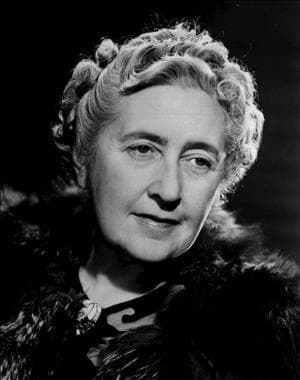
Dame Agatha Mary Clarissa Christie, Lady Mallowan, was an English writer known for her 66 detective novels and 14 short story collections, particularly those revolving around fictional detectives Hercule Poirot and Miss Marple. She also wrote the world's longest-running play, the murder mystery The Mousetrap, which has been performed in the West End since 1952. A writer during the "Golden Age of Detective Fiction", Christie has been called the "Queen of Crime". She also wrote six novels under the pseudonym Mary Westmacott. In 1971, she was made a Dame (DBE) by Queen Elizabeth II for her contributions to literature. Guinness World Records lists Christie as the best-selling fiction writer of all time, her novels having sold more than two billion copies.
Similar books
- And Then There Were None
Agatha Christie
4.3 (822k) average on GoodreadsThrillerFeatures intricate plotting, multiple suspects, and a surprising resolution.
- Primal Fear
William Diehl
4.2 (9k) average on GoodreadsThrillerA legal thriller with a shocking, manipulative twist involving a seemingly innocent defendant.
- The Secret History
Donna Tartt
3.9 (2k) average on GoodreadsPoliticsTartt's novel is a longer, more character-driven psychological mystery exploring motivations over an extended period. Christie's 'Witness for the Prosecution' is a concise, high-impact legal thriller that prioritizes plot ingenuity and a shocking twist within a contained timeframe.
- Angels & Demons
Dan Brown
3.9 (2.7M) average on GoodreadsThrillerA Harvard symbologist races through Rome's ancient sites, deciphering cryptic clues to unmask the Illuminati and stop a vengeful plot to destroy the Vatican with a stolen antimatter weapon.
- Gone Girl
Gillian Flynn
4.1 (2.3M) average on GoodreadsThrillerA wife's sudden disappearance on her fifth anniversary reveals a web of lies and psychological warfare, exposing the secrets within a seemingly perfect marriage.
- The Girl on the Train
Paula Hawkins
3.9 (2.1M) average on GoodreadsThrillerA woman’s fascination with a seemingly perfect couple she watches from her daily train commute leads her into a dark investigation when she witnesses something that shatters their idyllic image.




Enjoyed the summary?
A summary gives you the shape of the book. The book itself has the detail, the examples and the voice.
Find Witness for the Prosecution on AmazonAs an Amazon Associate, BookBrief earns from qualifying purchases. How we're funded