
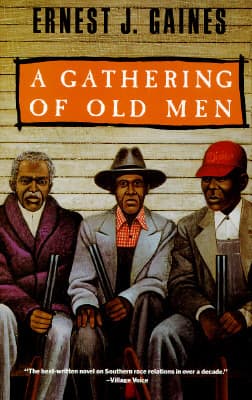
Synopsis
Covers the whole plot, including the ending.
- Difficulty
- Medium
- Pacing
- Moderate
- Mood
- Thought-provoking, Tense, Resilient, Historic
- Read it if
- You appreciate powerful literary fiction exploring themes of racial injustice, collective action, and the search for dignity in the American South.
- Skip it if
- You prefer fast-paced thrillers or stories without overt racial conflict and historical context.
A Gathering of Old Men Plot Summary
Covers the whole plot, including the ending.
The Discovery and the Call to Justice
The story begins with the discovery of Beau Boutan, a white Cajun farmer, shot dead in the yard of Mathu, an elderly black sharecropper on the Marshall plantation. Sheriff Mapes investigates, finding Mathu sitting calmly with a shotgun beside him. Candy Marshall, the white woman who runs the plantation and feels loyalty to Mathu, takes charge. To protect Mathu, who she believes killed Beau in self-defense, Candy states that all the old black men in the community will claim responsibility for the murder. She gathers them, instructing each to arrive at Mathu's cabin with a shotgun and a spent shotgun shell, to create a united front against the justice system.
The Gathering of the Old Men
As Candy instructs, the old black men of the quarter, including Dirty Red, Gable, Rufe, and others, gather at Mathu's cabin. Each man, some frail, brings a shotgun and a spent shell, prepared to confess to Beau's murder. Their reasons for participating vary: some respect Mathu, others are tired of the injustices they've faced, and some follow Candy's lead. Sheriff Mapes, seeing the growing crowd and the identical confessions, finds himself in a perplexing situation, realizing he cannot identify a single killer.
Mapes's Interrogations and the Growing Tension
Sheriff Mapes, frustrated by the collective confession, questions the old men one by one in Mathu's cabin. He uses intimidation, logic, and appeals to their sense of truth, trying to find inconsistencies in their stories. Each man, however, sticks to the script, claiming Beau Boutan's murder. The old men, many of whom have endured a lifetime of oppression, find strength in their shared defiance. Tension in the quarter grows as more old men arrive, and the white townsfolk, including Luke Will and his group, gather, anticipating a confrontation and demanding justice for Beau.
Fix Boutan's Arrival and the Demand for Retribution
Fix Boutan, Beau's powerful father, arrives at the plantation with his other sons and a group of armed white men. Fix is known for his violent temper and his family's history of enacting their own justice. He is furious and intends to lynch Mathu, or whoever killed his son, without waiting for legal proceedings. His arrival increases racial tension and the risk of violence. Sheriff Mapes, caught between his duty to uphold the law and the pressure from Fix, tries to maintain order and prevent a bloodbath, knowing that the old black men are prepared to die.
The Revelation of Gable's True Confession
Amidst the growing tension and Mapes's questions, Gable, one of the oldest and most respected of the black men, breaks from the collective lie. He confesses that he shot Beau Boutan. Gable explains that Beau had brutally beaten his grandson, Charlie, earlier that day for a minor offense. In a moment of righteous fury and a desperate attempt to protect his family and reclaim dignity, Gable ambushed and killed Beau. This revelation changes the dynamic, as Gable's confession is rooted in self-defense for his family, rather than the orchestrated collective lie.
Charlie's Backstory and the Catalyst
The story details the events leading up to Beau Boutan's death, focusing on Charlie, a young black man working on the plantation. It is revealed that Beau had beaten Charlie earlier that day, for a perceived insult or inefficiency, but more likely as a display of power. This brutal act, witnessed by Gable, was the direct cause of Beau's murder. Charlie himself, ashamed and traumatized by the beating, had fled into the cane fields. His humiliation and the injustice he suffered are central to understanding Gable's motive and the collective outrage of the old men.
The Standoff and Luke Will's Provocation
With Gable's confession, the focus shifts, but the danger remains. Fix Boutan and his armed white men, led by the volatile Luke Will, surround the plantation quarter, demanding Gable be handed over. Luke Will, known for his racist provocations, tries to incite violence, taunting the old black men and challenging Sheriff Mapes's authority. The old men, now united not just in a lie but in a shared stand against oppression, refuse to back down, forming a protective circle around Gable. The air is thick with the threat of a violent confrontation, with both sides armed and determined.
The Intervention of Robert and the Power of the Past
Unexpectedly, Robert Boutan, one of Fix's other sons and Beau's brother, arrives and challenges his father's desire for immediate, violent revenge. Robert, a more educated and less prejudiced man than his father, argues against a lynching, emphasizing the need for due process and the potential for a larger race war if they proceed with mob justice. His intervention is important, as he appeals to his father's sense of family honor and the potential consequences of their actions, reminding Fix of his own past mistakes and the futility of endless cycles of violence. His voice offers a glimmer of reason in the volatile atmosphere.
The Resolution and the Shift in Power
After a tense exchange with Robert and facing the solidarity of the old black men, Fix Boutan, though still angry, reluctantly agrees to allow Sheriff Mapes to take Gable into custody. This decision marks a significant, though fragile, victory for the black community. It means that traditional power dynamics are challenged, and the old men, through their collective courage, force the white community to adhere, however minimally, to the rule of law rather than resorting to immediate mob violence. The immediate threat of a lynching is averted, and a new, if precarious, balance is established.
Charlie's Return and the Newfound Dignity
Following the standoff, Charlie, who had been hiding in the cane fields, returns to the quarter. He is no longer the cowering, humiliated young man but has found a new sense of dignity and courage, inspired by the stand taken by the old men. His return symbolizes the broader shift in the community, as the act of collective defiance has empowered not just the elders but also the younger generation. The story ends with cautious optimism, suggesting that while racial tensions remain, a significant step has been taken towards regaining agency and justice for the black community on the plantation.
Principal Figures
Mathu
Protagonist/Symbolic Figure
An elderly, respected black sharecropper initially accused of murder.
Mathu is the only black man on the Marshall plantation who is not afraid of white people. He is a proud, dignified, and stoic figure, deeply respected by his community. He raised Candy Marshall and is fiercely loyal to her family. His initial calm demeanor after Beau's death suggests a quiet defiance. He represents the older generation's endurance and the cumulative weight of racial injustice, yet also their potential for resistance.
Relationships: Candy Marshall (He raised her and shares a deep, familial bond.); The Old Men (He is a revered figure, almost a patriarch, to them.)
Candy Marshall
Protagonist/Catalyst
A strong-willed white woman who protects Mathu and orchestrates the collective confession.
Candy Marshall is a fiercely independent and protective white woman who manages the Marshall plantation. She feels a deep, almost familial, loyalty to Mathu, who practically raised her. She is impulsive and determined, often acting on her own sense of justice, even if it means defying the law and conventional racial norms. Her actions, while well-intentioned, also highlight the complexities of her privileged position within the racial hierarchy.
Relationships: Mathu (She considers him family and acts as his fierce protector.); Sheriff Mapes (She has a complicated, often confrontational relationship, challenging his authority.)
Sheriff Mapes
Antagonist/Moral Arbiter
The local sheriff tasked with investigating Beau's murder, caught between duty and racial tensions.
Sheriff Mapes is the white law enforcement officer responsible for solving Beau Boutan's murder. He is initially straightforward in his duty but becomes increasingly frustrated and bewildered by the old men's collective confession. Mapes is not overtly malicious, but he is a product of his time and place, grappling with the deeply ingrained racial prejudices and the unwritten rules of the community. He tries to uphold the law while navigating the immense pressure from both the black community and the vengeful Boutan family.
Relationships: Candy Marshall (He is often exasperated by her interference but respects her position.); Fix Boutan (He is intimidated by Fix's power and reputation but tries to resist his demands for mob justice.)
Gable
Protagonist/True Killer
An elderly black man who ultimately confesses to killing Beau Boutan.
Gable is one of the old black men who initially participates in the collective confession. He is quiet and seemingly frail, but harbors a deep sense of anger and a desire for justice. His confession is driven by the brutal beating of his grandson, Charlie, by Beau Boutan. Gable represents the quiet strength and long-suffering endurance of the black community, and his act of violence is a desperate attempt to break the cycle of humiliation and protect his family.
Relationships: Charlie (His grandson, whose brutal beating by Beau drives Gable's actions.); The Old Men (He is part of their collective, finding strength in their solidarity.)
Fix Boutan
Antagonist
Beau Boutan's powerful and vengeful father, seeking immediate retribution.
Fix Boutan is the patriarch of the influential and feared Boutan family, known for their violent temper and their willingness to take justice into their own hands. He is a formidable, intimidating figure, driven by a deep sense of family honor and a desire for revenge after his son Beau's death. Fix embodies the entrenched racial prejudice and the threat of mob violence in the South. His presence significantly escalates the tension and danger on the plantation.
Relationships: Beau Boutan (His murdered son, whose death he seeks to avenge.); Robert Boutan (His son, who challenges his methods and ultimately persuades him to accept due process.)
Charlie
Supporting/Catalyst
A young black man whose brutal beating by Beau Boutan sparks the central conflict.
Charlie is a young, quiet black man working on the Marshall plantation. He is brutally beaten by Beau Boutan, an event that directly leads to Beau's murder by Gable. Initially, Charlie is depicted as humiliated and fearful, hiding in the cane fields. His character represents the younger generation's vulnerability to racial violence and their potential for finding courage and dignity through the actions of their elders.
Relationships: Gable (His grandfather, who kills Beau in revenge for Charlie's beating.); The Old Men (He is part of the community they protect and empower.)
Luke Will
Antagonist/Provocateur
A racist white man who incites violence and supports Fix Boutan's desire for revenge.
Luke Will is a hot-headed, openly racist white man who arrives with Fix Boutan and actively tries to provoke violence against the black community. He is a dangerous and volatile figure, embodying the worst aspects of racial hatred and mob mentality. Luke Will serves as a foil to Sheriff Mapes, pushing for immediate, extrajudicial retribution and challenging any attempt at lawful process. He represents the constant threat of racial violence in the community.
Relationships: Fix Boutan (He is a loyal, if extreme, supporter of Fix's cause.); Sheriff Mapes (He openly defies Mapes's authority and attempts to maintain order.)
Robert Boutan
Supporting/Mediator
Beau's brother, who argues against mob violence and for due process.
Robert Boutan is one of Fix's sons and Beau's brother. Unlike his father and other brothers, Robert is presented as more reasonable and educated. He understands the broader implications of a lynching and the potential for a race war. He courageously confronts his father, arguing for a more lawful and less violent resolution. Robert represents a glimmer of hope for change and a more enlightened perspective within the white community, even amidst deep-seated prejudice.
Relationships: Fix Boutan (His father, whom he respectfully but firmly challenges.); Beau Boutan (His murdered brother, whose death he mourns but does not seek to avenge through mob rule.)
Themes & Insights
Dignity and Respect
The novel explores the struggle for dignity and respect within the black community, especially for the elderly black men who have endured a lifetime of subjugation. Their collective act of claiming responsibility for Beau Boutan's murder is not just about protecting Mathu, but about reclaiming their self-worth and asserting their humanity in the face of systemic racism. Scenes like the old men arriving with their shotguns, ready to die for their stand, show a powerful, collective assertion of dignity that goes beyond individual fear, ending in Gable's confession, which is an act of reclaiming honor for his family.
“A man got to have something to stand on. He got to have some ground to stand on.”
Justice vs. Law
A central theme is the interplay between formal law and a more community-based sense of justice. Sheriff Mapes represents the law, trying to apply it fairly, but he is constantly confronted by the community's understanding of justice, shaped by generations of racial inequality. Candy Marshall's initial plan to have all the old men confess defies legal procedure but aims for a moral justice for Mathu. Gable's act of killing Beau, while illegal, is portrayed as an act of justice for Charlie's brutal beating, highlighting the limitations and biases of the legal system in a racially stratified society.
“Justice ain't for colored folks in this parish, Sheriff.”
Collective Action and Solidarity
The novel shows the strength found in collective action and solidarity, especially within an oppressed community. The gathering of the old men, each bringing a shotgun and a spent shell to claim Beau's murder, is a monumental act of unity. This collective front challenges the established power structure and forces the white community, including Sheriff Mapes and even Fix Boutan, to confront their resolve. It transforms individual fear into a powerful, unified resistance, showing that even the most marginalized can achieve agency when they stand together.
“One man can't stand alone, Sheriff. Not in this parish.”
The Weight of History and Generational Change
The story is deeply affected by the past, as the old men's actions are shaped by generations of racial oppression, lynchings, and humiliation. Their willingness to stand up is a culmination of decades of silent suffering. The novel also explores generational change through characters like Charlie, who initially flees, but ultimately returns with new courage, and Robert Boutan, who represents a potential shift in the white community's approach to racial justice. The confrontation forces both black and white characters to reckon with the historical legacy of racism and the possibility of a different future.
“We ain't got nothing to lose no more, Sheriff. We lost it all a long time ago.”
Plot Devices & Literary Techniques
Collective Confession
Multiple characters confess to the same crime to protect the true culprit.
The collective confession is the central plot device, orchestrated by Candy Marshall. By having all the old black men claim responsibility for Beau's murder, it creates a deliberate ambiguity for Sheriff Mapes, making it impossible for him to identify a single perpetrator. This device serves multiple purposes: it protects Mathu, highlights the solidarity of the black community, and exposes the absurdity and inherent biases of the legal system when confronted with such a unified front. It forces the authorities to confront a moral dilemma rather than a simple criminal investigation, ultimately shifting the power dynamic.
Framing Narrative/Multiple Perspectives
The story is told through the eyes of various characters, offering diverse viewpoints.
The novel utilizes a framing narrative, primarily told through the perspective of the unnamed reporter, but frequently shifting its point of view to various characters—Sheriff Mapes, Candy Marshall, Mathu, and the old men themselves. This allows the reader to understand the motivations, fears, and internal struggles of a diverse cast of characters from both the black and white communities. This multi-perspectival approach enriches the narrative, providing a comprehensive and nuanced understanding of the racial tensions, power dynamics, and individual choices that drive the plot.
The Shotgun and Spent Shell
Symbolic objects used to signify participation in the collective confession.
The shotgun and the spent shell are crucial symbolic objects. Each old man brings these items to Mathu's cabin, signifying their participation in the collective confession. The shotgun represents their willingness to fight and their potential for violence, while the spent shell symbolizes their shared 'guilt' and their defiance of the white power structure. These objects become powerful symbols of unity, courage, and a collective stand against oppression, transforming mundane items into emblems of resistance and dignity.
The Cane Field
A recurring setting that represents both refuge and confinement.
The sugarcane field serves as a significant recurring setting in the novel. It is where Charlie hides after his beating, seeking refuge from humiliation and potential further violence. It also represents the arduous labor and confined existence of the black sharecroppers. The cane field is a place of concealment and escape, but also a symbol of the limitations and boundaries imposed upon the black community. Its vastness and density reflect the hidden histories and unspoken truths within the community, providing a backdrop for both fear and eventual defiance.
A Gathering of Old Men Quotes
“When you're not afraid no more, when you're not afraid of them white people no more, then you're free. And that's what I want for you, son.”
“A man got to stand for something. If he don't stand for nothing, he ain't nothing.”
“It was like all of us old men, all of us old colored men, had been waiting for this day, waiting for somebody to stand up.”
“You can kill a man, but you can't kill his spirit if he got one.”
“Sometimes you got to make a stand, even if you know you ain't gonna win.”
“We ain't got nothing to lose no more. We done lost everything but our lives, and now they trying to take that.”
“He done killed a white man. Now they gon' kill him. And we ain't gon' do nothing.”
“A man ain't supposed to live in fear. A man supposed to live free.”
“It's a shame, ain't it? A man got to wait till he's ninety years old to feel like a man.”
“The past is never dead. It's not even past.”
“You got to be tough to live in this world, boy. Tough and smart.”
“They ain't never seen us together like this before. They gonna know we mean business.”
“The law ain't for us. It's for them.”
“Sometimes you got to pick up that gun, even if you don't want to.”
Quiz
10 questions on the plot and the characters. Each answer comes with a short explanation.
Question 1
Who is the primary character investigating the murder of Beau Boutan?
- Sheriff Mapes
- Mathu
- Candy Marshall
- Snookum
Show answer
A. Sheriff Mapes Sheriff Mapes is the law enforcement officer who arrives at the plantation to investigate Beau Boutan's death and interrogate the old men.
Question 2
What object is found next to Beau Boutan's body, indicating how he was killed?
- A shotgun
- A knife
- A fishing spear
- A pistol
Show answer
C. A fishing spear Beau Boutan is found dead with a fishing spear in his chest, which becomes the key piece of evidence in the murder investigation.
Question 3
What is the name of the white woman who claims responsibility for Beau Boutan's murder to protect Mathu?
- Miss Merle
- Tante Lou
- Candy Marshall
- Beulah
Show answer
C. Candy Marshall Candy Marshall, the last white owner of the plantation, orchestrates the gathering of old men and claims to have killed Beau to protect Mathu, her former caretaker.
Question 4
Why do the old black men, one by one, also claim to have killed Beau Boutan?
- They genuinely believe they committed the murder.
- They are trying to confuse Sheriff Mapes and delay the investigation.
- They are showing solidarity and protecting Mathu, who they believe is the true killer.
- They are coerced by Candy Marshall to make false confessions.
Show answer
C. They are showing solidarity and protecting Mathu, who they believe is the true killer. The old men, understanding the racial injustice prevalent, claim responsibility out of solidarity and a deep respect for Mathu, whom they know would be unjustly punished.
Question 5
What is the significance of the sugarcane fields as a setting in the novel?
- It symbolizes the prosperity and wealth of the plantation owners.
- It represents the harsh labor and historical exploitation of black workers.
- It serves as a hiding place for the true murderer.
- It is where the community holds its social gatherings.
Show answer
B. It represents the harsh labor and historical exploitation of black workers. The sugarcane fields are a potent symbol of the legacy of slavery and the grueling, poorly compensated labor that defined the lives of many black individuals in the South.
Question 6
What specific act of violence did Mathu commit in his past that makes the community protective of him in the present situation?
- He assaulted a white overseer.
- He burned down a portion of the plantation.
- He killed a white man who had abused one of his relatives.
- He stole from the plantation store.
Show answer
C. He killed a white man who had abused one of his relatives. Mathu's past act of violence—killing a white man who had raped his goddaughter, Alice—is a central reason why the community is so fiercely protective of him, understanding his capacity for righteous anger against injustice.
Question 7
What is the primary motivation for Fix Boutan and his sons to come to the Marshall plantation?
- To offer condolences to the Marshall family.
- To demand justice and avenge Beau's death through their own means.
- To help Sheriff Mapes with his investigation.
- To reclaim land they believe belongs to them.
Show answer
B. To demand justice and avenge Beau's death through their own means. Fix Boutan, Beau's father, and his sons arrive seeking vengeance, intending to take justice into their own hands rather than wait for the legal system.
Question 8
How does the author use the multiple first-person narrators throughout the novel?
- To create confusion and ambiguity about the true killer.
- To offer a fragmented, unreliable account of events, mirroring the characters' confusion.
- To provide diverse perspectives and experiences of the black community, building a collective voice and history.
- To primarily focus on the internal thoughts of Sheriff Mapes as he solves the crime.
Show answer
C. To provide diverse perspectives and experiences of the black community, building a collective voice and history. The shifting first-person narration allows Gaines to present the story through the eyes of many different black men, showcasing their individual personalities, histories, and their collective strength and wisdom.
Question 9
What is the ultimate outcome of the confrontation between the old black men and Fix Boutan's group?
- A violent shootout results in multiple deaths on both sides.
- Sheriff Mapes arrests all the old men, and Fix Boutan leaves satisfied.
- A tense standoff ends without further bloodshed, with Sheriff Mapes asserting control and Fix Boutan backing down.
- The old men confess, and Fix Boutan's group carries out their own form of justice.
Show answer
C. A tense standoff ends without further bloodshed, with Sheriff Mapes asserting control and Fix Boutan backing down. Despite the high tension, Sheriff Mapes manages to prevent further violence. Fix Boutan and his sons ultimately retreat, acknowledging the unified front of the old men and the law's presence.
Question 10
The novel explores the theme of 'manhood' in the context of the old black men. How is this theme primarily conveyed?
- Through their physical strength and ability to perform hard labor.
- Through their financial independence and ownership of land.
- Through their collective courage, dignity, and willingness to stand up against racial injustice, even in old age.
- Through their individual acts of defiance against the plantation system.
Show answer
C. Through their collective courage, dignity, and willingness to stand up against racial injustice, even in old age. The novel powerfully redefines manhood for these characters, showing it not through traditional markers of power or youth, but through their collective act of defiance, their dignity, and their willingness to risk their lives for one another against systemic oppression.
A Gathering of Old Men FAQ
What is the central conflict that ignites the plot of 'A Gathering of Old Men'?
The central conflict begins when Beau Boutan, a white Cajun farmer, is shot and killed on Mathu's property. Charlie, a young black man, initially confesses to the crime, but a group of elderly black men subsequently arrive, each claiming responsibility to protect Charlie and challenge the racial injustice they've endured.
Who is Mathu, and why is he significant to the other black characters?
Mathu is the elderly black man on whose land Beau Boutan is killed. He is the only black man on the plantation who has ever stood up to a white man and gotten away with it, earning him immense respect and a symbolic status as a figure of resilience and defiance for the other black residents.
What role does Sheriff Mapes play in the unfolding events?
Sheriff Mapes is the white law enforcement officer who arrives to investigate Beau Boutan's murder. He is initially determined to find the 'real' killer, but becomes increasingly frustrated and overwhelmed by the collective confession of the old men, which challenges his authority and the traditional racial order.
Who is Candy Marshall, and what is her motivation for gathering the old men?
Candy Marshall is a white woman who owns the plantation and has a deep, albeit complicated, loyalty to Mathu, who helped raise her. She orchestrates the gathering of the old men, instructing them all to claim responsibility for Beau's death, believing this will protect Mathu and subvert the racial expectations of justice.
What is the 'gathering' in the title referring to?
The 'gathering' refers to the assembly of elderly black men who come to Mathu's house, each bringing a shotgun and collectively claiming responsibility for Beau Boutan's murder. This act is a unified stand against racial oppression and an attempt to protect Charlie and Mathu from the expected repercussions.
How does Beau Boutan's father, Fix Boutan, react to his son's death?
Fix Boutan, a formidable and historically violent white man, seeks immediate retribution for his son's death. He arrives at the plantation with a group of armed white men, intending to exact revenge, but is ultimately forced to confront the unexpected solidarity of the black community and the unraveling of traditional power dynamics.
What is the significance of the character of Charlie, despite his limited presence?
Charlie, the young black man who actually killed Beau, represents the younger generation's breaking point and their potential for direct action against oppression. His initial confession and subsequent protection by the old men highlight the generational shift in resistance and the collective desire to safeguard a future for their youth.
Are there any subtle indications of the true killer before Charlie's confession?
While the narrative focuses on the collective confession, Charlie's initial fear and his history of being bullied by Beau Boutan subtly hint at his involvement. The old men's immediate willingness to protect him also suggests a shared understanding of the circumstances leading to the murder.
What is the implied fate of the old men after the confrontation with Fix Boutan and Sheriff Mapes?
The novel concludes with a sense of unresolved tension but also a victory for the old men. While their individual fates are not explicitly detailed, their collective act of defiance and the public nature of Charlie's true confession suggest that the traditional system of racial injustice has been profoundly shaken, offering a glimmer of hope for future change.
How does the novel explore the concept of collective identity versus individual responsibility?
The novel powerfully explores collective identity through the old men's unified confession, where individual responsibility for Beau's death becomes secondary to their shared experience of oppression and their collective act of defiance. This highlights how shared suffering can forge a powerful, unified front against injustice.
Analyze Candy Marshall's psychological motivations for her actions.
Candy's motivations are complex, rooted in a paternalistic affection for Mathu and a desire to control the narrative. She acts from a place of inherited privilege and a belief in her ability to 'fix' things, but her actions, while protective, also reveal her own biases and a subtle continuation of the racial power dynamic, even as she attempts to subvert it.
What psychological impact does the repeated act of claiming responsibility have on the old men?
The repeated act of claiming responsibility empowers the old men, transforming their fear and past humiliations into a shared sense of agency and dignity. It allows them to reclaim their voices and stand together, fostering a sense of camaraderie and collective strength that had been suppressed for decades.
How does the novel portray the psychological toll of systemic racism on the black community?
The novel vividly portrays the psychological toll of systemic racism through the old men's shared memories of past injustices, their initial fear, and their eventual courageous stand. It shows how generations of oppression have instilled a deep-seated caution, but also how a collective act of defiance can begin to heal those wounds and restore dignity.
Is Candy Marshall a truly sympathetic character, or is her role more ambiguous?
Candy Marshall is a complex and ambiguous character. While she genuinely cares for Mathu and orchestrates a plan to protect him and the others, her actions are also rooted in a sense of white entitlement and a desire to maintain control. Her 'help' is often self-serving and doesn't fully transcend the racial hierarchies she ostensibly challenges.
How does the novel challenge or uphold traditional notions of justice?
The novel profoundly challenges traditional notions of justice, which are shown to be inherently biased against black people. By having multiple men claim responsibility, the narrative forces a re-evaluation of legal truth, highlighting that true justice in a racially unjust society may require unconventional and collective acts of defiance rather than strict adherence to the law.
What is the ultimate message about the power of unity and non-violent resistance in the face of oppression?
The novel's ultimate message emphasizes the transformative power of unity and collective action. While the old men carry shotguns, their primary 'weapon' is their shared story and their unified claim, which is a form of non-violent resistance that disrupts the expected order and forces a confrontation with systemic injustice, demonstrating that solidarity can be a powerful catalyst for change.
Does the ending offer a complete resolution, or is it more open-ended?
The ending is more open-ended than a complete resolution. While Charlie's confession and the old men's stand mark a significant victory and a shift in power dynamics, the underlying racial tensions and the potential for future conflict remain. It suggests that while a battle has been won, the larger war against systemic racism is ongoing.
How does the setting of a Louisiana sugarcane plantation contribute to the novel's themes?
The Louisiana sugarcane plantation setting is crucial, symbolizing a landscape steeped in the history of slavery and racial hierarchy. It underscores the enduring legacy of oppression and the deeply entrenched power structures that the old men are fighting against, making their act of defiance even more poignant and historically resonant.
What is the significance of the older generation taking action, rather than the younger?
The significance lies in the older generation, who have endured decades of oppression, finally finding their collective voice and agency. Their act is a testament to their resilience and a desire to pave a better future for the younger generation, exemplified by Charlie. It shows that even those who have suffered long can rise up and demand respect.
About the author
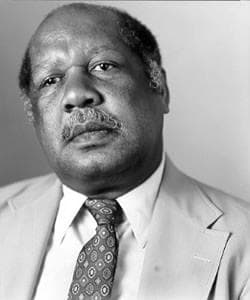
Ernest J. Gaines was an American author known for his poignant explorations of African American life in the South. His notable works include "A Lesson Before Dying," which addresses themes of justice and dignity, "The Autobiography of Miss Jane Pittman," a narrative of a former slave's life, and "A Gathering of Old Men," which delves into racial tensions and community.
Similar books
- To Kill a Mockingbird
Harper Lee
4.3 (4.5M) average on GoodreadsHistorical FictionExplores racial injustice in the American South with a focus on community and morality.
- The Water Dancer
Ta-Nehisi Coates
4.1 (64k) average on GoodreadsFantasyHistorical fiction dealing with the brutal realities of slavery and the fight for freedom and dignity.
- Kindred
Octavia E. Butler
4.1 (5k) average on GoodreadsFantasyPowerful exploration of race, power, and historical trauma through a compelling narrative.
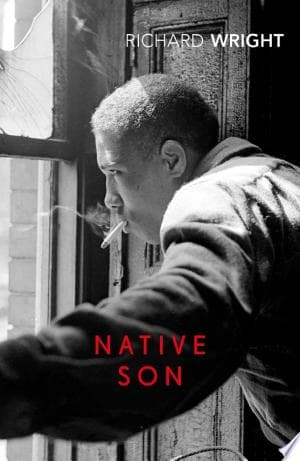
- Native Son
Richard Wright
4.0 (89k) average on GoodreadsHistorical FictionWhile both novels tackle racial injustice and violence, A Gathering of Old Men emphasizes collective agency and communal resistance through its elderly protagonists, whereas Native Son focuses on the isolated despair and individual actions of Bigger Thomas. Gaines's work offers a more hopeful and empowering narrative of defiance.
- Light in August
William Faulkner
3.9 (56k) average on GoodreadsLiterary FictionFaulkner's novel, a Southern Gothic, delves into racial tensions and identity, often through a lens of white consciousness and moral ambiguity. Gaines's A Gathering of Old Men, however, directly centers the black experience, giving voice and agency to historically marginalized characters and portraying a more explicit narrative of resistance against systemic oppression.
- The Old Man and the Sea
Ernest Hemingway
3.8 (831k) average on GoodreadsLiterary FictionA Cuban fisherman's long struggle with a giant marlin becomes a story of endurance and dignity, now retold for young adults with illustrations, phonetic guides, and writing prompts in Traditional Chinese.



Enjoyed the summary?
A summary gives you the shape of the book. The book itself has the detail, the examples and the voice.
Find A Gathering of Old Men on AmazonAs an Amazon Associate, BookBrief earns from qualifying purchases. How we're funded