

Synopsis
Covers the whole plot, including the ending.
- Difficulty
- Medium
- Pacing
- Moderate
- Mood
- Lyrical, Haunting, Reflective, Hopeful, Historical
- Read it if
- You enjoy historical fiction with a magical realism twist, exploring themes of memory, freedom, and the deep emotional scars of slavery. If you appreciate lyrical prose and a protagonist's journey of self-discovery amidst immense adversity.
- Skip it if
- You prefer strictly historical narratives without speculative elements, or if you find detailed descriptions of the brutalities of slavery too difficult to read.
The Water Dancer Plot Summary
Covers the whole plot, including the ending.
The Winding River and the Gift
Hiram Walker, a young man enslaved on the Lockless plantation in Virginia, has an eidetic memory. He recalls every detail except the face of his mother, Rose, who was sold away when he was a child. Hiram is the illegitimate son of the plantation owner, Howell Walker, and serves his half-brother, Maynard. One day, while driving Maynard across a bridge, their carriage crashes into the Goose River. Maynard drowns, but Hiram is miraculously saved. He sees a blue light and finds himself on the riverbank, unharmed. He later learns this power, which he calls 'conduction,' allows him to transport himself and others over vast distances. It requires a catalyst and a strong memory of the destination or a person.
The Conductor and the Underground
After Maynard's death, Hiram's life on Lockless becomes more dangerous. He begins to understand his unique ability, which he first believes connects to the memory of his mother. He falls in love with Thena, another enslaved woman on the plantation, and dreams of a life with her. Hiram is eventually approached by a free black man named Corrine, who reveals himself as an agent of the Underground. Corrine recognizes Hiram's gift and recruits him into their network, which aims to free enslaved people. Hiram learns of the legendary 'Moses,' a powerful conductor who leads the Underground Railroad. He is tasked with helping others escape, preparing him for his own journey north.
The Escape from Lockless
Hiram makes the difficult decision to leave Thena behind, promising to return for her and his half-sister, Sophia, whom he also cares for. Under Corrine's guidance and the network, Hiram plans his escape from Lockless. He uses his conduction ability, triggered by a strong memory of a place far north, to transport himself away from the plantation. This initial escape is hard and confusing, further solidifying his understanding of the power and its demands. He travels through various safe houses and clandestine routes, meeting other agents and freedom-seekers, slowly making his way towards the North and the center of the Underground network.
Learning the Ways of the Underground
Hiram arrives in Philadelphia, a busy city and a major hub for the Underground. Raymond, a seasoned conductor and a trusted network member, takes him in. Under Raymond's teaching, Hiram begins formal training in conduction. He learns that the power is not just about remembering a place. It is about connecting to the 'Underground' itself, a mystical force tied to the collective memory and desire for freedom of enslaved people. He practices his ability, refining his control and understanding its limits and dangers. He recognizes the immense responsibility that comes with being a 'conductor' and a guide to freedom for others.
Moses and the Network's Core
Hiram eventually meets Moses, who is Harriet Tubman, a formidable and enigmatic woman with deep spiritual insight and an unmatched ability to conduct. Moses tests Hiram's resolve and his understanding of the 'Underground.' Hiram becomes a more active participant in missions, conducting individuals and groups to freedom. He often faces dangerous situations and slave catchers. He sees the brutality of slavery firsthand during these missions, which strengthens his resolve to fight for the liberation of his people and fuels his desire to return for Thena and Sophia.
The Weight of Memory and Loss
As Hiram continues his work with the Underground, he deals with the emotional burden of his past and the constant threat of capture. The memories of Lockless, Thena, and Sophia weigh heavily on him. He sees the suffering of others, the constant fear, and the sacrifices made for freedom. His own memories, once a source of strength, now also bring pain, reminding him of what he left behind. He questions the morality of his actions, wondering if he is truly helping or just prolonging the suffering of those he cannot reach. This solidifies his commitment to rescuing his loved ones.
The Betrayal and the Mission
Hiram participates in a complex mission to free a group of enslaved people from a particularly brutal plantation. An informant compromises the mission, leading to a violent confrontation with slave catchers. Hiram and his fellow conductors must fight their way out, suffering losses and seeing some freedom-seekers tragically recaptured. This event deeply affects Hiram. It shows the constant danger and the ever-present threat of betrayal within the network, reinforcing the high stakes in every act of conduction and the need for absolute trust and discretion.
Return to Virginia
Fueled by his love for Thena and his desire to save Sophia, Hiram begins to plan a daring return to Virginia. He knows the risks are immense, as Lockless is heavily guarded and he is a known fugitive. He consults with Moses and other Underground members, carefully planning his approach. His memories of Lockless, once a source of pain, now become a tool. They allow him to visualize the landscape and the people he needs to find. He prepares for the ultimate test of his conduction ability and his courage.
The Confrontation at Lockless
Hiram successfully conducts himself back to the vicinity of Lockless. He navigates the familiar, yet now threatening, landscape, using his knowledge of the plantation to avoid detection. He contacts loyal allies who remained behind, gathering information on Thena and Sophia's whereabouts. He eventually confronts his father, Howell Walker, a man who embodies the cruelties of the system. This encounter is full of tension. It reveals the deep-seated hypocrisy and brutality of the plantation owner and forces Hiram to fully embrace his identity as a liberator.
The Rescue and the Future
In a climactic sequence, Hiram plans the rescue of Thena and Sophia from Lockless. He uses his conduction ability, combined with strategic planning and the help of his allies, to overcome the plantation's defenses. The escape is perilous, but he successfully guides them to freedom. As they journey north, Hiram reflects on his transformation from an enslaved boy to a powerful conductor. He envisions a future where he can continue to use his gift to fight for liberation, forever bound to the 'Underground' and the cause of freedom, with Thena and Sophia by his side.
The Water Dancer Characters
Hiram Walker
Protagonist
An enslaved man with an eidetic memory and the mystical power of 'conduction.'
Hiram is an introspective and intelligent young man, born into bondage on the Lockless plantation. He possesses a photographic memory, which allows him to recall almost every detail of his life, except the face of his mother, Rose. This missing memory is a constant ache and a driving force. After a near-death experience, he discovers his ability to 'conduct' himself and others over vast distances, a power tied to memory and the collective will for freedom. He is driven by a deep love for Thena and Sophia, and a profound sense of justice.
Relationships: Rose (His mother, sold away, whose memory is a catalyst for his power.); Howell Walker (His biological father and enslaver, a complex and cruel figure.); Maynard Walker (His half-brother, whom he serves and whose death sparks Hiram's journey.); Thena (His love interest, an enslaved woman he vows to rescue.); Sophia (His half-sister, whom he deeply cares for and seeks to free.); Corrine (An agent of the Underground who recruits Hiram.); Moses (Harriet Tubman) (His mentor and the legendary leader of the Underground.)
Rose
Supporting/Catalyst
Hiram's mother, sold away when he was young, whose missing memory is central to his power.
Rose is Hiram's mother, a beautiful and spirited woman who was sold away from the Lockless plantation when Hiram was a child. Her absence and the deliberate erasure of her memory by Hiram's mind are central to the narrative. While her physical presence is brief, her spiritual and emotional impact on Hiram is profound. Her memory, or lack thereof, becomes a symbolic key to unlocking Hiram's conduction ability, representing the deep trauma of separation and the power of ancestral connection.
Relationships: Hiram Walker (Her son, for whom her memory is a profound influence and quest.)
Howell Walker
Antagonist
Hiram's biological father and the cruel, conflicted owner of Lockless plantation.
Howell Walker is the owner of Lockless and Hiram's biological father, a fact he acknowledges but does not act upon in terms of granting Hiram freedom. He is a deeply conflicted man, embodying the hypocrisy of the Southern gentry. He maintains a veneer of respectability while perpetuating the brutal system of slavery. His relationship with Hiram is complex, marked by a strange mixture of distant acknowledgement and casual cruelty. He represents the systemic oppression Hiram fights against.
Relationships: Hiram Walker (His enslaved son, whom he refuses to acknowledge fully or free.); Maynard Walker (His legitimate son, whom he favors.)
Thena
Supporting
An enslaved woman on Lockless, Hiram's love interest, whom he vows to rescue.
Thena is an enslaved woman on the Lockless plantation and Hiram's beloved. She is strong, resilient, and deeply connected to her community. Her love for Hiram provides him with a powerful anchor and a driving motivation for his escape and his eventual return. She represents the personal stakes of slavery and the profound human cost of separation. Her presence in Hiram's memories is a constant source of both comfort and longing, fueling his determination to bring her to freedom.
Relationships: Hiram Walker (Her love interest and partner in the eventual escape.)
Sophia
Supporting
Hiram's half-sister, whom he feels a protective bond towards and seeks to liberate.
Sophia is Hiram's half-sister, a young girl also enslaved on Lockless. Hiram feels a strong protective instinct towards her, seeing in her innocence the profound injustice of their shared predicament. Her future, like Thena's, becomes a powerful motivator for Hiram's actions. She represents the future generation trapped by slavery, and Hiram's efforts to free her are a testament to his broader commitment to the liberation of his people. Her vulnerability highlights the urgency of his mission.
Relationships: Hiram Walker (Her protective half-brother who ultimately rescues her.)
Corrine
Supporting
A free black man and agent of the Underground who recruits Hiram.
Corrine is a crucial figure in Hiram's journey, a free black man who works as an agent for the Underground. He is astute, resourceful, and possesses a keen understanding of the network's operations. Corrine is the first to recognize Hiram's unique gift of conduction and takes the initiative to recruit him, guiding him through his initial steps into the clandestine world of liberation. He serves as a mentor and a connection to the broader movement, embodying the courage and strategic thinking required for the fight against slavery.
Relationships: Hiram Walker (His recruiter and initial guide into the Underground.)
Moses (Harriet Tubman)
Supporting/Mentor
The legendary conductor of the Underground, a powerful and spiritual leader.
Moses is the enigmatic and legendary leader of the Underground Railroad, later revealed to be Harriet Tubman. She possesses an unparalleled ability to conduct and a profound spiritual connection to the 'Underground' itself. Moses is a figure of immense strength, wisdom, and resolve, inspiring both fear and reverence. She becomes Hiram's ultimate mentor, teaching him the deeper spiritual and practical aspects of conduction, pushing him to understand the true cost and power of his gift. She embodies the unwavering fight for freedom.
Relationships: Hiram Walker (His mentor and the spiritual guide for his conduction abilities.)
Raymond
Supporting
A seasoned conductor in Philadelphia who further trains Hiram in his abilities.
Raymond is a veteran conductor based in Philadelphia, a key hub for the Underground. He takes Hiram under his wing after Hiram's initial escape, providing practical training and philosophical guidance on the nature of conduction. Raymond is pragmatic and experienced, offering Hiram a grounded perspective on the dangers and responsibilities of his role. He helps Hiram refine his ability, teaching him control and discipline, and integrates him into the broader network of agents and safe houses in the North.
Relationships: Hiram Walker (His trainer and mentor in Philadelphia.)
The Water Dancer Themes
The Power of Memory and Forgetting
Memory is central to Hiram's identity and his mystical power. His inability to recall his mother's face is a deep psychological wound and, paradoxically, the key to unlocking his 'conduction.' The novel explores how memory, both personal and collective, shapes identity, trauma, and the pursuit of freedom. The deliberate erasure of family histories under slavery is a recurring motif. It highlights the importance of remembering ancestors and experiences. Conduction itself is a form of embodied memory, requiring a deep recall of places or people to transport oneself. Hiram's struggle to 'remember' Rose is a metaphor for the broader struggle to reclaim lost heritage and identity.
“Forgetting, I came to see, was not a malady but a weapon, one I wielded against myself, against the pain of what I could not remember.”
The Nature of Freedom and Bondage
The novel deeply explores the many aspects of freedom and bondage. These are not just physical states but psychological and spiritual conditions. Slavery is shown in its brutal reality, but also in the insidious ways it affects the minds of both the enslaved and the enslavers. Freedom is presented not as a simple destination, but as a continuous journey. It is a state of being that requires constant struggle and self-liberation. Hiram's 'conduction' is a literal manifestation of escaping physical chains, but his emotional and mental journey is equally about freeing himself from the internal bonds of trauma and fear. The Underground itself represents a collective will for freedom, a spiritual force that transcends physical barriers.
“Slavery is a kind of severing, from home, from family, from self. And freedom is a kind of stitching back together.”
Love, Family, and Sacrifice
Love, especially familial and romantic, is a powerful motivator and a source of both strength and vulnerability. Hiram's deep love for Thena and his protective feelings for Sophia drive his perilous journey and his ultimate return to Lockless. The trauma of his mother Rose being sold away is the foundational wound of his life, fueling his quest for memory and connection. The sacrifices made by individuals within the Underground, risking their lives for strangers, show the deep bonds of humanity that transcend the artificial divisions of slavery. The novel highlights how love, even in the face of unimaginable cruelty, can inspire extraordinary acts of courage and resilience.
“I loved them, which meant I would do anything. Anything.”
Spirituality and Mysticism
The Water Dancer weaves a powerful thread of spirituality and mysticism throughout its narrative. Hiram's 'conduction' is not just a magical ability but a deeply spiritual one. It connects to the 'Underground' – a collective memory and will for freedom of enslaved people, guided by ancestral spirits. Moses (Harriet Tubman) embodies this spiritual connection, seeing visions and communicating with the 'Underground' in a profound way. This mystical element elevates the story beyond a simple historical account. It suggests that the fight for liberation is not just physical but also a battle for the soul, drawing on ancient African spiritual traditions and the resilience of the human spirit. The river itself acts as a liminal space, a conduit for power and transformation.
“The Underground was not a place but a power, not a route but a river, and we, the conductors, were its living vessels.”
Plot Devices & Literary Techniques
Conduction
Hiram's mystical ability to transport himself and others over vast distances.
Conduction is the central magical realism element in the novel. It allows Hiram to instantly transport himself and others, but it requires a powerful memory of a place or person, and often a catalyst like water. It's not just teleportation; it's deeply tied to the collective memory and desire for freedom of enslaved people, a spiritual force known as the 'Underground.' This device serves as both a literal means of escape and a metaphor for the power of memory, connection, and the spiritual resilience required for liberation. It also introduces significant risks and physical tolls on its users.
Eidetic Memory
Hiram's perfect recall of nearly every detail, except his mother's face.
Hiram's eidetic memory allows him to remember places, conversations, and experiences with perfect clarity. This ability is crucial for his survival and later, for his conduction, as memory is the key to unlocking his power. The one significant gap in his memory – his mother's face – becomes a driving force and a symbolic representation of the trauma of slavery and the deliberate erasure of family histories. This device highlights the importance of memory in shaping identity and the profound impact of forced forgetting, making Hiram's quest for his mother's face a quest for self-knowledge.
The Goose River
The river where Hiram nearly drowns, serving as a catalyst for his power.
The Goose River is more than just a geographical feature; it acts as a liminal space and a catalyst for Hiram's conduction ability. His near-drowning experience in the river, where his half-brother Maynard dies, is the moment his power manifests. The river represents both danger and salvation, a boundary between life and death, and between bondage and the potential for freedom. It symbolizes the transformative power of water in many African spiritual traditions and serves as a recurring motif of passage and rebirth throughout the novel, often associated with the 'Underground' itself.
The Underground (Network and Spiritual Force)
The literal network of abolitionists and the mystical, collective will for freedom.
The 'Underground' functions on two levels: as the historical network of safe houses and abolitionists aiding enslaved people, and as a mystical, spiritual force that guides and empowers conductors like Hiram and Moses. This dual nature imbues the historical struggle with a layer of magical realism, suggesting that the fight for freedom is not only a physical battle but also a spiritual one, drawing on the collective memory, suffering, and hope of generations. It provides a moral and spiritual compass for the characters, emphasizing the profound connection between the individual struggle and the larger movement for liberation.
The Water Dancer Quotes
“I can tell you that the past, which is to say the here, is ariven by a force that is as real as any whip, and that force is memory.”
“Slavery is a kind of severing, a kind of death. But it is not a death that can be mourned, for that would be to acknowledge the humanity of the enslaved.”
“The world was not built for us to remember. It was built for us to forget.”
“To forget was to be free. To remember was to be bound.”
“The Underground was not a place but a people, a network of hands and hearts.”
“Every time I saw her, I felt a kind of current pass through me, a knowledge that there was something more to the world than what I had been taught.”
“The past is not dead. It is not even past. It is with us, always.”
“What is freedom but the right to choose your own chains?”
“Sometimes you got to be a bridge, even when you feel like you drowning.”
“To be free, you must first be willing to lose everything.”
“There are some things you carry with you, like a phantom limb, even after they’re gone.”
“The magic was not in the water, but in the knowing.”
“The water remembers. The land remembers. And so should we.”
“We were not just bodies to be bought and sold, but vessels of memory, carrying the stories of generations.”
Quiz
10 questions on the plot and the characters. Each answer comes with a short explanation.
Question 1
What is the name of the plantation where Hiram Walker is born and enslaved?
- Sweetwater
- Lockless
- Riverbend
- Oakwood
Show answer
B. Lockless Hiram Walker is enslaved on the Lockless plantation, which is central to his early life and his desire for freedom.
Question 2
What is the specific 'mysterious power' that Hiram possesses, which saves him from drowning?
- The ability to control water
- Perfect photographic memory
- Conduction, the ability to transport people through memory
- Invisibility when in danger
Show answer
C. Conduction, the ability to transport people through memory Hiram's power, known as Conduction, allows him to transport people across vast distances by accessing strong memories, particularly those related to the Underground.
Question 3
Who is Hiram's biological father?
- Maynard Walker
- Corvus Walker
- The Master of Lockless
- Elias Walker
Show answer
B. Corvus Walker Hiram's biological father is Corvus Walker, the Master of Lockless and the owner of his mother, Rose.
Question 4
What is the name of the woman Hiram loves and is determined to rescue from Lockless?
- Sophia
- Thena
- Kessiah
- Mary
Show answer
C. Kessiah Kessiah is the woman Hiram deeply loves and desperately wants to free from bondage at Lockless, along with their son, H.
Question 5
Which historical figure does Hiram encounter and work with in the Underground?
- Frederick Douglass
- Harriet Tubman (known as 'Moses')
- Sojourner Truth
- William Lloyd Garrison
Show answer
B. Harriet Tubman (known as 'Moses') Hiram encounters and works with Harriet Tubman, who is referred to as 'Moses' within the clandestine network of the Underground.
Question 6
What is the primary theme explored through Hiram's struggle to remember his mother, Rose?
- The importance of formal education
- The enduring power of memory and the trauma of separation under slavery
- The complexities of interracial relationships
- The futility of resistance against a powerful system
Show answer
B. The enduring power of memory and the trauma of separation under slavery Hiram's struggle to recall his mother's face symbolizes the profound trauma of family separation caused by slavery and the crucial role memory plays in identity and healing.
Question 7
How does Hiram initially attempt to escape Lockless with Maynard?
- By stowing away on a cargo ship
- By riding horses north through the wilderness
- By attempting to ford a dangerous river, leading to Hiram's near-drowning
- By disguising themselves as free men traveling for business
Show answer
C. By attempting to ford a dangerous river, leading to Hiram's near-drowning Hiram and Maynard attempt to escape by crossing a river, but the carriage overturns, leading to Maynard's death and Hiram's near-drowning, which awakens his full Conduction ability.
Question 8
What is the significance of the 'Blue Light' that Hiram sometimes sees or feels when using his power?
- It is a warning sign that his power is failing
- It represents the presence of other Conduits
- It is a manifestation of the collective memory and spirit of the enslaved, guiding the Conduction
- It signifies the direct intervention of a deity
Show answer
C. It is a manifestation of the collective memory and spirit of the enslaved, guiding the Conduction The 'Blue Light' is a mystical element connected to the collective consciousness and ancestral memory of the enslaved, essential for the process of Conduction.
Question 9
After escaping to the North, what is the primary challenge Hiram faces regarding his 'gift' and the Underground's operations?
- The physical toll of Conduction on his body
- Learning to control his power precisely without causing harm or attracting attention
- The moral and ethical dilemmas of using his power to 'steal' people, and the risk of being discovered by the 'Quality'
- Convincing others in the North that such a power truly exists
Show answer
C. The moral and ethical dilemmas of using his power to 'steal' people, and the risk of being discovered by the 'Quality' Hiram grapples with the profound responsibility and danger of his power, understanding that each 'Conduction' is a direct act of theft from the 'Quality' and comes with immense risks, both for himself and those he transports.
Question 10
What is the ultimate goal of the 'Underground' movement in 'The Water Dancer' beyond simply freeing individual enslaved people?
- To establish a separate sovereign nation for formerly enslaved people
- To incite a full-scale armed rebellion across the South
- To dismantle the entire system of slavery by weakening it from within and facilitating mass escapes, disrupting the 'Quality's' economic and social order
- To negotiate with slave owners for better conditions for the enslaved
Show answer
C. To dismantle the entire system of slavery by weakening it from within and facilitating mass escapes, disrupting the 'Quality's' economic and social order The Underground's ambition extends beyond individual rescues; it aims to systematically undermine the institution of slavery by continuously removing its 'property,' thereby destabilizing the entire power structure of the 'Quality.'
The Water Dancer FAQ
What is 'conduction' and how does Hiram first discover his ability to use it?
Conduction is the mystical ability to transport oneself and others over vast distances, often linked to strong memories and emotional resonance. Hiram first discovers his ability when he nearly drowns in the Goose River with his half-brother Maynard, and instead of perishing, he experiences a vivid memory of his mother and finds himself on the riverbank, inexplicably saved.
Who is Thena and what is her significance to Hiram's journey?
Thena is a powerful conductor and a key figure in the Underground, an organization dedicated to freeing enslaved people. She becomes Hiram's mentor and guide, teaching him to harness his conduction abilities and helping him understand the deeper spiritual and historical context of this power. Her guidance is crucial for Hiram's transformation from a personal escapee to an agent of liberation.
What role does Corinne Quinn play in Hiram's understanding of the Underground and his own identity?
Corinne Quinn is a wealthy white abolitionist and a central figure in the Underground Railroad's Northern operations. She provides Hiram with a safe haven and intellectual stimulation, introducing him to the broader philosophical and political arguments against slavery. Her pragmatic approach to abolitionism contrasts with and complements Thena's mystical understanding of freedom.
What is the significance of the 'memory of his mother' that Hiram struggles to reclaim?
The memory of his mother, Rose, is not just a personal loss but a key to unlocking Hiram's full conduction potential. His inability to recall her face or specific details acts as a psychological block, preventing him from fully mastering his power. Reclaiming these memories is essential for his emotional healing and for becoming a more effective conductor.
How does the 'Quality' of a memory affect conduction, according to the book's rules?
The 'Quality' of a memory refers to its vividness, emotional intensity, and personal significance. Conduction is powered by these potent memories, particularly those tied to love, loss, and profound experiences. Faded or superficial memories are insufficient to fuel the power, highlighting the deep connection between personal history and mystical ability.
What is the symbolic significance of the Goose River in Hiram's life?
The Goose River is a recurring motif representing both death and rebirth for Hiram. It is where he nearly drowns and first experiences conduction, marking the beginning of his true awakening. Later, it becomes a boundary to be crossed, symbolizing the perilous journey from bondage to freedom and the constant threat and promise of his unique power.
How do the 'Taskers' differ from regular slave catchers, and what does this imply about the nature of power in the novel?
Taskers are not merely slave catchers but individuals who possess a limited, twisted form of conduction, allowing them to track and sometimes even sense the enslaved. Their existence implies that the power of conduction is not inherently benevolent but can be corrupted and used for oppressive ends. This duality underscores the novel's exploration of power dynamics.
What is the unspoken connection between Maynard and Hiram regarding their shared lineage and the potential for conduction?
Maynard, as Hiram's half-brother, shares the same father, ensuring a familial connection. The near-drowning incident on the Goose River suggests that Maynard might have also possessed a dormant capacity for conduction, or at least was close enough to Hiram's awakening to be affected. This hints at the hereditary, though not always manifest, nature of the power within their bloodline.
How does Hiram's relationship with Sophia inform his understanding of love, loss, and the sacrifices demanded by the struggle for freedom?
Hiram's deep love for Sophia is a constant motivator, but also a source of immense pain and difficult choices. Their forced separation and his determination to rescue her highlight the personal cost of slavery and the Underground's mission. Their relationship forces Hiram to confront the tension between individual desire and collective liberation, shaping his emotional maturity.
Analyze the psychological impact of memory suppression on Hiram's character and his ability to connect with his past.
Hiram's suppressed memories of his mother represent a profound psychological wound, a protective mechanism against the trauma of her sale. This suppression not only hinders his conduction but also creates an emotional void, preventing him from fully understanding himself and his heritage. Reclaiming these memories is vital for his psychological integration and empowerment.
How does Hiram's initial passivity and later activism reflect a journey of self-discovery and the awakening of agency?
Initially, Hiram is largely reactive, bound by his circumstances and struggling to understand his own power. His journey from escaping for personal freedom to actively participating in the Underground represents a profound shift from passivity to agency. This evolution is driven by his growing awareness of collective suffering and his responsibility to use his unique gifts.
Discuss the psychological burden of being a 'spy' or infiltrator for the Underground, as experienced by characters like Hiram.
Being an infiltrator carries immense psychological weight, demanding constant deception, self-control, and the suppression of true identity. Characters like Hiram must navigate treacherous social landscapes, living a double life that fosters paranoia and isolation. The emotional toll of constantly performing a role while harboring a dangerous secret is a significant aspect of their struggle.
To what extent is 'The Water Dancer' a fantasy novel, and to what extent is it historical fiction, and why is this blend effective?
'The Water Dancer' is primarily historical fiction, grounding itself in the brutal realities of American slavery, but it incorporates a crucial element of magical realism through 'conduction.' This blend is effective because the fantastical element serves as a metaphor for the profound human will to freedom, the power of memory, and the spiritual resilience of the enslaved, making the historical narrative even more potent.
How does the novel challenge or reinforce traditional narratives of the Underground Railroad?
The novel challenges traditional narratives by introducing a mystical element to the Underground Railroad, suggesting a deeper, almost spiritual network beyond conventional means. While reinforcing the bravery and ingenuity of those involved, it expands the understanding of 'escape' and 'aid,' portraying it as not just a physical journey but also a profound act of memory and will.
What is Coates's message about the power of memory and storytelling in the context of historical trauma?
Coates emphasizes that memory, both individual and collective, is not merely recollection but a living force with the power to liberate and heal. By making memory the engine of conduction, he suggests that understanding and confronting historical trauma, particularly slavery, is essential for true freedom and justice. Storytelling, therefore, becomes an act of resistance and preservation.
Debate the ethical implications of 'conduction' – is it a purely benevolent power, or does its potential for misuse pose moral questions?
While 'conduction' is primarily used for liberation, the novel hints at its potential for misuse, particularly through the existence of Taskers who possess a corrupted form of the power. This raises moral questions about the inherent nature of such an ability. It suggests that any powerful tool, even one born of spiritual connection, can be twisted or used for control, depending on the wielder's intent and morality.
How does the concept of 'Quality' in memories relate to broader themes of cultural preservation and identity for enslaved people?
The 'Quality' of memories, their vividness and emotional weight, directly correlates with the ability to conduct. This concept subtly reinforces the importance of cultural preservation and the oral traditions of enslaved people. Maintaining strong, clear memories of heritage, family, and shared experience becomes a powerful act of resistance against an institution designed to strip away identity and history, connecting them to a deeper sense of self and community.
In what ways does the novel explore the complexities of freedom, suggesting it is more than just physical escape?
The novel argues that freedom is multifaceted, extending beyond mere physical escape from bondage. It encompasses psychological liberation from trauma, the reclamation of identity and memory, and the active pursuit of justice for others. Hiram's journey illustrates that true freedom involves an internal transformation and a commitment to dismantling the systems of oppression, not just personal safety.
About the author

Ta-Nehisi Coates is an American author and journalist known for his exploration of race and identity in contemporary society. His notable works include "Between the World and Me," a personal narrative addressing the realities of being Black in America, and "The Water Dancer," a novel that intertwines themes of slavery and memory. Coates has received significant recognition for his contributions to literature and social commentary.
Similar books
- Beloved
Toni Morrison
3.9 (325k) average on GoodreadsLiterary FictionExplores the psychological impact of slavery and features elements of magical realism.
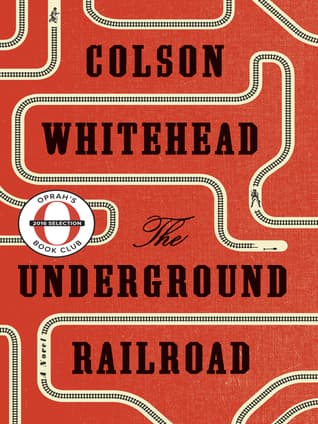
- The Underground Railroad
Colson Whitehead
4.0 (290k) average on GoodreadsLiterary FictionReimagines the historical Underground Railroad with a fantastical, literal interpretation.
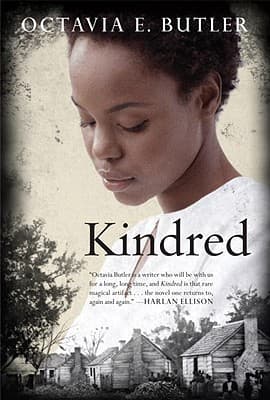
- Kindred
Octavia E. Butler
4.1 (5k) average on GoodreadsFantasyFeatures a protagonist transported to the antebellum South, dealing with the harsh realities of slavery.
- Harry Potter and the Sorcerer's Stone
J.K. Rowling
4.5 (7M) average on GoodreadsFantasyRescued from a miserable life under the stairs, an orphaned boy discovers he's a wizard destined for a magical school, where he uncovers a dangerous secret tied to the dark wizard who murdered his parents.
- The Hunger Games
Suzanne Collins
4.3 (6.4M) average on GoodreadsFantasyIn a future where children fight to the death on live television, Katniss Everdeen volunteers for the arena, turning a death sentence into a fight for survival and a spark of rebellion.
- 1984
George Orwell
4.2 (3.1M) average on GoodreadsPoliticsIn a future where surveillance and thought control are absolute, a man's search for truth clashes with the Party, showing that hope can be a form of rebellion.




Enjoyed the summary?
A summary gives you the shape of the book. The book itself has the detail, the examples and the voice.
Find The Water Dancer on AmazonAs an Amazon Associate, BookBrief earns from qualifying purchases. How we're funded