
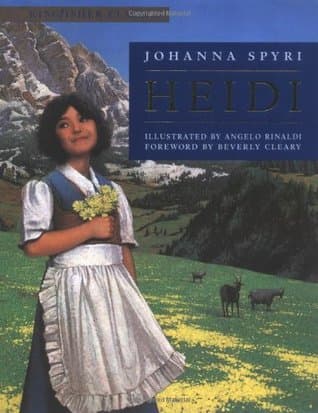
Synopsis
Covers the whole plot, including the ending.
- Difficulty
- Easy
- Pacing
- Moderate
- Mood
- Heartwarming, Wholesome, Nostalgic, Gentle
- Read it if
- You love heartwarming stories about the power of nature, childhood innocence, and the joy of simple living, with a strong emphasis on friendship and family.
- Skip it if
- You prefer fast-paced plots, complex character arcs, or stories with dark or cynical themes.
Heidi Plot Summary
Covers the whole plot, including the ending.
Heidi's Arrival in the Alps
Eight-year-old Heidi, an orphan, is brought by her Aunt Dete to live with her paternal grandfather, Alm-Uncle, high in the Swiss Alps. Dete, having found a good position in Frankfurt, wants to be rid of the responsibility. The villagers are wary of Alm-Uncle, a gruff and solitary man who lives in a small hut and rarely descends into the village. They predict Heidi will not last long with him. However, Heidi is immediately captivated by the beauty of the mountains and her grandfather's stern but not unkind demeanor. She quickly adapts to her new life, sleeping on a hay bed, drinking goat's milk, and accompanying Peter, the goat-herd, and his flock up the alm.
Life on the Alm and Friendship with Peter
Heidi's innocent joy and loving nature gradually soften the Alm-Uncle's hardened heart. She helps him with chores and her cheerful presence changes his isolated existence. She spends her days exploring the mountains, observing nature, and making friends with the goats. Her closest companion becomes Peter, the goat-herd boy, who is initially somewhat surly but grows to adore Heidi. She shares her grandfather's meals and learns to appreciate the simple, healthful life. The Alm-Uncle, who had long avoided church and village life, even begins to mend his relationships with others, prompted by Heidi's pure influence.
Heidi is Taken to Frankfurt
After three idyllic years, Aunt Dete returns to take Heidi away. Despite the Alm-Uncle's strong objections and Heidi's heartbroken pleas, Dete insists that Heidi must go to Frankfurt to be a companion for Clara Sesemann, a wealthy, invalid girl. Dete believes this is a great opportunity for Heidi to be educated and live a better life. Heidi is devastated to leave her beloved grandfather, Peter, and the mountains. The Alm-Uncle is furious and retreats further into his isolation, heartbroken by Heidi's departure. Heidi's journey to the city is filled with anxiety and longing for her mountain home.
Life in the Sesemann Household
In Frankfurt, Heidi finds herself in the grand but stifling Sesemann household. She is introduced to Clara, a kind but frail girl confined to a wheelchair, and to Fraulein Rottenmeier, the strict and overbearing housekeeper who disapproves of Heidi's rustic ways and attempts to impose rigid discipline. Heidi struggles with the formal etiquette, the lack of fresh air, and the constant lessons from the tutor, Herr Candidate. She misses her grandfather, Peter, and the freedom of the Alps terribly, often breaking rules unknowingly and causing minor chaos, much to Fraulein Rottenmeier's dismay.
Friendship with Clara and Grandmamma
Despite the challenges, Heidi quickly forms a deep and loving friendship with Clara. Heidi's simple, joyful stories about the Alps captivate Clara, bringing color and happiness into her often monotonous life. Clara's kind and understanding grandmother, Frau Sesemann, visits and immediately takes a liking to Heidi. Grandmamma encourages Heidi to learn to read by telling her stories and showing her pictures, recognizing Heidi's longing for home. Under Grandmamma's gentle guidance, Heidi learns to read, discovering the joy of books, particularly a hymn book given to her by Grandmamma, which reminds her of home.
Heidi's Homesickness and Sleepwalking
Despite the comfort of Clara's friendship and Grandmamma's kindness, Heidi's longing for the Alps grows unbearable. The enclosed city life, the constant noise, and the lack of natural beauty weigh heavily on her spirit. She becomes increasingly pale and thin. Her homesickness reaches a critical point, manifesting as sleepwalking. The servants report seeing a white figure wandering the house at night, leading to alarm and the belief that the house is haunted. Herr Sesemann, Clara's father, is called home to investigate the mysterious occurrences.
The Doctor's Diagnosis and Return Home
Herr Sesemann and the family doctor, Dr. Classen, investigate the 'ghost.' They discover it is Heidi, who, in her sleep, has opened the front door and is standing outside, still dreaming of the mountains. Dr. Classen immediately diagnoses her condition as severe homesickness, warning that she will become seriously ill if she doesn't return to the Alps at once. Although Clara is saddened by the prospect of losing her friend, Herr Sesemann agrees that Heidi must go home for her health. Heidi is overjoyed at the news and prepares for her return journey, promising Clara she will visit.
Reunion with Grandfather and Peter
Heidi returns to the Alm, much to the immense joy and relief of her grandfather. The Alm-Uncle, who had grown even more withdrawn after her departure, is changed by her return. He embraces her warmly, his eyes filled with tears. Peter is also ecstatic to have his friend back. Heidi's health immediately improves in the fresh mountain air, and she resumes her simple, happy life, accompanying Peter with the goats and helping her grandfather. Her experiences in Frankfurt have also matured her, making her more responsible and appreciative of her home.
Clara's Visit to the Alps
True to her promise, Clara, accompanied by Dr. Classen and later by Grandmamma, visits Heidi in the Alps. The mountain air, the sunshine, and Heidi's cheerful companionship have a strong effect on Clara's health. She begins to gain strength and color, and with Heidi and Peter's encouragement, and the Alm-Uncle's gentle support, she attempts to walk. Initially hesitant, Clara eventually manages to stand and take a few steps, a miracle that brings immense joy to everyone, especially her father, Herr Sesemann, who arrives to witness her progress.
Miracle on the Alm and Lasting Friendships
Clara's ability to walk again is seen as a miracle, attributed to the wholesome mountain environment and Heidi's steadfast friendship. Peter, initially jealous of Clara, eventually warms to her, especially after Grandmamma gives him some money. Herr Sesemann is overwhelmed with gratitude towards Heidi and the Alm-Uncle. The Sesemann family promises to provide for Heidi's future education and well-being, ensuring she never has to leave the mountains again unless by choice. The story concludes with Heidi remaining on the Alm, surrounded by her loved ones, a beacon of joy and simple goodness, with lasting friendships forged between the city and mountain dwellers.
Principal Figures
Heidi
Protagonist
An orphaned girl who finds happiness and brings joy to others in the Swiss Alps.
Heidi is an eight-year-old orphan with an innocent, loving, and cheerful disposition. She possesses an innate connection to nature and a strong, pure spirit. Her loving heart and unpretentious nature allow her to disarm the gruff Alm-Uncle and bring happiness to the invalid Clara. Despite facing hardship and homesickness, she remains resilient and optimistic. Her simplicity and genuine kindness are her greatest strengths, influencing everyone she meets for the better. She deeply loves her grandfather, Peter, and the mountains, finding true contentment in a simple, natural life.
Relationships: Alm-Uncle (Granddaughter, deeply loving and transformative bond); Peter (Best friend and companion on the Alm); Clara Sesemann (Close friend and companion in Frankfurt, later a beneficiary of Heidi's healing spirit); Fraülein Rottenmeier (Antagonistic relationship, seen as a strict disciplinarian); Grandmamma Sesemann (Kind mentor and friend, encourages Heidi's education)
Alm-Uncle
Supporting
Heidi's reclusive grandfather, whose heart is softened by her love.
The Alm-Uncle is Heidi's paternal grandfather, a gruff, solitary, and reclusive old man who lives high in the Swiss Alps. He is initially feared and disliked by the villagers due to his past and his hermit-like existence. However, beneath his rough exterior lies a deep capacity for love and a strong sense of independence. Heidi's arrival slowly melts his hardened heart, transforming him into a loving guardian who prioritizes her well-being above all else. He is a skilled craftsman and deeply connected to the mountain environment.
Relationships: Heidi (Grandfather, deeply loving and protective bond); Peter (Neighbor and employer, initially distant but grows to tolerate and appreciate him); Pastor (Initially estranged, later reconciled through Heidi's influence)
Peter
Supporting
The goat-herd boy and Heidi's first friend on the Alm.
Peter is the goat-herd boy who lives in the village below the Alm with his blind grandmother and mother. He is a simple, somewhat lazy, and easily jealous boy. He spends his days tending the village goats on the mountain pastures. He becomes Heidi's first and closest friend in the Alps, sharing adventures and meals. While he initially resents Clara's presence and the attention she receives from Heidi, his fundamental good nature prevails, and he eventually accepts her. He is devoted to his blind grandmother.
Relationships: Heidi (Best friend and companion); Brigitte (Mother) (Son); Grandmother (Peter's) (Grandson, devoted to her care); Clara Sesemann (Initially jealous, later accepts her as Heidi's friend)
Clara Sesemann
Supporting
A wealthy invalid girl in Frankfurt who becomes Heidi's close friend.
Clara is a kind, gentle, and intelligent girl from a wealthy Frankfurt family, confined to a wheelchair due to an unspecified illness. Her life is often lonely and monotonous despite her comforts. Heidi's arrival brings immense joy and a new perspective to her life. Clara is captivated by Heidi's stories of the Alps and finds her simple, honest nature refreshing. Her friendship with Heidi is transformative, ultimately leading to her physical healing and a newfound appreciation for nature and simple pleasures.
Relationships: Heidi (Close friend and companion); Herr Sesemann (Father, loving but often absent); Grandmamma Sesemann (Grandmother, loving and supportive); Fraülein Rottenmeier (Governess, somewhat stifling but well-meaning)
Fraülein Rottenmeier
Antagonist
The strict and rigid housekeeper of the Sesemann household.
Fraülein Rottenmeier is the chief housekeeper of the Sesemann household in Frankfurt. She is a rigid, authoritarian, and highly formal woman who prides herself on maintaining strict order and propriety. She views Heidi's rustic manners and free spirit as a constant challenge to her authority and the household's decorum. She is often critical and disapproving of Heidi, struggling to understand her simple nature. While not malicious, her adherence to rules and lack of empathy make her an antagonist to Heidi's happiness.
Relationships: Heidi (Strict disciplinarian to Heidi, often critical); Clara Sesemann (Governess and caregiver); Herr Sesemann (Employee, fears his disapproval)
Grandmamma Sesemann
Supporting
Clara's kind and wise grandmother who brings comfort to Heidi.
Grandmamma Sesemann is Clara's paternal grandmother, a wise, kind, and understanding woman. She is the first person in Frankfurt to truly understand Heidi's homesickness and gentle spirit. She encourages Heidi to learn to read by telling her engaging stories and provides a much-needed source of warmth and empathy in the strict Sesemann household. Her visits are a highlight for both Clara and Heidi, and she plays a crucial role in nurturing Heidi's spirit and intellectual growth.
Relationships: Heidi (Kind mentor and friend); Clara Sesemann (Loving grandmother); Herr Sesemann (Mother)
Herr Sesemann
Supporting
Clara's busy but loving father.
Herr Sesemann is Clara's wealthy father, a busy businessman who travels frequently. He loves his daughter deeply but his frequent absences mean he relies heavily on Fraülein Rottenmeier to manage his household and Clara's care. He is a pragmatic and reasonable man, quick to act when he realizes Heidi's health is at risk. He is deeply grateful to Heidi for the positive impact she has on Clara and for her role in Clara's recovery.
Relationships: Clara Sesemann (Loving but often absent father); Grandmamma Sesemann (Son); Heidi (Benefactor, grateful for her influence on Clara)
Dr. Classen
Supporting
Clara's family doctor who diagnoses Heidi's homesickness.
Dr. Classen is the kind and observant family doctor for the Sesemanns. He is called upon to investigate the mysterious 'ghost' in the house and quickly diagnoses Heidi's severe homesickness, advocating for her immediate return to the Alps. He later accompanies Clara to the mountains, observing and supporting her miraculous recovery, and becomes a good friend to the family, appreciating the healing power of nature.
Relationships: Heidi (Doctor, diagnoses her illness); Clara Sesemann (Family doctor, oversees her health); Herr Sesemann (Friend and physician)
Aunt Dete
Supporting
Heidi's aunt who brings her to the Alm and later to Frankfurt.
Aunt Dete is Heidi's maternal aunt (her mother's sister). She is a practical and somewhat self-serving woman who takes care of Heidi initially but then deposits her with the Alm-Uncle to pursue a good job in Frankfurt. She later returns to take Heidi to Frankfurt for another 'opportunity' to be Clara's companion, prioritizing social advancement over Heidi's happiness. She is well-intentioned in her own way, believing she is doing what is best for Heidi's future, but lacks understanding of Heidi's true needs.
Relationships: Heidi (Aunt, initially caregiver, later orchestrates her moves); Alm-Uncle (Niece's aunt, antagonist to his peace)
Themes & Insights
The Healing Power of Nature
The Swiss Alps are a source of physical and spiritual healing throughout the novel. Heidi thrives in the fresh air, sunshine, and freedom of the mountains, recovering from homesickness and regaining her health. Similarly, Clara's frail condition dramatically improves during her visit to the Alm, leading to her ability to walk. The natural environment is shown as essential for well-being, contrasting sharply with the stifling, unhealthy atmosphere of city life in Frankfurt. The Alm-Uncle's own redemption is tied to his connection with nature and his eventual reintegration into a more natural, community-oriented life.
“For the first time in her life, Clara breathed in the fresh, pure air of the mountains, which seemed to fill her with a new, invigorating strength.”
The Power of Love and Compassion
Love and compassion are central to the changes several characters experience. Heidi's unconditional love and innocent joy soften the Alm-Uncle's hardened heart, bringing him back to society. Her deep affection for Clara provides the invalid girl with much-needed companionship and emotional support, eventually motivating Clara to walk. Grandmamma Sesemann's compassionate understanding of Heidi's homesickness and her gentle encouragement to read also show the strong impact of kindness. The novel emphasizes that real human connection, rooted in love, can overcome isolation, illness, and prejudice.
“Heidi's love for her grandfather was like a warm sunbeam that melted the ice around his heart.”
Simplicity vs. Materialism
The novel shows a strong contrast between the simple, natural life in the Alps and the materialistic, complex life in Frankfurt. Heidi finds true happiness and health in the modest hut on the Alm, valuing fresh air, goat's milk, and her relationships over luxury. The Sesemann household, despite its wealth and comforts, is portrayed as stifling and bad for Heidi's spirit, and initially for Clara's health. The book suggests that real contentment and well-being are found not in material possessions or social status, but in a simple life, close to nature and real human connections.
“She had never felt so happy in Frankfurt, even with all the fine things, as she did now in the little hut on the Alm.”
Homesickness and Belonging
Heidi's intense homesickness for the Alps is a central conflict in the story. It shows the deep human need for belonging and connection to one's home and roots. Her physical and emotional decline in Frankfurt happens because she is separated from her beloved mountains and grandfather. This theme shows that a true home is not just a physical place but a feeling of security, love, and spiritual connection. Her eventual return and the subsequent visits from Clara and Dr. Classen emphasize the Alm as a place of true belonging and healing.
“The longing for the mountains, for her grandfather, and for Peter grew into an unbearable ache in her heart.”
Education and Self-Improvement
While initially resistant to formal education in Frankfurt, Heidi eventually embraces learning, particularly reading, under Grandmamma Sesemann's gentle guidance. This theme is not about the superiority of formal education, but rather the importance of knowledge and personal growth when pursued with real interest and in a supportive environment. Heidi uses her new literacy to read hymns to Peter's blind grandmother, showing how education can be applied to bring comfort and joy to others. The novel suggests that true education helps one live a fulfilling life and contribute positively to the community.
“Now she could read, and she felt as if a new world had opened up for her.”
Plot Devices & Literary Techniques
Contrasting Settings
The stark comparison between the Swiss Alps and Frankfurt.
The novel heavily relies on the contrasting settings of the idyllic, natural Swiss Alps and the bustling, confined city of Frankfurt. The Alps represent freedom, health, simplicity, and spiritual well-being, while Frankfurt symbolizes constraint, illness, materialism, and social rigidity. This device highlights the novel's central themes, particularly the healing power of nature and the detrimental effects of an unnatural environment on the human spirit. Heidi's well-being directly correlates with her location, making the settings almost characters in themselves that influence the plot and character development.
Character Foil
Fraülein Rottenmeier as a foil to Heidi's natural spirit.
Fraülein Rottenmeier serves as a perfect character foil to Heidi. While Heidi embodies natural innocence, freedom, and an intuitive connection to life, Fraülein Rottenmeier represents rigid adherence to social conventions, strict discipline, and a lack of emotional warmth. Her attempts to impose order on Heidi's free spirit highlight Heidi's unique qualities and underscore the suffocating nature of the Frankfurt household. This contrast emphasizes the novel's thematic celebration of naturalness and the critique of artificial societal norms.
Symbolism of the Mountains
The Alps as a symbol of freedom, health, and spiritual purity.
The Swiss Alps are more than just a setting; they are a powerful symbol throughout the book. They represent freedom from societal constraints, physical and spiritual health, and a connection to God and nature. Heidi's longing for the mountains symbolizes her yearning for her true self and well-being. Clara's physical recovery in the Alps symbolizes the mountains' restorative power. The Alm-Uncle's redemption is tied to his re-engagement with the mountain community. The mountains stand for an ideal, wholesome way of life that contrasts with the artificiality of the city.
Thematic Parallelism
Heidi's and Clara's journeys mirroring each other's needs.
The narrative uses thematic parallelism between Heidi and Clara's experiences. Heidi, though physically healthy, is spiritually ill with homesickness in Frankfurt, while Clara, physically ill, is spiritually uplifted by Heidi's presence. Both girls are confined and yearn for freedom – Heidi for the Alps, Clara for the ability to walk. Their individual needs are met through their friendship and the healing power of the Alps, demonstrating that true well-being encompasses both physical and emotional health, and that their healing journeys are intertwined and mutually beneficial.
Heidi Quotes
“The mountains are so majestic, so beautiful, that they make one's heart ache.”
“If you have something you love, you must never let it go.”
“God certainly knows of some joy for us which He is going to bring out of the trouble.”
“The happiest of all things is when an old friend comes and greets us as in former times.”
“Everything is so beautiful here, and when one is happy, everything is beautiful.”
“One must have something to look forward to in life.”
“It is the sunshine and the fresh air that make the flowers grow.”
“If you can read, you can learn all sorts of things.”
“The good Lord has not given you your legs for nothing.”
“When one is up there, one feels so near to heaven.”
“A little bird told me that you were coming.”
“It is not good for anyone to live alone.”
“The wind is the breath of the mountains.”
“One can get used to anything in time, even to being happy.”
Quiz
10 questions on the plot and the characters. Each answer comes with a short explanation.
Question 1
What is the name of Heidi's grandfather who lives in the Swiss Alps?
- Alm-Uncle
- Peter
- Sebastian
- Herr Sesemann
Show answer
A. Alm-Uncle Heidi's grandfather is known as 'Alm-Uncle' by the villagers because he lives alone on the Alm (mountain pasture) and is initially seen as gruff and reclusive.
Question 2
Why is Heidi sent to Frankfurt?
- To attend school and get an education
- To work as a companion for a wealthy girl named Clara
- To escape a harsh winter in the Alps
- To visit her aunt Dete who lives there
Show answer
B. To work as a companion for a wealthy girl named Clara Heidi is sent to Frankfurt by her aunt Dete to serve as a companion for Clara Sesemann, a wealthy girl who is confined to a wheelchair.
Question 3
What is the name of the goatherd boy who becomes Heidi's friend in the Alps?
- Peter
- Sebastian
- Tobias
- Franz
Show answer
A. Peter Peter is the goatherd who tends the village goats on the mountain. He becomes Heidi's close friend and often accompanies her on adventures.
Question 4
What illness does Clara suffer from in Frankfurt?
- A weak heart that prevents her from walking
- An unspecified condition that confines her to a wheelchair
- A severe case of homesickness like Heidi
- A respiratory illness from the city air
Show answer
B. An unspecified condition that confines her to a wheelchair Clara is described as being unable to walk and confined to a wheelchair, though the exact medical condition is not specified in the book. Her frailty is a key plot point.
Question 5
How does Heidi's presence in Frankfurt eventually lead to a positive change for Clara?
- Heidi teaches Clara to read and write, improving her education
- Heidi's stories of the Alps inspire Clara to visit, leading to her recovery
- Heidi convinces Clara's father to hire a better doctor
- Heidi helps Clara make friends in Frankfurt, reducing her loneliness
Show answer
B. Heidi's stories of the Alps inspire Clara to visit, leading to her recovery Heidi's vivid descriptions of life in the Alps and her longing to return inspire Clara to visit. During her stay in the mountains, Clara gradually gains strength and eventually learns to walk.
Question 6
What significant change occurs in Heidi's grandfather as a result of her arrival?
- He starts attending church again after years of absence
- He sells his mountain hut and moves to the village
- He becomes a goatherd like Peter
- He reconciles with Heidi's aunt Dete
Show answer
A. He starts attending church again after years of absence Heidi's innocence and faith soften her grandfather's heart. After she leaves for Frankfurt, he is moved by her letters and returns to church, symbolizing his reintegration into the community.
Question 7
What does Heidi secretly hoard in Frankfurt, leading to a misunderstanding?
- Bread rolls to take back to Peter's grandmother
- Money to buy a gift for her grandfather
- Books to learn how to read
- Medicinal herbs from the Alps
Show answer
A. Bread rolls to take back to Peter's grandmother Heidi saves soft white bread rolls from her meals in Frankfurt, intending to bring them back to Peter's grandmother, who has trouble eating hard bread. The staff initially thinks she is hoarding food due to greed.
Question 8
Which character helps Heidi learn to read in Frankfurt, despite her initial struggles?
- Clara's grandmother, who visits and encourages her
- The strict governess, Fräulein Rottenmeier
- Sebastian, the kind butler
- Peter, through letters from the Alps
Show answer
A. Clara's grandmother, who visits and encourages her Clara's grandmother visits Frankfurt and, seeing Heidi's distress and difficulty with reading, gently teaches her using a picture book about the Alps, which motivates Heidi to learn.
Question 9
What natural element in the Alps is repeatedly emphasized as a source of healing and joy in the book?
- The fresh mountain air and sunshine
- The cold, snowy winters
- The dense forests and wildlife
- The rocky terrain for climbing
Show answer
A. The fresh mountain air and sunshine The book highlights the restorative power of the Alpine environment, especially the pure air and sunshine. This is contrasted with the stifling atmosphere of Frankfurt and is key to Clara's recovery.
Question 10
How does Peter react to Clara's presence in the Alps, and what does he do in a moment of jealousy?
- He pushes Clara's wheelchair down the mountain, but she is unharmed
- He breaks Clara's wheelchair, which inadvertently helps her recovery
- He refuses to speak to Heidi or Clara, isolating himself
- He steals food meant for Clara, causing a shortage
Show answer
B. He breaks Clara's wheelchair, which inadvertently helps her recovery Peter feels neglected when Heidi spends time with Clara. In a fit of jealousy, he destroys Clara's wheelchair. Without it, Clara is forced to try walking, which accelerates her healing process.
Heidi FAQ
What is 'Heidi' about?
'Heidi' follows the story of a young orphan girl who goes to live with her reclusive grandfather in the Swiss Alps, where she brings joy to the mountain community. When she is sent to Frankfurt to be a companion to a wealthy, disabled girl named Clara Sesemann, Heidi becomes homesick and dreams of returning to her grandfather and friend Peter the goatherd.
Why should I read 'Heidi'?
You should read 'Heidi' for its heartwarming portrayal of resilience, the healing power of nature, and simple joys. The book beautifully contrasts rural Alpine life with urban Frankfurt society, offering timeless themes about home, friendship, and finding happiness in simplicity.
What is the background/setting of 'Heidi'?
The story is set in the late 19th century in Switzerland, primarily in the remote Alpine village of Dörfli and the mountain hut of Heidi's grandfather. Key scenes also take place in Frankfurt, Germany, in the wealthy Sesemann household, highlighting the contrast between rural and urban life.
What are the most memorable quotes?
Memorable quotes include Heidi's exclamation, 'Oh, how beautiful it is up here!' when she first sees the Alps, and Grandfather's wisdom: 'The good Lord knows best what is good for us.' Another is Heidi's longing, 'I want to go home to the mountains,' which captures her homesickness in Frankfurt.
What writing style does the author use?
Johanna Spyri uses a simple, descriptive, and emotional writing style that appeals to children and adults alike. She vividly paints the Alpine landscape and characters' feelings, with a focus on moral lessons and the contrast between innocence and worldly experience.
What minor details add significant meaning?
Minor details like Heidi's love for soft white bread rolls in Frankfurt, which she saves for Grandmother, symbolize her selflessness and longing for home. The description of the mountain flowers and goats' bells adds depth to the Alpine setting, emphasizing nature's role in healing and happiness.
What are some subtle foreshadowing moments?
Early on, Heidi's immediate bond with the mountains and animals foreshadows her eventual return from Frankfurt. Grandfather's initial gruffness hints at his past pain, which is later revealed, and Clara's interest in Heidi's stories about the Alps subtly foreshadows her own journey to the mountains for recovery.
What unexpected character connections exist?
An unexpected connection is between Heidi's grandfather and the village pastor, who helps reconcile him with the community after years of isolation. Also, Clara's grandmother in Frankfurt shares wisdom that indirectly influences Heidi's grandfather to reconnect with his faith and neighbors.
What are unspoken character motivations?
Heidi's grandfather is motivated by guilt and grief over past family tragedies, leading to his reclusive life. Heidi herself is driven by an innate need for belonging and nature, which fuels her homesickness. Peter the goatherd is motivated by jealousy and a desire for attention, seen when he destroys Clara's wheelchair.
What psychological complexities do characters exhibit?
Heidi exhibits resilience and empathy, balancing her innocence with a deep understanding of others' pain. Grandfather shows complexity through his transformation from bitterness to warmth, while Clara struggles with dependency and learns independence through Heidi's influence. Peter displays childish impulsivity mixed with loyalty.
What are the major emotional turning points?
Major emotional turning points include Heidi's tearful departure to Frankfurt, her breakdown from homesickness there, and Grandfather's decision to move to the village for her education. Another is Clara's miraculous ability to walk in the Alps, which brings joy and closure to multiple characters.
How do relationship dynamics evolve?
Heidi and Grandfather's relationship evolves from initial wariness to deep mutual love and dependence. Heidi and Clara's bond grows from a formal companionship to a true friendship that transcends social class. Peter's jealousy towards Clara transforms into acceptance as he sees her integration into mountain life.
Which parts remain ambiguous or open-ended?
The book leaves ambiguous the exact reasons for Grandfather's past estrangement from the village, only hinting at personal tragedies. It also doesn't fully resolve what happens to characters like Fräulein Rottenmeier after Heidi leaves Frankfurt, leaving their futures open to interpretation.
What are controversial scenes or decisions?
Some readers find it controversial when Heidi is taken to Frankfurt without her consent, highlighting issues of child agency. Peter's destruction of Clara's wheelchair is a contentious act, seen as both malicious and a cry for attention, sparking debate about his redemption.
'Heidi' ending explained: how it ends & what it means
The ending sees Heidi returning to the Alps, Clara visiting and learning to walk there, and Grandfather reconciling with the village. It symbolizes the triumph of nature, community, and simplicity over urban isolation, with themes of healing, forgiveness, and the enduring power of home.
About the author
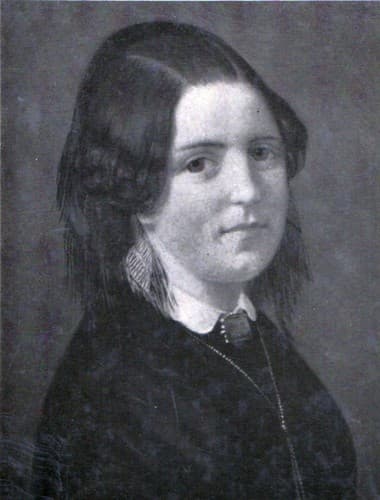
Johanna Spyri was a Swiss author best known for her children's literature, particularly the novel "Heidi," published in 1880. Her works often explore themes of nature, family, and the innocence of childhood, reflecting her deep connection to the Swiss landscape. "Heidi" remains her most notable work and has been translated into numerous languages and adapted into various films and stage productions.
Similar books
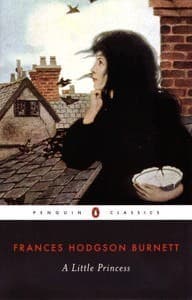
- A Little Princess
Frances Hodgson Burnett
4.2 (4k) average on GoodreadsFantasyExplores themes of resilience, kindness, and friendship in a young girl facing adversity.
- The Secret Garden
Frances Hodgson Burnett
4.1 (891k) average on GoodreadsFantasyHighlights the healing power of nature and friendship for children.
- Harry Potter and the Sorcerer's Stone
J.K. Rowling
4.5 (7M) average on GoodreadsFantasyRescued from a miserable life under the stairs, an orphaned boy discovers he's a wizard destined for a magical school, where he uncovers a dangerous secret tied to the dark wizard who murdered his parents.
- The Hobbit, or There and Back Again
J.R.R. Tolkien
4.3 (2.9M) average on GoodreadsFantasyA comfort-loving hobbit named Bilbo Baggins is whisked away by a mischievous wizard and a band of dwarves on an unexpected journey to reclaim stolen treasure from a fearsome dragon, discovering courage and a magical ring along the way.
- Harry Potter and the Goblet of Fire
J.K. Rowling
4.6 (2.6M) average on GoodreadsFantasyA bewildered Harry Potter, underage and thrust into a deadly Triwizard Tournament, must brave dragons, mermaids, and a resurgent dark magic to survive a year that will forever alter the wizarding world.
- Harry Potter and the Order of the Phoenix
J.K. Rowling
4.5 (2.5M) average on GoodreadsFantasyIn a year of oppressive secrets and the threat of Voldemort, Harry Potter and Dumbledore's Army secretly train for war, shown through Jim Kay and Neil Packer's dark illustrations.





Enjoyed the summary?
A summary gives you the shape of the book. The book itself has the detail, the examples and the voice.
Find Heidi on AmazonAs an Amazon Associate, BookBrief earns from qualifying purchases. How we're funded