
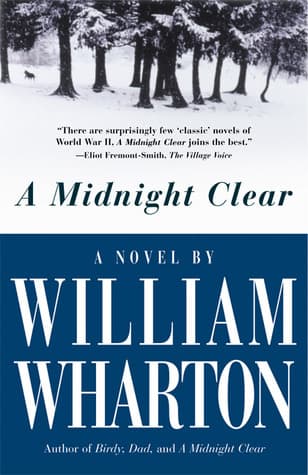
Synopsis
Covers the whole plot, including the ending.
- Difficulty
- Medium
- Pacing
- Moderate
- Mood
- Reflective, somber, surreal, thought-provoking, poignant
A Midnight Clear Plot Summary
Covers the whole plot, including the ending.
The Observation Post
On Christmas Eve 1944, in the Ardennes Forest, Sergeant Will Knott, an intelligent and thoughtful soldier, leads his small squad of five GIs—Miller, Bud Miller, Mother, Father, and Stan—to an abandoned chateau. Their mission is to set up an observation post in what they think is no-man's-land, near German lines. The chateau, once elegant, offers a temporary refuge from the cold and the war. Knott, with his mix of academic curiosity and military discipline, tries to keep his men, a group of reluctant warriors and thinkers, focused. They settle into their isolated routine, at first finding comfort in the quiet surroundings.
Signs of Life
Their isolation ends with a series of strange events. First, a scarecrow appears in a nearby field, facing the chateau. Then, equipment they'd dropped during a hasty retreat is found neatly arranged. These aren't attacks, but unsettling signs of a German presence observing them, perhaps even communicating. Knott and his men are confused; the gestures are too deliberate, too non-threatening, for wartime. A growing unease settles over the squad as they try to understand these signals.
The Christmas Tree
The clearest sign of German presence is a small fir tree, mysteriously decorated with fruit, candles, and cardboard stars, placed where they can see it. This act, so out of place with the war, deeply affects Knott and his men. It's a clear message, a human gesture on Christmas Eve, crossing battle lines. Knott, a philosopher, sees it as an invitation, a challenge to their ideas about the enemy. The squad struggles with what this means, realizing the Germans are not just faceless enemies but individuals capable of human acts.
The First Encounter
Needing to understand these communications, Knott leads a patrol closer to the German lines. They meet a German patrol, and instead of fighting, a strange, tense interaction occurs. The Germans, to Knott's surprise, also seem unwilling to fight. A hesitant, almost conversational exchange reveals that this German unit is also weary of war. The encounter is less about military strategy and more about shared humanity, a mutual wish for the violence to end. This first, non-lethal contact strengthens Knott's belief that something unusual is happening.
A Shared Humanity
Through more unusual encounters and 'gifts' from the Germans, Knott and his squad begin to understand their situation. The German unit, it becomes clear, is made up of older men and boys, equally disillusioned and wanting the conflict to end. They aren't trying to fight but to survive, and perhaps, to connect across the war's divide. Knott realizes the Germans are not just observing them, but trying to communicate a desire for a temporary truce, a moment of peace amid the fighting. This understanding challenges what it means to be an enemy.
The Plan for Surrender
The German unit, through increasingly direct and desperate messages, proposes a plan: they want to surrender, but in a way that lets them escape the Eastern Front, where they expect certain death. They suggest a staged surrender to Knott's small American unit, believing this would offer them a better chance of survival and humane treatment. Knott faces an unprecedented moral dilemma. Accepting their surrender would defy military protocol and risk his unit, but refusing would condemn these men to a terrible fate. This decision weighs heavily on Knott.
Internal Conflict
Knott struggles with the ethical and practical issues of the Germans' proposal. His men, initially wary, are also moved by the Germans' peace overtures. The absurdity of their situation—being asked to help an enemy surrender unofficially—is clear to them. Knott understands the immense risk for both his squad and the Germans. He weighs military rules against the human desire for survival and peace. This internal conflict shows the moral ambiguities of war, where right and wrong blur under extraordinary circumstances and shared vulnerability.
The Agreement
After much thought and internal struggle, Knott, driven by empathy and a desperate hope for a momentary truce, agrees to the Germans' plan. He sees it as a chance to save lives and show a different kind of humanity in war. The agreement is based on trust and a shared understanding of their situation's futility. The staged surrender is carefully planned to look legitimate to outsiders while ensuring both units' safety. This decision is a major departure from standard military conduct, showing Knott's unique leadership and moral sense.
The Rendezvous
The day of the staged surrender arrives, filled with tension and fragile hope. Both American and German units prepare, each man aware of the risks. Knott and his squad, despite their philosophical leanings, are still soldiers, and orchestrating a fake battle and surrender is dangerous. The desperate Germans trust Knott's word. The atmosphere is thick with anticipation, a mix of fear and a longing for peace. The stage is set for an event that will either bring peace or chaos.
The Tragic Climax
As the staged surrender begins, a terrible misunderstanding or sudden violence shatters the fragile peace. A real firefight erupts, possibly due to an outside force, miscommunication, or panic. The carefully built illusion of surrender collapses into a devastating reality. American and German soldiers are killed in the chaos, including Knott's own men. The dream of a peaceful resolution is brutally extinguished. This climax is a shattering comment on the impossibility of escaping war's brutal logic, even when individuals strive for humanity. Knott is left to witness the devastating results of his attempt at peace.
The Aftermath
In the aftermath of the tragedy, Knott surveys the carnage. The chateau, once a sanctuary, now shows the brutal reality of their failed plan. The loss of his men and the German soldiers, all seeking an end to the war, weighs heavily on him. The futility of their efforts, the cruel irony of their attempts at peace leading to more bloodshed, is a crushing blow. Knott must now face official military inquiries, knowing the truth—a desperate, unauthorized attempt at a humanitarian surrender—will likely be misunderstood or condemned. He carries the burden of survivor's guilt and the indelible scars of a war that stole not just lives, but hope.
A Midnight Clear Characters
Sergeant Will Knott
Protagonist
The philosophical and compassionate leader of the American squad.
Sergeant Will Knott is the pragmatic yet deeply philosophical leader of the American observation squad. An intelligent and introspective individual, he possesses a keen mind for strategy but also a profound capacity for empathy. He is weary of the war's senseless brutality and constantly seeks meaning and humanity amidst the chaos. Knott is the primary interpreter of the Germans' strange signals, driven by curiosity and a desire to understand rather than simply kill. He embodies the moral complexities of war, struggling to reconcile his duty with his conscience.
Relationships: Miller (Subordinate and friend); Bud Miller (Subordinate and friend); Mother (Subordinate); Father (Subordinate); Stan (Subordinate); German soldiers (Unconventional enemy, then potential allies)
Miller
Supporting
A pragmatic and loyal member of Knott's squad.
Miller is a more grounded and practical member of Knott's squad, often serving as a counterpoint to Knott's philosophical musings. He is loyal to Knott and generally follows orders, but he is also a survivor, acutely aware of the dangers of their situation. While initially skeptical of the Germans' strange overtures, he comes to trust Knott's judgment and participates in the plan for surrender. Miller represents the common soldier, weary but resilient, caught in circumstances beyond his control.
Relationships: Sergeant Knott (Leader and friend); Bud Miller (Comrade)
Bud Miller
Supporting
A quiet and observant member of the squad, often reflective.
Bud Miller is another member of the squad, often portrayed as more quiet and observant than some of the others. He contributes to the philosophical discussions and shares Knott's weariness of the war. He is sensitive to the human element of their situation and is receptive to the idea of a shared humanity with the enemy. Bud Miller's presence underscores the diverse personalities within the squad and their collective yearning for something beyond the violence.
Relationships: Sergeant Knott (Leader); Miller (Comrade)
Mother
Supporting
The squad's older, nurturing figure.
Mother is an older member of the squad, often taking on a nurturing role, looking out for the younger soldiers and providing a sense of stability. His age and experience give him a unique perspective on the war, often tinged with a deeper weariness. He represents the paternal instinct, even in the brutal environment of war, and adds a layer of warmth and humanity to the squad's dynamic. His quiet strength and care for his comrades are evident throughout their ordeal.
Relationships: Sergeant Knott (Leader); Father (Comrade)
Father
Supporting
A quiet and reflective member, often seeking spiritual meaning.
Father is another older member of the squad, often associated with a quiet, almost spiritual demeanor. He is reflective and contemplative, perhaps seeking meaning or solace in his faith amidst the horrors of war. His presence adds to the philosophical depth of the squad, highlighting the human need for understanding and hope even in the most desperate circumstances. He is a testament to the diverse ways individuals cope with the psychological toll of combat.
Relationships: Sergeant Knott (Leader); Mother (Comrade)
Stan
Supporting
A younger, more naive soldier in Knott's squad.
Stan is one of the younger, perhaps more naive, members of the squad. He represents the innocence that is quickly lost in war, and his reactions often highlight the stark contrast between the idealism of youth and the harsh realities of combat. He is still learning the ropes, often looking to Knott and the older men for guidance. His vulnerability serves to underscore the protective instincts of the other soldiers and the tragic toll of war on young lives.
Relationships: Sergeant Knott (Leader)
German Commander (unnamed)
Antagonist/Supporting
The leader of the opposing German unit, seeking a peaceful surrender.
The German Commander, though largely unseen, is a pivotal character, representing the 'enemy' who initiates the unconventional communication. He is portrayed as equally weary and desperate, leading a unit of older men and boys who are facing certain death on the Eastern Front. His decision to seek a staged surrender reveals a profound sense of pragmatism and humanity, transcending national loyalties in a bid for survival. He is a mirror to Knott, a leader trying to protect his men through unconventional means.
Relationships: Sergeant Knott (Opposing leader, then tentative ally); German soldiers (Subordinates)
German Soldiers (unnamed)
Supporting
The 'enemy' unit who seek a peaceful resolution.
The German soldiers, as a collective, are crucial to the narrative. They are not depicted as faceless villains but as individuals, many of them older men or young boys, who are profoundly weary of the war and desperate to survive. Their actions—leaving gifts, communicating through signals—are driven by a shared humanity and a desire for peace, rather than aggression. They challenge the American soldiers' preconceived notions of the enemy, highlighting the universal suffering and longing for an end to conflict.
Relationships: Sergeant Knott's squad (Opposing unit, then tentative allies); German Commander (Leader)
A Midnight Clear Themes
The Absurdity and Folly of War
The novel shows the senselessness of war, especially through Knott's observations and the strange interactions between the American and German units. The characters, particularly Knott, constantly question the war's purpose, showing how arbitrary and destructive conflict can be. The tragedy of the staged surrender, where an attempt at peace leads to more bloodshed, powerfully illustrates war's inherent folly, suggesting its brutal logic often overrides individual acts of humanity.
“War is a game played by children, but with real lives.”
Shared Humanity Across Enemy Lines
A central theme is that humanity crosses national and ideological lines, even during war. The German soldiers' gestures—the scarecrow, the Christmas tree, the organized equipment—are not aggressive but desperate attempts to communicate. Knott and his men come to see the 'enemy' not as monsters, but as individuals equally tired of fighting and wanting to survive. This theme challenges dehumanizing war propaganda, emphasizing the universal desire for peace and the capacity for empathy even for those on the opposing side.
“The enemy is just like us, only on the other side.”
Moral Ambiguity and Ethical Dilemmas
The novel explores the complex moral choices soldiers face in unusual situations. Knott's decision to stage a surrender, though driven by humanitarian motives, goes against military rules and carries great risks. The story examines the gray areas where rules break down, and individuals must make decisions based on conscience rather than strict orders. This theme highlights the personal cost of war and the difficult compromises made when lives are at stake, questioning what counts as 'right' action in an immoral situation.
“Sometimes, the right thing to do is the wrong thing to do, according to the book.”
The Fragility of Peace and Hope
Despite the characters' earnest efforts for peace, the novel shows how fragile peace is during wartime. The hope for a staged surrender is brutally shattered by unforeseen events, leading to a tragic climax. This theme suggests that even the best-intentioned attempts to escape violence can be overwhelmed by war's inherent chaos and brutality. It's a poignant comment on how easily hope can be extinguished when faced with the overwhelming forces of conflict.
“Hope, like a fragile glass, can shatter in an instant.”
Plot Devices & Literary Techniques
Symbolism of the Christmas Tree
A potent symbol of peace, humanity, and shared longing.
The decorated fir tree left by the Germans is a powerful symbol. It represents a universal desire for peace, hope, and shared humanity, especially poignant on Christmas Eve amidst the brutality of war. Its appearance acts as a catalyst, forcing Knott and his men to reconsider their perception of the enemy and opening the door for unconventional communication. The tree stands in stark contrast to the violence surrounding them, highlighting the profound human need for connection and solace even in the most desolate circumstances. It's an invitation to transcend the conflict, albeit a ultimately tragic one.
The Abandoned Chateau
A setting that mirrors the characters' isolation and internal conflict.
The deserted chateau serves as more than just a physical setting; it's a symbolic space. Its isolation mirrors the squad's detachment from the larger war and their internal struggles. The chateau, a relic of a more elegant past, contrasts sharply with the grim reality of their present, highlighting the destructive power of war on beauty and order. It becomes a crucible for their philosophical discussions and ethical dilemmas, a temporary sanctuary where the lines between friend and foe blur, and where their desperate hope for peace takes root.
Unreliable Narration (Implied)
Knott's subjective perspective shapes the understanding of events.
While not explicitly stated as unreliable, the story is largely filtered through Sergeant Knott's highly intelligent, philosophical, and introspective mind. His interpretations of German actions, his internal monologues, and his emotional responses heavily influence the reader's understanding of events. This subjectivity creates a sense of intimacy but also raises questions about the absolute truth of the situation, especially concerning the Germans' exact intentions and the precise cause of the tragic climax. It emphasizes the individual's struggle to make sense of war's chaos and the personal biases that color perception.
Foreshadowing
Subtle hints of impending danger and tragic outcomes.
Throughout the narrative, there are subtle hints and a pervasive sense of unease that foreshadow the tragic climax. The very nature of their 'game' with the Germans, the inherent risks of a staged surrender, and the constant threat of discovery or misunderstanding all contribute to an escalating tension. Knott's own philosophical musings often touch upon the futility of war and the fragility of hope, subtly preparing the reader for a less-than-optimistic outcome. This foreshadowing builds suspense and underscores the novel's commentary on the inescapable nature of war's brutality.
Quiz
10 questions on the plot and the characters. Each answer comes with a short explanation.
Question 1
What is the primary setting of the novel 'A Midnight Clear'?
- The beaches of Normandy
- The Ardennes Forest
- A POW camp in Germany
- A military hospital in England
Show answer
B. The Ardennes Forest The novel is explicitly set in the Ardennes Forest.
Question 2
On what specific holiday does the story begin?
- New Year's Eve
- Christmas Day
- Thanksgiving
- Christmas Eve
Show answer
D. Christmas Eve The story is set on Christmas Eve 1944.
Question 3
What is the mission assigned to Sergeant Will Knott and his squad?
- To infiltrate a German stronghold
- To establish an observation post near German lines
- To rescue captured Allied soldiers
- To deliver a coded message to the resistance
Show answer
B. To establish an observation post near German lines They are ordered to establish an observation post in an abandoned chateau close to the German lines.
Question 4
What initial activity do the soldiers engage in while isolated in the chateau?
- Training for future battles
- Playing at being soldiers
- Writing letters home
- Scavenging for supplies
Show answer
B. Playing at being soldiers The text states they 'play at being soldiers in what seems to be complete isolation'.
Question 5
What is one of the first signs that the Germans are present and aware of the squad?
- The sound of distant artillery fire
- A coded radio transmission
- A scarecrow
- Footprints in the snow
Show answer
C. A scarecrow The text specifically mentions a scarecrow as one of the first signs of German presence.
Question 6
What unusual item do the Germans leave that further mystifies the squad?
- A captured American flag
- A small fir tree decorated with ornaments
- A map of Allied positions
- A loaf of German bread
Show answer
B. A small fir tree decorated with ornaments The text describes 'a small fir tree hung with fruit, candles, and cardboard stars' as a strange offering.
Question 7
Besides unraveling mysteries, what else do the characters learn during their ordeal?
- New military strategies
- To speak German fluently
- About themselves and each other
- How to survive in the wilderness
Show answer
C. About themselves and each other The text states they learn 'about themselves, about one another'.
Question 8
The novel's climax is described as one of the most shattering in the literature of war. What does this suggest about its impact?
- It offers a hopeful resolution
- It is emotionally devastating and profound
- It focuses on a heroic victory
- It is anticlimactic and disappointing
Show answer
B. It is emotionally devastating and profound The word 'shattering' implies a powerful, likely negative, emotional impact, suggesting a profound and devastating conclusion.
Question 9
The soldiers' initial 'play' at being soldiers suggests a possible theme of:
- Boredom and lack of discipline
- The absurdity and detachment from reality during war
- Training for psychological warfare
- Developing camaraderie through shared games
Show answer
B. The absurdity and detachment from reality during war Their 'playing' in isolation, contrasted with the real danger that emerges, highlights the surreal and sometimes detached nature of soldiers' experiences in war.
Question 10
The mysterious signs left by the Germans, particularly the decorated fir tree, can be interpreted as:
- A deliberate attempt to lure the soldiers into a trap
- A sign of psychological warfare and manipulation
- A strange form of communication or a peace offering
- A mistake by inexperienced German soldiers
Show answer
B. A sign of psychological warfare and manipulation The unusual and symbolic nature of the gifts, especially in the context of war, suggests a deeper purpose beyond simple communication or error. It implies a deliberate act to affect the soldiers' perceptions and potentially their sanity.
A Midnight Clear FAQ
What is the plot of A Midnight Clear?
A Midnight Clear tells the story of Sergeant Will Knott and his squad of GIs who are sent to establish an observation post in an abandoned chateau near German lines on Christmas Eve 1944. They initially play at being soldiers in isolation, but strange occurrences reveal the Germans are nearby, leading them to unravel mysteries about the enemy and themselves.
Where and when is A Midnight Clear set?
The novel is set in the Ardennes Forest on Christmas Eve, 1944, during World War II.
Who are the main characters in A Midnight Clear?
The central character is Sergeant Will Knott, who leads a small squad of GIs. The story focuses on the interactions and experiences of these soldiers.
What kind of mysteries do the soldiers encounter?
The soldiers encounter increasingly unusual signs of the German presence, including a scarecrow, dropped equipment, and a decorated fir tree. These mysteries force them to confront the reality of the enemy and their own situation.
What is the tone of A Midnight Clear?
While set during wartime, the book explores themes of isolation, youthful naivete, and the blurring lines between friend and foe, often with a surreal or melancholic tone.
Is A Midnight Clear a typical war novel?
No, A Midnight Clear is not a typical war novel. It delves into the psychological aspects of war and the human condition rather than focusing on battles and combat.
What are the main themes in A Midnight Clear?
Key themes include the loss of innocence, the nature of enemy perception, isolation, camaraderie, and the absurdity of war.
What makes the ending of A Midnight Clear significant?
The novel culminates in an unexpected and shattering climax that deeply explores the profound impact of war on the soldiers involved.
What is the significance of the Christmas Eve setting?
The Christmas Eve setting contrasts sharply with the grim reality of war, highlighting themes of peace, innocence, and hope against a backdrop of conflict.
Can I read A Midnight Clear if I'm not a fan of war stories?
Yes, A Midnight Clear is highly recommended even for those who don't typically enjoy war stories due to its focus on character development, psychological depth, and philosophical exploration rather than graphic combat.
About the author

William Wharton was an American author known for his fiction, particularly exploring themes of war and human experience. His notable work, "A Midnight Clear," delves into the complexities of soldiers during World War II. Wharton's writing often reflects his own experiences and insights, contributing to his recognition in the literary field.
Similar books
- All Quiet on the Western Front
Erich Maria Remarque
4.0 (355k) average on GoodreadsHistorical Fiction"A Midnight Clear" shares Remarque's unflinching portrayal of the dehumanizing effects of war and the loss of innocence among young soldiers. Both novels strip away the glory and focus on the brutal realities and the psychological damage. However, Wharton's novel introduces a more surreal and almost hopeful element with the proposed truce, a concept largely absent in Remarque's more relentlessly bleak narrative, which emphasizes the irreversible scarring of its protagonist.
- Catch-22
Joseph Heller
4.0 (723k) average on GoodreadsHistorical FictionWhile Heller's "Catch-22" employs satire and absurdism to critique the bureaucracy and madness of war, "A Midnight Clear" achieves a similar anti-war sentiment through a more somber and reflective lens. Both novels highlight the irrationality and futility of conflict, but Wharton's approach is less overtly comedic and more focused on the quiet, internal despair and the search for common ground amidst the chaos, rather than the outright farcical nature of the military machine depicted by Heller.
- To Kill a Mockingbird
Harper Lee
4.3 (4.5M) average on GoodreadsHistorical FictionIn the 1930s Jim Crow South, Harper Lee writes about racial injustice, moral growth, and the quiet courage of a lawyer father, Atticus Finch, as seen through his young daughter's eyes.
- The Great Gatsby
F. Scott Fitzgerald
3.9 (3.8M) average on GoodreadsHistorical FictionIn the opulent Roaring Twenties, a mysterious millionaire's lavish parties hide his desperate, tragic pursuit of a lost love, exposing the emptiness within the American Dream.
- Pride and Prejudice
Jane Austen
4.3 (3M) average on GoodreadsHistorical FictionIn a society focused on status and money, Elizabeth Bennet navigates love and pride, challenging Mr. Darcy and social expectations to find true affection.
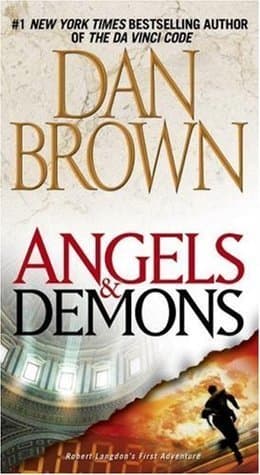
- Angels & Demons
Dan Brown
3.9 (2.7M) average on GoodreadsThrillerA Harvard symbologist races through Rome's ancient sites, deciphering cryptic clues to unmask the Illuminati and stop a vengeful plot to destroy the Vatican with a stolen antimatter weapon.


Enjoyed the summary?
A summary gives you the shape of the book. The book itself has the detail, the examples and the voice.
Find A Midnight Clear on AmazonAs an Amazon Associate, BookBrief earns from qualifying purchases. How we're funded