
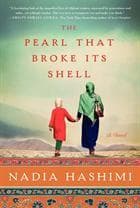
Synopsis
Covers the whole plot, including the ending.
- Difficulty
- Medium
- Pacing
- Moderate
- Mood
- Thought-provoking, Poignant, Resilient, Cultural
- Read it if
- You enjoy rich historical fiction with strong female protagonists, exploring themes of gender, tradition, and resilience in Afghanistan.
- Skip it if
- You prefer fast-paced thrillers or are uncomfortable with detailed depictions of restrictive cultural practices and gender inequality.
The Pearl That Broke Its Shell Plot Summary
Covers the whole plot, including the ending.
Rahima's Restricted Life and the Bacha Posh Proposal
In 2007 Kabul, Rahima lives in a home with her drug-addicted father and several sisters, but no sons. This lack of a male presence limits the family's ability to leave their home, attend school regularly, or earn money, as women are expected to stay secluded. Rahima, the fourth of five daughters, is spirited and wants the freedom boys have. Her aunt, Khala Shaima, suggests the ancient tradition of bacha posh, where one of the younger daughters dresses and lives as a boy until puberty. Rahima's father, needing a solution to their money problems and social limits, agrees, and Rahima becomes Rahim, gaining new freedom to attend school, run errands, and support her family.
Shekiba's Early Life and Orphanage
A century earlier, in the early 1900s, Shekiba's story begins. She lives in a rural village with her family, experiencing a traditional, but hard, Afghan life. Tragedy strikes when a cholera epidemic kills her parents, siblings, and most of her extended family. Orphaned and alone, Shekiba must take care of herself. Relatives take her in, treating her as a servant, giving minimal care and no education. This early hardship creates a strong spirit in her, as she learns to survive through determination and hard work, showing her future need to adopt a male identity for survival.
Rahim's Freedoms and Responsibilities
As Rahim, Rahima changes greatly. She cuts her hair, wears boys' clothes, and acts more confidently. This new identity gives her access to education, where she does well, and the ability to move freely in public. She attends school, runs errands for her family, and plays with boys in the streets, enjoying the respect and chances given to males. She becomes a vital part of her family's survival, earning small wages and protecting her sisters. However, puberty approaches, reminding her that this freedom is temporary and she must return to her female identity, a thought she fears.
Shekiba's Life as a Guard
After her difficult youth, Shekiba, still living as a man out of necessity, works as a guard in the King's harem. This job gives her a stable, though unusual, life. She watches the lives of the King's wives and concubines, seeing their confinement, rivalries, and brief moments of joy. This experience gives her a unique view into the restricted lives of women, even those with power. She keeps her disguise carefully, fearing exposure and the loss of her independence and security, while secretly wanting a different kind of life.
Rahima's Forced Engagement and Marriage
As Rahima nears puberty, her family decides it is time for her to return to her female identity and marry. Despite her protests and wish to remain Rahim, she is promised to an elderly warlord, Abdul Ghafoor, who already has several wives and many children. The change is hard; she loses her freedom, education, and sense of self. The marriage shows the limited choices for women in her society. She moves to Abdul Ghafoor's compound, a place of constant tension and rivalry among his wives, where she struggles to adapt to her new, confined life.
Shekiba's Marriage and Hardship
Shekiba's life as a man ends when her true gender is discovered, leading to her forced marriage. She marries a much older, abusive man named Sardar, who lives in a desolate, remote village. Her life there is one of constant hardship, physical labor, and emotional isolation. She endures Sardar's cruelty and the hard work of rural life, far from the stability she found as a guard. Despite the harshness, Shekiba keeps her inner strength, finding small ways to assert her will and survive, often using the resilience she developed during her solitary youth.
Rahima's Life in the Harem and Friendship
Life in Abdul Ghafoor's compound is stifling for Rahima. She is one of four wives, dealing with the complex hierarchies and jealousies of the household. Her spirit, used to freedom, struggles under the restrictions. However, she forms a friendship with Parwin, another young wife who is also unhappy. Parwin, more assertive and rebellious, shares Rahima's desire for a different life and offers her companionship and support. Together, they find small moments of comfort and defiance, planning ways to escape their oppressive situation and dreaming of freedom.
Shekiba's Escape and New Identity
Shekiba, unable to stand Sardar's abuse any longer, escapes her marriage. She flees the remote village and, using her past experiences, again adopts a male disguise. She finds work, often manual labor, in different towns, always careful to protect her secret. This period brings a new sense of independence for Shekiba, who, through sheer will, creates a life for herself. She learns to navigate the world alone, resilient and self-reliant, choosing to live as a man permanently to keep her control and safety, forever changed by her experiences.
Rahima's Aunt Reveals Family History
During a rare visit home, Rahima's aunt, Khala Shaima, tells her the story of their great-aunt, Shekiba. Khala Shaima recounts Shekiba's life, her bacha posh experience, her forced marriage, and her eventual escape and survival. Hearing Shekiba's story affects Rahima greatly. She sees the similarities between their lives – the shared bacha posh experience, the loss of freedom, and the struggle against societal limits. Shekiba's story becomes a source of inspiration and strength for Rahima, making her feel less alone and empowering her to think about her own power and potential for change.
Rahima's Bold Decision and Future
Inspired by Shekiba's story and her own growing desperation, Rahima makes a brave decision. With Parwin's help and her family's support, she asks for a divorce from Abdul Ghafoor, an almost unheard-of act for a woman in her society. Though the process is hard and dangerous, Rahima persists, using the strength she gained as Rahim and the wisdom from Shekiba's endurance. The novel ends with Rahima starting a new path, suggesting a future where she might pursue education and a life of greater control, having broken free from tradition, much like her great-aunt.
The Pearl That Broke Its Shell Characters
Rahima
Protagonist
A spirited girl who lives as a boy (bacha posh) and later fights for her freedom.
Rahima is the central protagonist in the contemporary timeline (2007). She is a spirited and intelligent young girl, initially the fourth of five daughters, who longs for the freedom and opportunities denied to girls in her Afghan society. Her transformation into Rahim, a bacha posh, allows her to attend school, run errands, and experience life beyond the confines of her home. This period shapes her independence and resilience. Later, as a forced bride in an abusive marriage, she draws upon the strength gained as Rahim and the inspiration of her great-aunt Shekiba to fight for her own agency and a different future.
Relationships: Khala Shaima (supportive aunt, storyteller); Abdul Ghafoor (elderly, abusive husband); Parwin (fellow wife and friend)
Shekiba
Protagonist
Rahima's great-aunt who also lived as a bacha posh and forged an independent life a century earlier.
Shekiba is the protagonist of the historical timeline (early 1900s) and Rahima's great-aunt. Orphaned by cholera, she endures a harsh youth, leading her to adopt a male identity for survival. She works as a guard in the King's harem, gaining a unique perspective on women's confinement. Her true gender is eventually discovered, leading to a brutal marriage. Despite immense hardship and abuse, Shekiba's indomitable spirit allows her to escape and live a life of hard-won independence, perpetually disguised as a man. Her story serves as a powerful legacy and inspiration for Rahima.
Relationships: Khala Shaima (niece, who recounts her story); Sardar (abusive husband)
Khala Shaima
Supporting
Rahima's wise aunt and the keeper of the family's history, including Shekiba's story.
Khala Shaima is Rahima's maternal aunt and a pivotal supporting character. She is a compassionate and insightful woman who understands the constraints placed upon women in their society. It is Khala Shaima who suggests the bacha posh custom for Rahima and, crucially, later shares the history of Shekiba with Rahima. Her storytelling provides Rahima with a sense of connection to her past and a powerful example of resilience, empowering Rahima to seek her own path. She acts as a mentor and a source of wisdom for Rahima.
Relationships: Rahima (niece, whom she advises and supports); Shekiba (aunt, whose story she preserves and shares)
Abdul Ghafoor
Antagonist
The powerful, elderly warlord Rahima is forced to marry.
Abdul Ghafoor is the elderly warlord Rahima is forced to marry. He represents the patriarchal power structure and the oppressive traditions that limit women's lives. He is a polygamist with multiple wives and many children, ruling his household with an iron fist. He views his wives as property and sources of status, showing little regard for their individual happiness or well-being. His compound becomes a symbol of Rahima's confinement and the loss of her freedom, forcing her to confront the stark realities of women's subjugation.
Relationships: Rahima (husband, to whom she is unwillingly married); Parwin (wife)
Parwin
Supporting
One of Abdul Ghafoor's other wives who befriends Rahima and becomes her ally.
Parwin is one of Abdul Ghafoor's other wives and becomes Rahima's closest confidante and friend within the compound. She is younger and more rebellious than the other wives, also chafing under the restrictions of their shared husband. Parwin provides Rahima with much-needed companionship, emotional support, and practical advice, helping her navigate the complex dynamics of the household. Her shared unhappiness and longing for freedom forge a strong bond with Rahima, and she plays a crucial role in Rahima's eventual decision to seek a divorce.
Relationships: Rahima (fellow wife and close friend); Abdul Ghafoor (husband)
Sardar
Antagonist
Shekiba's abusive, much older husband in a remote village.
Sardar is the much older, abusive man Shekiba is forced to marry after her true gender is discovered. He lives in a remote, desolate village and subjects Shekiba to relentless physical labor, emotional neglect, and cruelty. He represents the extreme hardships and lack of agency faced by women in rural Afghanistan, particularly those without family protection. His brutality is a catalyst for Shekiba's eventual escape and her permanent adoption of a male identity for survival. He is a symbol of the oppressive patriarchal control Shekiba must overcome.
Relationships: Shekiba (abusive husband)
Rahima's Father
Supporting
A drug-addicted man who agrees to the bacha posh custom for his daughter.
Rahima's father is a largely absent and ineffectual figure, struggling with drug addiction. His inability to provide for or protect his family, combined with the lack of a male heir, leads him to agree to the bacha posh custom for Rahima. While he benefits from Rahim's ability to work and move freely, he ultimately adheres to traditional expectations by forcing Rahima into marriage. He represents the societal pressures and personal failings that contribute to the difficult circumstances faced by his daughters.
Relationships: Rahima (father); Rahima's Mother (husband)
Rahima's Mother
Supporting
A traditional Afghan mother who supports the bacha posh custom for practical reasons.
Rahima's mother is a traditional Afghan woman who, despite her love for her daughters, is constrained by societal expectations and her husband's addiction. She initially supports the bacha posh custom for Rahima out of necessity, seeing the practical benefits of having a 'son' to help the family. She struggles with the emotional toll of her daughters' limited lives and Rahima's eventual forced marriage, but her agency is largely limited by her circumstances. She represents the silent suffering and quiet resilience of many women in similar situations.
Relationships: Rahima (mother); Rahima's Father (wife)
Rahima's Sisters
Mentioned
Rahima's four sisters whose lives are restricted by societal norms.
Rahima has four sisters, whose lives are largely restricted to the home due to the absence of a male chaperone. They represent the typical fate of girls in their society, unable to attend school regularly or move freely. When Rahima becomes Rahim, she often chaperones them, allowing them brief glimpses of the outside world. Their limited opportunities highlight the stark contrast with Rahima's bacha posh freedom and underscore the patriarchal constraints they all face. They are largely a collective presence, symbolizing the 'shell' from which Rahima eventually breaks.
Relationships: Rahima (sisters)
The Pearl That Broke Its Shell Themes
Identity and Self-Discovery
The novel explores how individuals, especially women, create and show their identities within strict societal rules. Rahima's change into Rahim lets her experience a different self, one with freedom and power, which shapes her understanding of who she is and who she wants to be. Shekiba's life as a man, born out of need, becomes her chosen identity for survival and independence. Both women deal with the conflict between their assigned gender, their perceived gender, and their true inner selves, seeking authenticity and control over their lives despite outside pressures.
“What was the difference between a boy and a girl? The answer, Rahima knew, was: Everything.”
Gender Roles and Societal Constraints
A main theme is the rigid gender roles in Afghan society and their impact on women's lives. The bacha posh tradition is a direct response to these limits, showing the difference in freedom, education, and social movement between men and women. The novel shows the confinement of women, child marriage, polygamy, and the lack of legal options for women. Both Rahima's and Shekiba's struggles result directly from these societal structures, forcing them to take unusual steps to navigate a world that offers women little power.
“A girl is a burden, a boy is a blessing.”
Resilience and Survival
The stories of Rahima and Shekiba show the strength of the human spirit in hard times. Both main characters face great hardship—being orphans, poverty, abuse, and loss of personal freedom—yet they find ways to survive and even succeed. Shekiba's ability to escape an abusive marriage and live independently as a man, and Rahima's courage to seek a divorce and pursue education, show their strong determination. Their survival is not just physical, but also a survival of spirit, holding onto hope and the desire for a better life despite great difficulties.
“A pearl is a fortress, but it can also be a cage.”
The Power of Storytelling and Legacy
The way Rahima's and Shekiba's stories are woven together shows how storytelling connects generations and inspires change. Khala Shaima's telling of Shekiba's life is not just a historical story; it is a source of strength, guidance, and validation for Rahima. By learning about her great-aunt's struggles and successes, Rahima realizes she is not alone and that there is a way to challenge the current situation. This theme shows how shared histories and ancestral knowledge can empower people to break free from oppression.
“The past is not a story you can step into, but you can carry its weight.”
Freedom and Confinement
The novel contrasts moments of great freedom with periods of stifling confinement. Rahima experiences the freedom of a boy, able to move, learn, and play without restriction. This is sharply contrasted with her later confinement as a wife in Abdul Ghafoor's compound, where her movements, education, and voice are limited. Similarly, Shekiba's life as a guard offers a unique freedom within the harem, which is then lost in her abusive marriage, only to be regained through her permanent male disguise. The characters' journeys are defined by their pursuit of freedom from the physical and metaphorical 'shells' that trap them.
“The world outside was a different kind of prison for a woman.”
Plot Devices & Literary Techniques
Dual Timeline Narrative
Interweaving two parallel stories across a century to highlight thematic connections.
The novel utilizes a dual timeline, alternating between Rahima's story in 2007 Kabul and Shekiba's story a century earlier. This device allows the author to draw direct parallels between the experiences of women separated by time, emphasizing the enduring nature of societal constraints in Afghanistan while also showcasing the evolution of resistance. The juxtaposed narratives enrich the themes of identity, gender roles, and resilience, demonstrating how past struggles can inform and empower present-day challenges, ultimately culminating in Rahima drawing direct inspiration from Shekiba's legacy.
Bacha Posh Custom
A cultural practice serving as a catalyst for female agency and a symbol of gender inequality.
The ancient Afghan custom of bacha posh (dressing a girl as a boy until puberty) is a central plot device. For both Rahima and Shekiba, it acts as a temporary liberation, granting them access to education, freedom of movement, and social status otherwise denied to them as girls. However, it also highlights the profound gender inequality that necessitates such a practice. It's a double-edged sword: a source of temporary empowerment that ultimately underscores the fragility of female agency and the inevitable return to a restrictive female identity, or in Shekiba's case, a permanent adoption of a male identity for survival.
The Pearl Metaphor
Symbolizing female confinement, protection, and the potential for breaking free.
The 'pearl' in the title serves as a powerful metaphor throughout the book. It represents the idealized, protected, yet confined status of women in Afghan society—valued, beautiful, but trapped within a shell. For Rahima, her bacha posh experience allows her to momentarily break out of this shell, only to be forced back into it through marriage. The act of 'breaking the shell' signifies a woman's defiance against societal expectations, her quest for freedom, and the painful but necessary journey to reclaim her identity and agency, as both Rahima and Shekiba ultimately achieve in their own ways.
Storytelling as Empowerment
The act of sharing ancestral narratives as a source of strength and inspiration.
Khala Shaima's role as the storyteller, recounting Shekiba's life to Rahima, is a crucial plot device. This act of oral tradition directly links the two protagonists across generations, making Shekiba's experiences tangible and relevant to Rahima's present struggles. The narrative of Shekiba provides Rahima with a historical precedent for female resilience and defiance, giving her the courage and validation to challenge her own oppressive circumstances. It emphasizes how personal histories, when shared, can become powerful tools for empowerment and social change.
The Pearl That Broke Its Shell Quotes
“A woman's voice is a pearl that must be kept hidden, or it will be stolen.”
“We are all born with shells, but some of us must break them to breathe.”
“In this world, a girl is a burden until she becomes a wife.”
“A story is a thread that connects us to those who came before and those who will come after.”
“Fear is a cage, but courage is the key that rusts if not used.”
“The wind does not ask permission to blow; why should a woman ask to live?”
“A broken shell can still hold a pearl, if you know where to look.”
“Men write history, but women live it.”
“Silence is a language too, and sometimes it speaks the loudest.”
“A daughter is a seed planted in foreign soil; you never know what she will grow into.”
“The heart is a map that remembers every path it has traveled, even the broken ones.”
“To be a woman is to wear many shells, each one a protection and a prison.”
“Hope is a bird that nests in the ruins, singing when all else is silent.”
Quiz
10 questions on the plot and the characters. Each answer comes with a short explanation.
Question 1
What is the ancient Afghan custom that allows Rahima to dress and live as a boy in 2007 Kabul?
- Burqa
- Bacha posh
- Purdah
- Niqab
Show answer
B. Bacha posh Bacha posh is the custom where families without sons dress a daughter as a boy, allowing her freedoms typically denied to girls in Afghan society, such as attending school and moving freely in public.
Question 2
Why does Rahima's family resort to the bacha posh tradition?
- To honor a family tradition
- Because Rahima prefers being a boy
- Their father is drug-addicted and they have no brothers
- To avoid paying school fees for girls
Show answer
C. Their father is drug-addicted and they have no brothers With a drug-addicted father and no male siblings, Rahima and her sisters face severe restrictions. Bacha posh allows Rahima to function as a son, providing practical benefits like escorting her sisters and attending school.
Question 3
Who is the other main character in the novel whose story parallels Rahima's a century earlier?
- Her mother
- Her grandmother
- Her great-aunt Shekiba
- A neighbor
Show answer
C. Her great-aunt Shekiba Shekiba, Rahima's great-aunt, also adopts a male identity to survive after being orphaned by an epidemic. Her story from a century earlier is interwoven with Rahima's, highlighting recurring themes of gender and survival.
Question 4
What major event leaves Shekiba orphaned and forces her to adopt a male identity?
- A war
- A famine
- An epidemic
- A flood
Show answer
C. An epidemic Shekiba's family is wiped out by an epidemic, leaving her vulnerable. To protect herself and secure a future, she takes on a male role, mirroring Rahima's later experience.
Question 5
How does Rahima's life change once she reaches marriageable age and can no longer live as a boy?
- She continues living as a boy secretly
- She is forced into an arranged marriage
- She moves to another country
- She becomes a teacher
Show answer
B. She is forced into an arranged marriage As Rahima grows older, societal expectations pressure her to revert to a female role and enter an arranged marriage, stripping away the freedoms she enjoyed as a bacha posh.
Question 6
What is a central theme explored through both Rahima's and Shekiba's stories?
- The joy of childhood
- The importance of education
- The struggle for autonomy in a patriarchal society
- The benefits of modern technology
Show answer
C. The struggle for autonomy in a patriarchal society Both women navigate restrictive gender roles, using male identities to gain agency. Their stories highlight the ongoing fight for self-determination against societal constraints.
Question 7
What role does Rahima initially take on as a bacha posh that benefits her family?
- She works as a tailor
- She chaperones her sisters and attends school
- She cooks for the family
- She cares for her father
Show answer
B. She chaperones her sisters and attends school As a bacha posh, Rahima can escort her sisters in public and go to school—opportunities denied to her as a girl, providing both protection and education for the family.
Question 8
How does Shekiba's experience as a man differ from Rahima's in terms of duration?
- Shekiba's male identity is temporary, while Rahima's is permanent
- Shekiba lives as a man for much of her life, while Rahima's is a childhood phase
- Both adopt male identities only briefly
- Rahima's male identity lasts longer than Shekiba's
Show answer
B. Shekiba lives as a man for much of her life, while Rahima's is a childhood phase Shekiba maintains her male role into adulthood, building a new life, whereas Rahima's bacha posh status ends at marriageable age, reflecting different societal pressures across time.
Question 9
What symbolic meaning might the title 'The Pearl That Broke Its Shell' convey in relation to the characters?
- The beauty of Afghan jewelry
- Women breaking free from societal constraints
- The fragility of pearls
- A literal pearl in the story
Show answer
B. Women breaking free from societal constraints The title metaphorically represents women like Rahima and Shekiba who 'break out' of restrictive gender roles (the shell) to reveal their strength and autonomy (the pearl), despite risks.
Question 10
In what way do the interwoven narratives of Rahima and Shekiba enhance the novel's impact?
- By showing technological progress over time
- By highlighting how little has changed for Afghan women across centuries
- By providing comic relief
- By focusing on male perspectives
Show answer
B. By highlighting how little has changed for Afghan women across centuries The parallel stories underscore persistent challenges faced by women in Afghan society, emphasizing themes of resilience and the ongoing struggle for gender equality despite temporal separation.
The Pearl That Broke Its Shell FAQ
What is 'The Pearl That Broke Its Shell' about?
The novel follows two Afghan women separated by a century: Rahima in 2007 Kabul, who adopts the bacha posh custom to live as a boy and gain freedoms denied to girls, and her great-aunt Shekiba in the early 1900s, who uses the same tradition to survive after being orphaned. Their parallel stories explore themes of gender, survival, and the struggle for autonomy in a patriarchal society.
Why should I read 'The Pearl That Broke Its Shell'?
This book offers a powerful, emotionally resonant look at Afghan women's lives through two compelling interwoven narratives. It illuminates the bacha posh tradition while exploring universal themes of identity, resilience, and the fight for self-determination across generations.
What is the background/setting of 'The Pearl That Broke Its Shell'?
The novel alternates between two time periods: early 20th-century Afghanistan during the reign of King Habibullah, and 2007 Kabul under Taliban influence. Both settings depict a strictly patriarchal society where women's freedoms are severely restricted, creating the context for the bacha posh tradition.
What are the most memorable quotes from the book?
Key quotes include: 'A girl is like a pearl that must be kept in its shell' (reflecting the title's metaphor), and Shekiba's realization that 'I was not a boy, but I was not a girl either. I was something in between, something that gave me power.' These capture the central tension between societal expectations and personal identity.
What writing style does Nadia Hashimi use?
Hashimi employs a dual narrative structure that alternates between Rahima's and Shekiba's perspectives, creating parallels across centuries. Her prose is accessible yet rich with cultural detail, blending historical context with intimate character portraits to build emotional resonance.
What minor details add significant meaning to the story?
Small details like Rahima's short haircut and boyish clothing becoming both her liberation and eventual prison, or Shekiba's scarred face serving as both a mark of trauma and a shield against unwanted attention, symbolize how their adaptations shape their identities in complex ways.
What are some subtle foreshadowing moments?
Early scenes of Rahima enjoying school and market freedoms as a boy foreshadow her difficulty returning to female restrictions. Shekiba's observation that 'the palace walls were both protection and prison' subtly predicts how her bacha posh identity will become similarly double-edged.
What unexpected character connections exist between the timelines?
Beyond being relatives, Rahima discovers Shekiba's story through family oral history, creating a spiritual connection where Shekiba's experiences provide both warning and inspiration. Their shared use of bacha posh creates an unbroken thread of female resilience despite the century between them.
What are Rahima's unspoken motivations for embracing bacha posh?
Beyond practical freedoms like attending school, Rahima secretly desires to escape the fate she sees for her sisters - early marriage and domestic confinement. Her motivation includes a deep, unarticulated yearning for an identity beyond what society allows Afghan girls.
What psychological complexities do Shekiba exhibit?
Shekiba develops a fractured identity, simultaneously embracing the power her male presentation provides while mourning the female self she must suppress. Her psychological journey shows how survival adaptations can create internal conflicts between authenticity and safety.
What are the major emotional turning points for Rahima?
Key turning points include: Rahima's first day dressed as a boy (euphoric freedom), being forced to end her bacha posh life for an arranged marriage (devastating loss of identity), and discovering Shekiba's full story (which provides perspective and renewed strength).
How do Rahima's relationships with her sisters evolve?
Initially, as a bacha posh, Rahima gains authority to chaperone her sisters, altering their sibling dynamic. Later, when forced into marriage, their relationships strain as Rahima resents their acceptance of traditional roles, then ultimately find solidarity in their shared struggles as women.
Which parts of the ending remain ambiguous or open-ended?
The novel doesn't specify whether Rahima finds permanent escape from her oppressive marriage or what long-term path she chooses. Similarly, Shekiba's ultimate fate after leaving the palace remains partially open, emphasizing that their struggles for autonomy are ongoing rather than neatly resolved.
What are controversial scenes or decisions in the book?
Rahima's family forcing her to end her bacha posh life for a politically advantageous marriage to a warlord raises questions about familial complicity in oppression. Shekiba's decision to maintain her male identity even when opportunities to reveal herself arise also prompts debate about authenticity versus survival.
'The Pearl That Broke Its Shell' ending explained: how it ends & what it means
The novel ends with Rahima, inspired by Shekiba's story, making a daring escape from her abusive husband. This represents her 'breaking her shell' - rejecting societal constraints to claim her own destiny. The parallel endings suggest that while individual acts of courage are possible, systemic change for Afghan women remains a generational struggle.
How does the bacha posh tradition function as both liberation and trap?
Bacha posh initially grants Rahima education and mobility denied to girls, but ultimately reinforces gender binaries by suggesting male presentation is the only path to freedom. The tradition becomes a trap when society expects her to seamlessly return to female roles, ignoring the identity transformation she's undergone.
About the author

Nadia Hashimi is an Afghan-American author known for her fiction that often explores themes of identity and cultural heritage. Her notable work, The Pearl That Broke Its Shell, delves into the lives of Afghan women and their struggles against societal norms. Hashimi's writing reflects her background and experiences, offering insights into Afghan culture and history.
Similar books
- A Thousand Splendid Suns
Khaled Hosseini
4.4 (1.2M) average on GoodreadsHistorical FictionExplores the lives of women in Afghanistan across different generations, facing hardship and finding strength.
- Snow Flower and the Secret Fan
Lisa See
4.1 (339k) average on GoodreadsHistorical FictionFeatures a dual narrative of women in a restrictive historical culture, focusing on their friendships and societal roles.
- The Kite Runner
Khaled Hosseini
4.3 (2.4M) average on GoodreadsHistorical FictionOffers a deep dive into Afghan culture and history, though with a male protagonist, it shares thematic resonance.
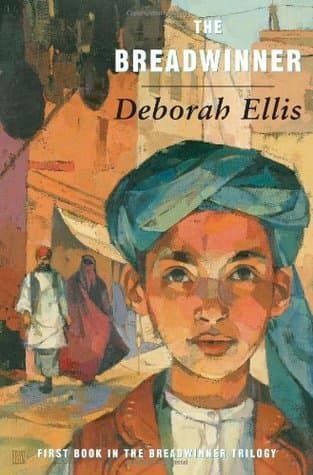
- The Breadwinner
Deborah Ellis
4.0 (20k) average on GoodreadsChildren'sEllis's book targets a younger audience and primarily focuses on a child's survival under the Taliban. Hashimi's novel delves into the psychological and emotional complexities of gender performance and societal oppression on adult women, offering a more mature and in-depth exploration of these themes.
- The Old Man and the Sea
Ernest Hemingway
3.8 (831k) average on GoodreadsLiterary FictionA Cuban fisherman's long struggle with a giant marlin becomes a story of endurance and dignity, now retold for young adults with illustrations, phonetic guides, and writing prompts in Traditional Chinese.
- One Hundred Years of Solitude
Gabriel García Márquez
4.1 (753k) average on GoodreadsLiterary FictionThrough the multi-generational story of the Buendía family, a mythical town deals with the repeating patterns of time, love, and solitude, as the extraordinary mixes with the ordinary.





Enjoyed the summary?
A summary gives you the shape of the book. The book itself has the detail, the examples and the voice.
Find The Pearl That Broke Its Shell on AmazonAs an Amazon Associate, BookBrief earns from qualifying purchases. How we're funded