
Synopsis
Covers the whole plot, including the ending.
- Difficulty
- Easy
- Pacing
- Moderate
- Mood
- Heartwarming, Charming, Romantic
- Read it if
- You enjoy classic children's romance stories with a familiar fairy tale structure and a heartwarming resolution.
- Skip it if
- You prefer complex plots, modern narratives, or stories without clear-cut good and evil characters.
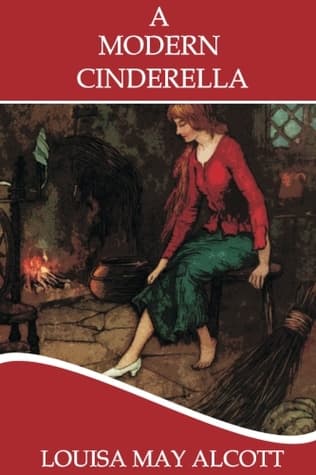
A Modern Cinderella Plot Summary
Covers the whole plot, including the ending.
Fanny's Drudgery and the Ball Invitation
Fanny, a young orphan, lives a life of constant work under her strict and unkind Aunt Ann. Her days are full of chores, with little time for joy. Her only comfort comes from her imagination and the kindness of old Hannah, the housekeeper. One day, an invitation arrives for a ball hosted by Mrs. Hamilton, a well-known society figure. Fanny wants to go, seeing it as a way to escape her dull life. However, her Aunt Ann and her two vain cousins, Belinda and Arabella, immediately dismiss the idea, thinking Fanny is too common for such an event. They mock her hopes, making her feel more inadequate and alone in the house.
A Fairy Godmother's Intervention
Despite her aunt's refusal, Fanny still wants to attend the ball. Old Hannah, seeing Fanny's sadness, decides to help her in secret. She reveals she can sew and, using old silks and laces, begins to make a beautiful gown for Fanny. Hannah's actions feel magical and secret, making Fanny think she has a fairy godmother. As the ball night gets closer, Hannah works hard, changing Fanny's look and lifting her spirits. Fanny is very grateful and feels new hope, believing this night could change her life.
The Ball and the Mysterious Stranger
On the ball night, Fanny, changed and glowing in her new gown, is secretly taken away by Hannah. She arrives at Mrs. Hamilton's house, feeling nervous and excited. The ball is a bright sight, unlike anything Fanny has seen. She is shy at first, but her natural grace and beauty soon catch the eye of a handsome young man, Arthur Hamilton, the host's son. Arthur is immediately taken with Fanny's charm and innocence, finding her a refreshing change from the other society girls. They spend the evening dancing and talking, and Fanny feels a connection she has never known. She forgets her troubles, enjoying the attention and joy of the moment, feeling like a princess.
The Midnight Dash and the Lost Shoe
As midnight approaches, Fanny remembers Hannah's strict orders to leave before anyone learns who she is. She reluctantly says goodbye to Arthur, promising to meet him again, though she feels unsure. In her rush to leave, Fanny accidentally loses one of her slippers on the grand staircase. She does not realize she lost it until she is safely back in her room. Meanwhile, Arthur, charmed by the mysterious girl, is confused by her sudden exit. He finds the delicate slipper and, curious about its uniqueness, promises to find its owner, seeing it as the only clue to reunite him with the enchanting stranger.
Arthur's Search and the Cousins' Deception
The next days are filled with Arthur's search for the slipper's owner. He visits houses, asking young ladies to try on the shoe, hoping to find his Cinderella. News of his search quickly reaches Aunt Ann's house. Belinda and Arabella, hearing of the handsome and rich Arthur's quest, are sure one of them must be the mysterious beauty. They try hard to fit into the small slipper, even trying to change their feet. When Arthur finally arrives at their house, they eagerly present themselves, but the slipper, of course, does not fit either of them, to their disappointment and Arthur's growing frustration.
Fanny's Revelation and Reunion
While Arthur is at Aunt Ann's house, he hears old Hannah mention Fanny and her secret attendance at the ball. Curious, Arthur insists on seeing Fanny. Aunt Ann and the cousins try to dismiss her as a servant, but Arthur is firm. When Fanny finally appears, still in her simple clothes, Arthur recognizes the sparkle in her eyes and the grace he remembered from the ball. He asks her to try on the slipper, and to everyone's surprise, it fits perfectly. Arthur is very happy, having found his Cinderella. Fanny, overwhelmed, tells her true identity and her difficult life. Arthur, not bothered by her humble background, declares his love and proposes, offering her a future free from her aunt's unkindness.
A New Beginning
Fanny and Arthur soon marry, to the annoyance of Aunt Ann, Belinda, and Arabella, who regret their past unkindness. Fanny leaves her life of service and moves into Arthur's beautiful home, where she receives love and respect. She thrives in her new surroundings, with kindness and chances for personal growth. Old Hannah, her loyal helper and 'fairy godmother,' comes to live with them, making sure Fanny always has a connection to her past and a loving presence. Fanny's story ends with her living a happy life, having found her prince and her place in the world. This shows that kindness and inner beauty can win over difficulties.
Principal Figures
Fanny
Protagonist
An orphaned girl enduring hardship, who dreams of a better life.
Fanny is the 'Modern Cinderella' of the story, an orphan living under the oppressive guardianship of her Aunt Ann. She is kind, gentle, and possesses an innate grace and beauty that is often overlooked due to her humble circumstances. Despite her arduous daily chores and her cousins' mockery, Fanny maintains a hopeful spirit and a vivid imagination. She longs for freedom and kindness, finding solace in her dreams. Her transformation at the ball highlights her inner radiance, which captivates Arthur. She represents resilience and the triumph of virtue over adversity.
Relationships: Aunt Ann (Harsh, unloving guardian); Belinda (Vain, cruel cousin); Arabella (Vain, cruel cousin); Hannah (Kind, supportive housekeeper and surrogate fairy godmother); Arthur Hamilton (Love interest, future husband)
Arthur Hamilton
Love Interest
A wealthy and kind young man who falls in love with Fanny.
Arthur Hamilton is the 'prince' figure in the story, a handsome, wealthy, and kind-hearted young man. He is the son of Mrs. Hamilton, the hostess of the grand ball. Unlike many of his peers, Arthur is not swayed by superficial appearances or social status. He is genuinely captivated by Fanny's natural charm, innocence, and beauty at the ball, seeing beyond her simple origins. His determination to find the owner of the lost slipper demonstrates his romantic and persistent nature. He offers Fanny not just love, but also respect, security, and a chance at a better life.
Relationships: Fanny (Love interest, future wife); Mrs. Hamilton (Mother)
Aunt Ann
Antagonist
Fanny's cruel and unloving guardian.
Aunt Ann is Fanny's guardian and the primary antagonist in the story. She is portrayed as a stern, cold, and unsympathetic woman who treats Fanny as little more than a servant. She favors her own daughters, Belinda and Arabella, showering them with attention and finery while neglecting and demeaning Fanny. Her actions are driven by a lack of empathy and perhaps a touch of social snobbery, as she views Fanny as inferior. Her refusal to allow Fanny to attend the ball and her subsequent attempts to hide Fanny from Arthur highlight her unkind nature.
Relationships: Fanny (Ward, treated as a servant); Belinda (Daughter); Arabella (Daughter)
Hannah
Supporting
The kind housekeeper who acts as Fanny's fairy godmother.
Old Hannah is the household's kind and loyal housekeeper, and Fanny's only ally and confidante. She embodies the role of the 'fairy godmother,' secretly helping Fanny attend the ball by crafting a beautiful gown from old materials. Hannah possesses a wisdom and warmth that contrasts sharply with Aunt Ann's coldness. Her actions are motivated by genuine affection for Fanny and a desire to see her happy. She not only provides practical help but also emotional support, encouraging Fanny's hopes and dreams. Her loyalty is rewarded when Fanny brings her to live in her new home.
Relationships: Fanny (Confidante, surrogate fairy godmother)
Belinda
Supporting
Fanny's vain and self-centered cousin.
Belinda is one of Aunt Ann's two daughters and Fanny's cousin. She is portrayed as vain, haughty, and self-absorbed, constantly vying for attention and social status. She, along with her sister Arabella, frequently mocks and belittles Fanny, emphasizing her inferior position in the household. Belinda's attempts to fit into the lost slipper, even resorting to desperate measures, highlight her superficiality and her belief that outward appearance and social standing are paramount. She represents the societal expectations and superficiality that Fanny eventually transcends.
Relationships: Fanny (Cousin, rival); Arabella (Sister); Aunt Ann (Mother)
Arabella
Supporting
Fanny's equally vain and self-centered cousin.
Arabella is Belinda's sister and Fanny's other cousin, sharing many of Belinda's characteristics. She is also vain, self-centered, and unkind towards Fanny, participating in the mockery and dismissal of her aspirations. Her eagerness to try on the lost slipper and her belief that she is the mysterious belle from the ball underscore her superficiality and lack of genuine character. Arabella serves as another foil to Fanny's natural goodness and humility, reinforcing the theme that true worth lies beyond external appearances and social standing.
Relationships: Fanny (Cousin, rival); Belinda (Sister); Aunt Ann (Mother)
Mrs. Hamilton
Mentioned
The hostess of the ball and Arthur's mother.
Mrs. Hamilton is a prominent society figure who hosts the grand ball that serves as the central event of the story. She is Arthur's mother and, while not a direct participant in much of the plot, her social standing and the elegance of her event set the stage for Fanny's transformation and encounter with Arthur. She represents the upper echelons of society that Fanny, initially, is excluded from but eventually joins through her marriage to Arthur.
Relationships: Arthur Hamilton (Son)
Themes & Insights
Social Class and Mobility
The story shows the strict social classes of the time and how one could move up through marriage. Fanny, an orphan with little money, is at first stuck in a life of service because she lacks wealth and status. Her Aunt Ann and cousins constantly remind her of her 'place.' However, her natural grace and beauty let her cross these lines when she gets the attention of the rich Arthur Hamilton. Her marriage means a complete change in her social standing, showing that inner goodness can overcome social limits. This offers a hopeful message about breaking free from predetermined class roles.
“Fanny was a modern Cinderella, with a cruel aunt, two ugly cousins, and a pumpkin for a coach.”
Inner Beauty vs. Outward Appearance
This theme is central to the story, comparing Fanny's inner goodness and grace with her cousins' superficiality. While Fanny wears old clothes and does hard labor, her spirit stays pure and hopeful. Her brief change for the ball shows her true beauty, which Arthur recognizes. He values character over fancy clothes. The cousins, despite their elaborate dresses and social efforts, are vain and unkind, unable to truly attract Arthur. The lost slipper, a symbol of Fanny's delicate nature, only fits her, showing that true worth cannot be faked or bought.
“She was only a little servant girl in a shabby dress, but a royal soul looked out of her eyes.”
Hope and Resilience
Despite years of hardship and unkindness from her aunt and cousins, Fanny never completely loses hope for a better future. Her imagination and dreams help her cope and give her inner strength. Even when she cannot attend the ball, her desire remains strong, leading to Hannah's help. Her resilience allows her to take the chance Hannah gives her and to charm Arthur. Her story shows the power of hope in overcoming difficulties and the belief that kindness and persistence can lead to happiness.
“She had built many air-castles, and though they always vanished, she never tired of building them.”
Kindness and Compassion
The contrast between Fanny's cruel treatment from her aunt and cousins and old Hannah's kindness shows the importance of compassion. Hannah's selfless act of making a gown for Fanny and letting her go to the ball is a turning point. It shows how much a single act of kindness can change things. Arthur's gentle and respectful behavior toward Fanny, even after learning about her humble background, further supports this theme. Fanny's happiness comes from the kindness shown to her, suggesting that real human connection and empathy are more valuable than social status or wealth.
“Old Hannah, who had a soft heart under her rough exterior, saw the wistful look and resolved to help her darling.”
Plot Devices & Literary Techniques
The Lost Slipper
A classic symbol of identity and destiny.
The lost slipper serves as the quintessential 'Cinderella' plot device. It is the sole tangible link between Arthur and the mysterious girl from the ball, becoming the key to his quest. Its small size and unique quality symbolize Fanny's delicate nature and her true identity, which cannot be replicated by her vain cousins. The slipper's perfect fit on Fanny's foot unequivocally confirms her as Arthur's beloved, functioning as a magical proof of her rightful place and destiny, moving the plot towards its resolution and revealing her true status.
The Fairy Godmother Figure
Old Hannah's role in enabling Fanny's transformation.
Old Hannah embodies the traditional fairy godmother archetype. She appears at a critical moment of Fanny's despair, providing the means for her to attend the ball. Hannah's secret dressmaking, her encouragement, and her protective guidance allow Fanny to experience her moment of magic. She represents benevolent intervention and the idea that help can come from unexpected places. Her character provides the magical element necessary for Fanny's escape from drudgery and her chance encounter with Arthur, making Fanny's dream a reality.
Midnight Deadline
A time constraint creating urgency and mystery.
The midnight deadline, a classic element of the Cinderella story, adds suspense and urgency to Fanny's magical night. Hannah's strict instruction for Fanny to leave before the clock strikes twelve creates a sense of fleeting enchantment and impending discovery. This constraint is what causes Fanny to flee in haste, leading to the accidental loss of her slipper. It reinforces the idea that her temporary transformation is fragile and must end, but paradoxically, it is this very urgency that provides the crucial clue for Arthur to find her, propelling the plot forward.
Transformation/Disguise
Fanny's change in appearance to attend the ball.
Fanny's transformation from a humble, drably dressed orphan into a radiant young lady in a beautiful gown is a pivotal plot device. This physical disguise allows her to enter a social world from which she would otherwise be excluded. It highlights the contrast between her daily reality and her potential, revealing her inherent beauty and grace. The disguise is temporary, emphasizing that her true self is what captivates Arthur, not just the finery. This device allows for the initial enchantment and subsequent mystery surrounding her identity.
A Modern Cinderella Quotes
“Love is a flower that grows in any soil, works its sweet miracles undaunted by autumn frost or winter snow, blooming fair and fragrant all the year, and blessing those who give and those who receive.”
“I'd rather be a free spinster and paddle my own canoe.”
“A little kingdom I possess, where thoughts and feelings dwell, and very hard I find the task of governing it well.”
“Beauty is a good letter of introduction.”
“The sweetest music is the beating of a true heart.”
“Work is wholesome, and there is plenty of it for everyone if they only see it.”
“A kind word is like a spring day.”
“It takes so little to make a child happy, that it is a pity in a world full of sunshine and pleasant things that there should be any wistful faces, empty hands, or lonely little hearts.”
“Hope is a blessed thing, and it never seems more so than when it springs up in a desolate heart.”
“The best way to know God is to love many things.”
“A true lady is known by her delicate perceptions and her gentle manners.”
“Let us be patient, and perhaps the snow will melt, and the flowers bloom again.”
“Home is the place where we are treated the best and grumble the most.”
“The world is full of poetry, but it takes a poet to see it.”
Quiz
10 questions on the plot and the characters. Each answer comes with a short explanation.
Question 1
In the story 'A Modern Cinderella,' what is the name of the young woman who serves as the Cinderella figure?
- Jo March
- Nan Harding
- Amy Curtis
- Beth March
Show answer
B. Nan Harding In 'A Modern Cinderella,' the protagonist is Nan Harding, a hardworking and kind young woman who faces challenges similar to the classic Cinderella tale, reflecting Alcott's focus on strong female characters.
Question 2
What event leads to Nan Harding's transformation in 'A Modern Cinderella'?
- She wins a lottery
- She inherits a fortune from a relative
- She is invited to a grand ball by a wealthy family
- She discovers a hidden talent for painting
Show answer
C. She is invited to a grand ball by a wealthy family Nan's life changes when she is invited to a ball by the wealthy Vaughn family, mirroring the classic Cinderella story where an invitation to a royal ball sets the plot in motion.
Question 3
Which of the following is a common theme across the stories in 'A Modern Cinderella'?
- The dangers of industrialization
- The importance of wealth and social status
- The virtues of kindness and perseverance in young women
- The exploration of supernatural elements
Show answer
C. The virtues of kindness and perseverance in young women Like much of Alcott's work, these stories emphasize moral virtues such as kindness, hard work, and perseverance, particularly in female protagonists navigating late 1800s society.
Question 4
In 'A Modern Cinderella,' what role does John Lord play in Nan Harding's story?
- He is a rival for her affections
- He is the wealthy host of the ball
- He is a kind neighbor who helps and eventually marries Nan
- He is a strict employer who mistreats her
Show answer
C. He is a kind neighbor who helps and eventually marries Nan John Lord acts as the 'Prince Charming' figure, offering support and friendship to Nan, which develops into a romantic relationship, highlighting Alcott's focus on genuine connections over superficial wealth.
Question 5
How does 'A Modern Cinderella' differ from the traditional Cinderella fairy tale?
- It includes magical elements like a fairy godmother
- It is set in a futuristic world
- It focuses on realistic social dynamics and character development rather than fantasy
- It features a male protagonist instead of a female one
Show answer
C. It focuses on realistic social dynamics and character development rather than fantasy Alcott's version strips away the fantasy elements, grounding the story in the realistic social context of the late 1800s, with emphasis on everyday struggles and moral growth.
Question 6
What is a key challenge Nan Harding faces in her daily life?
- Battling a serious illness
- Managing a large estate alone
- Caring for her family while dealing with financial hardship
- Traveling to distant lands for adventure
Show answer
C. Caring for her family while dealing with financial hardship Nan shoulders responsibilities for her family amidst financial struggles, reflecting the domestic and economic pressures faced by many women in Alcott's time, which adds depth to her character.
Question 7
Which story in the collection is NOT part of 'A Modern Cinderella'?
- The Baron's Gloves
- A Modern Cinderella
- Little Women
- The Candy Country
Show answer
C. Little Women 'Little Women' is a separate novel by Alcott, not included in this collection. The book 'A Modern Cinderella' contains four short stories: 'A Modern Cinderella,' 'The Baron's Gloves,' 'The Candy Country,' and 'The Little House in the Garden.'
Question 8
What literary device does Alcott primarily use to adapt the Cinderella story to a modern (for her time) setting?
- Satire to critique social norms
- Allegory to represent political events
- Realism to depict everyday life and moral lessons
- Gothic elements to create suspense
Show answer
C. Realism to depict everyday life and moral lessons Alcott employs realism, focusing on detailed, believable portrayals of characters and social interactions, which allows her to convey moral themes without relying on fantasy, making the story relatable to 19th-century readers.
Question 9
In the context of the collection, how does 'The Baron's Gloves' relate to the theme of romance?
- It rejects romance in favor of intellectual pursuits
- It portrays romance as a destructive force
- It explores romance through misunderstandings and eventual reconciliation
- It focuses solely on platonic friendships
Show answer
C. It explores romance through misunderstandings and eventual reconciliation 'The Baron's Gloves' involves a romantic plot with twists and misunderstandings that are resolved, aligning with Alcott's common theme of love and personal growth, similar to the main story.
Question 10
What historical context influences the social dynamics in 'A Modern Cinderella'?
- The Industrial Revolution's impact on class and gender roles
- The American Civil War's direct battle scenes
- The Renaissance's artistic movements
- The Victorian era's strict supernatural beliefs
Show answer
A. The Industrial Revolution's impact on class and gender roles Set in the late 1800s, the story reflects the Industrial Revolution's effects, such as changing class structures and evolving roles for women, which Alcott addresses through her characters' struggles and aspirations.
A Modern Cinderella FAQ
What is 'A Modern Cinderella' about?
'A Modern Cinderella' is a collection of four short stories by Louisa May Alcott, each focusing on young women navigating life in the late 1800s. The title story reimagines the Cinderella fairy tale with a modern (for its time) twist, while other tales explore themes of love, sacrifice, and personal growth. Characters like Nell in 'A Modern Cinderella' and Christie in 'The Baron's Gloves' face societal expectations and romantic challenges.
Why should I read 'A Modern Cinderella'?
Readers should explore this collection for its charming, character-driven narratives that showcase Alcott's signature warmth and moral insight. It offers a glimpse into 19th-century American life through relatable stories of resilience and romance, making it a delightful addition for fans of 'Little Women' or classic children's literature. The tales blend fairy-tale elements with realistic social commentary.
What is the background/setting of 'A Modern Cinderella'?
The stories are set in the late 1800s in America, reflecting the social norms and domestic life of the period. Settings range from bustling households to rural estates, highlighting the roles of women and class dynamics. For example, in 'A Modern Cinderella,' Nell's life as a hardworking girl contrasts with the opulence of a ball, mirroring the era's focus on propriety and opportunity.
What are the most memorable quotes?
Memorable lines include Nell's reflection in 'A Modern Cinderella': 'I'll work and wait, and someday my prince will come,' emphasizing patience and hope. In 'The Baron's Gloves,' Christie declares, 'True love is worth any sacrifice,' capturing the collection's romantic idealism. Alcott's prose often blends practicality with sentiment, as seen in these uplifting phrases.
What writing style does the author use?
Alcott employs a clear, accessible style with descriptive detail and moral undertones, typical of 19th-century children's literature. Her narrative is engaging and heartfelt, using dialogue to reveal character traits—like Nell's humility or Christie's determination. The stories balance fairy-tale whimsy with realistic emotions, making them both entertaining and instructive.
What minor details add significant meaning?
Small details, such as Nell's worn-out shoes in 'A Modern Cinderella,' symbolize her humble status and resilience, echoing the original fairy tale. In 'The Baron's Gloves,' the exchange of gloves between Christie and the Baron subtly represents trust and connection. These elements enrich the themes of transformation and love without overt exposition.
What are some subtle foreshadowing moments?
In 'A Modern Cinderella,' Nell's kindness to a stranger early on hints at her eventual reward at the ball. In 'The Baron's Gloves,' Christie's initial reluctance to socialize foreshadows her later independence and romantic choice. Alcott uses these moments to build anticipation for character growth and happy resolutions.
What unexpected character connections exist?
Across the stories, characters often mirror each other's journeys—for instance, Nell's perseverance in 'A Modern Cinderella' parallels Christie's courage in 'The Baron's Gloves.' While not directly linked, these connections highlight Alcott's recurring themes of female agency and love triumphing over adversity, creating a cohesive collection.
What are unspoken character motivations?
Nell in 'A Modern Cinderella' is driven by a deep-seated desire for recognition beyond her menial role, though she rarely voices it. In 'The Baron's Gloves,' Christie's actions are motivated by a need for self-worth and genuine connection, rather than mere romance. These inner drives add depth to their seemingly simple decisions.
What psychological complexities do characters exhibit?
Characters like Nell show a blend of humility and quiet ambition, struggling with societal limits while maintaining hope. Christie displays independence mixed with vulnerability, as she navigates love and self-identity. Alcott portrays them as multifaceted, dealing with internal conflicts between duty and personal happiness.
What are the major emotional turning points?
Key moments include Nell's transformation and attendance at the ball in 'A Modern Cinderella,' which brings joy and validation. In 'The Baron's Gloves,' Christie's decision to follow her heart despite social pressures marks a pivotal emotional shift. These turning points often involve acts of courage or revelation that resolve inner turmoil.
How do relationship dynamics evolve?
Relationships typically progress from initial misunderstandings or class barriers to mutual respect and love. For example, Nell's interaction with her 'prince' evolves from distant admiration to genuine connection. In other stories, friendships and romances deepen through shared experiences and moral support, reflecting Alcott's focus on heartfelt bonds.
Which parts remain ambiguous or open-ended?
Some stories, like 'A Modern Cinderella,' end with implied futures rather than explicit details, leaving Nell's long-term happiness to the reader's imagination. In other tales, the resolution of minor conflicts or character fates may be subtly hinted but not fully explained, encouraging reflection on the themes of hope and continuity.
What are controversial scenes or decisions?
Modern readers might debate the emphasis on female passivity or reliance on romantic rescue in stories like 'A Modern Cinderella,' where Nell's happiness hinges on external validation. Christie's sacrifices in 'The Baron's Gloves' could be seen as overly idealistic, raising questions about the balance between love and self-sacrifice in Alcott's era.
'A Modern Cinderella' ending explained: how it ends & what it means
The collection ends with uplifting resolutions, such as Nell finding love and acceptance in 'A Modern Cinderella,' symbolizing reward for virtue and patience. Overall, the endings reinforce Alcott's messages of moral integrity and the power of love, suggesting that happiness comes from staying true to oneself amidst societal challenges.
About the author
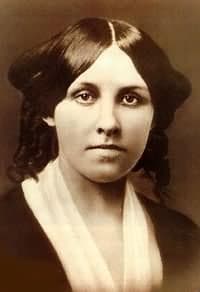
Louisa May Alcott was an American novelist best known for her works exploring themes of family and personal growth. Among her notable books are "Little Men," "Good Wives," "Rose in Bloom," "A Long Fatal Love Chase," and "A Modern Cinderella," which reflect her interest in the lives of women and children in the 19th century.
Similar books
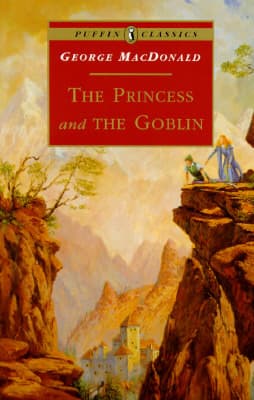
- The Princess and the Goblin
George MacDonald
4.0 (30k) average on GoodreadsFantasyA classic children's fantasy with a strong moral compass and a focus on a young heroine's journey.
- Jane Eyre
Charlotte Brontë
4.1 (1.6M) average on GoodreadsHistorical Fiction"A Modern Cinderella" lacks the psychological complexity, gothic intensity, and profound moral dilemmas that characterize Brontë's Jane Eyre. While both feature impoverished governesses finding love, Jane's struggles with social injustice and her raw emotionality are far more deeply explored.
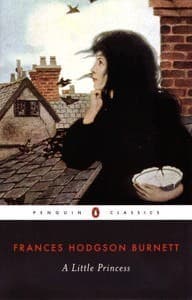
- A Little Princess
Frances Hodgson Burnett
4.2 (4k) average on GoodreadsFantasyCompared to Burnett's A Little Princess, Alcott's novella offers less intricate plot development and a less profound exploration of themes like class disparity and the power of imagination. Burnett delves deeper into her protagonist's resilience and her internal world, providing a more complex narrative.
- Harry Potter and the Sorcerer's Stone
J.K. Rowling
4.5 (7M) average on GoodreadsFantasyRescued from a miserable life under the stairs, an orphaned boy discovers he's a wizard destined for a magical school, where he uncovers a dangerous secret tied to the dark wizard who murdered his parents.
- The Hobbit, or There and Back Again
J.R.R. Tolkien
4.3 (2.9M) average on GoodreadsFantasyA comfort-loving hobbit named Bilbo Baggins is whisked away by a mischievous wizard and a band of dwarves on an unexpected journey to reclaim stolen treasure from a fearsome dragon, discovering courage and a magical ring along the way.
- Harry Potter and the Goblet of Fire
J.K. Rowling
4.6 (2.6M) average on GoodreadsFantasyA bewildered Harry Potter, underage and thrust into a deadly Triwizard Tournament, must brave dragons, mermaids, and a resurgent dark magic to survive a year that will forever alter the wizarding world.




Enjoyed the summary?
A summary gives you the shape of the book. The book itself has the detail, the examples and the voice.
Find A Modern Cinderella on AmazonAs an Amazon Associate, BookBrief earns from qualifying purchases. How we're funded