
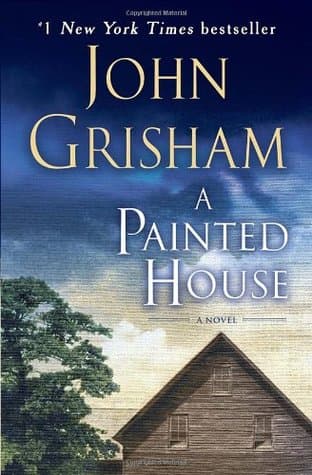
Synopsis
Covers the whole plot, including the ending.
- Difficulty
- Easy
- Pacing
- Slow
- Mood
- Atmospheric, Melancholy, Suspenseful, Reflective
- Read it if
- You enjoy coming-of-age stories set in challenging historical periods, with a focus on moral dilemmas and the loss of innocence.
- Skip it if
- You prefer fast-paced legal thrillers typical of Grisham's other works, as this is a much slower, character-driven narrative.
A Painted House Plot Summary
Covers the whole plot, including the ending.
The Arrival of the Pickers
It's September 1952 in rural Arkansas, and seven-year-old Luke Chandler is looking forward to the cotton harvest on his family's eighty rented acres. His family – parents Eli and Kathleen, and grandparents Pappy and Lillie – live in a small, unpainted house. To help with the picking, two groups arrive: a family of 'hill people' from the Ozarks, the Spruills (Perk, his wife Trot, and their four children, including Tally and Roxanne); and a truckload of Mexican migrant workers, led by Miguel. The two groups set up separate camps near the Chandler farm. Young Luke observes the clear tension between their distinct cultures and ways of life.
Early Harvest and Emerging Tensions
The hard work of cotton picking begins under the Arkansas sun. Luke, too young to pick full-time, spends his days fetching water, running errands, and watching the adults. He quickly notices the differences in how the two groups of pickers work: the Mexicans are efficient and hardworking, while the Spruills, especially Tally, are often surly and less productive. Tensions grow when Tally, known for his aggressive nature and history of violence, bothers some of the Mexican workers, leading to a fight that Pappy Chandler has to stop. Luke also develops a crush on Roxanne Spruill, who is only a few years older than him.
A Secret Rendezvous and a Violent Discovery
One evening, while exploring near the creek, Luke sees a secret meeting between Roxanne Spruill and Cowboy, one of the Mexican pickers, in the back of a truck. He keeps this secret, sensing its dangerous nature. Later, during a heavy rainstorm, picking stops, and everyone seeks shelter. When the storm passes, a discovery is made: Cowboy is found dead in the creek, murdered. Tally Spruill is immediately suspected, given his previous threats and violent behavior. The incident shocks the small community and the pickers.
The Cover-Up and Luke's Burden
The Chandlers, especially Pappy, fear the legal problems and disruption a murder investigation would bring to their farm and the harvest. They know that involving the authorities would mean delays, questions, and possibly the loss of their crop and livelihood. After much thought and pressure from Perk Spruill, who wants to protect his family, they decide to cover up Cowboy's death. Luke, despite his young age, is sworn to secrecy, a heavy burden for the seven-year-old. The body is quietly buried, and the Mexican workers, fearing trouble, quickly leave the farm.
Another Disappearance and Mounting Suspicion
With the Mexicans gone, the Chandlers and Spruills continue the harvest, pretending nothing happened. However, the atmosphere is full of unspoken tension and fear. Soon after, another Mexican picker, a young man named Memo, is found to be missing. His disappearance adds to the Chandlers' and Luke's worries, making them wonder if Tally is responsible for more than just Cowboy's death. Luke, already traumatized, becomes more withdrawn and watchful, aware of the dark secrets his family is now involved in. The unspoken fear that Tally is a serial killer begins to spread through the farm.
Tally's Threat and Luke's Confession
Tally Spruill's behavior becomes more erratic and threatening. He seems to enjoy intimidating Luke, often making veiled threats about what happens to people who talk too much. The pressure on Luke becomes too much. In a moment of extreme fear, he tells his grandmother, Lillie, about seeing Roxanne and Cowboy together before the murder. Lillie is horrified by this, realizing it gives Tally a strong motive, as he was known to be possessive of his sister and protective of her 'honor.' This new information puts Roxanne in great danger.
The Confrontation and Roxanne's Escape
Lillie, realizing Roxanne is in immediate danger from her own brother, quickly makes a plan. She confronts Perk Spruill, urging him to take Roxanne away from Tally before he can harm her for her secret affair. Perk, though initially hesitant to interfere in his children's lives, is convinced of the seriousness of the threat. Roxanne is quickly packed into a car and driven away by her family, leaving the farm under the cover of darkness. Luke watches her leave, feeling both relief and sadness, knowing he will likely never see her again.
The Final Act of Violence
Even with Roxanne gone, Tally's violent nature remains a threat. He continues to intimidate and threaten the Chandlers. One night, Tally tries to sexually assault Kathleen Chandler. Eli, seeing the attack, breaks. In a desperate struggle, Eli kills Tally Spruill. This act, though horrifying, brings a grim sense of relief to the Chandlers, as the source of their terror is gone. The family now faces the difficult task of covering up a second murder, even more closely connected to them.
A Second Burial and a Shared Secret
After Tally's death, the Chandlers quickly dispose of his body. Eli, Pappy, and Luke all help bury Tally in the same remote location where Cowboy was buried. This act binds the family even more tightly to their dark secrets. Luke, though traumatized, understands why they had to do it and the deep danger they would face if the truth ever came out. The cotton harvest, the initial source of their income and troubles, continues, but the innocence of their lives is lost forever.
The Harvest Ends, Life Changes
The cotton harvest finally ends, and the Spruills, minus Tally and Roxanne, leave, leaving the Chandlers to their solitude and their secrets. The family tries to return to a normal life, but the events of that autumn have left a lasting mark. Luke, though only seven, has seen murder, cover-ups, and the dark side of human nature. His childhood innocence is shattered. The family never speaks of the murders again, a silent pact that binds them together in fear and complicity. The unpainted house remains a silent witness to the horrors nearby.
A Painted House Characters
Luke Chandler
Protagonist
Seven-year-old farm boy, narrator, and witness to violence and secrets
Luke is the innocent seven-year-old narrator whose perspective shapes the entire story. He is observant, sensitive, and intelligent, often noticing details that adults might miss or dismiss. His journey through the cotton harvest marks his painful transition from childhood innocence to a premature understanding of the world's harsh realities, violence, and moral compromises. He is burdened with immense secrets, which force him to mature rapidly and question the nature of good and evil. His crush on Roxanne Spruill and his fear of Tally Spruill are central to his personal experiences.
Relationships: Eli Chandler (father-son, complicated by shared secrets); Kathleen Chandler (mother-son, protective); Pappy Chandler (grandfather-grandson, close bond, Pappy guides Luke in farm life); Lillie Chandler (grandmother-grandson, nurturing, Luke confides in her); Roxanne Spruill (young crush, object of his innocent affection); Tally Spruill (source of immense fear and intimidation)
Eli Chandler
Supporting
Luke's hardworking father, driven by family survival and farm life
Eli is Luke's father, a strong, hardworking, and stoic man dedicated to providing for his family through the demanding life of cotton farming. He is practical and often quiet, burdened by the responsibilities of his rented land and the unpredictable nature of agriculture. While he tries to maintain order and protect his family, he is ultimately pushed to his limits by Tally Spruill's violence, leading him to commit a desperate act of self-preservation and protection for Kathleen. He is a man of few words but deep convictions, struggling with the moral implications of his actions.
Relationships: Luke Chandler (father-son, protective); Kathleen Chandler (husband-wife, loving and protective); Pappy Chandler (father-son, respectful, works together); Lillie Chandler (son-mother, respectful); Tally Spruill (antagonistic, eventually deadly)
Kathleen Chandler
Supporting
Luke's gentle mother, trying to maintain normalcy amidst chaos
Kathleen is Luke's mother, a kind and gentle woman who tries to create a sense of normalcy and comfort for her family despite their hardscrabble existence. She is protective of Luke and deeply devoted to Eli. She often struggles with the harsh realities of farm life and the presence of the rougher pickers. Her attempted assault by Tally Spruill is a pivotal moment, directly leading to Eli's violent act. She represents the vulnerability and resilience of women in this challenging environment, silently bearing the emotional weight of the family's secrets.
Relationships: Luke Chandler (mother-son, loving and protective); Eli Chandler (wife-husband, loving and supportive); Lillie Chandler (daughter-in-law, respectful); Tally Spruill (victim, target of his aggression)
Pappy Chandler
Supporting
Luke's wise grandfather, the pragmatic patriarch of the Chandler family
Pappy is Luke's grandfather and the patriarch of the Chandler family. He is a seasoned farmer, shrewd and pragmatic, with a deep understanding of the land and the difficult choices required for survival. He is the one who makes the difficult decision to cover up Cowboy's murder, prioritizing the family's livelihood and freedom over reporting the crime to the distant and unhelpful authorities. He often offers Luke advice and wisdom, acting as a guiding figure. Despite his tough exterior, he cares deeply for his family and shoulders the burden of their shared secrets.
Relationships: Luke Chandler (grandfather-grandson, mentor figure); Lillie Chandler (husband-wife, long-standing partnership); Eli Chandler (father-son, works together, Pappy holds authority); Perk Spruill (leader-to-leader, negotiating difficult situations)
Lillie Chandler
Supporting
Luke's nurturing grandmother, the moral compass and confidante
Lillie is Luke's grandmother, a kind and nurturing woman who embodies the moral conscience of the family. She is deeply religious and often worries about the spiritual implications of their actions. Luke confides in her about witnessing Roxanne and Cowboy, and it is Lillie who recognizes the immediate danger to Roxanne and takes decisive action to protect her. She represents the emotional and ethical struggles within the family, often providing a counterpoint to Pappy's pragmatism. She is a source of comfort and quiet strength for Luke.
Relationships: Luke Chandler (grandmother-grandson, loving, confidante); Pappy Chandler (wife-husband, long-standing partnership, often provides moral counterpoint); Kathleen Chandler (mother-in-law, supportive); Roxanne Spruill (savior, protector)
Tally Spruill
Antagonist
Violent and menacing hill person, the primary source of terror
Tally Spruill is a young man from the Ozarks hill people, characterized by his aggressive, violent, and unpredictable nature. He is a dangerous and menacing presence on the Chandler farm, quickly becoming the primary antagonist. He harbors a deep-seated anger and a propensity for violence, which he directs at the Mexican pickers and later at the Chandlers. His possessiveness over his sister, Roxanne, fuels his rage, leading him to murder Cowboy. Tally embodies the lawlessness and brutality that the Chandlers fear, ultimately leading to his own violent end.
Relationships: Luke Chandler (intimidator, source of fear); Roxanne Spruill (possessive brother, eventually murderous); Cowboy (victim, Tally's murder victim); Eli Chandler (antagonist, ultimately killed by Eli); Kathleen Chandler (assailant, attempted sexual assault)
Roxanne Spruill
Supporting
Beautiful and quiet hill girl, a victim of her circumstances and brother's possessiveness
Roxanne Spruill is Tally's younger sister, a beautiful and quiet girl who catches Luke's innocent eye. She is depicted as being somewhat naive and vulnerable, caught between her own desires and the harsh, controlling environment of her family, particularly her brother Tally. Her secret romantic encounter with Cowboy is the catalyst for the first murder, placing her in extreme danger. She is a victim of Tally's possessiveness and the rigid social codes of her community, eventually forced to flee for her safety. She represents lost innocence and the severe consequences of forbidden love.
Relationships: Luke Chandler (object of his crush); Tally Spruill (sister, victim of his possessiveness and violence); Cowboy (secret lover, his murder is a direct result of their affair); Lillie Chandler (rescuer, protector)
Perk Spruill
Supporting
Patriarch of the Spruill family, a tough and pragmatic hill person
Perk Spruill is the father of Tally and Roxanne, and the patriarch of the hill people family. He is a tough, uneducated man, fiercely loyal to his own family but also pragmatic, especially when it comes to dealing with the Chandlers and the law. He is complicit in the cover-up of Cowboy's murder to protect Tally and avoid legal trouble. However, when faced with the undeniable threat Tally poses to Roxanne, he ultimately acts to save his daughter, showing a glimmer of paternal responsibility. He represents the insular nature and survival instincts of the hill people.
Relationships: Tally Spruill (father-son, protective but also complicit in his violence); Roxanne Spruill (father-daughter, eventually protective); Pappy Chandler (negotiator, fellow patriarch in difficult circumstances)
Cowboy
Mentioned
Mexican migrant worker, Roxanne's secret lover, and Tally's first victim
Cowboy is one of the Mexican migrant workers, a young man who engages in a secret romantic relationship with Roxanne Spruill. His affair with Roxanne is discovered by Luke and, more importantly, by Tally Spruill, leading directly to his brutal murder. He represents the vulnerability of migrant workers and the tragic consequences of forbidden love across social divides in the rural South. His death sets in motion the central conflict and the Chandlers' desperate cover-up.
Relationships: Roxanne Spruill (secret lover); Tally Spruill (murder victim)
Miguel
Supporting
Leader of the Mexican cotton pickers, pragmatic and responsible
Miguel is the leader of the Mexican migrant workers who come to pick cotton for the Chandlers. He is a responsible and pragmatic man who tries to keep his crew in order and avoid trouble. After Cowboy's murder, he quickly understands the unspoken dangers and decides to lead his men away from the Chandler farm to protect them, demonstrating his leadership and survival instincts. He represents the often-exploited but resilient migrant labor force in the rural South.
Relationships: Pappy Chandler (employer-employee, business relationship); Cowboy (crew member, his death is a catalyst for Miguel's actions)
A Painted House Themes
Loss of Innocence
Luke Chandler's abrupt loss of innocence is the most prominent theme. As a seven-year-old, he is exposed to murder, sexual assault, and a desperate cover-up, shattering his naive view of the world. He sees the dark side of human nature and the moral compromises adults make. His childhood ends early as he becomes involved in grave secrets, forever changing his idea of right and wrong. This theme is clear in Luke's thoughts and his gradual withdrawal as he deals with the horrors he has seen, such as finding Cowboy's body and the subsequent burials.
“I was seven years old, and I knew too much. I knew about murder, and secrets, and the lies people told to survive.”
Survival and Desperation
The Chandler family's actions are driven by a desperate need to survive. Living on rented land, dependent on a single cotton crop, they cannot afford the disruption of a murder investigation. Pappy's decision to cover up Cowboy's death, and Eli's subsequent killing of Tally, come from a basic instinct to protect their family, their livelihood, and their freedom from a system they distrust. This theme shows the realities of poverty and the moral compromises people make under extreme pressure, showing how life on the margins can bend ethical boundaries.
“We were farmers. We picked cotton. We didn't need lawmen sniffing around, asking questions, screwing up our lives.”
Justice vs. Self-Preservation
The novel explores the conflict between formal justice and the family's self-preservation. The Chandlers choose to hide two murders rather than involve the law, believing that the legal system would only harm them further by disrupting their harvest, possibly jailing family members, or causing financial ruin. This theme questions how effective and accessible justice is in isolated rural communities, where families often rely on their own rules and protection. The 'justice' for Tally comes not from the law, but from Eli's desperate act to protect his family, highlighting a raw, immediate form of retribution.
“Justice wasn't something you got from the sheriff in the county seat. Justice was something you had to make for yourself, sometimes.”
Social and Cultural Divide
The story shows the social and cultural divides between the Chandlers (poor white farmers), the Spruills (even poorer, uneducated 'hill people' from the Ozarks), and the Mexican migrant workers. These groups live close together but remain largely separate, with underlying tensions, prejudices, and misunderstandings. The Spruills' lawlessness and the Mexicans' vulnerability show their marginalized positions. The forbidden romance between Roxanne and Cowboy, crossing these cultural lines, starts the central conflict, showing how deep these divisions are and the tragic consequences of defying them.
“The hill people and the Mexicans arrived on the same day. It was a Wednesday, early in September 1952.”
The Weight of Secrets
The entire Chandler family is bound by the shared secret of the murders and their cover-up. This theme explores the psychological burden of keeping such deep secrets, especially for young Luke. The unspoken truths create an atmosphere of paranoia, fear, and isolation within the family. The secrets affect their relationships, their sleep, and their peace of mind, showing how hidden actions can haunt individuals and entire families, shaping their future and changing their lives forever, even without external consequences.
“We never spoke of it again. Not a word. It was a secret, too big and too dark for words.”
Plot Devices & Literary Techniques
First-Person Child Narrator
The entire story is told through the eyes of seven-year-old Luke Chandler.
Using Luke Chandler as a first-person narrator allows the author to present a raw, unfiltered perspective on the brutal events. Luke's innocence highlights the horror and moral ambiguity of the adults' actions, making the violence more shocking and the secrets more burdensome. His limited understanding and emotional responses provide a unique lens, often forcing the reader to interpret events alongside him, experiencing his fear and confusion. This device enhances the theme of loss of innocence, as the reader witnesses the world through a child's eyes as it darkens.
Setting as Character
The isolated, unpainted farm house and cotton fields of rural Arkansas are integral to the story.
The setting of rural 1952 Arkansas, with its vast cotton fields and an isolated, unpainted house, functions almost as a character itself. The harshness of the environment—the relentless heat, the sudden storms, the demanding labor—contributes to the desperation and moral compromises of the characters. The isolation of the farm allows for the secrets to be kept and the cover-ups to occur without immediate external scrutiny. The 'unpainted house' itself symbolizes the family's struggle, their lack of permanence (as renters), and the plain, unvarnished truth of their lives.
Foreshadowing
Subtle hints and ominous descriptions prepare the reader for impending violence and tragedy.
Grisham employs foreshadowing through Luke's observations and the initial descriptions of characters and their interactions. For example, Tally Spruill's aggressive nature and previous acts of violence are mentioned early on, signaling his potential for future harm. The tension between the Spruills and the Mexicans, and the Chandlers' anxieties about 'trouble,' all build a sense of dread that culminates in the murders. This device creates suspense and a feeling of inevitability, drawing the reader deeper into Luke's anxious experience.
Symbolism of the Cotton Crop
The cotton crop represents both hope for survival and the source of the family's troubles.
The cotton crop is a potent symbol. Initially, it represents hope and the family's sole means of survival and prosperity for the year. The entire Chandler family's future hinges on a successful harvest. However, the need to pick the cotton also necessitates bringing in the outside labor (the Spruills and Mexicans) who introduce violence and chaos into their lives. Thus, the crop becomes intrinsically linked to the family's desperate situation, their moral compromises, and the secrets they must keep to protect their livelihood, making it a double-edged sword.
The Unpainted House
The physical state of the house symbolizes the family's status and the raw truth of their lives.
The titular 'painted house' (or rather, the unpainted one) serves as a powerful symbol. It reflects the Chandlers' poverty and their temporary status as renters, unable to invest in the appearance of a home they don't own. More profoundly, it symbolizes the unvarnished, raw truth of their existence and the lack of pretense in their lives. The house witnesses the family's struggles and secrets, remaining 'unpainted' as a testament to the unadorned, harsh realities they face, contrasting with any facade they might try to maintain.
A Painted House Quotes
“There are some things you can't undo, no matter how hard you try.”
“Money was a cruel master, and it had a grip on everyone in our family.”
“Fear can make you do things you never thought yourself capable of.”
“The truth, like a river, will always find its way out.”
“We were country folk, and we knew how to keep a secret when we had to.”
“A man's word was his bond, especially in the Delta, where there wasn't much else to hold onto.”
“It was a strange feeling, being a child and knowing more than the adults around you.”
“Sometimes doing nothing is the hardest thing of all.”
“The smell of fresh paint on a new house was the smell of hope.”
“Life had a way of taking you by surprise, even when you thought you'd seen it all.”
“Justice, I was learning, was not always swift or fair.”
“The Delta could be beautiful and brutal, sometimes in the same breath.”
“Some memories are like scars; they never truly fade.”
“We were all just trying to survive, one way or another.”
Quiz
10 questions on the plot and the characters. Each answer comes with a short explanation.
Question 1
What is the narrator's name and age at the beginning of 'A Painted House'?
- Billy Chandler, age six
- Luke Chandler, age seven
- John Chandler, age eight
- Paul Chandler, age five
Show answer
B. Luke Chandler, age seven The book explicitly states the narrator is a farm boy named Luke Chandler, age seven, living in the cotton fields.
Question 2
In what year does the story of 'A Painted House' primarily take place?
- 1948
- 1955
- 1952
- 1960
Show answer
C. 1952 The opening lines of the book state, 'It was a Wednesday, early in September 1952.'
Question 3
What two groups of people arrive on the same day to help the Chandlers with the cotton harvest?
- The Cajuns and the Germans
- The hill people and the Mexicans
- The sharecroppers and the Gypsies
- The migrant workers and the Irish
Show answer
B. The hill people and the Mexicans The very first sentence of the book states, 'The hill people and the Mexicans arrived on the same day.'
Question 4
What is the primary crop the Chandlers are harvesting?
- Corn
- Soybeans
- Wheat
- Cotton
Show answer
D. Cotton The description clearly states, 'The cotton, however, was waist-high to my father...' and 'For six weeks they pick cotton...'
Question 5
Where does the family from the Ozarks come from to help with the harvest?
- Oklahoma
- Missouri
- The Ozarks
- Mississippi
Show answer
C. The Ozarks The synopsis mentions, '...and a family from the Ozarks to help harvest it.' The 'hill people' mentioned in the opening are this family.
Question 6
What is the main reason the Chandlers hire additional help for the harvest?
- They want to finish quickly to go on vacation.
- They have a particularly good crop and need more hands.
- Their own family members are ill and cannot work.
- It is a tradition to host temporary workers every year.
Show answer
B. They have a particularly good crop and need more hands. The text states, 'The cotton, however, was waist-high to my father... and he and my grandfather could be heard before supper whispering words that were seldom heard. It could be a 'good crop.'' A good crop implies a larger yield requiring more labor.
Question 7
What significant detail about the Chandler family's house is mentioned repeatedly?
- It has a leaky roof.
- It has never been painted.
- It is unusually large for a farm house.
- It is the only house in the area with electricity.
Show answer
B. It has never been painted. The title of the book is 'A Painted House,' and the description mentions Luke 'lives in the cotton fields with his parents and grandparents in a little house that's never been painted.' This becomes a significant symbol.
Question 8
The Chandler family farms 80 acres. What is their ownership status of this land?
- They own the land outright.
- They are in the process of buying it.
- They rent the land.
- They sharecrop it with the landowner.
Show answer
C. They rent the land. The description states, 'The Chandlers farm eighty acres that they rent, not own.' This detail highlights their economic situation.
Question 9
What kind of secrets does Luke find himself keeping, according to the synopsis?
- Secrets about hidden treasure on the farm.
- Secrets about his family's past financial troubles.
- Secrets that threaten the crop and will change the Chandlers' lives.
- Secrets about a forbidden romance between the workers.
Show answer
C. Secrets that threaten the crop and will change the Chandlers' lives. The synopsis concludes by stating Luke 'finds himself keeping secrets that not only threaten the crop but will change the lives of the Chandlers forever.' This hints at the central conflict and mystery.
Question 10
What major league baseball teams are mentioned in the opening of the book, and what is their standing?
- Yankees and Red Sox; Yankees are ahead by ten games.
- Cardinals and Dodgers; Cardinals are five games behind.
- Cubs and White Sox; Cubs are leading by two games.
- Giants and Dodgers; Giants are six games ahead.
Show answer
B. Cardinals and Dodgers; Cardinals are five games behind. The first paragraph sets the scene: 'The Cardinals were five games behind the Dodgers with three weeks to go, and the season looked hopeless.'
A Painted House FAQ
What is 'A Painted House' about?
'A Painted House' is a coming-of-age story narrated by seven-year-old Luke Chandler, set in 1952 rural Arkansas during cotton harvest season. It follows Luke's family, sharecroppers who hire 'hill people' and Mexican migrant workers, as he witnesses hidden violence, forbidden love, and a murder, forcing him to keep dark secrets that threaten his family's livelihood and safety.
Why should I read 'A Painted House'?
You should read 'A Painted House' for its unique blend of a nostalgic coming-of-age narrative with elements of thriller and mystery, all from the innocent perspective of a child. It offers a vivid portrayal of 1950s rural life, the harsh realities of sharecropping, and the moral dilemmas faced when innocence confronts violence and injustice, making for a deeply atmospheric and suspenseful read.
What is the background/setting of 'A Painted House'?
The story is set in the scorching cotton fields of rural Arkansas in September 1952. The Chandlers, a sharecropping family, live in a small, unpainted house on rented land. The backdrop is one of intense labor, poverty, racial tensions between the white locals, Ozark 'hill people,' and Mexican migrant workers, all under the oppressive heat of the harvest season.
What are the most memorable quotes?
A memorable quote capturing the book's essence is, 'The hill people and the Mexicans arrived on the same day. It was a Wednesday, early in September 1952.' This immediately sets the scene and introduces the diverse groups whose interactions drive the plot. Another is Luke's reflection on secrets, 'Some secrets are too heavy for a seven-year-old boy to carry alone,' highlighting his emotional burden.
What writing style does the author use?
John Grisham employs a vivid, descriptive, and often nostalgic first-person narrative from the perspective of young Luke Chandler. The language is straightforward yet evocative, capturing the dialect and rhythms of rural Arkansas. While known for legal thrillers, Grisham's style here is more literary, focusing on atmosphere and character development through a child's innocent, yet observant, eyes.
What minor details add significant meaning?
The unpainted house itself is a significant detail, symbolizing the Chandlers' poverty and their struggle for a better life. The consistent mention of the St. Louis Cardinals' baseball season provides a temporal anchor and a subtle contrast between the simpler anxieties of the outside world and the intense, hidden drama unfolding on the farm. Even the brand of chewing tobacco, 'Brown Mule,' adds to the authentic rural atmosphere.
What are some subtle foreshadowing moments?
Early on, the strained interactions and simmering resentments between the 'hill people,' particularly the aggressive Tally and the younger Spruill, subtly foreshadow the violent confrontations to come. Luke's observation of Cowboy's quiet intensity and his protective glances towards Tally also hint at the dangerous loyalty and passion that will lead to tragedy.
What unexpected character connections exist?
One unexpected and dangerous connection is the secret affair between Tally Spruill and Cowboy, a Mexican migrant worker, which fuels much of the novel's tension and violence. Additionally, the seemingly disparate groups of Chandlers, hill people, and Mexicans are bound together by the shared, grueling labor of the cotton harvest, creating an intricate web of dependency and conflict.
What are unspoken character motivations?
Luke's unspoken motivation for keeping the murder secret is primarily fear for his family's safety and his deep loyalty to his grandparents, who explicitly tell him to remain silent. Meanwhile, Latch Spruill's unspoken motivation for his aggression and desire to control Tally stems from a deep-seated possessiveness and a sense of entitlement typical of the 'hill people's' isolation and pride.
What psychological complexities do characters exhibit?
Luke exhibits the psychological complexity of a child forced into adulthood, grappling with traumatic events beyond his comprehension while trying to maintain innocence. His grandmother, on the other hand, shows a stoic resilience and a pragmatic, almost ruthless, determination to protect her family, even if it means condoning silence around murder, highlighting the moral compromises forced by their harsh existence.
What are the major emotional turning points?
A major emotional turning point is when Luke witnesses the murder of Latch Spruill, shattering his childhood innocence and burdening him with a terrifying secret. Another is his grandmother's firm instruction to him to never speak of what he saw, which solidifies his role as a keeper of dark family secrets and marks his transition from a carefree boy to a deeply aware observer of life's harsh realities.
How do relationship dynamics evolve?
The relationship between Luke and his grandparents deepens significantly as he becomes privy to their struggles and their desperate measures to survive, transforming from simple familial love to one built on shared, unspoken burdens. The dynamic between the Chandlers and the 'hill people' evolves from cautious employer-employee interaction to one fraught with suspicion, fear, and ultimately, violence and complicity in covering up a crime.
Which parts remain ambiguous or open-ended?
The ultimate fate of Cowboy after he flees the farm remains ambiguous, leaving the reader to wonder if he successfully escaped justice or faced consequences elsewhere. The long-term psychological impact on Luke from keeping such profound secrets is also left somewhat open-ended, though the narrative implies it shapes him significantly.
What are controversial scenes or decisions?
The most controversial decision is the collective choice by Luke's family and the remaining 'hill people' to cover up the murder of Latch Spruill, burying his body and maintaining absolute silence. This decision directly involves a young child in the cover-up of a capital crime, raising ethical questions about justice, self-preservation, and the corruption of innocence.
'A Painted House' ending explained: how it ends & what it means
The book ends with the cotton harvest successfully completed, the 'hill people' and Mexican workers departing, and the murder of Latch Spruill buried, both literally and figuratively. Luke and his family are left with the heavy burden of their secrets. It signifies the end of Luke's innocence, the harsh realities of their world where justice is often self-served or ignored for survival, and the profound, lasting impact of trauma and complicity on a young boy's psyche.
About the author

John Grisham is an American author known for his legal thrillers. His notable works include A Time to Kill, The Client, The Pelican Brief, The Runaway Jury, The Rainmaker, and The Chamber. Grisham's novels often explore themes of justice and morality within the legal system.
Similar books
- To Kill a Mockingbird
Harper Lee
4.3 (4.5M) average on GoodreadsHistorical FictionFeatures a child narrator witnessing racial injustice and moral complexities in the American South.
- Where the Crawdads Sing
Delia Owens
4.5 (975k) average on GoodreadsHistorical FictionExplores themes of isolation, prejudice, and a mysterious death in a rural setting.
- The Grapes of Wrath
John Steinbeck
4.0 (750k) average on GoodreadsHistorical FictionDepicts the struggles of migrant workers and poverty in a historical American context.
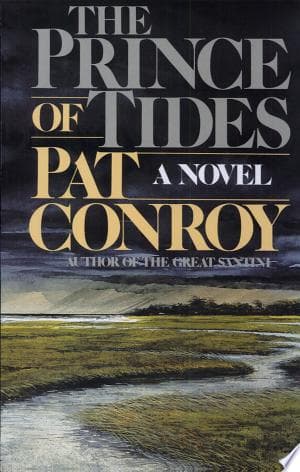
- The Prince of Tides
Pat Conroy
4.2 (194k) average on GoodreadsLiterary FictionBoth explore traumatic Southern childhoods. Conroy's novel is more overtly literary, with lyrical prose and a deeper dive into psychological complexity, family dysfunction, and the lasting impact of trauma on adult characters. Grisham's 'A Painted House' is more observational and grounded in a straightforward realism, focusing on external events as witnessed by a child, with less emphasis on the internal, adult psychological aftermath.
- Angels & Demons
Dan Brown
3.9 (2.7M) average on GoodreadsThrillerA Harvard symbologist races through Rome's ancient sites, deciphering cryptic clues to unmask the Illuminati and stop a vengeful plot to destroy the Vatican with a stolen antimatter weapon.
- Gone Girl
Gillian Flynn
4.1 (2.3M) average on GoodreadsThrillerA wife's sudden disappearance on her fifth anniversary reveals a web of lies and psychological warfare, exposing the secrets within a seemingly perfect marriage.





Enjoyed the summary?
A summary gives you the shape of the book. The book itself has the detail, the examples and the voice.
Find A Painted House on AmazonAs an Amazon Associate, BookBrief earns from qualifying purchases. How we're funded