
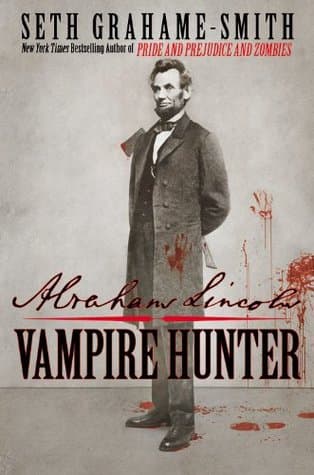
Synopsis
Covers the whole plot, including the ending.
- Difficulty
- Easy
- Pacing
- Fast
- Mood
- Darkly humorous, action-packed, thrilling, historical-fantasy
Abraham Lincoln Plot Summary
Covers the whole plot, including the ending.
A Mother's Demise and a Vow of Vengeance
The story begins in Indiana, 1818. Nine-year-old Abraham Lincoln is at his mother Nancy Hanks Lincoln's bedside. She has 'Milk Sickness,' a common illness, but the book shows it is from a vampire attack by the cruel Jack Barts. After Nancy dies, Abe's father, Thomas Lincoln, dismisses his son's suspicions. Abe learns the truth years later and confronts Barts, but Barts overpowers him. Henry Sturgess, a mysterious vampire hunter, saves Abe and takes him in. This event starts Abe's mission: to avenge his mother's death and spend his life eliminating vampires.
Training and Early Hunts
Henry Sturgess trains Abe in vampire hunting. Henry, a vampire who only feeds on animals, teaches Abe about the undead's weaknesses, history, and society. Abe's journal entries from this time show his physical and mental change as he learns axe combat, strategy, and stealth. He starts hunting, following Henry's list of targets, all vampires who committed terrible acts. These first hunts strengthen Abe's resolve and improve his fighting skills against the creatures.
Springfield and a Shift in Focus
Abe moves to Springfield, Illinois, where he studies law and starts a political career. He continues hunting vampires, often using his legal work to find new targets. He meets Mary Todd, whom he later marries, and his friend, Joshua Speed. Henry Sturgess guides him but also encourages Abe to think about the broader effects of his fight. Abe starts to see that killing individual vampires is not enough; a more systematic approach is necessary. His focus shifts from personal revenge to understanding the larger threat vampires pose to the nation.
The Washington Conspiracy
As Abe's political career grows, he finds evidence of a large vampire conspiracy in American society, especially in the South. He learns that many important people, including slave owners and politicians, are either vampires or their human helpers. This changes his understanding of the conflict; he realizes that the fight for human freedom and against slavery is connected to the war against the undead. The vampires, he discovers, use slavery to control human populations and ensure a steady food supply, while also keeping their existence secret and maintaining power.
The Underground Railroad and Vampire Havens
Abe learns that the Underground Railroad, while helping slaves escape, also protects humans from vampires and helps find vampire strongholds. Harriet Tubman, a key figure in the Railroad, is a skilled vampire hunter, working independently but for a similar goal. This discovery further confirms Abe's understanding of the hidden war. Southern plantations, with their large, powerless human populations, are identified as main vampire havens, explaining the undead's interest in keeping slavery.
Presidency and the Civil War
Abraham Lincoln is elected President, and the nation heads toward civil war. He uses his position to direct the Union effort, not just against the Confederacy, but also against the vampires in the South. He sees the war as a chance to expose and eliminate the undead threat under the guise of regular warfare. His military decisions, like the Emancipation Proclamation, are for human freedom and to disrupt the vampires' food supply and destabilize their power. The war becomes a grand, bloody game for humanity's survival.
The Gettysburg Address and Silver Bullets
The Battle of Gettysburg is a turning point in both the Civil War and the secret vampire war. Union forces are secretly armed with silver weapons—bullets, bayonets, and even artillery shells. Lincoln’s Gettysburg Address is a call for national unity and a coded message to his allies, showing a growing commitment to remove the vampire threat. The Union victory at Gettysburg is largely due to silver's effectiveness against the vampire generals and soldiers fighting for the Confederacy, marking a significant shift in the hidden conflict and weakening the undead's control.
Mary Todd Lincoln's Secret
During the war, Lincoln uncovers a secret about his wife, Mary Todd Lincoln. Her odd behavior and sadness are because of a past encounter with a vampire. It is suggested she was attacked or turned, and Henry Sturgess intervened, saving her but leaving her with a lasting, painful connection to the undead world. This adds personal tragedy to Lincoln's already difficult life, making his fight against vampires more poignant and personal, as he battles to protect his family and nation from the same evil.
The Assassin's True Identity
As the Civil War ends, Lincoln faces his final challenge. John Wilkes Booth, the actor and assassin, is not just a Confederate supporter, but a vampire. He acts as an agent for the remaining Southern vampires, trying to remove human leadership and cause chaos, allowing the undead to regain power. Booth’s assassination of Lincoln is a desperate, final act of revenge by the vampires, a strategic strike against the man who had nearly defeated them and exposed their existence.
Henry's Revelation and Lincoln's Legacy
After Lincoln's assassination, Henry Sturgess visits Mary Todd Lincoln, revealing he is a vampire and explaining his centuries-long fight against his own kind. He takes Lincoln's journal, keeping its secrets and the truth of the President's hidden war. Henry continues his mission, inspired by Lincoln's sacrifice. The book ends with Seth Grahame-Smith finding the journal today, showing that Lincoln's extraordinary, secret life as a vampire hunter and his impact on the nation have remained hidden until now.
Principal Figures
Abraham Lincoln
Protagonist
The President who secretly hunted vampires.
Abraham Lincoln is presented as a man driven by a profound sense of justice and an unyielding desire for vengeance. Initially motivated by his mother's murder, he evolves from a solitary hunter into a strategic leader who uses his political power to combat a widespread supernatural threat. He is depicted with his historical traits of intelligence, wit, and moral fortitude, but also with a darker, more violent side necessitated by his secret life. His physical prowess with an axe is legendary, and his keen intellect allows him to outmaneuver both human and undead adversaries.
Relationships: Henry Sturgess (Mentor and friend); Nancy Hanks Lincoln (Mother (victim)); Mary Todd Lincoln (Wife); Joshua Speed (Close friend and confidant); Jack Barts (Mother's killer, initial target); Adam (Arch-nemesis (vampire leader))
Henry Sturgess
Supporting
Lincoln's mysterious vampire mentor and ally.
Henry Sturgess is a sophisticated, ancient vampire who has chosen to fight against his own kind, feeding only on animals. He becomes Abe's mentor, teaching him the methods and lore of vampire hunting. Henry is wise, cunning, and pragmatic, often pushing Abe to think beyond individual vengeance and consider the larger war. He carries the burden of centuries of experience and loss, making him a somber but deeply committed ally. His motivations are complex, rooted in a desire to atone for past actions or to prevent his species from completely dominating humanity.
Relationships: Abraham Lincoln (Mentee and friend); Adam (Ancient rival)
Mary Todd Lincoln
Supporting
Lincoln's wife, haunted by a past encounter with vampires.
Mary Todd Lincoln is depicted as a complex and often troubled woman, whose historical eccentricities are attributed to a past traumatic encounter with vampires. She loves Abraham deeply but struggles with bouts of melancholy and instability, which are revealed to be linked to a lingering connection to the undead world. Her vulnerability to the supernatural threat adds a personal dimension to Lincoln's fight, making his efforts to protect his family and nation even more desperate. She represents the human cost of the hidden war, even for those not directly involved in the hunting.
Relationships: Abraham Lincoln (Husband)
Adam
Antagonist
The ancient, powerful leader of the Southern vampires.
Adam is the primary antagonist, an ancient and immensely powerful vampire who leads the vast network of undead in the American South. He is intelligent, manipulative, and utterly ruthless, viewing humans as mere cattle. Adam is the mastermind behind the vampires' strategy to use slavery as a means of control and a sustained food source. He represents the ultimate threat to humanity, embodying the insidious nature and deep-seated power of the undead. His goal is to establish a vampire-dominated society, and he sees Abraham Lincoln as the greatest obstacle to his plans.
Relationships: Abraham Lincoln (Arch-nemesis); Henry Sturgess (Ancient rival); Jack Barts (Subordinate)
Joshua Speed
Supporting
Lincoln's loyal friend and confidant.
Joshua Speed is Abraham Lincoln's closest human friend and business partner. He provides a grounding presence for Abe, often serving as a sounding board for his thoughts and a source of emotional support. While he is initially unaware of Abe's secret life, he eventually becomes a trusted confidant and a crucial, if indirect, ally in the fight against vampires. His loyalty and practicality offer a contrast to the supernatural world Abe inhabits, highlighting Lincoln's commitment to his human connections even amidst his extraordinary burdens.
Relationships: Abraham Lincoln (Close friend)
Jack Barts
Antagonist
The vampire who murdered Lincoln's mother.
Jack Barts is the initial antagonist and the catalyst for Abraham Lincoln's lifelong quest. He is a cruel and sadistic vampire, responsible for the death of Nancy Hanks Lincoln. Barts represents the personal face of the vampire threat for young Abe, embodying the senseless violence and predatory nature of the undead. His death at Lincoln's hands is a pivotal moment, marking Abe's transition from a victim to a hunter, though it also reveals the limitations of individual vengeance when a larger conspiracy is at play.
Relationships: Abraham Lincoln (Avenger, killer); Nancy Hanks Lincoln (Victim)
Harriet Tubman
Supporting
A historical figure revealed to be a formidable vampire hunter.
Harriet Tubman, the legendary conductor of the Underground Railroad, is reimagined as a powerful and independent vampire hunter. She operates her network not only to free slaves but also to protect humans from vampire predation and to identify vampire strongholds in the South. Her inclusion highlights the pervasive nature of the vampire threat and the diverse individuals fighting against it. She is depicted as resourceful, brave, and deeply committed to freedom, both from human bondage and supernatural tyranny, making her a formidable ally in the hidden war.
Relationships: Abraham Lincoln (Ally (indirect))
John Wilkes Booth
Antagonist
Lincoln's assassin, revealed to be a vampire.
John Wilkes Booth is the historical assassin of Abraham Lincoln, but in this narrative, he is revealed to be a vampire. His assassination of the President is not merely an act of Confederate extremism, but a calculated strike by the remaining Southern vampires to eliminate their greatest enemy and plunge the Union back into chaos. Booth embodies the desperate, vengeful nature of the vampires in the face of defeat, and his act ensures that Lincoln's sacrifice is both tragic and deeply symbolic of the ongoing, hidden war.
Relationships: Abraham Lincoln (Assassin); Adam (Subordinate)
Themes & Insights
Vengeance vs. Justice
The novel shows Abraham Lincoln's changing reasons for fighting, from personal revenge for his mother's death to a broader fight for justice and freedom for all people. At first, Abe's journal lists specific vampires to kill. But with Henry's guidance and his own political growth, he realizes that individual revenge is not enough against a systemic evil. His fight against slavery becomes connected to his fight against vampires, changing his personal vendetta into a struggle for the nation's character and the freedom of millions from both human and supernatural control.
“Henceforth my life shall be one of rigorous study and devotion. I shall become a master of mind and body. And this mastery shall have but one purpose... to rid the world of their kind.”
Hidden History and Secret Wars
A main theme is that behind known historical events and figures lies a hidden, supernatural truth. The Civil War, the Underground Railroad, and Lincoln's presidency are re-imagined as parts of a secret war against vampires. This theme suggests that the forces shaping history are often more complex and mysterious than common stories show. It proposes that great historical struggles, like the fight against slavery, may have had deeper, unseen reasons and fighters, asking the reader to rethink accepted truths and the nature of power.
“While Abraham Lincoln is widely lauded for saving a Union and freeing millions of slaves, his valiant fight against the forces of the undead has remained in the shadows for hundreds of years.”
The Nature of Evil
The novel looks at different kinds of evil, from the direct cruelty of vampires like Jack Barts to the systemic evil of slavery by the vampire hierarchy. It suggests that evil can appear in monstrous, supernatural forms and in everyday human acts of oppression. The vampires' use of slavery for food and control blurs the lines between human and supernatural wickedness, implying that humanity's darkest sides can be used or made worse by supernatural forces. This makes the fight against them a fight for human dignity itself.
“Slavery, it turned out, was not simply a moral stain on the nation, but a feeding ground.”
Sacrifice and Leadership
Lincoln's journey involves great personal sacrifice, from his early dedication to revenge to his death. He gives up a normal life, facing loneliness and constant danger, all for his cause. As a leader, he makes hard decisions, carrying the weight of the nation's future and the secret war. His assassination by vampires highlights the ultimate sacrifice he makes, not just for the Union, but for humanity's freedom from supernatural rule. His leadership is defined by his willingness to confront the darkest evils, both human and undead, at great personal cost.
“I may not have saved every life, nor ended every evil. But I have stood in the way of darkness, and for that, I have no regrets.”
Plot Devices & Literary Techniques
The Secret Journal of Abraham Lincoln
A framing device and primary source of the narrative.
The journal serves as the central plot device, presented as the authentic historical document discovered by Seth Grahame-Smith. It functions as both a framing device for the entire narrative and the primary source through which Lincoln's secret life is revealed. The journal entries provide intimate access to Lincoln's thoughts, fears, and motivations, lending an air of authenticity to the fantastical plot. It allows the author to blend historical facts with supernatural elements seamlessly, making the reader feel they are privy to a forbidden, long-lost truth and enhancing the historical fiction aspect of the story.
Historical Reinterpretation
Recasting historical events with a supernatural twist.
This device involves taking well-known historical events, figures, and concepts (like the Civil War, the Emancipation Proclamation, Harriet Tubman, and slavery) and reinterpreting them through the lens of a hidden vampire conflict. It adds a layer of fantastic explanation to historical mysteries or struggles, such as the intense divisions over slavery being fueled by vampire interests. This device entertains by offering a fresh, often darkly humorous, perspective on history, while also highlighting the inherent drama and moral conflicts of the actual past, making it feel both familiar and utterly new.
Vampire Lore
The specific rules and characteristics of vampires in the novel.
The novel establishes its own specific set of vampire lore, which guides the plot and Lincoln's actions. Key elements include their vulnerability to silver, sunlight, and decapitation, their predatory nature, and their ability to blend into human society. This lore is crucial for understanding the stakes of the conflict and the strategies employed by both sides. Henry Sturgess's role as a teacher of this lore is vital, as it equips Lincoln with the knowledge needed to fight effectively. The consistent application of these rules creates an internal logic for the fantastical elements.
The Mentor Figure (Henry Sturgess)
A wise, experienced guide for the protagonist.
Henry Sturgess embodies the classic mentor archetype. He appears at a critical juncture in young Lincoln's life, saving him and then taking him under his wing. Henry possesses ancient knowledge, practical skills, and a broader perspective on the vampire threat, which he imparts to Abe. His mysterious nature (being a vampire himself who hunts his own kind) adds depth and moral complexity to his role. The mentor figure is essential for Lincoln's development, providing the training and strategic guidance that transforms him from a vengeful boy into a capable vampire hunter and, eventually, a national leader.
Quiz
10 questions on the plot and the characters. Each answer comes with a short explanation.
Question 1
What is the primary genre of the book "Abraham Lincoln: Vampire Hunter"?
- Historical Romance
- Fantasy and Historical Fiction
- Science Fiction
- Mystery
Show answer
B. Fantasy and Historical Fiction The book blends historical events and figures with supernatural elements, making it a work of fantasy and historical fiction.
Question 2
In what year does the story begin?
- 1809
- 1865
- 1818
- 1776
Show answer
C. 1818 The provided text explicitly states, "Indiana, 1818."
Question 3
What illness causes Abraham Lincoln's mother to die?
- The common cold
- Tuberculosis
- Milk Sickness
- Cholera
Show answer
C. Milk Sickness The text mentions, "She's been stricken with something the old-timers call 'Milk Sickness.'"
Question 4
What is the stated purpose of young Abraham Lincoln's "rigorous study and devotion" after his mother's death?
- To become a lawyer
- To seek vengeance against the vampire responsible
- To become president
- To understand the nature of "Milk Sickness"
Show answer
B. To seek vengeance against the vampire responsible Lincoln writes, "And this mastery shall have but one purpose..." which, combined with the revelation of his mother's death by a vampire, implies a quest for vengeance.
Question 5
According to the book's premise, what hidden role did vampires play in American history?
- They were benevolent protectors of the nation.
- They were responsible for the stock market crash.
- They were involved in the birth, growth, and near-death of the nation.
- They invented the cotton gin.
Show answer
C. They were involved in the birth, growth, and near-death of the nation. The text states that the book reveals "the hidden history behind the Civil War and uncovering the role vampires played in the birth, growth, and near-death of our nation."
Question 6
What legendary artifact is supposedly discovered by the author, Seth Grahame-Smith?
- The Lost Diary of George Washington
- The Secret Journal of Abraham Lincoln
- The Vampire Slayer's Handbook
- The Declaration of Independence, annotated by Lincoln
Show answer
B. The Secret Journal of Abraham Lincoln The text mentions, "Seth Grahame-Smith stumbled upon The Secret Journal of Abraham Lincoln."
Question 7
What is implied about Abraham Lincoln's physical attributes and skills, beyond his legendary height and strength?
- He was a skilled diplomat and negotiator.
- He was adept at archery.
- He was skilled with an ax.
- He was a talented musician.
Show answer
C. He was skilled with an ax. The text states, "Gifted with his legendary height, strength, and skill with an ax, Abe sets out on a path of vengeance."
Question 8
The author claims to reconstruct Lincoln's life story in the style of which renowned historians?
- Stephen Ambrose and Shelby Foote
- Doris Kearns Goodwin and David McCullough
- Ron Chernow and Walter Isaacson
- Gordon S. Wood and Jill Lepore
Show answer
B. Doris Kearns Goodwin and David McCullough The text specifies, "writing in the grand biographical style of Doris Kearns Goodwin and David McCullough."
Question 9
What is the overarching narrative arc suggested by Lincoln's vow after his mother's death?
- A journey from humble beginnings to political power, intertwined with a secret war.
- A personal tragedy that leads to isolation and reclusion.
- A quest for knowledge that ultimately exposes a government conspiracy.
- A life dedicated to scientific discovery and innovation.
Show answer
A. A journey from humble beginnings to political power, intertwined with a secret war. Lincoln's vow for "rigorous study and devotion" with the purpose of vengeance, combined with his rise to the White House, suggests a dual narrative of personal growth and a secret, lifelong battle.
Question 10
The book posits that Abraham Lincoln's fight against the undead has been "in the shadows for hundreds of years." This implies his role as a vampire hunter was:
- Widely recognized and celebrated during his lifetime.
- A well-documented historical fact known to all.
- A secret or largely unknown aspect of his life.
- A minor footnote in his political career.
Show answer
C. A secret or largely unknown aspect of his life. The phrase "remained in the shadows for hundreds of years" directly indicates that his activities as a vampire hunter were not public knowledge or widely acknowledged.
Abraham Lincoln FAQ
Is Abraham Lincoln: Vampire Hunter a true story?
While the book is presented in a biographical style, it is a work of historical fantasy. It blends actual historical events and figures with a fictional narrative about Abraham Lincoln hunting vampires.
What is the main premise of Abraham Lincoln: Vampire Hunter?
The book reimagines Abraham Lincoln's life as a secret war against vampires. It posits that his mother's death was caused by a vampire, leading him on a lifelong quest for vengeance and to protect the nation from the undead.
How does the book portray Abraham Lincoln?
It depicts Lincoln as a physically imposing and skilled warrior, driven by a deep sense of justice and a thirst for vengeance against vampires. His famous intellect and leadership are also central to his fight against both political and supernatural threats.
What historical events are featured in the book?
The book weaves its supernatural plot around significant historical events of Lincoln's life and the Civil War era, including his political career, the abolition of slavery, and major battles.
Are vampires a real part of American history according to this book?
The book suggests that vampires have secretly influenced American history from its founding, playing a hidden role in major conflicts and political decisions, including the Civil War.
What is the 'Secret Journal of Abraham Lincoln' mentioned in the book?
The 'Secret Journal of Abraham Lincoln' is a fictional device used by the author to present Lincoln's secret vampire-hunting life as a discovered historical document.
How does this book compare to traditional biographies of Abraham Lincoln?
Unlike traditional biographies, this book adds a fantastical element of vampire hunting. While it uses historical context and Lincoln's known traits, the core narrative of his supernatural battles is purely fictional.
Is this book suitable for someone who enjoys historical fiction?
Yes, if you enjoy historical fiction with a strong supernatural or fantasy twist, this book offers a unique blend of both. It's a creative reimagining of a well-known historical figure.
What is the tone of Abraham Lincoln: Vampire Hunter?
The tone is a mix of serious historical narrative, dark fantasy, and often a touch of dark humor. It takes its premise seriously within its fictional framework.
About the author

Seth Grahame-Smith is an American author known for his unique blend of horror and classic literature. He gained recognition for his novels "Pride and Prejudice and Zombies," which reimagines Jane Austen's classic, and "Abraham Lincoln: Vampire Hunter," which presents an alternate history of the U.S. president. His works often combine humor with elements of the supernatural.
Similar books
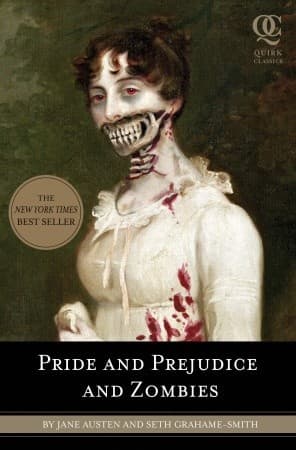
- Pride and Prejudice and Zombies
Seth Grahame-Smith
3.3 (129k) average on GoodreadsFantasyAlso by Grahame-Smith, this book shares a very similar high-concept genre mashup. Both leverage the juxtaposition of a well-known classic (or historical figure) with a horror element. While 'Pride and Prejudice and Zombies' benefits from the inherent humor of its premise and the established characters of Jane Austen, 'Abraham Lincoln: Vampire Hunter' attempts a more serious tone and a grander historical scope. Lincoln's story feels more original in its conception, not being a direct parody of an existing text, but both suffer from a similar challenge of balancing the integrity of the original source material (history vs. classic novel) with the demands of the inserted horror.
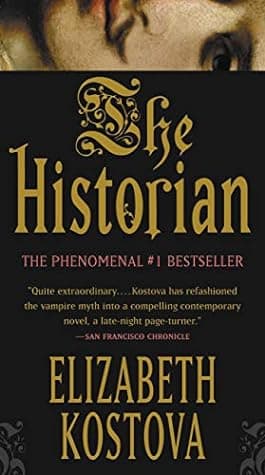
- The Historian
Elizabeth Kostova
3.8 (242k) average on GoodreadsThrillerKostova's 'The Historian' also blends historical research with vampire lore, but with a significantly more literary and academic approach. While Grahame-Smith's work is pulpy and action-driven, 'The Historian' is a sprawling, meticulously researched novel that uses the Dracula myth as a lens to explore history, scholarship, and inherited trauma. 'Abraham Lincoln: Vampire Hunter' is a quick, fun read that prioritizes plot and spectacle, whereas 'The Historian' offers a much deeper, more atmospheric, and intellectually engaging exploration of its subject matter, demanding more from the reader but ultimately delivering a richer narrative experience.
- Harry Potter and the Sorcerer's Stone
J.K. Rowling
4.5 (7M) average on GoodreadsFantasyRescued from a miserable life under the stairs, an orphaned boy discovers he's a wizard destined for a magical school, where he uncovers a dangerous secret tied to the dark wizard who murdered his parents.
- The Hunger Games
Suzanne Collins
4.3 (6.4M) average on GoodreadsFantasyIn a future where children fight to the death on live television, Katniss Everdeen volunteers for the arena, turning a death sentence into a fight for survival and a spark of rebellion.
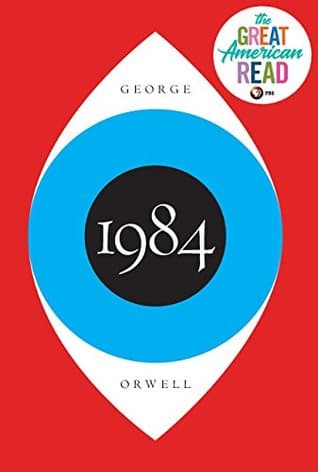
- 1984
George Orwell
4.2 (3.1M) average on GoodreadsPoliticsIn a future where surveillance and thought control are absolute, a man's search for truth clashes with the Party, showing that hope can be a form of rebellion.
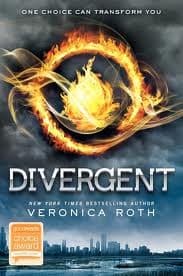
- Divergent
Veronica Roth
4.2 (2.9M) average on GoodreadsFantasyIn a society divided by virtues, a sixteen-year-old's difference from the norm starts a rebellion that threatens her world.

Enjoyed the summary?
A summary gives you the shape of the book. The book itself has the detail, the examples and the voice.
Find Abraham Lincoln on AmazonAs an Amazon Associate, BookBrief earns from qualifying purchases. How we're funded