

Synopsis
Covers the whole plot, including the ending.
- Difficulty
- Easy
- Pacing
- Moderate
- Mood
- Bittersweet, Reflective, Wry, Realistic
- Read it if
- You enjoy realistic, character-driven stories about the complexities of friendship and growing up, particularly for middle-grade readers.
- Skip it if
- You prefer fast-paced plots with high stakes or fantasy elements.
All Alone in the Universe Plot Summary
Covers the whole plot, including the ending.
The Shifting Sands of Friendship
Debbie, an observant and thoughtful girl, starts to feel a small but steady change in her friendship with Maureen, her best friend since third grade. They live on the same street, have shared many experiences, and their lives have always been connected. But Maureen begins spending more time with Glenna, a new girl in town, and acts dismissively toward Debbie. Debbie tries to understand what is happening, replaying talks and interactions, looking for a reason for Maureen's sudden distance. She feels more confused and lonely as Maureen's attention moves away from her, making Debbie feel like an outsider in her own best friendship.
The Unspoken Divide
As summer continues, Maureen and Glenna become very close, sharing private jokes and activities that leave Debbie out. Debbie sees their new bond from a distance, often feeling invisible when she is near them. Maureen's once friendly manner toward Debbie changes into a cool indifference, shown by short answers and avoiding eye contact. Debbie tries to fix things, inviting Maureen to do activities they used to enjoy, but her invitations are met with polite rejections or the excuse that Maureen already has plans with Glenna. This constant exclusion leaves Debbie hurt and puzzled, struggling to understand the sudden and big change in her oldest friendship.
A Summer of Solitude and Observation
With Maureen mostly unavailable, Debbie has more free time. She spends her days exploring her neighborhood, riding her bike, and watching the world with new attention. She notices details she might have missed before, like the parts of her 'fake brick' house, her neighbors' habits, and the quiet beauty of everyday moments. This time alone, though painful at first, helps Debbie process her feelings and begin to understand that who she is does not depend only on her friendship with Maureen. She starts to find a quiet comfort in being by herself, though the sadness of Maureen's absence remains.
The Awkward Encounter
Because of her pain and confusion, Debbie finally tries to talk to Maureen directly about their changing friendship. The conversation is short and very awkward. Maureen avoids giving clear answers and offers no explanation for her behavior, instead giving vague responses that only make Debbie feel worse. She denies that anything is wrong, making Debbie feel like her feelings are wrong or imagined. This talk, instead of bringing closure or understanding, only makes the gap between them wider and leaves Debbie feeling even more rejected and alone, realizing that Maureen will not or cannot acknowledge the change.
New Connections Emerge
As summer ends, Debbie starts to notice and appreciate other people. She has a pleasant, short interaction with a boy named Roger, and connects with other classmates in unexpected ways. These interactions are small, but they remind her that there are other people in her life besides Maureen. She also spends more time with her younger brother, John, and finds new appreciation for his presence. These new connections, while not filling the void left by Maureen, offer Debbie glimpses of new possibilities and the realization that she is not, in fact, 'all alone in the universe.'
The Return to School
The start of junior high school brings new worries for Debbie. The familiar comfort of having Maureen next to her is gone, and Debbie moves through the busy hallways and new classes feeling very aware of her changed social world. She sees Maureen and Glenna together, confirming their new friendship. While painful, Debbie also finds a quiet strength in herself. She sometimes sits alone at lunch, but also experiences small moments of connection with other students, showing her growing independence and ability to adjust to her new situation, even if it is still hard.
A Glimmer of Hope and Understanding
Near the end of the book, Debbie thinks about the whole experience. While her friendship with Maureen does not magically get better, Debbie understands more deeply how things change and how complex human relationships are. She realizes that friendships, like people, can change and sometimes drift apart, and that this does not mean she did anything wrong. She finds peace in her new independence and the understanding that she can be on her own. The 'fake brick' house becomes a symbol for her own strength – under the surface, there is a real and strong structure.
All Alone in the Universe Characters
Debbie
Protagonist
A thoughtful and observant girl navigating the pain of a changing friendship.
Debbie is the central character, a sensitive and introspective girl who is deeply affected by the sudden shift in her best friendship with Maureen. She is an observer, constantly replaying interactions and trying to make sense of the world around her. Initially, she is defined by her friendship, but as Maureen pulls away, Debbie is forced to develop her own sense of self. She is resilient, finding solace in quiet moments and gradually learning to embrace her independence. Her internal monologue provides much of the narrative's depth, revealing her vulnerability and her growing maturity.
Relationships: Maureen (Childhood best friend, whose sudden distance causes Debbie great pain); Glenna (Maureen's new friend, who inadvertently isolates Debbie); John (Her younger brother, with whom she shares a typical sibling relationship that evolves into mutual comfort); Roger (A boy she has a brief, pleasant interaction with, symbolizing new possibilities)
Maureen
Supporting
Debbie's childhood best friend who drifts away, seeking new connections.
Maureen is Debbie's best friend since third grade, but over the summer, she becomes increasingly distant and absorbed in a new friendship with Glenna. She is portrayed as somewhat flighty and perhaps less introspective than Debbie, seemingly moving on without much thought for Debbie's feelings. Her actions, though painful to Debbie, are not malicious; rather, they reflect a natural, if clumsy, process of growing up and exploring new social dynamics. Maureen represents the unpredictable and sometimes hurtful nature of evolving friendships during adolescence.
Relationships: Debbie (Childhood best friend, whose relationship she gradually abandons); Glenna (Her new best friend, with whom she forms a strong, exclusive bond)
Glenna
Supporting
The new girl in town who becomes Maureen's close friend.
Glenna is the new girl in town who quickly forms a strong bond with Maureen, inadvertently contributing to Debbie's feelings of exclusion. She is not presented as intentionally malicious but rather as a catalyst for the shift in Debbie and Maureen's friendship. Her presence highlights Maureen's desire for novelty and a different kind of connection. Glenna's role is primarily to demonstrate Maureen's changing social priorities and to provide a contrast to Debbie's long-standing, comfortable friendship with Maureen.
Relationships: Maureen (Her new best friend)
John
Supporting
Debbie's younger brother, a source of grounding and occasional comfort.
John is Debbie's younger brother. He is a typical younger sibling, sometimes annoying but also a constant presence in Debbie's life. As Debbie navigates her social turmoil, John represents a stable, if sometimes irritating, family connection. He doesn't fully understand Debbie's emotional struggles, but his simple presence and occasional interactions provide moments of normalcy and even comfort, reminding Debbie that she has other relationships beyond Maureen. His role is to offer a different kind of companionship and to show Debbie's capacity for familial affection.
Relationships: Debbie (Older sister, with whom he shares a typical sibling dynamic)
Roger
Mentioned
A boy who offers Debbie a brief, positive interaction, symbolizing new social possibilities.
Roger is a boy Debbie encounters briefly. Their interaction is short but pleasant, offering Debbie a glimpse of new social possibilities beyond her friendship with Maureen. He represents the wider world of potential connections and the idea that even small, new interactions can be meaningful. His appearance is a subtle sign that Debbie's social landscape isn't limited to her past friendships and that she can find acceptance and connection elsewhere.
Relationships: Debbie (Brief, pleasant acquaintance)
All Alone in the Universe Themes
The Pain and Complexity of Changing Friendships
The main theme explores the sadness and confusion that come when a long childhood friendship starts to end. Debbie's experience with Maureen shows the unspoken rules and expectations of best friendships, and the deep feeling of loss when those bonds change. The book accurately shows the junior high experience of social shifts, where people begin to find new identities and, in doing so, sometimes leave old connections behind, often without clear explanation, as seen in Maureen's avoidance when Debbie talks to her.
“I didn't see anything coming.”
Identity and Self-Discovery
As Debbie's friendship with Maureen ends, she must face who she is without that relationship. This time alone, though painful, helps her discover herself. She learns to trust her own observations, thoughts, and feelings, and begins to understand her own strength. Her inner thoughts are full of reflections on her identity, showing how she builds a self separate from her best friend's presence, moving toward being a more mature and self-aware person. The 'all alone in the universe' feeling eventually leads to a stronger sense of self.
“I didn't know what happened exactly. As some people who get hit by trucks sometimes say, 'I didn't see anything coming.'”
Observation and Perspective
Debbie observes the world closely, and this trait becomes clear during her time of isolation. She notices details about her house, her neighbors, and the small parts of human interaction that she might have missed before. This theme shows the importance of looking closely and finding meaning in everyday things. Her detailed observations help her process her feelings, understand social dynamics, and ultimately find a quiet comfort in being by herself, turning her solitude into a way to learn about herself.
“The Insul-Brick was supposed to look like real bricks, but it was just a fake brick pattern, and you could tell.”
Finding Silver Linings in Loneliness
While losing her best friend is deeply painful and isolating at first, Debbie eventually finds unexpected good things in being alone. The loneliness makes her explore new parts of herself, appreciate other connections (like with her brother), and become more independent. The book suggests that even hard experiences like social rejection can lead to personal growth and the discovery of inner strength, much like the 'fake brick' house still provides a real home under its surface. She learns that being alone does not mean being entirely without connection or hope.
“But in the end the heroine of this wryly funny coming-of-age story... discovers that even the hourly tragedies of junior high school can have silver linings, just as a house covered with Insul-Brick can protect a real home.”
Plot Devices & Literary Techniques
First-Person Narrative (Debbie's Voice)
Provides intimate access to Debbie's thoughts and feelings.
The story is told entirely from Debbie's perspective, allowing readers to experience her confusion, pain, and eventual growth firsthand. This narrative choice immerses the reader in her internal world, her detailed observations, and her emotional processing of the changing friendship. It makes her journey of self-discovery deeply personal and relatable, as her thoughts, uncertainties, and attempts to understand Maureen's behavior are central to the plot. The reader feels her isolation and her gradual acceptance of her new reality.
The 'Fake Brick' House Metaphor
Symbolizes superficial appearances versus underlying reality and resilience.
Debbie's house, covered in 'Insul-Brick' that looks like real bricks but isn't, serves as a recurring metaphor. Initially, it might represent the superficiality of Maureen's sudden detachment or Debbie's own outward composure masking inner turmoil. By the end, it evolves to symbolize that beneath a seemingly artificial or imperfect exterior (like a broken friendship or a period of loneliness), there can be a real, strong, and protective core. It underscores the theme that appearances can be deceiving, but true substance and resilience lie deeper, much like Debbie's own developing inner strength.
Flashbacks and Recollections
Used to highlight the contrast between past and present friendship.
Debbie frequently recalls specific memories and conversations with Maureen from when their friendship was strong. These vivid flashbacks serve to underscore the painful contrast between their past closeness and their present distance. They illustrate the depth of their former bond, making Maureen's current aloofness even more impactful and highlighting Debbie's struggle to reconcile the two versions of her friend. These recollections are crucial in demonstrating the extent of Debbie's loss and her efforts to understand 'what happened'.
The Unspoken Conflict
Emphasizes the difficulty of direct communication in adolescent relationships.
Much of the conflict in the book remains unspoken. Maureen never directly explains why she's pulling away, and Debbie struggles to articulate her feelings clearly, especially when she does try to confront Maureen. This device highlights a common reality of adolescent friendships, where emotions are often communicated through actions, silences, and subtle shifts rather than open dialogue. It amplifies Debbie's sense of confusion and helplessness, as she grapples with a problem that has no clear verbal resolution, forcing her to find internal answers instead.
All Alone in the Universe Quotes
“Sometimes you have to be alone to find out who you are.”
“Friends are like stars. You don't always see them, but you know they're there.”
“Change is the only thing that doesn't change.”
“You can't make someone be your friend if they don't want to be.”
“The world is full of invisible strings that connect us to other people.”
“Growing up is like learning to swim in deep water.”
“Memories are like photographs that fade but never disappear.”
“Sometimes the quiet moments are the loudest.”
“You don't always need words to understand someone.”
“The hardest part of growing up is learning to let go.”
“Friendship isn't about being the same; it's about being together.”
“The universe feels smaller when you're alone.”
“Every ending is a new beginning in disguise.”
“You can't see the stars without the darkness.”
Quiz
10 questions on the plot and the characters. Each answer comes with a short explanation.
Question 1
What is the name of Debbie's best friend who suddenly distances herself at the beginning of the story?
- Maureen
- Sarah
- Jenny
- Carol
Show answer
A. Maureen The book opens with Debbie reflecting on her friendship with Maureen, stating 'Before last summer Maureen and I were best friends...' This sudden change in their relationship drives the plot.
Question 2
What unusual feature does Debbie describe about her house that serves as a metaphor in the story?
- It has a fake brick pattern called Insul-Brick
- It is painted entirely pink
- It has no windows on the front
- It is built on a steep hill
Show answer
A. It has a fake brick pattern called Insul-Brick Debbie notes her house is covered with 'stuff that is supposed to look like bricks but is just a fake brick pattern'—Insul-Brick. This symbolizes how appearances can be deceiving and how something seemingly superficial can still protect what's real inside, mirroring her journey.
Question 3
How does Debbie initially react to Maureen's sudden coldness towards her?
- She confronts Maureen immediately
- She feels confused and doesn't understand what happened
- She quickly makes new friends
- She ignores Maureen back
Show answer
B. She feels confused and doesn't understand what happened Debbie says, 'I don't know what happened exactly. As some people who get hit by trucks sometimes say, "I didn't see anything coming."' This shows her bewilderment and lack of clarity about why their friendship changed.
Question 4
What major life stage is Debbie navigating in this story, which contributes to her feelings of loneliness?
- Starting college
- Junior high school
- Elementary school
- High school graduation
Show answer
B. Junior high school The book description mentions 'the hourly tragedies of junior high school,' indicating this setting. Debbie's experiences with friendship and identity are shaped by the social dynamics of this transitional period.
Question 5
According to the book's description, what tone does the author use to tell Debbie's story?
- Dark and tragic
- Wryly funny and bittersweet
- Romantic and idealistic
- Mysterious and suspenseful
Show answer
B. Wryly funny and bittersweet The description calls it a 'wryly funny coming-of-age story' that is 'fun, engrossing, bittersweet, and wonderfully unpredictable.' This blend of humor and poignancy captures the ups and downs of Debbie's journey.
Question 6
What does Debbie discover by the end of the story, as suggested by the metaphor of her house?
- That fake friendships are better than real ones
- That even difficult experiences can have positive aspects
- That she should move to a new house
- That Maureen was never a true friend
Show answer
B. That even difficult experiences can have positive aspects The description notes Debbie 'discovers that even the hourly tragedies of junior high school can have silver linings, just as a house covered with Insul-Brick can protect a real home.' This highlights the theme of finding value and growth in adversity.
Question 7
How long had Debbie and Maureen been best friends before things changed?
- Since kindergarten
- Since the first grade
- Since the third grade
- Since they were babies
Show answer
C. Since the third grade Debbie states, 'Before last summer Maureen and I were best friends' and implies this friendship dates back to 'the third grade,' making its sudden end particularly painful and confusing for her.
Question 8
What broader theme does Debbie's experience with Maureen primarily explore?
- The excitement of new adventures
- The pain and growth involved in changing friendships
- The importance of academic success
- The dangers of peer pressure
Show answer
B. The pain and growth involved in changing friendships The book centers on Debbie coping with her best friend acting as though she doesn't exist, highlighting themes of loneliness, betrayal, and personal resilience. It's a coming-of-age story about navigating social shifts in adolescence.
Question 9
In what way does the book's description suggest the story is 'unpredictable'?
- It includes sudden plot twists and surprises
- It defies typical coming-of-age clichés in its resolution
- It is a mystery novel with a hidden culprit
- It features time travel elements
Show answer
B. It defies typical coming-of-age clichés in its resolution The description calls it 'wonderfully unpredictable,' likely referring to how it avoids simplistic solutions to Debbie's problems. Instead, it offers nuanced insights into friendship and self-discovery, making the emotional journey feel authentic and unexpected.
Question 10
What practical lesson might readers take from Debbie's story about dealing with loneliness?
- To always avoid making new friends
- That loneliness is a permanent state
- To find strength within oneself and recognize life's silver linings
- That moving to a new town solves all problems
Show answer
C. To find strength within oneself and recognize life's silver linings Through Debbie's journey, the book shows that while loneliness is painful, it can lead to personal growth and new perspectives. The metaphor of the Insul-Brick house suggests that even imperfect situations can harbor real value and protection.
All Alone in the Universe FAQ
What is 'All Alone in the Universe' about?
The novel follows Debbie, a junior high student whose lifelong friendship with Maureen suddenly unravels when Maureen begins ignoring her without explanation. Through Debbie's perspective, it explores the painful experience of social alienation and the journey toward self-discovery during adolescence.
Why should I read 'All Alone in the Universe'?
It's a poignant and relatable portrayal of friendship loss that captures the raw emotions of adolescence with humor and honesty. Perkins' writing balances wry observation with emotional depth, making it both engaging and meaningful for readers navigating similar experiences.
What is the background/setting of 'All Alone in the Universe'?
Set in a suburban neighborhood during the 1970s, the story unfolds primarily in junior high school and Debbie's home, which is notably covered in Insul-Brick—a fake brick pattern that becomes a metaphor for superficial appearances versus genuine substance.
What are the most memorable quotes?
Key quotes include Debbie's reflection, 'Before last summer Maureen and I were best friends....At least I think we were,' and the metaphor, 'just as a house covered with Insul-Brick can protect a real home,' highlighting themes of uncertainty and hidden resilience.
What writing style does the author use?
Lynne Rae Perkins employs a first-person narrative with a wry, introspective tone, blending humor and bittersweet observations. The prose is accessible yet layered, using vivid metaphors like the Insul-Brick house to convey deeper emotional truths.
What minor details add significant meaning?
The Insul-Brick on Debbie's house symbolizes how outward appearances can mask true feelings and realities. Small moments, like Debbie noticing Maureen's subtle avoidance in school hallways, underscore the quiet devastation of friendship breakdowns.
What are some subtle foreshadowing moments?
Early scenes where Maureen becomes distracted or dismissive hint at the impending rift. Debbie's initial uncertainty—'I don't know what happened exactly'—foreshadows the theme of unexplained social shifts that leave characters grappling for answers.
What unexpected character connections exist?
While Debbie feels isolated, she gradually forms tentative bonds with other classmates who also experience social uncertainties. These connections reveal that loneliness is a shared, though often hidden, aspect of the junior high experience.
What are unspoken character motivations?
Maureen's avoidance likely stems from a desire to fit in with new social circles, though this is never explicitly stated. Debbie's introspection suggests she blames herself internally, driven by a need to understand the rejection.
What psychological complexities do characters exhibit?
Debbie grapples with self-doubt and confusion, questioning her perception of the friendship. Maureen's behavior reflects the complexities of adolescent social maneuvering, where peer pressure can override longstanding loyalties.
What are the major emotional turning points?
Key moments include Debbie's realization that Maureen is deliberately ignoring her, her subsequent feelings of isolation, and the climax where she begins to see 'silver linings' in her independence, leading to personal growth.
How do relationship dynamics evolve?
The friendship shifts from closeness to estrangement as Maureen pulls away, forcing Debbie to navigate loneliness. Over time, Debbie moves from despair to acceptance, learning to value her own resilience over external validation.
Which parts remain ambiguous or open-ended?
The exact reason for Maureen's behavior is never clarified, leaving readers to ponder whether it was peer influence, personal change, or simple growing apart. This ambiguity mirrors real-life friendship endings that often lack clear explanations.
What are controversial scenes or decisions?
Some readers might find Maureen's cold dismissal of Debbie without communication frustrating or unrealistic. Others may debate whether Debbie's passive acceptance is relatable or a missed opportunity for confrontation.
'All Alone in the Universe' ending explained: how it ends & what it means
The story concludes with Debbie recognizing that junior high tragedies can have 'silver linings,' symbolized by the Insul-Brick house protecting a 'real home.' This suggests that superficial losses can lead to deeper self-understanding and resilience.
About the author

Lynne Rae Perkins is an American author known for her contributions to children's literature. Her book "All Alone in the Universe" explores themes of friendship and self-discovery. Perkins has received recognition for her engaging storytelling and relatable characters in her fiction works.
Similar books
- Bridge to Terabithia
Katherine Paterson
4.0 (445k) average on GoodreadsFantasyFocuses on the profound impact of friendship and the pain of loss in a young person's life.
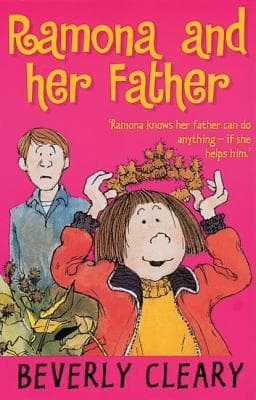
- Ramona and Her Father
Beverly Cleary
4.0 (28k) average on GoodreadsChildren'sCleary's Ramona series features more outwardly expressed emotions and conflicts, often with humorous and boisterous situations. Perkins' novel offers a more contemplative and introspective examination of growing up, focusing on internal processing rather than external, often comedic, events.
- Harry Potter and the Sorcerer's Stone
J.K. Rowling
4.5 (7M) average on GoodreadsFantasyRescued from a miserable life under the stairs, an orphaned boy discovers he's a wizard destined for a magical school, where he uncovers a dangerous secret tied to the dark wizard who murdered his parents.
- The Hobbit, or There and Back Again
J.R.R. Tolkien
4.3 (2.9M) average on GoodreadsFantasyA comfort-loving hobbit named Bilbo Baggins is whisked away by a mischievous wizard and a band of dwarves on an unexpected journey to reclaim stolen treasure from a fearsome dragon, discovering courage and a magical ring along the way.
- Harry Potter and the Goblet of Fire
J.K. Rowling
4.6 (2.6M) average on GoodreadsFantasyA bewildered Harry Potter, underage and thrust into a deadly Triwizard Tournament, must brave dragons, mermaids, and a resurgent dark magic to survive a year that will forever alter the wizarding world.
- Harry Potter and the Order of the Phoenix
J.K. Rowling
4.5 (2.5M) average on GoodreadsFantasyIn a year of oppressive secrets and the threat of Voldemort, Harry Potter and Dumbledore's Army secretly train for war, shown through Jim Kay and Neil Packer's dark illustrations.





Enjoyed the summary?
A summary gives you the shape of the book. The book itself has the detail, the examples and the voice.
Find All Alone in the Universe on AmazonAs an Amazon Associate, BookBrief earns from qualifying purchases. How we're funded