

Synopsis
Covers the whole plot, including the ending.
- Difficulty
- Medium
- Pacing
- Moderate
- Mood
- Heartbreaking, Poignant, Darkly Humorous, Reflective
- Read it if
- You appreciate literary fiction that explores profound grief, love, and mental illness with dark humor and raw honesty.
- Skip it if
- You prefer light-hearted reads or find themes of suicide and assisted death too distressing.
All My Puny Sorrows Plot Summary
Covers the whole plot, including the ending.
Hospitalization and Initial Plea
Yolandi 'Yoli' Von Riesen rushes to the hospital in Winnipeg after her older sister, Elfrieda 'Elf' Von Riesen, a famous concert pianist, attempts suicide again. Elf is recovering from an overdose and is under psychiatric care. Yoli finds Elf clear-headed but determined to die, expressing deep despair despite her successful career, loving husband, and seemingly perfect life. Elf immediately asks Yoli to help her travel to Switzerland, known for its assisted suicide clinics. Yoli finds this request both horrifying and heartbreaking. This first talk sets up the novel's main conflict: Yoli's desperate efforts to keep her sister alive against Elf's firm wish for death.
Family History and Shared Trauma
As Yoli spends time with Elf in the psychiatric ward, she often thinks about their past, especially their Mennonite upbringing in a small, isolated community in Manitoba. She remembers their artistic parents and the lasting impact of their father's suicide years ago. This shared trauma of their father's death weighs heavily on both sisters, subtly affecting Elf's current struggles and Yoli's strong resolve to prevent a similar outcome. Yoli also remembers their mother, Lottie, and her strength, as well as their brother, Joe, who lives in Europe. These memories show the family's complex history with mental illness and loss, explaining Elf's deep sadness.
The Swiss Plan and Moral Dilemma
Elf's wish to go to Switzerland becomes a constant demand, putting great pressure on Yoli. Elf carefully researches Dignitas and other clinics, showing Yoli brochures and arguments for her right to choose her own death. Yoli is torn between her love for her sister and her moral opposition to assisted suicide. She tries to reason with Elf, reminding her of her talent, her husband Nic, and the joy she brings to others. But Elf remains unyielding, describing her pain as unbearable and constant. This ethical dilemma forces Yoli to confront her own beliefs about life, death, and the limits of love and help.
Nic's Visit and Helplessness
Elf's loving husband, Nic, a kind and devoted man, visits her in the hospital. He is clearly upset and exhausted by Elf's ongoing depression and repeated suicide attempts. Nic expresses his deep love for Elf and his desperate wish for her to live, but also his growing helplessness. He tries to talk to Elf about her upcoming international piano tour, hoping to rekindle her passion for music, but Elf shows little interest. His visit highlights the deep pain Elf's condition causes those who love her, and the limits of their ability to 'fix' her illness, leaving Yoli feeling even more alone in her struggle.
Yoli's Personal Life and Distractions
Amidst the crisis with Elf, Yoli's own life continues its chaotic path. She is a divorced mother of two teenagers, Nora and Lou, struggling financially and dealing with a series of less-than-ideal romantic relationships. Her children are a constant source of worry and joy, and her ex-husband, Jake, calls frequently. Yoli's personal struggles—her own loneliness, her search for love, and her attempts to keep some order—contrast sharply with Elf's polished, outwardly successful life. These distractions show Yoli's resilience and her ability to find humor even in the darkest times, but also highlight the immense burden she carries.
Lottie's Strength and Acceptance
Lottie, Yoli and Elf's mother, visits the hospital, bringing her usual mix of stoicism, practical advice, and dark humor. Having lost her husband to suicide and faced many hardships, Lottie has a deep, if sometimes unsettling, acceptance of life's tragedies. While she deeply loves Elf and wants her to live, she also seems to understand Elf's pain in a way Yoli struggles with. Lottie's presence gives Yoli both comfort and a challenging perspective, making Yoli consider that Elf's desire for death might be a choice born of unbearable suffering, rather than just an illness to be cured.
The Escape Attempt and Re-admission
Driven by her firm wish to end her life, Elf tries to leave the psychiatric ward. Yoli, who often sleeps in the room or nearby, is briefly absent, allowing Elf to attempt her escape. She is quickly caught by hospital staff and brought back, further confirming the doctors' assessment of her severe suicidal intent. This incident shows how serious Elf's determination is and the constant watch needed to keep her safe. It also deeply upsets Yoli, making her feel the weight of responsibility even more and highlighting how futile her efforts are if Elf is so determined.
The Doctor's Dilemma
The medical team treating Elf, especially Dr. Schwartz, deals with the ethical complexities of her case. While they recognize Elf's deep depression, they also acknowledge her intelligence and her clear arguments for her right to die. The idea of 'capacity'—whether Elf is truly capable of making such a decision given her mental state—becomes a main point of discussion. The doctors hesitate to release her due to her high risk of suicide but also recognize the limits of involuntary treatment. This mirrors Yoli's own internal conflict, as she sees Elf's clarity alongside her despair.
A Glimmer of Hope and Relapse
There are brief, touching moments where the sisters connect through shared memories, humor, and their deep bond. They talk about books, music, and their childhood. Yoli holds onto these moments, seeing them as proof that Elf is still 'there' and has reasons to live. However, these glimmers of hope are always short-lived. Elf inevitably returns to her sole focus on dying, often with renewed intensity. Each return to despair crushes Yoli's spirit, making her question her efforts and the chance of ever truly saving her sister from her deep sadness.
The Final Request and Yoli's Decision
As Elf's condition remains unchanged and her resolve to die grows stronger, she makes a final, heartbreaking plea to Yoli to help her go to Switzerland. She argues that true love means respecting her independence and ending her suffering. Yoli is pushed to her absolute limit, facing the most terrifying decision of her life. She struggles with the idea of betraying her sister by keeping her alive against her will, versus the unimaginable grief of helping her die. The novel ends with Yoli's agonizing internal debate, leaving her on the edge of a choice that will forever change her life and the memory of her sister.
Life After Elf
The story moves to Yoli's life after Elf's eventual death by suicide. While the exact details of Elf's final moments are left somewhat unclear or happen off-page, Yoli is left to deal with the deep emptiness her sister's absence creates. She continues to raise her children, navigate her own relationships, and tries to make sense of the grief and the choices made. Yoli carries her sister's memory, her wit, and her struggles with her, finding ways to include the loss into her ongoing life. She reflects on love, sorrow, and the lasting bond between sisters, even in death.
Coping and Continuing On
After Elf's death, Yoli continues her journey, finding moments of lightness and connection amidst her sorrow. She reflects on life's absurdity, the beauty of everyday moments, and human resilience, often through her sister's sharp wit and their shared humor. Yoli learns to live with the unanswered questions and the lasting mark Elf left on her. She continues to write, to mother her children, and to engage with the world, showing how one can carry on with hope and love even when grief weighs on the heart, embodying the very meaning of the novel's title.
All My Puny Sorrows Characters
Yolandi 'Yoli' Von Riesen
Protagonist
The younger sister, struggling writer, and caregiver to Elfrieda.
Yoli is a divorced, broke, and somewhat messy writer in her forties, raising two teenagers. She is fiercely loyal, deeply empathetic, and possesses a sharp, self-deprecating wit that she uses to navigate life's absurdities and her own profound grief. Yoli is the primary narrator, offering a raw and intimate perspective on her sister's mental illness and her own struggles. She is driven by an overwhelming love for Elf and a desperate desire to keep her alive, even as she grapples with the moral complexities of assisted suicide.
Relationships: Elfrieda 'Elf' Von Riesen (Devoted, complex sisterly bond, caregiver/patient); Lottie Von Riesen (Daughter/mother, often exasperated but deeply loving); Nic (Sister-in-law, shared grief and concern for Elf); Nora and Lou (Mother/children, loving but sometimes chaotic); Jake (Ex-husband, co-parenting relationship)
Elfrieda 'Elf' Von Riesen
Antagonist (to life) / Protagonist (of her own suffering)
Yoli's older sister, a world-renowned concert pianist determined to end her life.
Elf is brilliant, beautiful, and immensely talented, a celebrated concert pianist who seemingly has everything. However, beneath the glamorous exterior lies a profound, unshakeable sorrow and a relentless desire to die. She is articulate, persuasive, and utterly resolute in her decision, often using her sharp intellect to argue for her right to choose her own death. Elf's suffering is depicted as an internal, almost philosophical burden rather than a simple illness, making her desire for death a central, unwavering force in the narrative.
Relationships: Yolandi 'Yoli' Von Riesen (Deeply loved sister, confidante, and desired facilitator of her death); Nic (Devoted husband, recipient of her love but unable to alleviate her suffering); Lottie Von Riesen (Daughter/mother, shares a complex family history of mental illness)
Lottie Von Riesen
Supporting
Yoli and Elf's resilient, eccentric mother.
Lottie is a strong, pragmatic, and often darkly humorous woman who has endured significant hardship, including the suicide of her husband. She possesses a unique blend of stoicism and earthy wisdom, offering Yoli advice that is both comforting and unsettling. Lottie loves her daughters deeply but also exhibits a quiet acceptance of life's tragedies, a perspective that challenges Yoli's desperate attempts to save Elf. Her experiences give her a profound understanding of mental anguish and loss, making her a grounding, albeit sometimes enigmatic, presence.
Relationships: Yolandi 'Yoli' Von Riesen (Mother/daughter, source of wisdom and occasional frustration); Elfrieda 'Elf' Von Riesen (Mother/daughter, understands Elf's pain in a unique way); Father (deceased) (Wife/husband, shared experience of his suicide)
Nic
Supporting
Elfrieda's devoted and long-suffering husband.
Nic is a kind, gentle, and utterly devoted husband to Elf. He loves her deeply and has tirelessly supported her through numerous periods of depression and suicide attempts. He is a constant presence in her life, willing to do anything to alleviate her suffering and keep her alive. However, he is also exhausted, helpless, and profoundly heartbroken by her unwavering desire to die. Nic represents the immense toll mental illness takes on loved ones, embodying both unwavering love and profound despair.
Relationships: Elfrieda 'Elf' Von Riesen (Husband/wife, deeply loving but strained by her illness); Yolandi 'Yoli' Von Riesen (Brother-in-law/sister-in-law, shares a common goal of saving Elf)
Nora
Supporting
Yoli's teenage daughter.
Nora is Yoli's older teenage daughter, often depicted as more grounded and responsible than her younger brother. She is intelligent and observant, and while she doesn't fully grasp the gravity of Elf's situation, she is aware of her mother's distress. Nora represents the continuing demands and joys of Yoli's 'normal' life, providing moments of levity and reminding Yoli of her responsibilities beyond her sister's crisis. Her presence highlights Yoli's role as a mother amidst her overwhelming personal struggles.
Relationships: Yolandi 'Yoli' Von Riesen (Daughter/mother, typical teenage dynamics); Lou (Sister/brother, typical sibling relationship)
Lou
Supporting
Yoli's teenage son.
Lou is Yoli's younger teenage son, often portrayed as more carefree and perhaps less aware of the family's deep-seated issues than Nora. He is a typical teenager, focused on his own interests and sometimes prone to mischief. Like Nora, Lou serves as a grounding force for Yoli, pulling her back to the mundane realities of everyday life and reminding her of the love and joy that still exist. His youthful energy provides a contrast to the heavy themes of depression and death.
Relationships: Yolandi 'Yoli' Von Riesen (Son/mother, typical teenage dynamics); Nora (Brother/sister, typical sibling relationship)
Dr. Schwartz
Supporting
Elfrieda's psychiatrist.
Dr. Schwartz is one of the psychiatrists treating Elf in the hospital. He represents the medical establishment's struggle to balance patient autonomy with the duty to preserve life, particularly in cases of severe depression. He is professional and compassionate but also bound by ethical guidelines and legal frameworks. Dr. Schwartz engages in difficult conversations with Yoli and Elf about Elf's capacity to make decisions about her own death, highlighting the complex moral and medical dilemmas inherent in her situation.
Relationships: Elfrieda 'Elf' Von Riesen (Doctor/patient, professional care and ethical challenge); Yolandi 'Yoli' Von Riesen (Doctor/family member, provides information and guidance)
Jake
Mentioned
Yolandi's ex-husband and father of her children.
Jake is Yoli's ex-husband, frequently mentioned in the narrative through phone calls and co-parenting discussions. While not a central character, he represents Yoli's ongoing responsibilities and the remnants of her past relationships. His interactions with Yoli often highlight her financial struggles and her attempts to maintain a stable environment for her children amidst the chaos of Elf's illness. He is a practical, if sometimes frustrating, presence in Yoli's life.
Relationships: Yolandi 'Yoli' Von Riesen (Ex-husband/ex-wife, co-parenting relationship)
All My Puny Sorrows Themes
The Right to Choose Death vs. The Will to Live
This is the novel's main conflict, shown through Elf's firm wish to die and Yoli's desperate attempts to keep her alive. The book explores the ethical and moral difficulties of assisted suicide, asking if love means preserving life at all costs or respecting a person's choice when facing unbearable suffering. Elf's clear arguments for her right to choose, contrasted with Yoli's gut-wrenching pleas, make the reader confront difficult truths about mental illness, personal freedom, and the limits of intervention. The family's history of suicide further complicates this theme, suggesting a generational struggle with life's value amidst pain. For example, Elf's careful research into Swiss clinics shows her logical approach to an emotional decision.
“I hate life, Yoli. I hate it. I hate it, I hate it, I hate it.”
Grief and Loss
Grief fills the novel, not only in the immediate context of Elf's coming death but also in the lingering shadow of their father's suicide. Yoli feels anticipatory grief, mourning her sister while she is still alive, and later deals with the deep emptiness left by her absence. The book explores the many sides of grief—its numbness, its sudden sharp pains, its absurdity, and its eventual place in daily life. The family's shared history of loss shapes how they each cope, with Lottie's stoicism contrasting with Yoli's more open, humorous, yet deeply pained processing. This theme is clear in Yoli's thoughts about their father's death and her determination to prevent a similar outcome for Elf.
“All my puny sorrows,” I said. “They are so puny compared to yours.”
The Enduring Power of Sisterly Love
Despite the great pain and the basic disagreement about Elf's wish to die, the bond between Yoli and Elf remains the novel's emotional heart. Their love is fierce, unconditional, and deeply rooted in shared history, humor, and understanding. Yoli's willingness to sacrifice her own well-being and face her deepest fears for Elf shows the deepness of this connection. Even in their darkest moments, their shared language, inside jokes, and mutual affection shine through, showing that love can last even when facing overwhelming despair and seemingly impossible differences. This is clear in their shared childhood memories and how they communicate through subtle hints.
“I would have gone with her, to the end of the world, if she had asked me to stay.”
Humor as a Coping Mechanism
Miriam Toews expertly weaves dark humor and wit throughout the story, even in the most tragic situations. Yoli uses humor as a shield, a weapon, and a way to connect, both with Elf and with the reader. This gallows humor helps the characters deal with the unbearable weight of Elf's depression and their family's history of loss. It highlights the absurdity of life and death, providing moments of lightness that make the deep sorrow more bearable and relatable. The sisters' shared wit shows their bond and is a strong tool for survival, as seen in their banter inside the psychiatric ward.
“I’m not trying to be dramatic, Yoli, but I’m going to die.” She said. “And I’m going to take you with me.”
The Limits of Love and Intervention
The novel explores the limits of what love can achieve when faced with severe mental illness. Yoli's love for Elf is endless, yet it cannot 'cure' her sister's despair or change her will. The book asks how much one can—or should—intervene in another's suffering, and when love must become acceptance, even of a painful choice. This theme is shown in Yoli's agonizing internal struggle and the helplessness felt by Nic and Lottie, highlighting that some battles, especially against deep internal suffering, cannot be won by external love alone. This is clear in Yoli's final realization that she cannot force Elf to live.
“Maybe it was impossible to love someone out of their suffering.”
Plot Devices & Literary Techniques
First-Person Narrative (Yolandi's Voice)
The story is told entirely through the subjective, witty, and deeply emotional perspective of Yolandi.
Yoli's first-person narration is crucial to the novel's impact. Her distinctive voice—characterized by its self-deprecating humor, raw honesty, and profound love—draws the reader intimately into her experience of caring for a suicidal sister. This subjective lens allows for direct access to her internal conflicts, her memories, and her attempts to make sense of the senseless. It also creates a sense of immediacy and personal connection, making the reader a confidante in her desperate struggle and ethical dilemma, ensuring the emotional weight of the story is fully felt through her eyes.
Flashbacks and Memory
Interspersed memories of the sisters' childhood and family history.
The narrative frequently shifts between the present-day hospital setting and Yoli's vivid recollections of her and Elf's upbringing in a Mennonite community, their eccentric parents, and their father's suicide. These flashbacks provide essential context for Elf's current state and the sisters' deep bond. They reveal the family's history with mental illness, their unique cultural background, and the shared experiences that shaped them. This device deepens the reader's understanding of the characters' motivations and the generational patterns of sorrow and resilience, showing how past traumas continue to influence present choices.
Dark Humor and Wit
The use of comedic dialogue and internal monologue amidst tragic circumstances.
Despite its heavy subject matter, the novel is infused with dark humor, particularly through Yoli's witty observations and the sisters' banter. This device serves multiple functions: it acts as a coping mechanism for the characters, allowing them to momentarily escape the gravity of their situation; it provides much-needed emotional relief for the reader; and it underscores the absurdity and paradoxes inherent in life and death. The humor prevents the narrative from becoming solely bleak, highlighting the resilience of the human spirit and the ways people find light even in the darkest corners of existence, making the sorrow more poignant by contrast.
The 'Switzerland' Motif
Elf's persistent desire to travel to Switzerland for assisted suicide.
The repeated mention of Switzerland and its assisted suicide clinics functions as a powerful, ever-present symbol of Elf's unwavering resolve and the ethical dilemma facing Yoli. It is not just a geographical location but a conceptual destination representing freedom, control, and the ultimate escape from suffering. This motif constantly reminds the reader of the central conflict and the profound choice Elf is demanding. It underscores the rational, almost bureaucratic, approach Elf takes to her death, contrasting sharply with Yoli's emotional resistance and highlighting the stark realities of end-of-life choices.
All My Puny Sorrows Quotes
“I will love you and you will not die.”
“The problem with having a sister is that you're stuck with someone who knows all your secrets, even the ones you haven't told her yet.”
“There are some things you just can't fix, no matter how much you want to.”
“When you're a child, you think your parents are everything. When you're an adult, you realize they're just people, and sometimes they're broken people.”
“How do you explain to someone who has never been there that the world is a different colour when you are depressed?”
“Maybe the only way to really love someone is to let them be who they are, even if it breaks your heart.”
“We are all just trying to make it through, hoping for a little grace.”
“Grief is a house with a thousand rooms, and you can get lost in any one of them.”
“The world keeps turning, even when you wish it would stop.”
“Sometimes the only thing you can do for someone is to hold their hand and sit with them in the dark.”
“You can't save someone who doesn't want to be saved.”
“There's a difference between wanting to die and not wanting to live.”
“We were sisters, and that meant we were always connected, no matter what.”
“I think maybe the only courage we ever really need is the courage to be ourselves, even when we're falling apart.”
Quiz
10 questions on the plot and the characters. Each answer comes with a short explanation.
Question 1
What is Elfrieda's profession?
- A world-renowned author
- A celebrated painter
- A world-renowned pianist
- A successful business executive
Show answer
C. A world-renowned pianist Elfrieda is described as a world-renowned pianist, a key detail about her character's public life.
Question 2
What is Yolandi's primary goal regarding her sister, Elfrieda?
- To help Elfrieda achieve even greater musical success
- To convince Elfrieda to move closer to her
- To desperately keep her older sister alive
- To manage Elfrieda's international tour
Show answer
C. To desperately keep her older sister alive The synopsis explicitly states that Yolandi 'desperately wants to keep her older sister alive' in contrast to Elf's desire to die.
Question 3
Despite her success, what is Elfrieda's central internal conflict?
- She struggles with stage fright before her performances.
- She wants to die, despite her seemingly perfect life.
- She is unhappy with her husband and wants a divorce.
- She desires to retire from music but feels obligated to continue.
Show answer
B. She wants to die, despite her seemingly perfect life. The synopsis clearly states that Elfrieda, despite being 'glamorous, wealthy, happily married,' 'wants to die.'
Question 4
What is the immediate professional concern following Elfrieda's latest suicide attempt?
- Her record label canceling her contract.
- The opening of her highly anticipated international tour is three weeks away.
- Her agent is trying to find her a new musical director.
- She needs to record a new album immediately.
Show answer
B. The opening of her highly anticipated international tour is three weeks away. The text mentions that Elf's latest suicide attempt is a shock because 'she is three weeks away from the opening of her highly anticipated international tour.'
Question 5
How is Yolandi's personal life generally depicted?
- Stable and fulfilling, providing a contrast to Elfrieda's struggles.
- A 'beguiling mess,' struggling with divorce, finances, and relationships.
- Focused entirely on her career, with little time for personal relationships.
- She is happily remarried and financially secure.
Show answer
B. A 'beguiling mess,' struggling with divorce, finances, and relationships. Yolandi is described as a 'beguiling mess, wickedly funny even as she stumbles through life struggling to keep her teenage kids and mother happy, her exes from hating her, her sister from killing herself and her own heart from breaking.'
Question 6
What significant decision does Yolandi face as the situation with Elfrieda escalates?
- Whether to take over Elfrieda's piano tour.
- The most terrifying decision of her life regarding her sister.
- If she should move to a new city for a fresh start.
- To write a tell-all book about her family's struggles.
Show answer
B. The most terrifying decision of her life regarding her sister. The summary states, 'As the situation becomes ever more complicated, Yoli faces the most terrifying decision of her life.' This hints at a difficult choice concerning her sister's fate.
Question 7
What does the phrase 'childhood becomes a new country of adult commitments and responsibilities' imply about one of the novel's themes?
- The sisters are physically relocating to a new country.
- The novel explores the challenges of transitioning from youthful innocence to the burdens of adulthood.
- The sisters are trying to relive their childhood in a different setting.
- It suggests a literal journey to find a new home.
Show answer
B. The novel explores the challenges of transitioning from youthful innocence to the burdens of adulthood. This metaphorical phrase highlights the theme of growing up and facing the profound challenges and obligations that come with adult life, particularly in the context of family relationships.
Question 8
How does Miriam Toews's writing style contribute to the novel's impact, as described in the summary?
- Through a purely academic and detached narrative voice.
- By focusing solely on the tragic aspects of the story.
- By mingling laughter and heartwrenching poignancy.
- Through extensive use of abstract philosophical discussions.
Show answer
C. By mingling laughter and heartwrenching poignancy. The summary praises Toews's 'irresistible voice, for mingling laughter and heartwrenching poignancy like no other writer.'
Question 9
What is the central paradox presented by Elfrieda's character?
- She is a skilled musician but hates performing.
- She is outwardly successful, glamorous, wealthy, and happily married, yet she wants to die.
- She loves her sister but constantly pushes her away.
- She desires solitude but thrives on public attention.
Show answer
B. She is outwardly successful, glamorous, wealthy, and happily married, yet she wants to die. The paradox lies in her seemingly perfect external life ('world-renowned pianist, glamorous, wealthy, happily married') contrasting sharply with her internal desire to die.
Question 10
The novel is said to offer a profound reflection on 'the limits of love.' What does this theme likely explore within the context of the sisters' relationship?
- How love can overcome all obstacles, no matter how severe.
- The boundaries of what one person can do to save another, especially when mental illness is involved.
- The idea that love is only possible between family members.
- How love can be easily lost over time due to petty arguments.
Show answer
B. The boundaries of what one person can do to save another, especially when mental illness is involved. Given Elfrieda's desire to die and Yolandi's desperate attempts to save her, 'the limits of love' likely explores the agonizing reality that love, however strong, may not always be enough to 'save' someone from their own internal struggles, particularly severe mental health issues.
All My Puny Sorrows FAQ
What is the central conflict in 'All My Puny Sorrows'?
The central conflict revolves around Yolandi's desperate attempts to keep her sister, Elfrieda, alive, while Elf, a world-renowned pianist, is determined to end her life. Yoli struggles with the moral and emotional burden of assisting Elf in her desire for physician-assisted suicide, navigating her own life's chaos amidst this profound dilemma.
Who are the two main sisters, and what are their primary characteristics?
The two main sisters are Elfrieda (Elf), a brilliant and successful concert pianist who is profoundly depressed and suicidal, and Yolandi (Yoli), a struggling writer, divorced mother, and the more grounded, albeit chaotic, sister. Elf is elegant and celebrated, while Yoli is witty, self-deprecating, and fiercely loyal, often using humor to cope with her difficult circumstances.
What specific events lead to Elf's latest hospitalization?
Elf's latest hospitalization is a direct result of another suicide attempt, occurring just three weeks before the highly anticipated opening of her international piano tour. This attempt plunges Yoli into a crisis, as she tries to manage Elf's care while also dealing with Elf's agent and husband.
How does the novel explore the theme of physician-assisted suicide?
The novel explores physician-assisted suicide through Elf's unwavering desire to seek it in Switzerland, a country where it is legal. Yoli is torn between her love for Elf and her moral objections, as well as the societal and personal implications of helping her sister achieve this goal. This exploration delves into the ethical complexities and the emotional toll on family members.
What role does humor play in the narrative, especially given the dark subject matter?
Humor, often dark and self-deprecating, is a crucial coping mechanism for Yoli and a defining characteristic of her narrative voice. It provides moments of levity and allows the reader to connect with the characters' humanity amidst profound grief and despair, preventing the story from becoming solely bleak.
Are there any parallels between Elf's and Yoli's father's fate and Elf's desire to die?
Yes, there are strong parallels. Their father also died by suicide, and Elf's persistent suicidal ideation echoes this family history, suggesting a potential genetic or learned component to their struggles with mental health. This shared trauma deeply impacts Yoli's fear and determination to save Elf.
How does Elf's musical genius connect to her mental health struggles?
Elf's musical genius is portrayed as both a source of immense beauty and a potential contributor to her isolation and heightened sensitivity, which may exacerbate her mental health struggles. Her profound artistry seems intertwined with a deep internal suffering, making her a complex and tragic figure.
What is the significance of the title, 'All My Puny Sorrows'?
The title, 'All My Puny Sorrows,' is taken from a line in a Samuel Taylor Coleridge poem and underscores the idea that individual suffering, no matter how immense, might be perceived as small in the grand scheme of existence. It highlights the subjective nature of pain and the difficulty others face in truly understanding another's despair.
How do childhood memories influence Elf and Yoli's adult relationship?
Childhood memories profoundly shape their adult relationship, often serving as a foundation of their deep bond, shared humor, and understanding. These memories, both joyful and traumatic, provide context for their current struggles and reinforce Yoli's unwavering love and commitment to her sister, even in the face of Elf's desire to die.
How does the novel portray the psychological burden on caregivers of individuals with severe depression?
The novel vividly portrays the immense psychological burden on caregivers, particularly through Yoli's experience. She grapples with exhaustion, guilt, moral dilemmas, and the constant fear of losing her sister, all while trying to maintain her own precarious life. Her internal monologue reveals the emotional toll of witnessing a loved one's suffering and their desire to die.
What insight does the book offer into the mind of someone experiencing suicidal ideation like Elfrieda?
While primarily told from Yoli's perspective, the book offers glimpses into Elf's mind through her conversations and letters, revealing a profound and persistent weariness with life, not necessarily a desire to die as much as a desire for the pain to stop. It suggests a rational, albeit devastating, choice for Elf, born out of an unbearable internal suffering rather than a sudden impulse.
How does Yoli's own struggles with relationships and self-worth impact her ability to help Elf?
Yoli's own struggles with failed relationships, financial instability, and a sense of being 'a mess' paradoxically strengthen her empathy and determination to help Elf. Her personal vulnerabilities make her more relatable and highlight her profound capacity for unconditional love, even as her own chaotic life adds layers of stress to her caregiving role.
What is the psychological impact of repeated suicide attempts on the family, as depicted in the novel?
The novel depicts the devastating psychological impact of repeated suicide attempts on the family, leading to chronic anxiety, trauma, and a constant state of vigilance. Yoli and her mother live with the perpetual fear of loss, the exhaustion of intervention, and the emotional scarring from previous attempts, creating a cycle of grief and worry.
Does the book ultimately endorse or condemn physician-assisted suicide?
The book does not offer a definitive endorsement or condemnation of physician-assisted suicide. Instead, it presents the complex ethical and emotional landscape surrounding the issue through the deeply personal and agonizing experience of Yoli and Elf. It forces readers to confront the nuances and human cost without dictating a moral stance.
How does the ending of the novel resolve the central conflict, or does it leave it ambiguous?
The ending of the novel resolves the central conflict in a way that is both heartbreaking and reflective of the book's complex themes. It culminates in Yoli making the agonizing decision to accompany Elf to Switzerland, ultimately honoring her sister's wishes. While it provides a resolution to Elf's immediate struggle, it leaves readers contemplating the profound emotional aftermath for Yoli and the enduring questions surrounding love, choice, and suffering.
What is the 'terrifying decision' Yoli faces, as mentioned in the synopsis?
The 'terrifying decision' Yoli faces is whether to actively assist her sister Elfrieda in her quest for physician-assisted suicide in Switzerland. This choice forces Yoli to confront her deepest moral beliefs, her love for Elf, and the profound implications of helping someone she loves end their life, creating immense internal conflict.
How does the novel challenge conventional notions of 'happiness' and 'success'?
The novel challenges conventional notions of happiness and success by presenting Elfrieda, a world-renowned, glamorous, and wealthy pianist, as profoundly unhappy and suicidal. This stark contrast forces readers to reconsider external achievements against internal suffering, highlighting that outward success does not equate to inner peace or joy, and often masks deep pain.
About the author

Miriam Toews is a Canadian author known for her fiction that often explores themes of family, mental health, and community. Her notable works include "A Complicated Kindness," which reflects on Mennonite life, "All My Puny Sorrows," a poignant examination of sisterhood and suicide, and "Irma Voth," a story about a young woman's struggle for autonomy.
Similar books
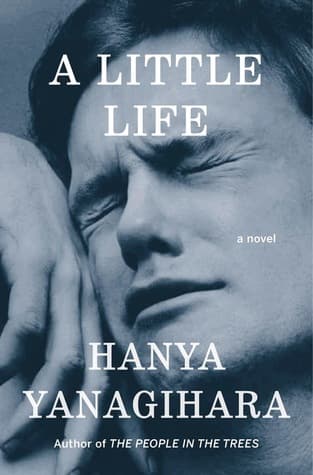
- A Little Life
Hanya Yanagihara
4.3 (212k) average on GoodreadsLiterary FictionExplores deep, complex relationships and profound suffering with unflinching honesty.
- The Bell Jar
Sylvia Plath
4.0 (591k) average on GoodreadsPsychologyOffers an intimate, first-person account of mental illness and suicidal ideation.
- Gilead (Oprah's Book Club)
Marilynne Robinson
3.9 (126k) average on GoodreadsFictionFeatures beautiful prose and deep philosophical reflections on life, death, and faith, though with a different thematic focus.
- The Old Man and the Sea
Ernest Hemingway
3.8 (831k) average on GoodreadsLiterary FictionA Cuban fisherman's long struggle with a giant marlin becomes a story of endurance and dignity, now retold for young adults with illustrations, phonetic guides, and writing prompts in Traditional Chinese.
- One Hundred Years of Solitude
Gabriel García Márquez
4.1 (753k) average on GoodreadsLiterary FictionThrough the multi-generational story of the Buendía family, a mythical town deals with the repeating patterns of time, love, and solitude, as the extraordinary mixes with the ordinary.
- The Goldfinch
Donna Tartt
3.9 (720k) average on GoodreadsLiterary FictionHaunted by a tragic explosion and clutching a stolen Dutch masterpiece, a young orphan navigates the opulent drawing rooms of New York and the gritty underbelly of the art world, desperately seeking connection and redemption amidst a life spiraling into crime and obsession.




Enjoyed the summary?
A summary gives you the shape of the book. The book itself has the detail, the examples and the voice.
Find All My Puny Sorrows on AmazonAs an Amazon Associate, BookBrief earns from qualifying purchases. How we're funded