

Synopsis
Covers the whole plot, including the ending.
- Difficulty
- Medium
- Pacing
- Moderate
- Mood
- Atmospheric, Melancholy, Reflective, Resilient
- Read it if
- You enjoy historical fiction set in unique American frontier landscapes, with a focus on family drama and the lasting impact of trauma.
- Skip it if
- You prefer fast-paced plots or shy away from stories dealing with alcoholism, grief, and family dysfunction.
At the Edge of the Orchard Plot Summary
Covers the whole plot, including the ending.
The Black Swamp and the Goodenough Orchard
In 1838, James and Sadie Goodenough, with their nine children, try to establish an apple orchard in the malarial Black Swamp of Ohio. Their lives are full of hard work, the constant threat of disease, and the isolation of the frontier. James, careful and patient, focuses on growing sweet eating apples, dreaming of a stable future. Sadie, however, is increasingly bitter and drinks applejack made from 'spitter' apples, finding comfort in its numbing effects. The swamp takes a heavy toll, as fever and illness claim their children one by one, widening the gap between James and Sadie and creating despair within the family.
A Family Divided by Grief and Alcohol
As more of their children die from swamp fever, the Goodenough household falls into a cycle of grief, blame, and anger. Sadie's drinking increases, making her unstable and neglectful, especially towards her youngest son, Robert. James, though outwardly calm, retreats into his work in the orchard, finding more comfort in his trees than in his wife. The remaining children, including Martha, Caleb, and young Robert, see their parents' broken relationship, experiencing a childhood without warmth or security, shaped by constant tension and the presence of death.
Robert's Escape from the Swamp
The breaking point for the Goodenough family comes with the death of Martha, the eldest daughter, followed by a violent fight between James and Sadie. Consumed by rage and alcohol, Sadie accidentally sets fire to their cabin, burning it down. After this, a deeply traumatized Robert, now a young man, decides to leave the swamp. Haunted by the memories of his lost siblings and his parents' damaged marriage, he heads west, seeking to escape the suffocating past and the inescapable mud that symbolizes his origins.
Journey to California
Robert's journey west takes him through various states and experiences, showing the rapid changes in America in the mid-19th century. He works odd jobs, meets different people, and learns to take care of himself. His path eventually leads him to the Gold Rush in California, a place of opportunity and chaos. He carries the emotional weight of his past, with images of his family and the Black Swamp always beneath the surface, even as he tries to create a new identity for himself far from Ohio.
Life in Gold Rush California
Arriving in California around 1853, Robert first tries gold panning, but the hard work and poor prospects are discouraging. He moves between various jobs, experiencing the harsh realities of the Gold Rush towns, filled with transient people, gambling, and violence. Despite the excitement and potential for wealth, Robert remains an outsider; his quiet nature and past traumas make it hard for him to fit in or find lasting connections. He constantly seeks purpose and stability, a sharp contrast to the chaotic environment around him.
A New Calling: Plant Collecting
Robert's luck changes when he takes a job helping a British plant collector named William Lobb, who is cataloging and sending back samples of California's unique plants. This work gives Robert a sense of structure and meaning he has not had since leaving the swamp. He develops a keen eye for plants, learning about their properties and how they grow. This connection to nature, especially the majestic sequoia trees, offers him a surprising sense of peace and a way to use his deep connection to the earth, like his father's love for his apple trees.
The Arrival of the Sisters
Just as Robert begins to find some stability and contentment with Lobb, his past dramatically re-enters his life. His older sisters, Martha and Caleb (though Martha is actually deceased and Caleb is a woman), arrive in California, having also fled the Black Swamp. Their unexpected appearance forces Robert to confront the memories and unresolved traumas he has tried so hard to outrun. The sisters bring news of their parents and the family's continued decline, shattering Robert's fragile peace and making him realize that he cannot truly escape his origins.
Confrontation and Revelation
The reunion with his sisters is full of tension and long-held resentments. Robert learns more about how his family fell apart after he left, and the continued struggles of James and Sadie. Through their talks, the full weight of their shared history and the true nature of the tragedy that drove them apart come to light. Robert is forced to relive the pain of his childhood and confront the brutal reasons for his flight, including unresolved grief and the impact of his mother's alcoholism on their lives. He learns that Martha, his eldest sister, died from a fever, not the fire he associated with his mother.
The Weight of the Past
The revelations about his family's past, particularly Martha's true fate and the lasting impact of his mother's addiction and his father's quiet withdrawal, weigh heavily on Robert. He struggles with guilt, regret, and the realization that his escape, while necessary for his survival, left deep wounds. The memories of the Black Swamp, the mud, the apple trees, and the constant presence of death resurface with new intensity. He must decide whether to continue running from his past or to finally acknowledge and reconcile with the broken pieces of his family history.
The Return to the Orchard
After much internal struggle and at his sisters' urging, Robert makes the difficult journey back to the Black Swamp in Ohio. He knows that he cannot truly move forward until he confronts his parents and the place that shaped him. This return is not just a physical journey but an emotional one, forcing him to face the ghosts of his past directly. He hopes to find some closure, understanding, and perhaps even forgiveness, as he prepares to step back into the world he desperately tried to leave behind, now carrying the wisdom and experiences gained from his time in California.
Reconciliation and Legacy
Robert finds his parents still living in the swamp, though much changed by time and hardship. His father, James, is frail but still dedicated to his apple trees, which show his resilience. Sadie, his mother, is a shadow of her former self, ravaged by alcohol and regret. Robert has difficult, long-overdue conversations with both of them, seeking answers and offering his own perspective on their shared history. He comes to understand the sacrifices, the failures, and the enduring love that, despite everything, bound his family together, and begins to accept the complex legacy of the Goodenough orchard and his own place within it.
Principal Figures
Robert Goodenough
Protagonist
The youngest Goodenough son who flees the Black Swamp to escape his traumatic past.
Robert is a sensitive and observant young man, deeply affected by the constant death and conflict within his family in the Black Swamp. He carries the weight of his past, particularly the images of his lost siblings and his parents' fractured marriage. His journey west is an attempt to outrun these traumas, but he remains haunted by them. He finds solace in the natural world, first with his father's apple trees and later with William Lobb's plant collecting. He is quiet, resilient, and possesses a deep yearning for peace and belonging.
Relationships: James Goodenough (Son, seeking understanding of his stoic father); Sadie Goodenough (Son, deeply affected by her alcoholism and seeking reconciliation); William Lobb (Employer and mentor who offers Robert a sense of purpose); Martha Goodenough (Deceased elder sister, a source of grief and trauma); Caleb Goodenough (Sister, who helps him confront their shared past)
James Goodenough
Supporting
Robert's father, a hardworking and stoic farmer dedicated to his apple orchard.
James is a man of the earth, patient and methodical, whose life revolves around his apple trees in the Black Swamp. He believes in hard work and the long-term vision of cultivating an orchard, seeing it as a way to claim his place and provide for his family. He is stoic and emotionally reserved, often retreating into his work rather than confronting the emotional turmoil in his household. His love for his trees is his primary solace, and he struggles to connect with his wife and children amidst the hardships and tragedies they face.
Relationships: Sadie Goodenough (Husband, deeply strained and distant relationship due to grief and her alcoholism); Robert Goodenough (Father, with whom he has a distant but foundational connection through their shared love of plants)
Sadie Goodenough
Supporting
Robert's mother, who succumbs to alcoholism and despair in the harsh Black Swamp.
Sadie is a spirited woman whose initial hopes for a better life are crushed by the relentless hardships of the Black Swamp and the successive deaths of her children. She finds solace in applejack, which gradually consumes her, turning her bitter, volatile, and neglectful. Her alcoholism creates a toxic environment for her family and drives a wedge between her and James. Despite her flaws, she is a tragic figure, a victim of circumstance and her own inability to cope with profound grief.
Relationships: James Goodenough (Wife, deeply strained and hostile relationship); Robert Goodenough (Mother, whose actions deeply traumatize Robert)
William Lobb
Supporting
A British plant collector who employs Robert in California.
William Lobb is a real-life Victorian plant hunter, depicted as a disciplined, knowledgeable, and somewhat eccentric botanist. He is dedicated to his mission of discovering and collecting new plant species from California to send back to England. He provides Robert with a stable job and introduces him to the world of botany, offering him a new perspective and purpose. Lobb is observant and pragmatic, recognizing Robert's quiet strengths and his natural affinity for plants.
Relationships: Robert Goodenough (Employer and mentor, providing Robert with guidance and a new skill set)
Caleb Goodenough
Supporting
Robert's elder sister who seeks him out in California.
Caleb is one of Robert's elder sisters, who, along with another sister (Martha), travels to California to find him. She is practical, resilient, and carries the burden of their shared family history. Caleb is instrumental in forcing Robert to confront his past and provides him with crucial information about what happened to their parents after he left. She is determined to hold their fractured family together, even if it means dredging up painful memories.
Relationships: Robert Goodenough (Sister, who helps him confront their shared past); James Goodenough (Daughter, carrying the weight of their family's decline); Sadie Goodenough (Daughter, deeply affected by her mother's alcoholism)
Martha Goodenough
Supporting
Robert's eldest sister, whose death profoundly impacts the family.
Martha is the eldest Goodenough child, initially a figure of comfort and responsibility for her younger siblings. Her death from swamp fever is a pivotal tragedy that further unravels the family, pushing Sadie deeper into alcoholism and solidifying Robert's desire to escape. For much of the story, Robert carries a distorted memory of her death, intertwining it with the fire his mother caused. Her actual fate is a key revelation for Robert.
Relationships: Robert Goodenough (Elder sister, a protective figure whose death deeply traumatizes him)
Themes & Insights
The Weight of the Past and the Impossibility of Escape
The novel shows that one cannot truly escape their origins or past traumas. Robert flees the Black Swamp, traveling across the continent, but the memories and emotional scars of his childhood follow him. His work with William Lobb in California, while offering peace, eventually leads him to confront his past when his sisters appear. The 'mud' of the swamp is a recurring image for the inescapable nature of his roots, showing that true healing requires confrontation and reconciliation, not just physical distance. This is clear when Robert, despite finding a new life, feels compelled to return to Ohio.
“The mud never really left you. It dried on your boots, and you could scrape it off, but it was always there, waiting to stick again.”
Man vs. Nature and the American Frontier
The Black Swamp itself is a strong character, representing the harsh, untamed American frontier and nature's indifference to human ambition. The Goodenough family's struggle to create a life and an orchard in this unforgiving landscape highlights the challenges of westward expansion. Nature provides both sustenance (the apples) and destruction (fever, the swamp's relentlessness). James's patient cultivation of trees contrasts with Sadie's surrender to the swamp's brutal reality, seen in her alcoholism. Robert's later connection to the giant sequoias in California further emphasizes humanity's smallness against the grandeur and power of the natural world.
“The swamp didn't care what you wanted. It just took what it took.”
Grief, Trauma, and Addiction
The novel looks at the devastating impact of unaddressed grief and trauma on a family. The repeated deaths of the Goodenough children create a cumulative trauma that tears James and Sadie apart. Sadie's alcoholism is a direct response to her inability to cope with this deep loss, and her addiction, in turn, harms her surviving children, especially Robert. The story shows how these unhealed wounds fester and shape the characters' lives for decades, highlighting the destructive cycle that can result from unresolved pain. Robert's journey is ultimately one of healing from these deep-seated wounds.
“Grief was like the mud – it clung to you, no matter how hard you tried to shake it off.”
The Enduring Legacy of Family
Despite the brokenness and dysfunction, the novel explores the powerful and often inescapable legacy of family. Robert's journey is driven by a desire to understand and reconcile with his family's past, even as he tries to distance himself from it. The apple orchard, planted by James, is a clear symbol of this legacy – showing endurance, hope, and the deep roots that bind them, regardless of physical distance or emotional separation. The return to the orchard signifies Robert's acceptance of his heritage and the complex, intertwined nature of his identity with his family's story.
“An orchard was a promise. A promise to the future, even if the present was nothing but mud and misery.”
Plot Devices & Literary Techniques
The Goodenough Apple Orchard
A central symbol of hope, perseverance, and the family's deep roots.
The apple orchard is more than just a setting; it's a powerful symbol throughout the novel. For James, it represents his enduring hope, his connection to the land, and his legacy. The 'eaters' symbolize his desire for sweetness and a stable future, while Sadie's 'spitters' represent bitterness and despair. The orchard's growth and decline mirror the family's fortunes. It serves as a physical manifestation of their struggles and their resilience, and ultimately, the place Robert must return to confront his origins.
Mud as Metaphor
Symbolizes the inescapable, clinging nature of the past and trauma.
The pervasive mud of the Black Swamp is a recurring motif and metaphor. It physically marks the characters, stains their clothes, and impedes their movement, symbolizing the inescapable grip of their past and the trauma of their childhood. Robert constantly tries to shed the mud, just as he tries to shed his memories of the swamp. It represents the dirt, the difficulty, and the indelible mark that his origins leave on him, no matter how far he travels or how clean he tries to make his new life.
The Journey West
A classic American narrative arc representing escape, self-discovery, and the search for a new identity.
Robert's journey from Ohio to California is a classic 'journey west' narrative, embodying the American ideal of escaping the past and reinventing oneself on the frontier. However, for Robert, it's not simply about opportunity; it's a desperate flight from trauma. His travels allow him to gain new experiences, meet diverse people, and develop a new skill set (plant collecting), contributing to his personal growth. Yet, the journey ultimately proves that physical distance cannot erase the past, leading him to a deeper, internal journey of reconciliation.
The Giant Sequoias
Symbols of ancient wisdom, endurance, and the vastness of nature.
When Robert works with William Lobb in California, he encounters the giant sequoia trees. These ancient, massive trees stand in stark contrast to the small, cultivated apple trees of his childhood. They symbolize a deeper, more enduring connection to nature, offering Robert a sense of perspective and peace. Their immense age and resilience represent a kind of timeless wisdom and a connection to something larger than individual human suffering, providing a quiet solace that helps him process his own deep-seated pain.
At the Edge of the Orchard Quotes
“The trees were silent witnesses, their branches reaching up like skeletal fingers.”
“There's a fine line between a dream and a delusion.”
“Mud was the currency of our lives, paid out in endless toil.”
“Some trees you prune, some you leave to grow wild. People are much the same.”
“The future was a dark, tangled forest, and we were lost within it.”
“You can't outrun your own shadow, no matter how fast you go.”
“Gold fever makes fools of us all, but apple fever, that's a slower, more insidious poison.”
“Every apple has a worm, if you look close enough.”
“The wilderness doesn't care about your plans. It just is.”
“Home is not a place, but a feeling you carry with you.”
“Silence can be louder than any shout, if you know how to listen.”
“To plant a tree is to believe in tomorrow.”
“The scent of apples clung to everything, a sweet, sickly reminder of what we were and what we could never escape.”
“Sometimes you have to let go of what you think you want to find what you truly need.”
Quiz
10 questions on the plot and the characters. Each answer comes with a short explanation.
Question 1
In what year do James and Sadie Goodenough settle in the Black Swamp, Ohio?
- 1828
- 1838
- 1848
- 1853
Show answer
B. 1838 The book explicitly states that James and Sadie Goodenough settled in the Black Swamp, Ohio in 1838.
Question 2
What kind of trees do James and Sadie plant to claim their land in the Black Swamp?
- Oak trees
- Maple trees
- Apple trees
- Cherry trees
Show answer
C. Apple trees The core of their settlement and livelihood revolves around planting apple trees.
Question 3
What does Sadie Goodenough drink for solace, made from 'spitters'?
- Cider
- Whiskey
- Applejack
- Wine
Show answer
C. Applejack Sadie takes solace in getting drunk on applejack, which is explicitly mentioned as being made from 'spitters'.
Question 4
What specific event causes the Goodenoughs to lose several of their children in the Black Swamp?
- A flood
- A famine
- Fever
- Animal attacks
Show answer
C. Fever The harsh life in the swamp is highlighted by fever picking off their children.
Question 5
Fifteen years after the initial settlement, where is Robert, the youngest Goodenough son, drifting?
- New York City
- Gold Rush California
- The Louisiana Territory
- Texas
Show answer
B. Gold Rush California Robert is found drifting through Gold Rush California, fifteen years after the events in Ohio.
Question 6
What type of work does Robert Goodenough find in California that offers him a semblance of peace?
- Gold mining
- Logging
- Working for a plant collector
- Running a saloon
Show answer
C. Working for a plant collector Robert finds steady work for a plant collector, which brings him a sense of peace.
Question 7
What theme does the novel primarily explore through Robert's journey and his struggle with memories?
- The pursuit of wealth
- The inescapable nature of the past and one's roots
- The challenges of pioneering new land
- The importance of community
Show answer
B. The inescapable nature of the past and one's roots The summary explicitly states the book brings to life 'the urge to wrestle with our roots, however deep and tangled they may be,' and that Robert is 'haunted by the broken family he fled years earlier.'
Question 8
James Goodenough patiently grows 'eaters.' What characteristic defines these apples for him?
- They are sour
- They are bitter
- They are sweet-tasting
- They are small
Show answer
C. They are sweet-tasting James patiently grows his 'sweet-tasting 'eaters'' as a contrast to Sadie's 'spitters'.
Question 9
The conflict between James and Sadie, and its impact on their children, is described as resonating 'over the years and across America.' What does this foreshadow for Robert's story?
- He will find a new, loving family in California.
- He will successfully forget his past and build a new identity.
- His past family struggles will continue to affect him despite his physical distance.
- He will return to Ohio to reconcile with his parents.
Show answer
C. His past family struggles will continue to affect him despite his physical distance. The phrase highlights the lasting impact of their family's conflict, directly relating to Robert being 'haunted by the broken family he fled' and eventually forced to confront his past in California.
Question 10
The title 'At the Edge of the Orchard' symbolically suggests what about the Goodenough family's situation and Robert's journey?
- They are always on the verge of financial ruin.
- They are physically located at the boundary of their land.
- They exist on the periphery of stability and civilization, constantly facing challenges and the unknown.
- They are about to discover a hidden treasure within the orchard.
Show answer
C. They exist on the periphery of stability and civilization, constantly facing challenges and the unknown. The 'edge' implies a precarious position, on the border of the known, established, or safe, reflecting their harsh life in the Black Swamp and Robert's drifting, unsettled existence, always close to the 'roots' he tried to escape.
At the Edge of the Orchard FAQ
What is the primary setting and time period of the novel?
The novel primarily begins in the Black Swamp region of Ohio in 1838, where James and Sadie Goodenough attempt to establish an apple orchard. Later, it shifts to Gold Rush California in 1853, following their youngest son, Robert.
Who are James and Sadie Goodenough, and what are their main differences?
James and Sadie Goodenough are the patriarch and matriarch of the family, struggling to survive and cultivate land in the harsh Ohio swamp. James is patient, focused on growing sweet 'eater' apples, while Sadie is more volatile, finding solace in 'spitter' applejack and often clashing with her husband.
What tragic events befall the Goodenough family in Ohio?
The Goodenough family suffers immense tragedy in Ohio, as several of their children succumb to fever in the Black Swamp. This loss, combined with the harsh living conditions, exacerbates the existing tensions and conflicts between James and Sadie.
Who is Robert Goodenough, and what is his journey after leaving Ohio?
Robert Goodenough is the youngest son of James and Sadie. He flees the fractured family in Ohio and drifts through Gold Rush California, haunted by his past. He eventually finds work for a plant collector, seeking a new life.
What ultimately forces Robert to confront his past in California?
Robert is ultimately forced to confront his past when his brother, Caleb, arrives in California, bringing with him the unresolved conflicts and the brutal truth behind Robert's hurried departure from the family home in Ohio.
What is the significance of the 'eater' and 'spitter' apples in the story?
The 'eater' and 'spitter' apples symbolize the fundamental differences between James and Sadie. James meticulously cultivates sweet 'eater' apples, representing his desire for order and a productive future, while Sadie embraces the sour 'spitter' apples, used for hard cider, reflecting her wilder, more rebellious nature and her escape from reality.
How does the setting of the Black Swamp contribute to the family's struggles?
The Black Swamp is more than just a setting; it's a character itself, with its harsh conditions, pervasive fevers, and isolating nature, mirroring and intensifying the Goodenoughs' internal struggles and their inability to escape their circumstances or each other.
What is the symbolic meaning of Robert's work as a plant collector in California?
Robert's work as a plant collector in California symbolizes his attempt to cultivate a new identity and find peace, much like his father cultivated trees. However, just as plants have roots, his past is deeply rooted within him, making true escape impossible.
How do James and Sadie's coping mechanisms for grief differ and impact their relationship?
James copes with grief by immersing himself in the methodical work of growing his apple trees, seeking control and solace in nature. Sadie, however, turns to alcohol, specifically applejack, leading to further erratic behavior and deepening the chasm of resentment and misunderstanding between them.
What psychological impact does the loss of their children have on James and Sadie individually?
The repeated loss of their children creates an unbearable burden of grief, pushing James into quiet, almost obsessive work, and driving Sadie into a destructive cycle of anger and alcoholism. This shared tragedy paradoxically isolates them further, as neither can effectively support the other through their pain.
How does Robert's internal conflict manifest during his time in California?
Robert's internal conflict manifests as a constant struggle between his desire for a peaceful, anonymous life and the inescapable pull of his traumatic past. He avoids forming deep connections, seeing the mud of California as symbolic of the memories that cling to him.
What psychological effects does growing up in a dysfunctional, fighting household have on Robert?
Growing up amidst his parents' constant fighting and the family's tragedies leaves Robert deeply scarred, leading to a profound sense of rootlessness, a fear of attachment, and a persistent feeling of being haunted by the unresolved conflicts and secrets of his childhood.
Is the novel primarily about the physical journey or the emotional journey of its characters?
While the novel includes significant physical journeys from Ohio to California, it is fundamentally an emotional journey. It explores the characters' internal landscapes, their attempts to outrun grief and trauma, and the enduring impact of family on their identities.
To what extent is the 'edge of the orchard' a metaphorical boundary in the story?
The 'edge of the orchard' serves as a profound metaphor for the characters' personal limits and the boundaries of their endurance. It represents the precarious balance between cultivation and wilderness, order and chaos, and the point where one can no longer outrun their past or avoid confrontation.
How does the theme of 'wrestling with our roots' play out for different characters?
For James, 'wrestling with roots' is a literal and metaphorical act of taming the land and his own nature. For Sadie, it's a struggle against her circumstances and perhaps her own wilder instincts. For Robert, it's the inescapable pull of his family history and the need to understand where he truly comes from, even if it's painful.
Does the novel suggest that a person can truly escape their past, or merely postpone confrontation?
The novel strongly suggests that one cannot truly escape their past; they can only postpone confrontation. Robert's journey to California exemplifies this, as his memories and family ties eventually catch up to him, forcing him to address the unresolved traumas he fled.
What role does nature play in the narrative, both as a source of solace and a bringer of hardship?
Nature is a dual force: the Black Swamp brings fever and hardship, mirroring the family's internal strife, while the apple trees offer James a sense of purpose and solace. In California, the vast landscape provides Robert temporary anonymity, yet the very act of collecting plants reminds him of roots and origins.
How does the ending of the book resolve or leave open the characters' fates?
The ending provides a sense of resolution for Robert, as he finally confronts the truth and begins to process his past, allowing him to move forward with a clearer understanding of himself and his family. While not all wounds are healed, there's a promise of potential peace and acceptance.
About the author

Tracy Chevalier is a British-American author known for her historical fiction. Her notable works include "Girl with a Pearl Earring," which explores the life of the painter Johannes Vermeer, and "Remarkable Creatures," centered on fossil hunters in the 19th century. Other significant titles include "The Last Runaway," "Falling Angels," and "At the Edge of the Orchard."
Similar books
- Gilead (Oprah's Book Club)
Marilynne Robinson
3.9 (126k) average on GoodreadsFictionExplores American history, family legacy, and internal reflection through a distinct voice.
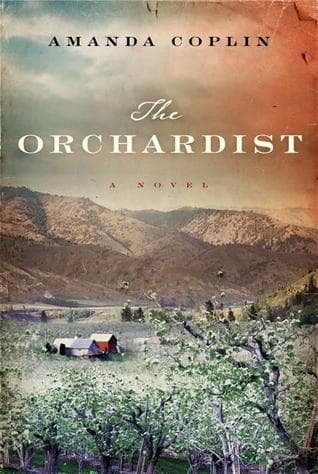
- The Orchardist
Amanda Coplin
3.8 (42k) average on GoodreadsLiterary FictionFeatures an isolated orchard setting, themes of loss, and a strong sense of place.
- The Poisonwood Bible
Barbara Kingsolver
4.1 (659k) average on GoodreadsLiterary FictionFollows a family's struggles and survival in a harsh, remote environment.
- The Grapes of Wrath
John Steinbeck
4.0 (750k) average on GoodreadsHistorical FictionBoth books depict families struggling with adversity and forced migration due to environmental and economic hardship. Steinbeck's novel offers a broader social commentary on the plight of the working class and the systemic injustices faced during the Great Depression, utilizing a more expansive cast of characters to represent a collective struggle. Chevalier's focus is more intensely on the individual journey of Robert and the specific trauma of his family, making it a more intimate, though less sweeping, exploration of resilience. Steinbeck's prose is also often more overtly political and didactic, while Chevalier's historical context is integrated more subtly into the personal narrative.
- The Old Man and the Sea
Ernest Hemingway
3.8 (831k) average on GoodreadsLiterary FictionA Cuban fisherman's long struggle with a giant marlin becomes a story of endurance and dignity, now retold for young adults with illustrations, phonetic guides, and writing prompts in Traditional Chinese.
- One Hundred Years of Solitude
Gabriel García Márquez
4.1 (753k) average on GoodreadsLiterary FictionThrough the multi-generational story of the Buendía family, a mythical town deals with the repeating patterns of time, love, and solitude, as the extraordinary mixes with the ordinary.





Enjoyed the summary?
A summary gives you the shape of the book. The book itself has the detail, the examples and the voice.
Find At the Edge of the Orchard on AmazonAs an Amazon Associate, BookBrief earns from qualifying purchases. How we're funded