
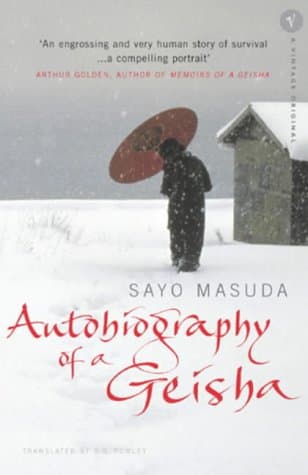
Core Idea
- Difficulty
- Medium
Key Takeaways from Autobiography of a Geisha
Geisha as Economic Survival, Not Romantic Ideal
Masuda shatters the romanticized image of geisha, revealing it as a harsh economic reality for impoverished girls.
This book's strongest insight is its direct portrayal of the geisha world as a system of forced labor driven by poverty. Masuda's experience, starting at age six as a nursemaid and then forced into service at twelve, clearly differs from fictional stories. Her family's choice was not about art but survival, showing the desperate conditions of rural Japan. Girls like Masuda were traded, their bodies and work exchanged for their families' minimal food. This shows how vulnerable women on the edges of society were. The 'glamour' was for clients; for the geisha, it was a demanding, often dehumanizing job.
“At the age of twelve, she was indentured to a geisha house.”
In the book: Masuda's personal account of being sold into a geisha house at age 12 due to her family's poverty.
Try this: When examining historical or cultural institutions, always look beyond surface aesthetics to understand the underlying economic and social forces that shape individual experiences, particularly for marginalized groups.
Loss of Identity and Autonomy
The geisha system stripped women of their personal names, freedom, and self-determination, reducing them to economic assets.
Masuda's story shows the deep loss of self that came with becoming a geisha. Girls were not only physically confined but also mentally remade, given new names and expected to follow the rules of their role. This forced anonymity and lack of control show how the system took away individual identity. The book suggests that true freedom is more than physical liberty; it includes the right to one's own name, history, and choices. Becoming a geisha was, in essence, a forced erasure of the self, replaced by a character designed to please clients and profit the house.
“she was deprive of their freedom and identity.”
In the book: The book explicitly mentions geisha being 'deprived of their freedom and identity,' a core theme throughout Masuda's early experiences.
Try this: Reflect on how institutions or societal expectations can subtly or overtly strip individuals of their autonomy and sense of self. Advocate for systems that respect and foster individual identity and choice.
Beyond the Geisha House: Persistent Poverty
Leaving the geisha world did not guarantee escape from grinding poverty, highlighting systemic issues in wartime rural Japan.
This argument has limits for those who see the geisha world as a way to improve one's life. Masuda's experience shows that even after leaving the geisha house, women often returned to, or stayed stuck in, severe poverty. Her life after being a geisha, during wartime in rural Japan, reveals a wider societal problem where economic chances were few, especially for women with little education and social standing. This shows that the geisha system was not unique but a symptom of deeper unfairness, and leaving it did not magically solve the problems of poverty.
“She also tells of her life after leaving the geisha house, painting a vivid panorama of the grinding poverty of rural life in wartime Japan.”
In the book: The summary explicitly states Masuda's life after leaving the geisha house involved 'grinding poverty of rural life in wartime Japan.'
Try this: Recognize that individual solutions often fail to address systemic problems. True change requires tackling the root causes of poverty and inequality, not just addressing symptoms or individual circumstances.
The Power of Unconventional Literacy
Masuda's determination to tell her story despite limited literacy underscores the human drive for truth and self-expression.
Masuda's act of writing her autobiography, despite her limited schooling, shows human strength and the natural wish to tell one's own story. This detail challenges common ideas about who can be an author and what education means, suggesting that the urge to speak truth can overcome big obstacles. Her decision to 'explode the myths' about geisha life points to a deep need for honesty and a rejection of the embellished stories that often silence the experiences of those on the margins. Her story is a win for the uneducated, showing that having a voice does not depend only on formal schooling.
“Although she could barely read or write she was determine to tell the truth about life as a geisha and explode the myths surrounding their secret world.”
In the book: The summary highlights Masuda's limited literacy but strong determination to 'tell the truth' and 'explode the myths'.
Try this: Support and amplify voices from marginalized communities, recognizing that valuable insights and truths often come from unexpected sources, regardless of formal educational backgrounds.
Challenging Romanticized Narratives
The book serves as a crucial counter-narrative to popular, often glamorized, depictions of geisha life.
Masuda's autobiography directly challenges and breaks down the exotic and romantic images of geisha found in popular culture. Unlike works that focus on their art or perceived glamour, Masuda's account roots the experience in the harsh realities of economic exploitation and lack of choice. This is the book's strongest insight for today's readers, offering a necessary different way to see historical and cultural events. It makes readers question the stories they consume and consider whose voices are heard versus whose are silenced or changed for entertainment.
“illuminating contrast to the fictionalised lives of glamorous geishas.”
In the book: The summary explicitly states the book provides an 'illuminating contrast to the fictionalised lives of glamorous geishas.'
Try this: Critically evaluate media portrayals of historical figures or cultural practices, seeking out diverse perspectives and primary sources to avoid perpetuating harmful stereotypes or oversimplifications.
The Brutality of Sex for Sale
Masuda unflinchingly exposes the transactional and often dehumanizing nature of sex within the geisha profession.
Masuda's memoir is very open about the sexual realities geisha faced. It removes any pretense of romance or control, presenting 'sex for sale' as a clear, unavoidable part of their work. This is an important difference from stories that might imply consent or choice, instead showing the forced economic situations that pushed young women into these roles. Her account is not sensational but a serious look at how women's bodies were treated as goods under pressure, offering a clear view of the personal cost of such transactions.
“young women faced the realities of sex for sale”
In the book: The summary explicitly mentions Masuda chronicling a world where 'young women faced the realities of sex for sale.'
Try this: When studying historical or contemporary sex work, prioritize the voices of those directly involved and critically analyze the socio-economic factors that compel individuals into such arrangements, rather than romanticizing or moralizing.
Survival on the Margins
The book is a testament to the resilience of individuals navigating extreme social and economic precarity.
Masuda's life story is one of survival against great odds, from childhood poverty to forced labor and later hardship. Her experiences show the lives of those existing at the very edges of society. The story doesn't just list events; it embodies the spirit of an individual who, despite being undervalued and exploited, found ways to endure. This makes the book not just a historical document but a powerful human story about the sheer will to live and, eventually, to tell her story, giving a voice to many others who stayed silent.
“this is the record of one woman's survival on the margins of Japanese society.”
In the book: The summary concludes by calling the book 'the record of one woman's survival on the margins of Japanese society.'
Try this: Cultivate empathy and understanding for those facing extreme adversity, recognizing the strength and ingenuity often required for survival in challenging circumstances.
The Enduring Legacy of Silence
Masuda's decision to speak out years later highlights the historical silencing of marginalized women's experiences.
The fact that Masuda chose to tell her story 'many years later' is important. It suggests a long time of silence, perhaps due to shame, trauma, or simply a lack of chance and platform. This delay highlights how difficult it has been for marginalized women to share their experiences, especially when those experiences go against common cultural stories. Her eventual decision to speak out is an act of defiance against this imposed silence, offering a historical record that would otherwise be lost. It also hints at the lasting psychological impact of her past, which she felt compelled to address decades later.
“Many years later Masuda decides to tell her story.”
In the book: The summary notes that Masuda decided to tell her story 'many years later.'
Try this: Actively seek out and preserve oral histories and memoirs from individuals whose experiences have historically been overlooked or silenced, recognizing their invaluable contribution to a more complete historical record.
Rural Life's Unseen Hardships
The book broadens its scope beyond geisha life to depict the pervasive, often overlooked, struggles of rural Japanese families.
Masuda's story gives a valuable look into the wider economic conditions of rural Japan, especially during wartime. Her first experience as a nursemaid at age six, before becoming a geisha, sets a baseline of extreme poverty that came before and gives context to her entry into the geisha world. This part of the book is vital for understanding that the geisha system was not an isolated thing but deeply connected to a larger context of economic hardship. It shows that for many, life was a constant struggle for basic needs, making the choices of families like Masuda's understandable, though sad.
“painting a vivid panorama of the grinding poverty of rural life in wartime Japan.”
In the book: The summary mentions Masuda's experience as a nursemaid at age six and the 'grinding poverty of rural life in wartime Japan' after leaving the geisha house.
Try this: When analyzing historical periods, consider the lives of ordinary people and rural populations, as their experiences often reveal the systemic pressures that shape societal structures and individual choices.
The Enduring Power of Truth
Masuda's unwavering commitment to honesty serves as a powerful reminder of truth's transformative potential.
The main reason behind Masuda's autobiography is her constant search for truth. Despite the possible shame or discomfort of reliving her past, her determination to 'explode the myths' about geisha life shows a deep belief in the healing and clarifying power of honesty. This commitment goes beyond her personal story, becoming a broader statement about the importance of accurate historical records, especially concerning marginalized lives. Her work is a powerful example of how one person's courage to speak truth can challenge old misunderstandings and help create a more nuanced understanding of history.
“she was determine to tell the truth about life as a geisha and explode the myths surrounding their secret world.”
In the book: The summary explicitly states her determination 'to tell the truth' and 'explode the myths'.
Try this: In personal and public discourse, prioritize and champion truth-telling, especially when it challenges comfortable narratives or exposes uncomfortable realities, recognizing its role in fostering understanding and progress.
Quiz
10 questions on the main ideas. Each answer comes with a short explanation.
Question 1
What is the primary genre of the book "Autobiography of a Geisha"?
- Fiction
- Mystery
- Biography/Memoir
- Romance
Show answer
C. Biography/Memoir The book is explicitly described as an autobiography, memoir, and history, fitting into the biography/memoir genre.
Question 2
At what age was Sayo Masuda sent to work as a nursemaid?
- Twelve
- Six
- Eighteen
- Ten
Show answer
B. Six The text states, "At the age of sis Masuda's poverty-stricken family sent her to work as a nursemaid."
Question 3
What reality did young women face in the geisha house according to Masuda's account?
- Glamorous entertainment
- Opportunities for education
- Freedom to leave at any time
- Sex for sale and deprivation of freedom
Show answer
D. Sex for sale and deprivation of freedom The summary mentions Masuda chronicles "a harsh world in which young women faced the realities of sex for sale and were deprived of their freedom and identity."
Question 4
What was the primary reason Masuda decided to tell her story many years later?
- To become famous
- To correct fictional portrayals and reveal the truth
- To seek financial reward
- To find lost family members
Show answer
B. To correct fictional portrayals and reveal the truth She was "determine to tell the truth about life as a geisha and explode the myths surrounding their secret world," contrasting with fictionalized lives.
Question 5
Despite her limited literacy, what quality did Masuda possess that enabled her to write her autobiography?
- Ambition
- Determination
- Artistic talent
- Courage
Show answer
B. Determination The text states, "Although she could barely read or write she was determine to tell the truth..."
Question 6
What does the book offer as a contrast to the fictionalized lives of glamorous geishas?
- The lives of wealthy merchants
- The experiences of male geishas
- An extraordinary portrait of rural Japanese life
- The daily routines of geisha trainers
Show answer
C. An extraordinary portrait of rural Japanese life The summary highlights that Masuda's story is "an extraordinary portrait of rural life in japan and an illuminating contrast to the fictionalised lives of glamorous geishas."
Question 7
What period in Japanese history is mentioned in relation to Masuda's life after leaving the geisha house?
- The Meiji Restoration
- The Edo Period
- Wartime Japan
- The post-war economic boom
Show answer
C. Wartime Japan The text states she painted "a vivid panorama of the grinding poverty of rural life in wartime Japan."
Question 8
Masuda's autobiography is described as a record of one woman's survival on the margins of Japanese society. What does 'margins' imply in this context?
- The most privileged and influential parts of society
- The central and powerful positions within society
- The outermost edges or less conventional parts of society, often associated with poverty or exclusion
- The areas of society focused on traditional arts and culture
Show answer
C. The outermost edges or less conventional parts of society, often associated with poverty or exclusion The term 'margins' in sociology refers to positions outside the mainstream of society, often characterized by lack of power, resources, or social integration.
Question 9
The book aims to 'explode the myths surrounding their secret world.' This suggests that the popular perception of geishas was significantly different from the reality Masuda experienced. Which of the following is most likely a myth Masuda would seek to explode?
- That geishas are highly skilled in traditional arts.
- That geishas are primarily entertainers and companions, not necessarily involved in prostitution.
- That geisha houses are exclusive establishments.
- That geishas have formal training.
Show answer
B. That geishas are primarily entertainers and companions, not necessarily involved in prostitution. The description contrasts the 'glamorous lives' with the reality of 'sex for sale,' indicating a myth about the nature of geisha work and lifestyle.
Question 10
Considering the context of Masuda's life, her decision to write her autobiography, despite her limited literacy, can be seen as an act of reclaiming her identity and voice. What does this suggest about the power of personal narrative?
- Personal narratives are only valuable if they are written by educated individuals.
- Personal narratives can challenge dominant societal narratives and give agency to marginalized individuals.
- Personal narratives are primarily for entertainment and have little historical significance.
- The act of writing is more important than the truth conveyed in the narrative.
Show answer
B. Personal narratives can challenge dominant societal narratives and give agency to marginalized individuals. Masuda's determination to tell her truth despite her limitations highlights the power of personal testimony to counter myths and assert an individual's experience, especially when marginalized.
Autobiography of a Geisha FAQ
What is the book "Autobiography of a Geisha" about?
"Autobiography of a Geisha" by Sayo Masuda tells the true story of the author's life, offering a stark contrast to romanticized portrayals of geishas. It details her early life in poverty, her indenturement to a geisha house at a young age, and the harsh realities she faced, including exploitation and loss of identity.
Is Sayo Masuda's story fictional or real?
Sayo Masuda's "Autobiography of a Geisha" is a genuine autobiography, meaning it is a true account of her own life experiences. She wrote it to reveal the unvarnished truth about her life and the world of geishas, challenging common myths.
What was Sayo Masuda's childhood like?
Sayo Masuda's childhood was marked by extreme poverty. Her family sent her to work as a nursemaid at the age of six, and by twelve, she was sent to a geisha house, where she was essentially indentured.
What kind of life did women face in the geisha house described in the book?
The book describes a harsh reality for young women in the geisha house, where they faced the commodification of sex, were deprived of their freedom, and had their identities suppressed. It was a world far removed from the glamour often associated with geishas.
What is the difference between Masuda's book and fictional geisha stories?
Masuda's autobiography provides an authentic and often brutal look at the lives of women in the geisha system, highlighting poverty, exploitation, and survival. This contrasts sharply with fictional accounts that often focus on romance, artistry, and a more idealized existence.
What does the book reveal about rural life in Japan?
Beyond the geisha house, Masuda also paints a vivid picture of the grinding poverty and difficult living conditions in rural Japan, particularly during wartime. Her story encompasses both her experiences within the geisha system and her life thereafter.
Why did Sayo Masuda decide to write her autobiography?
Masuda decided to tell her story many years later to expose the truth about her life as a geisha and to dismantle the myths and romanticized notions surrounding their world. She was determined to share her experiences despite her limited literacy.
What is the overall tone or message of the book?
The book is remarkably frank and incredibly moving. Its core message is one of survival against immense odds, detailing one woman's journey on the fringes of Japanese society and her resilience in the face of profound hardship.
Who would enjoy reading 'Autobiography of a Geisha'?
Readers interested in Japanese history, memoirs, biographies, and accounts of resilience and survival would find this book compelling. It offers a unique and unvarnished perspective on a specific aspect of Japanese social history.
About the author

Sayo Masuda is an author known for her non-fiction work, particularly "Autobiography of a Geisha," which offers insights into the life and culture of geishas in Japan. Her writing reflects her personal experiences and provides a unique perspective on traditional Japanese society.
Similar books
- Memoirs of a Geisha
Arthur Golden
4.1 (1.7M) average on GoodreadsHistorical FictionGolden's fictionalized account, while popular, is largely seen as a romanticized and often inaccurate portrayal by many Japanese critics and former geisha. Masuda's 'Autobiography' directly refutes many of Golden's idealized notions, presenting the harsh economic realities, lack of true choice, and the often-degrading aspects of the profession that 'Memoirs' largely glosses over. Masuda's work is a first-hand, unembellished truth, whereas Golden's is a carefully constructed, exoticized fantasy from an outsider's perspective.
- The Diary of a Young Girl
Anne Frank
4.2 (2.7M) average on GoodreadsBiographyDuring the Nazi occupation, a teenage girl's diary, written from a secret annex, shares observations on humanity, hope, and the wait for freedom.
- Eat, Pray, Love
Elizabeth Gilbert
3.6 (1.5M) average on GoodreadsLifestyleA heartbroken writer leaves her conventional life for a year-long global search for pleasure in Italy, spiritual devotion in India, and unexpected love and balance in Bali.
- Night
Elie Wiesel
4.3 (970k) average on GoodreadsBiographyIn the darkness of Auschwitz and Buchenwald, a teenage Elie Wiesel faces the extermination of his family, the loss of his faith, and the lasting scars of humanity's deepest cruelty.
- Steve Jobs
Walter Isaacson
4.1 (957k) average on GoodreadsBusinessSteve Jobs was a visionary who fused creativity and technology to revolutionize six industries and shape our digital world.
- The Glass Castle
Jeannette Walls
4.3 (903k) average on GoodreadsBiographyJeannette Walls's memoir describes her unusual childhood with brilliant, free-spirited parents whose poverty-stricken life shaped her independence and love despite family problems.





Enjoyed the summary?
A summary gives you the shape of the book. The book itself has the detail, the examples and the voice.
Find Autobiography of a Geisha on AmazonAs an Amazon Associate, BookBrief earns from qualifying purchases. How we're funded