
Synopsis
Covers the whole plot, including the ending.
- Difficulty
- Medium
- Pacing
- Moderate
- Mood
- Atmospheric, Melancholy, Romantic, Evocative
- Read it if
- You enjoy richly detailed historical fiction, stories of resilience and transformation, and complex romantic narratives set in exotic locales.
- Skip it if
- You prefer fast-paced plots, dislike stories with themes of exploitation and unrequited love, or are sensitive to discussions of historical sexual practices.
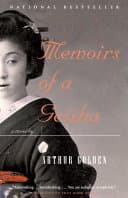
Memoirs of a Geisha Plot Summary
Covers the whole plot, including the ending.
A Life Begins in Yoroido: Chiyo's Early Years
In 1929, nine-year-old Chiyo Sakamoto lives in a poor fishing village with her sick mother, father, and older sister, Satsu. Their lives are simple and hard. When her mother becomes very ill, Chiyo's father sells both girls to Mr. Tanaka. Chiyo, with her unusual blue-gray eyes, is taken to Kyoto's Gion district, a world of geisha, and sold to the Nitta okiya. Satsu is sold to a brothel. Chiyo immediately works as a maid, facing the harshness of her new life and the dislike of the okiya's matriarch, Mother, and the mean head geisha, Hatsumomo.
Struggles and a Fateful Encounter
Chiyo's first days in the Nitta okiya are hard due to Hatsumomo's constant cruelty. Hatsumomo, fearing Chiyo might become more popular, tries to ruin her at every turn, even accusing her of stealing a valuable kimono. Wanting to escape and find Satsu, Chiyo tries to leave the okiya by climbing onto the roof. She falls, hurts herself, and is caught. As punishment, Mother cancels her schooling, stops her geisha training, and makes her a maid forever, burdened with the okiya's debts. One day, while crying by a stream, a kind, elegant man, the Chairman, approaches her, offers her a sweet, and encourages her. This gives Chiyo lasting hope.
Under the Wing of Mameha
Years pass, and Chiyo remains a maid, her dreams of becoming a geisha seemingly gone. Hatsumomo continues to bother her. One day, Mameha, the most successful geisha in Gion and Hatsumomo's rival, visits the Nitta okiya and offers Mother a deal: she will take Chiyo as her younger sister and train her to become a geisha, promising to pay all of Chiyo's debts. Mother, seeing a financial chance and a way to annoy Hatsumomo, agrees. Chiyo is renamed Sayuri and begins her training under Mameha, learning dance, music, manners, and conversation, all while dealing with Hatsumomo's increasing jealousy and plans.
Sayuri's Debut and Rising Star
Under Mameha's guidance, Sayuri improves. She quickly learns various geisha arts, especially dance, and her unique eyes and quiet charm get attention. Mameha carefully plans Sayuri's debut, introducing her to important men. Sayuri becomes very popular, making her a sought-after geisha. She attracts several prominent men, including Dr. Crab and the powerful Nobu. Hatsumomo's envy grows, and she tries to discredit Sayuri, but Sayuri, with Mameha's help and her own growing strength, overcomes these challenges, making her position in Gion stronger.
The Mizuage Auction
As Sayuri's reputation grows, it is time for her mizuage, the ritual deflowering of a maiko, which is auctioned to the highest bidder. Mameha organizes the event carefully, creating much competition among bidders. Dr. Crab, a wealthy man, wins the auction, paying a very high sum. This amount secures Sayuri's financial independence and raises her status. This event makes her one of Gion's most promising young geisha and frees her from her debts to the okiya, making her a strong rival to Hatsumomo.
Hatsumomo's Downfall and Sayuri's Adoption
Hatsumomo, increasingly unstable and jealous, tries a final act of sabotage against Sayuri. She sets fire to the Nitta okiya, hoping to destroy Sayuri's belongings and reputation. Her plan fails, and her destructive behavior, along with her growing debt and lack of patrons, leads to her expulsion from the okiya and her disappearance from Gion. With Hatsumomo gone, and Pumpkin, Hatsumomo's protégé, unreliable, Mother, seeing Sayuri's success and financial value, officially adopts Sayuri as her heir, making her the future owner of the Nitta okiya.
Wartime Interruption and Reunion
World War II disrupts the geisha world. The Gion district is unsafe, and geisha must leave. Sayuri is sent to the countryside to work in a kimono factory, enduring harsh conditions, a stark contrast to her refined life in Gion. She lives anonymously for several years. After the war, Nobu, a loyal patron and the Chairman's business partner, finds Sayuri and arranges her return to Gion, offering her a chance to rebuild her life and career as a geisha in a changed society.
The Struggle for Survival in Post-War Gion
Returning to a war-torn Gion, Sayuri finds the district and the okiya in ruins. With Nobu's help, she works to restore the Nitta okiya and revive her career. The post-war geisha world is different, with fewer patrons and changed social dynamics. Sayuri, with her strength and established reputation, navigates these challenges, slowly becoming a prominent geisha again. She continues to entertain Nobu, who wants to become her danna, but Sayuri still loves the Chairman, creating a complex emotional problem.
Nobu's Proposal and Sayuri's Desperation
Nobu, who has supported Sayuri, asks to become her danna, offering her financial security and protection. Sayuri is grateful for his kindness, but she does not love Nobu and still has feelings for the Chairman. Desperate to avoid accepting Nobu, she plans a risky move. She arranges a private meeting between Nobu and Pumpkin, hoping Nobu will be disgusted by Pumpkin's behavior and stop pursuing Sayuri. However, Pumpkin, still bitter, betrays Sayuri, bringing the Chairman to witness the arranged meeting instead of Nobu, leading to a misunderstanding.
The Chairman's Revelation and Sayuri's Future
After the encounter, Sayuri believes she has lost the Chairman forever. However, the Chairman later finds her and reveals that he arranged for Mameha to take her in years ago, having seen her potential and been moved by her tears. He confesses that he has loved her since their first meeting by the stream but felt he could not pursue her while Nobu, his business partner and friend, was also interested. He says he wants her to be his danna. Sayuri accepts, finding her true love and a life of happiness as his secret mistress, eventually retiring from the geisha world.
Principal Figures
Chiyo Sakamoto / Sayuri Nitta
Protagonist
A young girl sold into geisha life, rising to become one of Gion's most celebrated geisha.
Chiyo, later Sayuri, is the central character, narrating her life's journey from a poor fishing village to the sophisticated world of Gion. She possesses striking blue-gray eyes, a unique trait that sets her apart. Initially naive and vulnerable, she gradually develops resilience, intelligence, and a deep understanding of human nature. Her driving force is her longing for love and acceptance, particularly from the Chairman, a kindness she encountered in her youth. Despite the hardships and manipulations she endures, she maintains an inner strength and a capacity for genuine emotion, navigating the complex rules of the geisha world.
Relationships: Satsu (Older sister, separated early in life); Mother (Nitta okiya) (Adoptive mother/proprietor, financially motivated); Hatsumomo (Rival geisha, intensely jealous and cruel); Mameha (Mentor geisha, kind and strategic); The Chairman (Long-standing love interest and secret benefactor); Nobu (Loyal patron, unrequited love)
Mameha
Supporting
Sayuri's elegant and strategic mentor, a highly successful geisha.
Mameha is a renowned geisha in Gion, known for her beauty, intelligence, and business acumen. She takes Chiyo (Sayuri) under her wing, driven by a combination of a challenge from the Chairman and a desire to spite her rival, Hatsumomo. Mameha is a shrewd strategist, meticulously planning Sayuri's training and career trajectory. She is kind and protective towards Sayuri, guiding her through the intricate rules and social dynamics of the geisha world. She represents the ideal of a successful and respected geisha, demonstrating both grace and unwavering resolve.
Relationships: Sayuri (Protégé/younger sister); Hatsumomo (Bitter rival); The Chairman (Friend and associate, who tasked her with Sayuri's training)
Hatsumomo
Antagonist
A beautiful but cruel and jealous geisha, Sayuri's primary rival.
Hatsumomo is the Nitta okiya's most beautiful and successful geisha at the time of Chiyo's arrival. However, her beauty is matched by her venomous jealousy and volatile temper. She immediately sees Chiyo's potential as a threat and dedicates herself to tormenting her, sabotaging her chances of becoming a geisha. Hatsumomo's character serves as a stark contrast to Mameha's grace and Sayuri's quiet resilience. Her unchecked emotions and self-destructive behavior ultimately lead to her downfall and expulsion from Gion, highlighting the precariousness of a geisha's life when reputation is paramount.
Relationships: Sayuri (Bitter rival); Mameha (Rival geisha); Pumpkin (Protégé/sidekick, whom she manipulates)
The Chairman (Ken Iwamura)
Supporting
Sayuri's secret benefactor and true love, a powerful and compassionate businessman.
The Chairman is a kind, powerful, and wealthy businessman who first encounters Chiyo as a crying young girl and offers her a sweet and words of encouragement. This single act of kindness profoundly impacts Chiyo and becomes her lifelong inspiration. Unbeknownst to Sayuri for many years, he is the one who orchestrates Mameha taking her as a younger sister. He maintains a discreet affection for Sayuri, always acting in her best interest from a distance, but feels conflicted due to his business partner Nobu's affections for her. He embodies compassion and quiet strength, ultimately revealing his long-held feelings.
Relationships: Sayuri (Love interest, secret benefactor); Mameha (Friend and associate); Nobu (Business partner and friend)
Nobu
Supporting
A loyal and honorable businessman, Sayuri's devoted but unrequited admirer.
Nobu is the Chairman's business partner and a prominent patron of Sayuri's. He is a serious, scarred man who lost an arm in the war, which has made him somewhat withdrawn but also deeply honorable and fiercely loyal. Nobu develops a profound affection for Sayuri, seeing her as more than just a geisha and desiring a committed relationship with her. He is a steadfast supporter, helping her return to Gion after the war and proposing to become her danna. Despite his deep feelings, Sayuri does not reciprocate his romantic love, creating a poignant and complex dynamic.
Relationships: Sayuri (Patron and unrequited love interest); The Chairman (Business partner and friend)
Pumpkin
Supporting
Chiyo's childhood friend and Hatsumomo's protégé, later becoming a disillusioned geisha.
Pumpkin is another young girl in the Nitta okiya when Chiyo arrives, initially her only friend. She is taken under Hatsumomo's wing and becomes her protégé. Pumpkin is less naturally talented than Sayuri and often overshadowed. She is initially kind but becomes increasingly bitter and resentful as Hatsumomo manipulates her and as Sayuri's star rises. Her loyalty to Hatsumomo and her own dashed hopes for adoption lead her to betray Sayuri later in life, highlighting the corrosive effects of the geisha world's competitive nature and the influence of powerful figures.
Relationships: Sayuri (Childhood friend, later estranged); Hatsumomo (Mentor and manipulator)
Mother (Mrs. Nitta)
Supporting
The proprietress of the Nitta okiya, driven by financial gain.
Mother is the stern and calculating proprietress of the Nitta okiya. Her primary concern is the financial success of her geisha house, and she views her girls as investments. She is pragmatic and unsentimental, making decisions based purely on profit and the okiya's reputation. While harsh, she is also shrewd, recognizing Sayuri's potential and ultimately adopting her as her heir, ensuring the okiya's continued prosperity. She embodies the strict, business-oriented reality of the geisha world.
Relationships: Sayuri (Okiya geisha/adopted daughter); Hatsumomo (Okiya geisha); Auntie (Sister, co-manager of the okiya)
Auntie
Supporting
Mother's sister and co-manager of the Nitta okiya, often more pragmatic than kind.
Auntie is Mother's sister and a co-manager of the Nitta okiya. While less overtly harsh than Mother, she is still a stern and traditional figure, often tasked with enforcing rules and maintaining order within the house. She is pragmatic and focused on the practicalities of running the okiya, often mediating between the girls and Mother. She represents the rigid social structure and expectations within the geisha world, upholding customs and ensuring the girls adhere to proper behavior, especially in front of patrons.
Relationships: Mother (Sister, co-manager); Sayuri (Okiya resident)
Satsu
Mentioned
Chiyo's older sister, separated and sold to a brothel.
Satsu is Chiyo's older sister, sold to a brothel in the pleasure district at the same time Chiyo is sold to the Nitta okiya. Chiyo's early attempts to escape are primarily driven by her desire to find Satsu. Although they briefly reunite, Satsu ultimately chooses to flee, leaving Chiyo behind. Satsu represents the darker, more brutal reality for many girls sold into servitude in Japan, and her fate remains largely unknown, serving as a constant reminder of the precariousness of Chiyo's own situation.
Relationships: Sayuri (Younger sister)
Themes & Insights
Identity and Self-Discovery
The novel explores Sayuri's self-discovery as she is stripped of her original identity, Chiyo, and shaped into a geisha. She learns to manage her public self versus her private feelings, always questioning who she truly is beneath the elaborate kimonos and makeup. Her struggle to connect her past as a poor village girl with her present as a geisha, and her search for genuine love in a world of performance, are central to this theme. The 'Sayuri' she presents to the world is a carefully built facade, yet within it, she finds her own strength and defines herself.
“We don't become geisha so that we can lead our lives as we please. We become geisha because we have no other choice.”
Appearance vs. Reality
The world of geisha is one where appearances are most important. Sayuri's entire existence is built on creating an illusion of beauty, grace, and availability. The novel shows the contrast between the exquisite appearance of the geisha and the often harsh, manipulative, and emotionally complex realities of their lives. From the elaborate makeup and kimonos to the carefully crafted conversations, everything is designed to deceive or enchant. This theme is clear in the contrast between Hatsumomo's beautiful exterior and her cruel interior, or Sayuri's calm manner hiding her inner turmoil and longing for the Chairman.
“A story is not like a road to follow... it's more like a house. You go inside and stay there for a while, wandering from room to room, and you never know what you're going to find around each corner.”
Love and Sacrifice
The novel covers different kinds of love and the sacrifices made for it. Sayuri's unrequited love for the Chairman drives many of her decisions and strength. She gives up personal freedom and emotional honesty to navigate the geisha world, hoping to win his affection. Nobu's selfless devotion to Sayuri, despite her inability to love him back, is a different kind of love and sacrifice. The geisha system itself demands giving up conventional love and family life, making its practitioners find fulfillment in other ways, often through art and the subtle power they hold over men.
“We lead a life of appearances, Sayuri. Appearance is everything.”
Survival and Resilience
From her childhood separation from her family to the realities of the okiya and the devastation of World War II, Sayuri's life shows human strength. She endures physical abuse, emotional torment from Hatsumomo, the loss of her sister, and constant pressure to perform. Her ability to adapt, learn, and keep going through great difficulty, always holding onto a bit of hope from the Chairman, is a main part of her character. The geisha system, with its strict rules and competition, makes its members develop strong coping skills and inner strength to survive and succeed.
“You can't call yourself a geisha until you can stop a man in his tracks with a single glance.”
The Power Dynamics of Gender and Class
The story is deeply set in the strict social structures of pre- and post-war Japan, focusing on the limited choices women had. Girls like Chiyo are sold into service because of poverty, showing the vulnerability of the lower class. In the geisha world, while geisha have a unique power through their charm and art, they depend on men for their income and status. The mizuage auction clearly shows how women are treated as goods. The novel subtly questions these power structures, even as Sayuri learns to navigate and use them to her advantage, showing the strength and intelligence needed to survive in a society run by men.
“A geisha is an artist of the floating world. She dances, she sings. She entertains you, whatever you want. The rest is shadows, the rest is secret.”
Plot Devices & Literary Techniques
First-Person Retrospective Narration
Sayuri recounts her life story from an older, wiser perspective.
The entire novel is narrated by Sayuri, looking back on her life from old age while living in New York. This retrospective viewpoint allows for a reflective and often philosophical tone. It provides the reader with insights into Sayuri's inner thoughts and feelings, as well as the benefit of hindsight regarding past events and character motivations. The 'memoir' style lends authenticity to the narrative, even though it is a work of fiction, creating an intimate connection between the reader and Sayuri's journey. It also allows her to withhold certain key revelations until the appropriate dramatic moment, such as the Chairman's role in her training.
The Blue-Gray Eyes
A distinctive physical trait symbolizing Sayuri's uniqueness and destiny.
Chiyo's unusual blue-gray eyes are mentioned repeatedly throughout the novel, serving as a powerful symbol. They distinguish her from other Japanese girls, hinting at her extraordinary destiny. These eyes are what first capture the Chairman's attention and later become a defining feature of her geisha persona. They symbolize her inner spirit, her ability to see beyond the surface, and her inherent allure, making her stand out in a world where individuality is often suppressed. The eyes are a constant reminder of her origins and her unique place in the geisha world.
The Kimono
A symbol of geisha identity, status, and the art of transformation.
Kimono are not merely clothing in the novel; they are central to the geisha's identity, artistry, and status. Each kimono is a work of art, signifying wealth, occasion, and the geisha's ability to transform. Learning to wear, care for, and move gracefully in a kimono is a crucial part of Sayuri's training. The theft of a kimono by Hatsumomo and the meticulous selection of kimonos by Mameha for Sayuri's appearances highlight their significance. They represent the beautiful, elaborate facade of the geisha world, as well as the financial investment and artistry involved in maintaining that image.
The Mizuage Auction
A ritualistic plot point signifying a geisha's transition and value.
The mizuage, the auction of a maiko's virginity, is a pivotal plot device in the novel. It marks Sayuri's transition from maiko to full geisha and is a public declaration of her desirability and value. The record-breaking sum paid for Sayuri's mizuage solidifies her status, frees her from debt, and establishes her as a formidable force in Gion. This event is not just a personal milestone but a crucial turning point that empowers Sayuri financially and enhances her reputation, making her a greater threat to Hatsumomo and securing her future within the okiya.
Memoirs of a Geisha Quotes
“We don't become geisha because we want our lives to be happy; we become geisha because we have no choice.”
“Adversity is like a strong wind. It tears away from us all but the things that cannot be torn, so that we see ourselves as we really are.”
“A geisha is an artist of the floating world. She dances, she sings. She entertains you, whatever you want. The rest is shadows, the rest is secret.”
“I could no more have stopped myself from falling in love with the Chairman than I could have stopped the sun from setting.”
“The heart dies a slow death, shedding each hope like leaves until one day there are none. No hopes. Nothing remains.”
“A story has been written in my heart, though I have never put it into words.”
“We lead our lives like water flowing down a hill, going more or less in one direction until we splash into something that forces us to find a new course.”
“I felt as the river must feel when the sea tides push against its current.”
“A geisha is not a prostitute. She sells her art, not her body. She sells her illusions.”
“The very word 'geisha' means artist, and to be a geisha is to be judged as a moving work of art.”
“I had lived my life as a wave upon the sea, rising and falling in the tides of other people's desires.”
“Happiness is a strange thing. It comes when you least expect it.”
“We are like dolls, waiting for someone to come and dress us and make us pretty.”
“The moment I saw him, I felt as though I had been wandering in a desert and had found an oasis.”
Quiz
10 questions on the plot and the characters. Each answer comes with a short explanation.
Question 1
What is the name of the poor fishing village where Sayuri's story begins in 1929?
- Kyoto
- Tokyo
- Yoroido
- Osaka
Show answer
C. Yoroido Sayuri's story begins in Yoroido, a poor fishing village where she lives with her family before being sold into slavery. This setting establishes her humble origins and contrasts sharply with the sophisticated geisha world she later enters.
Question 2
What distinctive physical feature does Sayuri have that makes her stand out as a geisha?
- Red hair
- Unusually tall stature
- Blue-gray eyes
- A birthmark on her cheek
Show answer
C. Blue-gray eyes Sayuri's blue-gray eyes are repeatedly noted as unusual and captivating in Japanese society, contributing to her allure and success as a geisha. This feature symbolizes her uniqueness and becomes part of her geisha identity.
Question 3
What is the name of the geisha house where Sayuri is trained after being sold into slavery?
- The Nitta Okiya
- The Tanaka Teahouse
- The Iwamura School
- The Gion District
Show answer
A. The Nitta Okiya Sayuri is sold to the Nitta Okiya in Kyoto's Gion district, where she undergoes rigorous training to become a geisha. The okiya serves as both her home and the institution that manages her career.
Question 4
Why does Sayuri initially receive the nickname 'Chiyo' before becoming a geisha?
- It was her mother's name
- It means 'blue eyes' in Japanese
- It is a common name given to apprentice geisha
- She chose it herself to hide her identity
Show answer
C. It is a common name given to apprentice geisha In the geisha tradition, apprentices are typically given the name 'Chiyo' before earning their geisha names. Sayuri is called Chiyo during her training period, reflecting her status as a novice before she becomes the celebrated geisha Nitta Sayuri.
Question 5
What significant event occurs during Sayuri's mizuage ceremony?
- She performs her first public dance
- Her virginity is auctioned to the highest bidder
- She receives her geisha name
- She meets the Chairman for the first time
Show answer
B. Her virginity is auctioned to the highest bidder The mizuage ceremony is a pivotal and controversial ritual in which a geisha's virginity is auctioned to the highest bidder. For Sayuri, this event brings substantial financial gain to her okiya but also represents the commodification of her body in the geisha world.
Question 6
Which character serves as Sayuri's primary mentor and 'older sister' in the geisha world?
- Mameha
- Hatsumomo
- Pumpkin
- Mother
Show answer
A. Mameha Mameha is an experienced and successful geisha who becomes Sayuri's mentor and 'older sister,' guiding her through training, introducing her to important clients, and helping her navigate the competitive social hierarchy of the geisha district.
Question 7
How does Sayuri's relationship with the Chairman evolve throughout the novel?
- They marry early in the story
- He becomes her primary patron and eventual romantic partner
- She never meets him personally
- He is her biological father
Show answer
B. He becomes her primary patron and eventual romantic partner Sayuri first meets the Chairman as a young girl, and he becomes her idealized love interest. Their relationship develops slowly over years, with him eventually becoming her danna (patron) and later her romantic partner, representing a rare instance of genuine love in the geisha world.
Question 8
What role does World War II play in Sayuri's life as a geisha?
- It has no impact on her career
- She becomes a spy for the Japanese government
- Geisha houses are closed, forcing her to work in a factory
- She flees to America during the war
Show answer
C. Geisha houses are closed, forcing her to work in a factory During World War II, the geisha districts are closed, and Sayuri is forced to leave Kyoto and work in a factory. This period represents a dramatic fall from her privileged life and highlights how historical events disrupt traditional Japanese culture.
Question 9
What does the novel suggest about the theme of love versus illusion in the geisha world?
- Love is always genuine, while illusion is reserved for clients
- Geisha are prohibited from experiencing real love
- Love is often scorned as illusion, but Sayuri's story challenges this
- Illusion is more valuable than love in all relationships
Show answer
C. Love is often scorned as illusion, but Sayuri's story challenges this The geisha world operates on carefully crafted illusions of romance and companionship, with love typically viewed as a dangerous distraction. Sayuri's enduring feelings for the Chairman, however, demonstrate that genuine love can exist even within this artificial environment, challenging the system's norms.
Question 10
How does Sayuri ultimately gain her freedom from the Nitta Okiya?
- She escapes in the middle of the night
- The okiya is destroyed in a fire
- She is adopted as the daughter of the okiya's owner
- She buys her contract with money from the Chairman
Show answer
C. She is adopted as the daughter of the okiya's owner Sayuri is formally adopted as the daughter of the okiya's owner, Mother, which makes her the heir to the Nitta Okiya. This strategic move, orchestrated by Mameha, grants Sayuri independence and control over her own career, freeing her from the debts that typically bind geisha to their okiya.
Memoirs of a Geisha FAQ
What is 'Memoirs of a Geisha' about?
The novel follows Nitta Sayuri's life from her childhood in a poor fishing village in 1929 to her rise as a celebrated geisha in Kyoto's Gion district. Sold into slavery at age nine, she endures harsh training, rivalry with fellow geisha Hatsumomo, and the mentorship of Mameha to master the arts of entertainment, culminating in her complex relationships with men like Chairman Iwamura and Nobu.
Why should I read 'Memoirs of a Geisha'?
It offers a captivating, immersive look into the secretive world of geisha culture in pre- and post-war Japan, blending historical detail with emotional depth. Sayuri's journey from poverty to fame explores themes of resilience, identity, and the illusion of love, making it both educational and profoundly moving.
What is the background/setting of 'Memoirs of a Geisha'?
Set primarily in Kyoto's Gion district from 1929 to the post-World War II era, the story unfolds against Japan's rapid modernization and wartime hardships. The geisha houses, teahouses, and cultural rituals provide a rich backdrop that contrasts traditional arts with societal changes.
What are the most memorable quotes from 'Memoirs of a Geisha'?
Notable quotes include: 'A geisha is an artist of the floating world,' highlighting the ephemeral nature of her life; 'We don't become geisha to pursue our own destinies. We become geisha because we have no other choice,' reflecting Sayuri's lack of agency; and 'I could see the Chairman's face as clearly as anything...' symbolizing her enduring love.
What writing style does Arthur Golden use in 'Memoirs of a Geisha'?
Golden employs a first-person narrative from Sayuri's perspective, blending lyrical, descriptive prose with a confessional tone that feels both intimate and historically authentic. The style immerses readers in the sensory details of geisha life, from kimono textures to emotional nuances.
What minor details add significant meaning in 'Memoirs of a Geisha'?
Sayuri's blue-gray eyes symbolize her uniqueness and outsider status, often attracting attention. The recurring imagery of water, such as the pond near her childhood home, represents her fluid identity and emotional depth, tying her past to her geisha persona.
What are some subtle foreshadowing moments in 'Memoirs of a Geisha'?
Early scenes where Sayuri meets Chairman Iwamura as a child foreshadow their future romantic connection. Hatsumomo's jealousy and destructive behavior hint at her eventual downfall, while Mameha's strategic mentorship subtly prepares Sayuri for key societal maneuvers.
What unexpected character connections exist in 'Memoirs of a Geisha'?
Pumpkin, initially Sayuri's friend, becomes a rival after aligning with Hatsumomo, revealing how geisha house politics strain loyalties. Nobu's unwavering support for Sayuri contrasts with his unawareness of her love for Chairman Iwamura, creating a tragic love triangle.
What are unspoken character motivations in 'Memoirs of a Geisha'?
Sayuri's desire for freedom and love drives her compliance with geisha traditions, masking her inner rebellion. Hatsumomo's cruelty stems from insecurity and fear of losing status, while Mameha's mentorship is partly self-serving, aimed at outmaneuvering rivals.
What psychological complexities do characters exhibit in 'Memoirs of a Geisha'?
Sayuri grapples with dual identities: the obedient geisha and the independent woman yearning for authenticity. Nobu displays a tough exterior but harbors deep vulnerability, especially in his unrequited love. Hatsumomo's narcissism masks profound loneliness and self-destruction.
What are the major emotional turning points in 'Memoirs of a Geisha'?
Key moments include Sayuri's mizuage (virginity auction), which symbolizes her commodification; her decision to betray Nobu by orchestrating a meeting with the Chairman, revealing her prioritization of love over loyalty; and the post-war decline of geisha culture, forcing her to adapt and find new purpose.
How do relationship dynamics evolve in 'Memoirs of a Geisha'?
Sayuri and Mameha's relationship shifts from mentor-student to a strategic partnership and eventual mutual respect. Sayuri's bond with Chairman Iwamura evolves from a childhood crush to a secret, enduring love, while her rivalry with Hatsumomo escalates into bitter conflict before Hatsumomo's ruin.
Which parts of 'Memoirs of a Geisha' remain ambiguous or open-ended?
The true nature of Sayuri's happiness in her later life with the Chairman is left somewhat ambiguous, as she reflects on sacrifices made. The fate of characters like Pumpkin after the war is unclear, leaving readers to ponder the lasting impacts of geisha society's collapse.
What are controversial scenes or decisions in 'Memoirs of a Geisha'?
The mizuage auction, where Sayuri's virginity is sold to the highest bidder, sparks debate over the exploitation of women in geisha culture. Sayuri's betrayal of Nobu, whom she respects but does not love, raises ethical questions about loyalty versus personal desire.
'Memoirs of a Geisha' ending explained: how it ends & what it means
The novel ends with Sayuri living in New York, having left Japan after World War II and maintained a secret relationship with Chairman Iwamura. This conclusion symbolizes her escape from the constraints of geisha life and the bittersweet fulfillment of her love, though it comes at the cost of traditional ties and honesty with others like Nobu.
About the author
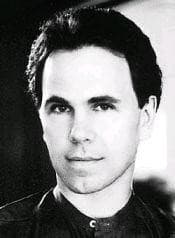
Arthur Sulzberger Golden is an American writer. He is the author of the bestselling novel Memoirs of a Geisha (1997).
Similar books
- The Joy Luck Club
Amy Tan
3.9 (598k) average on GoodreadsHistorical FictionExplores the lives of women in a specific cultural context with themes of tradition, family, and resilience.
- Pachinko
Min Jin Lee
4.3 (208k) average on GoodreadsLiterary FictionA multi-generational saga of a Korean family in Japan, dealing with hardship, identity, and survival.
- The Tale of Genji
Murasaki Shikibu
4.0 (539) average on GoodreadsFantasyWhile separated by centuries, The Tale of Genji offers a foundational comparison in terms of depicting the lives of aristocratic women and the intricate social dynamics of Heian-era Japan, which, in some ways, prefigure the world of geisha. Unlike Golden's external, Western gaze, Shikibu's novel provides an internal, contemporaneous view of courtly love, poetry, and the limited roles available to women. Genji is less about the 'pleasure quarter' and more about the imperial court, but both explore the aesthetics of beauty, performance, and the constrained agency of women within highly structured societies. Golden's work, however, is a modern historical fiction, whereas Genji is a primary source from its era, offering an authentic, albeit fictionalized, glimpse into its time.
- To Kill a Mockingbird
Harper Lee
4.3 (4.5M) average on GoodreadsHistorical FictionIn the 1930s Jim Crow South, Harper Lee writes about racial injustice, moral growth, and the quiet courage of a lawyer father, Atticus Finch, as seen through his young daughter's eyes.
- The Great Gatsby
F. Scott Fitzgerald
3.9 (3.8M) average on GoodreadsHistorical FictionIn the opulent Roaring Twenties, a mysterious millionaire's lavish parties hide his desperate, tragic pursuit of a lost love, exposing the emptiness within the American Dream.
- Pride and Prejudice
Jane Austen
4.3 (3M) average on GoodreadsHistorical FictionIn a society focused on status and money, Elizabeth Bennet navigates love and pride, challenging Mr. Darcy and social expectations to find true affection.





Enjoyed the summary?
A summary gives you the shape of the book. The book itself has the detail, the examples and the voice.
Find Memoirs of a Geisha on AmazonAs an Amazon Associate, BookBrief earns from qualifying purchases. How we're funded