

Synopsis
Covers the whole plot, including the ending.
- Difficulty
- Hard
- Pacing
- Moderate
- Mood
- Gritty, Tragic, Bleak, Disturbing, Poignant
- Read it if
- You are interested in a raw, unflinching, first-person account of the child soldier experience and the psychological impact of war.
- Skip it if
- You prefer to avoid graphic violence, sexual assault, and the grim realities of war seen through a child's eyes.
Beasts of No Nation Plot Summary
Covers the whole plot, including the ending.
The Village Before War
Agu lives a relatively normal, if impoverished, childhood in an unnamed West African village with his family. He enjoys playing games with friends, attending school, and participating in church services. His father, a respected headmaster, tries to maintain a sense of order and normalcy despite growing rumors of conflict. Agu and his friends often play 'war' games, unknowingly mimicking the violence that will soon engulf their lives. The peace of their existence is abruptly shattered when government soldiers arrive, warning of rebel advances and forcing the villagers to choose sides. This initial encounter begins the end of Agu's innocence.
Escape and Family Separation
As the war intensifies and rebel forces draw nearer, Agu's pregnant mother is sent away to a safer zone with his younger sister. Agu, his father, and older brother attempt to flee the village, but they are caught in a brutal ambush by government soldiers. Agu manages to hide in the bush, narrowly escaping detection. From his hiding place, he is forced to witness the horrific execution of his father and older brother by the soldiers, who accuse them of being rebel sympathizers. This traumatic event leaves Agu utterly alone, terrified, and deeply scarred, setting him on a path of survival and vengeance.
Alone in the Bush
After the massacre, Agu wanders alone in the dense bush for an unspecified period. He struggles to find food and water, constantly fearing detection by either government soldiers or rebel fighters. His hunger and loneliness are profound. He is haunted by the memories of his family and the violence he witnessed. He encounters other displaced people, but his fear prevents him from fully trusting anyone. This period of isolation forces him to develop basic survival instincts, but also leaves him emotionally vulnerable and desperate for any form of belonging or protection.
Recruitment by the Commandant
Agu is eventually discovered by a unit of the Native Defense Forces (NDF) led by the charismatic and terrifying Commandant. Initially, Agu is hesitant and afraid, but the Commandant's persuasive words and the promise of food and protection slowly draw him in. The Commandant presents himself as a father figure, offering a new 'family' to the orphaned and lost boys. Agu, desperate for security and a sense of purpose, accepts the Commandant's offer, marking his formal entry into the world of child soldiery. He is given a uniform and a weapon, beginning his transformation from an innocent boy into a killer.
Training and Indoctrination
Under the Commandant's command, Agu and the other child soldiers undergo rigorous and brutal training. They are taught to use various weapons, from machetes to automatic rifles, and are indoctrinated with a fierce hatred for the enemy. The training involves harsh physical discipline, psychological manipulation, and the constant reinforcement of loyalty to the Commandant and the NDF. Agu, initially resistant to the violence, slowly begins to internalize the rhetoric and adapt to the brutal realities of his new life. He forms a close, complex bond with Strika, another young soldier who rarely speaks but is fiercely loyal to the Commandant.
First Battle and Loss of Innocence
Agu experiences his first taste of real combat, a chaotic and terrifying encounter with enemy forces. Amidst the gunfire and screams, he is ordered to kill a captive, unarmed man. Despite his initial hesitation and fear, Agu, under immense pressure and the threat of the Commandant, commits the act. This moment is a profound turning point, as it shatters the last vestiges of his childhood innocence. He is haunted by the image of the man's face and the feel of the machete in his hand, struggling to reconcile the boy he was with the killer he is becoming.
Life on the Move
The NDF unit constantly moves through the war-torn region, engaging in ambushes, raids on villages, and skirmishes with enemy forces. Agu becomes desensitized to the violence and suffering around him, participating in looting, burning, and killing. The line between right and wrong blurs, and his memories of his former life become increasingly distant and dreamlike. He witnesses and participates in atrocities, including sexual violence, further eroding his sense of self and humanity. The Commandant's influence grows, and Agu struggles to maintain any moral compass amidst the chaos.
Growing Disillusionment
As the war drags on, Agu begins to experience periods of disillusionment. He observes the Commandant's increasingly erratic behavior, his self-serving motives, and the hypocrisy of the NDF's cause. The initial promises of a better life and a noble fight seem hollow. Agu starts to long for his old life and questions the endless cycle of violence. He notices the internal conflicts within the NDF and the growing distance between the Commandant and his superiors, hinting at the instability of their power structure. His internal conflict between loyalty and moral repulsion grows.
Commandant's Downfall
The Commandant's unit begins to suffer setbacks. Supplies dwindle, and morale among the soldiers drops. The Commandant's superiors become increasingly critical of his actions, and he faces a court-martial for insubordination and other offenses. This period marks a decline in his absolute authority, and the unit's cohesion weakens. Agu witnesses the Commandant's vulnerability and the fragility of his power, further shaking his faith in the man who had become his surrogate father. The unit faces more direct threats from government forces and rival rebel factions.
Separation from Strika and the Unit
Amidst the growing chaos and the Commandant's dwindling influence, Agu and Strika find themselves increasingly isolated. The unit splinters, and they are eventually separated from the main group, including the Commandant. They wander for a time, trying to survive on their own, their bond strengthening in their shared vulnerability. However, their luck runs out, and they are eventually captured by UN peacekeepers or government forces. This capture ends their active participation as child soldiers and begins a new, uncertain chapter.
Rehabilitation Center
After his capture, Agu is taken to a UN-run rehabilitation center for child soldiers. Here, he is given food, shelter, and medical attention. He meets other child soldiers, all bearing their own scars, both visible and invisible. The environment is structured, with therapists and counselors attempting to help the children process their trauma and reintegrate into civilian life. Agu struggles to adjust to this new reality, finding it difficult to talk about his experiences and trust the adults. He still carries the weight of his past actions and the memories of the violence he witnessed and perpetrated.
Struggling with the Past
In the rehabilitation center, Agu struggles deeply with his past. He is haunted by nightmares and flashbacks, and the memories of his family, the Commandant, and the atrocities he committed weigh heavily on him. He finds it difficult to articulate his experiences to the counselors, often retreating into silence. The other children in the center, though sharing similar pasts, do not always offer comfort. Agu is torn between the desire to forget and the need to acknowledge what he has done. He begins to slowly, tentatively, consider the possibility of a future beyond the war, even as the trauma of his experiences continues to define him.
Finding a Voice
Towards the end of his time at the rehabilitation center, Agu slowly begins to open up. He finds a glimmer of hope in sharing his story, even if it is painful. While he may not fully articulate every detail, the act of speaking, of putting his experiences into words, is a crucial step in his healing process. He acknowledges the horrors he endured and inflicted, not to seek forgiveness, but to confront his truth. This tentative act of communication suggests a path towards processing his trauma and perhaps, one day, finding a way to live with his past.
Uncertain Future
The novel concludes with Agu still in the rehabilitation center, his future uncertain. He has not been fully 'cured' of his trauma, nor has he completely reconciled with his past. However, he has begun the arduous journey of healing and self-discovery. The ending is not one of neat resolution but rather a realistic portrayal of the long-term impact of war on a child. Agu's voice, though still tinged with the brutality he has known, also carries a fragile hope for a life beyond the 'beasts of no nation.' He has survived, and in his survival, there is a possibility for a different future.
Beasts of No Nation Characters
Agu
Protagonist
An innocent boy transformed into a child soldier by civil war.
Agu is a young boy, perhaps 10-12 years old, whose peaceful village life is violently interrupted by civil war. Initially innocent, playful, and deeply connected to his family, he is forced to witness the murder of his father and brother. This trauma, combined with the desperate need for survival, leads him to join a unit of child soldiers. He struggles internally with the atrocities he commits and witnesses, trying to hold onto fragments of his former self. He is observant and reflective, often recalling his past life even as his present becomes increasingly brutal.
Relationships: Commandant (complex, paternalistic, manipulative, abusive relationship); Strika (close bond of friendship and mutual dependence); Agu's Father (loving, respectful, influential paternal bond); Agu's Mother (loving, nurturing maternal bond, source of longing)
Commandant
Antagonist/Supporting
The charismatic and manipulative leader of the child soldier unit.
The Commandant is the ruthless and charismatic leader of the Native Defense Forces (NDF) child soldier unit. He presents himself as a father figure to the orphaned boys, offering them protection, food, and a sense of belonging. However, he is also deeply manipulative, using drugs, fear, and psychological conditioning to control his soldiers. He is a complex figure, capable of both moments of seeming care and extreme brutality. His motives are driven by power and self-preservation, and he embodies the corrupting influence of war and absolute authority.
Relationships: Agu (paternalistic, manipulative, abusive relationship); Strika (loyal subordinate, favored by the Commandant); NDF Superiors (strained, rebellious, insubordinate relationship)
Strika
Supporting
A silent, fiercely loyal child soldier and Agu's closest companion.
Strika is another child soldier in the Commandant's unit, roughly Agu's age or slightly older. He is characterized by his near-total silence, communicating mostly through gestures and actions. Despite his muteness, he forms a deep and protective bond with Agu, becoming his closest companion and confidant in the brutal world of the NDF. Strika is fiercely loyal to the Commandant and a highly effective, ruthless fighter. His silence often makes him an enigmatic figure, but his actions reveal a profound sense of camaraderie and perhaps a deeper, unspoken trauma.
Relationships: Agu (close bond of friendship and mutual dependence); Commandant (fiercely loyal subordinate)
Agu's Father
Supporting/Mentioned
A respected headmaster, a symbol of the peaceful life Agu lost.
Agu's father is a headmaster in their village, a respected and educated man who embodies order, morality, and the aspirations of a peaceful life. He tries to protect his family and maintain normalcy in the face of encroaching war. His brutal death, witnessed by Agu, is the catalyst for Agu's descent into the world of child soldiery. He represents the innocence and stability that Agu loses, and his memory often haunts Agu, serving as a moral compass that Agu struggles to reconcile with his new identity.
Relationships: Agu (loving, respectful, influential paternal bond); Agu's Mother (marital bond); Village Community (respected community leader)
Agu's Mother
Supporting/Mentioned
A nurturing figure, representing the lost home and family.
Agu's mother is a nurturing and loving figure, embodying the warmth and security of his home life before the war. She is pregnant when she is sent away with Agu's younger sister, hoping to find safety. Her separation from Agu is a source of profound longing and grief for him. She represents the lost innocence, the family unit, and the possibility of a return to a peaceful existence. Her memory serves as a powerful anchor to his past, a stark contrast to the brutality of his present.
Relationships: Agu (loving, nurturing maternal bond, source of longing); Agu's Father (marital bond)
Dike
Supporting
A young, frightened boy in the rehabilitation center, embodying innocence lost.
Dike is a very young boy Agu encounters in the rehabilitation center. He is extremely traumatized and withdrawn, often refusing to speak. His youth and evident suffering highlight the profound and tragic impact of war on the most vulnerable. Dike represents the universal innocence lost by all child soldiers and serves as a mirror for Agu, reminding him of his own past self and the devastating psychological scars that remain. Agu feels a protective instinct towards him, seeing a reflection of his own shattered childhood.
Relationships: Agu (shared trauma, Agu feels protective towards him)
The Counselors/Therapists
Supporting
Adults trying to help child soldiers heal in the rehabilitation center.
These are the adults working at the UN-run rehabilitation center where Agu ends up. They are dedicated, if sometimes overwhelmed, individuals attempting to help the traumatized child soldiers process their experiences and reintegrate into society. They represent the outside world's attempt to mend the damage caused by war, offering a structured environment, therapy, and education. Agu initially distrusts them, but their persistent, gentle efforts slowly begin to break through his defenses, offering a path towards healing and a future.
Relationships: Agu (therapeutic, guiding, initially distrusted)
Government Soldiers
Mentioned
The initial perpetrators of violence against Agu's family.
These are the soldiers who kill Agu's father and older brother. While not individually characterized, they represent the arbitrary and brutal violence that ignites Agu's personal tragedy and propels him into the war. They are a force of destruction, blurring the lines between 'good' and 'bad' in a civil conflict, as they are ostensibly on the 'government' side but commit atrocities similar to those of the rebels.
Relationships: Agu's Family (antagonistic, perpetrators of violence)
Beasts of No Nation Themes
Loss of Innocence
This theme charts Agu's rapid and brutal transformation from a playful child to a hardened killer. His memories of school, church, and family constantly contrast with his new reality of violence, hunger, and fear. The first battle where he is forced to kill a man is the definitive moment of this loss, but it is a gradual erosion fueled by constant exposure to atrocities. The novel portrays how war strips away childhood, replacing it with trauma and the instinct for survival.
“My mind is telling me that I am doing a bad thing, but I am not stopping myself. I am not having any control over myself.”
The Nature of Family and Belonging
Agu's initial family is destroyed by war, leading him to seek a new 'family' in the Commandant's unit. The Commandant skillfully exploits this need, creating a perverse sense of belonging and loyalty among his child soldiers. This 'family' is built on fear, manipulation, and shared violence, a stark contrast to the loving family Agu lost. The theme explores how desperate circumstances can lead individuals to find belonging in destructive groups, and the lasting psychological impact of such bonds, even after leaving them.
“He is like a father to us. He is feeding us and giving us clothes and teaching us how to be fighting. He is making us to be like his sons.”
Dehumanization and Identity
War systematically dehumanizes its participants, particularly child soldiers. Agu's identity as a schoolboy is replaced by his identity as a soldier, a 'beast of no nation.' He struggles with this internal conflict, sometimes seeing himself as a killer and other times yearning for his old self. The constant violence and the acts he is forced to commit blur his moral compass, making it difficult for him to distinguish between right and wrong. The novel explores how the trauma of war can strip away one's humanity and sense of self.
“I am having the face of a man, but I am still having the mind of a boy. I am a beast of no nation.”
The Corrupting Influence of Power
The Commandant embodies this theme. His charisma and initial promises mask a ruthless ambition and a deep capacity for manipulation and violence. He uses his power to control the children, exploiting their vulnerability and turning them into instruments of his will. The novel shows how absolute power, especially in a lawless environment, corrupts individuals, leading to abuses, arbitrary violence, and a distorted sense of morality. The Commandant's eventual downfall highlights the fragility of such power.
“He is not just a man, he is a god. He is having power over life and death.”
Trauma and Resilience
Agu endures unimaginable trauma – witnessing family murder, committing atrocities, and living in constant fear. The novel portrays the psychological scars left by these experiences, particularly his struggles in the rehabilitation center. Despite the deep damage, Agu also exhibits a degree of resilience. His ability to recall his past, to question his actions, and eventually, to begin to speak about his experiences, suggests a fragile but persistent human spirit striving for healing and a return to some form of normalcy, however difficult.
“I am not wanting to be remembering these things, but they are still coming to my mind like a bad dream.”
Plot Devices & Literary Techniques
First-Person Narrative (Agu's Voice)
The story is told entirely from Agu's perspective, reflecting his limited understanding and raw emotional state.
The novel is narrated in the first person by Agu, using a distinctive, unpolished English that reflects his youth, lack of formal education in the war zone, and his emotional state. This allows the reader direct access to his thoughts, fears, and fragmented memories, creating an immediate and intimate connection to his trauma. The simple, direct language makes the brutal events even more impactful, as they are filtered through the innocent yet increasingly corrupted mind of a child. It emphasizes the loss of his childhood and the difficulty he has in articulating his experiences.
Flashbacks and Memories
Agu frequently recalls his peaceful past, contrasting it with his brutal present.
Throughout the narrative, Agu often drifts into memories of his life before the war – playing with friends, attending school, being with his family. These flashbacks serve as a stark contrast to the horrific reality of his life as a child soldier. They highlight the innocence he has lost and underscore the profound psychological impact of his experiences. These memories also function as a form of coping mechanism, allowing Agu to momentarily escape his present, but also as a source of pain, reminding him of what was lost.
Symbolism of the 'Beast'
The 'beast' represents the dehumanizing effects of war and the loss of humanity.
The title itself, 'Beasts of No Nation,' is a powerful symbol. It refers to the child soldiers who, stripped of their national identity, family, and humanity, are reduced to primal, animalistic survival. Agu frequently refers to himself and his comrades as 'beasts,' acknowledging the transformation he has undergone. This symbolism underscores the dehumanizing nature of war and the way it can strip individuals of their moral compass, forcing them into a state of brutal existence where only the most basic instincts prevail.
The Commandant as a False Father Figure
The Commandant manipulates the children by offering a distorted sense of paternal protection.
The Commandant acts as a perverse father figure to Agu and the other child soldiers. He provides them with food, shelter, and a sense of belonging, exploiting their vulnerability after they've lost their own families. This paternalistic role is a manipulative device, used to secure their loyalty and obedience. He demands absolute devotion, and his 'love' is conditional on their participation in violence. This device highlights the desperate need for belonging in a war-torn world and the psychological manipulation used to create child soldiers.
Beasts of No Nation Quotes
“I am a boy. I am a soldier. I am a human being.”
“War is like a game of cards, everybody want to play the game but nobody want to lose.”
“When you are a soldier, you are not having a mother or father or sister or brother. You are having only your gun and your officer.”
“The blood of a pig is not the blood of a man. But in the war, it is the same.”
“My mind is like a house with many rooms, and in every room, there is a bad memory.”
“The world is not caring about the small boy. The world is caring about the big man with the big gun.”
“Sometimes I am thinking that I am not having a soul again. Only a black hole where my soul used to be.”
“Nobody is born a soldier. They make you a soldier.”
“The war is not ending because people are still having bad heart.”
“I am seeing many things that no boy should ever see.”
“The sound of the gun is like the sound of my heart beating fast, fast, fast.”
“Even if you are not wanting to do bad thing, the war is making you do bad thing.”
“I am not a monster. I am just a boy who has done monstrous things.”
“The future is like a broken mirror. You can see many pieces but no whole picture.”
Quiz
10 questions on the plot and the characters. Each answer comes with a short explanation.
Question 1
What is the name of the protagonist who is recruited into a unit of guerrilla fighters?
- Idris
- Agu
- Fukunaga
- Uzodinma
Show answer
B. Agu The protagonist of the novel, a school-aged boy who becomes a child soldier, is named Agu.
Question 2
What event directly precedes Agu's recruitment into the guerrilla unit?
- He witnesses the execution of his entire family.
- He is captured while trying to escape a refugee camp.
- He flees just before witnessing his father's death at the hands of militants.
- He willingly volunteers to avenge his village.
Show answer
C. He flees just before witnessing his father's death at the hands of militants. Agu flees just before witnessing his father's death, an event that leaves him vulnerable and leads to his recruitment.
Question 3
What is the setting of 'Beasts of No Nation'?
- A specific, named West African country.
- A fictional East African nation.
- An unnamed West-African nation.
- A general, unspecified African continent.
Show answer
C. An unnamed West-African nation. The novel is set in an unnamed West-African nation, emphasizing the universality of the child soldier experience without tying it to one specific conflict.
Question 4
How does Agu's new commander's nature affect him, as described in the summary?
- The commander's strictness makes Agu resentful and rebellious.
- The commander's distant demeanor makes Agu feel isolated.
- The commander's dangerous yet paternal nature makes Agu vulnerable.
- The commander's kindness helps Agu heal from his trauma.
Show answer
C. The commander's dangerous yet paternal nature makes Agu vulnerable. The summary states that Agu is 'vulnerable to the dangerous yet paternal nature of his new commander,' highlighting the complex influence the commander has.
Question 5
What primary change does Agu experience regarding his past life as the war progresses?
- He actively seeks revenge for his past losses.
- He becomes increasingly divorced from the life he had known before the conflict.
- He constantly tries to escape back to his former village.
- He develops a strong desire to rebuild his old life.
Show answer
B. He becomes increasingly divorced from the life he had known before the conflict. The summary explicitly states that 'Agu becomes increasingly divorced from the life he had known before the conflict started,' indicating a profound separation from his past.
Question 6
What aspects characterize Agu's 'daily reality' in the guerrilla unit?
- Strategic planning, camaraderie, and hope for peace.
- Inexplicable brutality, primal fear, and loss of selfhood.
- Rigorous training, strict discipline, and clear objectives.
- Humanitarian aid, periods of rest, and educational opportunities.
Show answer
B. Inexplicable brutality, primal fear, and loss of selfhood. The summary describes his daily reality as spinning 'further downward into inexplicable brutality, primal fear, and loss of selfhood.'
Question 7
What kind of voice does Uzodinma Iweala use to narrate Agu's story?
- A detached, journalistic third-person perspective.
- A powerful, strikingly original first-person voice.
- A formal, academic analysis of child soldiery.
- A poetic, allegorical style without direct narration.
Show answer
B. A powerful, strikingly original first-person voice. The text highlights 'In a powerful, strikingly original voice, Uzodinma Iweala leads the reader through...' implying a distinct narrative style, likely Agu's own perspective given the vivid recalls.
Question 8
What specific details does Agu recall from his 'sunnier times' before the war?
- Learning to hunt, tribal rituals, and storytelling by firelight.
- School friends, church services, and time with his family, still intact.
- City life, modern entertainment, and political discussions.
- Travel to neighboring countries, trade, and cultural festivals.
Show answer
B. School friends, church services, and time with his family, still intact. The summary explicitly lists 'school friends, church services, and time with his family, still intact' as what he vividly recalls from his sunnier times.
Question 9
What is a central theme explored through Agu's journey in the novel?
- The triumph of good over evil in wartime.
- The psychological and physical dehumanization of child soldiers.
- The strategic complexities of civil war in West Africa.
- The importance of international intervention in humanitarian crises.
Show answer
B. The psychological and physical dehumanization of child soldiers. The description of Agu's reality descending into 'inexplicable brutality, primal fear, and loss of selfhood' directly points to the theme of dehumanization inherent in the child soldier experience.
Question 10
How does the novel portray the 'new community' Agu finds himself in?
- As a stable and supportive environment that offers protection.
- As a place marked by random travels, betrayals, and violence.
- As a structured military organization with clear rules and hierarchy.
- As a temporary refuge where he can plan his escape.
Show answer
B. As a place marked by random travels, betrayals, and violence. The summary states that Iweala 'leads the reader through the random travels, betrayals, and violence that mark Agu’s new community.'
Beasts of No Nation FAQ
What is the central premise of 'Beasts of No Nation'?
The novel follows Agu, a young boy in an unnamed West African country, whose village is attacked by militants. Separated from his family, he is forcibly recruited into a unit of child soldiers, detailing his harrowing experiences with violence, loss of innocence, and the struggle for survival in a brutal civil war.
Who is Agu and what is his family background before the war?
Agu is the protagonist, a school-aged boy from a relatively stable family. He enjoys school, church, and spending time with his friends and family, including his father, mother, sister, and younger brother, living a typical, innocent childhood before the conflict escalates.
How does Agu become separated from his family and join the militants?
Agu's village is attacked, and while fleeing with his mother and sister, he is separated from them. His father and brother are killed by militants. Alone and vulnerable, he is later found by the Commandant's unit and coerced into becoming a child soldier.
Who is the Commandant and what is his role in Agu's life?
The Commandant is the charismatic and manipulative leader of the guerrilla unit that Agu joins. He acts as a dangerous, predatory father figure to Agu and the other child soldiers, exploiting their vulnerability and indoctrinating them into his brutal ideology.
What kind of atrocities does Agu witness and participate in?
Agu witnesses countless acts of violence, including executions, rapes, and torture. He is forced to participate in killings, initially hesitant but gradually desensitized, which deeply traumatizes him and blurs his moral compass.
What is the significance of the unnamed West African country setting?
By keeping the country unnamed, Iweala universalizes Agu's experience, suggesting that such conflicts and the exploitation of child soldiers are not confined to a single nation but are a pervasive issue across various war-torn regions in Africa and beyond.
Are there any specific cultural or religious elements mentioned that hint at the setting or Agu's background?
Agu mentions attending church and his family's adherence to Christian practices, which provides a glimpse into his pre-war life and the cultural fabric of his community. These details underscore the stark contrast with the brutal, amoral world he enters as a child soldier.
How does Agu's memory of his family evolve throughout the novel?
Initially, Agu clings to vivid, positive memories of his family as a source of comfort and a reminder of his past self. As the war progresses and he endures more trauma, these memories become more fragmented and painful, representing the innocence he has irrevocably lost.
What role does Strika play in Agu's experience?
Strika is another child soldier in the Commandant's unit, a silent and seemingly detached boy who becomes Agu's closest companion. His stoic presence and shared experiences offer Agu a unique, albeit disturbing, form of camaraderie and understanding amidst the violence.
How does the novel explore the psychological impact of trauma on child soldiers?
The novel vividly portrays Agu's psychological descent, including his desensitization to violence, his struggle with guilt and fear, and the fracturing of his identity. It shows how trauma distorts his perception of reality and makes it difficult for him to distinguish right from wrong.
What is the nature of the 'paternal' relationship between Agu and the Commandant?
The Commandant manipulates Agu through a twisted form of paternalism, offering him protection and a sense of belonging in exchange for absolute loyalty and participation in atrocities. This relationship exploits Agu's vulnerability and longing for a father figure, further cementing his psychological dependency.
How does Agu's sense of selfhood erode throughout his time with the militants?
Agu's selfhood erodes as his pre-war identity is stripped away by the constant exposure to violence and the demands of his new life. He struggles to reconcile the innocent boy he once was with the brutal soldier he becomes, leading to a profound loss of his original moral compass and personal identity.
Does Agu exhibit any signs of Stockholm Syndrome towards the Commandant?
Yes, Agu displays elements of Stockholm Syndrome, developing a complex emotional bond with the Commandant. Despite the Commandant's cruelty, Agu feels a warped sense of loyalty and even affection, viewing him as a protector and provider in the absence of his own family, which is a common psychological response to prolonged captivity and abuse.
What is the significance of the novel's ending?
The ending sees Agu in a rehabilitation center, attempting to process his experiences and share his story. It signifies a painful journey towards healing and reclaiming his voice, but also highlights the lasting scars of war and the immense challenge of reintegrating child soldiers into society.
How does Iweala use Agu's narrative voice to convey his experiences?
Iweala employs a raw, intimate first-person narrative, often reflecting Agu's child-like perspective even as he describes horrific events. This voice conveys both his innocence and the disturbing normalization of violence, making his experiences profoundly personal and affecting for the reader.
Is 'Beasts of No Nation' ultimately a story of despair or does it offer hope?
While the novel is undeniably harrowing and filled with despair, the act of Agu telling his story at the end offers a glimmer of hope. It suggests the possibility of bearing witness, confronting trauma, and perhaps, eventually, finding a path towards healing and a future beyond the conflict.
How does the novel critique the nature of war and those who perpetuate it?
The novel critiques war by exposing its devastating impact on the most vulnerable, particularly children, and by portraying the moral bankruptcy of leaders like the Commandant. It highlights how war dehumanizes individuals, destroys communities, and perpetuates cycles of violence.
What is the broader message about the plight of child soldiers that the book conveys?
The book powerfully conveys the brutal reality of child soldiery, emphasizing the loss of innocence, psychological damage, and the violation of fundamental human rights. It serves as a stark reminder of the urgent need for protection and rehabilitation for these children globally.
About the author
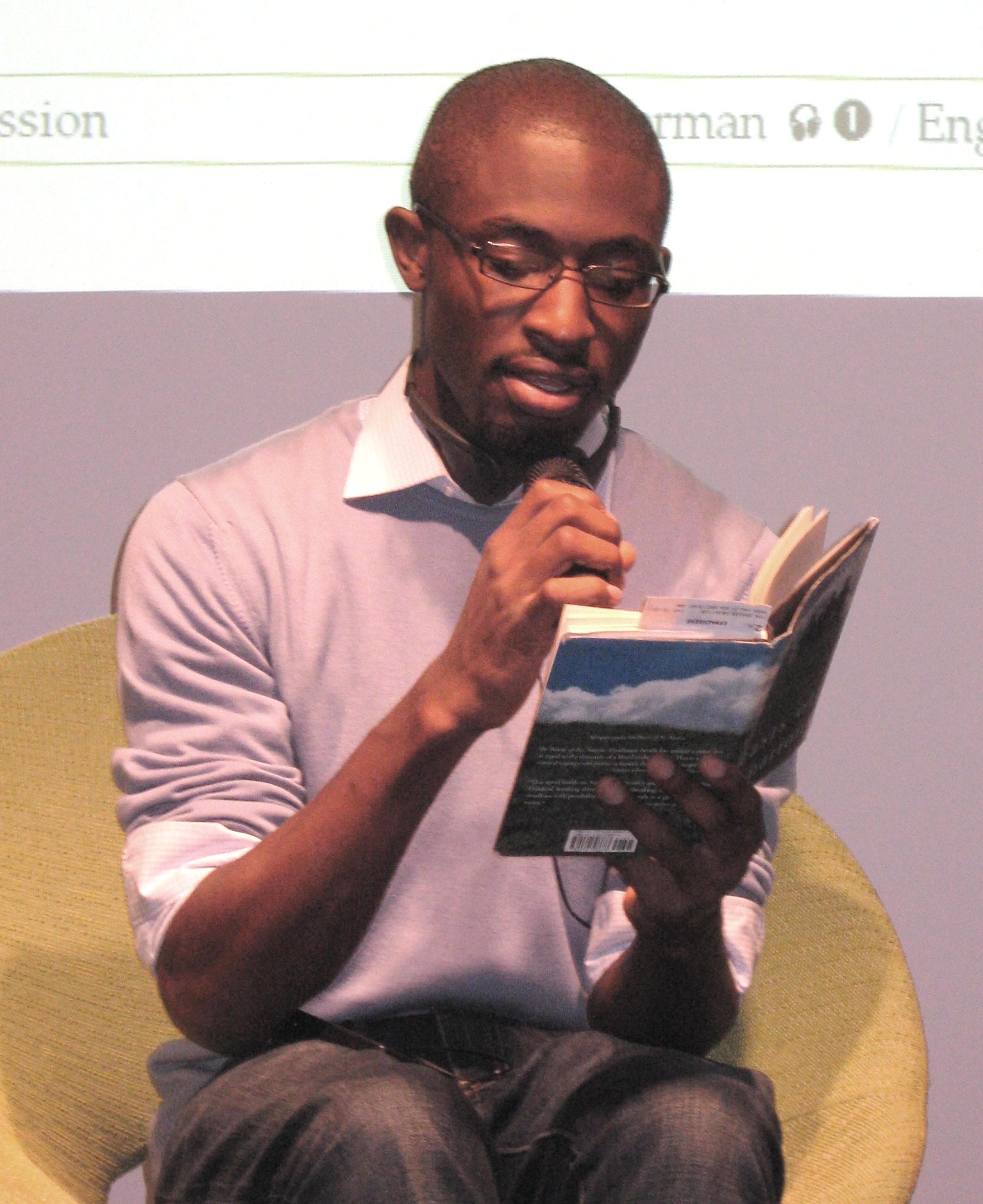
Uzodinma Iweala is a Nigerian author known for his fiction that often explores themes of war and identity. His notable work, "Beasts of No Nation," tells the story of a child soldier in an unnamed African country and has garnered significant attention for its poignant portrayal of conflict. Iweala's writing reflects his deep engagement with the complexities of the human experience in times of crisis.
Similar books
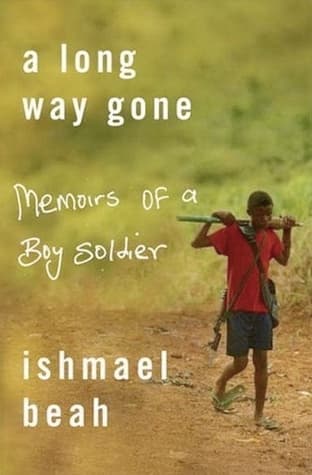
- A Long Way Gone: Memoirs of a Boy Soldier
Ishmael Beah
4.2 (163k) average on GoodreadsBiographyFirst-person account of a child soldier's experiences and subsequent rehabilitation.
- Johnny Mad Dog
Emmanuel Dongala
3.9 (286) average on GoodreadsHistorical FictionExplores the lives of child soldiers in West Africa with a focus on their brutal reality.
- To Kill a Mockingbird
Harper Lee
4.3 (4.5M) average on GoodreadsHistorical FictionIn the 1930s Jim Crow South, Harper Lee writes about racial injustice, moral growth, and the quiet courage of a lawyer father, Atticus Finch, as seen through his young daughter's eyes.
- The Great Gatsby
F. Scott Fitzgerald
3.9 (3.8M) average on GoodreadsHistorical FictionIn the opulent Roaring Twenties, a mysterious millionaire's lavish parties hide his desperate, tragic pursuit of a lost love, exposing the emptiness within the American Dream.
- Pride and Prejudice
Jane Austen
4.3 (3M) average on GoodreadsHistorical FictionIn a society focused on status and money, Elizabeth Bennet navigates love and pride, challenging Mr. Darcy and social expectations to find true affection.
- Angels & Demons
Dan Brown
3.9 (2.7M) average on GoodreadsThrillerA Harvard symbologist races through Rome's ancient sites, deciphering cryptic clues to unmask the Illuminati and stop a vengeful plot to destroy the Vatican with a stolen antimatter weapon.





Enjoyed the summary?
A summary gives you the shape of the book. The book itself has the detail, the examples and the voice.
Find Beasts of No Nation on AmazonAs an Amazon Associate, BookBrief earns from qualifying purchases. How we're funded