

Synopsis
Covers the whole plot, including the ending.
- Difficulty
- Medium
- Pacing
- Moderate
- Mood
- Epic, Romantic, Dramatic, Poignant, Grand
- Read it if
- You enjoy sweeping historical romances set in exotic locations with rich cultural details and political intrigue.
- Skip it if
- You prefer fast-paced thrillers or are not interested in detailed historical settings and court dramas.
Beneath a Marble Sky Plot Summary
Covers the whole plot, including the ending.
A Mother's Prophecy and a Daughter's Love
Princess Jahanara begins her story in seventeenth-century Hindustan, describing her childhood as the eldest daughter of Emperor Shah Jahan and Empress Mumtaz Mahal. She describes her mother, Mumtaz, as a woman of beauty, intelligence, and grace, deeply loved by the Emperor. Mumtaz, however, has a recurring dream of her own death, specifically during the birth of her fourteenth child. Despite Jahanara's attempts to reassure her, Mumtaz accepts her fate, dedicating her remaining time to her family and the empire's welfare. This early section establishes the bond between Jahanara and her mother, and Mumtaz's strong connection with destiny.
The Tragic Birth and a Mother's Last Wish
The prophecy comes true during the military campaign in Burhanpur. Empress Mumtaz Mahal, accompanying Shah Jahan, goes into a difficult labor with her fourteenth child. Despite the royal physicians' efforts, her strength fades. Jahanara stays by her mother's side, witnessing her suffering and final moments. Before her death, Mumtaz asks Shah Jahan to promise to never remarry, to care for their children, and to build an unmatched monument to their love. Mumtaz's death sends the Emperor into deep grief, and leaves Jahanara feeling lost and responsible for her younger siblings.
Shah Jahan's Despair and the Monument's Conception
After Mumtaz's death, Emperor Shah Jahan falls into deep mourning, neglecting his duties and isolating himself. The empire nears chaos, with his sons beginning to scheme for power. Jahanara, despite her own grief, steps in, trying to manage the household and comfort her father. During this time, Shah Jahan, driven by Mumtaz's dying wish and his sorrow, conceives the idea of the magnificent mausoleum. He envisions a structure that will immortalize their love and be Mumtaz's eternal resting place, a project that will take up his remaining years.
The Search for an Architect and Jahanara's First Encounter
Shah Jahan, recovering from his grief, dedicates himself to the monument. He summons the finest architects and artisans from across the empire and beyond. Among them is a talented Persian architect named Isa. Jahanara, interested in the project and her father's renewed purpose, watches the presentations. She is drawn to Isa's innovative designs, his quiet intensity, and his passion for the work. A subtle connection begins to form between them, even as their societal positions make a deeper relationship impossible. Isa's vision particularly appeals to Shah Jahan, and he is chosen to lead the project.
The Taj Mahal Rises and a Forbidden Love Blooms
Years pass as the Taj Mahal begins to take shape, a structure of unprecedented scale and artistry. Jahanara often visits the construction site, seemingly to oversee her father's project, but increasingly to spend time with Isa. Their conversations, initially about architecture and design, reveal a shared understanding, curiosity, and emotional connection. Despite the social gap between a princess and an architect, their admiration grows into a forbidden love. They share stolen moments and secret glances, aware of the danger their relationship poses if discovered, especially with the Emperor's strict rules.
Sibling Rivalry and Political Intrigue
While the Taj Mahal is being built, the Mughal Empire's political situation becomes unstable. Shah Jahan's four sons – Dara Shikoh, Shuja, Aurangzeb, and Murad – openly engage in power struggles, each believing himself the rightful heir. Aurangzeb, in particular, is ambitious, ruthless, and devout, contrasting with Dara's liberal and intellectual nature. Jahanara, often acting as her father's confidante and advisor, sees the dangerous schemes and betrayals unfolding within her own family, which cast a shadow over the beauty being created.
The Emperor's Illness and Aurangzeb's Coup
Emperor Shah Jahan falls gravely ill, starting a full-blown war of succession among his sons. Aurangzeb, the most cunning and militaristic, quickly gains an advantage. He defeats his brothers, including the favored Dara Shikoh, through strategic alliances, deception, and military campaigns. Jahanara tries desperately to protect her father and support Dara, but her efforts fail. Aurangzeb's rise to power is marked by bloodshed and fratricide, showing his ruthless determination to secure the throne at any cost, regardless of family ties or moral principles.
Imprisonment and Isa's Desperate Plan
After consolidating his power, Aurangzeb imprisons his ailing father, Shah Jahan, in the Agra Fort. Jahanara chooses to remain by his side in captivity. The imprisonment is a cruel blow, separating Jahanara from Isa, whose fate becomes uncertain under the new rule. Aurangzeb, driven by paranoia and a desire to remove any challenge to his authority, is merciless. Jahanara, confined to the fort, can only gaze upon the distant, unfinished Taj Mahal, a reminder of her lost love and the empire's former glory, as she cares for her broken father.
The Taj Mahal's Completion and a Final Glimpse
Despite the political turmoil and the imprisonment of its patron, the Taj Mahal is finally completed, a breathtaking monument of white marble. Shah Jahan, from his prison cell, can only view it from afar, a bittersweet testament to his love for Mumtaz. Isa, having survived Aurangzeb's purge, manages to arrange a final, dangerous meeting with Jahanara. Their reunion is brief and heartbreaking, a recognition of their enduring love despite the circumstances that separate them. Isa is forced to flee the empire, and Jahanara remains with her father, knowing their love can only exist in memory.
Shah Jahan's Death and Jahanara's Legacy
Years pass, and Shah Jahan eventually dies in captivity, his last gaze fixed upon the Taj Mahal. Jahanara, his devoted daughter, ensures his burial beside Mumtaz Mahal in the magnificent mausoleum. With her father gone and her lover far away, Jahanara dedicates the rest of her life to preserving her parents' memory, maintaining the Taj Mahal, and acting as a moral guide within the fractured royal family. Her story ends with a reflection on the enduring power of love, loss, and the immortal legacy of the Taj Mahal, a symbol of both devotion and personal sacrifice.
Principal Figures
Princess Jahanara
Protagonist
The devoted daughter of Emperor Shah Jahan and Empress Mumtaz Mahal.
Jahanara is intelligent, compassionate, and fiercely loyal. As the eldest daughter, she carries a heavy burden of responsibility, first as a confidante to her mother, then as a caregiver to her grieving father, and eventually as a political advisor and moral anchor for her family. She possesses an artistic sensibility and a keen understanding of human nature. Her inner strength allows her to navigate the treacherous world of court politics and personal tragedy.
Relationships: Mumtaz Mahal (Beloved mother, inspiration); Shah Jahan (Devoted daughter, confidante, caregiver); Isa (Forbidden lover, soulmate); Aurangzeb (Antagonistic brother, jailer)
Emperor Shah Jahan
Supporting
The powerful Mughal emperor, consumed by grief and love.
Shah Jahan is a complex figure, a mighty ruler capable of great conquest and immense wealth, yet utterly devastated by the loss of his beloved wife, Mumtaz Mahal. He is passionate and artistic, commissioning grand architectural wonders, but also prone to deep despair and, later, a certain detachment from political realities. His love for Mumtaz is the driving force behind the Taj Mahal, but his grief also makes him vulnerable to the machinations of his sons.
Relationships: Mumtaz Mahal (Deeply beloved wife, inspiration for the Taj Mahal); Jahanara (Cherished daughter, emotional support); Aurangzeb (Ambitious and rebellious son, eventual jailer)
Empress Mumtaz Mahal
Supporting
Shah Jahan's beloved wife, whose death inspires the Taj Mahal.
Mumtaz Mahal is portrayed as a woman of unparalleled beauty, intelligence, and grace. She is Shah Jahan's true love and confidante, possessing a spiritual depth and a calm acceptance of her destiny. Her presence brings peace and stability to the Emperor and the court. Her dying wish for a monument to their love sets the entire story in motion, making her a powerful, albeit deceased, catalyst for the plot.
Relationships: Shah Jahan (Deeply beloved wife); Jahanara (Cherished mother, imparts wisdom)
Isa
Supporting
The talented architect of the Taj Mahal and Jahanara's forbidden love.
Isa is a brilliant and innovative Persian architect, chosen by Shah Jahan to design and oversee the construction of the Taj Mahal. He is quiet, dedicated, and deeply passionate about his art. Despite his humble origins compared to the royal family, he possesses an inner nobility and a profound sensitivity that draws Jahanara to him. His love for Jahanara is pure and selfless, enduring despite the insurmountable obstacles.
Relationships: Jahanara (Forbidden lover, soulmate); Shah Jahan (Patron and employer)
Aurangzeb
Antagonist
Shah Jahan's ambitious and ruthless son, who seizes the throne.
Aurangzeb is depicted as cunning, fanatical, and utterly ruthless in his pursuit of power. He is deeply religious, often using his piety as a justification for his brutal actions, including fratricide and the imprisonment of his own father. He represents the stark contrast to Shah Jahan's artistic and romantic nature, embodying the darker, more pragmatic side of imperial ambition. His actions drive much of the plot's conflict and tragedy.
Relationships: Shah Jahan (Father whom he betrays and imprisons); Jahanara (Sister whom he imprisons and controls); Dara Shikoh (Brother he defeats and executes)
Dara Shikoh
Supporting
Shah Jahan's favored son and intellectual heir.
Dara Shikoh is Shah Jahan's eldest and most beloved son, groomed to inherit the throne. He is depicted as intellectual, liberal, and artistic, sharing many qualities with his father. He is a scholar and a patron of the arts, but perhaps lacks the ruthlessness and military acumen necessary to withstand Aurangzeb's challenge. His idealism and trusting nature ultimately prove to be his downfall in the cutthroat world of Mughal succession.
Relationships: Shah Jahan (Favored son, intellectual heir); Jahanara (Supportive brother, ally against Aurangzeb); Aurangzeb (Rival brother, ultimately killed by him)
Rani
Supporting
Jahanara's loyal lady-in-waiting and confidante.
Rani is Jahanara's devoted servant and closest friend. She provides emotional support and practical assistance to the princess throughout her trials. Rani is observant, discreet, and fiercely protective of Jahanara, often acting as a silent witness to her mistress's secret love and sorrows. Her presence highlights Jahanara's isolation within the royal court and the importance of trusted companionship.
Relationships: Jahanara (Loyal lady-in-waiting and trusted confidante)
Prince Shuja
Mentioned
One of Shah Jahan's sons, involved in the war of succession.
Shuja is another of Shah Jahan's sons, who also vies for the throne during the succession crisis. He is portrayed as ambitious but ultimately less effective than Aurangzeb in his military and political strategies. His involvement underscores the brutal nature of the power struggle among the brothers.
Relationships: Shah Jahan (Son); Aurangzeb (Rival brother)
Themes & Insights
The Enduring Power of Love and Grief
The novel explores how love, both romantic and familial, can inspire creations and endure suffering. Shah Jahan's grief over Mumtaz Mahal's death is the reason for the Taj Mahal, a physical sign of his eternal love. Jahanara's love for her mother, father, and Isa drives her actions and resilience. The story suggests that even in loss and separation, love leaves a lasting mark, as seen in Jahanara's lifelong devotion to her family's memory and Isa's enduring presence in her heart. The Taj Mahal itself is a symbol of this immortal love.
“Love, I realized, was not a fragile thing. It was a magnificent, enduring structure, like the Taj Mahal itself, built to withstand the ravages of time and the storms of life.”
Sacrifice and Duty vs. Personal Desire
Jahanara's life is a constant balance between her personal desires, especially her love for Isa, and her duty to her family and empire. She sacrifices her own happiness and freedom to care for her grieving father and protect her siblings. Her royal lineage and the expectations placed upon her force her to choose duty over personal fulfillment, leading to a life of quiet sacrifice. This theme also appears in Shah Jahan's decision to channel his grief into building the Taj Mahal, sacrificing vast resources for a personal monument.
“My life was not my own. It belonged to my father, to my family, to the memory of my mother, and to the empire I was born to serve.”
The Corrupting Influence of Power and Ambition
The novel shows the destructive nature of unchecked ambition through the war of succession among Shah Jahan's sons. Aurangzeb's character shows how the desire for absolute power can lead to fratricide, betrayal, and the imprisonment of one's own father. This lust for power contrasts with the beauty and love of the Taj Mahal, highlighting human nature's duality and the darker side of imperial rule. The political intrigue is a constant threat to the characters' personal happiness.
“Power, my father used to say, was a hungry beast. Once fed, it only craved more, devouring all in its path.”
Art and Architecture as Immortality
The Taj Mahal is not just a setting but a central character and a symbol of immortality. It represents the lasting legacy of love, beauty, and human creation in the face of death, political upheaval, and personal tragedy. Through the monument's construction, Shah Jahan seeks to immortalize his love for Mumtaz, and Isa pours his soul into its design. Jahanara, too, finds solace and purpose in its existence. The novel suggests that art and architecture can transcend time and human mortality, preserving stories and emotions for generations.
“The Taj Mahal was more than marble and stone; it was a heartbeat, a love song carved into the very earth, destined to echo through eternity.”
The Role of Women in a Patriarchal Society
Jahanara's story explores the limits and influences of women within the Mughal court. Despite her intelligence and political skill, her power is often indirect, exercised through influence, counsel, and emotional support rather than direct rule. She is a princess, yet her choices are limited by societal expectations and male dominance. Her forbidden love with Isa highlights the severe consequences for women who defy these norms. However, she also shows great strength and resilience, becoming a pillar of stability and moral authority within her family, proving that influence can exist even without overt power.
“A woman's strength, I learned, was often found not in the sword she wielded, but in the quiet steadfastness of her heart.”
Plot Devices & Literary Techniques
First-Person Narrative (Jahanara)
The story is told entirely through the eyes and memories of Princess Jahanara.
This device offers an intimate and personal perspective on the grand historical events. By filtering the story through Jahanara's consciousness, readers gain direct access to her emotions, observations, and inner conflicts, particularly her forbidden love and her grief. It allows for a nuanced portrayal of the royal court, as seen from an insider's, yet often powerless, viewpoint, making the historical narrative more emotionally resonant and immediate. The reader trusts Jahanara's account as she reflects on her past.
Foreshadowing (Mumtaz's Dream)
Empress Mumtaz Mahal's recurring dream of her death.
Mumtaz's premonitory dream of her death during childbirth serves as a powerful instance of foreshadowing. It immediately establishes a sense of impending tragedy and inevitability, creating dramatic tension from the outset. This device not only prepares the reader for Mumtaz's demise but also deepens the emotional impact of her death when it occurs, making it feel both fated and profoundly sad. It also underscores the mystical and spiritual elements within the narrative.
Symbolism (The Taj Mahal)
The Taj Mahal as a multifaceted symbol.
The Taj Mahal is the central and most potent symbol in the novel. It represents Shah Jahan's eternal love and profound grief, Mumtaz Mahal's enduring legacy, and the pinnacle of Mughal artistry. It also symbolizes the beauty that can emerge from suffering and the human desire for immortality. For Jahanara, it becomes a bittersweet symbol of lost love (Isa), family duty, and a tangible link to her past, a constant reminder of both glory and sorrow. Its construction parallels the emotional journey of the characters.
Parallel Narratives (Love Stories)
The intertwining of Shah Jahan's and Jahanara's love stories.
The novel cleverly uses parallel narratives by presenting two central love stories: Shah Jahan's iconic love for Mumtaz Mahal and Jahanara's forbidden love for Isa. This device allows for thematic comparisons and contrasts between the two relationships. While Shah Jahan's love is grand and publicly celebrated, Jahanara's is secret and tragic, highlighting different facets of love, sacrifice, and societal constraints. The parallel structure enriches the exploration of love's power and its varying manifestations.
Beneath a Marble Sky Quotes
“The greatest love stories are not always the ones that end happily, but the ones that burn brightest.”
“A woman's beauty is a gift, but her intelligence is a weapon.”
“Grief is a heavy cloak, but it is also a reminder of the love we once held.”
“The world is full of beauty, if only we take the time to see it.”
“Sometimes, the greatest strength lies in quiet endurance.”
“A father's love, though sometimes harsh, is a constant star.”
“To build something eternal, one must first understand the fleeting nature of life.”
“Even in the darkest of times, hope can be found in the smallest of gestures.”
“Power is a seductive mistress, but she often demands a terrible price.”
“The heart remembers what the mind tries to forget.”
“True artistry is not merely imitation, but the expression of a soul's deepest longing.”
“Sometimes, the most beautiful things are born from the greatest pain.”
“A whisper can be more dangerous than a shout in a court of kings.”
“Love does not always conquer all, but it makes the journey worthwhile.”
Quiz
10 questions on the plot and the characters. Each answer comes with a short explanation.
Question 1
Who was the emperor who commissioned the building of the Taj Mahal in 'Beneath a Marble Sky'?
- Emperor Akbar
- Emperor Shah Jahan
- Emperor Aurangzeb
- Emperor Jahangir
Show answer
B. Emperor Shah Jahan The book explicitly states that the reigning emperor, consumed with grief over his wife's death, commissioned the Taj Mahal. This emperor is Shah Jahan.
Question 2
What is the name of the princess who narrates the story and shares her own tale of forbidden love?
- Princess Roshanara
- Princess Mumtaz Mahal
- Princess Jahanara
- Princess Nur Jahan
Show answer
C. Princess Jahanara The synopsis clearly states, 'Princess Jahanara, the courageous daughter of the emperor and his wife, recounts their mesmerizing tale...'
Question 3
What significant historical monument is being built throughout the narrative of 'Beneath a Marble Sky'?
- The Red Fort
- Humayun's Tomb
- The Taj Mahal
- Fatehpur Sikri
Show answer
C. The Taj Mahal The description explicitly mentions the emperor commissioned 'a grand mausoleum as a testament to the marvel of their love. This monument would soon become known as the Taj Mahal.'
Question 4
With whom does Princess Jahanara experience a forbidden love affair?
- A rival prince
- The chief minister
- The celebrated architect of the Taj Mahal
- A foreign diplomat
Show answer
C. The celebrated architect of the Taj Mahal The summary states Jahanara shares 'her own parallel story of forbidden love with the celebrated architect of the Taj Mahal.'
Question 5
What emotion primarily drives the emperor's decision to build the grand mausoleum?
- Pride in his empire's wealth
- Grief over the tragic death of his beloved wife
- A desire for political influence
- A wish to showcase architectural innovation
Show answer
B. Grief over the tragic death of his beloved wife The text clearly states the emperor was 'consumed with grief over the tragic death of his beloved wife' and commissioned the mausoleum 'as a testament to the marvel of their love.'
Question 6
Besides romance and architectural marvels, what other significant social and political elements are present in the historical Hindustan depicted?
- Peaceful trade alliances and cultural exchange
- Democratic reforms and economic prosperity for all
- Murderous sibling rivalries and cruel despotism
- Religious tolerance and widespread educational reform
Show answer
C. Murderous sibling rivalries and cruel despotism The description highlights 'a time of unimaginable wealth and power, murderous sibling rivalries, and cruel despotism,' contrasting it with the beauty of architecture and love.
Question 7
The book is set in which historical period and geographical location?
- 16th-century Persia
- 17th-century Hindustan
- 18th-century Ottoman Empire
- 15th-century China
Show answer
B. 17th-century Hindustan The first sentence specifies, 'Journey to dazzling seventeenth-century Hindustan...' This sets both the time and place.
Question 8
What specific art forms are noted to have reached a pinnacle of perfection alongside brutalities of war and oppression during this era?
- Music and dance
- Literature and philosophy
- Architecture and the art of love and passion
- Sculpture and pottery
Show answer
C. Architecture and the art of love and passion The final sentence states that 'architecture and the art of love and passion reached a pinnacle of perfection,' juxtaposed with the era's brutalities.
Question 9
The Taj Mahal is described as a 'testament to the marvel of their love.' Whose love is specifically being symbolized by this monument in the book's context?
- Princess Jahanara and her forbidden lover
- The Emperor and his beloved wife
- The people of Hindustan for their emperor
- The architect and his artistic vision
Show answer
B. The Emperor and his beloved wife The emperor commissioned the Taj Mahal 'as a testament to the marvel of their love,' referring to his love for his deceased wife, Mumtaz Mahal.
Question 10
What characteristic is NOT attributed to Princess Jahanara in the provided summary?
- Courageous
- Narrator of the tale
- Architect of the Taj Mahal
- Daughter of the emperor
Show answer
C. Architect of the Taj Mahal Jahanara is explicitly described as 'the courageous daughter of the emperor' and the one who 'recounts their mesmerizing tale,' also having a forbidden love with 'the celebrated architect,' implying she herself is not the architect.
Beneath a Marble Sky FAQ
What is the central historical event around which 'Beneath a Marble Sky' revolves?
The novel primarily centers on the construction of the Taj Mahal in 17th-century Hindustan, commissioned by Emperor Shah Jahan after the tragic death of his beloved wife, Mumtaz Mahal. This grand mausoleum serves as a testament to their profound love and is the backdrop for much of the story's drama and romance.
Who is the primary narrator of the story, and what is her relationship to the Emperor?
The story is narrated by Princess Jahanara, the courageous daughter of Emperor Shah Jahan and Mumtaz Mahal. She recounts her parents' epic love story while also sharing her own parallel and forbidden romance, providing an intimate perspective on the royal court and the construction of the Taj Mahal.
What is Princess Jahanara's personal forbidden romance in the novel?
Princess Jahanara falls in love with Ustad Ahmad Lahori, the celebrated architect responsible for designing and overseeing the construction of the Taj Mahal. Their love is forbidden due to their differing social statuses and the strict protocols of the Mughal court, creating significant personal conflict for Jahanara.
How does Emperor Shah Jahan's grief manifest in the story beyond commissioning the Taj Mahal?
Shah Jahan's grief is profound and all-consuming; he withdraws from governance, neglects his empire, and becomes increasingly despotic and ruthless. His obsession with the Taj Mahal and his inability to move past Mumtaz's death lead to political instability, sibling rivalries among his sons, and a general decline in his rule's compassion.
What role do Shah Jahan's sons play in the narrative?
Shah Jahan's sons, particularly Aurangzeb, Dara Shikoh, and Murad Bakhsh, are central to the plot, engaging in fierce and often murderous sibling rivalries for succession. Their power struggles intensify due to their father's grief-induced neglect of the empire, leading to bloody conflicts that shape the political landscape.
Are there specific historical figures besides the main royal family that are depicted in the book?
Yes, Ustad Ahmad Lahori, the chief architect of the Taj Mahal, is a key historical figure whose character is central to Jahanara's personal story. Other historical figures, such as various court officials and military commanders, also appear, though the focus remains on the imperial family and their immediate circle.
How does the novel portray the actual construction process of the Taj Mahal?
The novel vividly details the immense scale and complexity of the Taj Mahal's construction, from the sourcing of exotic materials to the meticulous craftsmanship of thousands of laborers. Jahanara's narrative often intertwines with Lahori's work, providing insights into the architectural challenges and the human cost of such a monumental undertaking.
What are some of the lesser-known cultural or artistic details of 17th-century Hindustan explored in the book?
The book delves into the opulent court life, intricate Mughal art forms, and the blend of Persian, Islamic, and Indian architectural styles prevalent at the time. It also touches upon the social hierarchies, religious practices, and the daily lives of both royalty and commoners, painting a rich cultural tapestry beyond just the Taj Mahal.
How does Jahanara's role as a daughter and sister influence her actions and choices?
Jahanara is deeply loyal to her father and her mother's memory, which initially compels her to support the Taj Mahal project. However, her love for Lahori and her growing awareness of her brothers' brutality and her father's tyranny force her to make difficult choices, often balancing personal desire with dynastic duty and moral obligation.
Discuss the psychological impact of grief on Emperor Shah Jahan as depicted in the novel.
Shah Jahan's grief for Mumtaz Mahal is portrayed as a destructive force, transforming him from a capable emperor into a tyrannical, emotionally volatile ruler. His inability to process loss leads to obsession, isolation, and a profound detachment from the welfare of his empire and family, contributing to his sons' power struggles.
How does the concept of 'forbidden love' affect Jahanara's character development?
Jahanara's forbidden love for Lahori forces her to mature rapidly, challenging her royal upbringing and societal expectations. It makes her question authority, understand sacrifice, and develop a hidden strength and resilience, ultimately shaping her into a more empathetic and independent woman who seeks solace and purpose beyond the confines of the palace.
What psychological motivations drive Aurangzeb's ruthless pursuit of power?
Aurangzeb is depicted as driven by ambition, religious zealotry, and perhaps a deep-seated insecurity or resentment towards his more favored brother, Dara Shikoh. His actions are often cold and calculated, motivated by a desire for absolute control and a belief in his own divine right to rule, leading to extreme violence against his family.
To what extent does the novel romanticize or critique the historical figures and events?
The novel romanticizes the love story between Shah Jahan and Mumtaz Mahal and Jahanara's forbidden romance, highlighting the beauty and passion. However, it also critiques the brutal realities of imperial power, the despotism of Shah Jahan, and the murderous sibling rivalries, presenting a nuanced view that acknowledges both the grandeur and cruelty of the era.
How does the Taj Mahal itself function as a symbol within the narrative?
The Taj Mahal is a multifaceted symbol: it represents eternal love and beauty, but also Shah Jahan's immense grief and obsession. For Jahanara, it becomes a symbol of her parents' legacy, her own forbidden love, and a testament to human artistic achievement amidst political turmoil, embodying both hope and sorrow.
What is the novel's ultimate message about love and power?
The novel suggests that while love can inspire monumental beauty and profound devotion, unchecked power can corrupt and destroy, even the most profound love. It illustrates how personal affections and political ambitions are inextricably linked, and how the pursuit of one can often lead to the tragic downfall or transformation of the other.
Does the book present a definitive stance on whether Shah Jahan's love was truly noble or ultimately selfish?
The book allows for debate on this. While Shah Jahan's love for Mumtaz is portrayed as genuine and deeply felt, his subsequent actions, such as his neglect of the empire and his increasingly despotic rule driven by grief, could be interpreted as selfish. His obsession with the Taj Mahal, while a tribute, also causes immense suffering.
How does Jahanara's perspective as a woman in a patriarchal society influence the historical portrayal?
Jahanara's female perspective offers a unique, intimate look at the inner workings of the harem and the emotional lives of the royal women, often overlooked in traditional histories. She highlights the constraints and expectations placed upon women, while also showcasing their resilience, intelligence, and capacity for agency, even within a patriarchal system.
What is the significance of the 'marble sky' in the title?
The 'marble sky' likely refers to the gleaming white marble dome of the Taj Mahal, symbolizing the grand, almost celestial tribute to love and loss. It also evokes a sense of permanence and beauty, yet perhaps also the cold, unyielding nature of grief and the rigid expectations of the imperial court that shaped the characters' destinies.
Similar books
- The Twentieth Wife
Indu Sundaresan
4.0 (13k) average on GoodreadsHistorical FictionExplores Mughal court life and a powerful female figure in a historical romance.
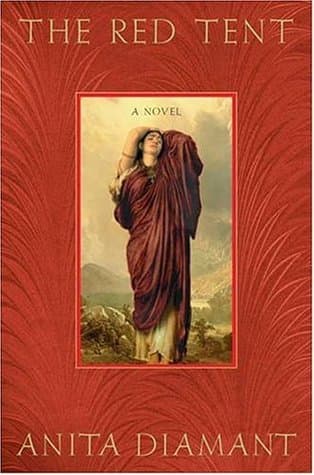
- The Red Tent
Anita Diamant
4.2 (520k) average on GoodreadsHistorical FictionFeatures a strong female voice recounting a biblical-era story with themes of love and family.
- A Thousand Splendid Suns
Khaled Hosseini
4.4 (1.2M) average on GoodreadsHistorical FictionOffers a poignant story of love, sacrifice, and resilience in a historical setting, though different region.
- To Kill a Mockingbird
Harper Lee
4.3 (4.5M) average on GoodreadsHistorical FictionIn the 1930s Jim Crow South, Harper Lee writes about racial injustice, moral growth, and the quiet courage of a lawyer father, Atticus Finch, as seen through his young daughter's eyes.
- The Great Gatsby
F. Scott Fitzgerald
3.9 (3.8M) average on GoodreadsHistorical FictionIn the opulent Roaring Twenties, a mysterious millionaire's lavish parties hide his desperate, tragic pursuit of a lost love, exposing the emptiness within the American Dream.
- Pride and Prejudice
Jane Austen
4.3 (3M) average on GoodreadsHistorical FictionIn a society focused on status and money, Elizabeth Bennet navigates love and pride, challenging Mr. Darcy and social expectations to find true affection.





Enjoyed the summary?
A summary gives you the shape of the book. The book itself has the detail, the examples and the voice.
Find Beneath a Marble Sky on AmazonAs an Amazon Associate, BookBrief earns from qualifying purchases. How we're funded