

Synopsis
Covers the whole plot, including the ending.
- Difficulty
- Medium
- Pacing
- Moderate
- Mood
- Heartbreaking, Resilient, Reflective, Somber
- Read it if
- You want a powerful, emotionally resonant story about the enduring strength of women, set against the backdrop of recent Afghan history.
- Skip it if
- You are sensitive to detailed depictions of domestic abuse, war violence, and the oppression of women.
A Thousand Splendid Suns Plot Summary
Covers the whole plot, including the ending.
Mariam's Early Life in Herat
Mariam, an illegitimate child, lives with her bitter mother, Nana, near Herat. Her father, Jalil, a rich cinema owner, visits weekly but hides her from his family. Nana constantly reminds Mariam of her birth and her mother's sacrifices. Despite Nana's warnings, Mariam loves Jalil and wants to be part of his world. On her fifteenth birthday, Mariam goes to Herat to see Jalil but is turned away. She waits outside his house all night. When she returns home, she finds Nana has died by suicide.
Forced Marriage to Rasheed
After Nana's death, Jalil's wives, fearing scandal, arrange for Mariam to marry Rasheed. He is a shoemaker from Kabul, over thirty years older than her. Mariam is scared and protests, but Jalil ignores her. She is taken to Kabul, a city she has never seen, and into Rasheed's home. Rasheed at first seems kind, buying her clothes and showing her the city. But his true nature soon appears. He expects her to obey him and demands a son. When she struggles to get pregnant, he becomes verbally abusive. This marks the start of her isolated and oppressive life.
Laila's Childhood in Kabul
Laila grows up in a more modern, educated family in Kabul. Her father, Babi, a schoolteacher, encourages her to learn. Her mother, Fariba, is depressed after her two sons, Ahmad and Noor, die in the Soviet-Afghan War. Laila feels neglected. Laila's best friend and secret crush is Tariq, who lost a leg to a landmine. As the war worsens, Laila's family sees more violence and destruction in Kabul. Rockets become a daily threat. Despite the dangers, Laila finds comfort in her studies and her friendship with Tariq.
Tariq's Departure and Laila's Loss
As the war gets worse and Mujahideen groups fight each other, life in Kabul becomes unbearable. Tariq's family decides to move to Pakistan for safety. Laila and Tariq share a sad goodbye, confirming their unspoken love. Laila is heartbroken but stays in Kabul with her parents, as Babi does not want to leave home. Soon after Tariq leaves, a rocket hits Laila's house, killing her parents and badly injuring Laila. Mariam and Rasheed pull her from the rubble and take her into their home to recover. This sets up their connected futures.
Laila Joins Rasheed's Household
Mariam and Rasheed help Laila recover, but Rasheed sees an opportunity. He lies to Laila, telling her Tariq is dead; he paid a man to deliver the false news. Laila realizes she is pregnant with Tariq's child and has no other options. To protect her unborn child and have a place to live, she agrees to marry Rasheed, becoming his second wife. Mariam resents Laila's presence, especially after years of being Rasheed's only victim of abuse. The home quickly becomes tense, with Laila now sharing Mariam's fate under Rasheed's control.
The Birth of Aziza and Zalmai
Laila gives birth to a daughter, Aziza. Rasheed is disappointed she is not a boy and shows her little affection, directing his anger at Laila and Mariam. Mariam, however, feels a motherly bond with Aziza, which softens her initial dislike for Laila. The two women slowly begin to work together in their shared suffering. Later, Laila gets pregnant again and gives birth to a son, Zalmai. Rasheed is overjoyed by his son's birth, spoiling him with affection. This highlights his neglect of Aziza and his continued mistreatment of Laila and Mariam. Zalmai quickly becomes Rasheed's favorite, unaware of his father's cruelty.
Growing Sisterhood and Failed Escape
The shared experience of Rasheed's abuse and their love for Aziza create a strong bond between Mariam and Laila. They become like sisters, supporting each other against their abusive husband. Together, they plan to escape Kabul with Aziza, hoping to reach Pakistan. With a kind bus driver's help, they get tickets and board a bus. However, a suspicious man on the bus reports them. The Taliban catch them, humiliate them publicly, and return them to Rasheed. Their punishment is brutal: Rasheed beats them severely, locking Mariam in a shed and Laila and Aziza in their room for days without food or water.
Tariq's Return
Years pass under the Taliban, bringing harsher rules and more economic hardship. Aziza is sent to an orphanage because Rasheed cannot provide for the family. One day, Tariq, alive and well, appears at Rasheed's door. He reveals he had been in Pakistan, imprisoned for several years, and returned to Kabul to find Laila. Rasheed had lied about his death. Laila is filled with joy and sorrow, understanding Rasheed's cruelty and the years of happiness he stole. Tariq's return changes Laila's world and forces a confrontation with Rasheed.
Mariam's Sacrifice
When Rasheed finds out about Tariq and Laila's plan to leave with him, he violently attacks Laila, trying to strangle her. Mariam, seeing the violence and fearing for Laila's life and the children's future, steps in. She grabs a shovel and hits Rasheed, killing him. After this, Mariam makes a great sacrifice. To protect Laila and Tariq from legal trouble and let them build a new life, Mariam confesses to the murder. She tells Laila to take Aziza and Zalmai and flee with Tariq to Pakistan, accepting her fate with peace.
Mariam's Execution
The Taliban arrest Mariam for Rasheed's murder. She has a short, unfair trial where she confesses, staying silent about Laila's involvement. Despite the injustice, Mariam faces her execution with quiet dignity. She is taken to a stadium in Kabul and publicly executed by a Taliban soldier before a large crowd. Her death is tragic but ultimately frees Laila and gives her and her children a chance for a better future. Mariam's last thoughts are of her life, her mother, and the deep love she found with Laila and the children.
A New Life in Murree
Laila, Tariq, Aziza, and Zalmai escape to Murree, Pakistan, finding shelter in a small guesthouse. They begin a new life away from Kabul's violence and oppression. Tariq finds work, and Laila raises their children. Zalmai, at first struggling with the loss of his father and his idealized image of him, slowly adapts to his new family and his bond with Tariq. Laila finds happiness and peace, cherishing her relationship with Tariq and the children—a life of love and safety that Mariam made possible through her sacrifice.
Return to Afghanistan and Mariam's Legacy
After the Taliban's fall, Laila and Tariq decide to return to Afghanistan, feeling drawn to help rebuild their war-torn country. Before settling back in Kabul, Laila visits Herat, seeking out Mariam's childhood home and places connected to her past. She finds a box Jalil left for Mariam, containing money and a letter expressing his regret. Laila uses the money to help rebuild an orphanage in Kabul, where she later becomes a teacher. She becomes pregnant again, and if it is a girl, she plans to name her Mariam, ensuring her memory lives on and symbolizing hope for Afghanistan's future.
Principal Figures
Mariam
Protagonist
An illegitimate child who endures a life of hardship and abuse, finding strength and love in an unlikely bond.
Mariam is introduced as a 'harami' (bastard) in rural Herat, living with her bitter mother, Nana. Her early life is marked by a yearning for her father's love and the shame of her birth. She is forced into an abusive marriage with Rasheed at fifteen. Initially submissive and isolated, Mariam's character evolves through her suffering. She internalizes the pain but finds an unexpected maternal love and fierce loyalty when Laila and her children enter her life. Her journey is one of finding her voice and purpose through sacrifice and love, breaking free from the societal and personal chains that bound her.
Relationships: Nana (Embittered, abusive mother); Jalil (Wealthy, neglectful father); Rasheed (Abusive husband); Laila (Co-wife, sisterly bond, deep friendship); Aziza (Adoptive grandmotherly figure, deeply cherished)
Laila
Protagonist
A bright, educated young woman whose life is shattered by war and personal tragedy, forcing her to adapt and survive.
Laila grows up in a more modern, educated family in Kabul, encouraged by her father, Babi, to pursue knowledge. She is intelligent, resilient, and deeply in love with her childhood friend, Tariq. Her life is abruptly torn apart by the war, leading to the loss of her family and her forced marriage to Rasheed. Laila is a survivor, driven by her love for her children and her enduring hope for a better future. She possesses a quiet strength and a practical intelligence that allows her to navigate impossible circumstances, eventually becoming a beacon of hope for herself and her family.
Relationships: Babi (Loving, intellectual father); Fariba (Depressed, distant mother); Tariq (Childhood love, husband, father of her children); Rasheed (Abusive husband); Mariam (Co-wife, sisterly bond, deep friendship); Aziza (Daughter); Zalmai (Son)
Rasheed
Antagonist
A cruel, misogynistic shoemaker from Kabul who abuses his wives and children.
Rasheed is a shoemaker from Kabul, a man of traditional, conservative, and deeply misogynistic views. He is much older than both Mariam and Laila when he marries them. Initially charming, his true nature quickly reveals itself as abusive, controlling, and violent. He demands obedience, prioritizes sons over daughters, and sees women as property. Rasheed embodies the oppressive patriarchal society of Afghanistan, using his power to inflict physical and emotional torment on his wives. His character serves as a stark representation of the destructive forces of unchecked male dominance.
Relationships: Mariam (Wife, victim of abuse); Laila (Wife, victim of abuse); Aziza (Neglected daughter); Zalmai (Spoiled, favored son)
Tariq
Supporting
Laila's childhood friend and true love, who endures hardship but eventually reunites with her.
Tariq is Laila's childhood friend and the love of her life. He is a spirited, loyal boy who lost a leg to a landmine but never let it diminish his courage or his playful spirit. Tariq is fiercely protective of Laila and represents hope and genuine love in her life. He is forced to flee Kabul, leading to a long separation, but his love for Laila remains constant. Despite facing his own hardships, including imprisonment, Tariq's unwavering commitment to Laila and their children ultimately brings them together, offering a path to happiness and a stable family.
Relationships: Laila (Childhood love, husband, father of her children); Aziza (Daughter); Zalmai (Step-son, later accepted as a son)
Aziza
Supporting
Laila and Tariq's daughter, whose innocence and resilience provide a focal point for the women's love.
Aziza is Laila's daughter, fathered by Tariq but initially believed to be Rasheed's. She is a bright, gentle, and intelligent child, who brings light and purpose into the lives of Mariam and Laila. Despite growing up in extreme poverty and the harsh conditions of war and an orphanage, Aziza maintains a hopeful spirit. Her presence deepens the bond between Mariam and Laila, as they both fiercely protect and love her. She represents the innocent victims of war and the enduring hope for the next generation, carrying forward the love and sacrifice of her mothers.
Relationships: Laila (Mother); Tariq (Biological father); Mariam (Beloved grandmotherly figure); Rasheed (Neglectful stepfather)
Zalmai
Supporting
Laila and Rasheed's son, initially spoiled and devoted to his father, who struggles to adapt to a new family.
Zalmai is Laila and Rasheed's son, Rasheed's only male heir, and thus his pampered favorite. He is initially a cheerful but demanding child, completely devoted to his father, who spoils him excessively. After Rasheed's death and Laila's escape with Tariq, Zalmai struggles greatly to reconcile the loss of his father with the presence of Tariq, whom he initially resents. His character highlights the complexities of family bonds and the impact of parental influence. Over time, he slowly accepts Tariq and his new family, representing the potential for healing and adaptation in children.
Relationships: Laila (Mother); Rasheed (Biological father, whom he adores); Mariam (Grandmotherly figure); Tariq (Stepfather, initially resented)
Nana
Supporting
Mariam's bitter and emotionally abusive mother, whose tragic past shapes her worldview.
Nana is Mariam's mother, a former housemaid for Jalil's family who became pregnant with his illegitimate child. Disgraced and cast out, she lives in isolation with Mariam. Nana is deeply embittered by her past and her status as an outcast, which manifests as emotional abuse and constant warnings to Mariam about the harsh realities of being a 'harami.' She projects her own suffering onto Mariam, instilling fear and shame. Her tragic suicide serves as a catalyst for Mariam's forced entry into the wider, equally cruel world.
Relationships: Mariam (Daughter, victim of emotional abuse); Jalil (Former lover, father of Mariam)
Jalil
Supporting
Mariam's wealthy, but ultimately cowardly and neglectful father.
Jalil is Mariam's wealthy father, a successful cinema owner in Herat with three legitimate wives and many children. He visits Mariam weekly, providing some comfort and gifts, but his affection is superficial. He prioritizes his reputation and social standing over his love for Mariam, ultimately abandoning her to a forced marriage. Though he feels guilt, his cowardice prevents him from truly protecting or acknowledging Mariam. His character represents the hypocrisy and societal pressures that lead to Mariam's early suffering, a regret he carries for the rest of his life.
Relationships: Mariam (Illegitimate daughter, whom he neglects); Nana (Former lover, mother of Mariam)
Babi
Supporting
Laila's intellectual and loving father, who instills in her a passion for education.
Babi is Laila's father, a kind and educated schoolteacher in Kabul. He is a gentle man who deeply loves Laila and encourages her intellectual pursuits, seeing her as a beacon of hope for Afghanistan's future. He represents the more progressive, educated side of Afghan society before the wars. His love for his home and his reluctance to leave Kabul ultimately lead to his tragic death. Babi's influence shapes Laila's worldview and her enduring belief in the power of education and compassion.
Relationships: Laila (Daughter, whom he adores and educates); Fariba (Wife, with whom he shares a strained relationship due to her depression)
Themes & Insights
The Enduring Power of Female Solidarity
This theme is central to the novel. It shows how women, despite initial dislike, can form deep bonds of love and support when facing shared oppression. Mariam and Laila's relationship, at first filled with resentment, grows into a deep, sisterly love. This bond becomes their main source of strength and survival in Rasheed's brutal home. Their protection of Aziza and their shared defiance of Rasheed show this theme. Mariam's final sacrifice for Laila is the peak of this solidarity, proving that love and loyalty between women can overcome the worst circumstances and lead to freedom.
“Mariam had never before been wanted like this. Love had never been a gift to her, something to be received. It had always been a reward, earned with painstaking effort.”
The Impact of War and Political Instability on Civilian Life
The novel clearly shows the terrible effects of decades of war—from the Soviet invasion to the rise of the Mujahideen and the Taliban—on ordinary Afghan citizens, especially women. The destruction of Kabul, the constant threat of rockets, the loss of loved ones, harsh laws, and widespread fear and poverty are all detailed. A rocket directly destroys Laila's family, and the Taliban's oppressive rule takes away women's rights, forcing Mariam and Laila into deeper hardship. The war is not just a background; it actively shapes every character's destiny and limits their choices.
“Like a compass needle that always points north, a man’s accusing finger always finds a woman. Always.”
Sacrifice and Redemption
Sacrifice is a repeated idea, especially through Mariam's actions. Her life is a series of sacrifices: enduring her mother's bitterness, her forced marriage, and finally, her own life to save Laila and her children. This selfless act allows Laila to find a kind of redemption and a chance at a new life. Mariam's sacrifice changes her from a 'harami' into a hero, finding dignity and purpose in her final act. Laila, in turn, honors Mariam's memory by returning to Afghanistan and helping others, continuing the cycle of sacrifice and hope.
“A society has no chance of success if its women are uneducated, Laila. No chance.”
The Resilience of the Human Spirit
Despite immense hardship, abuse, loss, and oppression, the characters, especially Mariam and Laila, show great resilience. Mariam finds a will to live and love after a lifetime of neglect and abuse. Laila, after losing her family and being forced into a brutal marriage, continues to fight for her children and her own survival, holding onto hope for a reunion with Tariq. Their ability to find moments of joy, connection, and even humor amidst despair shows the human spirit's lasting strength to adapt, resist, and hope for a better tomorrow, even in the darkest times.
“One could not count the moons that shimmer on her roofs, Or the thousand splendid suns that hide behind her walls.”
Plot Devices & Literary Techniques
Foreshadowing
Hints and clues about future events, often related to character fates or societal shifts.
Foreshadowing is used throughout the novel to hint at the tragic events and character developments. Nana's constant warnings to Mariam about men and the harsh realities of her illegitimate status foreshadow Mariam's eventual suffering with Rasheed. The escalating violence and the departure of Laila's brothers for war foreshadow the eventual destruction of her family and the country. The poem 'A Thousand Splendid Suns' itself, quoted by Babi, foreshadows the hidden strength and beauty that will emerge from the lives of Mariam and Laila despite the surrounding darkness.
Symbolism
Objects, places, or actions that represent deeper meanings.
Various symbols enrich the narrative. The kolba, Mariam's isolated childhood home, symbolizes her marginalization and the limitations placed upon her. The city of Kabul, initially a place of hope and education for Laila, transforms into a symbol of destruction and oppression under different regimes, mirroring the characters' personal journeys. The burqa symbolizes the loss of women's freedom and identity, particularly under the Taliban. Mariam's shovel, used to kill Rasheed, symbolizes her transformation from a passive victim into an active agent of justice and protection.
Parallel Lives/Contrasting Experiences
The narrative structure that juxtaposes the lives of Mariam and Laila before they meet.
The novel employs a narrative structure that initially follows Mariam's life, then Laila's, before bringing them together. This allows for a powerful contrast between their upbringings: Mariam's rural, isolated, and traditional childhood as a 'harami' versus Laila's urban, educated, and relatively modern upbringing. This device highlights the diverse experiences of women in Afghanistan, only for their lives to converge under the shared oppression of Rasheed and the war, emphasizing their common humanity and the unifying power of suffering and solidarity.
Irony
Situations where the outcome is contrary to what is expected, or words are used to convey a meaning opposite to their literal meaning.
Irony is used to underscore the harsh realities of the characters' lives. For instance, Mariam's father, Jalil, a man of wealth and supposed standing, ultimately abandons her to a fate worse than poverty, despite his initial show of affection. The idea that Rasheed, who desperately desired a son, would show more love for his son Zalmai than his daughters, yet it is Mariam, the 'harami,' who makes the ultimate sacrifice for his family's future, is deeply ironic. The very institutions meant to provide justice or safety (like the legal system under the Taliban) become tools of oppression and injustice.
A Thousand Splendid Suns Quotes
“Like a compass needle that always points north, a man’s accusing finger always finds a woman. Always. You remember that, Mariam.”
“Mariam had learned to harden herself against Nana’s stinging words, but Laila had yet to develop a callus.”
“One could not be a Pashtun and not know what a jinn was. One could not be a Pashtun and not know that some jinns were benevolent and some were malevolent.”
“Marriage can wait, education cannot. A woman's brain is her power.”
“For the first time, Mariam could not bring herself to look at Jalil. She had not looked at him either when he’d dropped her off at the orphanage. But that was for a different reason. That day, she’d been afraid to look, afraid that if she did, she would have to confront the fact that he was leaving her. Today, she just didn’t want to.”
“A society has no chance of success if its women are uneducated, and its youth is unemployed.”
“But mostly, Mariam thought, the city was like a compass with its needle spinning madly, directionless. It was a city of displaced strangers, new arrivals and old residents, people with no history and people with too much history.”
“She was leaving the world as a woman who had loved and been loved back. She was leaving it as a friend, a companion, a hero, a mother. A woman who had been loved and been loved back.”
“Laila was like a rock in a riverbed, enduring all that flowed over her, yet remaining unmoved.”
“But it was a lie, of course, that she had no one. She had Laila. And Aziza. And Zalmai.”
“Each snowflake was a tiny mirror, reflecting the world in a thousand different ways.”
“Because a woman's face is her husband's property, not her own.”
“She was a good daughter, a good sister, a good wife. And a good mother. She was a good woman.”
“But the past, she knew, was like a string of beads, to be picked up and admired, or to be discarded and forgotten.”
Quiz
10 questions on the plot and the characters. Each answer comes with a short explanation.
Question 1
What is the name of Mariam's mother, who commits suicide early in the novel?
- Laila
- Nana
- Fariba
- Aziza
Show answer
B. Nana Mariam's mother is Nana, who hangs herself after Mariam tries to visit Jalil in Herat.
Question 2
What does Rasheed force Laila to do after discovering she is pregnant with Tariq's child?
- Have an abortion
- Give the baby away
- Lie and claim the baby is his
- Leave the house with the baby
Show answer
C. Lie and claim the baby is his Rasheed forces Laila to lie and say the baby is his, to avoid the shame of a child born out of wedlock, even though he suspects it's not.
Question 3
What is the primary reason Mariam is sent to live with Rasheed in Kabul?
- She chose to leave Herat after Nana's death.
- Jalil's wives arrange her marriage to Rasheed to get rid of her.
- She eloped with Rasheed against her family's wishes.
- She was seeking a better life in the city.
Show answer
B. Jalil's wives arrange her marriage to Rasheed to get rid of her. After Nana's death, Jalil's wives quickly arrange Mariam's marriage to Rasheed, seeing her as a burden and a source of shame.
Question 4
How do Mariam and Laila initially view each other when Laila first moves into Rasheed's house?
- With immediate sisterly affection.
- With suspicion and resentment.
- With indifference.
- With mutual respect for their shared suffering.
Show answer
B. With suspicion and resentment. Mariam initially resents Laila as a younger, more attractive rival for Rasheed's attention, while Laila is wary of Mariam's coldness.
Question 5
What significant historical event occurs that leads to the Mujahideen taking control of Kabul, and later the Taliban?
- The American invasion of Afghanistan.
- The Soviet withdrawal from Afghanistan.
- A major earthquake devastating the city.
- A civil war between different ethnic groups.
Show answer
B. The Soviet withdrawal from Afghanistan. The Soviet withdrawal in 1989 led to a power vacuum and civil war, allowing the Mujahideen, and later the Taliban, to gain control.
Question 6
What is the ultimate fate of Mariam?
- She escapes to Pakistan with Laila and the children.
- She dies of natural causes in Rasheed's house.
- She is executed by the Taliban for killing Rasheed.
- She becomes a respected elder in her community.
Show answer
C. She is executed by the Taliban for killing Rasheed. Mariam sacrifices herself by taking responsibility for Rasheed's murder, allowing Laila and the children to escape. She is publicly executed by the Taliban.
Question 7
What does Laila discover about the 'messenger' who told her Tariq was dead?
- He was a former classmate of Tariq's who genuinely believed it.
- He was paid by Rasheed to lie to her.
- He was Tariq's distant cousin trying to protect her.
- He was a Taliban operative trying to trick her.
Show answer
B. He was paid by Rasheed to lie to her. Laila later learns from Tariq that the man who informed her of his death was a paid accomplice of Rasheed, part of his scheme to marry Laila.
Question 8
Which of the following best describes the thematic role of education in the novel, particularly for women?
- It is largely irrelevant to women's lives in Afghanistan.
- It is a symbol of hope and a means to a better future, often denied to women.
- It is a source of conflict between generations.
- It is exclusively reserved for religious studies.
Show answer
B. It is a symbol of hope and a means to a better future, often denied to women. Education, particularly for Laila and her children, represents hope, opportunity, and a path out of oppression, a stark contrast to the restrictions placed on women by the Taliban.
Question 9
What does Laila ultimately do with the money and letter she receives from Jalil's lawyer after his death?
- She uses it to buy a new house in Kabul.
- She uses it to leave Afghanistan permanently.
- She uses it to restore the orphanage where Aziza stayed and becomes a teacher.
- She keeps it for her children's future education.
Show answer
C. She uses it to restore the orphanage where Aziza stayed and becomes a teacher. Laila uses the inheritance from Jalil, along with the contents of his apology letter, to return to Kabul and help rebuild the orphanage, where she begins teaching.
Question 10
Which specific object does Mariam keep throughout her life that symbolizes her connection to Jalil and her past?
- A small, embroidered handkerchief.
- A wooden doll made by Jalil.
- A small, blue-painted teacup.
- A photograph of her mother.
Show answer
C. A small, blue-painted teacup. Mariam keeps the small, blue-painted teacup that Jalil gave her as a child, a tangible link to her early, happier memories with him.
A Thousand Splendid Suns FAQ
What is the central premise of 'A Thousand Splendid Suns'?
The novel primarily follows the intertwined lives of two Afghan women, Mariam and Laila, who are brought together by circumstance and eventually forge a deep bond amidst decades of war and Taliban rule in Afghanistan. Their story explores themes of resilience, female solidarity, and the enduring power of love in the face of immense suffering and oppression.
Who are the two main protagonists, Mariam and Laila, and how do their backgrounds differ?
Mariam is an illegitimate child, a 'harami,' who grows up isolated with her mother and is later forced into an abusive marriage with Rasheed. Laila, a generation younger, comes from a more educated and loving family, experiencing a relatively normal childhood before war devastates her family and she is also forced to marry Rasheed, becoming Mariam's co-wife.
What major historical events in Afghanistan are depicted in the book?
The novel spans several decades, depicting key historical periods in Afghanistan, including the Soviet invasion, the subsequent civil war, the rise and brutal rule of the Taliban, and the post-9/11 American intervention. These events directly impact the characters' lives, forcing them to adapt to ever-changing and increasingly dangerous circumstances.
How does Rasheed's character serve as a catalyst for the women's suffering and eventual bond?
Rasheed is the abusive husband to both Mariam and Laila, embodying the patriarchal oppression that many women faced in Afghanistan. His cruelty, particularly his physical and emotional violence, forces Mariam and Laila to rely on each other for survival and emotional support, ultimately solidifying their profound connection and leading to their act of defiance.
What is the significance of the title, 'A Thousand Splendid Suns'?
The title is a line from a 17th-century poem by Saib-e-Tabrizi, 'Kabul,' describing the city's beauty. It symbolizes the enduring spirit and beauty of Afghanistan and its people, even amidst widespread destruction and suffering. For Mariam and Laila, it represents a glimmer of hope and the potential for a better future that they strive for, despite the darkness around them.
What is the true nature of Jalil's relationship with Mariam, and how does it affect her early life?
Jalil is Mariam's wealthy father, who publicly disowns her but occasionally visits her. His inability to fully acknowledge her and his ultimate abandonment, particularly his refusal to take her in after Nana's death, leaves Mariam feeling worthless and sets the stage for her forced marriage to Rasheed and her lifelong struggle with self-worth and belonging.
How does the symbol of the burqa evolve in its meaning for Laila throughout the novel?
Initially, Laila views the burqa as a symbol of oppression, something to be resisted, especially given her more modern upbringing. However, under Taliban rule, she learns to use it as a tool for survival and even a form of camouflage, allowing her to navigate the city and protect herself and her children. It becomes a complex symbol of both subjugation and adaptation.
What is the significance of the pinocchio story and its recurrence in the novel?
The story of Pinocchio is a recurring motif, representing Mariam's unfulfilled longing for a true father figure and her desire to be loved and acknowledged. Jalil tells her the story, but his actions contradict the loving paternal figure Pinocchio seeks. Later, Laila reads it to her children, showing a generational hope for a different kind of parental love and truth.
How does the act of Mariam murdering Rasheed reflect her ultimate transformation and agency?
Mariam's murder of Rasheed is a pivotal moment, marking her ultimate liberation and an assertion of her agency after a lifetime of oppression and silence. It is an act of selfless love for Laila and her children, breaking the cycle of abuse and demonstrating her immense courage and the strength she found through her bond with Laila, sacrificing herself for their freedom.
Discuss the psychological impact of constant war and instability on the characters, particularly Laila.
The perpetual war deeply traumatizes Laila, leading to the loss of her entire family and forcing her into a desperate marriage. She develops immense resilience and a strong will to protect her children, but also experiences profound grief and a constant struggle with fear and despair. The instability forces her to make impossible choices, shaping her pragmatism and determination.
How does Mariam's early isolation and 'harami' status shape her self-perception and relationships?
Mariam's upbringing as an illegitimate child, constantly reminded of her 'harami' status by Nana, instills in her deep feelings of shame, unworthiness, and a desperate craving for acceptance. This makes her initially passive and resigned to her fate with Rasheed, but also allows her to eventually cherish her bond with Laila as the first true, unconditional love she experiences, healing some of her lifelong wounds.
Analyze Rasheed's psychological motivations for his abusive behavior towards Mariam and Laila.
Rasheed's abuse appears to stem from a combination of deeply ingrained misogyny, a sense of patriarchal entitlement, and his own unresolved grief and anger over the loss of his son. He uses control and violence to assert his dominance and project his frustrations, viewing women as property and outlets for his aggression rather than individuals worthy of respect.
How does the narrative explore the concept of motherhood beyond biological ties?
The novel powerfully explores motherhood through Mariam's relationship with Laila's children, Aziza and Zalmai. Despite being unable to have her own, Mariam becomes a deeply loving and protective maternal figure to them, especially Aziza. Her bond with Laila also takes on a maternal quality, demonstrating that motherhood is defined by care, sacrifice, and unconditional love, not just biology.
To what extent can Mariam and Laila be seen as symbols of Afghan women's resilience?
Mariam and Laila are powerful symbols of the resilience of Afghan women. Despite enduring decades of war, profound personal loss, and extreme patriarchal oppression and abuse, they find strength in each other and continue to fight for survival, dignity, and a better future for their children. Their story highlights the immense courage and endurance of women in impossible circumstances.
Is the ending of the novel ultimately hopeful or tragic, considering Mariam's sacrifice?
The ending presents a complex mix of tragedy and hope. Mariam's execution is undeniably tragic, a profound loss for Laila and her children. However, her sacrifice allows Laila, Tariq, and the children to escape and build a new life, representing hope for the future of Afghanistan through the younger generation. Laila's return to Kabul to contribute to its rebuilding further solidifies this hopeful, albeit hard-won, future.
Discuss the novel's portrayal of male characters beyond Rasheed, such as Tariq and Hakim.
While Rasheed represents extreme patriarchy, other male characters offer a more nuanced view. Laila's father, Hakim, is an educated, progressive man who champions his daughter's education and independence. Tariq embodies loyalty, enduring love, and courage, representing a hopeful, respectful masculinity. These characters provide a contrast, showing that not all men in Afghanistan adhere to oppressive ideals and that love and respect can exist.
How does the theme of education manifest throughout the story, particularly for Laila?
Education is a crucial theme, representing freedom, hope, and a path to a better future. Laila's father, Hakim, strongly values her education, seeing it as essential for her empowerment. Under the Taliban, girls' education is banned, highlighting the oppression. Laila later dedicates herself to working at an orphanage, emphasizing the importance of education for the next generation's recovery and the rebuilding of Afghanistan.
What role does the city of Kabul play as a character or backdrop in the novel?
Kabul acts almost as a character itself, with its beauty and vibrancy contrasted sharply with its gradual destruction and desolation over decades of conflict. It reflects the characters' changing fortunes and emotional states. Its eventual rebuilding, spurred by Laila's return, symbolizes the enduring spirit and potential for renewal of the Afghan people, despite profound wounds.
How does the novel challenge or reinforce Western perceptions of Afghan women?
The novel challenges simplistic Western perceptions of Afghan women as entirely helpless victims by showcasing their immense strength, resilience, and capacity for agency, love, and resistance, even under extreme oppression. While it doesn't shy away from the harsh realities, it humanizes them, revealing their complex inner lives, relationships, and their fight for dignity and survival, rather than just their suffering.
About the author

Khaled Hosseini is an Afghan-American novelist, UNHCR goodwill ambassador, and former physician. His debut novel The Kite Runner (2003) was a critical and commercial success; the book and his subsequent novels have all been at least partially set in Afghanistan and have featured an Afghan as the protagonist.
Similar books
- The Kite Runner
Khaled Hosseini
4.3 (2.4M) average on GoodreadsHistorical FictionExplores Afghan history and personal tragedy with a focus on family and redemption.
- Pachinko
Min Jin Lee
4.3 (208k) average on GoodreadsLiterary FictionIntergenerational saga of women's resilience and survival against societal hardship.
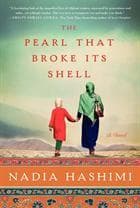
- The Pearl That Broke Its Shell
Nadia Hashimi
4.2 (35k) average on GoodreadsLiterary FictionHashimi's novel also features strong Afghan female protagonists navigating adversity, often drawing comparisons to Hosseini. The Pearl That Broke Its Shell similarly explores themes of gender roles and tradition through two intertwined narratives, one involving a 'bacha posh.' While Hashimi's work shares a focus on female resilience and cultural context, Hosseini's A Thousand Splendid Suns is often lauded for its broader historical scope and its more intense, almost epic, portrayal of the sheer brutality and duration of conflict and its impact on women's lives. Hashimi's prose can be seen as more lyrical and less stark than Hosseini's, who often opts for a more direct and emotionally raw depiction of suffering.
- To Kill a Mockingbird
Harper Lee
4.3 (4.5M) average on GoodreadsHistorical FictionIn the 1930s Jim Crow South, Harper Lee writes about racial injustice, moral growth, and the quiet courage of a lawyer father, Atticus Finch, as seen through his young daughter's eyes.
- The Great Gatsby
F. Scott Fitzgerald
3.9 (3.8M) average on GoodreadsHistorical FictionIn the opulent Roaring Twenties, a mysterious millionaire's lavish parties hide his desperate, tragic pursuit of a lost love, exposing the emptiness within the American Dream.
- Pride and Prejudice
Jane Austen
4.3 (3M) average on GoodreadsHistorical FictionIn a society focused on status and money, Elizabeth Bennet navigates love and pride, challenging Mr. Darcy and social expectations to find true affection.





Enjoyed the summary?
A summary gives you the shape of the book. The book itself has the detail, the examples and the voice.
Find A Thousand Splendid Suns on AmazonAs an Amazon Associate, BookBrief earns from qualifying purchases. How we're funded