
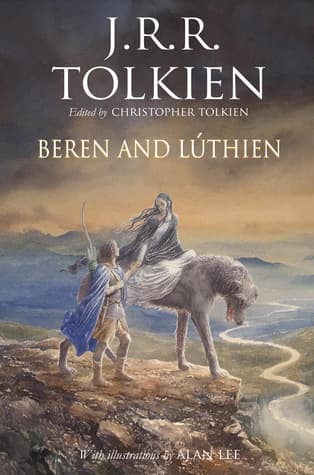
Synopsis
Covers the whole plot, including the ending.
- Difficulty
- Hard
- Pacing
- Variable
- Mood
- Epic, Romantic, Melancholy, Ancient, Mythic
- Read it if
- You are a devoted Tolkien fan interested in the evolution of his foundational legends, especially the epic love story of Beren and Lúthien, and enjoy seeing different versions and textual analyses.
- Skip it if
- You are looking for a straightforward, single narrative story without extensive textual commentary, or are new to Tolkien's world and unfamiliar with The Silmarillion's context.
Beren and Lúthien Plot Summary
Covers the whole plot, including the ending.
Beren's Exile and Lúthien's Awakening
Beren, son of Barahir, is a Man of the House of Bëor. After his people's ruin and his father's death by Morgoth's forces, Beren becomes a lone outlaw, living in the wilderness of Dorthonion. He faces many dangers and is hunted, but his skill keeps him alive. Eventually, he must flee Dorthonion. Guided by fate, he crosses the Ered Gorgoroth and enters the hidden Elvish kingdom of Doriath, ruled by King Thingol. There, in the woods of Neldoreth, he first sees Lúthien Tinúviel, the daughter of Thingol and Melian the Maia. Lúthien is dancing in a glade, and Beren is immediately captivated by her beauty, falling deeply in love.
The Meeting and The Girdle of Melian
Beren, drawn to Lúthien, struggles to approach her, but she eventually reveals herself. They spend time together in secret, and Lúthien also falls in love with the mortal man. However, Doriath is protected by the Girdle of Melian, an enchantment that prevents unauthorized entry. Beren's presence is discovered, and he is brought before King Thingol in Menegroth. Thingol, proud and wary of Men, is angry at the idea of a mortal loving his immortal daughter. He sees Beren as unworthy and opposes their union, believing it would lessen Lúthien's lineage and immortal spirit.
The Impossible Quest: The Silmaril
To deter Beren, King Thingol declares that Beren may only marry Lúthien if he brings him a Silmaril from Morgoth's crown. This is an impossible task, as the Silmarils are jewels forged by Fëanor, now set in Morgoth's iron crown in his fortress of Angband, guarded by countless legions and creatures. Thingol is sure Beren will die or abandon the quest, ending his claim to Lúthien. Beren, though daunted, accepts the challenge, driven by his love for Lúthien and his spirit, and leaves Doriath to begin the journey.
Lúthien's Escape and Huan's Aid
After Beren leaves, Lúthien is confined to a treehouse by her father, Thingol, to stop her from following Beren. However, Lúthien, with her magic and her spirit-mother Melian's subtle influence, escapes Doriath. She sets out to find Beren, eventually meeting Celegorm and Curufin, two Sons of Fëanor, who are also looking for Beren. They try to imprison Lúthien, planning to force Thingol to give her to Celegorm. But Huan, the great hound of Valinor, who serves Celegorm, pities Lúthien. He speaks to her, defying his master, and helps her escape, swearing loyalty to her and becoming her companion on her quest to find Beren.
The Fortress of Tol-in-Gaurhoth
Beren, on his journey towards Angband, is captured by Sauron, Morgoth's chief lieutenant, who holds the fortress of Tol-in-Gaurhoth (formerly Minas Tirith). Sauron, as a great werewolf, tortures Beren, trying to get information about Lúthien and the Silmaril. Lúthien, guided by Huan, arrives at the fortress. Huan challenges Sauron's great wolves, defeating them. Lúthien then confronts Sauron, using her magic and song. Sauron, unable to resist her power, transforms into various monstrous forms, but Huan eventually defeats him in a battle. Sauron must give up his fortress and power, freeing Beren from his dungeons.
Infiltration of Angband
With Beren rescued, Lúthien takes the form of Thuringwethil, a monstrous bat-vampire servant of Morgoth, and Beren wears the skin of Draugluin, Sauron's great werewolf. In these disguises, they journey to Angband, Morgoth's fortress. They pass through the gates and guards, including the fearsome Carcharoth, Morgoth's greatest wolf, who senses their true nature but is overcome by Lúthien's magic. They reach Morgoth's throne room, where the Dark Lord sits with the Silmarils in his crown.
The Theft of the Silmaril
Inside Morgoth's throne room, Lúthien reveals her true form and sings a song of immense power and beauty. Her voice, full of defiance and sorrow, casts an enchantment over Morgoth and his court. The Dark Lord, despite his power and malice, falls into a deep sleep. While Morgoth is entranced, Beren, with courage and a knife, cuts one of the Silmarils from Morgoth's iron crown. As they escape, Carcharoth, now fully aware of their deception and enraged, attacks them, biting off Beren's hand, which holds the Silmaril. The jewel, burning within the wolf, drives Carcharoth into a frenzy.
The Hunt for Carcharoth
Beren, wounded, and Lúthien escape Angband. They are found by Thingol, Mablung, and Huan, who had come looking for Lúthien. When they learn of the Silmaril trapped within Carcharoth, a dangerous hunt begins. Carcharoth, driven by the burning jewel, rampages through Doriath, causing destruction. During the hunt, Huan confronts Carcharoth. In a fierce battle, Huan kills the great wolf but is mortally wounded. Before he dies, Huan speaks for the third and last time, saying goodbye to Beren and Lúthien.
Return to Thingol and Beren's Death
After Carcharoth is slain, the Silmaril is recovered from his belly. Beren, having finished his quest, returns to Thingol in Menegroth. He presents the Silmaril to the Elven King, laying it in Thingol's hand. Thingol, humbled by Beren's courage and the feat, and seeing the depth of love between Beren and Lúthien, finally gives his blessing to their union. However, Beren's wounds from the fight with Carcharoth are too severe, and he soon dies in Lúthien's arms. Lúthien's grief is immense.
Lúthien's Choice and Mandos
Overwhelmed by sorrow at Beren's death, Lúthien's spirit leaves her body, and she also dies, becoming the first Elf to die a mortal death by choice. Her spirit goes to the Halls of Mandos, the dwelling of the Valar who judge the dead. There, she sings a song of beauty and sorrow before Mandos, the Judge of the Dead, and Manwë, the King of the Valar. Her lament touches Mandos's heart, who has never been moved to pity before. She pleads for Beren's return to life and for herself to share his mortal fate.
The Gift of Mortality
Mandos, moved by Lúthien's song and love, consults with Manwë and Eru Ilúvatar, the One God. Eru, in his wisdom and mercy, grants Lúthien's request. He offers her a choice: to return to Valinor and live among the Elves forever, or to return to Middle-earth with Beren, but both as mortals, sharing the Gift of Men – a finite life and a fate beyond the world. Lúthien, without hesitation, chooses mortality, to be with Beren. They are then reborn and return to Middle-earth, living out their days as mortals in Tol Galen.
Their Mortal Life and Legacy
Beren and Lúthien return to Middle-earth, choosing to live in the green isle of Tol Galen in the River Adurant in Ossiriand. They live a quiet, mortal life, away from the wars and strife, for a time. Lúthien's beauty, though still great, now carries a shadow of the mortality she embraced. They have a son, Dior Eluchíl, who inherits traits from both Men and Elves. After their second, mortal deaths, their spirits leave the world together, their ultimate fate unknown to the Elves. Their tale becomes the greatest love story of the Elder Days, and their lineage, through Dior, eventually connects to the Royal Houses of Men in Númenor and later, through Elros, to the Kings of Gondor.
Beren and Lúthien Characters
Beren
Protagonist
A mortal Man of the House of Bëor, whose love for Lúthien drives him to defy the most powerful beings in Middle-earth.
Beren is a courageous and steadfast mortal Man, the son of Barahir. He is characterized by his unwavering determination, resilience in the face of impossible odds, and profound loyalty. Despite being a mortal, he possesses a spirit that rivals the greatest Elves, refusing to yield to despair or fear. His love for Lúthien is the central driving force of his actions, leading him to undertake the seemingly suicidal quest for a Silmaril. He is often seen as a symbol of the indomitable spirit of Men.
Relationships: Lúthien (Fated lover, later wife); Thingol (Father-in-law, initially antagonistic, later respectful); Huan (Loyal companion and savior)
Lúthien Tinúviel
Protagonist
An immortal Elf-maiden, daughter of King Thingol and Melian the Maia, whose beauty and power are matched only by her love for Beren.
Lúthien is the fairest of all the Children of Ilúvatar, possessed of immense beauty, grace, and potent magical abilities, particularly through her song and dance. She is half-Elven, half-Maia, inheriting power from her mother. Her spirit is fiercely independent and deeply loving, willing to defy her powerful father and even death itself for Beren. She embodies grace, sacrifice, and the transformative power of love, capable of enthralling even Morgoth.
Relationships: Beren (Fated lover, later husband); Thingol (Father, whom she defies for love); Melian (Mother, who supports her indirectly); Huan (Loyal companion and protector)
King Thingol
Supporting character, initial antagonist
The proud Elven King of Doriath, who initially opposes Beren and Lúthien's union.
Thingol (Elwë Singollo) is a great and ancient Elven King, Lord of Doriath, and husband of Melian the Maia. He is characterized by his pride, his deep love for his daughter Lúthien, and his initial disdain for mortal Men, whom he views as lesser and unworthy of his immortal kin. His decree regarding the Silmaril is born of his prejudice and desire to prevent the union, but it inadvertently sets in motion the heroic quest. He is ultimately humbled by Beren's courage and Lúthien's sacrifice.
Relationships: Lúthien (Beloved daughter); Melian (Wife); Beren (Son-in-law, initially despised, later respected)
Melian
Supporting character
A Maia, Queen of Doriath and mother of Lúthien, possessing great wisdom and foresight.
Melian is a Maia, a spirit of divine origin, who chose to dwell in Middle-earth and married Thingol. She is wise, serene, and possesses prophetic insight, often advising Thingol. While she understands the gravity of Lúthien's love for Beren and the potential sorrow it brings, she also respects the power of fate and true love. She protects Doriath with her Girdle and subtly aids Lúthien when she escapes, understanding her daughter's heart.
Relationships: Thingol (Husband and King of Doriath); Lúthien (Daughter, whom she loves deeply and supports with her wisdom)
Huan
Supporting character
The great hound of Valinor, fated to speak three times before his death.
Huan is a majestic and loyal hound, gifted by the Valar and originally belonging to Celegorm. He is no ordinary animal, possessing immense strength, speed, and intelligence, and is fated to speak only three times before he dies. He is fiercely loyal and noble, choosing to defy his master to aid Lúthien. He is instrumental in rescuing Beren from Sauron and in the final confrontation with Carcharoth, sacrificing himself for the quest. He represents loyalty, courage, and a unique form of heroism.
Relationships: Lúthien (Loyal companion and protector); Beren (Companion and ally); Celegorm (Former master, whom he disobeys for a higher purpose)
Morgoth (Melkor)
Antagonist
The Dark Lord, the first and greatest foe of the world, who holds the Silmarils in his crown.
Morgoth, originally Melkor, is the supreme Dark Lord and the primary antagonist of the First Age. He is the most powerful of the Valar who fell into evil, driven by a desire to dominate and corrupt all creation. He is characterized by immense power, fathomless malice, and a deep-seated pride. He holds the Silmarils, jewels of immense light and beauty, in his iron crown, symbolizing his theft and corruption. His defeat by Lúthien's song highlights the power of pure, selfless love against ultimate evil.
Relationships: Sauron (Chief lieutenant); Beren and Lúthien (Sworn enemies, whose quest directly challenges his power)
Sauron
Antagonist
Morgoth's chief lieutenant, a powerful Maia and master of shapeshifting and sorcery.
Sauron is a formidable Maia, second only to Morgoth in power and malice. He is a master of sorcery, illusion, and shapeshifting, often appearing as a great wolf. He commands the fortress of Tol-in-Gaurhoth and is a cruel and cunning interrogator. His defeat by Lúthien and Huan marks a significant early setback for the forces of evil, showcasing the combined power of Elven magic and Valinorean might.
Relationships: Morgoth (Master); Beren and Lúthien (Adversaries, whom he tries to capture and destroy)
Carcharoth
Antagonist
The greatest and most terrible wolf of Angband, bred by Morgoth.
Carcharoth, meaning 'Red Maw,' is a monstrous wolf, bred by Morgoth himself and fed on the flesh of Elves and Men. He guards the gates of Angband and is infused with Morgoth's malice, making him incredibly powerful and savage. He is the ultimate guardian of Angband and becomes the unwitting bearer of the Silmaril, driven mad by its burning light. His battle with Huan is a pivotal and tragic climax to the quest.
Relationships: Morgoth (Creator and master); Beren and Lúthien (Adversaries, whom he attempts to devour); Huan (His fated slayer)
Beren and Lúthien Themes
Love Transcending Death and Fate
The main theme is the power of love between Beren and Lúthien, which defies the natural order, the will of kings, and death itself. Their love is so deep that Lúthien, an immortal Elf, chooses to give up her immortality and the blessed realm of Valinor to share a mortal fate with Beren. This act of sacrifice and devotion persuades Mandos and Eru Ilúvatar to change their destiny, allowing them to return to life as mortals. This theme is clear when Lúthien sings before Mandos in the Halls of the Dead, her sorrow and love moving him.
“For the choice of Lúthien was made in love and free will, and in it the two kinds of the Children of Ilúvatar were conjoined.”
The Intertwining of Mortal and Immortal Fates
The story explores the unique and often tragic interaction between Men (mortals) and Elves (immortals). Beren, a Man, and Lúthien, an Elf, represent these two races with different destinies. Their union is initially seen as forbidden by Thingol, who fears the 'lessening' of his daughter. However, their love proves that the perceived boundaries between mortality and immortality can blur. Lúthien's choice of mortality for love creates a new lineage, bridging the two races and foreshadowing later events in Middle-earth's history, like the Half-elven.
“But the Doom of the Elves is to live in Middle-earth and not to depart from it, until the end of the world; and to them are given power and skill, and beauty, and a life that does not falter or fade. But the Doom of Men is to die, and to pass beyond the circles of the world.”
Courage Against Impossible Odds
The story is full of courage, especially Beren's willingness to undertake the impossible quest for a Silmaril from Morgoth's crown. This theme is not limited to Beren; Lúthien's defiance of her father, her escape from Doriath, and her confrontation with Sauron and Morgoth show great bravery. Even Huan, the great hound, shows courage in defying his master and facing Carcharoth. The story emphasizes that heroism often means facing overwhelming evil with little hope, driven by love and conviction.
“For Beren was a mortal Man, but the Elves deemed that in him a spirit was revealed that was not less than theirs, though its fate was different.”
The Power of Song and Art
Lúthien's power often appears through her song and dance. Her singing is not just beautiful; it is a strong magic that can affect reality and the wills of powerful beings. She uses her song to lull Morgoth into a deep sleep, letting Beren take the Silmaril. Her lament before Mandos is so moving that it sways the Judge of the Dead. This theme shows that art, beauty, and emotional expression can be as powerful as physical might or warfare against evil.
“And she sang a song of such surpassing beauty and such piercing sorrow, that Mandos himself, who hears all the lamentations of the world, was moved to pity.”
Sacrifice and Redemption
The story is filled with sacrifice. Beren sacrifices his safety and his first life for Lúthien. Lúthien sacrifices her immortality, her Elven heritage, and her place in Valinor to be with Beren. Huan sacrifices his life to protect Beren and Lúthien and defeat Carcharoth. These sacrifices are not in vain; they lead to the quest's success and the unique 'redemption' of Beren and Lúthien's shared fate. This theme shows the impact of selfless acts in overcoming adversity and achieving a higher purpose.
“But if I must choose between the Shadow and the Sun, I will choose the Sun, though I die in the choosing.”
Plot Devices & Literary Techniques
The Silmaril
A sacred, radiant jewel, the impossible object of the quest.
The Silmaril serves as the MacGuffin of the story, the seemingly unattainable object that King Thingol demands as a bridal-price for Lúthien. Its immense value, sacred nature, and placement in Morgoth's crown make the quest for it an act of ultimate defiance. Beyond its plot function, it also symbolizes light, purity, and the uncorrupted beauty of the world, contrasting sharply with Morgoth's darkness. Its burning nature within Carcharoth adds a layer of peril and urgency to the final hunt.
The Girdle of Melian
An enchanted boundary protecting the realm of Doriath.
The Girdle of Melian is a magical barrier that surrounds Doriath, making it inaccessible to all save those whom Melian or Thingol permit. It serves as a plot device to establish the exclusivity and safety of Doriath, but also to highlight Lúthien's exceptional power when she is able to bypass it to pursue Beren. It underscores the initial separation between Beren and Lúthien's worlds and the lengths Lúthien must go to defy her father's will.
Huan's Three Speeches
A magical prophecy that limits the great hound's ability to speak.
Huan's unique fate, that he may speak only three times before his death, is a classic literary device. It builds anticipation for each instance, making his words incredibly impactful and significant. His first speech to Lúthien solidifies his loyalty and aids her escape from Celegorm. His second speech likely involves guidance to Beren. His final speech, as he lies dying after defeating Carcharoth, brings a poignant closure to his heroic arc and adds emotional weight to his sacrifice, fulfilling his destiny.
Shapeshifting
The ability of characters to change their physical form.
Shapeshifting is employed by several powerful characters, most notably Sauron, who appears as a great wolf, and Lúthien, who disguises herself and Beren as monstrous creatures (Thuringwethil and Draugluin) to infiltrate Angband. This device allows for deception, infiltration, and dramatic confrontations. It highlights the magical nature of the world and the varied powers of its inhabitants, enabling the seemingly impossible task of entering Morgoth's fortress.
Beren and Lúthien Quotes
“For Beren, son of Barahir, was a mortal man, but Lúthien was of the Eldar, and a daughter of Melian the Maia, and she was the fairest of all the Children of Ilúvatar that have ever been.”
“But Lúthien was not for any Man to wed, nor for any Elf, save one who should be of equal power and like mind.”
“For Lúthien was a maiden of the Sindar, and she danced in the woods of Neldoreth, and sang above the falls of Esgalduin.”
“But Beren was drawn to her as by a spell, and he forgot all else, and followed her through the woods.”
“And Beren looked into her eyes, and the light of the stars was in them, and he loved her.”
“But Thingol, her father, would not suffer it, and he laid upon Beren a doom that he should bring him a Silmaril from the crown of Morgoth.”
“For though Beren was mortal, his spirit was unyielding, and he would not forsake his love.”
“And Lúthien, for the love of Beren, forsook her immortality and became mortal.”
“For by the power of her song, she could weave a spell that could put even the Dark Lord to sleep.”
“And she came to the halls of Mandos, and there she sang a song of her sorrow, and of the sorrow of Elves and Men.”
“Never before had any of the race of Elves or Men returned from the Halls of Mandos, save by the express command of Ilúvatar.”
“Thus was granted to Beren and Lúthien a second life, and they dwelt for a while in Ossiriand, and were happy.”
“For their love was stronger than death, and their fate was intertwined beyond the doom of Arda.”
“But the shadow of their choice, and the sundering of their races, remained always upon them.”
Quiz
10 questions on the plot and the characters. Each answer comes with a short explanation.
Question 1
What impossible task did Lúthien's father, Thingol, impose upon Beren before he could marry Lúthien?
- To defeat Morgoth in single combat.
- To bring him a Silmaril from Morgoth's crown.
- To build a great fortress in the lands of Doriath.
- To find the lost treasure of Gondolin.
Show answer
B. To bring him a Silmaril from Morgoth's crown. Thingol, Lúthien's father, demanded a Silmaril from Morgoth's crown as the bride-price for Lúthien, an impossible task meant to deter Beren.
Question 2
What is the fundamental difference in nature between Beren and Lúthien that shadows their love?
- Beren is a wizard, Lúthien is a warrior.
- Beren is a dwarf, Lúthien is a human.
- Beren is a mortal Man, Lúthien is an immortal Elf.
- Beren is a Hobbit, Lúthien is a Man.
Show answer
C. Beren is a mortal Man, Lúthien is an immortal Elf. The core conflict and tragedy of their love is that Beren is a mortal Man, while Lúthien is an immortal Elf, a fate that initially separates them.
Question 3
Who is Melkor, also known as Morgoth, in the context of the story?
- Lúthien's benevolent grandfather.
- The greatest of all evil beings, the Black Enemy.
- Beren's loyal companion on his quest.
- The King of the Noldor Elves.
Show answer
B. The greatest of all evil beings, the Black Enemy. Melkor, or Morgoth, is explicitly described as 'the greatest of all evil beings, the Black Enemy,' from whom Beren and Lúthien must steal a Silmaril.
Question 4
What is the primary purpose of Christopher Tolkien's compilation in this book regarding the tale of Beren and Lúthien?
- To present a brand new, never-before-seen version of the story.
- To show how the legend evolved over the years by presenting its original form and later texts.
- To provide a simplified, children's version of the complex narrative.
- To argue that the tale should not have been included in The Silmarillion.
Show answer
B. To show how the legend evolved over the years by presenting its original form and later texts. Christopher Tolkien's stated aim is to 'show something of the process whereby this legend of Middle-earth evolved over the years' by presenting its original form and later variations.
Question 5
What specific item must Beren and Lúthien attempt to steal from Morgoth?
- The Arkenstone
- The One Ring
- A Silmaril
- The Necklace of the Dwarves
Show answer
C. A Silmaril The 'supremely heroic attempt' described in the synopsis is to 'rob the greatest of all evil beings, Melkor, called Morgoth... of a Silmaril.'
Question 6
In what year did J.R.R. Tolkien write the original tale of Beren and Lúthien, following his return from the Battle of the Somme?
- 1914
- 1916
- 1917
- 1920
Show answer
C. 1917 The text states that Tolkien 'wrote the tale in the following year' after returning from France and the battle of the Somme at the end of 1916, which would be 1917.
Question 7
What is the broader literary context in which the tale of Beren and Lúthien is deeply embedded and from which Christopher Tolkien attempts to extract it?
- The Hobbit
- The Lord of the Rings
- The Silmarillion
- Unfinished Tales
Show answer
C. The Silmarillion The synopsis explicitly states that the tale 'was, or became, an essential element in the evolution of The Silmarillion, the myths and legends of the First Age of the World.'
Question 8
How does Christopher Tolkien present the different versions of the story in the book to illustrate its evolution?
- He provides a summary of all changes in an appendix.
- He tells the story in his father's own words, giving its original form first, then passages from later texts.
- He rewrites the entire story into a single, cohesive narrative.
- He only includes the final, published version of the story.
Show answer
B. He tells the story in his father's own words, giving its original form first, then passages from later texts. The text details Christopher Tolkien's method: 'he has told the story in his father's own words by giving, first, its original form, and then passages in prose and verse from later texts that illustrate the narrative as it changed.'
Question 9
What specific aspect of the story, both in event and narrative immediacy, does the presentation of multiple texts aim to reveal that was 'afterwards lost'?
- The ultimate outcome of Beren and Lúthien's love.
- New characters and subplots not previously known.
- Aspects of the story that were lost as it developed within the larger history.
- The exact geographical locations of all events.
Show answer
C. Aspects of the story that were lost as it developed within the larger history. The book aims to reveal 'aspects of the story, both in event and in narrative immediacy, that were afterwards lost' as the story evolved and became embedded in the larger history.
Question 10
Who is the illustrator for 'Beren and Lúthien,' who also illustrated 'The Lord of the Rings' and 'The Hobbit' and won Academy Awards for 'The Lord of the Rings' film trilogy?
- John Howe
- Ted Nasmith
- Alan Lee
- Michael Hague
Show answer
C. Alan Lee The text explicitly states that the volume 'will similarly include drawings and color plates by Alan Lee, who also illustrated The Lord of the Rings and The Hobbit and went on to win Academy Awards for his work on The Lord of the Rings film trilogy.'
Beren and Lúthien FAQ
What is the central conflict in the tale of Beren and Lúthien?
The central conflict revolves around the forbidden love between Beren, a mortal Man, and Lúthien, an immortal Elf. Lúthien's father, Thingol, king of Doriath, vehemently opposes their union and sets an impossible bride-price: Beren must retrieve a Silmaril from the crown of Morgoth, the Dark Lord.
Who are the primary protagonists and antagonists in the story?
The protagonists are Beren, a courageous Man from the House of Bëor, and Lúthien Tinúviel, the beautiful Elven princess of Doriath. The main antagonist is Morgoth, the Dark Lord of Angband, who holds the Silmarils. Sauron, Morgoth's lieutenant, also acts as a significant antagonist, particularly in the encounter at Tol-in-Gaurhoth.
What is the 'impossible task' King Thingol sets for Beren?
King Thingol, desiring to prevent the marriage, demands that Beren bring him a Silmaril from Morgoth's Iron Crown. This task is deemed impossible because the Silmarils are protected by Morgoth in his deepest stronghold, Angband, and are guarded by fearsome creatures.
How do Beren and Lúthien manage to retrieve a Silmaril from Morgoth?
With the aid of Huan, the great Hound of Valinor, Lúthien uses her powerful magic and singing to put Morgoth and his court into a deep sleep. Beren then cuts a Silmaril from Morgoth's crown, though he loses his hand to the wolf Carcharoth on their escape.
What is the ultimate fate of Beren and Lúthien, considering their different natures?
After Beren's death from Carcharoth's venom, Lúthien's grief is so profound that she dies and goes to the Halls of Mandos. There, her sorrowful song moves Mandos and Manwë to grant her a unique choice: to return to Middle-earth with Beren as a mortal, forsaking her immortality, so they may share a brief, mortal life together.
How does the character of Huan, the Hound of Valinor, contribute to their quest?
Huan is an indispensable ally, possessing great wisdom and strength, and is fated to die by the greatest wolf that ever lived. He helps Beren escape from Sauron's fortress, Tol-in-Gaurhoth, and later aids them in their final confrontation with Carcharoth, fulfilling his destiny in the process.
What is the significance of the Silmarils in the broader mythology, beyond being a 'treasure'?
The Silmarils are jewels created by Fëanor, containing the light of the Two Trees of Valinor, which illuminated the world before the Sun and Moon. They are holy objects, coveted by Morgoth, and their recovery is a central theme throughout the First Age, driving many conflicts and oaths.
How does Sauron's role in the narrative evolve through different versions of the tale?
In earlier versions, Sauron (Thû) is a powerful sorcerer and a significant obstacle, capturing Beren and Lúthien. His defeat by Lúthien and Huan at Tol-in-Gaurhoth is a major victory, showcasing Lúthien's power and setting a precedent for his later confrontations with heroes.
What is the 'Lay of Leithian' and how does it relate to the prose narrative?
The 'Lay of Leithian' is a long narrative poem, primarily in octosyllabic couplets, that tells the tale of Beren and Lúthien. Christopher Tolkien includes excerpts and analyses of it to show how the story developed and changed over time, providing a different artistic lens through which to view the events.
What psychological impact does Lúthien's choice of mortality have on her character development?
Lúthien's choice demonstrates immense selflessness and unwavering love. It signifies a profound shift from her immortal, carefree Elven nature to embracing the tragic beauty and brevity of human life, showing her capacity for ultimate sacrifice and a deep understanding of Beren's mortality.
How does Beren's persistence despite impossible odds reflect his human spirit?
Beren's journey is a testament to human courage, determination, and loyalty. Faced with King Thingol's impossible demand and the overwhelming power of Morgoth, his refusal to yield, driven by his love for Lúthien, embodies the enduring, albeit sometimes tragic, spirit of Men in Tolkien's world.
Analyze the emotional motivations behind Thingol's initial opposition to Beren.
Thingol's opposition stems from a potent mix of paternal protectiveness, Elven pride, and a fear of the unknown. He views Beren, a mortal, as unworthy of his immortal daughter and perceives the union as a diminishment of his lineage, initially unable to grasp the depth of their love.
How does the theme of 'fate vs. free will' manifest in Beren and Lúthien's story?
The story constantly grapples with fate, particularly Lúthien's destiny as an Elf and Huan's fated death. However, Beren and Lúthien continually make choices that defy these fates, culminating in Lúthien's unprecedented decision to choose mortality, demonstrating that love and individual will can alter even the deepest decrees.
In what ways can Lúthien be seen as a proto-feminist figure in early fantasy literature?
Lúthien is not a passive damsel; she is an active agent in her own rescue and the quest, possessing immense power, courage, and agency. Her magical abilities, her defiance of her father, and her direct confrontation with Sauron and Morgoth demonstrate her strength and independence, challenging traditional gender roles of her time.
What is the broader significance of the union of a Man and an Elf in Tolkien's legendarium?
The union of Beren and Lúthien is profoundly significant as it introduces the possibility of interspecies marriage, leading to the Half-elven lineage. This blending of races brings both sorrow and strength, influencing the destinies of future generations and connecting the fates of Men and Elves in a unique and enduring way.
How does the 're-telling' structure by Christopher Tolkien enhance the reader's understanding of the legend?
By presenting different versions and textual evolutions of the story, Christopher Tolkien allows readers to witness the creative process and the organic development of the legend. This approach highlights the enduring core of the tale while revealing how specific details, characters, and narrative tones shifted over time, offering a richer, multifaceted perspective.
What parallels can be drawn between Beren and Lúthien's quest and later events in Middle-earth history?
Their quest for a Silmaril, a seemingly impossible task against a Dark Lord, foreshadows Frodo's quest to destroy the One Ring. Both involve a small, unlikely pair facing overwhelming evil, with themes of sacrifice, companionship, and the triumph of hope over despair, setting a heroic precedent for later ages.
About the author
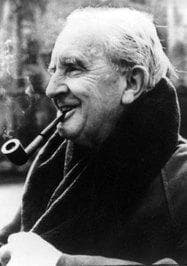
J.R.R. Tolkien was an English writer and philologist, best known for his high-fantasy works. His notable books include "The Hobbit, or There and Back Again," "The Fellowship of the Ring," and "The Return of the King," which are foundational texts in the fantasy genre. He also authored "The Silmarillion" and a boxed set featuring "The Hobbit" and "The Lord of the Rings."
Similar books
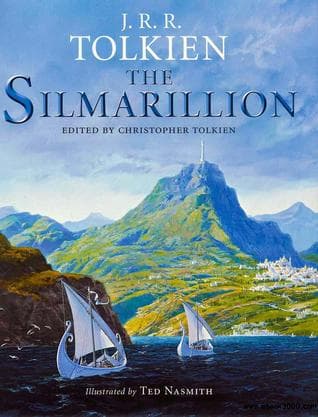
- The Silmarillion
J.R.R. Tolkien
3.9 (219k) average on GoodreadsFantasyThe broader context from which this tale is drawn, essential for understanding its place in Tolkien's legendarium.
- A Wizard of Earthsea
Ursula K. Le Guin
4.0 (241k) average on GoodreadsFantasyLe Guin's A Wizard of Earthsea offers a single, seamless narrative without textual variations, providing a more direct and unburdened storytelling experience compared to the compiled nature of 'Beren and Lúthien'. While both are foundational fantasy, Earthsea prioritizes a clear, singular journey.
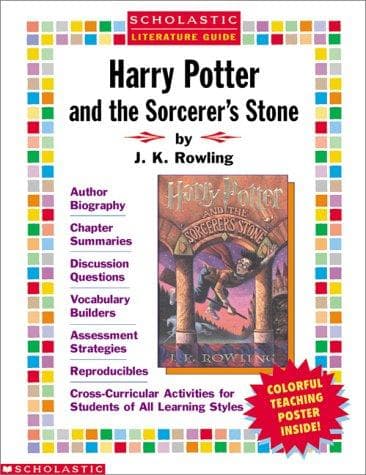
- Harry Potter and the Sorcerer's Stone
J.K. Rowling
4.5 (7M) average on GoodreadsFantasyRescued from a miserable life under the stairs, an orphaned boy discovers he's a wizard destined for a magical school, where he uncovers a dangerous secret tied to the dark wizard who murdered his parents.
- The Hunger Games
Suzanne Collins
4.3 (6.4M) average on GoodreadsFantasyIn a future where children fight to the death on live television, Katniss Everdeen volunteers for the arena, turning a death sentence into a fight for survival and a spark of rebellion.
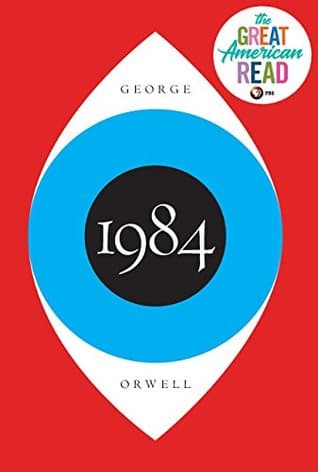
- 1984
George Orwell
4.2 (3.1M) average on GoodreadsPoliticsIn a future where surveillance and thought control are absolute, a man's search for truth clashes with the Party, showing that hope can be a form of rebellion.
- Divergent
Veronica Roth
4.2 (2.9M) average on GoodreadsFantasyIn a society divided by virtues, a sixteen-year-old's difference from the norm starts a rebellion that threatens her world.


Enjoyed the summary?
A summary gives you the shape of the book. The book itself has the detail, the examples and the voice.
Find Beren and Lúthien on AmazonAs an Amazon Associate, BookBrief earns from qualifying purchases. How we're funded