

Synopsis
Covers the whole plot, including the ending.
- Difficulty
- Medium
- Pacing
- Moderate
- Mood
- Resilient, Melancholy, Determined, Authentic
- Read it if
- You are interested in early 20th-century immigrant experiences, feminist narratives, or stories of rebellion against patriarchal traditions.
- Skip it if
- You prefer lighthearted stories or dislike narratives with significant family conflict and themes of poverty and struggle.
Bread Givers Plot Summary
Covers the whole plot, including the ending.
The Smolinsky Household: Poverty and Piety
The novel begins by introducing the Smolinsky family, recent Jewish immigrants living in poverty on Rivington Street in New York's Lower East Side. Reb Smolinsky, the father, is a pious Orthodox rabbi who spends his days studying the Torah, believing that worldly pursuits are beneath him. His wife, Shenah, and their four daughters—Bessie, Mashah, Fania, and young Sara—support the family. The daughters work in sweatshops and with pushcarts, giving all their money to their father. He often criticizes their 'American' ways and sees women as serving men's spiritual pursuits. Sara, the youngest, sees the unfairness and dreams of a different life. She chafes under her father's authority and the constant struggle for survival.
Bessie's Sacrifice and Forced Marriage
Bessie, the family's 'burden-bearer,' is the first to face the rabbi's control over her life. She works hard to provide for her parents and sisters. When a fish peddler named Zalmon comes to the house, Reb Smolinsky sees a chance for financial relief and a 'pious' son-in-law. He arranges their marriage against Bessie's wishes. Bessie loves Matese, a kind tailor, but her father forbids the match, calling Matese too poor and not religious enough. Heartbroken, Bessie sacrifices her happiness for her family, marrying Zalmon. Her sacrifice, however, only temporarily helps the family's finances, as Reb Smolinsky's demands remain constant.
Mashah's Tragic Pursuit of Beauty
Mashah, known for her beauty, wants a refined and easy life, rejecting her family's poverty. Morris Lipkin, a man who claims to be a successful businessman, courts her and promises a life of luxury. Mashah decides to marry Morris, despite her father's initial doubts, believing he will lift her from squalor. However, Morris turns out to be a fraud, with no real money. He quickly wastes what little Mashah brings to the marriage. Their life together becomes one of deeper poverty and disappointment, as Mashah's dreams break, leaving her frail.
Fania's Escape and Disillusionment
Fania, the third daughter, falls in love with and marries Abe Shmukler, a penniless poet. Their love is strong, but their financial situation is bad, causing them to move often from one rented room to another. Reb Smolinsky at first disapproves of Abe, calling him impractical. But Fania defies her father, choosing love over his rules. However, their artistic ideals and romantic love are not enough to overcome the poverty. Fania's spirit eventually breaks from the constant struggle, and her initial defiance gives way to quiet despair, like her older sisters' fates.
Sara's Rebellion and Declaration of Independence
Sara has seen her three older sisters crushed by their father's control and the hard facts of their forced marriages. She decides not to follow them. She sees that her father, in his religious fervor, has 'eaten their bread' and consumed their lives. When Reb Smolinsky tries to arrange a marriage for Sara with a pious but unappealing student, Sara strongly refuses. She states her plan to go to college, become a teacher, and earn her own living. This marks a turning point, as Sara openly goes against her father, claiming her right to self-determination and an independent life, even if it means complete separation from her family.
Sara's Struggle for Education
After her declaration, Sara leaves the Smolinsky home, cutting ties with her family to get her education. She rents a tiny, old room and takes on hard, low-paying jobs, often working late, to support herself and pay for night school. She faces extreme hunger, loneliness, and exhaustion, often fighting despair. Despite the huge challenges, Sara's desire to learn and be independent drives her. She focuses on her studies, seeing education as her only way to freedom and self-fulfillment, a sharp contrast to the lives her sisters had to lead. Her journey involves much personal sacrifice and strong will.
New York University and a Budding Romance
After years of hard work and study, Sara saves enough money and gets into New York University. The university, with its knowledge and intellectual discussions, feels like a discovery to her, far from her childhood home. She finds a sense of belonging among her fellow students and professors. Here, she meets Hugo Seelig, a school principal and an educated man who sees Sara's intelligence and ambition. Their relationship grows slowly, built on mutual respect and shared intellectual interests. It offers Sara a look at a different kind of partnership, one based on equality rather than patriarchal control.
Becoming a Teacher and Finding Independence
Through sheer persistence, Sara finishes her studies and earns her teaching certificate. She gets a job as a public school teacher, finally achieving the dream she fought for. This accomplishment means not only financial independence but also a deep sense of self-worth. She is now a 'bread giver' on her own, earning her living through her intellect and hard work, not being used by others. Her new life shows her resilience and her successful break from the traditional expectations placed on her as a Jewish woman in her community. She becomes a self-sufficient person.
Reconciliation and Continued Conflict
Years later, Sara learns her parents are poor and have been evicted from their home. Despite the deep hurts of her past, Sara feels a sense of duty and care. She lets them move into her apartment, taking on their care. While there is a surface reconciliation, the old tensions quickly return. Reb Smolinsky, now an old man, is still demanding and critical, unable to accept Sara's independent life or her modern ways. Sara finds herself again caught between her desire for personal freedom and the strong sense of family duty, showing the lasting conflict between tradition and modernity within her.
Hugo's Proposal and Sara's Dilemma
Hugo Seelig, who has patiently supported Sara, proposes marriage. This proposal brings Sara joy but also much worry. She fears that marriage, even to a man like Hugo, might lead her back into a subservient role, like her sisters' fates. Her experiences have given her a deep fear of losing her hard-won independence. Her demanding parents in her home further complicate things, as she worries how a husband would fit into this arrangement and if she can truly escape the 'bread giver' role she has always played. Sara struggles with the decision, torn between love and her fiercely protected autonomy.
A New Chapter: Marriage and Self-Acceptance
Ultimately, Sara decides to marry Hugo Seelig. Their marriage is based on mutual respect, understanding, and a shared intellectual life, very different from her sisters' marriages. Hugo accepts her for who she is, including her complex relationship with her parents. Sara continues to support her parents financially, providing them with a small home nearby. While she never fully heals the emotional scars of her upbringing, she finds a fragile peace. She learns to connect her Jewish heritage with her American independence, finding a way to honor her past without letting it limit her future. Her journey ends with a hard-won sense of self-acceptance and a hopeful, though still challenging, future.
Principal Figures
Sara Smolinsky
Protagonist
Youngest daughter, rebelling against tradition to pursue education and independence.
Sara is the fiercely independent and ambitious protagonist of the novel. From a young age, she observes the sacrifices and suffering of her mother and sisters under her father's patriarchal rule and vows to forge her own path. Driven by a burning desire for education and self-fulfillment, she defies her father's expectations and the traditional role of Jewish women in her community. Sara is resilient, intelligent, and determined, enduring extreme poverty and hardship to achieve her dreams of becoming a teacher. Her journey is one of self-discovery, struggle, and ultimately, hard-won independence.
Relationships: Reb Smolinsky (antagonistic, deeply conflicted father-daughter relationship); Shenah Smolinsky (sympathetic, burdened mother-daughter relationship); Bessie Smolinsky (sisterly, empathetic, learns from Bessie's sacrifice); Mashah Smolinsky (sisterly, empathetic, learns from Mashah's disillusionment); Fania Smolinsky (sisterly, empathetic, learns from Fania's struggles); Hugo Seelig (romantic partner, intellectual companion, supportive husband)
Reb Smolinsky
Antagonist
Pious, authoritarian Orthodox rabbi who demands absolute obedience and financial support from his daughters.
Reb Smolinsky is Sara's father and the central antagonist of the novel. He is a devout Orthodox rabbi who believes his spiritual studies are paramount, rendering him oblivious or indifferent to the material struggles of his family. He sees his daughters primarily as 'bread givers' to support his studies and views women as inherently inferior, meant to serve men. His rigid piety and patriarchal control crush the spirits of his older daughters and ignite Sara's rebellion. Despite his spiritual devotion, he is portrayed as selfish, unyielding, and ultimately responsible for much of his family's suffering, a symbol of oppressive tradition.
Relationships: Sara Smolinsky (antagonistic, deeply conflicted father-daughter relationship); Shenah Smolinsky (husband-wife, dominating and submissive); Bessie Smolinsky (father-daughter, exploitative and demanding); Mashah Smolinsky (father-daughter, dismissive of her worldly desires); Fania Smolinsky (father-daughter, disapproving of her romantic choice)
Shenah Smolinsky
Supporting
Sara's long-suffering mother, trapped by tradition and her husband's demands.
Shenah is Sara's mother, a weary and stoic woman who embodies the traditional Jewish wife. She works tirelessly to keep the family afloat, often sacrificing her own well-being for her husband and children. While she sometimes expresses a quiet despair or resentment towards her husband's impracticality, she is ultimately resigned to her fate, unable to challenge Reb Smolinsky's authority. She loves her daughters but is powerless to protect them from their father's dictates, serving as a poignant example of the limited agency of women in her community. Her suffering highlights the cost of unchecked patriarchal power.
Relationships: Sara Smolinsky (mother-daughter, sympathetic but unable to protect); Reb Smolinsky (husband-wife, submissive and burdened); Bessie Smolinsky (mother-daughter, relies heavily on Bessie's support); Mashah Smolinsky (mother-daughter, pities her and Fania's misfortunes); Fania Smolinsky (mother-daughter, pities her and Mashah's misfortunes)
Bessie Smolinsky
Supporting
The eldest sister, the 'burden-bearer' who sacrifices her happiness for her family.
Bessie is the eldest of the Smolinsky sisters, known as the 'burden-bearer.' She is strong, hardworking, and deeply responsible, taking on the primary role of providing for her family. She falls in love with Matese, a kind tailor, but is forced by her father to marry Zalmon, a fish peddler, for his perceived financial stability. Her marriage is loveless and her life is one of endless toil and sacrifice, serving as a cautionary tale for Sara. Bessie embodies the tragic consequences of a woman's lack of agency in her community, highlighting the oppressive expectations placed upon her.
Relationships: Sara Smolinsky (sisterly, provides a negative example for Sara); Reb Smolinsky (father-daughter, exploited and controlled); Matese (unfulfilled romantic love); Zalmon (husband, loveless and pragmatic marriage)
Mashah Smolinsky
Supporting
The beautiful but naive sister who seeks a life of luxury and suffers heartbreak.
Mashah is the second Smolinsky sister, renowned for her beauty and delicate nature. She yearns for a life of elegance and ease, dreaming of escaping the squalor of the Lower East Side. Her pursuit of beauty and a 'swell' life leads her to marry Morris Lipkin, a man who turns out to be a charming but ultimately fraudulent and irresponsible charlatan. Mashah's story is one of tragic disillusionment, as her dreams are shattered by poverty and her husband's deceit, leaving her frail and broken. She represents the vulnerability of those who seek escape through superficial means.
Relationships: Sara Smolinsky (sisterly, provides a negative example for Sara); Reb Smolinsky (father-daughter, disapproves of her worldly desires); Morris Lipkin (husband, deceptive and financially irresponsible)
Fania Smolinsky
Supporting
The third sister, who chooses love over convention but finds it insufficient against poverty.
Fania is the third Smolinsky sister, a passionate and romantic young woman who defies her father to marry Abe Shmukler, a penniless poet. She believes in love and art above all else, but her romantic ideals are relentlessly challenged by the harsh realities of extreme poverty. Despite her initial defiance, Fania's spirit is eventually broken by the constant struggle to make ends meet, and she falls into a quiet despair. Her story illustrates that even love, without practical means, can be insufficient to overcome the crushing weight of poverty and societal expectations.
Relationships: Sara Smolinsky (sisterly, provides a negative example for Sara); Reb Smolinsky (father-daughter, disapproves of her choice of husband); Abe Shmukler (husband, romantic but impractical poet)
Hugo Seelig
Supporting
Sara's intellectual and supportive love interest, a school principal.
Hugo Seelig is a school principal whom Sara meets during her studies at New York University. He is an educated, kind, and understanding man who respects Sara's intelligence, ambition, and independence. Unlike the men in her sisters' lives or her father, Hugo offers Sara a partnership based on equality and mutual respect, rather than dominance or exploitation. He is patient and supportive, giving Sara the space she needs to reconcile her past and embrace her future. He represents a modern, progressive male figure who contrasts sharply with the patriarchal figures in Sara's early life.
Relationships: Sara Smolinsky (romantic partner, intellectual companion, supportive husband)
Matese
Mentioned
Bessie's true love, a kind tailor whom she is forbidden to marry.
Matese is the kind tailor whom Bessie truly loves. He is portrayed as a good-hearted and honest man, but his poverty makes him an unacceptable suitor in Reb Smolinsky's eyes. His inability to provide the immediate financial relief the family desperately needs leads to Bessie being forced into a marriage with Zalmon. Matese represents the lost potential for happiness and true love for Bessie, a victim of the family's financial desperation and Reb Smolinsky's rigid control.
Relationships: Bessie Smolinsky (unfulfilled romantic love)
Zalmon
Supporting
The fish peddler Bessie is forced to marry, providing financial stability.
Zalmon is the fish peddler whom Bessie is forced to marry by her father. He is a pragmatic man, not unkind, but their marriage is one of convenience and duty rather than love. He represents the practical, often loveless, unions arranged for financial security in the immigrant community. While he provides a measure of stability, his presence underscores Bessie's sacrifice and the absence of personal happiness in her life. He is a symbol of the utilitarian approach to marriage dictated by poverty and tradition.
Relationships: Bessie Smolinsky (husband, loveless and pragmatic marriage)
Themes & Insights
Independence and Self-Fulfillment
The main theme is Sara's search for independence and a self-defined life. She goes against the strict traditions of her immigrant Jewish community and her father's authority, which say a woman's purpose is only to serve her husband and family. Sara's journey through education and work to become a teacher shows her strong desire for freedom, both financial and personal. Her struggle shows the human need to create one's own identity, especially for women challenging social norms. This theme is clear in Sara's decision to leave her family and endure hardship to attend college, eventually reaching her dream.
“I was to be the first in the family to have a room of my own, a real American room with a door that shut.”
The Oppression of Women and Patriarchy
The novel shows the severe oppression of women in the traditional Orthodox Jewish community of the Lower East Side. Reb Smolinsky's absolute authority, his belief in women's inferiority, and his view of his daughters as 'bread givers' to support his studies, crush the spirits and dreams of Bessie, Mashah, and Fania. Their forced marriages and lives of constant work show the lack of power women had. Sara's rebellion is a direct challenge to this system, making the novel a strong feminist statement against women's subjugation and their being confined to domestic or exploitative roles.
“A woman ain't supposed to have a head. A woman is only a body, to make children and to look after the house.”
Poverty and the Immigrant Experience
Poverty is a constant and destructive force in the novel, shaping every character's life and choices. The Smolinsky family's constant struggle to survive on the Lower East Side shows the harsh realities many Jewish immigrants faced in early 20th-century America. It causes the daughters' forced labor, their loveless marriages, and the constant tension in the family. The wish to escape poverty is a main reason for Sara's ambition, and its effects even touch her later, more prosperous life. The novel shows how economic hardship can reduce dignity, break dreams, and complicate family relationships among immigrants.
“My life was a hungry mouth, always crying for more, more, more.”
Conflict Between Tradition and Modernity
A main conflict in 'Bread Givers' is the clash between the Old World traditions of Eastern European Judaism, shown by Reb Smolinsky, and the appeal of American modernity, shown by Sara's desire for education and individual freedom. Reb Smolinsky holds tightly to his religious customs and values, rejecting anything 'American' as impure. Sara, in contrast, embraces the chances for self-improvement offered by American society. The novel explores the difficult process of assimilation and the generational gap, where children of immigrants often try to join the new culture, while their parents try to keep their heritage. This leads to deep divisions within families and within individuals.
“America was for the children. But I, I must remain in the Old World.”
The Nature of Love and Marriage
The novel looks at different kinds of love and marriage, often showing their tragic failures under poverty and patriarchal control. Bessie's forced marriage to Zalmon is one of duty and financial practicality, without love. Mashah's marriage to Morris is based on superficial charm and leads to disappointment. Fania's strong love for Abe is ultimately broken by poverty. In contrast, Sara's marriage to Hugo Seelig represents a modern partnership built on mutual respect, intellectual companionship, and shared values. It offers a hopeful alternative to her sisters' traditional, often oppressive, unions. This theme questions if true love can last or even exist under extreme economic and social limits.
“Love? What is love? Only a word the American girls play with. In the old country, we marry for a living.”
Plot Devices & Literary Techniques
First-Person Narrative
Provides intimate access to Sara's thoughts, struggles, and motivations.
The novel is told from Sara Smolinsky's first-person perspective, allowing the reader to experience her inner world, her frustrations, her burning ambition, and her emotional journey directly. This narrative choice immerses the reader in her struggles and triumphs, fostering deep empathy for her plight. It also enables the author to present a subjective, yet powerful, critique of the patriarchal society and the immigrant experience through the eyes of someone directly affected by it. The 'I' of Sara's voice makes her rebellion deeply personal and resonant.
Foil Characters (Sara's Sisters)
Highlight Sara's unique path by contrasting her choices and fates with those of her sisters.
Bessie, Mashah, and Fania serve as crucial foil characters to Sara. Each sister represents a different path a young woman might take within their restrictive society, and each ultimately meets a tragic or unfulfilling fate due to their inability to fully escape their father's control or the constraints of poverty. Bessie's sacrifice, Mashah's disillusionment, and Fania's crushed romantic ideals underscore the urgency and necessity of Sara's radical rebellion, emphasizing the profound difference in her chosen path and the magnitude of her achievement. Their stories serve as cautionary tales that solidify Sara's resolve.
Symbolism of 'Bread Givers'
Represents those who provide sustenance but are exploited by others.
The title itself, 'Bread Givers,' is a powerful recurring symbol. It refers to the daughters, particularly Bessie and later Sara, who are forced to work tirelessly to earn money to support their father's spiritual studies. Reb Smolinsky is the 'bread eater,' consuming their earnings and their lives without contributing materially. This symbolism extends beyond literal bread to represent the emotional, physical, and financial sustenance that women are expected to provide, often at great personal cost, for the benefit of men or the family unit, highlighting the exploitative nature of their roles.
Setting as a Character
The Lower East Side embodies the struggles and opportunities of immigrant life.
The Lower East Side of Manhattan in the early 20th century functions almost as a character itself. Its crowded tenements, bustling streets, sweatshops, and pushcarts vividly depict the harsh realities of immigrant life—the poverty, the struggle for survival, and the clash of cultures. It is a place of both confinement and opportunity. For Sara, it represents the world she must escape, a symbol of the old world's grip, while also being the crucible in which her determination is forged. The vibrant, yet oppressive, atmosphere of the neighborhood is integral to understanding the characters' motivations and limitations.
Bread Givers Quotes
“I want to make myself for a person.”
“In America, women don't need men to boss them.”
“The heart of America is in the school.”
“I'm going to live my own life. Nobody, not even my father, is going to live it for me.”
“The old world is dead. The new world is for the living.”
“A father's love is like no other love. But it can also be a chain.”
“In the old country, a woman was nothing. In America, she can be everything.”
“The hunger for bread is nothing compared to the hunger for knowledge.”
“My soul was a battleground, where the old world and the new world fought for mastery.”
“To be free, you must first free your mind.”
“A woman's heart is not a thing to be bought and sold.”
“The streets of America are paved with gold, but you have to dig for it with your own hands.”
“I would rather starve in freedom than feast in slavery.”
“The past is a ghost that haunts the present.”
Quiz
10 questions on the plot and the characters. Each answer comes with a short explanation.
Question 1
What is the primary setting of 'Bread Givers'?
- Brooklyn in the 1910s
- The Lower East Side of Manhattan in the 1920s
- Chicago in the 1930s
- Boston in the 1900s
Show answer
B. The Lower East Side of Manhattan in the 1920s The novel is set in the 1920s on the Lower East Side of Manhattan, a key location for Jewish immigrants during that period, which shapes Sara's experiences and struggles.
Question 2
Who is the protagonist of 'Bread Givers'?
- Reb Smolinsky
- Sara Smolinsky
- Mashah Smolinsky
- Fania Smolinsky
Show answer
B. Sara Smolinsky Sara Smolinsky is the youngest daughter and protagonist who rebels against her father's traditional views to seek independence and self-fulfillment.
Question 3
What is Reb Smolinsky's occupation in the book?
- A factory worker
- A shopkeeper
- An Orthodox rabbi
- A teacher
Show answer
C. An Orthodox rabbi Reb Smolinsky is an Orthodox rabbi, whose rigid religious beliefs and patriarchal authority drive much of the conflict in the novel, particularly with Sara.
Question 4
Why does Sara leave her family home?
- To get married
- To escape poverty
- To pursue education and independence
- To join a religious community
Show answer
C. To pursue education and independence Sara leaves to pursue education and independence, rebelling against her father's expectation that women should be subservient and focused on domestic roles.
Question 5
What significant personal goal does Sara achieve by the end of the novel?
- She becomes a successful business owner
- She graduates from college and becomes a teacher
- She reconciles fully with her father
- She returns to her family to support them financially
Show answer
B. She graduates from college and becomes a teacher Sara achieves her goal of graduating from college and becoming a teacher, symbolizing her hard-won independence and self-fulfillment in American society.
Question 6
How does Reb Smolinsky view the role of women in the family?
- As equal partners in decision-making
- As breadwinners for the family
- As subservient caretakers focused on domestic duties
- As leaders in religious practices
Show answer
C. As subservient caretakers focused on domestic duties Reb Smolinsky holds traditional Orthodox Jewish views that women should be subservient, handling domestic tasks and supporting men, which conflicts with Sara's aspirations.
Question 7
What theme is central to Sara's struggle in 'Bread Givers'?
- The importance of religious devotion
- The conflict between tradition and modernity
- The joys of family unity
- The benefits of arranged marriages
Show answer
B. The conflict between tradition and modernity Sara's rebellion against her father's traditional views highlights the broader theme of conflict between tradition (Orthodox Jewish customs) and modernity (American ideals of independence and education).
Question 8
Which of Sara's sisters is known for her beauty and desire for a better life through marriage?
- Bessie
- Mashah
- Fania
- Hannah
Show answer
B. Mashah Mashah is characterized by her beauty and hopes to escape poverty through marriage, contrasting with Sara's focus on education and self-reliance.
Question 9
What does the title 'Bread Givers' metaphorically refer to in the context of the novel?
- The men who provide financially for their families
- The women who sustain their families through domestic labor and sacrifice
- The charitable organizations aiding immigrants
- The teachers educating immigrant children
Show answer
B. The women who sustain their families through domestic labor and sacrifice The title metaphorically refers to the women, like Sara and her sisters, who give 'bread' (sustenance) through their labor and sacrifices, often unrecognized in a patriarchal society.
Question 10
How does Sara's relationship with her father evolve by the end of the story?
- She fully rejects him and cuts all ties
- She achieves a complete reconciliation and adopts his views
- She maintains independence but feels a complex mix of resentment and duty
- She becomes his primary caregiver in his old age
Show answer
C. She maintains independence but feels a complex mix of resentment and duty Sara maintains her hard-won independence and does not fully reconcile with her father's traditionalism, but she feels a sense of duty and complex emotions towards him, reflecting the ongoing tension between her new life and her roots.
Bread Givers FAQ
What is 'Bread Givers' about?
'Bread Givers' follows Sara Smolinsky, the youngest daughter of an Orthodox rabbi in 1920s Lower East Side Manhattan, as she rebels against her father's oppressive control and traditional expectations for Jewish women. The novel chronicles her journey from poverty and domestic servitude to pursuing education and independence, ultimately becoming a teacher while grappling with family obligations and cultural identity.
Why should I read 'Bread Givers'?
This novel is essential reading for its powerful depiction of immigrant experience, gender conflict, and the American Dream from a female perspective. Anzia Yezierska's semi-autobiographical story captures the raw emotional struggle between tradition and modernity, with Sara's relentless pursuit of self-fulfillment resonating across generations as a timeless feminist and immigrant narrative.
What is the background/setting of 'Bread Givers'?
The novel is set in the 1920s on the Lower East Side of Manhattan, a crowded immigrant neighborhood filled with tenements where Jewish families like the Smolinskys struggle with poverty. This historical context of early 20th-century American immigration shapes every aspect of the story, from the family's economic hardships to the cultural clash between Old World traditions and New World opportunities.
What are the most memorable quotes?
Key quotes include Sara's declaration 'I'm going to live my own life. Nobody else can live it for me' and her father Reb Smolinsky's traditional view 'A woman without a man is less than nothing.' Another powerful moment comes when Sara reflects 'The wrongs of the whole world were on my shoulders' as she bears her family's burdens while pursuing her education.
What writing style does the author use?
Yezierska employs a passionate, emotionally charged first-person narrative from Sara's perspective, blending Yiddish-inflected English with vivid sensory descriptions of poverty and longing. Her style combines raw autobiographical intensity with social realism, creating an immersive experience of immigrant life that feels both specific to its time and universally relatable.
What minor details add significant meaning?
The constant references to food - particularly the lack of it - symbolize both physical hunger and Sara's spiritual starvation under her father's rule. The geography of the Lower East Side, with its crowded tenements versus the open spaces of Sara's college, maps her journey from confinement to freedom. Even the title 'Bread Givers' ironically highlights how those who should provide sustenance (like Reb Smolinsky) often create hunger instead.
What are some subtle foreshadowing moments?
Early scenes where Sara secretly reads books foreshadow her eventual escape through education. Her observation of how her sisters' marriages fail due to their father's interference hints at Sara's determination to avoid the same fate. The repeated imagery of Sara's 'burning' desire for something more subtly predicts both her passionate nature and the conflicts that will ignite as she pursues independence.
What unexpected character connections exist?
Sara's eventual romantic interest, Hugo Seelig, represents a bridge between her old and new worlds - a principal who respects both education and Jewish tradition. The contrast between Sara's mother, who silently endures oppression, and Sara's landlady Mrs. Feinstein, who lives independently, shows two possible paths for immigrant women. Even minor characters like the college registrar who doubts Sara's abilities reflect societal barriers she must overcome.
What are unspoken character motivations?
Reb Smolinsky's tyrannical behavior stems not just from religious conviction but from his own failed dreams and humiliation as an immigrant scholar reduced to poverty. Sara's sisters accept miserable marriages partly out of fear of being 'old maids' in their community. Sara's own drive for education contains unspoken desires not just for independence but for validation and revenge against those who dismissed her as 'just a girl.'
What psychological complexities do characters exhibit?
Sara embodies the conflict between fierce independence and deep family loyalty, constantly torn between pursuing her dreams and caring for her aging parents. Reb Smolinsky displays cognitive dissonance, believing himself a pious scholar while exploiting his daughters. Sara's mother shows complex resignation, loving her daughters but accepting their suffering as 'God's will,' representing how internalized oppression functions.
What are the major emotional turning points?
The emotional climax occurs when Sara leaves home after her father destroys her college savings, representing her final break from family control. Another pivotal moment is when she becomes a teacher and returns to her old neighborhood, confronting how much she's changed. The death of her mother forces Sara to reconcile with her father, creating a bittersweet resolution where independence and obligation must coexist.
How do relationship dynamics evolve?
Sara's relationship with her father moves from fearful obedience to open rebellion to eventual strained reconciliation. Her connections with her sisters shift from shared suffering to distance as Sara pursues education while they remain trapped in unhappy marriages. Her romantic relationship with Hugo develops slowly, based on mutual respect rather than the arranged marriages her father favored, representing a new model of partnership.
Which parts remain ambiguous or open-ended?
The novel leaves ambiguous whether Sara's reconciliation with her father represents genuine forgiveness or merely practical necessity. Her future with Hugo is hopeful but undefined - we don't know if their marriage will succeed or repeat traditional patterns. The fate of Sara's sisters remains unresolved, leaving questions about whether Sara's escape helps or abandons them.
What are controversial scenes or decisions?
Sara's decision to leave her dying mother to take a teaching exam sparks debate about whether she prioritizes career over family. Her initial rejection of Hugo's proposal raises questions about whether she fears marriage itself or just traditional marriage. Reb Smolinsky's selling of his daughters into miserable marriages through matchmaking remains one of literature's most disturbing depictions of patriarchal control.
'Bread Givers' ending explained: how it ends & what it means
The novel ends with Sara caring for her aging father after her mother's death, having achieved her dream of becoming a teacher and finding love with Hugo. This complex conclusion suggests that true independence doesn't mean abandoning family but redefining relationships on one's own terms. The ending balances Sara's hard-won personal freedom with enduring cultural obligations, reflecting the immigrant experience of navigating between old and new worlds.
What does Sara's education symbolize beyond practical opportunity?
Sara's pursuit of education represents not just career advancement but intellectual and spiritual liberation - the right to think for herself rather than accept her father's interpretations of scripture and life. Her college experience symbolizes entry into American society while creating distance from her immigrant community, highlighting the painful choices between assimilation and cultural preservation that define the immigrant experience.
About the author

Anzia Yezierska was a pioneering American-Jewish novelist whose work explored the immigrant experience in early 20th-century New York City. Her most famous novel, "Bread Givers" (1925), is a semi-autobiographical account of a young immigrant woman's struggle for independence and self-fulfillment. Yezierska's writing is known for its raw emotional power and unflinching portrayal of poverty, cultural conflict, and the pursuit of the American Dream.
Similar books
- A Tree Grows in Brooklyn
Betty Smith
4.3 (388k) average on GoodreadsHistorical FictionExplores poverty, immigrant life, and a young girl's coming-of-age and pursuit of education in early 20th-century New York.
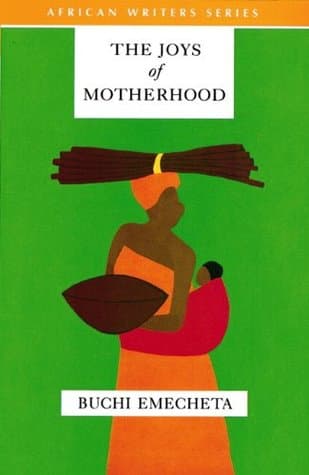
- The Joys of Motherhood
Buchi Emecheta
4.1 (5k) average on GoodreadsHistorical FictionFeatures a strong female protagonist struggling against traditional societal expectations and patriarchal structures to forge her own path.
- Call It Sleep
Henry Roth
3.8 (8k) average on GoodreadsLiterary FictionDepicts the harsh realities of immigrant life and poverty on the Lower East Side of New York City in the early 20th century.
- The Rise of David Levinsky
Abraham Cahan
3.6 (546) average on GoodreadsHistorical FictionWhile both Bread Givers and Cahan's The Rise of David Levinsky (1917) explore the Jewish immigrant experience, they do so from distinct perspectives. Cahan's novel focuses on the male immigrant's pursuit of material success and his subsequent spiritual emptiness, often romanticizing the 'old country' and lamenting the loss of traditional values. Yezierska, conversely, champions the breaking away from restrictive traditions, particularly for women, and prioritizes education and personal freedom over mere financial gain. Sara's journey is one of liberation, whereas Levinsky's is one of acquisition and subsequent melancholic reflection. Yezierska's portrayal is arguably more directly critical of the patriarchal structures within the immigrant community.
- To Kill a Mockingbird
Harper Lee
4.3 (4.5M) average on GoodreadsHistorical FictionIn the 1930s Jim Crow South, Harper Lee writes about racial injustice, moral growth, and the quiet courage of a lawyer father, Atticus Finch, as seen through his young daughter's eyes.
- The Great Gatsby
F. Scott Fitzgerald
3.9 (3.8M) average on GoodreadsHistorical FictionIn the opulent Roaring Twenties, a mysterious millionaire's lavish parties hide his desperate, tragic pursuit of a lost love, exposing the emptiness within the American Dream.





Enjoyed the summary?
A summary gives you the shape of the book. The book itself has the detail, the examples and the voice.
Find Bread Givers on AmazonAs an Amazon Associate, BookBrief earns from qualifying purchases. How we're funded