
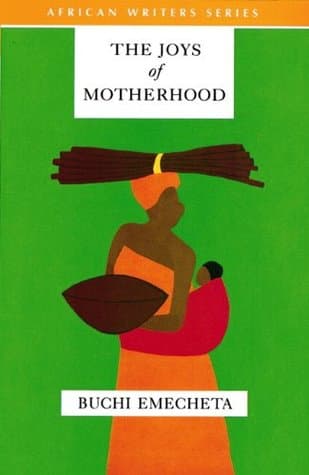
Synopsis
Covers the whole plot, including the ending.
- Difficulty
- Medium
- Pacing
- Slow
- Mood
- Melancholy, Thought-provoking, Stark, Resigned
- Read it if
- You are interested in a powerful, critical look at the societal pressures on women in post-colonial Nigeria, particularly concerning motherhood and tradition, and appreciate character-driven narratives of struggle and sacrifice.
- Skip it if
- You prefer fast-paced plots with clear resolutions and optimistic outcomes, or find narratives of relentless hardship and limited personal agency too disheartening.
The Joys of Motherhood Plot Summary
Covers the whole plot, including the ending.
The Birth of Nnu Ego and Early Life in Ibuza
Nnu Ego's birth is difficult; her mother, Ona, nearly dies, and Nnu Ego is first thought to be stillborn. Her father, Nwokocha Agbadi, a respected Ibuza chief, deeply loves Ona, his favorite concubine. Nnu Ego grows up in Ibuza, a traditional Igbo village, observing her father's household with multiple wives and children. Her childhood is marked by her parents' unusual and intense relationship, which often sets them apart from the community. This early exposure to a world where women's value is often tied to their fertility and ability to produce sons influences Nnu Ego's understanding of her future role.
First Marriage and the Curse of Barrenness
As a young woman, Nnu Ego marries Amatokwu, a wealthy farmer from a nearby village. Her family arranges this marriage, following customs. However, Nnu Ego fails to conceive a child. In Igbo society, barrenness is a severe misfortune and a source of shame for a woman, often blamed on spiritual causes or personal failings. Amatokwu's other wives already have children, and Nnu Ego becomes an object of pity and scorn within his household. Her inability to fulfill her duty as a wife—to bear children—leads to her isolation and mistreatment, ending in her expulsion from Amatokwu's compound.
Arrival in Lagos and Second Marriage to Nnaife
After Amatokwu casts her out, Nnu Ego, disgraced and desperate, travels to Lagos, a busy colonial city offering anonymity and new opportunities. She finds refuge with a relative and soon meets Nnaife, a launderman who works for white colonial officers. Nnaife is a kind but somewhat irresponsible man, also a relative of Nnu Ego's family. Their marriage is one of convenience and a desire for social acceptance. Nnu Ego sees in Nnaife a chance to escape her barren past and secure a future, while Nnaife, though not wealthy, offers her a home and the promise of a family. The move to city life is a significant cultural shift for Nnu Ego, bringing new challenges and fewer traditional support systems.
The Birth of Sons and Financial Hardship
To Nnu Ego's immense relief, she finally conceives and gives birth to a son. This event validates her womanhood and silences the whispers of barrenness that haunted her. She goes on to have more children, mostly sons, fulfilling her societal duty. However, this fertility comes at a great cost. Nnaife's meager earnings as a laundryman are not enough to support their growing family, especially with his irresponsible spending and the demands of his other wives and relatives who often live with them. Nnu Ego becomes the primary provider, engaging in petty trading and various laborious tasks, often going hungry herself to ensure her children are fed and educated, even minimally.
Nnaife's Irresponsibility and the Burden on Nnu Ego
Nnaife is an unreliable and often selfish husband. He gambles away his meager earnings, drinks too much, and brings more wives into their already crowded compound, further straining Nnu Ego's resources. His inability to provide adequately for his family forces Nnu Ego into constant toil. She works tirelessly, selling goods in the market, doing odd jobs, and constantly worrying about how to feed and clothe her many children. Nnaife's traditional mindset, where he believes his primary duty is simply to 'be a man' and procreate, clashes with the harsh economic realities of Lagos, leaving Nnu Ego to bear the brunt of their financial struggles and domestic responsibilities.
The Loss of Children and Emotional Toll
Despite her dedication, Nnu Ego experiences the tragedy of losing several of her children, especially in infancy, due to poverty, lack of medical care, and harsh living conditions in Lagos. Each death is a devastating blow, deeply affecting her already fragile emotional state. She pours all her love and energy into her surviving children, seeing them as her only true source of joy and purpose. These losses reinforce her belief that her worth as a woman is tied to her ability to produce and sustain children, driving her to sacrifice everything for the remaining ones.
Sacrifices for the Children's Education
Understanding that education offers the best hope for her children's future, Nnu Ego makes immense sacrifices to send her sons to school. She works harder, denies herself even basic necessities, and endures humiliation and hardship to pay their school fees. She believes that a good education will enable them to secure well-paying jobs and uplift the family from poverty, fulfilling the promise of a better life she herself never had. Her daughters, however, are largely overlooked in terms of formal education, as the societal preference for investing in sons' futures dictates her choices, reflecting the patriarchal norms of the time and culture.
The Sons Go Abroad and Nnu Ego's Isolation
Nnu Ego's eldest son, Oshia, gets a scholarship to study in America, a great achievement that brings both pride and a deep sense of loss. Later, her second son, Adim, also leaves for America. While she is proud of their accomplishments and opportunities, their departure leaves Nnu Ego feeling increasingly isolated and unfulfilled. She had poured her entire life into raising them, expecting they would be her support and comfort in old age. Instead, they are far away, and their infrequent letters and meager financial contributions do little to ease her loneliness or daily struggles.
Return to Ibuza and Continued Disillusionment
As she ages, Nnu Ego decides to return to her ancestral village of Ibuza, hoping to find peace and traditional community support in her old age. However, her return is not the homecoming she imagined. The village has changed, and the younger generation is more influenced by modern ways. Her children, particularly her daughters, are busy with their own lives and families and do not offer the consistent care or reverence she expected. She finds herself alienated, a 'stranger' even in her own home, suffering from poverty and neglect. The traditional systems of support for the elderly are eroding, and Nnu Ego feels increasingly irrelevant and forgotten.
The Death of Nnu Ego
Nnu Ego dies alone, by the roadside, a solitary and unceremonious end to a life defined by constant sacrifice. Her death goes unnoticed for some time, a stark contrast to the traditional elaborate funerals given to respected elders. Her children, upon hearing the news, eventually arrange a grand funeral, not out of genuine grief or respect for her life, but more out of duty and a desire to maintain appearances within the community. The irony is that in death, she receives the grand ceremony she never experienced in life, but it is a hollow gesture, failing to truly honor her struggles and the emptiness she felt in her final years.
The Joys of Motherhood Characters
Nnu Ego
Protagonist
A woman whose life is defined by her relentless pursuit of motherhood and the sacrifices she makes for her children.
Nnu Ego is a deeply traditional Igbo woman who internalizes the societal value placed on motherhood, particularly the bearing of sons. Her entire identity and sense of purpose are tied to her children. She is incredibly resilient, enduring poverty, loss, and neglect with an almost unwavering commitment to her offspring. Despite her strength, she is also vulnerable and often naive, clinging to the hope that her sacrifices will be rewarded with love and care in her old age. Her character embodies the struggles of women caught between traditional expectations and the harsh realities of urban colonial life.
Relationships: Nnaife (Husband; provides her with children but is irresponsible and neglectful.); Oshia (Eldest son; her greatest hope and source of pride, yet ultimately distant.); Adim (Second son; also leaves her for opportunities abroad.); Amatokwu (First husband; rejects her due to barrenness.); Ona (Mother; an independent woman whose life influences Nnu Ego's early perceptions.)
Nnaife
Supporting/Antagonist
Nnu Ego's second husband, a well-meaning but irresponsible and traditional man.
Nnaife is a laundryman in Lagos who embodies a blend of traditional Igbo masculinity and modern urban fecklessness. He provides Nnu Ego with children, fulfilling her deepest desire, but fails miserably as a provider and a supportive partner. He is often drunk, gambles away his earnings, and adheres to polygamous traditions without the means to support his multiple wives and numerous children. His actions, though not malicious, constantly exacerbate Nnu Ego's struggles, making him an unwitting antagonist to her pursuit of a stable family life. He represents the challenges faced by men struggling to adapt traditional roles to a changing world.
Relationships: Nnu Ego (Wife; his primary wife and the mother of his principal sons, whom he largely neglects financially and emotionally.); Other Wives (Co-wives; further strain the family's resources and create domestic tension.)
Oshia
Supporting
Nnu Ego's eldest son, for whom she makes the greatest sacrifices.
Oshia is Nnu Ego's first surviving son and the focus of much of her hopes and dreams. She pours all her energy and resources into ensuring his education, believing he will be her salvation and support in old age. He is intelligent and ambitious, eventually securing a scholarship to study in America. While he represents Nnu Ego's greatest achievement, his physical and emotional distance after going abroad ultimately contributes to her disillusionment. He embodies the generational shift and the allure of Western opportunities that pull children away from traditional familial duties.
Relationships: Nnu Ego (Mother; the object of her greatest hopes and sacrifices, yet ultimately distant.); Nnaife (Father; receives little support from him, relying on his mother.)
Adim
Supporting
Nnu Ego's second son, who follows his brother to America.
Adim is Nnu Ego's second son, also a recipient of her selfless sacrifices for education. Like Oshia, he eventually leaves Nigeria to pursue opportunities in America. His departure further compounds Nnu Ego's sense of loneliness and abandonment. While he is successful in his own right, his absence contributes to the novel's exploration of how modernization and Westernization can erode traditional family structures and expectations of filial piety, leaving elderly parents feeling neglected despite their life-long investments.
Relationships: Nnu Ego (Mother; a beneficiary of her sacrifices, but contributes to her loneliness.); Oshia (Brother; influenced by his older brother's path to success abroad.)
Ona
Supporting/Mentioned
Nnu Ego's strong-willed mother, a favored concubine.
Ona is Nnu Ego's mother, a woman known for her fierce independence and her intense, almost rebellious, relationship with Nwokocha Agbadi, Nnu Ego's father. She is a concubine rather than a wife, and her bond with Agbadi is one of deep, passionate love, but also one that often places her outside the typical societal norms. Ona's strength and refusal to be easily dominated provide an early, albeit complex, female role model for Nnu Ego, showing her a different way of being a woman, though Nnu Ego ultimately chooses a more traditional path centered on childbearing.
Relationships: Nnu Ego (Daughter; provides a complex early role model.); Nwokocha Agbadi (Lover/Father of Nnu Ego; shares a passionate and unconventional relationship.)
Nwokocha Agbadi
Supporting/Mentioned
Nnu Ego's father, a powerful and respected Ibuza chief.
Nwokocha Agbadi is a powerful and respected chief in Ibuza, Nnu Ego's father. He is a polygamist with many wives and children, but his deepest affection is reserved for Ona, Nnu Ego's mother, who is his concubine. Agbadi's character embodies the patriarchal authority and traditional values of Igbo society. His devotion to Ona, despite her status, provides a glimpse into the complexities of love and status within the community. He represents the established order and the male-dominated worldview that shapes Nnu Ego's understanding of her place in the world.
Relationships: Nnu Ego (Daughter; a powerful paternal figure.); Ona (Lover/Mother of Nnu Ego; shares a deep and complex bond.)
Amatokwu
Supporting
Nnu Ego's first husband, who rejects her for barrenness.
Amatokwu is Nnu Ego's first husband, a wealthy farmer from a neighboring village. He is a traditional man who values a wife primarily for her ability to bear children, especially sons. When Nnu Ego fails to conceive, he, along with his other wives and family, ostracizes and eventually expels her from his compound. Amatokwu represents the harsh societal judgment and lack of empathy faced by barren women in traditional Igbo society, highlighting the immense pressure on women to fulfill their reproductive roles.
Relationships: Nnu Ego (First wife; rejects her due to her inability to bear children.)
Adaku
Supporting
Nnu Ego's co-wife, who prioritizes her own well-being.
Adaku is one of Nnaife's later wives, brought into the crowded Lagos compound. Unlike Nnu Ego, Adaku is more pragmatic and less bound by traditional expectations of self-sacrifice for children. She prioritizes her own comfort and financial security, eventually leaving Nnaife to become a prostitute, a profession that offers her more independence and wealth than her marriage. Adaku serves as a foil to Nnu Ego, representing an alternative, more individualistic path for women in the changing urban environment, challenging the traditional ideal of motherhood as the sole source of female worth.
Relationships: Nnu Ego (Co-wife; her contrasting approach to life highlights Nnu Ego's traditionalism.); Nnaife (Husband; she eventually leaves him due to his inability to provide.)
The Joys of Motherhood Themes
The Joys and Sorrows of Motherhood
This central theme explores how important motherhood is in Igbo society and the personal cost it takes. Nnu Ego's entire life is defined by her desire for and devotion to children, especially sons. While she experiences great joy in having children after her initial barrenness, this joy is tied to deep sorrow: the loss of several children, the constant poverty she endures to raise the survivors, and the ultimate loneliness she faces when her grown sons leave her. The novel critiques the societal pressure on women to find their only fulfillment in motherhood, showing how it can lead to a life of thankless sacrifice and unfulfilled personal dreams. Nnu Ego's final disappointment highlights the 'sorrows' that often outweigh the 'joys' when motherhood is idealized to an extreme.
“A woman's only hope for a good old age was to have children, especially sons, who would care for her.”
The Clash Between Tradition and Modernity
The novel shows the tension between traditional Igbo values and modern influences, especially in Lagos. Nnu Ego, a woman rooted in traditional beliefs about family and a woman's role, struggles to navigate a rapidly changing world. Traditional expectations of community support and respect for elders clash with the individualism and economic realities of city life, where extended families are separated and children seek opportunities far from home. Nnaife's traditional polygamy and irresponsibility are also ill-suited to modern urban economics. This theme is clear when Nnu Ego's sons pursue Western education and leave for America, symbolizing the erosion of old ways and the challenges of adapting to new societal structures.
“She was a prisoner of her own flesh and blood, like a bird caught in a net, watching her children fly away.”
The Subjugation and Resilience of Women
The novel explores the subjugation women face in patriarchal Nigerian society, along with their remarkable resilience. Nnu Ego's worth is first determined by her fertility, leading to her rejection by her first husband. Throughout her life, she depends on men economically, even as she does most of the labor to support her family. She endures polygamy, poverty, and emotional neglect. However, Nnu Ego's story also highlights women's strength and endurance in the face of adversity. She is the backbone of her family, constantly striving to provide and protect her children, showing a quiet but deep resilience. Adaku's choice to become a prostitute, though controversial, also represents a form of female agency and an alternative path to economic independence, even if outside societal norms.
“To be a woman was to be a mother, and to be a mother was to be a slave.”
Poverty and Economic Struggle
Poverty is a constant and relentless force throughout Nnu Ego's life, shaping nearly every decision and outcome. From her early struggles with Amatokwu to the constant hunger and deprivation in Lagos, economic hardship is a central problem. Nnaife's irresponsibility and the sheer number of children, combined with the high cost of living in the city, plunge the family into destitution. Nnu Ego's daily existence is a testament to the struggle to survive, to feed her children, and to afford their education. The theme highlights how poverty worsens other societal problems, such as lack of healthcare leading to infant mortality, and how it can undermine traditional family structures and expectations.
“Her life was like a market, always busy, always bargaining, never resting.”
Plot Devices & Literary Techniques
Foreshadowing
Early events and character traits hint at future struggles and outcomes.
The difficult circumstances of Nnu Ego's birth, with her mother nearly dying and Nnu Ego initially thought stillborn, foreshadow the arduous and often painful life she will lead. Her early barrenness and the societal reaction to it also foreshadow the lifelong obsession with motherhood and the sacrifices she will make. The narrative voice occasionally offers glimpses into the future, such as Nnu Ego's eventual lonely death, reinforcing the tragic trajectory of her life and the unfulfilled promise of her sacrifices.
Irony
Situational irony highlights the disparity between Nnu Ego's efforts and their ultimate rewards.
The novel is replete with situational irony. Nnu Ego dedicates her entire life, sacrificing her own well-being, to her children, particularly her sons, expecting them to be her comfort and support in old age. The irony lies in her dying alone and unmourned, only to receive a lavish funeral orchestrated by those same children out of a sense of public duty rather than genuine affection. This stark contrast between her immense sacrifices and her desolate end underscores the novel's critique of the societal expectations placed on women and the often-unrewarded nature of their devotion.
Foil Characters
Characters whose contrasting traits illuminate the protagonist's qualities and choices.
Adaku serves as a foil to Nnu Ego. While Nnu Ego adheres strictly to traditional ideals of motherhood and self-sacrifice, Adaku is more pragmatic and self-serving, eventually leaving Nnaife to pursue financial independence through prostitution. Adaku's choices, though morally ambiguous, highlight Nnu Ego's unwavering commitment to her children and her inability or unwillingness to deviate from the prescribed path of motherhood, thereby emphasizing Nnu Ego's traditionalism and the heavy cost of her devotion.
Symbolism of Children/Sons
Children, especially sons, symbolize a woman's worth, security, and future.
For Nnu Ego, children, particularly sons, are not just offspring but symbols of her identity, her social standing, and her hope for a secure old age. Her initial barrenness means she is 'nothing,' while the birth of her sons elevates her status. She invests everything in them, believing they are her 'insurance policy' for the future. The eventual departure of her sons for America, and their subsequent distance, symbolizes the shattering of this traditional belief and the erosion of the old system where children guaranteed parental care, leaving Nnu Ego without the 'joys' she sacrificed for.
The Joys of Motherhood Quotes
“Living in Lagos was like living in a big market, where everything was for sale, even people's souls.”
“A woman's only hope was in her children, particularly her sons.”
“Being a woman was a punishment. Being a mother was a reward.”
“The white man's language, the white man's ways, the white man's god – all these were good, but they were not ours.”
“She wanted to be a mother, to have children, to be respected. But the respect never came.”
“What was the good of having many children if they all went away to follow the white man's way?”
“She had given her life to her children, and in return, they had given her nothing but loneliness.”
“Marriage was not a bed of roses, but a bed of thorns, especially for a woman.”
“The world was changing too fast for her to keep up, and she was being left behind.”
“A woman’s pride was in her womb, not in her head.”
“To be barren was to be nothing, to be a ghost among the living.”
“She had built her life on the shifting sands of tradition, and now the tide was coming in.”
“The greatest joy of motherhood was often paid for with the greatest sorrow.”
“She had lived, she had loved, she had given birth. But what had it all been for?”
Quiz
10 questions on the plot and the characters. Each answer comes with a short explanation.
Question 1
What is Nnu Ego's primary desire and source of fulfillment throughout her life, as depicted in 'The Joys of Motherhood'?
- To become a wealthy market trader
- To bear many children, especially sons
- To gain political power in her village
- To travel and experience other cultures
Show answer
B. To bear many children, especially sons Nnu Ego's greatest ambition and perceived 'joy' throughout her life is to have and raise many children, particularly sons, as this is how a woman's worth is largely measured in her society.
Question 2
What happens to Nnu Ego's first child, a son named Ngozi, shortly after his birth?
- He is sent away to live with relatives
- He dies suddenly in infancy
- He is discovered to be a girl, not a boy
- He is kidnapped by strangers
Show answer
B. He dies suddenly in infancy Nnu Ego's first son, Ngozi, dies in infancy, which is a devastating blow to her and leads her to seek out a new husband.
Question 3
Who is Nnu Ego's second husband, the father of most of her children?
- Okolonkwo
- Agbadi
- Nnaife
- Adaku
Show answer
C. Nnaife Nnaife is Nnu Ego's second husband, a lazy and often absent laundryman, with whom she has many children.
Question 4
Why does Nnu Ego initially move from her village to Lagos?
- To pursue a career as a teacher
- To join her husband, Nnaife, who works there
- To escape a forced marriage
- To seek better medical care after losing her first child
Show answer
B. To join her husband, Nnaife, who works there After the death of her first child and the dissolution of her first marriage, Nnu Ego moves to Lagos to live with Nnaife, who works for a white family.
Question 5
What is the primary financial struggle Nnu Ego faces while raising her children in Lagos?
- Paying for her children's private boarding school tuition
- Her husband Nnaife's inability or unwillingness to provide adequately for the family
- The high cost of traditional Igbo ceremonies
- Her own gambling addiction
Show answer
B. Her husband Nnaife's inability or unwillingness to provide adequately for the family Nnu Ego constantly struggles to provide for her many children due to Nnaife's meager and inconsistent income, often having to sell her possessions or beg for food.
Question 6
How does Nnu Ego's relationship with Adaku, Nnaife's second wife, evolve over time?
- They become bitter rivals, constantly fighting
- They develop a strong bond of sisterhood and mutual support
- Adaku leaves the family to pursue her own financial independence, leaving Nnu Ego with more responsibility
- Adaku dies in childbirth, leaving Nnu Ego to raise her children
Show answer
C. Adaku leaves the family to pursue her own financial independence, leaving Nnu Ego with more responsibility Adaku eventually leaves Nnaife because she realizes he cannot provide for her and her children, choosing to make her own way as a successful market woman, which is a stark contrast to Nnu Ego's fate.
Question 7
What is the overarching societal expectation for women in Nnu Ego's culture that shapes her entire life?
- To become a respected elder and community leader
- To achieve personal wealth and status through trade
- To bear and raise many children, especially male heirs, to continue the family line
- To acquire a formal Western education
Show answer
C. To bear and raise many children, especially male heirs, to continue the family line The central theme of the book revolves around the immense societal pressure on women like Nnu Ego to prove their worth and secure their place by bearing many children, particularly sons.
Question 8
How do Nnu Ego's adult children ultimately treat her in her old age?
- They shower her with gratitude and financial support, fulfilling her dreams of security.
- They mostly neglect her, leaving her isolated and impoverished despite her lifelong sacrifices.
- They force her to move into a communal elder care home.
- Her sons take her on a pilgrimage to their ancestral village.
Show answer
B. They mostly neglect her, leaving her isolated and impoverished despite her lifelong sacrifices. Despite Nnu Ego's immense sacrifices, her children largely forget her in her old age, leaving her alone and without the support she expected, highlighting the tragic irony of her 'joys'.
Question 9
What is the significance of the title 'The Joys of Motherhood' in relation to Nnu Ego's experiences?
- It is a literal description of the happiness and fulfillment Nnu Ego consistently finds in raising her children.
- It is an ironic title, highlighting the immense suffering, sacrifice, and lack of personal reward Nnu Ego experiences despite fulfilling her societal role.
- It refers to the communal joy experienced by the entire village when a woman successfully bears many children.
- It symbolizes the spiritual blessings Nnu Ego receives from her ancestors for her devotion to motherhood.
Show answer
B. It is an ironic title, highlighting the immense suffering, sacrifice, and lack of personal reward Nnu Ego experiences despite fulfilling her societal role. The title is deeply ironic, as Nnu Ego's life of motherhood is filled with hardship, poverty, and ultimately, loneliness, rather than the expected 'joys' or rewards.
Question 10
Which of the following best describes the historical context in which the story is set?
- Pre-colonial Nigeria, focusing on traditional village life.
- Post-independence Nigeria, depicting urban modernization and political upheaval.
- Colonial Nigeria, showing the clash between traditional Igbo customs and the influence of British rule and urban migration.
- Contemporary Nigeria, exploring themes of globalization and diaspora.
Show answer
C. Colonial Nigeria, showing the clash between traditional Igbo customs and the influence of British rule and urban migration. The story is set during the colonial era in Nigeria, particularly in the bustling city of Lagos, where traditional values are challenged by Western influences and the economic realities of urban life.
The Joys of Motherhood FAQ
What is the central conflict Nnu Ego faces throughout her life?
Nnu Ego's central conflict stems from the clash between traditional Igbo societal expectations for women to bear many children, especially sons, and the harsh realities of colonial Lagos, where providing for a large family becomes an immense financial and emotional burden. She strives to fulfill her perceived duty as a 'good mother' but finds little personal reward or happiness in her sacrifices.
How does Nnu Ego's initial marriage to Amatokwu in Ibuza set the stage for her later struggles?
Her marriage to Amatokwu in Ibuza is short-lived and ends in humiliation due to her initial barrenness, which is seen as a great failing in Igbo society. This experience deeply scars Nnu Ego, intensifying her desire to prove her womanhood and worth through childbearing, a desire that drives many of her subsequent decisions and sacrifices.
Who are Nnu Ego's two primary husbands, and how do their characters differ?
Nnu Ego's two primary husbands are Amatokwu and Nnaife. Amatokwu is a wealthy and influential man in Ibuza, but he is also cruel and dismissive. Nnaife, in contrast, is a kind but largely ineffectual and irresponsible man who works as a washerman in Lagos, symbolizing the struggle of the common man in a changing society.
What is the significance of Nnu Ego's first son, Ngozi, and his tragic death?
Ngozi's birth brings Nnu Ego immense joy and validation, fulfilling her deepest desire to be a mother and securing her place in her husband's household. His sudden death, however, plunges her into profound grief and superstition, reinforcing her belief that she must bear more children to secure her future and legacy, leading to her subsequent desperate sacrifices.
How does the setting of colonial Lagos influence Nnu Ego's life compared to her village upbringing?
Colonial Lagos presents Nnu Ego with a vastly different reality than her village upbringing in Ibuza. While the village offered communal support and clear roles, Lagos is a sprawling, anonymous city where traditional values clash with economic hardship, individualism, and the harsh realities of poverty, making it incredibly difficult for Nnu Ego to raise her children without the traditional safety nets.
What is the implied role of the 'spirit children' or ogbanje in Nnu Ego's personal beliefs and actions?
Nnu Ego strongly believes in the concept of ogbanje, or spirit children who die repeatedly to torment their mothers. This belief is fueled by the tragic deaths of several of her infants and drives her desperate efforts to appease the spirits and ensure the survival of her remaining children, influencing her choices regarding traditional rituals and sacrifices.
How do the experiences of Nnu Ego's co-wives, Adaku and Cordelia, subtly highlight alternative paths for women?
Adaku, Nnaife's second wife, eventually leaves to become a successful prostitute, finding economic independence outside of marriage and motherhood. Cordelia, Nnaife's third wife, is more modern and career-oriented, working as a nurse. Their choices, though often judged, subtly contrast with Nnu Ego's singular focus on motherhood, hinting at other forms of agency available to women in colonial Lagos.
What is the significance of the recurring motif of money and its absence in Nnu Ego's life?
Money, or the lack thereof, is a constant and oppressive force in Nnu Ego's life, dictating her choices and limiting her opportunities. It underscores the transition from a subsistence economy to a cash-based one in colonial Lagos, where traditional communal support networks are eroded, leaving Nnu Ego to shoulder the financial burden of her large family almost entirely alone.
How does the author use the ending, with Nnu Ego's ghost, to comment on her life's legacy?
The ending, where Nnu Ego's ghost is said to prevent women from having children until they 'learn the joys of motherhood,' is deeply ironic and poignant. It suggests that despite her immense sacrifices, Nnu Ego found little personal joy or recognition in her life, and her spirit continues to grapple with the unfulfilled promise of motherhood, highlighting the societal pressure and personal emptiness she experienced.
Analyze Nnu Ego's psychological state regarding self-worth and its connection to her children.
Nnu Ego's self-worth is almost entirely externalized and tied to her ability to bear and raise children, particularly sons, a reflection of deeply ingrained traditional Igbo values. Her initial barrenness causes her profound shame and despair, while each successful birth brings a temporary sense of validation. This reliance on her children for identity leaves her emotionally vulnerable and ultimately unfulfilled when they cannot reciprocate her sacrifices.
How does the novel explore the psychological toll of unreciprocated sacrifice on Nnu Ego?
The novel vividly portrays the psychological toll of Nnu Ego's unreciprocated sacrifices, leading to profound loneliness, bitterness, and a sense of betrayal. Her children, particularly the sons she prioritizes, often take her sacrifices for granted or leave her behind, leaving her feeling unseen and unappreciated, which contributes to her ultimate disillusionment and isolation.
Discuss the psychological impact of cultural displacement on Nnu Ego, moving from Ibuza to Lagos.
Moving from the familiar, communal structure of Ibuza to the bustling, impersonal colonial Lagos has a significant psychological impact on Nnu Ego. She loses the traditional support systems and clear social roles, forcing her into a more isolated struggle. This displacement contributes to her feelings of anxiety, vulnerability, and a constant battle to maintain her traditional values in a rapidly changing environment.
What role does societal pressure play in shaping Nnu Ego's decisions and emotional well-being?
Societal pressure is a dominant force shaping Nnu Ego's entire life, particularly the immense expectation for women to have many children, especially sons, to ensure their husband's lineage and their own status. This pressure dictates her choices, from her multiple pregnancies to her relentless sacrifices, often overriding her personal desires and leading to deep emotional distress when her efforts are not recognized or rewarded.
Is Nnu Ego a tragic hero or a victim of circumstance and societal expectations?
Nnu Ego can be interpreted as both a tragic hero and a victim. She exhibits heroic qualities in her relentless perseverance and selflessness for her children, driven by a noble, albeit culturally conditioned, ideal of motherhood. However, she is undoubtedly a victim of oppressive societal expectations, economic hardship, and the patriarchal structures that deny her personal agency and leave her unrewarded.
How does the title, 'The Joys of Motherhood,' function as an ironic commentary?
The title 'The Joys of Motherhood' is deeply ironic, as Nnu Ego experiences very little joy and immense suffering throughout her motherhood journey. It highlights the stark contrast between the idealized societal perception of motherhood and its harsh, unglamorous reality for many women, particularly in challenging socio-economic conditions, exposing the myth of unadulterated maternal bliss.
To what extent does the novel critique traditional Igbo values surrounding women and childbearing?
The novel offers a strong critique of traditional Igbo values that place immense pressure on women to bear children, particularly sons, as their sole purpose and measure of worth. While acknowledging the cultural context, it exposes the detrimental psychological and emotional impact of these expectations, especially when combined with the harsh realities of colonial life, leading to the subjugation and suffering of women like Nnu Ego.
Could Nnu Ego have made different choices to achieve personal happiness, or was her fate sealed?
This is debatable. While Nnu Ego's fate seems heavily influenced by societal and economic constraints, one could argue that she had limited, albeit difficult, choices. For instance, her reluctance to engage in trade or to question her sons' demands might be seen as missed opportunities. However, given her deeply ingrained beliefs and the lack of alternative support systems, her path was largely predetermined by her circumstances.
What is the novel's stance on the impact of colonialism on Nigerian society, particularly on family structures?
The novel implicitly critiques colonialism's disruptive impact on Nigerian society, particularly on traditional family structures and communal support. The move to Lagos, driven by economic changes, fragments families, introduces new monetary pressures, and erodes the village safety nets that would have supported Nnu Ego. Colonialism creates the harsh, individualistic environment in which Nnu Ego's struggles are amplified.
About the author
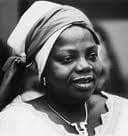
Buchi Emecheta was a prolific Nigerian novelist andонер known for her unflinching portrayal of the experiences of African women. Her seminal works, including 'The Joys of Motherhood,' 'The Bride Price,' and 'Second Class Citizen,' explore themes of female independence, cultural conflict, and post-colonial identity. Emecheta's powerful narrative voice and realistic depiction of societal pressures cemented her status as a significant voice in post-colonial literature.
Similar books
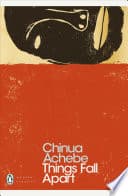
- Things Fall Apart
Chinua Achebe
3.7 (288k) average on GoodreadsHistorical FictionOffers deep insight into Igbo culture and the impact of societal change, though from a male perspective.
- To Kill a Mockingbird
Harper Lee
4.3 (4.5M) average on GoodreadsHistorical FictionIn the 1930s Jim Crow South, Harper Lee writes about racial injustice, moral growth, and the quiet courage of a lawyer father, Atticus Finch, as seen through his young daughter's eyes.
- The Great Gatsby
F. Scott Fitzgerald
3.9 (3.8M) average on GoodreadsHistorical FictionIn the opulent Roaring Twenties, a mysterious millionaire's lavish parties hide his desperate, tragic pursuit of a lost love, exposing the emptiness within the American Dream.
- Pride and Prejudice
Jane Austen
4.3 (3M) average on GoodreadsHistorical FictionIn a society focused on status and money, Elizabeth Bennet navigates love and pride, challenging Mr. Darcy and social expectations to find true affection.
- Angels & Demons
Dan Brown
3.9 (2.7M) average on GoodreadsThrillerA Harvard symbologist races through Rome's ancient sites, deciphering cryptic clues to unmask the Illuminati and stop a vengeful plot to destroy the Vatican with a stolen antimatter weapon.
- The Kite Runner
Khaled Hosseini
4.3 (2.4M) average on GoodreadsHistorical FictionIn pre-Taliban Afghanistan, a wealthy boy's betrayal of his servant's son during a kite-running tournament starts a lifelong journey for amends as his country collapses.





Enjoyed the summary?
A summary gives you the shape of the book. The book itself has the detail, the examples and the voice.
Find The Joys of Motherhood on AmazonAs an Amazon Associate, BookBrief earns from qualifying purchases. How we're funded