
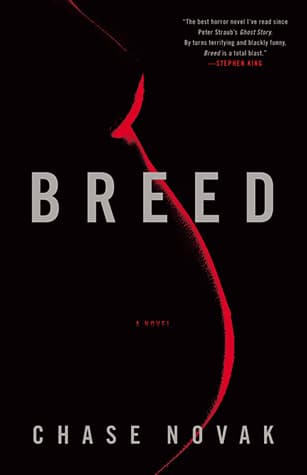
Synopsis
Covers the whole plot, including the ending.
- Difficulty
- Medium
- Pacing
- Fast
- Mood
- Dark, Disturbing, Suspenseful, Unsettling, Visceral
- Read it if
- You enjoy body horror, psychological thrillers with a sci-fi twist, and a dark, unsettling atmosphere. Perfect for fans of 'Rosemary's Baby' looking for a modern, more visceral take on the 'secret pregnancy' trope.
- Skip it if
- You are sensitive to graphic descriptions of physical transformation, animalistic behavior, or themes of child endangerment. Not for those who prefer lighthearted or less disturbing reads.
Breed Plot Summary
Covers the whole plot, including the ending.
The Twisdens' Desperation for Children
Alex and Leslie Twisden, living in their Upper East Side brownstone, want a child. After years of failed IVF treatments and emotional strain, Leslie feels her life is incomplete without motherhood. They explore every avenue, conventional and unconventional, driven by a deep longing for a family. This desperation leads them to a shadowy clinic in Slovenia, rumored to offer a radical, experimental fertility treatment. Despite initial apprehension about the clinic's secrecy and the procedure's unusual nature, their desire for a child outweighs their misgivings, pushing them to commit to the unknown process.
The Slovenian Clinic and the Unconventional Procedure
At a secluded clinic in Slovenia, Alex and Leslie undergo a bizarre and invasive fertility procedure. They learn little about the specifics, only that it involves genetic manipulation and a 'breed' of human supposedly more resilient. The experience is disorienting and physically demanding, leaving them feeling violated and changed. Upon their return to New York, Leslie quickly becomes pregnant, a miraculous outcome that initially overshadows the lingering unease about their time in Slovenia and the strange sensations they both begin to experience, particularly a heightened sense of smell and a craving for raw meat.
The Birth of Adam and Alice
Leslie gives birth to healthy twins, Adam and Alice. Their arrival brings immense joy to the Twisdens, fulfilling their dream. However, the initial happiness is soon accompanied by subtle but disturbing changes in Alex and Leslie. They develop an increasingly animalistic hunger, a preference for darkness, and a growing detachment from human society. Their once meticulous appearance becomes unkempt, and their sophisticated tastes devolve into a craving for primal sustenance. These transformations are gradual, almost imperceptible at first, but they mark the beginning of their descent into something monstrous, directly linked to the experimental procedure.
The Children's Isolation and Parental Transformation
As Adam and Alice grow, their parents' transformation accelerates. Alex and Leslie become grotesque, bestial figures, their skin mottled, their teeth sharpened, their voices guttural. They communicate primarily through snarls and grunts, and their behavior becomes predatory. To protect their children, or perhaps to protect themselves from their children, Alex and Leslie begin locking Adam and Alice in their rooms every night. The twins, still young, are terrified by the sounds emanating from downstairs – the growls, the thuds, the tearing of flesh – and the increasingly infrequent and disturbing interactions with their parents during the day. Their brownstone, once a symbol of luxury, becomes a prison of fear.
The Twins' Growing Awareness and Fear
Now around ten years old, Adam and Alice know their parents are no longer human. They understand the nightly locking of their doors is not for their protection from outside dangers, but from their own monstrous parents. The twins have developed a system of communication and survival, relying on each other for comfort and information. They observe their parents' increasingly feral behavior, the decaying state of their home, and the disappearance of household staff. The children live in constant fear, knowing they are trapped with creatures that were once their loving parents, and that their own future is uncertain, possibly mirroring their parents' fate.
Escape Attempts and the Hunt
Driven by desperation and a primal instinct for survival, Adam and Alice meticulously plan their escape. One night, they manage to pick the locks on their doors and slip out of the brownstone. Their brief taste of freedom is exhilarating but short-lived. Their parents, now fully devolved into predatory 'breeds,' immediately sense their escape. What follows is a terrifying hunt through the dark streets of Manhattan. Alex and Leslie, possessing enhanced senses and strength, pursue their children relentlessly, displaying a chilling blend of parental instinct and bestial hunger. The twins, though terrified, show remarkable resourcefulness and resilience.
The Discovery of Other Breeds
As Adam and Alice flee through the city, they stumble upon other 'breeds' – individuals who have undergone similar transformations. They witness these creatures lurking in the shadows, exhibiting the same grotesque features and predatory behavior as their parents. This encounter broadens the twins' understanding of their situation; it's not just their parents, but a whole hidden population. They realize the Slovenian clinic wasn't an isolated incident but part of a larger, sinister agenda. This discovery adds another layer of terror, as they now face not just their parents, but an entire hidden society of these monstrous beings, all connected by the same genetic alteration.
The Sanctuary and the Truth
Adam and Alice eventually find sanctuary with a group of other children who are also the offspring of 'breeds.' These children, more experienced in navigating their unique existence, explain the truth to the twins: they are 'pure breeds,' born from parents who underwent the procedure. They are the next generation, retaining their human form longer but destined to eventually transform themselves. This revelation is devastating for Adam and Alice, who realize they are not merely victims but also inheritors of this monstrous legacy. The 'sanctuary' is a temporary haven, a place for these children to learn to cope and survive before their own inevitable change.
The Inevitable Transformation
As Adam and Alice enter puberty, they begin to feel the first unsettling symptoms of their own inherited transformation. They develop heightened senses, an increasing aversion to sunlight, a growing hunger for raw meat, and an inexplicable pull towards the darkness. These changes are terrifying, confirming the predictions of the other breed children. They fight against it, clinging to their humanity, but the biological imperative is strong. The twins realize they are on the same path as their parents, destined to become the very monsters they fled, making their initial escape a temporary reprieve rather than a permanent solution.
The Cycle Continues
Adam and Alice, now fully aware of their impending transformation, must confront their new identity. They realize they are not just children, but the next generation of a new 'breed' of humans, adapted for survival in a world increasingly hostile to their kind. The story ends not with a resolution, but with the chilling inevitability of their future. They are left to grapple with the horror and the potential power of their inherited condition, understanding that the cycle of transformation and survival will continue, and they are now an integral part of it, forever changed by their parents' desperate wish for children.
Principal Figures
Alex Twisden
Supporting
The once-successful husband who succumbs to a monstrous transformation.
Alex is a wealthy, initially doting husband who desperately wants children. He supports Leslie through their infertility struggles, eventually agreeing to the experimental Slovenian procedure. Post-procedure, he gradually transforms into a feral, grotesque 'breed,' losing his humanity and becoming a predatory guardian of his children, driven by primal urges rather than sophisticated thought. His transformation is physical and mental, stripping him of his former self.
Relationships: Leslie Twisden (Wife, co-conspirator in the fertility procedure, co-transformee); Adam Twisden (Son, object of protection and eventual hunt); Alice Twisden (Daughter, object of protection and eventual hunt)
Leslie Twisden
Supporting
The determined wife whose longing for motherhood leads her to a horrifying transformation.
Leslie is the driving force behind the Twisdens' quest for children, consumed by a profound desire for motherhood. Her desperation leads her to the experimental clinic. Following the birth of Adam and Alice, she undergoes a terrifying transformation into a 'breed,' becoming a monstrous, predatory figure. Her maternal instincts twist into a feral protection of her offspring, marked by violence and a complete loss of her former self.
Relationships: Alex Twisden (Husband, co-conspirator in the fertility procedure, co-transformee); Adam Twisden (Son, object of protection and eventual hunt); Alice Twisden (Daughter, object of protection and eventual hunt)
Adam Twisden
Protagonist
The elder twin, resourceful and protective, who navigates a terrifying existence.
Adam is one of the twin children of Alex and Leslie, born from the experimental procedure. He is intelligent, observant, and fiercely protective of his sister, Alice. He quickly comprehends the horrific reality of his parents' transformation and the danger they pose. Adam is resourceful and brave, orchestrating their escape and striving to understand their unique, cursed existence. He embodies a blend of fear and nascent resilience, facing the grim reality of his own inherited fate.
Relationships: Alice Twisden (Twin sister, closest confidante and partner in survival); Alex Twisden (Father, transformed into a 'breed'); Leslie Twisden (Mother, transformed into a 'breed')
Alice Twisden
Protagonist
The younger twin, sensitive and intuitive, who faces a shared monstrous destiny.
Alice is the younger twin, more sensitive and perhaps more intuitive than Adam. She shares Adam's terror and confusion regarding their parents' transformation and relies heavily on her brother for support and protection. Despite her vulnerability, she displays moments of surprising resilience and insight. Alice, like Adam, must come to terms with the horrifying truth of their genetic inheritance and the impending transformation that awaits them, grappling with the loss of a normal childhood and the acceptance of a monstrous future.
Relationships: Adam Twisden (Twin brother, closest confidante and partner in survival); Alex Twisden (Father, transformed into a 'breed'); Leslie Twisden (Mother, transformed into a 'breed')
Dr. Skala
Mentioned
The shadowy figure behind the experimental fertility clinic.
Dr. Skala is the enigmatic and sinister figure responsible for the experimental fertility procedure in Slovenia. Though not directly present in the bulk of the narrative, his influence is pervasive. He represents the unchecked ambition of science and the moral compromises made in the pursuit of 'advancement.' His clinic is a hub for creating the 'breeds,' and he remains a shadowy, almost mythical figure whose motivations are unclear but whose actions have devastating consequences for the Twisdens and their children.
The Nanny (various)
Mentioned
The series of nannies who disappear from the Twisden household.
Early in the twins' lives, a succession of nannies are hired to care for Adam and Alice. These nannies serve as a benchmark for the parents' declining humanity and the escalating horror within the brownstone. Each nanny eventually disappears under mysterious circumstances, hinting at the parents' predatory nature and their increasing inability to maintain a façade of normalcy. Their disappearances underscore the isolation and danger the twins face.
Relationships: Adam Twisden (Caretaker for a short period); Alice Twisden (Caretaker for a short period)
Other 'Breed' Children
Supporting
A community of children born from 'breed' parents, offering sanctuary and truth to Adam and Alice.
These are children, like Adam and Alice, who were born from parents who underwent the Slovenian procedure. They have formed a hidden community, having learned to navigate their unique existence and the impending transformation. They provide Adam and Alice with crucial information about their lineage, their parents' condition, and their own future. They represent a grim vision of the future for the twins, a community of individuals forced to accept their monstrous inheritance while clinging to their humanity for as long as possible.
Relationships: Adam Twisden (Fellow 'pure breed', source of information and temporary ally); Alice Twisden (Fellow 'pure breed', source of information and temporary ally)
Themes & Insights
The Perils of Unchecked Desire
The novel explores the dangerous consequences of unchecked desire, specifically the Twisdens' longing for children. Their desperation blinds them to the ethical implications and potential horrors of the experimental fertility procedure. This theme is evident from the moment they agree to the mysterious Slovenian clinic, ignoring red flags in their pursuit of parenthood. The monstrous transformation of Alex and Leslie, and the subsequent cursed inheritance of their children, is a stark warning about the price of wanting something 'at any cost.' The Twisdens' initial desire for a family ultimately leads to the destruction of their humanity and the creation of a new, terrifying species.
“They had told each other they would do anything to have children. The price didn't matter. But the experimental procedure they found had costs they couldn't foresee.”
Loss of Humanity and Identity
A central theme is the gradual and horrifying loss of humanity and identity. Alex and Leslie's transformation into 'breeds' is a physical manifestation of this loss, as they shed their sophisticated personas for primal, animalistic urges. Their once opulent home becomes a den, and their language devolves into growls. This theme extends to Adam and Alice, who grapple with the impending loss of their own humanity as they inherit the 'breed' condition. They fight to retain their human identity and connection, even as their bodies begin to betray them. The story questions what truly defines humanity and how easily it can be stripped away.
“The parents they remembered were gone, replaced by things that wore their faces but knew only hunger and instinct.”
Nature vs. Nurture and Inherited Trauma
The novel examines the interplay of nature and nurture, particularly through inherited trauma and genetics. Adam and Alice are 'pure breeds,' born with the genetic predisposition for transformation, regardless of their upbringing. This raises questions about free will versus biological destiny. Despite being raised by their monstrous parents (or locked away from them), the children's own bodies begin to change due to their genetic inheritance, suggesting that some aspects of 'nature' are inescapable. The trauma of their parents' transformation and their own impending fate becomes a generational curse, passed down through their altered DNA.
“They were not just children; they were the next step, the inheritors of a monstrous gift.”
The Horror of the Domestic Sphere
Chase Novak subverts the traditional comfort of the domestic sphere, transforming the Twisden brownstone into a terrifying prison. The home, typically a place of safety and love, becomes a source of dread and confinement for Adam and Alice. The parents, who should be protectors, become the primary threat. This theme amplifies the horror by placing it in an intimate, familiar setting. The decay of the house mirrors the decay of the family unit, making the 'safe' space the most dangerous of all. The normalcy of their early lives contrasts sharply with the grotesque reality lurking within their very walls.
“Their home was a cage, and the monsters were their parents.”
Plot Devices & Literary Techniques
Body Horror
The grotesque physical transformation of the parents and the impending change in the children.
Body horror is central to 'Breed,' manifesting primarily through the parents' grotesque transformation. Alex and Leslie's physical deterioration—mottled skin, sharpened teeth, elongated limbs, and bestial features—is described in visceral detail, creating a profound sense of revulsion and fear. This device is further amplified by the children's dawning realization that they, too, will undergo a similar, inevitable change. The horror stems not just from the appearance of the 'breeds,' but from the violation and corruption of the human form, making the body itself a source of terror and threat.
Isolation and Confinement
The children's physical and emotional entrapment within their home.
The plot heavily relies on the device of isolation and confinement. Adam and Alice are physically locked into their rooms each night, creating a literal prison within their own home. Beyond the physical, they are emotionally isolated, unable to confide in anyone about their parents' condition. This confinement amplifies their terror and helplessness, forcing them to rely solely on each other. The brownstone itself becomes a symbol of their entrapment, a gilded cage from which escape seems impossible, heightening the tension and claustrophobia of their situation.
Foreshadowing (via Parental Transformation)
The parents' gradual descent into monstrosity hints at the children's own future.
The slow, creeping transformation of Alex and Leslie Twisden serves as a powerful and chilling form of foreshadowing. Their developing cravings for raw meat, aversion to light, and physical deformities are not just plot points but ominous indicators of what awaits Adam and Alice. Each unsettling change in the parents subtly hints at the genetic legacy passed down to the children, building dread and suspense. This device ensures that the revelation of the children's own impending transformation is both shocking and, in retrospect, tragically inevitable, making the parents' horror a preview of the children's destiny.
The Unreliable Narrative (from children's perspective)
The story is primarily experienced through the limited and terrified perspective of young children.
While not strictly an unreliable narrator in the traditional sense, the story is largely told from the perspective of young Adam and Alice. Their limited understanding of the world and their immense fear contribute to a sense of mystery and heightened horror. They piece together the truth from fragmented observations and terrifying sounds, often misinterpreting or struggling to comprehend the full scope of the adult world's depravity. This perspective creates a sense of vulnerability and uncertainty, making the revelations about their parents and their own future even more impactful and disturbing, as the reader experiences the horror through their innocent, yet increasingly traumatized, eyes.
Breed Quotes
“It was like living with a ghost, a presence that was always there but never quite there.”
“The city was a monster, and they were just two more meals in its gaping maw.”
“Some desires are so primal, so deeply ingrained, that they will claw their way out of any cage.”
“The silence in the apartment was no longer peaceful; it was a predator, waiting to pounce.”
“They had wanted a child, but what they had created was something else entirely.”
“There was a hunger in her eyes that wasn't for food, but for something far more ancient and terrifying.”
“The world was not designed for creatures like them, not anymore.”
“Love, he realized, could be a cage, binding you to something you no longer recognized.”
“Every parent fears losing their child. He feared what his child might become.”
“The city's underbelly was not just concrete and sewage, but something far older, far darker.”
“Sometimes, the greatest monsters are the ones we create ourselves.”
“The scent of blood was a siren song, pulling her towards an inevitable, terrifying destiny.”
“They were no longer human. They were merely the next step.”
“What is sanity, after all, but a consensus of delusions?”
Quiz
10 questions on the plot and the characters. Each answer comes with a short explanation.
Question 1
What is the primary motivation for Alex and Leslie Twisden to undergo the experimental fertility procedure?
- To gain supernatural abilities.
- To become immortal.
- To have children.
- To cure a terminal illness.
Show answer
C. To have children. The book explicitly states that Alex and Leslie 'told each other they would do anything to have children. The price didn’t matter.'
Question 2
What is the most unusual nightly routine enforced by Adam and Alice's parents?
- They must complete their homework.
- They are locked into their rooms.
- They are given a special sedative.
- They must listen to classical music.
Show answer
B. They are locked into their rooms. The synopsis clearly states, 'every night, without fail, their parents lock them into their rooms.'
Question 3
What genre is 'Breed' primarily marketed as, according to the provided description?
- Romantic Comedy
- Historical Fiction
- Thriller and Horror
- Young Adult Fantasy
Show answer
C. Thriller and Horror The description calls it a 'stunning thriller in the vein of Rosemary’s Baby' and mentions 'From a new name in horror.'
Question 4
What is the name of the author of 'Breed'?
- Stephen King
- Chase Novak
- Shirley Jackson
- Ira Levin
Show answer
B. Chase Novak The author is explicitly stated as 'Chase Novak' at the beginning of the description.
Question 5
What is the significance of the sounds Adam and Alice hear at night?
- They are simply their imagination.
- They are real and getting louder.
- They are their parents' lullabies.
- They are sounds from a nearby construction site.
Show answer
B. They are real and getting louder. The text states, 'And the twins know that the sounds they can hear are not just their imagination. They’re real. And they’re getting louder...'
Question 6
The experimental procedure Alex and Leslie undergo has what kind of unforeseen consequences?
- It makes them wealthy.
- It gives them perfect health.
- It has costs they couldn't foresee.
- It improves their marriage.
Show answer
C. It has costs they couldn't foresee. The description states, 'But the experimental procedure they found had costs they couldn’t foresee,' implying negative and unexpected repercussions.
Question 7
What classic horror novel is 'Breed' compared to in its description?
- The Exorcist
- Frankenstein
- Rosemary's Baby
- Dracula
Show answer
C. Rosemary's Baby The description explicitly states, 'Breed is a stunning thriller in the vein of Rosemary’s Baby.'
Question 8
What is implied about the 'normal' lives of Adam and Alice Twisden?
- Their lives are genuinely ordinary and uneventful.
- Their lives only seem normal on the surface, masking disturbing truths.
- Their lives are normal for children with supernatural parents.
- They are normal, but their parents are secretly famous.
Show answer
B. Their lives only seem normal on the surface, masking disturbing truths. The phrase 'Adam and Alice Twisden’s lives seem perfectly normal. Except that...' immediately introduces a contradiction, implying their normalcy is superficial given the nightly locking and sounds.
Question 9
Based on the description, what is a central theme explored in 'Breed' regarding the desire for children?
- The joy and fulfillment of parenthood.
- The ethical implications and unforeseen consequences of extreme measures to achieve parenthood.
- The importance of natural conception.
- The financial strain of fertility treatments.
Show answer
B. The ethical implications and unforeseen consequences of extreme measures to achieve parenthood. The setup of Alex and Leslie doing 'anything to have children' and the 'costs they couldn’t foresee' directly points to the theme of extreme desires leading to dire, unforeseen ethical and personal consequences.
Question 10
What specific detail about the Twisden twins' experience most strongly suggests a developing threat or escalating horror?
- They have perfectly normal lives.
- Their parents lock them in their rooms.
- The sounds they hear are 'getting louder'.
- Their parents are Alex and Leslie.
Show answer
C. The sounds they hear are 'getting louder'. While being locked in is disturbing, the fact that the 'sounds they can hear... are getting louder' indicates an active, intensifying, and approaching danger, a classic horror trope for escalating tension.
Breed FAQ
What is the core premise of 'Breed'?
'Breed' centers on Alex and Leslie Twisden, a wealthy Manhattan couple desperate to have children. They undergo a radical, experimental fertility procedure in Eastern Europe, which successfully results in twins, Adam and Alice, but comes with unforeseen and monstrous side effects for the parents.
Who are Alex and Leslie Twisden, and what is their initial motivation?
Alex and Leslie Twisden are a privileged, affluent couple living in New York City, deeply unhappy due to their inability to conceive. Their initial motivation is a desperate, all-consuming desire for biological children, leading them to seek out unconventional and risky medical solutions abroad.
Who are Adam and Alice Twisden, and what is their initial experience?
Adam and Alice Twisden are the twin children of Alex and Leslie, seemingly normal on the surface. However, their lives are marked by their parents' increasingly bizarre behavior, including being locked in their rooms nightly and hearing disturbing sounds, hinting at a darker reality behind closed doors.
What is the 'experimental procedure' Alex and Leslie undergo, and where does it take place?
The experimental procedure is a highly secretive and ethically questionable fertility treatment performed in a secluded clinic in Slovenia by Dr. Skalpel. It involves a mysterious biological alteration intended to ensure conception, but its true nature and long-term effects are initially undisclosed.
How does the narrative shift between the parents' and children's perspectives?
The narrative initially focuses on Alex and Leslie's journey and their subsequent transformation, detailing the horror from their perspective. It then shifts to the children, Adam and Alice, as they grow up, experiencing the increasingly monstrous consequences of their parents' procedure and trying to understand the terrifying reality of their home life.
What are some of the initial physical changes Leslie experiences after the procedure?
After the procedure, Leslie initially experiences heightened senses, an increased sex drive, and a primal hunger. These manifest as a craving for raw meat and an animalistic aggression, signaling the onset of her transformation into something less human.
What role does Dr. Skalpel play in the unfolding horror, and what are his motivations?
Dr. Skalpel is the enigmatic and sinister doctor who performs the fertility procedure on Alex and Leslie. His motivations appear to be rooted in a twisted scientific curiosity and a desire to push the boundaries of human biology, seemingly unconcerned with the ethical implications or the suffering he inflicts.
Are there any clues early in the book that hint at the true nature of the 'breed' or the parents' transformation?
Early clues include the extreme secrecy surrounding the clinic, Dr. Skalpel's unsettling demeanor, and Leslie's immediate post-procedure cravings for unusual foods and heightened aggression. These subtle shifts foreshadow the more drastic, animalistic changes to come in both Alex and Leslie.
How do Alex and Leslie's transformations affect their relationship with each other?
Their transformations initially lead to a primal, intense sexual bond, but as they devolve, their relationship becomes increasingly animalistic and violent. They lose their human connection, replaced by territoriality, aggression, and a shared, monstrous identity that isolates them from the human world.
What psychological toll does their parents' behavior take on Adam and Alice?
Adam and Alice suffer severe psychological trauma, growing up in a house of fear and isolation. They develop a deep sense of dread, paranoia, and a distorted understanding of family, constantly trying to rationalize or escape the increasingly monstrous reality of their parents' existence.
How does the book explore the themes of parenthood and sacrifice through Alex and Leslie?
The book explores parenthood by showing Alex and Leslie's initial willingness to sacrifice anything for children, which ironically leads them to sacrifice their humanity. Their monstrous transformation highlights the dark extremes of desire and the unforeseen costs of achieving a seemingly noble goal, turning them into horrific caricatures of parents.
What is the psychological impact of the 'breed' condition on the infected individuals?
The 'breed' condition systematically erodes their humanity, stripping away their empathy, reason, and moral compass. They regress into primal states, driven by instinctual desires for food, sex, and territory, losing their ability to connect or function in human society.
Is the 'breed' condition a metaphor for something larger, such as societal decay or unchecked scientific ambition?
The 'breed' condition can be interpreted as a metaphor for unchecked scientific ambition and the hubris of humanity in attempting to control nature. It also subtly critiques the insatiable desires of the wealthy and the potential for primal instincts to resurface when societal norms are stripped away.
How does the ending of 'Breed' leave room for interpretation regarding the future of Adam and Alice?
The ending leaves the future of Adam and Alice ambiguous, hinting that they may carry a latent version of the 'breed' condition or are forever scarred by their upbringing. It suggests a cycle of horror, raising questions about whether they can escape their parents' fate or if the 'breed' will continue through them.
Does the book suggest that the 'breed' is a curse, a disease, or a new stage of human evolution?
The book presents the 'breed' as a horrifying, degenerative condition, more akin to a curse or a disease that strips away humanity. While it grants heightened senses and primal strength, it is not depicted as a desirable 'evolution' but rather a regression into a monstrous, savage state.
How does 'Breed' compare to 'Rosemary's Baby' in its themes and horror style?
Like 'Rosemary's Baby,' 'Breed' uses domestic settings to create a sense of claustrophobic horror, focusing on the violation of the human body and the terror of pregnancy/parenthood gone wrong. Both books build dread through psychological unease and the gradual unveiling of a sinister conspiracy rather than overt gore.
What is the significance of the Manhattan setting for the Twisden family's horror?
The Manhattan setting, with its veneer of sophistication and wealth, provides a stark contrast to the primal horror unfolding within the Twisden's brownstone. It emphasizes the isolation of their monstrous secret amidst a bustling, oblivious city, heightening the sense of dread and the tragic fall from grace.
Are there any characters who attempt to help Adam and Alice, or are they entirely isolated?
Adam and Alice are largely isolated, as their parents' bizarre behavior drives away anyone who gets too close. While some peripheral characters might briefly notice anomalies, the children are primarily left to fend for themselves against their monstrous parents, highlighting their extreme vulnerability.
Similar books
- Rosemary's Baby
Ira Levin
4.0 (112k) average on GoodreadsThrillerFeatures a mysterious pregnancy, an experimental procedure, and a growing sense of dread and paranoia about one's family.
- Bird Box
Josh Malerman
4.0 (143k) average on GoodreadsThrillerInvolves parents protecting children from a terrifying, unseen threat, with themes of survival and a pervasive sense of dread.
- The Troop
Nick Cutter
3.8 (29k) average on GoodreadsThrillerExplores gruesome body horror and the breakdown of humanity under extreme, biological duress.
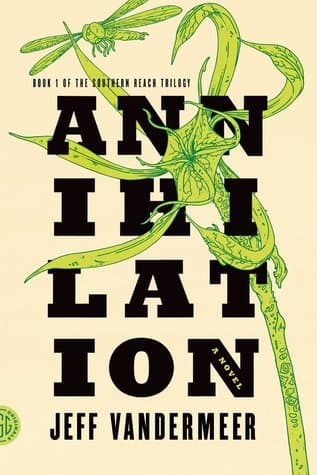
- Annihilation
Jeff VanderMeer
4.0 (5k) average on GoodreadsFantasy"Breed" shares with VanderMeer's Annihilation an exploration of altered biology and environmental influence leading to unsettling transformations. However, "Breed" focuses more intimately on the human family unit and the psychological horror within a domestic setting, whereas Annihilation delves into ecological mystery and the alien 'Shimmer' on a broader, more existential scale.
- The Road
Cormac McCarthy
4.0 (716k) average on GoodreadsScience FictionBoth novels feature a desperate parental figure(s) trying to protect their child(ren) in a terrifying, transformed world. However, McCarthy's The Road is a post-apocalyptic survival narrative focused on human endurance and moral decay in a purely human-made disaster setting. "Breed" introduces a supernatural/sci-fi element where the parents themselves are the source of the children's danger, twisting the protective instinct into something monstrous and alien.
- Angels & Demons
Dan Brown
3.9 (2.7M) average on GoodreadsThrillerA Harvard symbologist races through Rome's ancient sites, deciphering cryptic clues to unmask the Illuminati and stop a vengeful plot to destroy the Vatican with a stolen antimatter weapon.


Enjoyed the summary?
A summary gives you the shape of the book. The book itself has the detail, the examples and the voice.
Find Breed on AmazonAs an Amazon Associate, BookBrief earns from qualifying purchases. How we're funded