
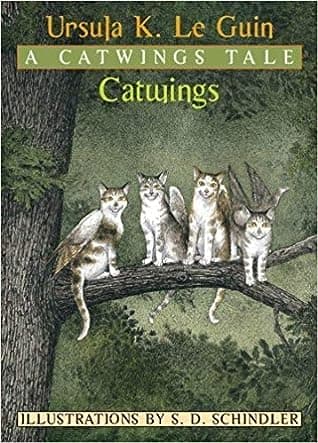
Synopsis
Covers the whole plot, including the ending.
- Difficulty
- Easy
- Pacing
- Moderate
- Mood
- Whimsical, Gentle, Hopeful, Adventurous
- Read it if
- You enjoy gentle, whimsical fantasy stories about animals finding their way in the world, with themes of adventure and belonging.
- Skip it if
- You prefer complex plots, human-centric narratives, or stories with high stakes and intense conflict.
Catwings Plot Summary
Covers the whole plot, including the ending.
The Slum and the Secret
Mrs. Jane Tabby, a resourceful but weary cat, gives birth to four unique kittens in a grimy city slum. To her surprise, these kittens—Harriet, James, Thelma, and Roger—are born with wings. She keeps their unusual characteristic a secret, fearing what humans might do if they discovered her flying children. The slum is a place of constant hunger and danger, with aggressive tomcats and scarce food. Mrs. Tabby diligently teaches her kittens to hunt and survive, while also stressing the importance of discretion regarding their wings. She knows their wings offer a chance at escape, but they must learn to use them wisely.
First Flights and a Mother's Advice
As the kittens grow, their wings develop strength. Under Mrs. Tabby's watchful eye, they begin to practice short, clumsy flights within the confines of their hidden den. She emphasizes that their wings are not just for fun but for survival and escape from the harsh city. Mrs. Tabby instills in them the importance of finding a safe place, far from human cruelty and urban dangers. She warns them about the dangers of the outside world, particularly the two-legged creatures who can be both kind and cruel. The kittens, though young, understand the seriousness of their situation and the need to find a better life.
The Great Escape
Driven by hunger and the increasing dangers of the city, Mrs. Tabby gives her kittens the signal to leave. With a mix of fear and excitement, Harriet, James, Thelma, and Roger take to the sky for their first real flight. They soar above the grimy buildings and busy streets, leaving behind the only home they've ever known. The city, once a place of confinement, now lies beneath them, a patchwork of rooftops and distant sounds. Their journey is arduous, filled with the unfamiliar sensations of wind and vast open spaces. They fly through the night, guided by instinct and the shared hope for a safer future.
A New World: The Countryside
After a long and exhausting flight, the kittens descend into a beautiful, green countryside. The change is immediate and striking: fresh air, trees, and the absence of city noise. However, the countryside presents its own set of challenges. They are unfamiliar with hunting in this new environment and struggle to find food. The vastness of the fields and forests is overwhelming, and they feel a deep sense of loneliness and displacement. They quickly realize that simply escaping the city isn't enough; they must now learn to adapt to this new, wilder world, where dangers are different but equally present.
Encounter with the Owl
While exploring their new surroundings, the kittens have a terrifying encounter with an owl. The large bird of prey swoops down, seeing them as potential food. The kittens, especially the younger ones, are terrified. James, the most cautious and protective, tries to herd his siblings to safety. They use their agility and quick reflexes, honed by their city upbringing, to evade the owl's talons. This incident reminds them that the countryside, despite its beauty, has predators. It reinforces the need for them to stay together and remain vigilant in their new environment.
Finding a Sanctuary
After several days of wandering and narrowly escaping dangers, the kittens find an old, deserted barn. It's a welcome sight, offering shelter from the elements and a sense of security they haven't felt since leaving their mother. The barn is dusty and quiet, but it provides a safe place to rest and regroup. They explore its nooks and crannies, finding it a suitable temporary home. This discovery marks a turning point, as they now have a base from which to explore and learn about their new world, rather than constantly being on the move.
The Old Woman and the Farm
From their vantage point in the barn, the kittens begin to observe an old woman who lives in a nearby farmhouse. They watch her daily routines, noticing her gentle nature as she tends to her garden and other animals. She leaves out milk for local cats, a detail that immediately interests them. The kittens are wary of humans due to Mrs. Tabby's warnings, but the old woman's kindness is evident. They cautiously consider whether this human might be different from the ones they knew in the city, and if her farm could offer the safety and sustenance they desperately need.
First Contact
Driven by hunger and the sight of the old woman leaving out a bowl of milk, James, the most daring and often the leader, decides to take a risk. He cautiously approaches the farmhouse, his siblings watching anxiously from a distance. The old woman spots him and, instead of showing alarm, speaks to him in a soft, welcoming voice. She offers him food, and James, after a moment of hesitation, accepts. This first positive interaction with a human begins to lessen the kittens' ingrained fear and offers a glimmer of hope for their future.
A New Home
Encouraged by James's successful encounter, Thelma, Harriet, and Roger slowly, one by one, also approach the old woman. She greets each of them with the same gentle kindness, never showing surprise or fear at their wings. The old woman, whose name is never given, is simply delighted to have them. She provides them with food, warmth, and a safe place to live inside her farmhouse. The kittens, for the first time in their lives, experience true security and belonging, finding the loving home their mother had wished for them.
A Life of Freedom and Happiness
Under the old woman's care, the catwings flourish. They enjoy the comforts of a warm home, regular meals, and affectionate attention. Their wings, once a secret and a means of escape, now become a source of joy and freedom. They fly freely around the farm, exploring the fields and woods, always returning to the safety and love of their adopted human. They learn to hunt effectively in the country, but never truly have to, as food is always provided. They have found a perfect balance: the independence of their wings and the security of a loving home.
The Search for Others
Despite their happiness, a question lingers in the catwings' minds: are they the only ones? They wonder if there are other winged cats like them in the world. Driven by this curiosity and a desire for connection, they decide to embark on journeys beyond the farm, exploring further and further afield. Their goal is not to leave their home, but to discover if their unique existence is shared by others. This quest adds a new dimension to their lives, turning their freedom into a purposeful search for their own kind.
Principal Figures
Harriet
Protagonist
One of the four winged kittens, often depicted as observant.
Harriet is one of the four catwings, known for her keen observation skills and thoughtful nature. She is often depicted as taking in her surroundings, processing information, and being slightly more reserved than her siblings. She is cautious but brave when necessary, contributing to the group's survival with her quiet intelligence. She values safety and the comfort of a home.
Relationships: Mrs. Jane Tabby (mother); James (brother); Thelma (sister); Roger (brother); The Old Woman (adopted caregiver)
James
Protagonist
The most adventurous and often the leader among the catwings.
James is the most adventurous and often takes the lead among the four catwings. He is curious, daring, and protective of his siblings. His courage is pivotal in their journey, particularly when he is the first to approach the old woman. He possesses a strong sense of responsibility, often assessing dangers and making decisions for the group's safety. He craves exploration and new experiences.
Relationships: Mrs. Jane Tabby (mother); Harriet (sister); Thelma (sister); Roger (brother); The Old Woman (adopted caregiver)
Thelma
Protagonist
One of the four winged kittens, known for her gentle and sometimes timid nature.
Thelma is one of the catwings, often portrayed as more gentle and perhaps a bit more timid than her siblings. She appreciates comfort and security, and while she is capable of flight and survival, she often looks to her siblings for reassurance. Her sensitivity makes her keenly aware of their new surroundings, both the beauty and the potential dangers. She embodies the desire for a peaceful existence.
Relationships: Mrs. Jane Tabby (mother); Harriet (sister); James (brother); Roger (brother); The Old Woman (adopted caregiver)
Roger
Protagonist
The youngest of the catwings, often playful and perhaps a bit naive.
Roger is the youngest of the four catwings, often characterized by his playful and somewhat naive nature. He enjoys the novelty of flying and exploring, sometimes less aware of the dangers than his older siblings. Despite his youth, he is resourceful and adapts quickly. His innocence provides a contrast to the harsh realities the kittens face, highlighting their journey from vulnerability to security.
Relationships: Mrs. Jane Tabby (mother); Harriet (sister); James (brother); Thelma (sister); The Old Woman (adopted caregiver)
Mrs. Jane Tabby
Supporting
The mother of the catwings, a wise and protective city cat.
Mrs. Jane Tabby is the resilient and loving mother of the four catwings. She lives a difficult life in the city slums but possesses great wisdom and resourcefulness. Despite her initial shock, she embraces her kittens' unique ability and dedicates herself to their survival and escape. She instills in them the importance of discretion, caution, and finding a safe home away from human cruelty. Her love is the driving force behind their journey.
Relationships: Harriet (daughter); James (son); Thelma (daughter); Roger (son)
The Old Woman
Supporting
A kind and gentle farm owner who provides a home for the catwings.
The Old Woman is a benevolent and compassionate human who lives alone on a farm in the countryside. She is depicted as quiet, gentle, and deeply kind, with a natural affinity for animals. She provides food and shelter for stray cats and, upon encountering the catwings, accepts their unique nature without fear or surprise. She represents unconditional love and provides the safe, nurturing home the kittens desperately need. Her peaceful existence contrasts sharply with the city life the kittens left behind.
Relationships: Harriet (adopted cat); James (adopted cat); Thelma (adopted cat); Roger (adopted cat)
The Owl
Antagonist
A predatory bird representing the dangers of the natural world.
The Owl is a large, predatory bird that the catwings encounter shortly after arriving in the countryside. It represents the natural dangers and wildness of their new environment, contrasting with the man-made dangers of the city. Its attack is a stark reminder that even in a beautiful setting, survival requires vigilance and quick thinking. The owl is a force of nature, driven by instinct, and serves as a test of the kittens' ability to adapt and protect themselves.
Themes & Insights
The Search for Home and Belonging
The main theme is the catwings' journey to find a safe and loving home where they can belong. Born in a dangerous city slum, they are forced to flee, enduring hunger, fear, and the unknown. Their search ends not just with shelter, but with a compassionate caregiver, the old woman, who accepts them unconditionally, wings and all. This theme shows the universal desire for security, acceptance, and a place where one can be oneself without fear of judgment, as seen when they finally settle into the old woman's farmhouse.
“They were free, they were safe, they were home. All that their mother had hoped for them.”
Freedom vs. Security
The catwings' wings symbolize freedom and escape, allowing them to leave the confines of the city and its dangers. However, the initial freedom of the countryside brings new challenges like hunger and predators (the owl). The kittens must learn to balance their desire for freedom and exploration with the need for security and sustenance. Their eventual home with the old woman offers the perfect mix: a safe base from which they can still fly and explore. This shows that true freedom often finds balance with security.
“Their wings were for flying away, not for staying still.”
The Duality of Humanity
The story explores the dual nature of humans. Mrs. Tabby warns her kittens of humans' potential cruelty, a fear rooted in her experiences in the city slum. This fear is a driving force behind their escape. However, the old woman represents the kind side of humanity: compassion and unconditional acceptance. Her willingness to take in the winged cats without fear or judgment completely contrasts with the dangers perceived in the city. This duality suggests that while humans can be a threat, they can also be a source of deep love and safety.
“Humans were dangerous. But this human was not.”
Adaptation and Resilience
The catwings show remarkable adaptation and resilience throughout their journey. They must first adapt to their unique physical trait (wings) and learn to fly. Then, they must adapt to surviving in the harsh city, and later, to the completely different environment of the countryside. From evading city dangers to outsmarting an owl, and finally learning to trust a human, their journey shows their ability to overcome adversity and thrive in new circumstances. Their resilience is what allows them to survive the initial challenges and ultimately find their happy ending.
“They were city cats, but they were learning the ways of the country.”
Plot Devices & Literary Techniques
Magical Realism (Wings)
The supernatural element of winged cats existing in a mostly realistic world.
The presence of winged cats in an otherwise realistic setting of city slums and rural farms is the primary element of magical realism. The wings are not explained scientifically but are simply accepted as a unique biological trait. This device allows for the fantastical premise that drives the plot – the kittens' ability to escape their dire circumstances – while grounding the story in relatable themes of survival and the search for home. The wings serve as both a source of wonder and a practical tool for the characters' journey.
Journey Motif
The physical and emotional progression of the kittens from danger to safety.
The entire narrative is structured around the kittens' journey. It begins with their escape from the dangerous city, continues through their arduous flight and struggles in the unfamiliar countryside, and culminates in their arrival at the old woman's farm. This journey is not just a physical movement from one place to another, but also an emotional and psychological one, as the kittens grow, learn, and develop resilience, trust, and a sense of belonging. The journey provides a clear arc for character development and plot progression.
Anthropomorphism
Giving human-like thoughts, feelings, and motivations to animal characters.
The catwings and their mother, Mrs. Tabby, are depicted with human-like thoughts, emotions, and complex motivations. They experience fear, hope, love, hunger, and a desire for a better life. While they retain their animal instincts (hunting, purring), their internal monologues and decision-making processes are highly anthropomorphic. This device allows the reader to empathize deeply with the characters, understand their struggles, and connect with the universal themes presented, making the story accessible and engaging for its target audience.
Catwings Quotes
“The four kittens were black, all black, and because their mother was a black cat and their father was a black cat, they ought to have been merely black kittens. But they were not.”
“They had wings. Little, delicate, furry wings, like bat wings, but covered with soft black fur.”
“It was a wonderful thing, a terrible thing, to have wings.”
“They knew they were different, and they knew their difference was a secret.”
“Up and up they flew, higher than the highest tree, higher than the highest house.”
“There were too many dangers for small winged cats in the city.”
“They had to find a safe place, a secret place, where no one would hurt them.”
“The world was bigger than they had thought, and emptier, and stranger.”
“It was very hard to be brave when you were so small and the world was so large.”
“They had never seen a human being so close before. They were enormous and terrifying.”
“They were found by a kind lady, a gentle lady, who understood about cats.”
“She had a small house, with a garden, and a big, comfortable armchair.”
“And she never tried to clip their wings, or tie them down, or make them be ordinary.”
“For they were Catwings, and they knew how to fly.”
Quiz
10 questions on the plot and the characters. Each answer comes with a short explanation.
Question 1
What unique physical feature do Mrs. Jane Tabby's four kittens possess?
- They have unusually long tails.
- They are born with wings.
- They have stripes like tigers.
- They glow in the dark.
Show answer
B. They are born with wings. The central premise of the book is that the kittens, known as the 'Catwings', are born with wings, allowing them to fly.
Question 2
Where do the Catwings initially live before they decide to fly away?
- A cozy farm barn.
- A bustling city slum.
- A quiet forest den.
- A comfortable suburban house.
Show answer
B. A bustling city slum. The book explicitly states they were born in 'dangerous city slums' and used their wings to escape this environment.
Question 3
What is the primary reason the Catwings decide to leave their birthplace?
- They are bored with city life.
- They want to find a human owner.
- To escape the dangers of the city slums.
- Their mother sent them on an adventure.
Show answer
C. To escape the dangers of the city slums. The description mentions they 'soar away from the dangerous city slums' indicating their escape was driven by the perils of their home.
Question 4
Who is the mother of the four winged kittens?
- Mrs. Higgins
- Mrs. Jane Tabby
- Ms. Amelia Puss
- Lady Whiskers
Show answer
B. Mrs. Jane Tabby The book description clearly identifies the kittens' mother as 'Mrs. Jane Tabby'.
Question 5
What challenge do the Catwings discover about country life after escaping the city?
- There are too many flying insects.
- It can be just as difficult as city life.
- They miss the noise and bustle of the city.
- They find it too boring and uneventful.
Show answer
B. It can be just as difficult as city life. The summary states, 'However, once the kittens escape the big city, they learn that country life can be just as difficult!'
Question 6
What is the implied primary theme explored by the Catwings' journey from city to country?
- The importance of indoor living for cats.
- The challenges of finding a safe and suitable home, regardless of location.
- The superiority of country life over city life.
- The dangers of flying too high.
Show answer
B. The challenges of finding a safe and suitable home, regardless of location. The narrative highlights that both city and country life present difficulties, suggesting a broader theme of seeking safety and belonging amidst various challenges.
Question 7
Which of the following describes the genre of 'Catwings'?
- Historical Fiction, Mystery, Adult
- Science Fiction, Thriller, Horror
- Fantasy, Children's, Young Adult
- Romance, Biography, Poetry
Show answer
C. Fantasy, Children's, Young Adult The provided book information explicitly lists 'Fantasy, Children's, Young Adult' as the genres.
Question 8
What specific ability do the Catwings use to 'soar away' from the city slums?
- Their exceptional running speed.
- Their ability to blend into their surroundings.
- Their flying skills, enabled by their wings.
- Their cleverness in navigating complex city maps.
Show answer
C. Their flying skills, enabled by their wings. The text states, 'she's grateful that they are able to use their flying skills to soar away from the dangerous city slums'.
Question 9
The description implies a contrast between two environments the Catwings experience. What are they?
- Mountains and Valleys
- Oceans and Deserts
- City slums and Country life
- Forests and Swamps
Show answer
C. City slums and Country life The narrative clearly juxtaposes their initial home in 'city slums' with their destination of 'country life'.
Question 10
What does Mrs. Jane Tabby's reaction to her kittens' wings ('can't explain why... but she's grateful') suggest about her character?
- She is indifferent to her kittens' unique qualities.
- She is primarily focused on the practical benefits of their abilities for their safety.
- She is overly concerned with scientific explanations for the wings.
- She is disappointed by their unusual appearance.
Show answer
B. She is primarily focused on the practical benefits of their abilities for their safety. Her gratitude is tied directly to their ability to 'soar away from the dangerous city slums', indicating her practical concern for their well-being and safety.
Catwings FAQ
What is the central premise of 'Catwings'?
The story follows four kittens, Harriet, James, Thelma, and Roger, who are born with wings in a dangerous city slum. Their mother, Mrs. Jane Tabby, encourages them to use their unique ability to fly away from the urban perils in search of a safer life in the countryside.
Who are the four main kitten characters and what are their most prominent traits?
Harriet is practical and a natural leader, often taking initiative. James is thoughtful and observant, sometimes a bit cautious. Thelma is adventurous and curious, eager to explore new things. Roger is the youngest, often playful and perhaps a bit more naive than his siblings.
What prompts the kittens' departure from the city?
The city is depicted as a place of constant danger, with hungry dogs, fast-moving carts, and a scarcity of food. Mrs. Jane Tabby, their mother, explicitly tells them the city is no place for winged cats and urges them to fly away to find a safer, better life.
What kind of challenges do the Catwings face once they reach the countryside?
In the countryside, the kittens encounter new dangers like a hawk, a fox, and the challenge of finding consistent food and shelter. They also struggle to understand human ways and communicate their needs, leading to misunderstandings and precarious situations.
Who are the kind humans who eventually help the Catwings?
The kittens are ultimately discovered and taken in by a compassionate brother and sister, Hank and Susan, who live on a farm. Hank and Susan provide them with food, shelter, and care, offering a safe haven after their difficult journey.
Are there any hints about the origin of the kittens' wings beyond their mother's acceptance?
The book deliberately leaves the origin of the wings unexplained, treating them as a natural, albeit unusual, birth characteristic. Mrs. Jane Tabby simply accepts them, and the narrative focuses on the practical implications of having wings rather than their magical source.
Is there any significance to the names of the kittens?
While not explicitly stated, the names Harriet, James, Thelma, and Roger are classic, somewhat formal human names, which subtly elevates their status from ordinary stray cats and hints at their unique, almost human-like intelligence and agency.
How does the author use the setting to reflect the emotional journey of the Catwings?
The grim, dangerous city represents their initial struggle and the need for escape. The vast, sometimes frightening, countryside symbolizes their journey of discovery and the new challenges of independence. Finally, the warm, safe farmhouse represents their eventual security and belonging.
What does Mrs. Jane Tabby's quick acceptance of her winged kittens reveal about her character?
Her immediate acceptance and pragmatic advice for them to fly away demonstrate her deep maternal love and her focus on their survival. It shows she prioritizes their safety and well-being above questioning their unusual nature, highlighting her wisdom and resilience.
How do the Catwings' individual personalities contribute to their collective survival?
Harriet's leadership and initiative, James's cautious observation, Thelma's adventurous spirit, and Roger's youthful energy each play a role. For instance, Harriet often makes decisions, while Thelma might be the first to explore a new area, and James helps assess risks.
What psychological impact does their journey have on the kittens?
The journey forces the kittens to develop independence, resilience, and problem-solving skills. They learn to trust their instincts, rely on each other, and adapt to changing environments, ultimately growing from vulnerable city dwellers to self-sufficient, albeit still young, survivors.
How does the book explore themes of 'otherness' and acceptance?
The Catwings are inherently 'other' due to their wings, making them stand out. Their journey highlights the struggle to find a place where their difference is not a threat but accepted, culminating in Hank and Susan's unconditional care, which embraces their unique nature.
Could the Catwings' wings be interpreted metaphorically?
Yes, their wings can symbolize freedom, hope, and the ability to overcome limitations or escape difficult circumstances. They represent a unique gift that allows them to transcend their humble beginnings and seek a better future, embodying the power of aspiration.
What is the significance of the kittens finding a home with children rather than adults?
Children like Hank and Susan often possess a greater capacity for wonder, empathy, and acceptance of the unusual compared to adults. Their innocence allows them to see the Catwings as simply unique creatures in need of help, rather than as anomalies to be feared or exploited.
Does the book suggest a larger world of winged creatures, or are the Catwings unique?
While the book doesn't explicitly state there are other winged cats, the ending hints at the possibility. The discovery of another winged cat in the subsequent books suggests that the Catwings are not entirely unique, opening up a larger world for exploration and connection.
About the author
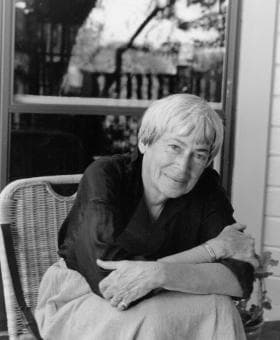
Ursula Kroeber Le Guin was an American author best known for her works of speculative fiction, including science fiction works set in her Hainish universe, and the Earthsea fantasy series. She was first published in 1959, and her literary career spanned nearly sixty years, producing more than twenty novels and over a hundred short stories, in addition to poetry, literary criticism, translations, and children's books. Frequently described as an author of science fiction, Le Guin has also been called a "major voice in American Letters". Le Guin said she would prefer to be known as an "American novelist".
Similar books
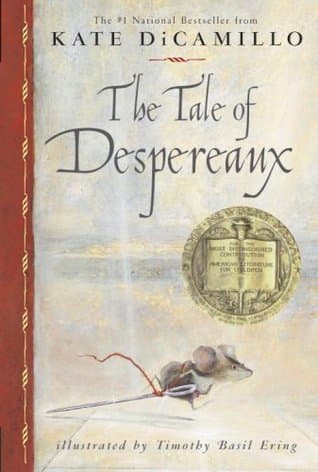
- The Tale of Despereaux
Kate DiCamillo
4.0 (162k) average on GoodreadsFantasyFeatures a small, unique animal protagonist on an adventure, finding courage and belonging.
- Mrs. Frisby and the Rats of NIMH
Robert C. O'Brien
4.1 (164k) average on GoodreadsFantasyAnimal characters with extraordinary abilities facing challenges and seeking a new home.
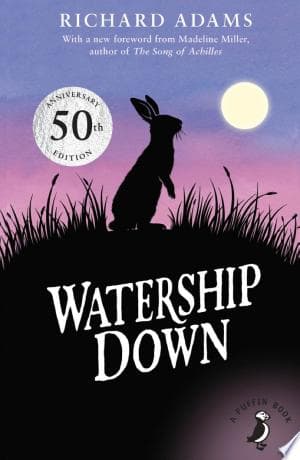
- Watership Down
Richard Adams
4.1 (434k) average on GoodreadsFantasyBoth books feature animal protagonists embarking on a perilous journey to find a new home. While Watership Down is for an older audience and presents a much more complex, detailed, and often brutal world with intricate social structures and political allegories among rabbits, Catwings offers a gentler, more intimate, and less overtly dangerous quest for its winged felines, prioritizing personal discovery and belonging over epic survival.
- Harry Potter and the Sorcerer's Stone
J.K. Rowling
4.5 (7M) average on GoodreadsFantasyRescued from a miserable life under the stairs, an orphaned boy discovers he's a wizard destined for a magical school, where he uncovers a dangerous secret tied to the dark wizard who murdered his parents.
- The Hunger Games
Suzanne Collins
4.3 (6.4M) average on GoodreadsFantasyIn a future where children fight to the death on live television, Katniss Everdeen volunteers for the arena, turning a death sentence into a fight for survival and a spark of rebellion.
- 1984
George Orwell
4.2 (3.1M) average on GoodreadsPoliticsIn a future where surveillance and thought control are absolute, a man's search for truth clashes with the Party, showing that hope can be a form of rebellion.




Enjoyed the summary?
A summary gives you the shape of the book. The book itself has the detail, the examples and the voice.
Find Catwings on AmazonAs an Amazon Associate, BookBrief earns from qualifying purchases. How we're funded