
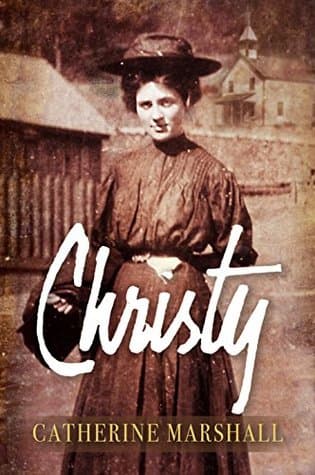
Synopsis
Covers the whole plot, including the ending.
- Difficulty
- Easy
- Pacing
- Moderate
- Mood
- Inspirational, Reflective, Hopeful, Challenging
- Read it if
- You enjoy heartwarming historical fiction about a young woman finding her purpose, tales of overcoming adversity through faith and education, or stories set in the Appalachian mountains.
- Skip it if
- You prefer fast-paced plots, avoid religious themes, or dislike stories with a strong focus on social issues and cultural clashes.
Christy Plot Summary
Covers the whole plot, including the ending.
A New Beginning in Cutter Gap
In 1912, nineteen-year-old Christy Huddleston, fresh out of seminary, leaves her comfortable home in Asheville, North Carolina, to teach in the remote, impoverished community of Cutter Gap in the Great Smoky Mountains. Her journey by train and then by wagon is hard. It immediately shows the difference between her privileged upbringing and the primitive conditions of the Cove. Upon arrival, she meets Dr. Neil MacNeill, the dedicated local doctor, and David Grantland, the young minister. Christy is assigned a small, rundown cabin. She quickly discovers the deep poverty, illiteracy, and superstitions among the mountain folk. Her initial enthusiasm lessens because of the overwhelming challenges and the suspicion some locals have of outsiders.
First Encounters and Cultural Shock
Christy's first days are full of culture shock. She sees the independence and sometimes violent nature of the mountain people. Many are suspicious of her intentions. She meets Fairlight Spencer, an elderly woman many believe is a 'hant' (ghost), who becomes a source of both fear and interest. Christy tries to introduce formal education, but some parents resist. They value manual labor over schooling. She sees the effects of moonshining, feuds, and the lack of basic medical care, which often leads to preventable deaths. Both Dr. MacNeill and David Grantland offer her support, but they also have different ideas for helping the community. This creates early tension for Christy.
The Struggle for Education and Trust
Christy dedicates herself to her one-room schoolhouse. She faces challenges like irregular attendance, a lack of supplies, and students of all ages with different levels of education. She tries to introduce hygiene, basic arithmetic, and reading, often clashing with traditional beliefs. She learns about 'White Death' (tuberculosis) and pellagra. Her efforts to connect with the children are often successful, especially with characters like Lundy Taylor and Little Burl. However, gaining the trust of their parents, like the patriarchal Jeb Spencer, is much harder. She begins to see the beauty and resilience of the people, along with their hardships. She starts to question her own ideas.
Medical Crises and Deepening Relationships
Several medical crises show the great need for modern medicine and Dr. MacNeill's tireless efforts. Christy often helps him, seeing his skill and compassion. During a diphtheria outbreak, she helps nurse the sick, risking her own health. She sees his frustration with his limited resources and the community's reliance on folk remedies and superstitions. These shared experiences create a strong bond between Christy and Neil. She comes to admire his dedication and selflessness. At the same time, David Grantland continues to offer spiritual guidance and a different view on the Cove's problems, creating a subtle romantic tension as Christy feels drawn to both men.
Confronting Superstition and Ignorance
Christy actively confronts the superstitions in Cutter Gap, especially those that endanger health or cause fear. She tries to dispel beliefs about 'hants,' 'witchy women,' and folk cures that are ineffective or harmful. Her efforts are not always welcomed. She sometimes faces direct opposition, even threats. She learns about the tragic story of Fairlight Spencer and her son, which is tied to the community's superstitions. Christy's desire to bring reason often puts her at odds with the older generation and those who hold to tradition. But she also finds allies among younger, more open-minded individuals.
The Moonshine Operation and Its Consequences
Christy gradually uncovers the moonshine operation in the Cove. It provides a small income for many families but also leads to violence, poverty, and moral decay. She sees the effects of alcohol on men like the Taylors and the consequences of feuds started by moonshine disputes. David Grantland preaches against moonshine, while Neil MacNeill treats its physical and social problems. Christy struggles with how to address this deeply ingrained part of the mountain economy. She understands the desperation that drives it but also sees its destructive power.
Personal Trials and Moments of Doubt
Despite her dedication, Christy feels lonely, frustrated, and doubtful. The isolation of Cutter Gap, the constant struggle against poverty and ignorance, and the slow pace of change weigh on her. She misses her family and the comforts of her former life. She questions if she is making a difference and if she has the strength to continue. She often shares these thoughts with either Neil or David, who offer different kinds of comfort and encouragement, further complicating her feelings for them. Her faith is tested, and she seeks guidance through prayer and reflection.
The Arrival of the Preacher's Family
David Grantland's wealthy family visits Cutter Gap. Their presence highlights the difference between the mountain folk and the outside world, and between Christy's past life and her current one. Christy sees David through their eyes, recognizing his potential for a more prestigious life outside the Cove. The visit also lets Christy reflect on her own background and choices. This strengthens her commitment to the people of Cutter Gap despite the hardships, and perhaps further connects her destiny with theirs.
A Life-Threatening Incident and a Marriage Proposal
Christy faces a life-threatening situation when caught in a mountain feud or a dangerous journey. This shows the constant dangers of the Cove. This event often brings both Neil and David to her aid, showing their protective instincts and deep care for her. After this, or a similar moment, David Grantland proposes marriage to Christy. This forces her to face her feelings for both David and Neil. She is torn between David's intellectual and spiritual companionship and Neil's practical, compassionate, and often unspoken love. The proposal is a turning point, making Christy consider her future and her heart's true inclination.
Decision and Dedication
Christy grapples with David's proposal. She weighs her feelings for both men and her calling to serve the community. She deeply respects and cares for David, but her heart increasingly leans towards Neil MacNeill. His quiet strength, unwavering dedication, and shared experiences have created a strong bond. The book often leaves the final romantic decision somewhat open at its end. It focuses more on Christy's renewed commitment to Cutter Gap. She chooses to remain in the Cove, dedicating herself to her teaching and the betterment of the mountain people. She understands that her journey of faith, self-discovery, and service is far from over. She finds her purpose rooted in the rugged beauty and challenging realities of the Smoky Mountains.
Principal Figures
Christy Huddleston
Protagonist
Nineteen-year-old teacher, seeking purpose and self-discovery in the Smoky Mountains.
Christy is a spirited and idealistic nineteen-year-old woman from a privileged background in Asheville, North Carolina. Driven by a strong sense of faith and a desire to make a difference, she volunteers to teach in the remote and impoverished community of Cutter Gap. Initially naive and somewhat overwhelmed by the harsh realities, she gradually adapts, learns from the mountain people, and develops a deep compassion for them. She is intelligent, determined, and possesses a strong moral compass, though she frequently questions her own abilities and faith. She finds herself torn between her growing affection for the pragmatic Dr. Neil MacNeill and the eloquent minister David Grantland.
Relationships: Dr. Neil MacNeill (deep affection and respect, shared purpose, potential romantic interest); David Grantland (intellectual and spiritual connection, romantic interest, proposed marriage); Miss Alice Henderson (mentor and friend); Fairlight Spencer (complex relationship, initial fear turning to understanding and compassion)
Dr. Neil MacNeill
Supporting/Love Interest
Dedicated and pragmatic doctor serving the isolated community of Cutter Gap.
Dr. Neil MacNeill is the overworked and deeply committed physician of Cutter Gap. He is a man of few words, but his actions speak volumes about his compassion, resilience, and unwavering dedication to the mountain people. He is practical, scientific, and often cynical about the effectiveness of traditional faith-based interventions without practical support. He carries the heavy burden of responsibility for the community's physical well-being and often feels the frustration of limited resources and pervasive ignorance. He develops a deep, quiet affection for Christy, sharing a bond forged in shared hardship and a common goal of serving the people.
Relationships: Christy Huddleston (deep affection and respect, shared purpose, potential romantic interest); David Grantland (colleague, philosophical differences, friendly rivalry for Christy's affection)
David Grantland
Supporting/Love Interest
Eloquent and idealistic minister, striving to bring spiritual guidance and education to the Cove.
David Grantland is the young, charismatic, and highly educated minister in Cutter Gap. He is passionate about bringing spiritual enlightenment and modern education to the mountain people, often clashing with their deep-seated superstitions. He is articulate, intellectual, and possesses a strong moral conviction, but sometimes struggles with the practical realities of the Cove's poverty. He is drawn to Christy's idealism and intelligence, and proposes marriage to her, representing a path of shared intellectual and spiritual pursuit. He embodies a more traditional, direct approach to faith and reform than Neil's pragmatic medical one.
Relationships: Christy Huddleston (intellectual and spiritual connection, romantic interest, proposed marriage); Dr. Neil MacNeill (colleague, philosophical differences, friendly rivalry for Christy's affection)
Miss Alice Henderson
Supporting
Wise and experienced Quaker missionary, Christy's mentor and confidante.
Miss Alice Henderson is an elderly Quaker missionary who has lived and worked in Cutter Gap for many years before Christy's arrival. She is a gentle, wise, and deeply spiritual woman who serves as Christy's primary mentor and confidante. Miss Alice understands the mountain people deeply, having earned their trust over decades. She teaches Christy patience, compassion, and the importance of listening and respecting local customs, even while working to improve lives. Her quiet strength and unwavering faith provide a steadying influence for Christy amidst the many challenges.
Relationships: Christy Huddleston (mentor, friend, spiritual guide)
Fairlight Spencer
Supporting
Elderly, reclusive woman believed by many to be a 'hant' or witch.
Fairlight Spencer is an elderly, reclusive woman living deep in the mountains, whom many of the locals believe to be a 'hant' or witch due to her unusual appearance and habits. Christy is initially fearful of Fairlight but gradually comes to understand her tragic past, including the loss of her son and the community's ostracization. Fairlight represents the deep-seated superstitions and isolation of the mountain culture, but also the hidden humanity and suffering beneath the surface. Her story helps Christy to see beyond appearances and to challenge prejudice.
Relationships: Christy Huddleston (initial fear, growing understanding and compassion); Jeb Spencer (son)
Lundy Taylor
Supporting
One of Christy's bright and eager students, from a family entangled in moonshining.
Lundy Taylor is one of Christy's students, a bright and eager young girl who quickly takes to learning. She comes from a large, impoverished family deeply involved in the moonshine trade, highlighting the complex social issues Christy faces. Lundy represents the potential for change and progress among the mountain children, and her enthusiasm for school is a source of encouragement for Christy. Her family's struggles, however, also expose Christy to the harsh realities of mountain life and the moral dilemmas surrounding the moonshine economy.
Relationships: Christy Huddleston (student-teacher, source of encouragement)
Jeb Spencer
Supporting
Fairlight's son, a proud and traditional mountain man, initially resistant to Christy's influence.
Jeb Spencer is Fairlight Spencer's son, a proud, stoic, and traditional mountain man. He is initially suspicious of Christy and her efforts to change the community, embodying the resistance to outside influence. He is fiercely independent and protective of his family and way of life. His interactions with Christy often highlight the cultural clash between modern ideas and deeply ingrained traditions. Despite his gruff exterior, he possesses a deep love for his family and a strong moral code according to his own understanding.
Relationships: Fairlight Spencer (mother); Christy Huddleston (initial suspicion, gradual, grudging respect)
Little Burl
Supporting
One of Christy's younger students, representing the innocence and vulnerability of the children.
Little Burl is a young, often sickly, student in Christy's school. He is one of the most vulnerable children in the Cove, suffering from malnutrition and various ailments due to the harsh conditions. His experiences, such as witnessing a violent family feud or suffering from preventable illnesses, deeply affect Christy and fuel her determination to help. Little Burl embodies the innocence and potential of the mountain children, as well as the dire need for better health and education.
Relationships: Christy Huddleston (student-teacher, object of Christy's compassion)
Opal McHone
Supporting
A spirited and sometimes mischievous student, representing the independent spirit of the mountain youth.
Opal McHone is one of Christy's older and more spirited students. She is a lively and sometimes rebellious girl who tests Christy's patience but also shows great potential. Opal represents the independent and sometimes wild spirit of the mountain youth, who are often resistant to authority but capable of great loyalty and learning. Her character allows Christy to experience both the frustrations and the rewards of teaching in such a unique environment, as Opal's progress, though sometimes challenging, is ultimately rewarding.
Relationships: Christy Huddleston (student-teacher, challenging but ultimately rewarding relationship)
Themes & Insights
Faith and Doubt
Christy's journey is one of spiritual growth. She arrives with a strong, but untested, faith. The harsh realities of Cutter Gap—poverty, illness, death, and superstitions—make her question God's presence and purpose. Her struggles with loneliness, the slow pace of change, and the community's resistance lead to moments of doubt. However, through her service, her relationships with Miss Alice, Neil, and David, and her own thoughts, she finds a deeper, more resilient faith rooted in action and compassion. The book shows how faith is challenged, refined, and strengthened through adversity.
“Faith, like a muscle, grows stronger with use, even if the use is just holding on tight in the dark.”
Cultural Clash and Understanding
A central theme is the clash between Christy's modern, educated, and privileged background and the traditional, superstitious culture of Cutter Gap. Christy initially judges the mountain people through her own worldview, struggling with their illiteracy, resistance to hygiene, and belief in 'hants.' As she spends more time in the Cove, she learns to appreciate their independence, resilience, family loyalties, and unique wisdom. The book highlights the challenges of cross-cultural communication and the importance of empathy and respect in bridging divides. It shows that true progress needs understanding and adapting to local ways, rather than imposing outside ones.
“They were mountain people, and their ways were their ways, carved out of generations of isolation and hardship.”
Service and Sacrifice
The novel shows the theme of selfless service and the sacrifices it demands. Christy, Dr. Neil MacNeill, and Miss Alice Henderson all dedicate their lives to helping the people of Cutter Gap, often at personal cost. Christy leaves comfort and security, enduring hardship and isolation. Neil works tirelessly with minimal resources, risking his own health. Miss Alice has spent decades in quiet, devoted ministry. Their work is often thankless, dangerous, and slow to show results, yet they continue. The book suggests that fulfillment comes from serving others, even when it requires personal sacrifice and confronting difficult truths.
“To serve, she was learning, meant to give not only her time and her skill, but her very heart.”
Education as a Catalyst for Change
Education is a powerful, though slow, catalyst for change and improvement in Cutter Gap. Christy's main mission is to bring literacy and basic knowledge to the children. She believes it will empower them to break cycles of poverty and ignorance. The resistance she faces from some parents shows the community's distrust of outside influences and their practical focus on survival. However, the eagerness of students like Lundy Taylor shows education's potential to open new worlds and provide hope for a better future, challenging harmful superstitions and promoting health. The schoolhouse is a symbol of progress and possibility.
“A book was a window, and these children, she vowed, would have their windows opened wide.”
Love and Vocation
Christy's romantic involvements with Dr. Neil MacNeill and David Grantland are intertwined with her search for purpose. Both men represent different paths and philosophies for helping the Cove. Her attraction to each reflects different aspects of her developing character. Neil embodies practical, hands-on service and quiet strength. David offers intellectual companionship, spiritual guidance, and a more traditional partnership. Christy's ultimate decision about who to marry (or her commitment to stay in the Cove) is not just romantic. It is also a vocational choice, aligning her personal future with her calling to serve the mountain people. This theme explores how personal relationships and professional purpose are often intertwined.
“She had come to the mountains to find God, and instead, she was finding her own heart, torn between two good men and a calling that demanded everything.”
Plot Devices & Literary Techniques
First-Person Narrative (Memoir Style)
Allows intimate access to Christy's thoughts, feelings, and moral struggles.
The novel is told from Christy Huddleston's first-person perspective, giving readers direct access to her initial idealism, subsequent struggles, moments of doubt, and eventual growth. This narrative choice immerses the reader in Christy's personal experience of cultural shock, allowing them to witness her internal conflicts, her developing understanding of the mountain people, and her evolving feelings for Neil and David. It makes her journey of self-discovery and faith highly personal and relatable, as we experience events and observations filtered through her eyes and consciousness.
The Isolated Setting (Cutter Gap)
Creates a microcosm for cultural clash and highlights the challenges of progress.
The remote, isolated setting of Cutter Gap in the Great Smoky Mountains is more than just a backdrop; it is a character in itself. Its inaccessibility preserves ancient traditions, fosters deep-seated superstitions, and amplifies the challenges of poverty and disease. This isolation creates a distinct cultural microcosm, intensifying the clash between Christy's modern worldview and the mountain folk's traditional ways. The natural beauty of the mountains contrasts sharply with the harshness of life within them, serving as a constant reminder of both the resilience and vulnerability of the community. The setting is crucial for demonstrating the profound impact of geography on human lives and cultures.
The Love Triangle
Explores different forms of love and commitment, mirroring Christy's vocational choices.
The romantic tension between Christy, Dr. Neil MacNeill, and David Grantland serves as a significant plot device. It's not merely a romantic entanglement, but a reflection of Christy's internal struggle to define her purpose and find her place. Neil represents pragmatic action, quiet strength, and a shared dedication to physical well-being, while David embodies intellectual companionship, spiritual guidance, and a more traditional, educated path. Her attraction to each man, and her eventual leaning, mirrors her evolving understanding of love, service, and the kind of life she is called to lead in Cutter Gap. It forces her to examine her heart and her deepest convictions.
Symbolism of the Schoolhouse
Represents hope, progress, and the potential for a brighter future.
The one-room schoolhouse in Cutter Gap functions as a powerful symbol throughout the novel. Initially, it's a dilapidated structure, reflecting the community's neglect of formal education. As Christy dedicates herself to teaching, the schoolhouse transforms into a beacon of hope and progress. It represents the potential for literacy to break cycles of poverty and ignorance, challenging deep-seated superstitions and introducing new ideas about hygiene, health, and the wider world. It becomes a space where children of all ages gather, symbolizing the unity and future of the community, and Christy's unwavering commitment to its betterment.
Folk Medicine vs. Modern Medicine
Highlights cultural differences, the dangers of ignorance, and the struggle for health.
The contrast between the mountain people's reliance on folk remedies, superstitions, and 'granny women' and Dr. Neil MacNeill's efforts to introduce modern medicine is a recurring plot device. This tension underscores the cultural clash and the dangers of ignorance in a community prone to preventable diseases like diphtheria and pellagra. It highlights Neil's tireless, often frustrating, struggle against deeply ingrained beliefs. Christy's involvement in assisting Neil and witnessing the efficacy of his methods helps her to understand the critical need for change, while also respecting the mountain people's traditions and the wisdom that sometimes lies within them.
Christy Quotes
“The secret to happiness, at least for me, is to stop trying to control things I can't control and to focus on what I can.”
“There are some things in life that you can only learn by living them, not by reading about them in books.”
“Love is not just a feeling; it's a choice, a commitment, a daily act of will.”
“Sometimes the greatest courage is not in fighting, but in enduring.”
“God doesn't always give us what we want, but He always gives us what we need.”
“Education is not just about filling a pail, but about lighting a fire.”
“The mountains have a way of stripping away everything that isn't real, leaving only what truly matters.”
“It takes a certain kind of strength to admit you don't know everything, and a greater strength to be willing to learn.”
“Prejudice is a disease of the heart, blinding us to the truth of others.”
“Hope is a fragile thing, but it is also the strongest thing, for it can survive where all else perishes.”
“Sometimes the most profound sermons are not spoken from a pulpit, but lived out in the daily lives of ordinary people.”
“There's a vast difference between pity and compassion. Pity keeps its distance, compassion moves in close.”
“True wealth is not measured in possessions, but in the richness of one's spirit and the love shared with others.”
“The greatest joy comes not from receiving, but from giving, especially when you have little to give.”
Quiz
10 questions on the plot and the characters. Each answer comes with a short explanation.
Question 1
Where is Christy Huddleston from before she moves to Cutter Gap?
- Knoxville, Tennessee
- Asheville, North Carolina
- Gatlinburg, Tennessee
- Boone, North Carolina
Show answer
B. Asheville, North Carolina Christy's journey begins as she leaves her home in Asheville, North Carolina, to teach in the remote community of Cutter Gap.
Question 2
What is the primary role Christy takes on when she arrives in Cutter Gap?
- A nurse at the local clinic
- A missionary helping the poor
- A teacher in a one-room school
- A storyteller preserving local traditions
Show answer
C. A teacher in a one-room school Christy's main purpose in Cutter Gap is to serve as a teacher in the community's one-room school, which is a central part of the story's conflict and her integration.
Question 3
What is the name of the remote community where Christy goes to teach?
- Smoky Hollow
- Cutter Gap
- Mountain Cove
- Appalachian Bend
Show answer
B. Cutter Gap The isolated community where Christy arrives, described as being suspended in time, is called Cutter Gap.
Question 4
What is one of the main challenges Christy faces in gaining acceptance from the Cutter Gap residents?
- Her modern clothing and hairstyles
- Her school being perceived as a threat to their traditional way of life
- Her inability to speak their local dialect
- Her refusal to participate in local religious services
Show answer
B. Her school being perceived as a threat to their traditional way of life The book explicitly states that Christy's school, and her very presence, are seen by some as a threat to the community's established traditions and way of life.
Question 5
Christy's heart is torn between two strong men. What is generally true about their views?
- Both men are from outside the Cove and wish to modernize it quickly.
- One man represents traditional mountain values, the other represents outside progress.
- Both men are teachers, but disagree on teaching methods.
- Both men are deeply religious, but belong to rival denominations.
Show answer
B. One man represents traditional mountain values, the other represents outside progress. The novel highlights Christy's romantic dilemma involving two men with 'conflicting views about how to care for the families of the Cove,' often representing a tension between preserving tradition and embracing change/progress.
Question 6
What kind of challenges does Christy's faith face in Cutter Gap?
- She struggles with the local church's strict interpretation of scripture.
- She questions God's presence amidst the pervasive poverty and suffering she witnesses.
- She is pressured to convert to a different religious denomination.
- Her own family's religious beliefs conflict with those of the mountain people.
Show answer
B. She questions God's presence amidst the pervasive poverty and suffering she witnesses. The summary states that 'Her faith is challenged,' implying she struggles with the harsh realities of life in Cutter Gap, particularly the poverty and superstitions, and how they relate to her understanding of God.
Question 7
What is the general state of the Cutter Gap community that Christy encounters?
- A thriving community with a strong sense of self-sufficiency.
- A community grappling with the effects of industrialization.
- A place trapped by poverty, superstitions, and century-old traditions.
- A secluded group actively resisting all forms of outside contact.
Show answer
C. A place trapped by poverty, superstitions, and century-old traditions. The description explicitly states Cutter Gap 'feels suspended in time, trapped by poverty, superstitions, and century-old traditions,' highlighting its isolation and challenges.
Question 8
How old is Christy Huddleston when she first arrives in Cutter Gap?
- Seventeen
- Nineteen
- Twenty-one
- Twenty-three
Show answer
B. Nineteen The initial sentence of the book summary states, 'The train taking nineteen-year-old teacher Christy Huddleston...'
Question 9
What natural geographical feature is most associated with the setting of Cutter Gap?
- The Rocky Mountains
- The Great Smoky Mountains
- The Blue Ridge Mountains
- The Appalachian Trail
Show answer
B. The Great Smoky Mountains The summary explicitly mentions 'The Smoky Mountain community of Cutter Gap,' placing it within the Great Smoky Mountains region.
Question 10
Beyond teaching, what overarching goal does Christy yearn to achieve in Cutter Gap?
- To escape her own past and find a new identity.
- To modernize the community by introducing new industries.
- To make a significant, positive difference in the lives of the people.
- To document the unique culture of the mountain people for future generations.
Show answer
C. To make a significant, positive difference in the lives of the people. The final sentence of the summary asks, 'Yearning to make a difference, will Christy’s determination and devotion be enough?' indicating her primary motivation is to impact the community positively.
Christy FAQ
What is "Christy" about?
"Christy" is about nineteen-year-old Christy Huddleston, who leaves her comfortable home in Asheville, North Carolina, to teach in the remote, impoverished Appalachian community of Cutter Gap in the Smoky Mountains. She faces immense challenges, including the local superstitions, feuds, and resistance to change, while also navigating her burgeoning feelings for two very different men: the compassionate young minister David Grantland and the worldly, skeptical doctor Neil MacNeill.
Why should I read "Christy"?
You should read "Christy" for its compelling blend of historical fiction, romance, and spiritual journey, set against the richly depicted backdrop of the early 20th-century Appalachian Mountains. It offers a powerful story of a young woman's growth, her struggles with faith and purpose, and her efforts to bring education and hope to a community resistant to outside influence, making it both inspiring and thought-provoking.
What is the background/setting of "Christy"?
The book is set in 1912 in the isolated, fictional Appalachian community of Cutter Gap, deep within the Smoky Mountains of North Carolina. This setting is characterized by its extreme poverty, reliance on traditional and sometimes superstitious beliefs, moonshining, and a strong, often insular culture, creating a stark contrast to Christy Huddleston's more modern upbringing.
What are the most memorable quotes?
While specific quotes can vary in memorability, a recurring theme is the struggle between faith and doubt, often articulated by Christy or David, and the resilience of the mountain people. For instance, quotes reflecting the beauty of the mountains or the simple wisdom of characters like Miss Alice often resonate, such as 'The mountains were a place of refuge, a place of peace, where God’s hand seemed visible in every tree and stone.'
What writing style does the author use?
Catherine Marshall employs a descriptive and evocative writing style, rich with sensory details that bring the Appalachian setting and its characters to life. Her prose is accessible yet profound, balancing narrative with internal monologue and dialogue that captures the dialect of the mountain folk. The style is deeply imbued with themes of faith, social commentary, and emotional depth, reflecting her own experiences and spiritual insights.
What minor details add significant meaning?
The detailed descriptions of the mountain people's remedies, superstitions (like the 'haints'), and traditional crafts subtly highlight their deep connection to the land and their ancestors, while also underscoring the formidable cultural barriers Christy must overcome. The specific mention of moonshining and its economic role reveals the desperation and resourcefulness of the community in the face of poverty, adding layers to their resistance to 'outsider' ways.
What are some subtle foreshadowing moments?
Early descriptions of the harsh mountain winters and the prevalence of illness among the children subtly foreshadow the tragic outbreaks of disease, like typhoid, that Christy and Dr. MacNeill must confront. Similarly, initial tensions between the feuding families, like the McCoys and the Allens, hint at the deeper, more violent conflicts that will erupt, testing Christy's resolve and the community's fragile peace.
What unexpected character connections exist?
An unexpected connection is between the seemingly stern and traditional Mountain Man, Fairlight, and his deep, albeit unspoken, love and respect for Miss Alice, the elderly missionary. Despite his gruff exterior and initial suspicion of Christy, Fairlight's interactions with Miss Alice reveal a hidden tenderness and a quiet loyalty that challenges Christy's initial perceptions of the mountain men.
What are unspoken character motivations?
Dr. Neil MacNeill's skepticism and cynical demeanor often mask a profound compassion and a deep-seated frustration with the poverty and ignorance that plague the mountain folk. His desire to leave Cutter Gap is driven not by a lack of care, but by a yearning for resources and knowledge that could truly make a difference, a motivation that he rarely articulates directly to Christy.
What psychological complexities do characters exhibit?
Christy Huddleston exhibits significant psychological complexity as she grapples with culture shock, loneliness, and a crisis of faith. Her initial idealism is repeatedly challenged by the harsh realities of Cutter Gap, leading to moments of doubt, anger, and despair, yet she always returns to her core determination. Her internal struggle between her desire to help and her own emotional needs is a central psychological theme.
What are the major emotional turning points?
One major emotional turning point occurs when Christy experiences the devastating impact of a typhoid outbreak, forcing her to confront the limitations of her efforts and the fragility of life in Cutter Gap, deepening her empathy. Another is when she witnesses the raw, brutal reality of a mountain feud, shattering her naive idealism and solidifying her resolve to truly understand and connect with the community, rather than just 'fix' it.
How do relationship dynamics evolve?
Christy's relationship with the Cutter Gap community evolves from initial suspicion and resistance to grudging acceptance, and eventually, deep affection and mutual respect. Her relationships with David Grantland and Neil MacNeill also evolve significantly, moving from initial attraction to complex emotional entanglement, as she learns to distinguish between spiritual kinship and passionate love, challenging her preconceived notions of romance and partnership.
Which parts remain ambiguous or open-ended?
The ultimate resolution of Christy's romantic choice between David Grantland and Neil MacNeill is left somewhat open-ended at the close of the book, allowing readers to ponder her future direction. While she makes a decision, the long-term implications and challenges of that choice, especially regarding how it will integrate with her calling in Cutter Gap, are not fully detailed, leaving room for interpretation.
What are controversial scenes or decisions?
One controversial aspect could be the depiction of certain mountain traditions, such as the use of 'granny women' for medical care or the acceptance of moonshining, which, while historically accurate, might be viewed differently by modern readers. Christy's decision to stay in Cutter Gap despite the hardships and the allure of a more conventional life could also be seen as controversial by those who might prioritize personal comfort over a difficult calling.
Christy ending explained: how it ends & what it means
The book ends with Christy making a decisive choice to remain in Cutter Gap and committing to a future with Dr. Neil MacNeill, recognizing their shared passion for serving the mountain people. This ending signifies her full integration into the community and her acceptance of a challenging, yet deeply fulfilling, life. It means she has found her purpose and love not by escaping the mountains, but by embracing their hardships and their beauty, transforming from an idealistic girl into a resilient woman dedicated to her calling.
About the author
Catherine Marshall was a beloved American author best known for her inspirational fiction. Her most famous novel, "Christy," published in 1967, was a runaway bestseller and later adapted into a television series. Marshall's works often explored themes of faith, love, and the human spirit, drawing from her own experiences and deep Christian beliefs.
Similar books
- A Tree Grows in Brooklyn
Betty Smith
4.3 (388k) average on GoodreadsHistorical FictionExplores themes of poverty, education, and resilience in a young woman's life.
- Where the Crawdads Sing
Delia Owens
4.5 (975k) average on GoodreadsHistorical FictionFeatures a strong female protagonist navigating isolation and societal judgment in a natural setting.
- The Education of Little Tree
Forrest Carter
4.1 (15k) average on GoodreadsChildren'sDepicts life and education in the Appalachian mountains from a unique cultural perspective.
- The Glass Castle
Jeannette Walls
4.3 (903k) average on GoodreadsBiographyBoth books depict hardship and poverty, particularly in rural American settings. However, The Glass Castle is a memoir offering a grittier, unvarnished, and often traumatic account of growing up in poverty (including in Appalachia), with a focus on family dysfunction. Christy, as historical fiction, romanticizes the setting and the protagonist's impact to a greater extent, presenting a more idealized view of service and personal transformation, despite depicting real challenges.
- To Kill a Mockingbird
Harper Lee
4.3 (4.5M) average on GoodreadsHistorical FictionIn the 1930s Jim Crow South, Harper Lee writes about racial injustice, moral growth, and the quiet courage of a lawyer father, Atticus Finch, as seen through his young daughter's eyes.
- The Great Gatsby
F. Scott Fitzgerald
3.9 (3.8M) average on GoodreadsHistorical FictionIn the opulent Roaring Twenties, a mysterious millionaire's lavish parties hide his desperate, tragic pursuit of a lost love, exposing the emptiness within the American Dream.





Enjoyed the summary?
A summary gives you the shape of the book. The book itself has the detail, the examples and the voice.
Find Christy on AmazonAs an Amazon Associate, BookBrief earns from qualifying purchases. How we're funded