

Synopsis
Covers the whole plot, including the ending.
- Difficulty
- Medium
- Pacing
- Moderate
- Mood
- Atmospheric, Melancholy, Introspective, Fatalistic
- Read it if
- You appreciate literary fiction that explores themes of fate, honor, collective guilt, and the elusive nature of truth through a non-linear narrative and journalistic style.
- Skip it if
- You prefer fast-paced thrillers with clear-cut motivations and a straightforward plot, or are sensitive to graphic descriptions of violence.
Chronicle of a Death Foretold Plot Summary
Covers the whole plot, including the ending.
The Morning of the Murder and Bishop's Visit
The story begins on Monday, February 23rd, the day Santiago Nasar is murdered. Santiago wakes early, feeling sick after a night of celebration following the wedding of Bayardo San Román and Angela Vicario. He puts on a white linen suit, planning to greet the bishop whose boat is expected to pass through town. Santiago is known for liking firearms and women, and for managing his late father's ranch. His mother, Plácida Linero, is known for interpreting dreams accurately, but she does not understand Santiago's dreams of birds and trees that morning. His cook, Divina Flor, feels a sense of dread as Santiago leaves the house, and her daughter, Victoria Guzmán, dislikes him because of his father's past actions. Santiago does not know that the whole town already knows about the plan to kill him.
The Revelation of Angela's Dishonor
The night before, Bayardo San Román, a wealthy newcomer, returns his new wife, Angela Vicario, to her parents' house, saying she is not a virgin. The scandal destroys the Vicario family's honor. Pura Vicario, Angela's mother, beats her daughter to make her say the name of the person responsible. After much pressure, Angela names Santiago Nasar. Her twin brothers, Pedro and Pablo Vicario, immediately take up their family's cause, vowing to kill Santiago to restore their sister's and family's honor, as required by the strict societal rules of the time. They arm themselves with pig-slaughtering knives and begin telling people their plans.
The Brothers' Public Declarations
After Angela names Santiago, Pedro and Pablo Vicario get two knives and start sharpening them at the local meat market, openly saying they will kill Santiago Nasar for dishonoring their sister. They tell almost everyone they meet, from the butcher Faustino Santos to Clotilde Armenta, the owner of the milk shop. The brothers seem to want to be stopped, making their intentions very public. Many townspeople hear their threats directly or through rumor, but a mix of disbelief, misunderstanding, and acceptance of the Vicarios' duty keeps anyone from effectively warning Santiago or stopping the twins. Clotilde Armenta, in particular, tries to talk the brothers out of it and later sends a warning.
Failed Warnings and Misunderstandings
Despite the Vicario brothers' public statements, a series of coincidences and misunderstandings keep Santiago Nasar from being warned. Father Carmen Amador and Colonel Lázaro Aponte are both told but dismiss the threats, thinking the brothers are too drunk or not serious. Cristo Bedoya, Santiago's close friend, actively looks for Santiago to warn him, but repeatedly misses him because Santiago takes different routes to greet the bishop. Even Santiago's fiancée, Flora Miguel, learns of the plot and is angry, accusing Santiago of betrayal, but her warning is given in anger and not fully understood. The townspeople's inaction and poor judgment create a tragic outcome.
Santiago's Last Moments and the Pursuit
Santiago Nasar, after returning from the docks where the bishop's boat passed without stopping, finally learns of the murder plot from Cristo Bedoya. Stunned, he tries to understand the news. He realizes how serious his situation is and tries to run towards his house. However, the Vicario brothers are already waiting for him at the front door of his home, having been sent there by Divina Flor. Santiago, realizing he is trapped, turns to run through the front door, but the brothers pursue him, determined to finish their task. The town watches, unable to act, as the final event happens.
The Violent Confrontation
The Vicario brothers corner Santiago Nasar at the front door of his house. They attack him with their pig-slaughtering knives. Pedro Vicario, at first hesitant, is encouraged by Pablo. Santiago, though unarmed, tries to defend himself. The attack is prolonged and brutal, with many stab wounds to his chest and abdomen. The townspeople, many of whom are now gathered, see the event but do not act, unable or unwilling to intervene. The description of the murder shows the violence and the involvement of the onlookers. The brothers continue their attack until Santiago is fatally wounded.
Santiago's Final Walk
Though mortally wounded and disemboweled, Santiago Nasar does one last, unbelievable act. He turns away from his attackers and, holding his insides, walks a distance around the house and enters through the back door. He goes through the living room and into the kitchen, where he finally collapses face down on the floor. His mother, Plácida Linero, who had just bolted the front door believing Santiago was inside and safe, is horrified to find him dead in her kitchen. This final, surreal walk shows the brutal reality of his death and the town's failure to stop it.
The Aftermath and Autopsy
After the murder, the Vicario brothers are arrested and confess immediately. The town is in shock, dealing with the horror and their own involvement. The crude autopsy, done by Father Carmen Amador (who has some medical training but is not a doctor), shows the extent of Santiago's injuries: seven fatal wounds, a torn liver, and multiple punctures. The details are gruesome, showing the attack's brutality. The body is embalmed, but poorly, and begins to decay quickly, adding another layer of grotesque reality to the tragedy. The town begins to examine the events, trying to understand how such a public murder could have happened.
Bayardo San Román's Departure and Angela's Exile
After the murder, Bayardo San Román, still affected by the events, is taken away by his family, specifically his powerful father, General Petronio San Román. He is deeply affected by the scandal and his short, disastrous marriage. Angela Vicario and her family, overcome by the shame and violence, leave the town. Angela, though she caused the murder, is sent to a distant town with her mother, becoming a seamstress. Her life changes as, years later, she begins to write letters to Bayardo San Román, developing a deep and unexpected love for him.
Angela's Unexpected Devotion and Bayardo's Return
The narrator describes Angela Vicario's life after the murder. Despite how they separated, Angela falls in love with Bayardo San Román, a love that grows years after their marriage. She writes him a letter every week for seventeen years, without getting any reply. She never gives up hope, dedicating herself to him in her heart. Finally, after almost two decades, Bayardo San Román appears at her door, carrying all the unopened letters she had sent him, neatly tied with a ribbon. He returns to her, confirming a strange and lasting connection that goes beyond the violence and scandal of their past.
The Narrator's Investigation and Town's Collective Guilt
The narrator, a close friend of Santiago Nasar and a cousin of Angela Vicario, returns to the town twenty-seven years after the murder to put together what happened. He interviews many townspeople, including the Vicario brothers after their release from prison, Clotilde Armenta, Divina Flor, and Angela Vicario herself. Through these interviews, he finds out about the collective knowledge of the upcoming murder and the many reasons why no one intervened. The investigation shows the ideas of honor, fate, and the involvement of a whole community. The narrator tries to find a clear answer, concluding that the truth is hard to grasp and fragmented, like memory itself.
Principal Figures
Santiago Nasar
Protagonist
A wealthy young man accused of dishonoring Angela Vicario, leading to his murder.
Santiago Nasar is a handsome, wealthy, and charismatic young man, described as having a 'sixth sense' and a love for horses and falconry. He is the son of an Arab immigrant, Ibrahim Nasar, and Plácida Linero. Engaged to Flora Miguel, he is perceived by some as a womanizer, but by others as kind and respectable. He is the victim of the murder, accused by Angela Vicario of taking her virginity. Throughout the narrative, he remains oblivious to the plot against him, even as the entire town is aware. His death serves as the central event around which the story revolves, highlighting the themes of honor, fate, and collective responsibility.
Relationships: Plácida Linero (mother); Ibrahim Nasar (late father); Divina Flor (cook, object of his desire); Flora Miguel (fiancée); Angela Vicario (accused seducer); The Narrator (close friend)
Angela Vicario
Catalyst/Supporting
The bride returned for not being a virgin, whose accusation leads to Santiago Nasar's murder.
Angela Vicario is the youngest and most beautiful of the Vicario sisters, initially presented as submissive and sheltered. On her wedding night, she is returned by her husband, Bayardo San Román, for not being a virgin. Under duress, she names Santiago Nasar as her seducer, triggering the honor killing. She later confesses to the narrator that she chose Santiago's name because it was the one that came to mind, implying a degree of uncertainty or even a deliberate fabrication. Years after the murder, she falls deeply in love with Bayardo, dedicating her life to writing him letters and eventually reuniting with him, showing an unexpected depth of character and resilience.
Relationships: Pedro Vicario (brother); Pablo Vicario (brother); Pura Vicario (mother); Bayardo San Román (husband, later the object of her enduring love); Santiago Nasar (accused seducer)
Pedro Vicario
Antagonist
One of the twin brothers who murders Santiago Nasar to restore family honor.
Pedro Vicario is the more dominant and determined of the Vicario twins. He is described as having a military past, having served in the police, and suffering from chronic blennorrhea. He takes the lead in the decision to kill Santiago Nasar, driven by a fierce sense of family honor and a desire to fulfill his duty. Despite his resolve, he shows moments of hesitation and disgust during the act, suggesting a conflict between his ingrained duty and his personal revulsion. After serving his prison sentence, he re-enlists in the army and disappears into the Amazon, unable to escape the memory of his crime.
Relationships: Pablo Vicario (twin brother); Angela Vicario (sister); Santiago Nasar (victim)
Pablo Vicario
Antagonist
One of the twin brothers who murders Santiago Nasar, often seen as the more hesitant but equally complicit.
Pablo Vicario is the older twin, described as being more imaginative and less resolute than Pedro, but equally committed to the honor killing. He is the one who suggests waiting for Santiago at his front door and is generally seen as the follower in the duo, though he actively participates in the murder. He also suffers from a form of venereal disease. After serving his prison sentence, Pablo marries his fiancée, Prudencia Cotes, and becomes a successful goldsmith, seemingly finding a way to integrate back into society, though the memory of the murder remains a part of his life.
Relationships: Pedro Vicario (twin brother); Angela Vicario (sister); Prudencia Cotes (fiancée/wife); Santiago Nasar (victim)
Bayardo San Román
Supporting
The wealthy and enigmatic man who marries Angela Vicario and returns her for not being a virgin.
Bayardo San Román is a strikingly handsome, wealthy, and mysterious newcomer to the town. He is described as having a commanding presence and an almost mythic quality, able to buy anything he desires, including the most beautiful woman in town. He pursues Angela Vicario relentlessly, showering her family with gifts and ultimately winning her hand, despite her lack of love for him. His discovery of Angela's lost virginity leads to his returning her and indirectly triggers Santiago's murder. Years later, he reappears, having carried Angela's unopened letters, to reunite with her, revealing an unexpected depth of sentiment and a strange, enduring connection.
Relationships: Angela Vicario (wife, later the object of his love); General Petronio San Román (powerful father)
The Narrator
Supporting
Santiago Nasar's friend and Angela Vicario's cousin, investigating the murder years later.
The unnamed narrator serves as the chronicler of the events, returning to the town decades later to reconstruct the story of Santiago Nasar's death. He is a close friend of Santiago and a relative of the Vicario family, providing him with both an intimate perspective and a degree of detachment. His investigation is presented as a journalistic inquiry, gathering testimonies and piecing together fragmented memories. He attempts to understand 'why' the murder happened despite everyone knowing, but ultimately finds the truth elusive and contradictory. His role is crucial in presenting the multi-faceted perspectives and the town's collective guilt.
Relationships: Santiago Nasar (close friend); Angela Vicario (cousin); Margot (sister)
Plácida Linero
Supporting
Santiago Nasar's mother, known for dream interpretation, who fails to foresee her son's death.
Plácida Linero is Santiago Nasar's mother, a widow known for her uncanny ability to interpret dreams. Ironically, on the morning of her son's murder, she fails to correctly interpret his ominous dreams of birds and trees, dismissing them as signs of good health. Her final, tragic act is to bolt the front door of her house, believing Santiago is inside and safe, inadvertently trapping him outside where the Vicario brothers await. Her character highlights the theme of fate and the inability to escape destiny, despite apparent warnings.
Relationships: Santiago Nasar (son)
Clotilde Armenta
Supporting
The milk shop owner who tries to warn Santiago Nasar and dissuade the Vicario brothers.
Clotilde Armenta is the owner of the milk shop where the Vicario brothers sharpen their knives and repeatedly declare their intention to kill Santiago Nasar. She is one of the few characters who actively tries to intervene, attempting to warn Santiago through her husband and pleading with the brothers to stop. She recognizes their true intent and their desire to be stopped. Her efforts, however, are ultimately unsuccessful, highlighting the pervasive inaction and misjudgment of the town. She remains a key witness to the events and a voice of reason that went unheeded.
Relationships: Don Rogelio de la Flor (husband); Pedro Vicario (interacts with); Pablo Vicario (interacts with)
Cristo Bedoya
Supporting
Santiago Nasar's close friend who desperately tries to warn him of the murder plot.
Cristo Bedoya is a close friend of Santiago Nasar. He is one of the few characters who, upon learning of the murder plot, actively and frantically searches for Santiago to warn him. He runs all over town, missing Santiago by mere minutes on several occasions due to unfortunate coincidences and Santiago's various detours. He finally manages to warn Santiago, but it is too late, just moments before the final attack. His character represents the individual effort to prevent the tragedy, which is ultimately overwhelmed by the collective inertia and fateful circumstances.
Relationships: Santiago Nasar (close friend)
Victoria Guzmán
Supporting
Santiago Nasar's cook, who harbors resentment and does not warn him.
Victoria Guzmán is Santiago Nasar's family cook. She harbors a deep-seated resentment towards Santiago, stemming from his father's past sexual advances towards her when she was young, and Santiago's own similar intentions towards her daughter, Divina Flor. Despite knowing about the murder plot from the Vicario brothers, she does not warn Santiago, and actively prevents Divina Flor from doing so. Her inaction is driven by a desire for revenge and a protective instinct for her daughter, making her a complicit figure in the tragedy.
Relationships: Santiago Nasar (employer, object of resentment); Divina Flor (daughter); Ibrahim Nasar (Santiago's late father, her former abuser)
Themes & Insights
Honor and Vengeance
The main idea is the strict honor code in the community, especially the idea of restoring a family's honor through revenge. Angela Vicario's loss of virginity and her naming of Santiago Nasar immediately makes the Vicario brothers feel they must kill him. Their public statements of intent are not just warnings but also a way to ensure the town sees their adherence to this code. The whole town understands and, in many ways, accepts their actions, seeing the murder as a necessary act to remove the family's shame. This theme explores how societal expectations can be destructive and lead to violence.
“The brothers were brought up to be men. The boys were raised to be men. They were taught to be straight, to defend their women, to protect their women, to be worthy of their women.”
Fate vs. Free Will
A common idea is the conflict between fate and free will, suggesting that Santiago Nasar's death was unavoidable, despite many chances for someone to step in. The narrator details the many coincidences, misunderstandings, and poor communications that keep Santiago from being warned. From Plácida Linero's wrong dream interpretation to the townspeople who just don't believe the brothers' threats, a sense of tragic inevitability hangs over the story. The characters seem unable to change what happens, as if an unseen force guides them towards the predetermined outcome, making us question how much control individuals have over their lives.
“There had never been a death more foretold.”
Collective Guilt and Complicity
The novel looks at the collective guilt of the entire town, rather than blaming only the Vicario brothers. Almost everyone in the community knows about the murder plan, but no one effectively intervenes. Reasons include disbelief, fear, a desire not to get involved, or even a quiet acceptance of the honor code. People like Father Amador, Colonel Aponte, and even Santiago's own cook, Victoria Guzmán, contribute to his death through their inaction or poor judgment. The narrator's investigation shows how the community, by not stopping the murder, becomes involved in the crime, putting 'an entire society... on trial.'
“The strange thing is that the people who had the most reasons to warn him didn't do it.”
Memory and the Elusiveness of Truth
The story's structure, an investigation decades after the event, highlights the idea of memory and how hard it is to put together a clear truth. The narrator gathers accounts from various townspeople, each giving a slightly different view or recalling details imperfectly. Contradictions are common, especially about the exact timeline of events, who knew what and when, and Angela Vicario's true feelings. This shows how subjective memory is and how personal biases, shame, or time can change recollections, making a single, objective truth impossible to find. The novel suggests that truth is not fixed but a collection of individual experiences.
“Many people coincided in their memory of the mist, and in the feeling of being happy, but nobody remembered the day of the week.”
Machismo and Gender Roles
The story explores the oppressive gender roles and *machismo* in the society. Men are expected to be strong, defend family honor, and show dominance, while women are valued for their purity and obedience. Angela Vicario's virginity is very important, and losing it brings shame upon her family, making her brothers' violent revenge a societal expectation. Bayardo San Román's instant rejection of Angela after finding out about her 'dishonor' is another example of this. The novel criticizes how these strict expectations control behavior, leading to violence and limiting the choices of both men and women in the community.
“She only took the time necessary to say the name. She looked for it in the shadows, she found it at first sight among the many similar names in the world and she nailed it to the wall with her best aim, as if it had been a butterfly with a pin.”
Plot Devices & Literary Techniques
Non-Linear Narrative / Fragmented Chronology
The story is told out of chronological order, jumping between past and present.
The novel does not follow a straightforward chronological sequence. Instead, it begins with the murder, then jumps back to the events leading up to it, and frequently shifts between the past (the day of the murder) and the present (the narrator's investigation decades later). This fragmented structure mimics the narrator's attempt to piece together a complex event from scattered memories and testimonies. It creates suspense by revealing the outcome early on, then focusing on the 'how' and 'why,' highlighting the themes of memory, truth, and the elusive nature of a single, objective account.
Journalistic Investigation / Multiple Perspectives
The narrator acts as an investigator, collecting testimonies from various townspeople.
The narrator, a friend of Santiago and cousin of Angela, undertakes a journalistic investigation into the murder, interviewing numerous characters who were present on that fateful day. This device allows for the presentation of multiple, often contradictory, perspectives on the same events. Each character offers their own memories, interpretations, and biases, creating a mosaic of the truth rather than a definitive account. This highlights the subjective nature of memory and the difficulty of arriving at a singular truth, reinforcing the theme of the elusiveness of truth and the collective complicity of the town.
Foreshadowing / Foretold Death
The murder is announced repeatedly and publicly before it happens.
The title itself, 'Chronicle of a Death Foretold,' is a direct foreshadowing device. Throughout the narrative, the Vicario brothers openly declare their intention to kill Santiago Nasar to almost everyone they encounter. These public pronouncements, coupled with numerous other hints and warnings (like Santiago's dreams or the general unease), constantly foreshadow the inevitable murder. This device removes suspense about 'what' will happen and instead focuses the reader's attention on 'why' it couldn't be stopped, emphasizing the themes of fate, collective inaction, and the tragic irony of a publicly known, yet unavoidable, death.
Irony
The frequent use of situational and dramatic irony to underscore the tragic events.
Irony is a pervasive device in the novel. Situational irony is evident in the fact that Santiago Nasar is repeatedly warned, yet never truly understands the threat, or that his mother, an expert in dreams, misinterprets his ominous ones. Dramatic irony is created by the reader's knowledge of Santiago's impending death from the very beginning, while Santiago himself remains blissfully unaware until the last moments. This creates a sense of tragic inevitability and highlights the absurdity of the circumstances that lead to the murder, emphasizing the collective blindness and the fatalistic nature of the community.
Magical Realism (Subtle)
Incorporation of fantastical elements into a realistic setting, though less pronounced than other Márquez works.
While less overt than in 'One Hundred Years of Solitude,' elements of magical realism are present. Examples include Plácida Linero's uncanny ability to interpret dreams (though she fails in Santiago's case), Santiago's 'sixth sense' for things, and the highly improbable series of coincidences and miscommunications that prevent anyone from warning Santiago. These elements subtly blur the line between reality and the fantastical, contributing to the sense of a predetermined fate and an almost mythical quality to the events, underscoring the idea that some forces are beyond rational explanation.
Chronicle of a Death Foretold Quotes
“There had never been a death more foretold.”
“The brothers were brought up to be men. The girls had been reared to get married.”
“Angela Vicario was the prettiest of the four, and my mother said that she had been born like the great queens of history, with the umbilical cord wrapped around her neck.”
“He always considered death an unavoidable professional hazard.”
“The lawyer stood by the thesis of homicide in legitimate defense of honor, which was upheld by the court in good faith.”
“She only took the time necessary to say the name. She looked for it in the shadows, she found it at first sight among the many, many easily confused names from this world and the other, and she nailed it to the wall with her well-aimed dart, like a butterfly with no will whose sentence has always been written.”
“They've killed Santiago Nasar!”
“The weather was funeral.”
“He was a sparrow hawk. He went about alone, just like his father, nipping the bud of any wayward virgins who appeared in the village.”
“Bayardo San Román didn't understand anything until he saw the open suitcase on the bed, and then he picked it up by the handle and gave it to her without a word.”
“The only thing I can't understand is why they killed him when everyone knew they were going to kill him.”
“She had been taught that love can be learned too.”
“It was as if God had decided to put to the test every capacity for surprise and was keeping the inhabitants of Macondo in a permanent alternation between excitement and disappointment, doubt and revelation, to such an extreme that no one knew for certain where the limits of reality lay.”
“The knife went in and out with the same ease and they could hear it singing in his guts.”
Quiz
10 questions on the plot and the characters. Each answer comes with a short explanation.
Question 1
Who is the narrator of 'Chronicle of a Death Foretold'?
- Santiago Nasar
- Bayardo San Román
- An unnamed friend of Santiago Nasar
- Pedro Vicario
Show answer
C. An unnamed friend of Santiago Nasar The narrator is an unnamed childhood friend of Santiago Nasar who returns to the town 27 years after the murder to reconstruct the events. He interviews witnesses and pieces together the story, serving as the chronicler of the tragedy.
Question 2
Why does Bayardo San Román return Angela Vicario to her family on their wedding night?
- He discovers she is in love with Santiago Nasar
- He finds out she is not a virgin
- He learns she has stolen money from him
- He realizes she is pregnant with another man's child
Show answer
B. He finds out she is not a virgin Bayardo discovers Angela is not a virgin, which in their conservative society is considered a dishonor. He returns her to her family in disgrace, setting off the chain of events that leads to the murder.
Question 3
What do the Vicario twins do immediately after deciding to kill Santiago Nasar?
- They hide in Santiago's house to ambush him
- They publicly announce their intention to murder him
- They flee the town to avoid arrest
- They seek permission from the mayor
Show answer
B. They publicly announce their intention to murder him Pedro and Pablo Vicario openly tell nearly everyone in town about their plan to kill Santiago Nasar to restore their family's honor. This is why the murder is 'foretold'—many people know it will happen but fail to prevent it.
Question 4
What is the primary reason most townspeople give for not stopping the murder of Santiago Nasar?
- They were afraid of the Vicario twins
- They did not believe the twins would actually go through with it
- They thought Santiago deserved it for his actions
- They were bribed by Bayardo San Román
Show answer
B. They did not believe the twins would actually go through with it Many witnesses claim they thought the Vicario twins were just bluffing or drunk, and that they wouldn't actually commit the murder. This collective disbelief and inaction highlight the theme of fate versus human responsibility.
Question 5
How does Santiago Nasar die?
- He is shot by the Vicario twins
- He is stabbed repeatedly with butcher knives
- He is poisoned by Angela Vicario
- He drowns in the river while trying to escape
Show answer
B. He is stabbed repeatedly with butcher knives The Vicario twins attack Santiago with butcher knives they had previously used for slaughtering pigs. They stab him multiple times in front of his house, and he dies trying to enter his home.
Question 6
What role does Divina Flor play in the events leading to Santiago's death?
- She warns Santiago about the murder plot
- She is the one who tells Angela's brothers about the lost honor
- She fails to deliver a warning note to Santiago
- She helps Santiago escape the town
Show answer
C. She fails to deliver a warning note to Santiago Divina Flor, a servant in Santiago's household, is given a note warning of the murder plot but fails to deliver it to Santiago in time. This is one of many missed opportunities that could have prevented the tragedy.
Question 7
What happens to Angela Vicario after the murder?
- She marries Bayardo San Román and they live happily
- She is shunned by the town and lives in isolation
- She moves away and begins writing love letters to Bayardo
- She is arrested as an accomplice to the murder
Show answer
C. She moves away and begins writing love letters to Bayardo After being returned by Bayardo and causing Santiago's death, Angela is taken away by her family. She later starts writing passionate love letters to Bayardo for years, and he eventually returns to her with the unopened letters.
Question 8
What symbolic item is Santiago Nasar wearing when he is killed?
- A wedding ring from a failed engagement
- A religious medal given by his mother
- A military uniform from his father
- A suit of white linen
Show answer
D. A suit of white linen Santiago is dressed in a suit of white linen, which becomes soaked with blood during the murder. The white suit symbolizes his innocence (as he may not have actually deflowered Angela) and makes the violence more visually stark.
Question 9
How does the narrative structure of the novel contribute to its themes?
- It presents events in strict chronological order to show clear causality
- It uses magical realism to distract from the murder's brutality
- It reconstructs the story through fragmented, contradictory testimonies
- It focuses solely on the murderer's perspective to build suspense
Show answer
C. It reconstructs the story through fragmented, contradictory testimonies The novel is structured as a journalistic reconstruction with multiple, often conflicting witness accounts. This fragmentation mirrors the impossibility of arriving at a single truth and emphasizes how collective memory and societal complicity obscure what really happened.
Question 10
What ultimately happens to the Vicario twins after the murder?
- They are executed by the state
- They flee the country and are never found
- They serve a short prison sentence and are released
- They are killed by Santiago's family in revenge
Show answer
C. They serve a short prison sentence and are released The twins are arrested and tried for murder. They claim it was a matter of honor, and the court accepts this as a mitigating factor. They serve only three years in prison before being released, reflecting how the legal system upholds the same honor codes that led to the murder.
Chronicle of a Death Foretold FAQ
What is 'Chronicle of a Death Foretold' about?
The novel follows a narrator who returns to his Colombian town 27 years after the murder of Santiago Nasar. Through interviews and recollections, he reconstructs the events leading to the killing: after Angela Vicario is returned by her husband Bayardo San Román on their wedding night for not being a virgin, her twin brothers Pedro and Pablo Vicario publicly vow to kill Santiago, whom she names as her defiler. The central mystery is why no one prevented the murder despite widespread foreknowledge.
Why should I read 'Chronicle of a Death Foretold'?
It's a masterful exploration of collective guilt, honor codes, and the unreliability of memory. Márquez blends journalistic investigation with magical realism to dissect how an entire community becomes complicit in a preventable tragedy. The novel's tight structure and philosophical depth make it a compelling study of human nature and societal norms.
What is the background/setting of 'Chronicle of a Death Foretold'?
Set in a small, unnamed coastal town in Colombia during the 1950s, the story unfolds in a tightly-knit society governed by strict codes of honor, religion, and tradition. The town's insular nature and patriarchal values create an environment where personal reputation outweighs moral action, directly enabling the murder.
What are the most memorable quotes from the book?
Key quotes include: 'There had never been a death more foretold,' highlighting the community's shared knowledge; 'The brothers were brought up to be men,' reflecting rigid gender expectations; and 'She only took the time necessary to say the name,' describing Angela's accusation of Santiago. These lines underscore themes of fate, honor, and ambiguity.
What writing style does Gabriel García Márquez use in this novel?
Márquez employs a hybrid style blending journalistic objectivity with lyrical, magical realism. The narrative unfolds non-chronologically through fragmented testimonies, creating a sense of investigative reporting. His prose is precise yet evocative, often imbuing mundane details with symbolic weight to critique societal hypocrisy.
What minor details add significant meaning to the story?
Details like Santiago Nasar's dream of birds the night before his death, which locals interpret as an omen, and the smell of gold cyanide on his body—a false clue suggesting suicide—add layers of ambiguity. The Vicario twins' use of butcher knives, their trade tools, underscores the murder's brutal, mundane inevitability.
What are some subtle foreshadowing moments in the novel?
Foreshadowing includes Santiago's mother misinterpreting omens, such as dismissing his dream as a sign of good health; characters repeatedly mentioning the twins' public threats without acting; and the bishop's boat passing by without stopping, symbolizing the town's abandonment of moral duty. These moments build tension toward the inevitable killing.
What unexpected character connections exist in the story?
Unexpected ties include Divina Flor, a servant's daughter, whose mother may have had a past with Santiago's father, hinting at generational cycles of exploitation. Also, many townspeople—like the narrator's sister—receive warnings but fail to act, revealing a web of passive complicity that implicates nearly everyone in Santiago's death.
What are the unspoken character motivations in the novel?
Angela Vicario's motivation for naming Santiago remains ambiguous—whether out of genuine belief, pressure, or to protect someone else. Bayardo San Román's obsession with Angela's purity stems from patriarchal pride rather than love. The twins kill not out of personal rage but to restore family honor, driven by societal expectation rather than conviction.
What psychological complexities do characters exhibit?
Santiago Nasar displays a tragic lack of self-awareness, oblivious to the threats against him. Angela evolves from a passive victim to a resilient woman who writes love letters to Bayardo for years. The Vicario twins show conflicted psychology—they hesitate and get drunk before the murder, suggesting internal struggle against their imposed duty.
What are the major emotional turning points in the story?
Key emotional shifts include Angela's return by Bayardo, which triggers her family's shame; her naming of Santiago, which sets the murder in motion; the twins' public declaration of intent, creating communal tension; and Santiago's brutal death, which leaves the town haunted by guilt. Angela's later transformation into a confident woman contrasts with the tragedy.
How do relationship dynamics evolve between characters?
Angela and Bayardo's relationship shifts from a transactional marriage to her lifelong, unrequited devotion through letters. The Vicario twins' bond is strained by the murder, as they grapple with guilt. The town's collective dynamic deteriorates into mutual suspicion and remorse, with friendships and loyalties fractured by the shared secret of inaction.
Which parts of the novel remain ambiguous or open-ended?
Critical ambiguities include whether Santiago actually deflowered Angela—evidence is contradictory—and why Angela named him specifically. The narrator never resolves if the murder was preventable or fated, leaving readers to debate responsibility. The novel's ending offers no clear moral judgment, emphasizing the mystery's enduring nature.
What are controversial scenes or decisions in the book?
Controversial elements include the graphic, ritualistic murder of Santiago, which some see as gratuitous; the community's unanimous failure to intervene, raising questions about moral cowardice; and Angela's accusation, which may be false yet destroys lives. These scenes challenge readers to consider complicity and the ethics of honor killings.
'Chronicle of a Death Foretold' ending explained: how it ends & what it means
The novel ends with Santiago's brutal murder described in visceral detail, followed by the aftermath: the twins are acquitted due to 'honor,' and the town remains haunted. Angela spends years writing to Bayardo, who eventually returns to her. The ending suggests that while justice fails, the community's guilt persists, and love emerges from tragedy, leaving themes of fate and memory unresolved.
What role does magical realism play in the story?
Magical realism appears in elements like Santiago's prophetic dreams, the smell of gold cyanide, and exaggerated omens, blending the supernatural with the mundane to highlight the town's irrational beliefs. These touches underscore how myth and reality intertwine, shaping perceptions and actions in ways that make the murder seem both inevitable and surreal.
How does the novel critique societal norms?
Márquez critiques rigid honor codes, patriarchy, and collective passivity. The murder results from societal pressure to uphold virginity and family reputation, exposing how tradition can justify violence. The townspeople's inaction reflects a failure of individual morality in favor of conformity, putting the entire social structure on trial for its complicity.
About the author
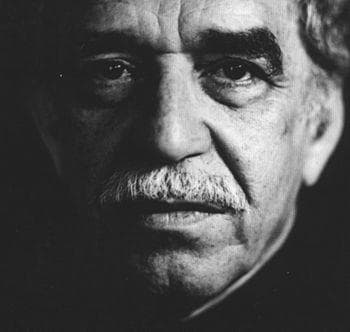
Gabriel José de la Concordia García Márquez was a Colombian novelist, short-story writer, screenwriter, and journalist, known affectionately as Gabo or Gabito throughout Latin America. Considered one of the most significant authors of the 20th century, particularly in the Spanish language, he was awarded the 1972 Neustadt International Prize for Literature and the 1982 Nobel Prize in Literature. He pursued a self-directed education that resulted in leaving law school for a career in journalism. From early on he showed no inhibitions in his criticism of Colombian and foreign politics. In 1958, he married Mercedes Barcha Pardo; they had two sons, Rodrigo and Gonzalo.
Similar books
- The Stranger
Albert Camus
4.1 (3k) average on GoodreadsFantasyExplores themes of absurdity and existentialism through a detached narrative style.
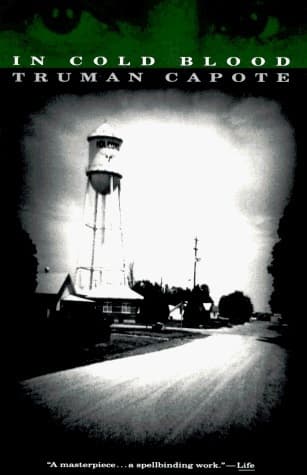
- In Cold Blood
Truman Capote
4.1 (529k) average on GoodreadsThrillerA non-fiction novel that meticulously reconstructs a real-life murder, blending journalism with literary prose.
- One Hundred Years of Solitude
Gabriel García Márquez
4.1 (753k) average on GoodreadsLiterary FictionShares the author's distinctive magical realism and exploration of Latin American culture and family sagas.
- The Death of Artemio Cruz
Carlos Fuentes
3.9 (9k) average on GoodreadsHistorical FictionBoth Chronicle of a Death Foretold and Carlos Fuentes's The Death of Artemio Cruz (1962) employ non-linear narratives and fragmented perspectives to explore a central figure's life (or death). However, Fuentes's novel delves into the complex, often corrupt, life of a dying Mexican patriarch, using his final moments to dissect the history of post-revolutionary Mexico. While Chronicle investigates a public murder and its communal implications, Artemio Cruz is an internal monologue, a stream of consciousness exploring a single man's moral decay and his impact on a nation. García Márquez's focus is on the collective failure to prevent a known tragedy, whereas Fuentes examines the internal reckoning of a man whose actions shaped a nation, often for ill. Both are modernist masterpieces, but their scope and the nature of their narrative 'investigation' differ significantly.
- The Old Man and the Sea
Ernest Hemingway
3.8 (831k) average on GoodreadsLiterary FictionA Cuban fisherman's long struggle with a giant marlin becomes a story of endurance and dignity, now retold for young adults with illustrations, phonetic guides, and writing prompts in Traditional Chinese.
- The Goldfinch
Donna Tartt
3.9 (720k) average on GoodreadsLiterary FictionHaunted by a tragic explosion and clutching a stolen Dutch masterpiece, a young orphan navigates the opulent drawing rooms of New York and the gritty underbelly of the art world, desperately seeking connection and redemption amidst a life spiraling into crime and obsession.



Enjoyed the summary?
A summary gives you the shape of the book. The book itself has the detail, the examples and the voice.
Find Chronicle of a Death Foretold on AmazonAs an Amazon Associate, BookBrief earns from qualifying purchases. How we're funded