

Synopsis
Covers the whole plot, including the ending.
- Difficulty
- Medium
- Pacing
- Slow
- Mood
- Atmospheric, Melancholy, Reflective, Poignant
- Read it if
- You enjoy character-driven literary fiction, domestic dramas, and introspective explorations of family relationships, especially those set in a culturally rich environment.
- Skip it if
- You prefer fast-paced plots, clear resolutions, or stories with a strong external conflict.
Clear Light of Day Plot Summary
Covers the whole plot, including the ending.
A Family Reunion in Old Delhi
The novel opens with Tara, now married to Bakul, an Indian diplomat, arriving back at her childhood home in Old Delhi after many years. She is met by her older sister, Bimla (Bim), who has stayed in the house, teaching at a women's college and caring for their mentally challenged brother, Baba. The house, once lively, now feels still and neglected, reflecting the emotional state of its inhabitants. Tara's return immediately stirs old memories and dormant family tensions. She observes Bim's quiet acceptance and Baba's unchanging, almost childlike existence, playing old records. The initial interactions are polite but tense, hinting at unresolved issues from their shared past.
Echoes of Childhood Summers
As Tara settles in, the story often shifts to flashbacks, focusing on the children's summers. These times were marked by a sense of freedom and routine, despite their parents' distant presence, often ill and confined to their room. The children – Raja, Bim, Tara, and Baba – would play and explore, their lives largely unsupervised. Raja, the oldest and most charming, would read poetry and dream of a grander future, often reciting Urdu verses. Bim, smart and responsible, would care for Baba and often felt burdened by her duties. Tara, the youngest of the three functional siblings, was more observant and shy. These memories show the early dynamics that shaped their personalities and relationships.
Raja's Departure and Betrayal
A significant flashback describes Raja getting tuberculosis, which keeps him in his room. During this time, he becomes deeply interested in Urdu poetry and forms a bond with their landlord, Hyder Ali, a sophisticated Muslim gentleman who shares his love for literature and culture. Raja looks up to Hyder Ali and his Hyderabadi background. After recovering, Raja eventually marries Hyder Ali's daughter, Benazir, despite Bim's unspoken hopes that he would stay with them. This marriage and Raja's subsequent move to Hyderabad are seen by Bim as a deep betrayal, leaving her to take on the responsibility of Baba and the house, and fueling a deep resentment that lasts for years.
The Weight of Responsibility
The story highlights Bim's life choices after Raja left. She dedicates herself to her teaching career at the local women's college, becoming a respected, if somewhat stern, figure. Her main commitment, however, remains the care of Baba, who, because of his mental condition, needs constant supervision. Bim carries the weight of this responsibility with a mix of pride, resentment, and a deep sense of duty. She often feels trapped by her circumstances, watching her siblings move on to their own lives while she stays anchored to the past and the decaying family home. Her ambition, once strong, now goes into her work and the careful, though unrewarding, management of their household.
Tara's Escape and Guilt
Tara's journey is presented as an escape. She married Bakul, a diplomat, and moved away, creating a life for herself that is far from the stagnation of Old Delhi. Her visits are rare, and she often feels relieved to leave. However, her return for this visit brings a resurgence of guilt for having left Bim and Baba behind. She observes Bim's solitary life and Baba's unchanging existence, prompting her to think about her own choices and the sacrifices Bim has made. Tara's perspective offers an outsider's view of the family's arrested development, yet she is deeply connected to it.
Unspoken Resentments and Harsh Words
As Tara's visit continues, the unspoken resentments between the sisters become clearer. During a particularly tense conversation, old wounds are reopened. Bim, feeling the unfairness of her situation, lashes out at Tara, accusing her of abandoning the family and living a carefree life while she carried the burden. Tara, though hurt, tries to manage Bim's anger, often feeling overwhelmed by the intensity of her sister's long-held grievances. These confrontations, though painful, bring the buried emotions to the surface, forcing both sisters to confront their past and its impact on their present.
The Past in the Present
The physical setting of the house and its surroundings in Old Delhi acts as a strong symbol for the family's decline. The garden is overgrown, the house is in disrepair, and the once-thriving neighborhood has lost its former grandeur. This decay is not just physical; it mirrors the emotional stagnation of Bim and Baba, who remain tied to a past that never truly moved forward. The heat, dust, and slowness of the environment add to the oppressive atmosphere, making it hard for the characters to escape the weight of history and memory that fills every corner of their lives. The past is not just remembered; it is actively present.
Baba's Unchanging World
Baba, the mentally challenged brother, remains a constant, almost static, presence throughout the story. He spends his days listening to old records on a gramophone, his world largely confined to the house and his unchanging routines. He embodies the family's arrested development, a silent witness to time passing without truly participating in it. His dependence on Bim highlights her sacrifice and the unbreakable bond of duty she feels towards him. Baba's innocence and vulnerability show the harsh realities that have shaped his siblings' lives, making his care both a burden and a source of quiet, unquestioning love for Bim.
A Letter from Raja
During Tara's visit, a letter arrives from Raja. It describes his life in Hyderabad, his family, and his continued success, particularly in his sugar mill business. The letter also contains an invitation for Bim to visit, a gesture of reconciliation, offering a connection to the world he has built away from Old Delhi. For Bim, the letter stirs a complex mix of emotions: lingering resentment, a flicker of longing for reconciliation, and perhaps a renewed sense of her own isolation. The letter acts as a turning point, forcing Bim to confront her feelings about Raja and his choices, and how those choices permanently altered her own life.
The Clear Light of Day
Towards the end of Tara's visit, Bim has a deep realization. Standing in the clear light of day, she looks at her family – Baba, Tara, and even in her mind, Raja – and sees them not as burdens or betrayers, but as inextricably linked parts of herself. She understands that despite the pain and the different paths, their lives are intertwined, and that she carries them all within her. This moment is not one of dramatic resolution but of quiet acceptance and forgiveness, especially towards Raja and Tara. She recognizes the strength in her own choices and the deep, lasting love that underlies the complexities of their family bonds, finding a measure of peace.
A Visit to the Neighbors
Bim and Tara visit their neighbors, the Misra family, who are hosting a musical evening. The Misra family, once close friends and playmates of the Das children, represent another aspect of Old Delhi's fading glory. The visit brings up more memories of their youth, particularly the Misra brothers, who were once lively and promising but have also settled into lives of quiet resignation. The music, a classical Indian performance, provides a background for Bim and Tara's continued thoughts on their shared past and the paths their lives have taken. The scene emphasizes the theme of time's relentless passage and how lives diverge and converge, often with unexpected outcomes.
The Unbreakable Bonds
In the concluding moments of the novel, after Tara has left, Bim is alone with Baba. She reflects on her life and her siblings, specifically reaffirming her role as the caretaker. She tells Baba that she will always be there for him, and that he does not need to worry. This declaration is a quiet affirmation of her enduring love and responsibility, free from the earlier bitterness. She comes to understand that family, despite its complexities and heartaches, provides an unbreakable connection and a unique form of love. The clear light of day symbolizes not just physical light, but also the clarity and understanding she has achieved regarding her place in the world and her family.
Clear Light of Day Characters
Bimla (Bim) Das
Protagonist
The eldest sister, a teacher who cares for her brother and the family home.
Bim is an intelligent, strong-willed, and initially resentful woman. She dedicates her life to teaching at a women's college and caring for her mentally challenged brother, Baba, in their dilapidated childhood home. She carries the burden of responsibility for her family and feels betrayed by her siblings, Raja and Tara, who left her behind. Her internal life is rich with memories and unfulfilled aspirations. She is fiercely independent but deeply affected by the past.
Relationships: Tara Das (Sisterly, initially strained by resentment, evolving to understanding.); Raja Das (Brotherly, marked by deep affection, then betrayal and resentment, finally a glimmer of forgiveness.); Baba Das (Caretaker-dependent, a bond of deep, unwavering love and responsibility.); Bakul (Brother-in-law, polite but distant.)
Tara Das
Supporting
The younger sister, married to a diplomat, who returns home for a visit.
Tara is more timid and less ambitious than Bim. She escaped the stagnant family home through marriage to Bakul, a diplomat, and lives a comfortable, peripatetic life. Her return to Old Delhi stirs feelings of guilt, nostalgia, and a renewed confrontation with the family's unresolved issues. She often acts as the observer, reflecting on the past and her sisters' lives from a distance, yet she is deeply affected by the family dynamics.
Relationships: Bimla (Bim) Das (Sisterly, initially strained by Bim's resentment, evolving to understanding.); Raja Das (Brotherly, affectionate in childhood, later more distant.); Baba Das (Brotherly, a source of pity and concern.); Bakul (Husband, a supportive partner who provided her escape.)
Raja Das
Supporting
The charismatic elder brother who leaves the family to pursue his own ambitions.
Raja is the eldest and most charismatic of the Das siblings. Intelligent, poetic, and ambitious, he dreams of a grander life beyond Old Delhi. He forms a close bond with Hyder Ali and eventually marries his daughter, moving to Hyderabad to build a successful sugar mill business. His departure is perceived as a betrayal by Bim, leaving her with the family responsibilities. He represents the possibility of escape and self-determination, though his choices come at a cost to his siblings.
Relationships: Bimla (Bim) Das (Brotherly, initially close, then a source of deep resentment from Bim.); Tara Das (Brotherly, affectionate in childhood.); Baba Das (Brotherly, often ignored or treated as a burden.); Hyder Ali (Mentor and father-in-law, a figure of admiration.); Benazir (Wife, Hyder Ali's daughter.)
Baba Das
Supporting
The mentally challenged youngest brother, cared for by Bim.
Baba is the youngest of the Das siblings and is mentally challenged. He lives a simple, unchanging existence, primarily confined to the house, listening to old records. He is completely dependent on Bim for his care and represents the static, arrested aspect of the family's life. His innocence and vulnerability highlight Bim's sacrifices and the enduring, if unarticulated, love within the family. He acts as a silent, constant presence, anchoring Bim to the past.
Relationships: Bimla (Bim) Das (Brotherly, dependent, the object of Bim's primary care and affection.); Tara Das (Brotherly, a source of pity and concern.); Raja Das (Brotherly, often ignored.)
Bakul
Supporting
Tara's husband, a diplomat.
Bakul is Tara's husband, a diplomat whose career provides her with an escape from the stagnation of Old Delhi and a life of travel and comfort. He is presented as kind, supportive, and understanding of Tara's family, though he remains somewhat detached from their intense emotional history. He represents the outside world and the life Tara has built for herself away from her childhood home.
Relationships: Tara Das (Husband-wife, supportive and loving.); Bimla (Bim) Das (Brother-in-law, polite and respectful but distant.)
Hyder Ali
Mentioned
The Das family's sophisticated Muslim landlord.
Hyder Ali is the Das family's sophisticated and cultured Muslim landlord. He is a significant figure in Raja's youth, mentoring him in Urdu poetry and literature. Raja idolizes him and eventually marries his daughter, Benazir. Hyder Ali represents a connection to a different, more refined world and his influence is instrumental in Raja's decision to leave Old Delhi and pursue his own ambitions.
Relationships: Raja Das (Mentor and father-in-law, a figure of admiration.); Benazir (Father-daughter.)
Benazir
Mentioned
Hyder Ali's daughter and Raja's wife.
Benazir is Hyder Ali's daughter and the woman Raja marries. Her marriage to Raja solidifies his break from his childhood home and his pursuit of a life in Hyderabad. She is largely a figure of Bim's resentment, seen as the person who took Raja away. She is not directly present in the narrative but her existence is central to the family's past dynamics.
Relationships: Raja Das (Wife-husband.); Hyder Ali (Daughter-father.)
Aunt Mira
Supporting
The children's aunt who briefly cares for them.
Aunt Mira is a distant relative who comes to live with the Das children after their parents become increasingly ill and withdrawn. She tries to provide some structure and affection, but her presence is temporary, and she eventually succumbs to illness herself. She represents a fleeting attempt at normalcy and maternal care in the children's unsupervised upbringing, her departure leaving them largely to fend for themselves.
Relationships: Bimla (Bim) Das (Aunt-niece, a temporary caretaker.); Tara Das (Aunt-niece, a temporary caretaker.); Raja Das (Aunt-nephew, a temporary caretaker.); Baba Das (Aunt-nephew, a temporary caretaker.)
Clear Light of Day Themes
The Weight of the Past and Memory
The novel is deeply rooted in the past, with memories constantly surfacing and mixing with the present. The dilapidated house itself holds history, trapping Bim and Baba in an unchanging existence. The characters often revisit childhood events, particularly Raja's departure and the parents' illness, which continue to shape their current relationships and emotional states. This theme explores how past choices and perceived betrayals cast long shadows, making it hard for the characters to move forward.
“The past is all here, around us, within us.”
Family Bonds and Resentment vs. Love
At its core, the novel explores the complex and often conflicting nature of family love. Bim's deep love for her siblings is mixed with bitter resentment for their perceived abandonment. The dynamics between Bim, Tara, and Raja are full of unspoken expectations and disappointments. Ultimately, the theme concludes with an understanding that despite the hurts and different paths, an unbreakable, though complicated, bond of love connects them. The novel suggests that true forgiveness comes from accepting these complex truths.
“All these years I’ve been thinking I was free of them, free of the family, free of the house, but it’s not true, it’s not true.”
The Passage of Time and Stagnation
Time is a central, almost tangible, force in the novel. While Tara and Raja move forward, building new lives, Bim and Baba remain largely static in the ancestral home. The decaying house and Baba's unchanging routines symbolize this stagnation. The narrative structure, constantly shifting between present and past, reinforces the idea that for some, time does not necessarily bring change or progress, but rather a deepening of existing patterns. The 'clear light of day' offers a moment of clarity, allowing Bim to see her life and choices within this flow of time.
“The years passed, and nothing really changed.”
Duty and Sacrifice
Bim's life is defined by her sense of duty and sacrifice. She takes on the responsibility of caring for Baba and maintaining the family home, seemingly at the expense of her own desires and ambitions. This theme examines the heavy cost of such devotion and the inner conflict it creates between self-fulfillment and family obligation. While she initially feels trapped and resentful, her eventual acceptance of her role transforms it from a burden into a source of quiet strength and purpose.
“She was the one who was left, the one who stayed, the one who looked after.”
Escape and Freedom
The theme of escape appears through Raja and Tara's journeys away from Old Delhi. Raja seeks intellectual and economic freedom, marrying into a different culture and building a business. Tara finds freedom through marriage to a diplomat, allowing her to travel and experience a life unburdened by her family's past. Their escapes highlight Bim's perceived lack of freedom, intensifying her feelings of being trapped. The novel subtly questions whether true freedom is achieved by physical departure or through internal liberation and acceptance.
“They had all gone away, all of them, leaving her here to be the caretaker.”
Plot Devices & Literary Techniques
Flashbacks and Non-Linear Narrative
Frequent shifts between the present and the past.
The novel employs a non-linear narrative, constantly interweaving the present-day reunion of Bim and Tara with extensive flashbacks to their childhood and adolescence. This device is crucial for revealing the origins of the characters' current emotional states, their complex relationships, and the unresolved tensions that define their lives. It allows the reader to understand the weight of the past on the present, showing how childhood experiences shaped their adult identities and choices. The fragmented timeline mirrors the fragmented memories and perspectives of the characters themselves.
Symbolism of the Das Family Home
The dilapidated house as a metaphor for the family's stagnation.
The Das family home in Old Delhi functions as a powerful symbol throughout the novel. Its decaying state, overgrown garden, and the stagnant atmosphere within reflect the emotional and psychological stagnation of Bim and Baba. It is a repository of memories, both cherished and painful, trapping its inhabitants in the past. The house represents the weight of tradition, duty, and the inability to move forward, embodying the family's decline and the passage of time without significant change for those who remain within its walls.
Baba's Gramophone and Records
A recurring motif signifying arrested development and the past.
Baba's constant listening to old records on his gramophone serves as a potent motif. The unchanging music symbolizes his arrested development and the family's inability to move beyond certain points in time. The old songs are echoes of a bygone era, reinforcing the theme of the past's enduring presence. It also highlights Baba's innocence and his simple, unchanging world, contrasting sharply with the complex emotional lives of his siblings. The music acts as a constant, almost melancholic, soundtrack to the family's drama.
The 'Clear Light of Day' Metaphor
A symbolic phrase indicating clarity, understanding, and acceptance.
The title phrase, 'Clear Light of Day,' serves as a central metaphor. It initially refers to the harsh, bright Indian sunlight that reveals every imperfection and truth. However, by the end of the novel, it evolves to represent Bim's moment of profound clarity, understanding, and acceptance regarding her family, her life choices, and the nature of love and forgiveness. It signifies a shedding of illusion and resentment, allowing her to see the intricate tapestry of her life with a newfound sense of peace and reconciliation with her past and present.
Clear Light of Day Quotes
“The past is like a foreign country; they do things differently there.”
“The house was a body, the courtyard its heart, and the children its pulses.”
“She had wanted to stay, always, in that clear light of day, unshadowed by the past, untroubled by the future.”
“It was the same old world, but it was not the same old world.”
“They were sisters, and they would always be sisters, and that was a bond that could not be broken, only stretched.”
“The heat was like a hand pressing down, flattening everything, draining all colour and energy.”
“There was a kind of peace in loneliness, a quiet that allowed one to hear one's own thoughts.”
“Children are like water, they take the shape of whatever they are poured into.”
“What was the point of all the past, if it did not make the present more bearable, more explicable?”
“The house was full of ghosts, not just the dead, but the living who had left.”
“It was impossible to escape the past. It clung like a burr, or a shadow.”
“The silence was not empty, but full of unspoken words, unacknowledged desires.”
“Life was a series of adjustments, a constant trimming and pruning.”
“She felt a great rush of tenderness, a sense of belonging, of being irrevocably tied.”
Quiz
10 questions on the plot and the characters. Each answer comes with a short explanation.
Question 1
Which character is described as a dissatisfied but ambitious teacher at a women's college, living in her childhood home and caring for her mentally challenged brother?
- Tara
- Bimla
- Baba
- Mira-masi
Show answer
B. Bimla Bimla is explicitly described as the dissatisfied but ambitious teacher who cares for Baba in their childhood home.
Question 2
What is the primary reason Tara returns to visit Bimla and Baba, which triggers the resurfacing of old memories and tensions?
- To sell the childhood home
- To attend a family wedding
- For a visit, as she is married with children of her own
- To discuss Baba's future care
Show answer
C. For a visit, as she is married with children of her own The synopsis states that 'When Tara returns for a visit with Bimla and Baba, old memories and tensions resurface,' implying a general visit rather than a specific event.
Question 3
Which city provides the vividly portrayed environs for the setting of 'Clear Light of Day'?
- Mumbai
- Calcutta
- Old Delhi
- Agra
Show answer
C. Old Delhi The book is explicitly stated to be 'Set in the vividly portrayed environs of Old Delhi.'
Question 4
What is the relationship between Raja and the other Das siblings?
- He is their younger, quiet brother.
- He is their popular, brilliant, and successful brother.
- He is their cousin who lives abroad.
- He is their estranged father.
Show answer
B. He is their popular, brilliant, and successful brother. Raja is described as their 'popular, brilliant, and successful brother,' highlighting his distinct path compared to Bimla and Baba.
Question 5
What primary themes are highlighted by the relationships between the estranged members of the Das family?
- Adventure and exploration
- Family and forgiveness
- Political intrigue and rebellion
- Wealth and social climbing
Show answer
B. Family and forgiveness The description states the novel is 'about family and forgiveness' and centers on 'the moving relationships between the estranged members of the Das family.'
Question 6
Baba is characterized by which specific condition?
- He is physically disabled.
- He is mentally challenged.
- He is a mute.
- He suffers from a chronic illness.
Show answer
B. He is mentally challenged. Baba is consistently referred to as Bimla's 'mentally challenged brother,' indicating his specific condition.
Question 7
What kind of 'drama' unfolds when old memories and tensions resurface during Tara's visit?
- A courtroom drama
- A political drama
- A domestic drama
- A historical drama
Show answer
C. A domestic drama The synopsis explicitly describes the events blending into a 'domestic drama' leading to self-understanding.
Question 8
The novel is praised for its ability to 'totally submerge' the reader and take them 'so deeply into another world'. What specific aspect of the novel contributes to this immersive quality?
- Its fast-paced action sequences
- The vivid portrayal of the environs of Old Delhi and deep character exploration
- Its reliance on futuristic technology
- Its complex mystery plot
Show answer
B. The vivid portrayal of the environs of Old Delhi and deep character exploration The New York Times Book Review quote attributes the immersive quality to the deep dive into 'another world,' which, in context, refers to the family's internal world and the 'vividly portrayed environs of Old Delhi'.
Question 9
According to Kirkus Reviews, the novel offers 'enticing glimpses of India’s Hindu middle-class in shabby decline.' How does this detail relate to the broader themes or setting of the novel?
- It suggests the family is moving up the social ladder.
- It indicates a vibrant economic boom in Old Delhi.
- It provides a socio-economic backdrop that likely influences the characters' lives and the 'unhealable family hurts.'
- It implies the characters are actively trying to escape India.
Show answer
C. It provides a socio-economic backdrop that likely influences the characters' lives and the 'unhealable family hurts.' The 'shabby decline' of the Hindu middle-class provides a significant socio-economic context for the 'unhealable family hurts' and the characters' struggles, grounding the personal drama in a specific cultural and economic reality.
Question 10
The New Yorker compares 'Clear Light of Day' to the works of which acclaimed author, suggesting a similar style of family drama and psychological depth?
- Jane Austen
- Anton Chekhov
- Ernest Hemingway
- Gabriel García Márquez
Show answer
B. Anton Chekhov The New Yorker explicitly calls it a 'rich, Chekhovian novel,' drawing a parallel to Anton Chekhov's style, known for its focus on character psychology and family dynamics.
Clear Light of Day FAQ
What is the central premise of 'Clear Light of Day'?
'Clear Light of Day' explores the enduring relationships and unresolved tensions within the Das family, particularly focusing on the three adult siblings, Bimla, Tara, and Raja, as they grapple with their shared past and individual presents. The narrative unfolds during Tara's visit to the family home in Old Delhi, forcing a confrontation with old memories and dormant resentments.
Who are the main characters in the novel and what are their primary roles?
The main characters are Bimla (Bim), the eldest sister, an unmarried, independent teacher who cares for her intellectually disabled brother, Baba; Tara, the younger sister, married to Bakul and living abroad; and Raja, the brother, who left the family home to marry Hyder Ali's daughter and pursue a successful career. Baba, the youngest brother, remains a silent, constant presence.
Where is the novel primarily set, and how does the setting influence the story?
The novel is primarily set in the decaying family home in Old Delhi, with flashbacks to their childhood in the same house. The stagnant, unchanging nature of the house and its surroundings mirrors the emotional stasis and unresolved past that traps Bim and Baba, while also highlighting the social and historical changes occurring outside its walls.
What is the significance of the novel's title, 'Clear Light of Day'?
The title refers to the moments of clarity and understanding that dawn upon the characters, particularly Bim, as she confronts her past grievances and recognizes the enduring bonds of family. It suggests a stripping away of illusions and resentments, allowing for a more profound and forgiving perspective on their lives and relationships.
How does the narrative structure, specifically the use of flashbacks, contribute to the novel's themes?
The non-linear narrative, frequently shifting between the present day and various periods of the siblings' childhood and adolescence, is crucial for revealing the origins of their current dynamics and emotional wounds. This structure allows the reader to understand how past events, particularly the parents' deaths and Raja's departure, shaped their adult lives and relationships.
What role does the character of Hyder Ali play in the Das family's history?
Hyder Ali was the Das family's Muslim landlord and neighbor, whose daughter, Benazir, Raja eventually marries. His family's departure during Partition and Raja's subsequent marriage to Benazir represent a significant break from the Das family's traditional expectations and contribute to Bim's feelings of abandonment and betrayal.
How does the motif of illness and decay manifest throughout the novel?
Illness and decay are pervasive. The parents' prolonged illnesses and eventual deaths leave a deep impact, while Baba's intellectual disability represents a form of arrested development. The physical decay of the family home mirrors the emotional stagnation and unaddressed hurts within the family, suggesting a broader decline.
What is the implied significance of the dogs in the family home?
The dogs in the family home, particularly the increasing number of strays adopted by Bim, symbolize her growing isolation and her need for unconditional affection and responsibility. They also represent the untamed, somewhat chaotic aspect of the decaying household, reflecting the family's inability to fully maintain order or escape their past.
How does the concept of 'duty' or 'responsibility' influence Bim's life choices?
Bim's life is largely defined by her sense of duty, particularly towards Baba and the family home, after her parents' deaths and Raja's departure. This responsibility, while noble, also becomes a burden, trapping her in a life she resents and fueling her bitterness towards her siblings who escaped these obligations.
Analyze Tara's psychological state and her relationship with her family.
Tara often feels like an outsider, having escaped the family home through marriage and living abroad. She experiences a blend of guilt, nostalgia, and relief when she returns, constantly seeking Bim's approval while also feeling inadequate and intimidated by her sister's strength. Her passivity is a coping mechanism for the family's intensity.
What psychological impact did Raja's departure have on Bim?
Raja's departure, particularly his marriage to Hyder Ali's daughter, was a profound betrayal for Bim, leaving her feeling abandoned and solely responsible for Baba and the decaying household. This event solidified her bitterness and resentment, shaping her independent yet emotionally guarded adult personality and fueling her lifelong sense of injustice.
How does the novel explore themes of forgiveness and reconciliation?
The novel gradually builds towards moments of forgiveness and reconciliation, particularly between Bim and Tara, and Bim's internal acceptance of Raja's choices. It suggests that true forgiveness comes not from external apologies, but from an internal shift in perspective, allowing characters to understand and accept the past, finding peace in the present.
Is Bim a sympathetic character? Discuss her complexities.
Bim is deeply complex and often unsympathetic in her bitterness and resentment, yet she is also profoundly sympathetic in her self-sacrifice and the burdens she carries. Her sharp intellect and fierce independence are admirable, but her inability to forgive holds her captive, making her a tragic figure grappling with profound loneliness.
How does the novel address the broader historical context of India's Partition?
The Partition is subtly woven into the narrative through the departure of Hyder Ali's Muslim family and the subsequent communal tensions. While not a central plot point, it serves as a backdrop, mirroring the internal divisions and separations within the Das family, highlighting how larger historical events can impact individual lives and relationships.
What is the significance of the poetry and music references throughout the novel?
Poetry and music, particularly Urdu ghazals and English poetry, serve as a cultural link to the past, especially for Raja and Bim. They represent a shared intellectual heritage and a source of solace and expression. Raja's recitation of poetry connects him to Hyder Ali, while Bim's later appreciation for it signifies her acceptance and understanding.
How does the ending of 'Clear Light of Day' provide resolution or a sense of hope?
The ending offers a quiet, internal resolution rather than a dramatic one. Bim achieves a profound moment of clarity and acceptance, realizing the unbreakable, albeit complex, bonds that tie her family together. The final scene, with the singing and the 'clear light of day' imagery, suggests a newfound peace and understanding, implying that life, with all its imperfections, continues with an enduring strength.
What role does the memory play in the siblings' relationships and their understanding of each other?
Memory is central, acting as both a bond and a barrier. Shared childhood memories are selectively recalled and reinterpreted by each sibling, shaping their current perceptions and grievances. The novel demonstrates how memory is not static but fluid, constantly influencing their present interactions and understanding of their own identities within the family unit.
Similar books
- Fire on the Mountain
Anita Desai
3.6 (832) average on GoodreadsLiterary FictionExplores themes of loneliness, memory, and the interior lives of women within an Indian setting, with a similar introspective style.
- The God of Small Things
Arundhati Roy
3.9 (244k) average on GoodreadsLiterary FictionFeatures complex family dynamics, childhood memories, and a lyrical, atmospheric prose style set in India, though with a more tragic tone.
- Homegoing
Yaa Gyasi
4.4 (175k) average on GoodreadsLiterary FictionSpans generations to explore the lingering effects of family history and trauma, though on a much larger scale and with different cultural context.
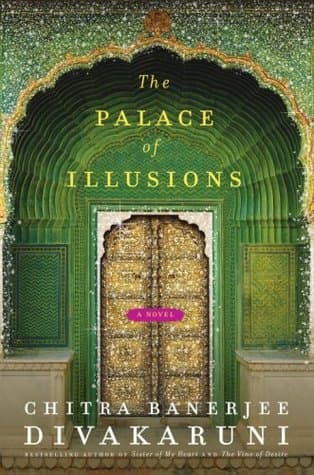
- The Palace of Illusions
Chitra Banerjee Divakaruni
4.2 (34k) average on GoodreadsFantasyWhile both explore family and destiny, Divakaruni's novel uses an epic, mythological framework with a broader narrative scope, focusing on external events and a reimagined epic. Desai's 'Clear Light of Day' is intensely focused on the psychological interiority of a single family and the subtle interplay of memory in a contemporary setting.
- Nectar In A Sieve
Kamala Markandaya
3.6 (9k) average on GoodreadsHistorical FictionMarkandaya's novel provides a stark portrayal of rural Indian life, focusing on external adversity, poverty, and survival with a more direct socio-economic critique. Desai's work, while equally profound, operates within a different register, prioritizing psychological realism and the intricate emotional landscape of a middle-class urban family over explicit socio-economic struggles.
- Nineteen Eighty-Four
George Orwell
4.2 (5.5M) average on GoodreadsFictionWinston Smith dreams of truth and rebellion in a world where Big Brother watches all, but he confronts the terrifying power of a regime that controls not just actions, but thoughts.





Enjoyed the summary?
A summary gives you the shape of the book. The book itself has the detail, the examples and the voice.
Find Clear Light of Day on AmazonAs an Amazon Associate, BookBrief earns from qualifying purchases. How we're funded