
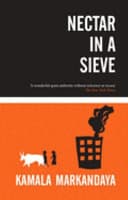
Synopsis
Covers the whole plot, including the ending.
- Difficulty
- Medium
- Pacing
- Slow
- Mood
- Melancholy, Resilient, Reflective, Poignant
- Read it if
- You are interested in a poignant, character-driven story about resilience, poverty, and the impact of industrialization on traditional rural life in post-colonial India.
- Skip it if
- You prefer fast-paced plots with clear resolutions or find stories of continuous hardship and tragedy too difficult to read.
Nectar In A Sieve Plot Summary
Covers the whole plot, including the ending.
A Simple Beginning and a Fateful Marriage
Rukmani, the youngest daughter of a village headman, marries Nathan, a tenant farmer, at age twelve. Unlike her sisters who marry into wealthier families, Rukmani's dowry is small, leading to a more humble union. She leaves her childhood home and adapts to life in Nathan's small hut in a village dependent on the land. Despite initial shyness, their relationship grows into deep affection and mutual respect. They work hard on their small plot of land, cultivating rice, and Rukmani learns farm life, finding contentment as a farmer's wife. Their early years have hard work and the simple joys of their growing family.
The Arrival of Children and the Doctor
Rukmani and Nathan's family grows, though their first child is a daughter, followed by several more. Rukmani struggles to conceive a son, a societal expectation, and consults Kennington, an elderly white doctor, who treats her for infertility. She eventually gives birth to five sons: Murugan, Raja, Thambi, Selvam, and Kuti. Kennington becomes a trusted friend and confidant, often treating villagers without charge. His presence blends modern medicine and traditional village life, and Rukmani, at first wary, appreciates his wisdom and kindness, especially during family and community illnesses and hardships.
The Tannery's Shadow
A large tannery arrives in the village, changing their traditional farming life. At first, the tannery brings jobs and money, offering a possible escape from farming's uncertainty. Rukmani's sons, drawn by the promise of wages, begin to work there, much to Nathan's initial disapproval, as he values their connection to the land. However, the tannery also brings noise, pollution, and a new, harsher social dynamic. The land around the tannery becomes infertile, and the once-clear river is contaminated. The village slowly changes, losing some of its innocence and peace as it deals with industrialization.
Famine and Hardship
A severe drought leads to famine, destroying crops and plunging the village into extreme poverty. Food becomes scarce, and prices rise, making survival impossible for many. Rukmani and Nathan struggle to feed their children, selling their few possessions. Their daughter, Ira, desperate to save her starving infant, turns to prostitution. Raja, one of their sons, is tragically killed trying to steal a hide from the tannery, a desperate act caused by hunger. This period tests the family's resilience and forces them to face the brutal facts of their existence, showing the fragility of life for tenant farmers.
Ira's Sacrifice and Kuti's Death
Ira, married and abandoned by her husband, returns home with her infant son. When the famine worsens, and her baby starves, she resorts to prostitution to earn money for milk and food. This decision deeply shames Rukmani but comes from desperate love. Despite Ira's efforts, the youngest son, Kuti, dies from starvation, a heartbreaking loss for the family. Ira's sacrifice, while morally complex, shows the extreme measures people take to survive during unimaginable hardship, and poverty's deep impact on family dynamics and individual choices.
Eviction and Departure
After years of farming their land, the landlord sells the property to the tannery, and Rukmani and Nathan are evicted. With their sons having left for the city or the tannery, and their daughters married, only Nathan and Rukmani remain. They decide to travel to the city where their son Murugan is believed to be working as a servant. This journey uproots their lives, leaving behind their only home and the land that defined them. It is a journey into the unknown, driven by hope for a better future and the desire to reunite with their son.
Life in the City
Upon arriving in the chaotic and indifferent city, Rukmani and Nathan are overwhelmed. They struggle to find Murugan, discovering he abandoned his wife and children and moved on. Homeless and penniless, they live on the streets and sleep in a temple courtyard. They meet other destitute individuals, including an old street vendor, Puli, a young albino boy who helps them. The city, far from offering solace, presents new suffering and a stark contrast to their rural life, showing the impersonal and harsh realities of urban poverty.
Working at the Quarry
Desperate for work, Nathan and Rukmani find jobs at a stone quarry, breaking rocks under the scorching sun. The work is back-breaking and poorly paid, but it offers a temporary break from starvation. They endure harsh conditions and relentless labor, their bodies aching from the unaccustomed strain. This period shows their enduring resilience and unwavering commitment to each other, even with immense physical hardship. The quarry symbolizes their struggle to survive and their continuous battle against poverty, showing the lengths they must go to earn a meager living.
Nathan's Death and Return to the Village
Nathan, weakened by age, malnutrition, and hard labor at the quarry, falls gravely ill. Despite Rukmani's desperate attempts to care for him, he dies peacefully in her arms in the city. His death is a deep loss for Rukmani, ending their long and loving partnership. With Puli's help, she arranges a simple cremation. Heartbroken and alone, Rukmani decides to return to her village, accompanied by Puli, whom she adopted. Her return is a bittersweet journey, leaving behind the city's harshness but carrying her grief and Nathan's memory.
A New Beginning, A Familiar Struggle
Rukmani returns to her village, finding it changed but still home. Her daughter Ira, now a single mother, welcomes her. Rukmani finds solace in the familiar rhythms of the land and her remaining family, including Ira's albino son. Puli, the orphaned boy from the city, has become her surrogate son, providing companionship and support. Though her life has immense loss and hardship, Rukmani finds quiet strength and acceptance. She continues to face poverty's challenges with resilience, surrounded by family and community bonds, showing endurance amidst adversity.
Nectar In A Sieve Characters
Rukmani
Protagonist
A resilient Indian woman navigating poverty and change.
Rukmani is the central character, a woman of deep resilience, quiet strength, and unwavering devotion to her family and the land. Born into a slightly higher caste, she adapts to the humble life of a tenant farmer's wife, finding contentment in hard work and the simple joys of her family. She is observant, reflective, and often the voice of the narrative, experiencing profound personal losses but always finding the strength to carry on. Her journey is one of endurance, facing famine, eviction, and the harsh realities of industrialization with a stoic grace.
Relationships: Nathan (Loving and devoted husband); Ira (Daughter, complex relationship marked by love, concern, and quiet understanding); Kennington (Kenny) (Trusted friend and doctor); Puli (Adopted son figure)
Nathan
Supporting
Rukmani's steadfast and hardworking husband.
Nathan is Rukmani's devoted husband, a tenant farmer whose life is inextricably linked to the land. He is hardworking, honest, and possesses a quiet dignity. Despite their poverty, he provides a stable and loving presence for his family. He represents the traditional agrarian way of life, struggling to maintain his connection to the soil even as the modern world encroaches. His love for Rukmani is a constant source of strength for her, and his eventual decline and death are deeply felt, symbolizing the loss of a simpler, more rooted existence.
Relationships: Rukmani (Loving and devoted husband); His Children (Caring father, though sometimes struggling to understand their choices)
Ira
Supporting
Rukmani's daughter, who faces extreme hardship and makes difficult choices.
Ira is Rukmani and Nathan's eldest daughter, a beautiful and gentle soul whose life is marked by tragedy. She is married off but is later abandoned due to her infertility. She returns home, and during the famine, makes the heartbreaking decision to engage in prostitution to save her starving infant and later to support her family. Her actions, while morally complex, highlight the desperate measures people are driven to by poverty. Despite her suffering, she remains a loving and supportive presence for Rukmani, embodying resilience and sacrifice.
Relationships: Rukmani (Daughter, shares a deep, unspoken bond); Her Son (Devoted mother)
Kennington (Kenny)
Supporting
A benevolent white doctor who aids the villagers.
Kenny is a compassionate and enigmatic white doctor who establishes a clinic in the village. He provides medical care, often without charge, and becomes a trusted confidant to Rukmani. His presence represents a link to the outside world and a force for good, though his motivations are sometimes unclear to the villagers. He is a symbol of humanitarian aid and a counterpoint to the exploitative forces of industrialization, offering hope and practical assistance in a world often devoid of both.
Relationships: Rukmani (Trusted friend and medical provider); Villagers (Respected and relied-upon doctor)
Murugan
Supporting
Rukmani and Nathan's son who seeks work in the city.
Murugan is one of Rukmani and Nathan's sons, who leaves the village to seek employment in the city. He initially finds work as a servant but later abandons his wife and children, becoming a source of disappointment and concern for his parents. He represents the allure and eventual disillusionment of urban life for those from rural backgrounds, and the breakdown of traditional family values under economic pressure.
Relationships: Rukmani and Nathan (Son, whose actions cause them pain and concern)
Raja
Supporting
Rukmani and Nathan's son, tragically killed during the famine.
Raja is one of Rukmani and Nathan's sons, who works at the tannery. During the devastating famine, driven by desperate hunger, he attempts to steal a hide from the tannery and is brutally killed. His death is a poignant example of the extreme measures people are forced to take for survival and the harsh consequences of poverty. He symbolizes the innocent victims of economic hardship and the destructive impact of the encroaching industrial world on traditional village life.
Relationships: Rukmani and Nathan (Son, whose death deeply grieves them)
Puli
Supporting
An orphaned albino boy from the city, adopted by Rukmani.
Puli is a young, albino orphan Rukmani and Nathan encounter in the city. He is resourceful and street-smart, helping them navigate the complexities of urban life. Despite his challenging circumstances, he possesses a kind heart and a resilient spirit. Rukmani eventually takes him under her wing, informally adopting him, and he accompanies her back to the village. He represents hope and the possibility of new family bonds even amidst loss, and his albinism sets him apart, echoing themes of difference and acceptance.
Relationships: Rukmani (Adopted son figure, loyal companion); Nathan (Benefactor and friend)
Old Granny
Supporting
A village vendor who falls on hard times.
Old Granny is a minor character, a kind and elderly village woman who sells produce. She represents the fragility of life for the poor, as she eventually succumbs to starvation during the famine, unable to sustain herself. Her death is a stark reminder of the widespread suffering caused by poverty and the indifference of a changing world.
Relationships: Rukmani (Acquaintance and fellow villager)
Nectar In A Sieve Themes
The Enduring Spirit of Humanity
Despite poverty, famine, loss, and industrialization, the characters, especially Rukmani, show a strong spirit. They find strength in their relationships, their connection to the land (even when it's gone), and their will to survive. This theme appears in Rukmani's quiet acceptance of her fate, her love for Nathan, and her ability to find joy and solace even in the bleakest times, such as adopting Puli and returning to the village. It is about finding dignity and meaning amidst suffering.
“To endure what is unendurable is to endure what is unendurable. It is the beginning of hope.”
The Conflict Between Tradition and Modernity
The novel shows the clash between the traditional farming life of the Indian village and industrialization, represented by the tannery. The tannery brings economic opportunity but also pollution, social disruption, and the breakdown of traditional family structures as sons leave the land for factory work. This conflict is seen in Nathan's deep attachment to farming versus his sons' desire for tannery wages, and the overall degradation of the natural environment. The city also represents a harsh, impersonal modernity that contrasts sharply with the village's close-knit community.
“The land is a mother. She will always feed you if you are good to her.”
The Inevitability and Acceptance of Suffering
Suffering is throughout the novel, from chronic poverty and hunger to the loss of children, eviction, and the death of a spouse. The characters, especially Rukmani, often meet these adversities with stoic acceptance rather than rebellion. This is not passive resignation but a deep understanding of life's cyclical nature and their limited control over external forces like drought or economic change. Rukmani's narrative voice often reflects a philosophical view on hardship, seeing it as a part of the human condition, which allows her to continue.
“Our life is a long cycle of suffering, but it is also a long cycle of endurance.”
The Strength of Family Bonds
Despite severe challenges, love and loyalty within Rukmani's family remain a strong force. The family unit provides comfort, support, and a reason to keep going. This is clear in Nathan and Rukmani's lasting partnership, Ira's selfless sacrifices for her child and family, and Rukmani's eventual adoption of Puli. Even when children leave or disappoint, the core bond remains. Family is shown as a refuge against the harshness of the outside world, providing emotional sustenance even when material sustenance is scarce.
“A man's worth is not in the coins he has, but in the love he gives and receives.”
The Dignity of Labor and the Land
The novel values the dignity of manual labor, especially farming. Nathan and Rukmani find meaning and identity in working the land, despite its hardships. Their connection to the soil is spiritual and cultural, representing stability and self-sufficiency. Losing their land is a devastating blow, not just economically but existentially. The book contrasts this with the dehumanizing labor of the tannery and quarry, suggesting that while all work is necessary for survival, some forms of labor offer more intrinsic dignity and connection to life.
“The land is ours. It is our body, our blood, our life.”
Plot Devices & Literary Techniques
First-Person Retrospective Narration
Rukmani recounts her life story from an older, reflective perspective.
The entire novel is told through Rukmani's eyes, looking back on her life from old age. This allows for a deeply personal and emotional account, giving the reader intimate access to her thoughts, feelings, and resilience. The retrospective view enables her to reflect on events with wisdom and perspective, providing insights into the broader themes of suffering, endurance, and change. It also creates a sense of foreboding and poignancy, as the reader knows the outcome of certain events even as Rukmani describes their unfolding.
Symbolism of the Land
The land represents life, sustenance, tradition, and identity.
The land is a powerful symbol throughout the novel. For Rukmani and Nathan, it represents life, sustenance, tradition, and their very identity. Their connection to their small plot of rice paddy is almost spiritual. The fertility and barrenness of the land directly mirror their prosperity and suffering. The eventual loss of their land to the tannery symbolizes the destruction of their traditional way of life and the triumph of industrialization over nature and human connection to the earth. It is a constant reminder of their precarious existence and the source of their deepest joys and sorrows.
The Tannery as a Symbol of Modernity's Impact
The tannery represents the destructive and transformative power of industrialization.
The tannery serves as a potent symbol of modernity's double-edged sword. Initially, it offers economic opportunity and hope for a better life for some villagers, particularly Rukmani's sons. However, it quickly becomes a symbol of environmental degradation (polluting the river, rendering land infertile), social disruption (breaking down traditional family structures, introducing new forms of exploitation), and moral decay. Its presence ultimately leads to the family's eviction and the tragic death of Raja, illustrating the destructive consequences of unchecked industrial expansion on a traditional society.
Famine as a Catalyst for Change
The recurring famine acts as a brutal force that exposes vulnerabilities and drives desperate actions.
Famine is not just an event but a recurring plot device that acts as a brutal catalyst, forcing characters into desperate circumstances and revealing their deepest strengths and weaknesses. It strips away any illusion of security, forcing choices like Ira's prostitution and Raja's theft. Each famine period accelerates the family's decline, pushing them closer to the brink of survival and ultimately leading to their eviction and move to the city. It underscores the fragility of life for the rural poor and highlights the devastating impact of natural disasters exacerbated by societal neglect.
Nectar In A Sieve Quotes
“Because to take away the vote from a man is to take away his freedom, and to take away his freedom is to take away his humanity.”
“The earth is a mother to us, as she is to all who live upon her.”
“What is a man without land? He is nothing.”
“To want something is to be able to get it, if you want it badly enough.”
“We are like the river, flowing on, never stopping, always moving towards the sea.”
“Hunger is a monster, and it makes monsters of us all.”
“There is no knowing what is in a man's heart until he is tried by adversity.”
“Hope is a bird with a broken wing, but it still sings.”
“Money is a cruel master, and it leaves its mark on all who serve it.”
“The past is like a dream, and the future is like a dream, and only the present is real.”
“Life is a journey, and we are all travelers on that journey.”
“To be born a woman is to be born a burden, a thing to be disposed of, if not in the womb, then in the marriage bed.”
“Sorrow and joy are like the two sides of a coin; one cannot exist without the other.”
“We live in a world where the strong prey on the weak, and the weak must learn to fend for themselves.”
Quiz
10 questions on the plot and the characters. Each answer comes with a short explanation.
Question 1
What is the name of Rukmani's husband?
- Kenny
- Nathan
- Raja
- Selvam
Show answer
B. Nathan Rukmani's husband is Nathan, a tenant farmer who works diligently to provide for his family.
Question 2
What major industry arrives in Rukmani's village, drastically changing their way of life?
- A textile mill
- A tannery
- A sugar refinery
- A coal mine
Show answer
B. A tannery The arrival of the tannery brings both jobs and pollution, disrupting the traditional agricultural life of the village and forcing many to adapt.
Question 3
What crop is central to Rukmani and Nathan's livelihood in the early parts of the novel?
- Wheat
- Rice
- Millet
- Corn
Show answer
B. Rice As tenant farmers in an Indian village, rice is the primary crop they cultivate for sustenance and income.
Question 4
Why do Rukmani and Nathan eventually leave their village?
- They are offered a better plot of land in another village.
- Their land is sold to the tannery and they are evicted.
- They decide to follow their children to the city.
- A severe drought forces them to seek water elsewhere.
Show answer
B. Their land is sold to the tannery and they are evicted. Their landlord sells their land to the expanding tannery, leaving them homeless and forcing them to migrate to the city.
Question 5
Who is Kenny, the white doctor, and what is his primary role in Rukmani's life?
- He is a missionary who tries to convert the villagers.
- He is a doctor who provides medical care and advice, including fertility treatment for Rukmani.
- He is a businessman who invests in the tannery.
- He is a government official who helps mediate land disputes.
Show answer
B. He is a doctor who provides medical care and advice, including fertility treatment for Rukmani. Kenny is a compassionate Western doctor who treats the villagers, provides Rukmani with fertility assistance, and attempts to build a hospital.
Question 6
What is the ultimate fate of Rukmani's first son, Raja?
- He becomes a successful farmer and supports the family.
- He leaves the village to work in the city and sends money home.
- He is killed during a theft, accused of stealing a calf's skin.
- He becomes a respected elder in the village.
Show answer
C. He is killed during a theft, accused of stealing a calf's skin. Raja is tragically killed after being accused of stealing a calf's skin from the tannery, highlighting the desperation and injustice faced by the poor.
Question 7
How does Rukmani manage to save her youngest daughter, Kuti, from starvation during a famine?
- She begs for food from the wealthy landowners.
- She sells her own body for money to buy rice.
- Nathan finds extra work in the tannery to earn more money.
- Kenny provides them with food from the mission.
Show answer
B. She sells her own body for money to buy rice. In a desperate attempt to save Kuti, Rukmani resorts to prostitution, a painful sacrifice that ultimately fails to save her daughter.
Question 8
The theme of 'the resilience of the human spirit in the face of adversity' is strongly evident. Which of the following best exemplifies this theme in Rukmani's life?
- Her initial reluctance to accept modern medicine from Kenny.
- Her ability to continue finding hope and purpose even after losing her land, children, and husband.
- Her anger towards the tannery for taking her land.
- Her desire for her children to marry into wealthy families.
Show answer
B. Her ability to continue finding hope and purpose even after losing her land, children, and husband. Despite enduring immense personal loss and societal upheaval, Rukmani consistently finds strength to carry on, adapt, and care for those still with her, embodying profound resilience.
Question 9
Upon arriving in the city, what desperate measure do Rukmani and Nathan initially take to earn money for food?
- They beg on the streets.
- They sell their remaining meager possessions.
- They break stones at a quarry.
- They try to find work in the city's tannery.
Show answer
C. They break stones at a quarry. In the city, with no other options, they resort to the arduous and poorly paid labor of breaking stones at a quarry to survive.
Question 10
What does the title 'Nectar in a Sieve' symbolically refer to in the context of the novel's themes?
- The fleeting sweetness of life's simple pleasures amidst hardship.
- The struggle to keep water for irrigation during a drought.
- The difficulty of saving money in a poor economy.
- The purity of traditional village life before industrialization.
Show answer
A. The fleeting sweetness of life's simple pleasures amidst hardship. The title suggests that joy, happiness, and prosperity (nectar) are constantly slipping away (through a sieve) for Rukmani and her family, representing the struggle to retain any good fortune in their lives of hardship.
Nectar In A Sieve FAQ
What is the central premise of 'Nectar In A Sieve'?
The novel chronicles the life of Rukmani, a peasant woman in a rural South Indian village, as she navigates poverty, famine, and the relentless march of modernization. It details her struggles to provide for her family, maintain her dignity, and adapt to immense societal changes, particularly the arrival of a tannery that irrevocably alters their traditional way of life.
Who are the primary characters in Rukmani's family and what are their fates?
Rukmani's husband, Nathan, is a gentle farmer who eventually dies from exhaustion and malnutrition. Their children include Selvam, Thambi, Murugan, Raja, Padmini, and Kuti. Raja is beaten to death for alleged theft, Murugan abandons his family, and Kuti dies of starvation. Selvam and Padmini are the only children who remain somewhat connected to Rukmani, with Selvam becoming a doctor's assistant and Padmini working as a prostitute.
How does the arrival of the tannery impact Rukmani and Nathan's lives?
The tannery initially brings jobs and a sense of prosperity to some, but it also displaces Rukmani and Nathan from their ancestral land when it's sold for expansion. It introduces new social dynamics, disrupts traditional farming, and ultimately contributes to the family's impoverishment and their eventual migration to the city in search of work.
What role does Dr. Kennington ('Kenny') play in the story?
Kenny is a compassionate white doctor who establishes a hospital in the village, offering medical care to the impoverished villagers. He provides essential assistance to Rukmani's family, saving her life and helping her with childbirth. He represents a benevolent, albeit sometimes enigmatic, outsider who offers a glimmer of hope and practical aid.
What is the significance of the title 'Nectar In A Sieve'?
The title, derived from a Coleridge poem, symbolizes the futility and endless struggle of Rukmani's life, where happiness and sustenance are constantly slipping away like nectar poured into a sieve. It encapsulates the transient nature of joy and the persistent presence of suffering and loss that she experiences.
Are there any subtle foreshadowing elements regarding Raja's death?
While not explicitly foreshadowed, Raja's growing desperation and the increasing scarcity of food in the village subtly set the stage for his tragic end. The tannery's presence and the desperation it breeds create an environment where petty theft becomes more common, making his accusation and subsequent death tragically plausible.
What is the deeper meaning behind Rukmani's consistent planting of rice, even when conditions are dire?
Rukmani's persistent rice planting, despite droughts and land loss, symbolizes her unwavering hope, resilience, and deep connection to the land and traditional way of life. It represents her continuous effort to nurture life and maintain a sense of normalcy and purpose amidst overwhelming adversity, even when the harvest is uncertain.
How does the novel subtly comment on the caste system, even without direct discussion?
The novel subtly depicts the caste system through the inherent power dynamics and limited opportunities available to Rukmani's family, who are landless peasants. Their struggles are exacerbated by their social standing, and their interactions with others, like the wealthy landlord or even the tannery owners, implicitly highlight the rigid social hierarchy that governs their lives.
What is the symbolic significance of the recurring motif of the monsoon?
The monsoon is a powerful and ambivalent symbol, representing both life-giving sustenance for the crops and destructive force through floods and storms. It mirrors the cycles of hope and despair in Rukmani's life, bringing both relief from drought and devastating losses, highlighting nature's unpredictable and dominant role.
Analyze Rukmani's coping mechanisms throughout her suffering.
Rukmani primarily copes through stoicism, an inner resolve, and a deep sense of duty to her family. She finds solace in her connection to nature and her spiritual beliefs. Despite immense loss, she rarely succumbs to open despair, instead choosing quiet resilience and practical action, even when faced with insurmountable odds.
How does Nathan's character embody a specific psychological response to poverty?
Nathan embodies a gentle but ultimately passive psychological response to poverty. He is deeply connected to the land and his traditions, and his inability to adapt or fight against the encroaching changes leads to a slow decline into despair and physical deterioration. His quiet resignation contrasts with Rukmani's more active, though often futile, struggle.
Discuss the psychological impact of urbanization on Rukmani and Nathan.
The city profoundly disorients Rukmani and Nathan, stripping them of their identity and sense of belonging. The anonymity, noise, and moral decay of the urban environment are deeply distressing. They experience heightened vulnerability and exploitation, leading to a sense of rootlessness and intensifying their despair, ultimately contributing to Nathan's death.
What is the psychological toll of losing so many children on Rukmani?
The loss of her children, particularly Raja and Kuti, inflicts profound and cumulative psychological trauma on Rukmani. She carries the weight of grief and guilt, which hardens her but also deepens her capacity for empathy and resilience. Each loss reinforces her understanding of life's fragility and the relentless nature of suffering.
Is Rukmani's ultimate survival a triumph or a further tragedy?
Rukmani's survival is a complex blend of triumph and tragedy. It is a triumph of the human spirit and resilience, demonstrating her enduring will to live despite unimaginable hardship. However, it is also tragic as she survives stripped of almost everything she held dear, leaving her with a life of continued struggle and profound loss.
Does the novel offer a definitive stance on the benefits vs. detriments of modernization?
The novel presents a nuanced and largely critical view of modernization, particularly industrialization. While it acknowledges some benefits, like the hospital, it primarily highlights the destructive impact on traditional livelihoods, social structures, and the environment. It suggests that progress, when imposed without consideration for existing communities, can lead to immense suffering and displacement.
To what extent is Rukmani an unreliable narrator, given her subjective experiences?
Rukmani is largely a reliable narrator in terms of recounting events, but her perspective is inherently subjective, shaped by her limited education, rural background, and personal biases. Her interpretations of events, particularly regarding the motivations of outsiders like Kenny or the tannery owners, are filtered through her own experiences and understanding, making her a 'truthful' but not necessarily 'objective' narrator.
What is the novel's broader message about human dignity in the face of extreme poverty?
The novel powerfully argues that human dignity is incredibly resilient, even in the most dehumanizing conditions. Rukmani and Nathan consistently strive to maintain their honor, self-respect, and moral integrity despite starvation, exploitation, and loss. Their efforts to uphold tradition and care for their family underscore the enduring importance of dignity as a core human need.
Could the ending be interpreted as a cycle of suffering, or is there a glimmer of hope?
The ending leans towards a cyclical interpretation of suffering, as Rukmani returns to the village, having lost almost everything and everyone. However, the presence of Puli, the orphaned boy she adopts, offers a small glimmer of hope. He represents a new generation and a renewed purpose for Rukmani, suggesting that life, despite its hardships, continues to find ways to endure and connect.
About the author
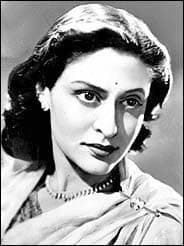
Kamala Markandaya, pseudonym of Kamala Purnaiya, married name Kamala Taylor, was a British Indian novelist and journalist. She has been called "one of the most important Indian novelists writing in English".
Similar books
- The Good Earth
Pearl S. Buck
4.0 (223k) average on GoodreadsHistorical FictionExplores the lives of Chinese farmers, their connection to the land, and struggles with poverty and societal change.
- A Fine Balance
Rohinton Mistry
4.3 (129k) average on GoodreadsLiterary FictionDepicts the lives of ordinary people in India facing immense hardship and injustice, with a focus on human resilience.
- A House for Mr Biswas
V. S. Naipaul
3.8 (18k) average on GoodreadsLiterary FictionWhile both novels explore post-colonial struggles and the search for identity and belonging, Naipaul's 'A House for Mr Biswas' focuses on the individualistic quest of a man in Trinidad to establish his own home and identity against societal constraints and familial obligations. Markandaya's 'Nectar In A Sieve,' in contrast, emphasizes communal suffering and the collective struggle for survival in rural India, with Rukmani's narrative being less about individual ambition and more about enduring the fate of her community. Naipaul's tone is often satirical and critical, whereas Markandaya's is more tender and empathetic.
- The God of Small Things
Arundhati Roy
3.9 (244k) average on GoodreadsLiterary FictionRoy's 'The God of Small Things' also delves into Indian life and the impact of social structures, but it does so with a much more complex, non-linear narrative structure and a focus on caste, forbidden love, and political upheaval in Kerala. While Markandaya's novel presents a relatively straightforward, chronological account of a peasant woman's life, Roy employs a fragmented, poetic style to explore the intricacies of memory and trauma. Both authors critically examine societal injustices, but Roy's approach is often more overtly political and stylistically experimental, whereas Markandaya's power lies in its stark simplicity and direct emotional appeal.
- To Kill a Mockingbird
Harper Lee
4.3 (4.5M) average on GoodreadsHistorical FictionIn the 1930s Jim Crow South, Harper Lee writes about racial injustice, moral growth, and the quiet courage of a lawyer father, Atticus Finch, as seen through his young daughter's eyes.
- The Great Gatsby
F. Scott Fitzgerald
3.9 (3.8M) average on GoodreadsHistorical FictionIn the opulent Roaring Twenties, a mysterious millionaire's lavish parties hide his desperate, tragic pursuit of a lost love, exposing the emptiness within the American Dream.



Enjoyed the summary?
A summary gives you the shape of the book. The book itself has the detail, the examples and the voice.
Find Nectar In A Sieve on AmazonAs an Amazon Associate, BookBrief earns from qualifying purchases. How we're funded