

Synopsis
Covers the whole plot, including the ending.
- Difficulty
- Medium
- Pacing
- Moderate
- Mood
- Anxious, Reflective, Hopeful, Historical
- Read it if
- You enjoy historical fiction for young readers, especially stories set during pivotal moments in history, and appreciate a blend of personal coming-of-age struggles with significant world events.
- Skip it if
- You prefer fantasy or contemporary settings, or find stories heavily focused on historical anxiety and family drama less engaging.
Countdown Plot Summary
Covers the whole plot, including the ending.
A Life in Constant Fear: Franny's World in 1962
Franny Chapman, a twelve-year-old in Maryland in October 1962, introduces her family and the general fear of nuclear war. Her parents, especially her mother, worry constantly about a possible attack from Russia. Her older sister, Jo Ellen, is moody and distant, often leaving with her boyfriend, Freddy. Her younger brother, Drew, is 'a saint' to their mother, which bothers Franny. Uncle Otts, a veteran, lives with them and often relives his combat experiences, adding to the household's stress. Franny's best friend, Peggy, is not talking to her, and a new boy, Chris, has moved in across the street, catching Franny's eye. The Cuban Missile Crisis hangs over everything, with school drills and talks of fallout shelters happening daily.
The Silent Treatment and New Friendships
Franny struggles with Peggy not speaking to her. She does not fully understand why Peggy is upset but thinks it involves Peggy's crush on Billy and Franny's lack of support. Meanwhile, Franny starts spending more time with Chris, the new boy. Chris is from Boston and seems more experienced. Their talks often center on the fear of nuclear war. Their growing friendship distracts from home tension and the unresolved conflict with Peggy, but also brings new feelings for Franny. She likes Chris's calm manner and his ability to express the anxieties they all share.
Jo Ellen's Disappearance and Family Strain
Jo Ellen's behavior becomes more unpredictable. She often disappears for hours, sometimes days, with her boyfriend, Freddy, causing great worry for her parents, especially her mother. Franny overhears quiet arguments between her parents about Jo Ellen's location and future, suggesting a deeper issue. Her father tries to be understanding, while her mother is visibly upset and scared for her oldest daughter. These family problems increase the already high anxiety in the Chapman home, making Franny feel more alone and confused during the global crisis. Uncle Otts's more frequent war flashbacks add to the stressful mood.
School Drills and Fallout Shelter Preparations
The Cuban Missile Crisis gets worse, and its reality affects every part of Franny's life. At school, students do 'duck and cover' drills, practicing hiding under desks, which Franny finds both scary and a bit silly. Talks about fallout shelters become common, with neighborhood families thinking about and even building their own. Franny's father starts making plans for their family's shelter, leading to discussions about needed supplies and how they would survive. These preparations make Franny face the real chance of a nuclear attack, adding to her growing sense of dread and helplessness.
President Kennedy's Announcement
The entire nation, including the Chapman family, watches President Kennedy's televised speech on October 22nd. Kennedy confirms that the Soviet Union has put nuclear missiles in Cuba, just ninety miles from America, and announces a naval blockade around Cuba. This news ends any hope that the crisis might be solved peacefully and quickly. The seriousness of the situation sinks in for Franny and her family, as war feels immediate and terrifying. The air is thick with fear and uncertainty, as everyone realizes a nuclear war could be moments away, and their lives could change forever.
The Waiting Game and Uncle Otts's Decline
As the Cuban Missile Crisis days pass, the world seems to pause. News reports are constant, and war feels close. Franny's family, like many others, lives in high anxiety, watching television and listening to the radio for updates. During this time, Uncle Otts's mental state clearly worsens. His flashbacks become more frequent and confusing, and he often mistakes Franny for someone from his past or talks about battles as if they are happening now. His decline adds sadness and concern to the family problems, as Franny sees her parents struggle to care for him during the global crisis.
Reconciliation and Confessions
After days of not speaking, Franny finally talks to Peggy, and they make up. Peggy explains why she was hurt, and Franny apologizes for being thoughtless. Their friendship, a comfort to Franny, is fixed. Soon after, the truth about Jo Ellen's mysterious absences comes out: she is pregnant. This explains her moodiness, her frequent times away with Freddy, and her parents' quiet arguments. The news shocks Franny, but it also helps her understand her sister's problems and her parents' quiet suffering, adding a personal crisis to the ongoing global one.
The Crisis Averts, but Life is Changed
After thirteen scary days, the Cuban Missile Crisis ends. President Kennedy announces that the Soviet Union has agreed to remove the missiles from Cuba. A collective sigh of relief goes across the nation, and Franny's family feels it too. However, while the immediate threat of nuclear war has passed, the family still deals with Jo Ellen's pregnancy. Her parents struggle with the news and what it means for Jo Ellen's future. The crisis has left a lasting mark on Franny, making her more aware of how fragile peace is and how complicated adult life can be, both globally and in her home.
A New Beginning, and Lingering Shadows
After both the global crisis and her sister's news, Franny starts to process the changes in her world. Jo Ellen and Freddy decide to marry, and while it is not what her parents imagined, they begin to accept it. Uncle Otts continues to struggle with his memories, but the family supports him. Franny's friendship with Chris grows, and she finds comfort and understanding in their shared experiences. The book ends with Franny thinking about how the events of October 1962, personal and historical, shaped her. She realizes that life, with all its anxieties and uncertainties, goes on, and she must find her own way to navigate it, carrying the lessons from a terrifying time.
Countdown Characters
Franny Chapman
Protagonist
A twelve-year-old girl navigating the anxieties of the Cuban Missile Crisis and personal family drama.
Franny is a perceptive and sensitive twelve-year-old girl living in Maryland during the Cuban Missile Crisis. She struggles to understand the adult world around her, from the global threat of nuclear war to the complex dynamics within her own family. She is observant, often journaling her thoughts and feelings, and is trying to find her place amidst the chaos. Her initial frustrations with her family members, especially her sister Jo Ellen and brother Drew, evolve into a deeper understanding and empathy as she matures through the crisis.
Relationships: Jo Ellen Chapman (Older sister, initially distant and later revealed to be pregnant); Drew Chapman (Younger brother, often perceived as 'saintly' by their mother); Uncle Otts (Great-uncle living with the family, suffering from PTSD); Peggy (Best friend, with whom Franny has a temporary feud); Chris (New boy across the street, becomes a close friend and romantic interest); Mom (Mrs. Chapman) (Mother, anxious and protective); Dad (Mr. Chapman) (Father, calm and understanding)
Jo Ellen Chapman
Supporting
Franny's older sister, secretive and moody, grappling with an unplanned pregnancy.
Jo Ellen is Franny's older sister, a teenager who is often moody, distant, and frequently disappears with her boyfriend, Freddy. Her secretive behavior causes significant stress and worry for her parents. Initially, Franny sees her as just difficult, but later learns that Jo Ellen is pregnant, which explains her withdrawn nature and the family's underlying tension. Her story highlights the personal consequences and quiet struggles occurring alongside the national crisis, showcasing a young woman coming to terms with a life-altering decision.
Relationships: Franny Chapman (Younger sister, initially estranged but later understands); Mom (Mrs. Chapman) (Mother, deeply worried about Jo Ellen's choices); Dad (Mr. Chapman) (Father, tries to be supportive despite disappointment); Freddy (Boyfriend and father of her child)
Uncle Otts
Supporting
Franny's great-uncle, a veteran suffering from severe PTSD from past wars.
Uncle Otts is Franny's great-uncle who lives with the Chapman family. He is a veteran of multiple wars, and his experiences have left him with severe post-traumatic stress disorder (PTSD). Throughout the book, he frequently relives his combat memories, sometimes confusing them with the present or mistaking family members for people from his past. His fragmented narratives and moments of lucidity offer a poignant parallel to the fear of war, showing the lasting psychological toll conflict takes. He represents the cyclical nature of war and its impact on individuals and families.
Relationships: Franny Chapman (Great-niece, who observes his struggles with growing understanding); Mom (Mrs. Chapman) (Niece, his primary caregiver, often stressed by his condition); Dad (Mr. Chapman) (Nephew-in-law, also helps care for him)
Chris
Supporting
The new boy across the street who becomes Franny's confidant and friend.
Chris is a boy from Boston who moves into the house across the street from Franny. He is intelligent, thoughtful, and articulate, offering Franny a different perspective on the world and the unfolding crisis. Their conversations often delve into the serious implications of the nuclear threat, and he provides a safe space for Franny to express her fears and anxieties. Chris becomes a significant friend and a budding romantic interest for Franny, helping her feel less alone during a terrifying time. He represents a new connection and a sense of shared experience outside of her immediate family.
Relationships: Franny Chapman (Close friend and romantic interest)
Peggy
Supporting
Franny's best friend, with whom she has a temporary falling out.
Peggy is Franny's best friend at the beginning of the book. She is a typical pre-teen, concerned with crushes and social dynamics. Their friendship experiences a significant strain when Peggy gives Franny the silent treatment, due to Franny's perceived insensitivity regarding Peggy's crush on Billy. This interpersonal conflict serves as a personal challenge for Franny, mirroring the larger global conflicts. Their eventual reconciliation highlights the importance of communication and understanding in relationships, providing Franny with an important lesson in empathy.
Relationships: Franny Chapman (Best friend)
Mom (Mrs. Chapman)
Supporting
Franny's mother, who is highly anxious about both the global crisis and her family's well-being.
Mrs. Chapman is Franny's mother, a woman deeply burdened by anxiety during the Cuban Missile Crisis. She is constantly worried about a nuclear attack, meticulously planning for a fallout shelter, and is equally distressed by Jo Ellen's rebellious behavior and later, her pregnancy. She often praises Drew, which frustrates Franny, and struggles to cope with Uncle Otts's declining mental state. Her worry and attempts to control her family's safety reflect the widespread fear felt by parents during this era, making her a relatable figure of maternal concern.
Relationships: Franny Chapman (Daughter, often a source of frustration for Franny); Jo Ellen Chapman (Daughter, a source of immense worry and disappointment); Drew Chapman (Son, often favored by her); Dad (Mr. Chapman) (Husband, her partner in navigating family and global crises); Uncle Otts (Her uncle, a burden she cares for)
Dad (Mr. Chapman)
Supporting
Franny's father, a calm and practical presence amidst the family and national turmoil.
Mr. Chapman is Franny's father, who acts as a more grounded and practical presence in the household compared to his anxious wife. He takes steps to prepare for a potential nuclear attack, like planning a fallout shelter, but maintains a calmer demeanor. He tries to be understanding towards Jo Ellen's difficulties and offers a steadying influence amidst the family's internal crises and the external global threat. His quiet strength and measured responses provide a sense of stability for Franny and the family, even when facing unimaginable possibilities.
Relationships: Franny Chapman (Daughter, whom he supports quietly); Jo Ellen Chapman (Daughter, whom he tries to understand and support); Drew Chapman (Son); Mom (Mrs. Chapman) (Wife, whom he supports and balances); Uncle Otts (Brother-in-law, whom he helps care for)
Drew Chapman
Supporting
Franny's younger brother, often seen as 'saintly' by his mother, much to Franny's annoyance.
Drew is Franny's younger brother, whom their mother frequently refers to as a 'saint.' This constant praise often irritates Franny, who sees him as just a normal, sometimes annoying, younger sibling. While not a central figure, Drew represents the innocence of younger children during the crisis, often less aware of the gravity of the situation, though still participating in the drills and discussions. His presence highlights Franny's perspective as the middle child, caught between her mother's idealized view of Drew and her complicated relationship with Jo Ellen.
Relationships: Franny Chapman (Older sister, often annoyed by him); Mom (Mrs. Chapman) (Mother, who idealizes him); Dad (Mr. Chapman) (Father)
Freddy
Mentioned
Jo Ellen's boyfriend and the father of her child.
Freddy is Jo Ellen's boyfriend, and later, the father of her child. He is largely unseen but his presence is felt through Jo Ellen's disappearances and the family's discussions about her. He represents the catalyst for much of the Chapman family's internal drama, particularly Jo Ellen's pregnancy. While not a developed character, his role is crucial in driving a significant subplot that runs parallel to the main historical events.
Relationships: Jo Ellen Chapman (Girlfriend, later husband)
Countdown Themes
Fear and Anxiety in the Cold War Era
The constant fear of nuclear war is the main theme, affecting every part of Franny's life and those around her. From school 'duck and cover' drills to talks about fallout shelters, the threat of an atomic bomb is always there. Franny's mother shows this anxiety, while Uncle Otts's PTSD reminds readers of war's lasting harm. The Cuban Missile Crisis makes this fear much worse, forcing characters to face their mortality and the possible end of the world. The book shows the psychological cost this constant dread has on people and families.
“It seems to me that everyone, everywhere, is just waiting. Waiting for a bomb to drop. Or waiting for something else to happen. Waiting to be told what to do. Waiting for someone else to make a decision.”
Family Dynamics and Interpersonal Conflict
Beyond the global threat, the novel explores the often difficult relationships within the Chapman family. Franny deals with her moody older sister, Jo Ellen, and her 'saintly' younger brother, Drew. Her parents are focused on Jo Ellen's mysterious behavior and Uncle Otts's declining health. The family's internal problems, especially the secret of Jo Ellen's pregnancy, happen at the same time as the national crisis. This shows how personal struggles continue even during huge external events. The story shows how these family dynamics change under pressure, leading to more understanding and empathy.
“Sometimes I feel like I'm living in a house of secrets, and I'm the only one who doesn't know what they are.”
Loss of Innocence and Coming-of-Age
Franny's journey during the Cuban Missile Crisis is a coming-of-age story. She starts as a typical pre-teen, concerned with friends and small problems, but the seriousness of the global situation and her sister's pregnancy make her grow up quickly. She sees how fragile life is, how complex adult decisions are, and the deep worries adults carry. This time marks a loss of her childhood innocence, replacing it with a more detailed understanding of the world and her place in it. She learns about responsibility, empathy, and strength.
“The world was supposed to be safe, wasn't it? My world, anyway. But now it felt like everything could just… break.”
Historical Context and Personal Experience
The novel mixes the big historical story of the Cuban Missile Crisis with Franny Chapman's personal experiences. By showing actual photographs, historical documents, and speech excerpts alongside Franny's fictional diary entries, the book places the reader in 1962. This blend shows how major historical events affect individual lives, shaping daily routines, fears, and relationships. It illustrates that history is not just dates and facts, but lived experience, showing how a global crisis affects an ordinary American family's worries and choices.
“History isn't just dates and battles. It's people, living through it. Feeling it.”
Communication and Misunderstanding
A repeated theme is the failure and repair of communication, both in Franny's personal relationships and, indirectly, globally. Franny's fight with Peggy comes from a misunderstanding, and the family's initial inability to openly discuss Jo Ellen's situation causes great stress. The global crisis itself shows the dangers of poor communication and mistrust between nations. The resolution of these conflicts, personal or political, often depends on characters finally speaking honestly and truly listening to each other, showing how important clear and empathetic talk is in overcoming problems.
“Sometimes, the hardest things to say are the ones that need to be said the most.”
Plot Devices & Literary Techniques
Documentary Novel Format
Blends fictional narrative with historical documents and photographs.
Deborah Wiles employs a 'documentary novel' format, interspersing Franny's first-person narrative and journal entries with actual historical photographs, newspaper clippings, government documents, and snippets from President Kennedy's speeches from 1962. This device grounds the fictional story firmly in its historical context, making the threat of the Cuban Missile Crisis feel immediate and real to the reader. It blurs the line between fiction and non-fiction, enhancing the authenticity and immersive quality of Franny's experience and providing a rich educational layer to the narrative.
First-Person Narrative / Journal Entries
Allows direct access to Franny's thoughts, fears, and observations.
The story is told primarily through Franny's first-person perspective, often in the form of journal entries. This intimate narrative style provides direct access to Franny's evolving thoughts, anxieties, and interpretations of the events unfolding around her. It allows the reader to experience the Cuban Missile Crisis and her family's struggles through the eyes of a twelve-year-old, capturing her innocence, confusion, and gradual maturation. The personal, reflective tone of the journal entries makes Franny a highly relatable and sympathetic protagonist, drawing the reader deeply into her emotional world.
Parallel Crises
Juxtaposes global political tension with personal family drama.
The novel cleverly employs the device of parallel crises, presenting the global threat of the Cuban Missile Crisis simultaneously with the personal family drama surrounding Jo Ellen's pregnancy and Uncle Otts's PTSD. This juxtaposition highlights the interconnectedness of large-scale historical events and individual lives. It demonstrates that even when the world is on the brink of war, personal struggles, secrets, and joys continue to unfold, emphasizing the resilience of the human spirit and the constant interplay between the macro and micro aspects of existence. The personal crises often mirror the larger anxieties of the time.
Symbolism of Fallout Shelters
Represents both literal and metaphorical attempts at safety and control.
Fallout shelters serve as a significant symbol throughout the novel. Literally, they represent the desperate attempts of families like the Chapmans to find physical safety from a nuclear attack. Metaphorically, they symbolize the human desire for control and security in an uncontrollable and terrifying world. The discussions, plans, and preparations for these shelters underscore the pervasive fear of the era and the futility of trying to fully shield oneself from an existential threat. They also represent the psychological 'shelters' characters build to cope with fear and uncertainty, both global and personal.
Uncle Otts's War Memories
Foreshadows the potential horrors of war and highlights its lasting trauma.
Uncle Otts's vivid and disorienting flashbacks to past wars (WWI, WWII, Korea) serve as a potent plot device. His struggles with PTSD act as a constant, tangible reminder of the devastating consequences of conflict, even for those who survive. His fragmented narratives not only add a layer of tragic realism to the family's life but also serve as a form of foreshadowing, subtly warning of the horrors that could unfold if the Cuban Missile Crisis escalates to nuclear war. His character emphasizes that war's impact extends far beyond the battlefield, affecting individuals and their families for decades.
Countdown Quotes
“We were all scared, but we were all together, and that made it a little better.”
“Sometimes the world is too big, and you have to make it small enough to hold in your hands.”
“History isn't just something in a book. It's happening right now, and we're in it.”
“Duck and cover won't save us from a bomb, but it might save us from being afraid.”
“Families are like puzzles. Sometimes the pieces don't fit, but you keep trying to make them.”
“In a countdown, every second matters, but so does every breath.”
“You can't hide from the world, but you can find a corner of it that's yours.”
“The sky was the same blue, but it felt like it could fall at any moment.”
“We were all waiting for something to happen, and that was the hardest part.”
“Sometimes the bravest thing you can do is just keep breathing.”
“The past is always with us, but the future is what we're afraid of.”
“In the middle of a crisis, you find out who you really are.”
“Hope is a small, quiet thing that grows in the dark.”
“We were children playing at war, but the war was playing with us.”
Quiz
10 questions on the plot and the characters. Each answer comes with a short explanation.
Question 1
What historical event serves as the primary backdrop for the events in 'Countdown'?
- The Vietnam War
- The Cuban Missile Crisis
- The assassination of President Kennedy
- The launch of Sputnik
Show answer
B. The Cuban Missile Crisis The novel is set in 1962 during the Cuban Missile Crisis, when President Kennedy announced on television that Russia was sending nuclear missiles to Cuba, creating widespread fear of nuclear war.
Question 2
What is the name of Franny's best friend who is feuding with her at the beginning of the story?
- Margie
- Sally
- Margo
- Margot
Show answer
D. Margot Franny's best friend is Margot, and their friendship is strained at the start of the novel, adding to Franny's personal struggles.
Question 3
What unique format does Deborah Wiles use to tell the story in 'Countdown'?
- It is written entirely in verse
- It includes photographs and newspaper clippings
- It is a documentary novel with interspersed footage from 1962
- It uses multiple first-person narrators
Show answer
C. It is a documentary novel with interspersed footage from 1962 Wiles creates a documentary novel by blending Franny's narrative with actual footage, images, and media from 1962, immersing readers in the historical context.
Question 4
Why is Franny's uncle described as 'fighting an old war in his head'?
- He is a veteran of World War I suffering from shell shock
- He is reliving his experiences from the Korean War
- He is obsessed with the Cold War propaganda
- He is imagining a future nuclear conflict
Show answer
B. He is reliving his experiences from the Korean War Franny's uncle is a Korean War veteran dealing with trauma, which manifests as mental struggles, adding to the family's tensions during the Cuban Missile Crisis.
Question 5
What major personal issue does Franny face with her sister in the story?
- Her sister is getting married and moving away
- Her sister has run away from home
- Her sister has disappeared and joined a protest group
- Her sister is seriously ill and hospitalized
Show answer
C. Her sister has disappeared and joined a protest group Franny's sister disappears, reportedly to join a group involved in political protests, which heightens Franny's anxiety and sense of instability.
Question 6
How does the historical context of 1962 directly impact Franny's daily life at school?
- She has to participate in mandatory military training
- She experiences air raid drills and fears of nuclear attack
- Her school is closed due to political unrest
- She is forced to learn Russian for espionage purposes
Show answer
B. She experiences air raid drills and fears of nuclear attack During the Cuban Missile Crisis, schools conducted air raid drills, and students like Franny lived with the constant fear of a nuclear bomb falling, mirroring the national anxiety.
Question 7
What role does Franny's younger brother play in the family dynamic?
- He is rebellious and adds to the chaos
- He is sickly and requires constant care
- He is described as saintly but offers little practical help
- He is a peacemaker who resolves conflicts
Show answer
C. He is described as saintly but offers little practical help Franny's younger brother is portrayed as saintly or well-behaved, but this does not alleviate her struggles, as he doesn't actively help with the family's problems.
Question 8
Which theme is most prominently explored through Franny's interactions with the cute boy across the street?
- The innocence of childhood crushes amidst global crisis
- The dangers of teenage rebellion in the 1960s
- The importance of political activism in youth
- The conflict between family loyalty and romantic interests
Show answer
A. The innocence of childhood crushes amidst global crisis Franny's budding interest in the boy highlights how personal, everyday experiences like first crushes continue even during times of intense fear and historical upheaval.
Question 9
In what way does the book's structure as a documentary novel enhance its portrayal of the Cuban Missile Crisis?
- It allows for multiple fictional perspectives on the event
- It provides factual context that deepens the emotional impact of Franny's story
- It simplifies the historical details for younger readers
- It focuses solely on political leaders' decisions during the crisis
Show answer
B. It provides factual context that deepens the emotional impact of Franny's story By interspersing real footage and media from 1962, the book grounds Franny's personal narrative in historical reality, making the fear and tension of the era more tangible and impactful.
Question 10
What does Franny ultimately learn about coping with fear and uncertainty by the end of the novel?
- That she must rely entirely on adults for guidance
- That political activism is the only way to create change
- That finding inner strength and connection with others helps her navigate crises
- That escaping her family is necessary for her survival
Show answer
C. That finding inner strength and connection with others helps her navigate crises Through her experiences with family, friends, and the national crisis, Franny grows to understand that resilience comes from within and through relationships, even when facing overwhelming fears.
Countdown FAQ
What is 'Countdown' by Deborah Wiles about?
'Countdown' follows 11-year-old Franny Chapman during the Cuban Missile Crisis in October 1962, as she navigates personal turmoil while the world teeters on nuclear brink. Her sister Jo Ellen has disappeared to join a peace group, her best friend Margie is feuding with her, and her uncle Otts suffers from PTSD from WWII, all against the backdrop of air raid drills and national panic. The novel blends Franny's coming-of-age story with historical documentary elements like photographs, speeches, and propaganda from the era.
Why should I read 'Countdown'?
You should read 'Countdown' for its unique 'documentary novel' format that immerses you in the fear and tension of the Cuban Missile Crisis through primary sources, while telling a relatable story about family, friendship, and growing up. It offers a powerful perspective on how global events impact ordinary lives, particularly through Franny's eyes as she grapples with her sister's activism, her uncle's trauma, and her own first crush on Drew.
What is the background/setting of 'Countdown'?
The novel is set in October 1962 in suburban Maryland, during the 13 days of the Cuban Missile Crisis when the U.S. and Soviet Union nearly escalated to nuclear war. The setting includes Franny's home, school with air raid drills, and community spaces where families build fallout shelters, reflecting the pervasive Cold War anxiety. Historical footage interspersed throughout—like President Kennedy's speeches and Bert the Turtle civil defense cartoons—grounds the story in this specific, tense historical moment.
What are the most memorable quotes from 'Countdown'?
Memorable quotes include Franny's reflection, 'I felt like the whole world was holding its breath,' capturing the collective anxiety of the crisis, and her observation about her uncle Otts: 'He's fighting a war that's over, but it's not over in his head.' Another key line is President Kennedy's televised words, 'Any hostile move anywhere in the world... endangers the peace and safety of us all,' which heightens the novel's tension.
What writing style does the author use in 'Countdown'?
Deborah Wiles uses a 'documentary novel' style, blending Franny's first-person narrative with archival materials like photographs, news clippings, song lyrics, and government pamphlets from 1962. This creates an immersive, multi-layered reading experience that juxtaposes personal drama with historical context. The prose is accessible yet evocative, capturing Franny's youthful voice and the era's palpable fear.
What minor details add significant meaning in 'Countdown'?
Minor details like the 'Duck and Cover' drills at school and the constant hum of airplanes overhead symbolize the inescapable threat of nuclear war. Franny's collection of 'souvenirs' from the crisis, such as a fallout shelter manual, underscores how fear permeates daily life. The recurring image of her uncle Otts wearing his old army helmet highlights how past wars haunt the present, mirroring the national trauma of potential conflict.
What are some subtle foreshadowing moments in 'Countdown'?
Early mentions of Jo Ellen's secretive behavior and peace activism foreshadow her disappearance to join a protest group. The increasing frequency of air raid drills hints at the escalating crisis, culminating in President Kennedy's address. Uncle Otts's erratic actions, like digging a trench in the yard, subtly foreshadow both his breakdown and the community's panic over building fallout shelters.
What unexpected character connections exist in 'Countdown'?
An unexpected connection is between Franny's sister Jo Ellen and the peace movement, which contrasts with their military family background. Uncle Otts's WWII trauma connects thematically to the current nuclear fears, showing how war's legacy spans generations. Franny's crush on Drew, whose family builds a fallout shelter, ties personal relationships to the broader crisis, as their interactions are strained by the ambient anxiety.
What are unspoken character motivations in 'Countdown'?
Franny is motivated by a deep desire for stability and control amid chaos, unspokenly driving her to fix friendships and understand her family. Jo Ellen's disappearance is motivated by a need to take action against war, reflecting her unspoken rebellion against their father's military values. Uncle Otts's behavior stems from unprocessed PTSD, as he reenacts war scenarios to cope with trauma he can't articulate.
What psychological complexities do characters exhibit in 'Countdown'?
Franny exhibits complexity through her internal conflict between childhood innocence and forced maturity, as she juggles friend drama with existential dread. Uncle Otts shows the psychological scars of war, with his PTSD causing dissociation and repetitive actions. Jo Ellen demonstrates idealism mixed with recklessness, fleeing to join protests as a way to assert agency in a frightening world.
What are the major emotional turning points in 'Countdown'?
Major emotional turning points include Franny's realization during Kennedy's speech that the crisis is real and imminent, shifting her from annoyance to fear. Jo Ellen's return home forces a confrontation about family loyalty versus personal beliefs. The resolution of Franny's feud with Margie, prompted by shared vulnerability during an air raid drill, marks a turning point in their friendship.
How do relationship dynamics evolve in 'Countdown'?
Franny and Margie's friendship evolves from a bitter feud to reconciliation as they bond over shared fear during the crisis. Franny's relationship with Jo Ellen shifts from resentment to understanding after Jo Ellen's return, as Franny grasps her sister's activism. The family dynamic changes as they rally around Uncle Otts during his breakdown, finding unity amid external threats.
Which parts of 'Countdown' remain ambiguous or open-ended?
The novel leaves ambiguous whether the community's fear will subside after the crisis or linger, reflecting real historical uncertainty. Jo Ellen's future involvement in activism is open-ended, as is how Franny's family will support Uncle Otts long-term. The impact of the crisis on Franny's worldview is hinted at but not fully resolved, suggesting ongoing emotional processing.
What are controversial scenes or decisions in 'Countdown'?
Jo Ellen's decision to run away and join a peace protest without telling her family is controversial, highlighting generational divides over war and activism. Uncle Otts's public breakdown, where he digs a trench imagining it's a battlefield, sparks debate about how society treats veterans' mental health. The school's mandatory 'Duck and Cover' drills are portrayed as both necessary and futile, critiquing civil defense policies.
'Countdown' ending explained: how it ends & what it means
The novel ends with the immediate crisis averting as negotiations ease tensions, but Franny's family remains changed—Jo Ellen returns, Uncle Otts is getting help, and Franny reconciles with Margie. It means that personal and historical crises are interconnected, and resilience comes from confronting fear together. The ending underscores that while nuclear threat may fade, its emotional impact and the need for peace endure.
About the author
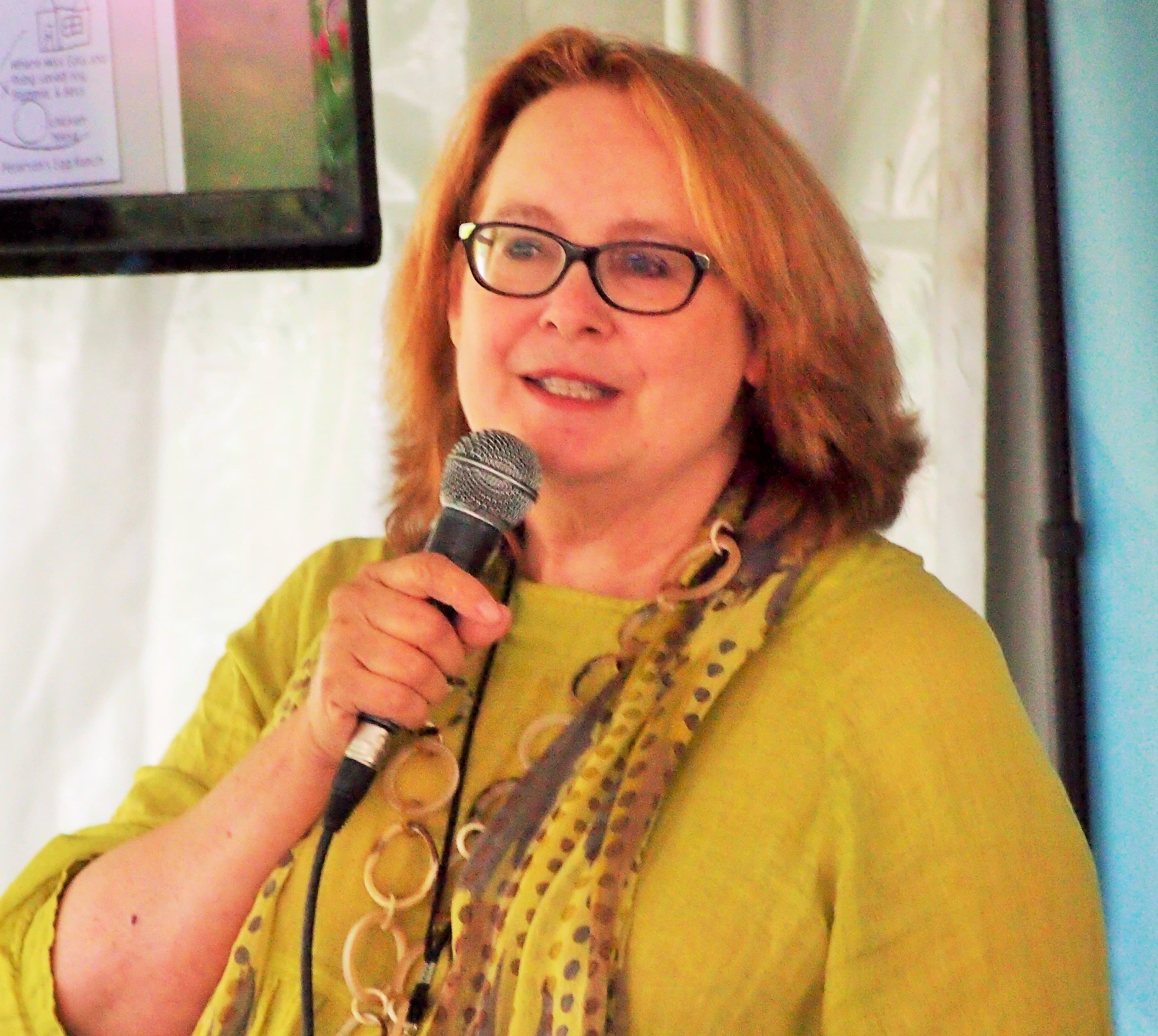
Deborah Wiles is an award-winning author of critically acclaimed middle-grade novels. Her notable works include 'Each Little Bird That Sings,' a recipient of the ALA Best Books for Young Adults award, and 'Countdown.' Wiles is celebrated for her poignant storytelling and ability to capture the complexities of childhood experiences.
Similar books
- The War That Saved My Life
Kimberly Brubaker Bradley
4.5 (62k) average on GoodreadsChildren'sFeatures a young protagonist navigating personal challenges during a historical conflict (WWII).
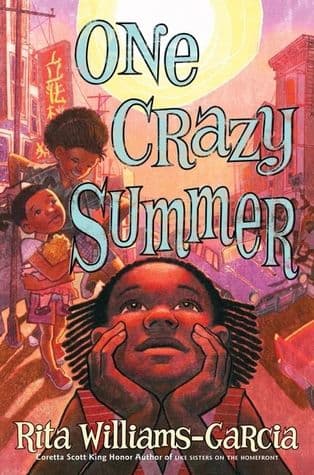
- One Crazy Summer
Rita Williams-Garcia
4.0 (30k) average on GoodreadsChildren'sExplores a young girl's experiences and family dynamics during a significant historical period (Black Panther movement).
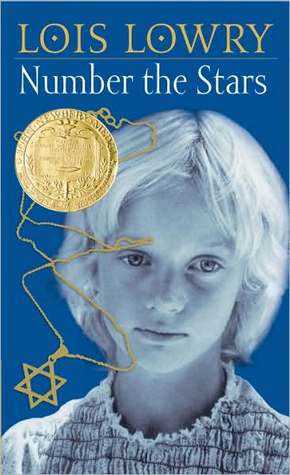
- Number the Stars
Lois Lowry
4.2 (448k) average on GoodreadsChildren'sLowry's novel offers a more linear and character-driven narrative focusing on a specific act of heroism during WWII, providing a clearer sense of agency and resolution. Countdown, in contrast, emphasizes the collective anxiety and helplessness of a broader historical crisis, with a more fragmented, documentary-style approach to history.
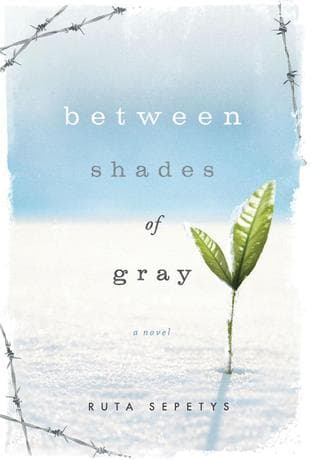
- Between Shades of Gray
Ruta Sepetys
4.4 (164k) average on GoodreadsHistorical FictionSepetys excels at meticulously weaving historical detail into a deeply character-driven plot, making the history feel organic to the protagonist's journey. Wiles's Countdown more directly presents primary sources and historical documents, which, while powerful, can sometimes cause the historical context to feel distinct from Franny's immediate personal narrative.
- Harry Potter and the Sorcerer's Stone
J.K. Rowling
4.5 (7M) average on GoodreadsFantasyRescued from a miserable life under the stairs, an orphaned boy discovers he's a wizard destined for a magical school, where he uncovers a dangerous secret tied to the dark wizard who murdered his parents.
- The Hobbit, or There and Back Again
J.R.R. Tolkien
4.3 (2.9M) average on GoodreadsFantasyA comfort-loving hobbit named Bilbo Baggins is whisked away by a mischievous wizard and a band of dwarves on an unexpected journey to reclaim stolen treasure from a fearsome dragon, discovering courage and a magical ring along the way.



Enjoyed the summary?
A summary gives you the shape of the book. The book itself has the detail, the examples and the voice.
Find Countdown on AmazonAs an Amazon Associate, BookBrief earns from qualifying purchases. How we're funded