
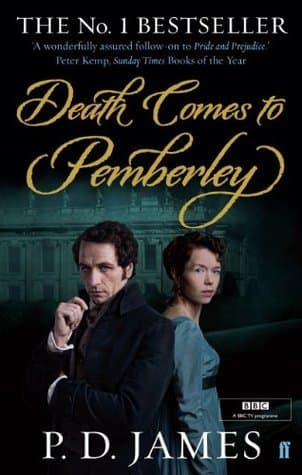
Synopsis
Covers the whole plot, including the ending.
- Difficulty
- Medium
- Pacing
- Moderate
- Mood
- Atmospheric, Suspenseful, Reflective, Formal
- Read it if
- You enjoy classic British mysteries, are a fan of Jane Austen's 'Pride and Prejudice' characters, and appreciate a well-crafted historical whodunit with a focus on psychological depth.
- Skip it if
- You prefer fast-paced thrillers, dislike historical settings, or are not interested in a mystery that unfolds through detailed character interactions and legal proceedings.
Death Comes to Pemberley Plot Summary
Covers the whole plot, including the ending.
A Disturbance at Pemberley
It is October 1803, and preparations for the annual autumn ball are underway at Pemberley, the estate of Fitzwilliam and Elizabeth Darcy. Six years into their marriage, the Darcys have two sons and live a life of wealth and respect. On the eve of the ball, as guests settle in, a chaise-and-four speeds down the drive. From it comes Lydia Wickham, Elizabeth's younger sister, in great distress, screaming that her husband, George Wickham, has been murdered. She claims to have seen a fight between Wickham and Captain Denny in the woods around Pemberley. Darcy immediately sends a search party.
The Discovery of a Body
The search party, including Darcy, Colonel Fitzwilliam, and Henry Alveston (a young lawyer and guest), goes into the dark, rain-swept woods. They soon find a body, but to everyone's surprise, it is not George Wickham. It is Captain Denny, Wickham's friend, found dead with a severe head injury. Wickham himself is found nearby, disheveled and upset, holding Denny's body and claiming to remember nothing of the events leading to Denny's death. This unexpected turn immediately makes Wickham the prime suspect, changing him from a presumed victim.
The Arrival of the Magistrates
The next morning, two local magistrates, Sir Selwyn Hardcastle and Dr. McFee, arrive at Pemberley to start the official investigation into Captain Denny's death. They interview Lydia Wickham, whose story is inconsistent and exaggerated. Then they question George Wickham, who remains vague and claims temporary memory loss about the key moments. The magistrates are careful, examining the scene and the testimonies. They quickly focus on Wickham because of his known character, his closeness to the body, and the lack of another clear explanation for Denny's death. The peace of Pemberley is broken by the reality of a murder inquiry.
Wickham's Arrest and the Inquest
Based on the evidence and Wickham's inability to give a clear alibi or explanation, Sir Selwyn Hardcastle orders his arrest. Wickham is taken to the local jail. An inquest is then held, where more testimonies are heard, including those of the Darcys, Lydia, and the servants who found the chaise. The proceedings confirm the magistrates' initial suspicions, leading to Wickham being formally charged with the murder of Captain Denny. The Darcys, despite their personal dislike for Wickham, feel a family duty to ensure justice is served fairly, and Elizabeth, especially, is deeply troubled by the situation.
Elizabeth's Doubts and Investigations
Despite the strong evidence pointing to Wickham's guilt, Elizabeth Darcy has doubts. She knows Wickham has many flaws, but she struggles to see him as a cold-blooded killer. Driven by a sense of justice and a desire to protect her sister Lydia from more scandal, Elizabeth begins her own quiet inquiries, questioning servants and remembering past events. She notices details others might miss, such as inconsistencies in testimonies and strange behavior from some people at Pemberley. This leads her to believe there might be more to the story.
The Trial Begins
The trial of George Wickham for the murder of Captain Denny begins at the Assizes in Lambton. The courtroom is full of spectators, eager for the sensational proceedings involving a gentleman accused of such a crime. The prosecution presents a strong case, highlighting Wickham's history of debt, his questionable character, and the circumstances of Denny's death. The defense, though struggling against the circumstantial evidence, tries to cast doubt on the prosecution's story. Elizabeth and Darcy attend the trial, their different emotions clear as they watch the legal process, with Wickham's fate uncertain.
New Evidence Emerges
During the trial, an unexpected witness, Will Bidwell, a former gamekeeper at Pemberley, comes forward. He testifies that on the night of the murder, he saw a figure like Mrs. Bidwell, his estranged wife, near the crime scene. He also reveals a long-standing animosity between Mrs. Bidwell and Captain Denny, stemming from a past romantic relationship and a child. This testimony complicates the prosecution's case, suggesting another killer and motive. The court is briefly shocked, and the focus moves from Wickham, adding a new layer to the mystery.
The Truth About Mrs. Bidwell
Further investigation, led by the Darcys and Colonel Fitzwilliam, uncovers the full truth about Mrs. Bidwell. It is revealed that she had a child with Captain Denny years ago, a secret she kept hidden. Denny had recently returned to the area, threatening to expose their past and possibly claim the child. On the night of the murder, Mrs. Bidwell, desperate to protect her secret and her child, confronted Denny in the woods. A struggle happened, and she accidentally hit him with a heavy object, causing his fatal injury. Wickham, finding the scene, had tried to help Denny, and his memory loss was due to shock and a blow to the head.
Confession and Resolution
Faced with the growing evidence and the weight of her secret, Mrs. Bidwell eventually confesses to accidentally killing Captain Denny. Her confession confirms the new evidence and explains the confusing circumstances. With this revelation, George Wickham is found not guilty of the murder charge. The Darcys feel a mix of relief and lingering disappointment about Wickham's character, but justice has been served. The peace of Pemberley slowly returns, though forever changed by the events of that night, and the family deals with the aftermath of the scandal.
Aftermath and Reflection
After the trial, Pemberley slowly returns to its former calm. Mrs. Bidwell is tried and found guilty of manslaughter, receiving a light sentence because of the circumstances. Wickham, though acquitted, remains unreliable, and the Darcys continue to manage their relationship with him and Lydia with careful distance. The experience changes Elizabeth, making her understand human nature, justice, and the hidden complexities of even the most ordered lives better. The incident is a reminder that even in perfect settings, darkness and human flaws can appear, challenging beliefs and testing family and social bonds.
Death Comes to Pemberley Characters
Elizabeth Darcy (née Bennet)
Protagonist
Mistress of Pemberley, intelligent and perceptive.
Elizabeth is six years into her marriage with Fitzwilliam Darcy, a period during which she has matured into a respected mistress of Pemberley. She retains her sharp wit, independent spirit, and strong sense of justice. Initially distressed by the scandal, she quickly becomes the driving force behind uncovering the truth, refusing to accept easy answers and trusting her instincts over superficial appearances. Her compassion extends even to those she dislikes, compelling her to seek fairness for Wickham.
Relationships: Fitzwilliam Darcy (Loving and respectful husband); Lydia Wickham (Concerned but often exasperated sister); George Wickham (Disliked brother-in-law, for whom she seeks justice)
Fitzwilliam Darcy
Supporting
Master of Pemberley, steadfast and honorable.
Darcy is the proud and honorable master of Pemberley, devoted to Elizabeth and his family. He is initially inclined to believe Wickham guilty, given his past transgressions, but his deep respect for justice and his wife's keen intellect lead him to support her search for the truth. He maintains his reserved demeanor but demonstrates unwavering support and a strong sense of duty throughout the crisis, protecting his family and estate while ensuring the legal process is followed.
Relationships: Elizabeth Darcy (Loving and respectful husband); George Wickham (Deeply disliked brother-in-law); Colonel Fitzwilliam (Close cousin and confidant)
George Wickham
Central Figure/Suspect
Elizabeth's brother-in-law, accused of murder.
Wickham remains the charming but utterly untrustworthy character from 'Pride and Prejudice.' He is discovered near Captain Denny's body, disoriented and claiming amnesia, making him the prime suspect. His history of debt, gambling, and moral laxity immediately prejudices most against him. Despite his past, he is portrayed as more foolish and unfortunate than truly malicious in the context of the murder, ultimately being a victim of circumstance and his own poor reputation.
Relationships: Lydia Wickham (Neglected and often exasperated husband); Elizabeth Darcy (Brother-in-law, whose good opinion he has never earned); Captain Denny (Comrade-in-arms and companion)
Lydia Wickham (née Bennet)
Supporting
Elizabeth's younger sister, flighty and melodramatic.
Lydia is still the impulsive, self-centered, and melodramatic younger sister Elizabeth remembers. Her hysterical arrival at Pemberley, screaming about murder, sets the plot in motion. Her testimony is unreliable, colored by her histrionic nature and desire for attention, often hindering rather than helping the investigation. Despite her flaws, Elizabeth feels a familial duty to protect her from further scandal and ruin, highlighting the enduring, if strained, bond between them.
Relationships: George Wickham (Husband, whom she loves but often fights with); Elizabeth Darcy (Older sister, often a source of exasperation and occasional support)
Colonel Fitzwilliam
Supporting
Darcy's cousin and a man of integrity.
Colonel Fitzwilliam is Darcy's trusted cousin and a man of honor and common sense. He assists in the initial search for Wickham and Denny and remains a steadfast presence throughout the investigation and trial. His military background provides a practical, methodical approach to the mystery. He supports Elizabeth's quest for truth, offering a calm and rational perspective amidst the chaos, and acts as a sounding board for both Darcy and Elizabeth.
Relationships: Fitzwilliam Darcy (Close cousin and trusted friend); Elizabeth Darcy (Cousin-in-law, whom he respects)
Captain Denny
Victim
The murdered man, a former comrade of Wickham.
Captain Denny is the victim whose sudden death triggers the entire plot. He is a former fellow officer of Wickham's, and their relationship is complex, marked by both camaraderie and past grievances. His true character is gradually revealed through the investigation, particularly his history with Mrs. Bidwell and the child they share. His death is not random but deeply rooted in a personal secret he carried, making him a catalyst for the unraveling of long-held truths.
Relationships: George Wickham (Former military comrade and companion); Mrs. Bidwell (Former lover and father of her child)
Mrs. Bidwell
Antagonist/Culprit
Former Pemberley servant, mother of Denny's child.
Mrs. Bidwell is a complex character whose past secret drives the murder plot. She is revealed to be Captain Denny's former lover and the mother of his illegitimate child, a secret she has fiercely protected. Her desperation to keep this secret, especially with Denny's return and threats to expose it, leads her to accidentally kill him during a confrontation in the woods. She is a figure of tragic circumstance, driven by maternal instinct and fear to commit a desperate act.
Relationships: Captain Denny (Former lover and father of her child); Will Bidwell (Estranged husband)
Sir Selwyn Hardcastle
Supporting
Local magistrate, meticulous and rational.
Sir Selwyn Hardcastle is one of the local magistrates responsible for investigating Captain Denny's murder. He is a man of logic, meticulous in his approach, and dedicated to upholding the law. He initially focuses on Wickham as the most obvious suspect, driven by the circumstantial evidence. While thorough, his initial perspective is limited by what is immediately apparent, and he eventually acknowledges the new evidence that shifts the focus of the investigation.
Relationships: Dr. McFee (Fellow magistrate)
Henry Alveston
Supporting
Young lawyer and guest at Pemberley, observant.
Henry Alveston is a young, intelligent lawyer who is a guest at Pemberley during the ball. He participates in the initial search party and observes the events with a keen, analytical mind. He is respectful of the Darcys and offers a perspective that is both detached and insightful. His presence represents the broader legal and societal interest in the case, and he is often a quiet but astute observer of human behavior and the unfolding mystery.
Relationships: Elizabeth Darcy (Acquaintance, whom he respects)
Death Comes to Pemberley Themes
Justice vs. Prejudice
The novel looks at the struggle between seeking true justice and giving in to existing prejudices. Wickham's past immediately biases everyone against him, leading to his quick arrest and conviction by public opinion and initial legal steps. Elizabeth, however, refuses to let her personal dislike for Wickham cloud her judgment. She insists on a thorough investigation based on facts, not reputation. This theme is central to Elizabeth's inner conflict and her search for the real killer. It shows how easily a flawed person can be condemned without full proof. Wickham's eventual acquittal highlights the importance of objective evidence over personal bias.
“His past was sufficiently dark to convince anyone of his guilt, but Elizabeth felt a chill of unease. Justice, she knew, must be blind, not merely to rank, but to reputation.”
The Fragility of Order
The calm of Pemberley is broken by the sudden murder. The novel shows how quickly peace can be disrupted by violence and scandal, revealing the weaknesses even in established, respected settings. The social order of the Darcy household is thrown into chaos, forcing its members to face unpleasant realities and showing how chaos can come from unexpected places. The initial shock and subsequent investigation show how one event can unravel a community.
“The perfect order of Pemberley, so diligently maintained, had been breached by a single, brutal act, proving that no sanctuary was entirely immune to the ugliness of the world beyond its gates.”
The Nature of Truth and Deception
The story explores how hard it is to find the truth, as initial appearances and testimonies prove misleading. Lydia's exaggerated story, Wickham's convenient memory loss, and Captain Denny's hidden past all create a complex web of lies and misdirection. Elizabeth's job is to untangle these layers, understanding that what seems obvious is not always true. The novel suggests that truth often lies beneath the surface, needing careful observation and critical thinking to find. Mrs. Bidwell's gradual revelation of her secret is a good example of how long-held deceptions can lead to tragic results.
“The truth, she had learned, was rarely simple, often disguised by layers of fear, pride, or plain human weakness.”
Family Duty and Obligation
Despite their dislike for Wickham's character, both Elizabeth and Darcy feel a strong sense of family duty and obligation towards Lydia and, by extension, her husband. Elizabeth wants to protect her sister from more ruin and ensure justice is served, even if it means defending someone difficult. Darcy, too, upholds his responsibilities to his extended family and the reputation of Pemberley. This theme shows the complexities of family bonds, where love and loyalty can exist with disapproval and frustration, and where duty often goes beyond personal feelings.
“Whatever his faults, he was Lydia's husband, and for Lydia's sake, if for no other, justice must be seen to be done.”
Plot Devices & Literary Techniques
Red Herring
Misleading clues or suspects to divert attention.
George Wickham serves as the primary red herring. His notorious past, his presence at the crime scene, and his convenient amnesia immediately point to him as the murderer. The magistrates and many characters are quick to assume his guilt, drawing on his established reputation for moral turpitude and debt. This device effectively misleads the reader and the characters, making the eventual reveal of the true culprit more surprising and emphasizing the theme of prejudice vs. justice.
Amnesia
Temporary loss of memory, particularly concerning the crime.
Wickham's claim of amnesia regarding the crucial moments of Captain Denny's death is a significant plot device. It prevents him from providing an immediate alibi or explanation, thereby strengthening the case against him. Later, it is revealed that his amnesia was genuine, caused by the trauma and a blow to the head, and not a deliberate attempt to evade justice. This device heightens suspense and complicates the investigation, making it harder to discern the truth.
The Secret Past
A hidden history that provides the true motive for the crime.
The secret past shared by Captain Denny and Mrs. Bidwell, involving an illegitimate child and Denny's threats to expose it, is the ultimate catalyst for the murder. This device slowly unravels throughout the investigation, revealing the deep-seated motive that was initially obscured. It adds layers of complexity to the characters and their actions, demonstrating how long-buried secrets can erupt with devastating consequences and providing a more nuanced understanding of human motivations.
Unreliable Narrator/Witness
A character whose account of events cannot be fully trusted.
Lydia Wickham functions as an unreliable witness. Her hysterical and melodramatic account of discovering the murder is filled with inconsistencies and exaggerations, driven by her desire for attention and her emotional state. Her testimony initially confuses the investigation and highlights the challenge of discerning truth from performance. This device underscores the difficulty of piecing together facts when relying on subjective and emotionally charged accounts.
Death Comes to Pemberley Quotes
“There are some things that cannot be unseen.”
“The greatest mystery in life is not death, but how we live while we are alive.”
“Pemberley was a place of peace, of order, of beauty. Now it was stained.”
“Suspicion is a corrosive, eating away at trust, even in the most secure of relationships.”
“He had always been a man of impulse, and impulse in a man of his character was a dangerous thing.”
“The truth, when it finally emerges, is rarely as simple as one imagines.”
“Even the most seemingly insignificant details can hold the key to a larger truth.”
“Gossip, like a wildfire, spreads quickly and consumes everything in its path.”
“The past, however buried, always has a way of resurfacing.”
“It is a terrible thing when a man’s character is so well known that his guilt is presumed before any evidence is heard.”
“The law, for all its majesty, is often a blunt instrument.”
“Love, like a garden, requires constant tending, or it will wither.”
“There is a difference between knowing a person and truly understanding them.”
Quiz
10 questions on the plot and the characters. Each answer comes with a short explanation.
Question 1
In what year is 'Death Comes to Pemberley' set?
- 1813
- 1803
- 1797
- 1820
Show answer
B. 1803 The story begins in 1803, six years after Darcy and Elizabeth's marriage.
Question 2
How many years have Darcy and Elizabeth been married at the beginning of the novel?
- Three years
- Four years
- Six years
- Ten years
Show answer
C. Six years The introductory text states they have been married for six years.
Question 3
Which character arrives at Pemberley screaming about her husband being murdered?
- Jane Bingley
- Kitty Bennet
- Lydia Wickham
- Georgiana Darcy
Show answer
C. Lydia Wickham Lydia Wickham, Elizabeth's younger sister, arrives in a chaise claiming her husband has been murdered.
Question 4
Who is the husband Lydia Wickham claims has been murdered?
- Mr. Darcy
- Mr. Bingley
- George Wickham
- Colonel Fitzwilliam
Show answer
C. George Wickham Lydia is married to George Wickham, and it is his alleged murder that she reports.
Question 5
What event is Pemberley preparing for when the disruption occurs?
- A wedding
- The annual autumn ball
- A christening
- A hunting party
Show answer
B. The annual autumn ball The guests are preparing for the annual autumn ball on the eve of the incident.
Question 6
Where do Elizabeth's sister Jane and her husband Bingley live?
- Netherfield Park
- Longbourn
- Nearby Pemberley
- London
Show answer
C. Nearby Pemberley The text states that Jane and Bingley live 'nearby', implying a close proximity to Pemberley.
Question 7
What is the primary genre of 'Death Comes to Pemberley'?
- Romance
- Science Fiction
- Historical Fiction, Mystery
- Fantasy
Show answer
C. Historical Fiction, Mystery The book is described as 'Historical Fiction, Mystery' in the provided information.
Question 8
What is the main threat to the 'orderly world of Pemberley' mentioned in the description?
- Financial ruin
- A family feud with the Bingleys
- Lydia's arrival with news of a murder
- A natural disaster
Show answer
C. Lydia's arrival with news of a murder The text explicitly states that 'all this is threatened when... Lydia Wickham ...stumbles out screaming that her husband has been murdered.'
Question 9
How is Lydia Wickham characterized in the provided text?
- Sensible and calm
- Reliable and trustworthy
- Unreliable and dramatic
- Quiet and reserved
Show answer
C. Unreliable and dramatic Lydia is referred to as Elizabeth's 'younger, unreliable sister' and she 'stumbles out screaming'.
Question 10
From where does the chaise carrying Lydia Wickham appear?
- From the main road leading to the village
- From Pemberley's wild woodland
- From the stables of Pemberley
- From a neighboring estate
Show answer
B. From Pemberley's wild woodland The chaise appears 'rocking down the path from Pemberley's wild woodland'.
Death Comes to Pemberley FAQ
What is the central premise of 'Death Comes to Pemberley'?
'Death Comes to Pemberley' reimagines the world of Jane Austen's 'Pride and Prejudice' six years after Elizabeth Bennet and Fitzwilliam Darcy's marriage. Their peaceful life at Pemberley is shattered when, on the eve of a grand ball, Elizabeth's erratic sister Lydia Wickham arrives screaming that her husband, George Wickham, has been murdered in the woods, plunging the estate into a murder investigation.
Who are the main characters from 'Pride and Prejudice' featured in this story?
The core characters from 'Pride and Prejudice' prominently featured are Elizabeth Bennet Darcy, Fitzwilliam Darcy, Jane Bennet Bingley, Charles Bingley, and Lydia Bennet Wickham. Colonel Fitzwilliam also plays a significant role, as do various new characters introduced for the mystery.
What event precipitates the mystery at Pemberley?
The mystery begins when Lydia Wickham arrives at Pemberley in a distraught state, claiming that her husband, George Wickham, has been killed after a violent quarrel with Captain Denny in the woods. Shortly after, Captain Denny's body is discovered, leading to the immediate suspicion and arrest of George Wickham.
What is the initial evidence against George Wickham?
The initial evidence against George Wickham includes Lydia's frantic testimony, the discovery of Captain Denny's body near where Wickham was found unconscious, and a pistol belonging to Wickham found at the scene. His known history of debt, recklessness, and his quarrelsome nature also contribute to the immediate presumption of guilt.
How does the author maintain the integrity of Austen's characters while placing them in a new genre?
P.D. James meticulously preserves the established personalities of Austen's characters; Darcy remains proud and honorable, Elizabeth intelligent and spirited, and Lydia self-centered and dramatic. Their reactions to the murder and subsequent trial are entirely consistent with their original portrayals, showing how their inherent traits would cope with such a shocking event.
What is the significance of the abandoned hunting lodge in the woods?
The abandoned hunting lodge serves as a crucial location for the murder and subsequent investigation. It's where Captain Denny's body is found, and it becomes a focal point for clues, secrets, and illicit meetings, symbolizing the darker, hidden aspects lurking beneath Pemberley's pristine surface.
Are there any subtle allusions to 'Pride and Prejudice' beyond the characters?
Yes, beyond the characters, there are subtle allusions. The theme of reputation and social standing, central to Austen's work, is revisited through the scandal of the murder affecting the Darcy family. The contrast between appearance and reality, and the impact of societal judgment, echo strongly throughout the narrative.
What is the true identity of the murderer, and what was their motive?
The true murderer is Colonel Fitzwilliam. His motive was to prevent Captain Denny from revealing a long-held secret: that Colonel Fitzwilliam was the biological father of Louisa Bidwell, a young woman working at Pemberley, a secret that would have ruined his reputation and prospects.
How does Elizabeth's perception of Darcy evolve, if at all, during the crisis?
Elizabeth's perception of Darcy deepens rather than evolves. She witnesses his unwavering strength, his commitment to justice, and his quiet suffering under the strain of the scandal. This reinforces her love and admiration for him, confirming the depth of his character she had come to appreciate.
How does the murder affect the psychological state of Lydia Wickham?
Lydia Wickham remains largely unchanged psychologically, despite the gravity of the situation. Her self-absorption and dramatic tendencies persist, as she revels in the attention the scandal brings, demonstrating her inherent inability to grasp the seriousness of events or consider others' feelings.
What psychological toll does the trial take on the Darcy family?
The trial inflicts immense psychological strain on the Darcy family. Darcy struggles with maintaining his composure and protecting his family's honor, while Elizabeth is tormented by the public spectacle and the potential ruin of their reputation. Even the servants feel the weight of the scandal, highlighting the pervasive anxiety.
How does P.D. James explore themes of justice versus social standing in the novel?
P.D. James explores this by showing how the initial rush to judgment against Wickham is heavily influenced by his poor reputation, while the subsequent protection afforded to Colonel Fitzwilliam is due to his high social standing. The novel critiques how societal prejudice can obstruct true justice and complicate the search for truth.
Does the book offer any new insights into George Wickham's character?
The book largely reinforces Wickham's established character as a manipulative, irresponsible, and morally bankrupt individual. While he is the victim of a murder plot, his past actions and current behavior offer little to redeem him, confirming his consistent villainy within Austen's world.
Is the ending satisfying for fans of 'Pride and Prejudice'?
The ending is generally satisfying as it brings closure to the murder mystery and affirms the strength of Darcy and Elizabeth's marriage. While the identity of the killer might be surprising, the resolution ensures that the core values of justice and love prevail, albeit with a lingering sense of tragedy.
What commentary does the novel make on the fragility of reputation in the Regency era?
The novel profoundly comments on the extreme fragility of reputation in the Regency era. The mere accusation of murder, regardless of truth, threatens to permanently tarnish the esteemed Darcy name, demonstrating how quickly scandal could dismantle years of carefully built social standing and honor.
How does the novel handle the moral complexities of the characters' actions, particularly regarding the cover-up attempts?
The novel delves into moral complexities by portraying characters, including Darcy, grappling with the instinct to protect their own and their family's reputation, even if it means obscuring the truth. This highlights the inherent conflict between personal loyalty, social expectation, and the pursuit of absolute justice.
What role does class play in the investigation and trial?
Class plays a significant role, influencing both the initial suspicions and the course of justice. Wickham's low standing makes him an easy scapegoat, while the higher social status of Colonel Fitzwilliam initially shields him from suspicion and complicates the legal proceedings, illustrating the bias inherent in the justice system.
Does the novel suggest that the 'happily ever after' of 'Pride and Prejudice' was ever truly secure?
The novel strongly suggests that the 'happily ever after' was always vulnerable to external forces and human flaws. The murder shatters the idyllic peace of Pemberley, demonstrating that even the most perfect unions can be tested by the dark realities of the world, reminding readers that life, even for the wealthy, is never without challenges.
About the author

P.D. James was a British author known for her contributions to the mystery genre. Her notable works include "Death Comes to Pemberley," "Cover Her Face," "The Black Tower," "The Private Patient," and "An Unsuitable Job for a Woman," which often feature intricate plots and well-developed characters. James's writing has garnered significant recognition, including being appointed a life peer in the House of Lords.
Similar books
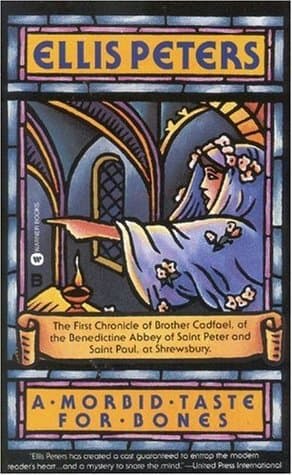
- A Morbid Taste for Bones
Ellis Peters
4.0 (34k) average on GoodreadsHistorical FictionA historical mystery set in a specific time period with a strong sense of place and character-driven investigation.
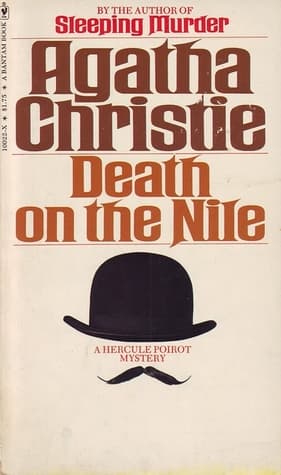
- Death on the Nile
Agatha Christie
4.1 (127k) average on GoodreadsThrillerA classic whodunit with a confined cast of characters and a focus on uncovering hidden motives and secrets.
- To Kill a Mockingbird
Harper Lee
4.3 (4.5M) average on GoodreadsHistorical FictionIn the 1930s Jim Crow South, Harper Lee writes about racial injustice, moral growth, and the quiet courage of a lawyer father, Atticus Finch, as seen through his young daughter's eyes.
- The Great Gatsby
F. Scott Fitzgerald
3.9 (3.8M) average on GoodreadsHistorical FictionIn the opulent Roaring Twenties, a mysterious millionaire's lavish parties hide his desperate, tragic pursuit of a lost love, exposing the emptiness within the American Dream.
- Pride and Prejudice
Jane Austen
4.3 (3M) average on GoodreadsHistorical FictionIn a society focused on status and money, Elizabeth Bennet navigates love and pride, challenging Mr. Darcy and social expectations to find true affection.
- Angels & Demons
Dan Brown
3.9 (2.7M) average on GoodreadsThrillerA Harvard symbologist races through Rome's ancient sites, deciphering cryptic clues to unmask the Illuminati and stop a vengeful plot to destroy the Vatican with a stolen antimatter weapon.




Enjoyed the summary?
A summary gives you the shape of the book. The book itself has the detail, the examples and the voice.
Find Death Comes to Pemberley on AmazonAs an Amazon Associate, BookBrief earns from qualifying purchases. How we're funded