

Synopsis
Covers the whole plot, including the ending.
- Difficulty
- Medium
- Pacing
- Slow
- Mood
- Intricate, Cynical, Calculated, Melancholy
- Read it if
- You enjoy intricate, slow-burn revenge plots with a focus on political maneuvering, engineering, and the long-term consequences of ambition.
- Skip it if
- You prefer fast-paced action, clear-cut heroes and villains, or a story with magical elements.
Devices and Desires Plot Summary
Covers the whole plot, including the ending.
The Engineer's Downfall
Basso, a brilliant but arrogant engineer in Zamerat, specializes in waterworks and siege engines. Despite his genius, he is independent and often dismissive of the Guild of Engineers. His downfall begins when he accepts a private commission to repair a water supply system, a task technically reserved for the Guild. A jealous rival, Arko, reports him. The Guild, led by its strict Guildmaster, uses this to assert authority, sentencing Basso to death for violating guild law. Basso's wife, Valerius, and young daughter, Philomena, face the harsh reality of his impending execution.
Escape from Zamerat
Facing execution, Basso plans his escape from Zamerat's prison. Using his engineering knowledge, he exploits weaknesses in the prison and the guards' routines. He creates a diversion and slips away, but the escape is dangerous. He leaves his wife, Valerius, and daughter, Philomena, behind, knowing his presence would endanger them further. His flight from Zamerat begins his exile, fueling a deep desire for revenge against the Guild and the city that condemned him. He vows to return and make them pay.
Exile and Reinvention
After a perilous journey, Basso arrives in the neighboring city of Xy, a more militaristic and less technologically advanced state than Zamerat. He adopts the alias 'Pardo' and quickly assesses the political situation. Recognizing Xy's need for engineering expertise, especially in military applications, he subtly offers his services. He designs and oversees improved fortifications and weaponry, slowly gaining the trust of Xy's ruling council and its ambitious general, Lord Varth. His reputation grows, and he begins to gather resources, all while secretly planning his retribution against Zamerat.
The Seeds of War
As Pardo, Basso subtly sows discord and ambition within Xy's leadership while improving Xy's defenses. He highlights Zamerat's weaknesses and Xy's potential for expansion, encouraging Lord Varth and the council to consider military action. He designs sophisticated siege engines and defensive structures, making Xy a formidable military power. His goal is to instigate a war between Xy and Zamerat, using Xy as his instrument of vengeance against the Guild and the city that wronged him, all while remaining anonymous.
Zamerat's Decline
Back in Zamerat, Basso's absence begins to show. The Guild, despite its strict traditions, lacks Basso's innovative spirit and practical problem-solving. Key infrastructure, including the city's water supply and defenses, slowly deteriorates. Internal political struggles and the Guild's bureaucracy prevent effective solutions. Meanwhile, news of Xy's growing military might and its new, mysterious engineer, Pardo, reaches Zamerat, causing unease. Valerius and Philomena struggle to survive, facing social ostracization due to Basso's disgrace, making their lives difficult.
The First Skirmishes
Driven by Basso's manipulations and Lord Varth's ambition, Xy launches a series of attacks against Zamerat's border towns and outposts. These skirmishes test Zamerat's defenses and Xy's new siege technology. Basso, as Pardo, oversees the design and deployment of Xy's war machines, ensuring their effectiveness. Zamerat's defenses, neglected and designed by less innovative Guild members, prove vulnerable. The attacks escalate, creating panic in Zamerat and weakening its resolve, setting the stage for a full-scale invasion Basso orchestrated.
The Siege of Zamerat
Xy's army, equipped with Basso's devastating siege engines—catapults with unprecedented range, specialized boring machines, and innovative fortifications—lays a full-scale siege on Zamerat. The city's ancient walls, once thought impregnable, begin to crumble under the assault. Basso, observing from Xy's camp, feels grim satisfaction as his devices tear apart the city that condemned him. Inside Zamerat, citizens face starvation and despair, while the Guild struggles to mount a defense, their traditional methods inadequate against Basso's modern warfare. Valerius and Philomena are trapped within the besieged city.
Internal Collapse and Betrayal
As the siege intensifies, Zamerat's government descends into chaos. The Guildmaster's authority wanes, and factions within the city's council argue over surrender or continued resistance. Faced with dwindling resources and Xy's overwhelming assault, some desperate measures are considered, including an attempt to assassinate 'Pardo,' the mysterious Xy engineer. The internal strife and lack of a cohesive strategy cripple Zamerat's defense, playing into Basso's hands. The city is on the brink of collapse, from both external pressure and internal divisions.
The Fall of Zamerat
After a prolonged and brutal siege, Zamerat's defenses are breached. Xy's forces pour into the city, leading to widespread chaos and destruction. Basso, still disguised as Pardo, enters the city, witnessing the devastation he orchestrated. He observes the Guild headquarters overrun, a moment of grim triumph. The city's infrastructure, much of it originally designed by Basso, is systematically dismantled or destroyed. Valerius and Philomena, caught in the chaos, desperately try to survive the invasion, their fates uncertain amidst the carnage of the fallen city. The Guild's power is shattered, and Zamerat is no more.
The Aftermath and Revelation
In the aftermath of Zamerat's fall, Basso, still as Pardo, oversees the rebuilding and integration of the conquered city into Xy's domain. He confronts the Guildmaster, revealing his true identity as Basso. The Guildmaster, broken, recognizes the irony of his judgment. Basso also seeks out Valerius and Philomena. The reunion is fraught with complex emotions; Valerius struggles with Basso's role in the city's destruction and his long absence. Basso reckons with the personal cost of his revenge, realizing that while he achieved his goal, he lost much, and his family may never forgive him.
A New Order
With Zamerat under Xy's control, Basso is a central, powerful figure, tasked with rebuilding and integrating the conquered city. He uses his engineering prowess to restore essential services and infrastructure but also faces the immense challenge of governing a populace that resents its conquerors and a Guild that despises him. His relationship with Lord Varth becomes more complex, as Varth sees Basso as a valuable asset but also a potential rival. Basso must navigate political intrigue and administration, realizing that his revenge brought him power, but also a new, heavy burden of responsibility.
The Price of Vengeance
Basso, now a powerful figure in the new regime, finds his victory bittersweet. He destroyed the Guild and the Zamerat that wronged him, but the immense human cost and destruction weigh heavily on him. His relationship with Valerius remains strained; she struggles to reconcile the man she loved with the architect of Zamerat's demise. Philomena, though reunited, carries the trauma of the siege. Basso realizes that revenge, while satisfying, left him with a hollow triumph, trading his freedom and family for destructive ambition. He ponders whether the price he paid was worth the vengeance he achieved, facing a future defined by his actions.
Principal Figures
Basso
Protagonist
A brilliant but arrogant engineer seeking vengeance against his former city.
Basso is a master engineer from Zamerat, renowned for his innovative designs and practical problem-solving. He possesses a sharp intellect and an independent spirit, often clashing with the rigid traditions of the Guild of Engineers. His arrogance and disdain for bureaucracy lead to his unjust condemnation. Driven by a profound sense of injustice and a burning desire for retribution, he meticulously plans and executes a devastating revenge against Zamerat. He is capable of immense foresight and manipulation, using others as pawns in his grand design.
Relationships: Valerius (Wife, initially supportive but later estranged due to his actions); Philomena (Daughter, whom he loves but leaves behind for his revenge); Lord Varth (Ally and unwitting pawn in Xy's military, later a complex power dynamic); Arko (Jealous rival who reports him to the Guild)
Valerius
Supporting
Basso's wife, left to endure hardship in Zamerat after his exile.
Valerius is Basso's devoted and practical wife. She represents the human cost of Basso's actions, enduring severe hardship and social ostracization after his condemnation and escape. She is strong-willed and resilient, focused on protecting her daughter, Philomena, amidst Zamerat's decline and the subsequent siege. Her love for Basso is tested by his long absence and his role in the city's destruction. She struggles to reconcile the man she married with the powerful, vengeful figure he becomes, highlighting the moral complexities of his quest.
Relationships: Basso (Husband, a complex and strained relationship after his actions); Philomena (Daughter, whom she fiercely protects)
Philomena
Supporting
Basso's young daughter, a symbol of innocence and the future.
Philomena is Basso and Valerius's young daughter. She is a largely innocent figure, experiencing the traumatic events of her father's exile, the decline of Zamerat, and its eventual fall through a child's eyes. She represents the future that Basso's actions impact, and her well-being is a constant concern for Valerius. Her reunion with Basso is complex, as she has little memory of the man who left and is confronted with the powerful figure he has become, carrying the psychological scars of the war.
Relationships: Basso (Father, a distant but loving relationship); Valerius (Mother, her primary protector and caregiver)
Lord Varth
Supporting
The ambitious general of Xy, manipulated by Basso.
Lord Varth is the ambitious and militaristic general of Xy. He is a shrewd military leader but lacks Basso's engineering genius and strategic foresight beyond conventional warfare. Basso, disguised as Pardo, expertly manipulates Varth's ambition and desire for conquest, convincing him to wage war against Zamerat. Varth sees Pardo as an invaluable asset, respecting his tactical and engineering skills, but remains unaware of Pardo's true identity and ultimate motivations. He is a powerful pawn in Basso's grand scheme, eager for glory and expansion.
Relationships: Basso (as Pardo) (Military advisor and invaluable asset, later a complex power dynamic)
Guildmaster (of Zamerat)
Antagonist
The rigid and traditional leader of the Zamerat Guild of Engineers.
The Guildmaster of Zamerat embodies the rigid, bureaucratic, and tradition-bound nature of the Guild of Engineers. He is a staunch defender of guild law and the established order, viewing Basso's independent spirit and innovative methods as a threat to their authority. His decision to condemn Basso to death is a pivotal moment, setting Basso's revenge in motion. He represents the old guard, unable to adapt to new challenges and ultimately falling victim to his own inflexibility and Basso's superior intellect. He is a symbol of the system that Basso seeks to destroy.
Relationships: Basso (Antagonist, the one who condemned Basso)
Arko
Mentioned
Basso's jealous rival within the Guild.
Arko is a less talented but ambitious engineer within the Guild of Zamerat. His jealousy of Basso's superior skills and independent success drives him to report Basso's minor transgression to the Guildmaster. While a minor character, Arko's actions serve as the catalyst for Basso's downfall and subsequent quest for revenge. He represents the petty rivalries and internal politics that contribute to Basso's unjust condemnation, highlighting the Guild's flawed nature.
Relationships: Basso (Rival, the one who reported Basso)
Themes & Insights
The Nature of Vengeance
The novel explores the destructive nature of vengeance. Basso's quest for retribution consumes his life, leading him to orchestrate a devastating war that destroys his home city and alienates his family. While he achieves his goal of dismantling the Guild and the Zamerat that wronged him, the victory is hollow, leaving him with immense personal loss and responsibility for widespread destruction. The story questions if the satisfaction of revenge can outweigh its costs, as Basso realizes his bittersweet triumph and fractured relationships.
“He had won. He had destroyed the men who had destroyed him. But what had he won? And what had he lost?”
The Conflict Between Innovation and Tradition
A central theme is the clash between Basso's innovative engineering genius and Zamerat's rigid, tradition-bound Guild of Engineers. The Guild's adherence to outdated practices and fear of independent thought leads to Basso's condemnation, symbolizing the dangers of stifling progress. Basso's success in Xy, where his innovations are embraced for military gain, highlights the power of new ideas. Ultimately, Zamerat's inability to adapt, contrasted with Basso's cutting-edge designs, leads to its downfall, showing that unchecked tradition can be a fatal flaw.
“The Guild was a tomb, not a cradle. It preserved the past, but it killed the future.”
The Corruption of Power
The novel examines how power, held by institutions or individuals, can corrupt and lead to injustice. The Guild of Engineers, meant to uphold standards, becomes an oppressive force, using its power to condemn Basso for a minor infraction to assert authority. Basso himself, in his quest for revenge, gains immense power as Pardo, becoming a manipulator who uses others as pawns and orchestrates mass destruction. His transformation from victim to a calculating figure shows how the pursuit of power can lead one to commit acts as questionable as those they sought to avenge.
“He had learned that power wasn't a tool to build with; it was a weapon to break things.”
Identity and Deception
Basso's adoption of the 'Pardo' identity explores identity, disguise, and the masks people wear. His new persona allows him to operate freely, gain power, and execute his revenge without revealing his true self. This deception is not just external but also internal, as Basso becomes immersed in the ruthless Pardo, blurring the lines between his past and present self. The revelation of his true identity to his family and the Guildmaster forces him to confront his two sides and the consequences of his prolonged deception, highlighting the psychological toll of living a lie.
“Pardo was a shell, a tool. But sometimes, he wondered if the shell had begun to consume the man inside.”
Plot Devices & Literary Techniques
The Unreliable Narrator (Subtle)
While not fully unreliable, the narrative often aligns with Basso's perspective, shaping reader sympathy.
The narrative, while third-person, frequently filters events through Basso's perspective and internal thoughts. This subtle alignment with Basso, especially in the early chapters, emphasizes his sense of injustice and justifies his subsequent actions to the reader. It allows the reader to understand his motivations, even as his methods become increasingly destructive. This device creates a moral ambiguity, as readers might initially root for Basso's revenge, only to later confront the devastating consequences of his actions, thereby questioning the initial sympathetic framing.
Foreshadowing (Technological)
Early descriptions of Basso's engineering skills hint at their later destructive application.
Early in the story, Basso's genius in designing siege engines and waterworks is established. These descriptions, while seemingly innocuous at first, subtly foreshadow the destructive potential of his skills when applied to warfare. His early work for Zamerat's defenses ironically provides him with the knowledge to later dismantle them. This device builds anticipation and demonstrates the narrative's meticulous planning, showing how Basso's initial talents are perverted and weaponized for his ultimate revenge, making his eventual actions more impactful and believable.
Dramatic Irony
The audience knows 'Pardo' is Basso, while characters in Xy and Zamerat do not.
Dramatic irony is a key device, particularly once Basso adopts the 'Pardo' identity. The reader is privy to Pardo's true identity and motivations, while the characters in Xy and Zamerat remain ignorant. This creates tension and suspense, as the reader watches Basso manipulate Lord Varth and systematically dismantle Zamerat, knowing the deep personal vendetta driving his actions. It amplifies the impact of his strategic maneuvers and the eventual revelation, highlighting the tragic blindness of the characters who fall victim to his machinations.
The MacGuffin (The Guild Law)
The petty guild law violation acts as the initial catalyst for the entire plot.
While not a physical object, the 'Guild law' that Basso violates serves as a MacGuffin-like plot device. Its specific details are less important than its function as the initial catalyst for Basso's condemnation and subsequent quest for revenge. The petty nature of the transgression highlights the injustice and rigidity of Zamerat's system, thereby fueling Basso's profound desire for retribution. It sets the entire narrative in motion, driving Basso's character arc and the overarching conflict, even though its intrinsic value or significance diminishes as the story progresses.
Devices and Desires Quotes
“The thing about being a genius is that it's not enough to be one, you have to be seen to be one. And the thing about being seen to be one is that it's not enough to be one, you have to be seen to be one *by the right people*.”
“There are two sorts of people in the world: those who divide people into two sorts, and those who don't. I belong to the first sort.”
“The past is a foreign country; they do things differently there. And the future is a foreign country; they're going to do things differently there. And the present is a foreign country; they're doing things differently there right now.”
“It's not that I'm lazy, it's that I don't see the point in doing things that don't need doing.”
“Knowledge is power, but a lot of knowledge is just a lot of power to do the wrong thing.”
“You can't argue with success. But you can certainly argue with the methods that led to it.”
“The only thing worse than not knowing what you're doing is knowing exactly what you're doing and doing it anyway.”
“The best way to keep a secret is to pretend it isn't one.”
“Every solution creates new problems. That's the nature of solutions.”
“People believe what they want to believe, and no amount of inconvenient facts will change their minds.”
“There's nothing so dangerous as a man who thinks he's doing good.”
“The trick to being a hero is to know when to stop being one.”
“Most people don't want to be happy. They want to be right.”
“It's amazing how much you can get away with if you just act like you're supposed to be there.”
Quiz
10 questions on the plot and the characters. Each answer comes with a short explanation.
Question 1
What is the primary reason Poldarn, the engineer, is sentenced to death?
- He attempted to assassinate a guild master.
- He stole valuable guild secrets.
- He crafted a device without guild permission.
- He publicly insulted the ruling council.
Show answer
C. He crafted a device without guild permission. Poldarn is condemned for the seemingly minor transgression of building a device without the express permission of his guild, highlighting the strict and arbitrary nature of their laws.
Question 2
Which city does Poldarn flee from after his sentencing?
- Akrone
- Adran
- Xylo
- Veridia
Show answer
B. Adran Poldarn's story begins in the city of Adran, from which he escapes after being sentenced to death.
Question 3
What is the name of Poldarn's wife, whom he leaves behind?
- Elara
- Liana
- Thalia
- Seraphina
Show answer
C. Thalia Poldarn is forced to abandon his wife, Thalia, and their daughter when he flees Adran.
Question 4
What is the nature of the 'terrible vengeance' Poldarn seeks against Adran?
- To personally assassinate every guild master.
- To engineer the collapse of the city's infrastructure and economy.
- To lead a foreign army to conquer Adran.
- To expose the guild's corruption through public denouncement.
Show answer
B. To engineer the collapse of the city's infrastructure and economy. Poldarn's vengeance is not direct violence, but a complex plan to destabilize and destroy Adran from within, primarily through economic and infrastructural sabotage.
Question 5
What unique skill or talent does Poldarn possess that makes him a formidable threat?
- Mastery of arcane magic.
- Exceptional political manipulation and charisma.
- Unparalleled engineering genius and strategic thinking.
- A vast network of spies and informants.
Show answer
C. Unparalleled engineering genius and strategic thinking. Poldarn is an engineer of extraordinary talent, and his vengeance relies entirely on his ability to design complex, destructive schemes.
Question 6
How does Poldarn typically fund his elaborate schemes in exile?
- He inherited a hidden fortune.
- He takes on various engineering commissions for other nations.
- He robs caravans and banks.
- He extorts money from wealthy individuals.
Show answer
B. He takes on various engineering commissions for other nations. Poldarn leverages his engineering skills to secure lucrative contracts and positions in other lands, using the acquired wealth and influence to further his plans against Adran.
Question 7
Which of the following best describes the theme of 'justice' in 'Devices and Desires'?
- Justice is always served through official channels.
- Justice is a subjective concept, often twisted by power and personal vendetta.
- Divine intervention ensures true justice prevails.
- Justice is irrelevant in a world driven by chaos.
Show answer
B. Justice is a subjective concept, often twisted by power and personal vendetta. The book explores how 'justice' can be a facade for the arbitrary rules of power, and Poldarn's quest for vengeance blurs the lines between justice and destructive retribution.
Question 8
What is the significance of the phrase 'He must draw up his plans using the blood of others...'?
- It literally means he uses blood as ink for his blueprints.
- It implies he needs to hire mercenaries for his army.
- It refers to his manipulation of people, using their lives and resources as tools for his revenge.
- It suggests a magical ritual requiring human sacrifice.
Show answer
C. It refers to his manipulation of people, using their lives and resources as tools for his revenge. This phrase highlights Poldarn's ruthless and detached approach to his vengeance, viewing other people as expendable instruments in his grand design, their lives and efforts contributing to his destructive plans.
Question 9
What is a recurring motif related to Poldarn's character throughout the novel?
- His constant regret and self-doubt.
- His emotional detachment and focus on logical problem-solving.
- His struggle with physical ailments.
- His deep spiritual beliefs.
Show answer
B. His emotional detachment and focus on logical problem-solving. Poldarn is consistently portrayed as a highly rational and emotionally detached individual, viewing situations and people as components in a larger system to be manipulated for his goals.
Question 10
How does the novel typically portray the consequences of Poldarn's actions?
- His actions always result in the precise outcome he intends.
- His plans often have unforeseen and far-reaching collateral damage, impacting innocents.
- His enemies are always the only ones who suffer.
- His actions lead to immediate and clear-cut victories.
Show answer
B. His plans often have unforeseen and far-reaching collateral damage, impacting innocents. A key aspect of the narrative is how Poldarn's intricate plans, while often successful in their primary goal, inevitably cause widespread and often unintended suffering to those not directly involved in his vendetta.
Devices and Desires FAQ
What is the central conflict that drives the protagonist, Saloninus, into exile?
Saloninus, a brilliant but arrogant engineer, is sentenced to death by the Guild of Engineers for a seemingly minor transgression: performing unauthorized work on a water pump, which was technically outside his specific guild specialization. This rigid adherence to guild law, rather than the actual quality of his work, forces him to flee the city of the Vesani, leaving his family behind and igniting his desire for revenge.
Who are the key figures in the Vesani Guild of Engineers that Saloninus seeks to undermine?
Saloninus primarily targets the senior members of the Guild of Engineers, particularly those who upheld his death sentence and represent the rigid bureaucracy he despises. While specific names are less emphasized than the collective 'Guild,' figures like the Master Engineer and the various specialized guild masters are the unseen enemies he aims to destabilize.
What is the nature of Saloninus's 'terrible vengeance' and how does it manifest?
Saloninus's vengeance isn't direct assassination but a systemic dismantling of the Vesani's infrastructure and power through engineering sabotage and strategic manipulation. He plans to cripple their water supply, undermine their military defenses, and disrupt their economic stability, all designed to make the Guild regret their decision and expose their incompetence.
How does Saloninus acquire the resources and manpower necessary for his ambitious plans while in exile?
While exiled, Saloninus leverages his engineering genius to gain influence and resources from rival nations and factions eager to weaken the Vesani. He offers his expertise in designing advanced siege engines, water systems, and other strategic devices, effectively selling his services and building a network of allies and unwitting pawns to execute his schemes.
What role do Saloninus's wife and daughter play in his motivations and the unfolding narrative?
Saloninus's wife and daughter, though left behind, are a constant undercurrent to his motivations. His desire for revenge is partly fueled by the injustice done to his family by his forced separation, and he occasionally reflects on their well-being, though his single-minded pursuit of vengeance often overshadows immediate concern for their safety, making them symbols of what he lost.
What is the significance of the 'Devices' in the title beyond just engineering contraptions?
The 'Devices' refer not only to the physical machines Saloninus designs but also to the intricate plots, political machinations, and psychological traps he sets. His plans are complex 'devices' of manipulation, using people as cogs in his grand scheme, highlighting his detached and calculating approach to human interaction.
Are there any subtle hints about the true nature of the world's 'magic' or advanced technology?
The world presents itself as technologically advanced for its era, with intricate engineering being the primary 'magic.' The book subtly suggests that what appears to be advanced engineering might, at times, border on or be mistaken for magical feats by the less informed, blurring the lines between science and perceived supernatural power within the narrative's context.
Does Saloninus ever question the morality or long-term consequences of his destructive path?
Saloninus rarely questions the morality of his actions, viewing his vengeance as a justified response to an unjust system. He is primarily concerned with the efficacy and execution of his plans, often rationalizing any collateral damage as a necessary cost. His internal monologues focus on engineering challenges and strategic advantages rather than ethical dilemmas.
How does Saloninus's personality, particularly his arrogance and intellectual superiority, contribute to his downfall and eventual success?
Saloninus's arrogance is a double-edged sword. It led to his initial transgression by making him believe he was above guild rules, resulting in his exile. However, this same unshakeable belief in his own genius fuels his determination, allows him to conceive audacious plans, and gives him the confidence to execute them, ultimately driving his success in undermining the Vesani.
What role does the concept of 'guild' and professional specialization play in the society depicted?
The 'guild' system is paramount, dictating not only professions but also social standing, legal jurisdiction, and even political power. Specialization is rigidly enforced, leading to a highly structured but inflexible society. This rigidity is precisely what Saloninus rebels against and exploits, highlighting the system's inherent weaknesses despite its apparent strength.
How does Saloninus's emotional detachment impact his relationships with his allies and pawns?
Saloninus treats his allies and pawns as tools, valuing their utility rather than forming genuine emotional bonds. His detachment allows him to make ruthless decisions and manipulate others without remorse, but it also isolates him and prevents him from truly understanding or trusting those around him, making him a solitary figure even amidst his growing influence.
Is Saloninus a sympathetic character despite his destructive actions, and why?
Saloninus is a complex character who evokes mixed sympathy. Readers can empathize with his initial injustice and the brilliance of his mind, but his cold manipulation and the widespread destruction he causes make him difficult to fully root for. His journey explores the fine line between justified revenge and unchecked malevolence, leaving his morality ambiguous.
To what extent is Saloninus's quest for vengeance a form of self-destruction or a path to personal liberation?
Saloninus's quest for vengeance is arguably both. It is self-destructive in its isolation and the moral compromises he makes, pushing him further from his former life and family. However, it can also be seen as a form of liberation, as he casts off the constraints of guild law and societal expectations, asserting his genius on his own terms, even if those terms are destructive.
What philosophical statement does the book make about the nature of justice and retribution?
The book suggests that justice, particularly within rigid systems, can be blind and disproportionate, leading to cycles of retribution. It questions whether true justice can ever be achieved through vengeance, often showing how acts of retribution, even when seemingly justified, lead to further suffering and unintended consequences, perpetuating conflict rather than resolving it.
Does the narrative offer any hope for reconciliation or redemption for Saloninus, or is he irrevocably set on his path?
The narrative largely portrays Saloninus as irrevocably set on his path of vengeance, with little room for traditional reconciliation or redemption. His focus remains fixed on achieving his goals, and while he occasionally reflects on his past, these thoughts rarely translate into a desire to change course, suggesting a tragic, unyielding trajectory.
How does the author use the engineering details to enhance the story's realism and Saloninus's character?
K.J. Parker uses meticulous, believable engineering details to ground the fantastical elements of the world and showcase Saloninus's extraordinary intellect. These descriptions not only make the devices feel real but also serve as a window into Saloninus's mind, revealing his thought processes, his problem-solving approach, and his deep connection to the mechanics of the world.
Are there any characters who serve as foils or moral counterpoints to Saloninus?
While the book focuses heavily on Saloninus's perspective, characters like his former guild masters or even some of the less ruthless figures he encounters among his allies could be seen as foils. They represent the established order or different approaches to power, highlighting Saloninus's unique blend of genius and amorality by contrast.
What is the ultimate fate of the Vesani city as a result of Saloninus's machinations?
Saloninus's machinations lead to significant devastation for the Vesani city, though the full extent of its long-term collapse is part of a larger series. His plans cripple their vital infrastructure, weaken their defenses, and sow widespread chaos, fundamentally altering the city's power and stability, making it vulnerable to external threats and internal strife.
Similar books
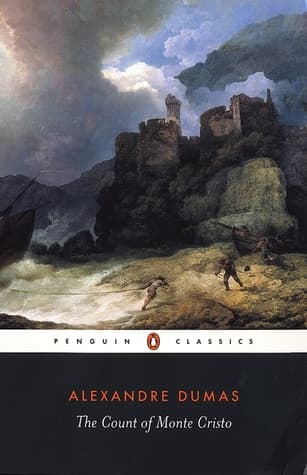
- The Count of Monte Cristo
Alexandre Dumas
4.3 (746k) average on GoodreadsHistorical FictionA classic tale of a protagonist who meticulously plans and executes a complex revenge over many years.
- Jonathan Strange & Mr Norrell
Susanna Clarke
3.8 (198k) average on GoodreadsFantasyShares a similar dense, historical fantasy feel with a focus on craft, intricate world-building, and intellectual protagonists.
- The Blade Itself
Joe Abercrombie
4.2 (165k) average on GoodreadsFantasyBoth 'Devices and Desires' and 'The Blade Itself' are seminal works in the grimdark fantasy subgenre, eschewing traditional heroism for morally ambiguous characters and brutal realism. However, Abercrombie's work tends to have more overt action and a faster pace, with a focus on visceral combat and character banter. Parker's novel, while equally cynical, leans more into intellectual and engineering conflicts, with the 'action' often being strategic or political rather than purely physical. Abercrombie's characters, while flawed, often possess a more immediate charisma, whereas Parker's Ziani is brilliant but often socially awkward and internally focused.
- Harry Potter and the Sorcerer's Stone
J.K. Rowling
4.5 (7M) average on GoodreadsFantasyRescued from a miserable life under the stairs, an orphaned boy discovers he's a wizard destined for a magical school, where he uncovers a dangerous secret tied to the dark wizard who murdered his parents.
- The Hunger Games
Suzanne Collins
4.3 (6.4M) average on GoodreadsFantasyIn a future where children fight to the death on live television, Katniss Everdeen volunteers for the arena, turning a death sentence into a fight for survival and a spark of rebellion.
- 1984
George Orwell
4.2 (3.1M) average on GoodreadsPoliticsIn a future where surveillance and thought control are absolute, a man's search for truth clashes with the Party, showing that hope can be a form of rebellion.





Enjoyed the summary?
A summary gives you the shape of the book. The book itself has the detail, the examples and the voice.
Find Devices and Desires on AmazonAs an Amazon Associate, BookBrief earns from qualifying purchases. How we're funded