

Synopsis
Covers the whole plot, including the ending.
- Difficulty
- Medium
- Pacing
- Moderate
- Mood
- Gritty, reflective, challenging, immersive, historical
Drop City Plot Summary
Covers the whole plot, including the ending.
The California Dream Dries Up
It's 1970, and the Drop City commune in Sonoma County, California, is a chaotic mix of free love, drug use, and a weakening commitment to its founding ideals. Star, a young woman who joined for community, feels increasingly let down by the lack of hygiene, responsibility, and the predatory behavior of some members, especially Pan. Her partner, Marco, a founder, is also growing tired. Authorities are watching, concerned about health violations and drug activity. After a police raid and the general decline of their utopian vision, Norm, another founder, suggests moving the commune to a remote, undeveloped plot of land in interior Alaska, hoping to restart their dream in a purer, more isolated place.
The Alaskan Migration
Inspired by Norm's idea of an untouched paradise, a core group of Drop City members, including Star, Marco, Pan, and Norm, pack their few belongings into old vehicles. The journey north is difficult, with breakdowns, money problems, and internal fights, showing they are not ready for serious self-sufficiency. They pick up a few new people, including a young woman named Ronnie. Their ideals are constantly tested by the realities of the road and their lack of practical skills. Despite the hardships, the promise of a new start in the Alaskan wilderness keeps them going, their hopes set on escaping the failures of their California experiment.
Arrival in the Wilderness
After weeks of hard travel, the Drop City convoy arrives at the remote Alaskan land, near a river. They immediately face the harsh realities of the wild: dense forest, biting insects, and extreme isolation. To their surprise, they find their 'virgin' land is not empty. A solitary homesteader named Sess Harder has already built a cabin and set up a trapping line on an adjacent property, having lived there for years with his wife, Pamela. The arrival of the noisy, unconventional commune is a jarring interruption to Sess's quiet, self-sufficient life, setting the stage for a clash of cultures.
Culture Clash and Initial Struggles
The Drop City members, despite their initial excitement, are largely bad at wilderness survival. They struggle to build shelter, hunt, or grow food, relying heavily on their dwindling supplies and Sess's occasional help. Sess, despite his annoyance, offers some basic advice. He views them with a mix of disdain and pity, seeing their 'back-to-the-land' ideals as naive and dangerous. Pan's aggressive behavior, especially towards Star and local animals, further strains relations. The commune's internal problems also continue, with arguments over leadership and a lack of shared responsibility.
Pamela's Arrival and New Dynamics
Sess's wife, Pamela, a woman with a complicated past and a history of mental fragility, arrives in Alaska to reunite with Sess. Her presence adds a new layer to the dynamics of the emerging community. Pamela is initially cautious of the Drop City members, but her loneliness and curiosity draw her to them, especially Star. She brings a more feminine perspective to the isolated homestead and becomes a bridge between the two groups. Her arrival, however, also introduces new vulnerabilities and emotional complexities, as the close proximity of so many individuals in a difficult environment begins to fray nerves and expose hidden desires.
The First Winter's Harshness
As autumn turns to winter, the brutal Alaskan cold sets in, exposing the Drop City commune's severe unpreparedness. Their shelters are not good enough, food supplies are dangerously low, and their lack of hunting and trapping skills becomes a life-threatening problem. Several members, unable to cope with the extreme conditions, leave the commune, heading south. Those who remain are forced into desperate measures, relying more on Sess's knowledge and resources, further straining their relationship. The idealism of free love and communal living gives way to a grim struggle for survival, with hunger, frostbite, and despair becoming daily companions. Nature's harshness forces them to confront their own limits and the fragility of their utopian dream.
Tragedy and Growing Tensions
The severe winter brings a tragic loss when Ronnie, a younger commune member, freezes to death after getting lost in a blizzard. This loss deeply affects the remaining members, particularly Star. At the same time, Pan's behavior becomes more threatening. He rapes Star, further damaging her spirit and the commune's already fractured sense of safety. His actions create unbearable tension within Drop City and increase the animosity with Sess, who sees Pan as a dangerous threat to the wilderness's fragile peace. The incident pushes the commune to a critical point, demanding a response to Pan's escalating violence.
The Confrontation
Driven by grief for Ronnie and anger over Pan's rape of Star, Marco confronts Pan. The confrontation is brutal, a raw expression of the building resentments and unaddressed violence that has plagued Drop City. Star, initially paralyzed by trauma, eventually finds her resolve and joins the struggle. The fight ends with Pan's death, a desperate act of self-preservation and justice in the lawless wilderness. The immediate aftermath is a mix of shock, relief, and the terrifying realization of what they have done. The snow-covered landscape silently witnesses their violent resolution, forever changing their lives and the fate of their Alaskan utopia.
The Aftermath and Cover-up
After Pan's death, the remaining Drop City members, along with Sess, are forced into a desperate alliance. They decide to cover up the incident, knowing that reporting it would mean the end of their lives in the wilderness and severe legal problems. They bury Pan's body in the frozen ground, trying to erase any trace of the crime. The act binds them together in a dark secret, forming an uneasy, yet necessary, solidarity between the homesteaders and the commune members. The shared guilt and the harsh reality of their situation force them to re-evaluate their relationships and their commitment to surviving in Alaska, now forever marked by violence.
New Beginnings and Enduring Scars
With Pan gone, a fragile peace settles on the land. The remaining Drop City members, especially Star and Marco, begin to let go of some of their naive idealism, adopting a more practical approach to survival. They learn from Sess, using his methods for hunting, trapping, and building. The lines between the commune and Sess's homestead begin to blur as they work together, united by their shared secret and the need to endure. Star, though scarred by her experiences, finds a quiet strength and a deeper connection to Marco. The Alaskan wilderness, while still unforgiving, also offers a chance for redemption and a more authentic, if harder-won, form of self-sufficiency, but the trauma of their past remains a silent undercurrent.
Principal Figures
Star
Protagonist
A young woman seeking genuine community and purpose.
Star is a sensitive and initially naive young woman who joined Drop City seeking an authentic, peaceful alternative to mainstream society. She yearns for true connection and idealism but is increasingly disillusioned by the commune's chaos, lack of hygiene, and the predatory behavior of members like Pan. She is observant and introspective, often feeling like an outsider even within the group. Her journey is one of profound transformation, as she is forced to confront brutal realities and find an inner strength she didn't know she possessed.
Relationships: Marco (Romantic partner, co-survivor); Pan (Antagonistic, rapist); Sess Harder (Initially wary, later a mentor/ally); Pamela Harder (Brief friendship, confidante)
Marco
Protagonist/Supporting
A founding member of Drop City, struggling with its decline.
Marco is one of the original founders of Drop City, initially driven by a genuine desire for communal living and peace. However, by the time the story begins, he is weary and somewhat ineffectual, struggling to maintain order and uphold ideals amidst the commune's decay. He loves Star but is often passive, failing to protect her or take decisive action. His journey to Alaska forces him to confront his own limitations and find a more active, protective role, ultimately leading him to a violent, definitive act.
Relationships: Star (Romantic partner, co-survivor); Pan (Antagonistic, rival); Norm (Fellow founder, ideological difference)
Sess Harder
Supporting/Antagonist (initial)
A hardened Alaskan homesteader, wary of outsiders.
Sess is a solitary, self-sufficient homesteader who has lived off the land in Alaska for years. He is pragmatic, resourceful, and deeply connected to the wilderness. His initial reaction to Drop City's arrival is one of annoyance and contempt, viewing them as naive, irresponsible intruders. He embodies a stark contrast to the commune's idealism, representing the brutal realities of survival. Despite his gruff exterior, he possesses a strong moral compass and eventually finds common ground, and even a form of alliance, with the commune members, particularly Star and Marco.
Relationships: Pamela Harder (Wife, complicated history); Star (Initially wary, then a mentor/ally); Marco (Initially wary, then an ally); Pan (Antagonistic, rival)
Pan
Antagonist
A predatory and destructive member of Drop City.
Pan is a dark, destructive force within Drop City, embodying the worst aspects of the 'free love' ethos – entitlement, aggression, and a complete disregard for others' autonomy. He is manipulative, violent, and sexually predatory, preying on the commune's vulnerability and lack of structure. His presence creates an atmosphere of fear and tension, particularly for Star. He is the catalyst for many of the novel's conflicts, pushing the boundaries of acceptable behavior until he becomes an unbearable threat that must be eliminated.
Relationships: Star (Victim, object of desire); Marco (Rival, enemy); Sess Harder (Antagonistic)
Pamela Harder
Supporting
Sess's troubled wife, seeking solace and stability.
Pamela is Sess's wife, a woman with a history of mental fragility and a desire for stability that is constantly challenged by her environment and her own inner demons. She is initially drawn to the commune members, particularly Star, out of loneliness and a yearning for connection, but her vulnerability makes her susceptible to the chaos around her. She represents a different kind of fragility in the wilderness, one that is more psychological than physical. Her presence adds emotional depth and complexity to the isolated community, acting as a momentary bridge between the two worlds.
Relationships: Sess Harder (Husband, source of stability/tension); Star (Brief friendship, confidante)
Norm
Supporting
The idealistic founder who proposes the move to Alaska.
Norm is another founding member of Drop City and the primary architect of the Alaskan migration. He is an idealist, clinging to the original vision of a pure, self-sufficient commune even as the California experiment crumbles. He is charismatic in his vision but often lacks the practical skills or leadership to execute it effectively. He represents the enduring, if sometimes misguided, spirit of the back-to-the-land movement. His initial optimism slowly erodes as the realities of Alaska set in, but he remains a presence, albeit a less central one, in the commune's journey.
Relationships: Marco (Fellow founder); Star (Commune member)
Ronnie
Supporting
A young, vulnerable new recruit to the commune.
Ronnie is a young woman who joins the Drop City commune during their journey to Alaska. She is depicted as innocent, enthusiastic, and perhaps a bit naive, eager to embrace the communal lifestyle. Her youth and vulnerability make her a poignant figure, highlighting the dangers and unpreparedness of the commune for the Alaskan wilderness. Her tragic death serves as a stark reminder of the unforgiving nature of their chosen environment and the severe consequences of their collective inexperience.
Relationships: Star (Fellow commune member, friend)
Patsy
Supporting
A pragmatic and resilient female member of Drop City.
Patsy is one of the more grounded and pragmatic women in the Drop City commune. While still part of the communal experiment, she demonstrates a greater degree of common sense and resilience than many of her peers. She is often seen struggling with the practicalities of survival and trying to maintain some semblance of order or cleanliness. Her presence provides a contrast to the more naive or destructive elements of the commune, representing a more enduring, if less vocal, spirit of survival and adaptation.
Relationships: Star (Fellow commune member)
Themes & Insights
The Failure of Idealism vs. Harsh Reality
The novel dismantles the romantic idea of 'back-to-the-land' living. The Drop City commune, founded on peace, free love, and self-sufficiency, fails its own ideals due to human nature (selfishness, irresponsibility, violence) and the brutal reality of the Alaskan wilderness. The difference between their utopian dreams and the practical demands of survival—hunting, building, enduring extreme cold—shows the flaws of their naive vision. The wilderness cares nothing for their philosophies, only their ability to adapt or perish.
“The land was indifferent, utterly indifferent. It would take them or leave them, and it did not care.”
Human Nature and Its Darker Side
Boyle explores the darker aspects of human nature, especially when societal structures and rules are absent. The 'free love' idea quickly becomes sexual predation (Pan), while communal living often gives way to selfishness, laziness, and a lack of responsibility. The novel suggests that even in a supposed utopia, individuals carry their flaws, and without external limits, these flaws can grow destructive. The violence that erupts is a direct result of unaddressed aggression and the breakdown of moral boundaries within the commune.
“Freedom, they were discovering, wasn't just about doing what you wanted. It was about what you were willing to do.”
Survival and Adaptation
At its core, "Drop City" is a story of survival. The commune's initial unpreparedness for the Alaskan wilderness shows the importance of practical skills, resilience, and understanding one's environment. Those who adapt, like Star and Marco learning from Sess, have a chance, while those who cling to naive idealism or give in to destructive impulses are doomed. Survival is not just physical but also psychological, requiring individuals to shed illusions, confront harsh truths, and make difficult choices to endure.
“There was no freedom here, not in the way they'd imagined it. There was only necessity.”
The Illusion of Freedom
The commune members seek ultimate freedom from societal norms, consumerism, and government interference. However, the novel shows that true freedom is an illusion in the face of natural law and human interdependence. In Alaska, they are not free from hunger, cold, illness, or the consequences of their own actions. Their pursuit of 'free love' leads to exploitation, and their rejection of rules creates chaos. Ultimately, they discover that real freedom often comes with responsibility and the need to form new bonds and structures.
“They had come for freedom, but all they found was the tyranny of the land.”
The Conflict of Old vs. New Worlds
The novel portrays the clash between the rugged individualism of the 'old world' homesteader (Sess) and the communal idealism of the 'new world' hippies (Drop City). Sess represents a traditional, hard-won self-sufficiency, rooted in knowledge of the land, while the commune embodies a more abstract, ideological approach. Their initial animosity comes from their fundamental differences in values and methods. The eventual, uneasy alliance and blending of their approaches suggest that survival in such an extreme environment requires a synthesis, a shedding of rigid ideologies for pragmatic cooperation.
“Two worlds had collided, one of dirt and blood and the other of flowers and dreams, and the dirt was winning.”
Plot Devices & Literary Techniques
Setting as Character
The Alaskan wilderness is an active, unforgiving force.
The Alaskan wilderness is not merely a backdrop but a powerful, active character that shapes the destinies of the human characters. Its extreme cold, vastness, isolation, and abundant wildlife serve as a relentless antagonist, constantly testing the commune's resilience and exposing their vulnerabilities. The environment forces characters to adapt, suffer, or die, stripping away their romantic illusions and revealing their true nature. Its indifference to human struggles underscores the novel's themes of survival and the harshness of reality.
Dramatic Irony
The characters' naive optimism contrasts with the reader's knowledge of impending doom.
Dramatic irony is employed throughout the novel, particularly in the early stages of the commune's journey to Alaska. The characters' enthusiastic, often naive, proclamations about the ease of wilderness living and the purity of their ideals stand in stark contrast to the reader's understanding of the harsh realities awaiting them, foreshadowed by the declining state of their California commune. This irony builds tension and highlights the characters' profound lack of preparedness, making their eventual struggles and tragedies all the more impactful.
Foreshadowing
Subtle hints and early events predict later conflicts and tragedies.
Boyle uses foreshadowing to build tension and hint at the dark turns the story will take. Pan's early aggressive and predatory behavior in California, for instance, clearly foreshadows his later violence against Star and his ultimate demise. The commune's repeated struggles with basic self-sufficiency and their disregard for safety in California and on the journey north subtly predict the tragedies, like Ronnie's death, that will occur in the unforgiving Alaskan environment. This device creates a sense of impending doom and makes the subsequent events feel inevitable.
Quiz
10 questions on the plot and the characters. Each answer comes with a short explanation.
Question 1
What year does the novel 'Drop City' primarily take place?
- 1965
- 1970
- 1975
- 1960
Show answer
B. 1970 The text explicitly states, 'It is 1970, and a down-at-the-heels California commune...'
Question 2
What was the primary motivation for the commune's relocation?
- To escape legal troubles
- To find cheaper land
- To pursue a more extreme 'back to the land' ideal
- To join a larger established community
Show answer
C. To pursue a more extreme 'back to the land' ideal The text mentions their relocation to Alaska as 'the last frontier—the unforgiving landscape of interior Alaska—in the ultimate expression of going back to the land.'
Question 3
Where does the commune initially reside before moving to Alaska?
- Oregon
- New Mexico
- California
- Colorado
Show answer
C. California The text states, '...a down-at-the-heels California commune devoted to peace, free love, and the simple life has decided to relocate...'
Question 4
What unexpected situation do the inhabitants of 'Drop City' encounter upon arriving in Alaska?
- The land is already owned by the government
- They are greeted by hostile wildlife
- Their utopia is already populated by other homesteaders
- They discover valuable natural resources
Show answer
C. Their utopia is already populated by other homesteaders The text says, '...arrive in the wilderness of Alaska only to find their utopia already populated by other young homesteaders.'
Question 5
What are the 'bare essentials of life' that the characters struggle with in Alaska, according to the text?
- Shelter, trade, and companionship
- Love, nourishment, and a roof over one's head
- Safety, community, and purpose
- Freedom, resources, and belonging
Show answer
B. Love, nourishment, and a roof over one's head The passage explicitly lists these as: 'love, nourishment, and a roof over one’s head.'
Question 6
What kind of relationship is formed when the two communities collide?
- Purely antagonistic relationships
- Only beneficial trade agreements
- Unexpected friendships and dangerous enmities
- A complete integration into one new community
Show answer
C. Unexpected friendships and dangerous enmities The text states that when the communities collide, 'unexpected friendships and dangerous enmities are born.'
Question 7
The text describes T.C. Boyle's style in his ninth novel as infused with lyricism and what other characteristic?
- Subtle irony
- Take-no-prisoners storytelling
- Philosophical musings
- Historical accuracy
Show answer
B. Take-no-prisoners storytelling The description reads: '...a tour de force infused with the lyricism and take-no-prisoners storytelling for which he is justly famous.'
Question 8
The commune's initial ideals are described as peace, free love, and what other concept?
- Economic self-sufficiency
- Spiritual enlightenment
- The simple life
- Artistic expression
Show answer
C. The simple life The text mentions the commune was 'devoted to peace, free love, and the simple life.'
Question 9
How is the landscape of interior Alaska described in the context of the commune's relocation?
- A welcoming and fertile paradise
- A harsh and unforgiving environment
- A sparsely populated but manageable terrain
- A place rich with established infrastructure
Show answer
B. A harsh and unforgiving environment The text refers to Alaska as 'the last frontier—the unforgiving landscape of interior Alaska'.
Question 10
What literary quality is NOT explicitly attributed to T.C. Boyle's ninth novel in the provided text?
- Richness
- Allusiveness
- Unsentimentality
- Predictability
Show answer
D. Predictability The text describes the novel as 'Rich, allusive, and unsentimental'. Predictability is not mentioned and would likely be contrary to the other descriptors.
Drop City FAQ
What is T. Coraghessan Boyle's 'Drop City' about?
'Drop City' is a novel set in 1970 that follows a California commune seeking a utopian life in the Alaskan wilderness. Their arrival, however, leads to a collision with existing homesteaders, exploring themes of community, survival, and the harsh realities of their chosen lifestyle.
What are the main themes in 'Drop City'?
The novel explores themes of idealism versus reality, the pursuit of utopia, the challenges of communal living, human connection, and the struggle for survival in a remote and unforgiving environment.
When and where is 'Drop City' set?
The story is set in 1970, beginning in California and then moving to the interior of Alaska.
What kind of book is 'Drop City'?
'Drop City' is a work of literary fiction and historical fiction, known for its rich prose, complex characters, and unsentimental storytelling.
What is the conflict in 'Drop City'?
The primary conflict arises when the idealistic commune from California arrives in Alaska and clashes with the established homesteaders already living there, leading to both unexpected alliances and serious animosities.
Does 'Drop City' present a romanticized view of communes?
No, the novel is described as unsentimental, suggesting it presents a realistic and often challenging portrayal of communal living and the pursuit of an idealized lifestyle.
What is the significance of the title 'Drop City'?
The title refers to the name of the California commune that the characters inhabit, symbolizing their desire to 'drop out' of mainstream society and create their own independent community.
Who are the main groups of characters in 'Drop City'?
The two main groups are the members of the 'Drop City' commune from California and the existing homesteaders who have already settled in the Alaskan wilderness.
Is 'Drop City' a fast-paced or character-driven novel?
While the plot involves significant events and conflict, the novel is characterized by its rich, allusive prose and its focus on the internal lives and relationships of its characters, suggesting it is character-driven.
What does 'going back to the land' mean in the context of 'Drop City'?
In 'Drop City,' 'going back to the land' refers to the counterculture ideal of the early 1970s, where people sought to escape modern society and live self-sufficiently in nature, often forming communes.
About the author
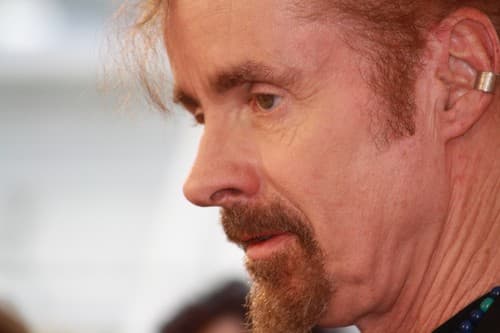
T. Coraghessan Boyle is an American author known for his fiction that often explores themes of culture and society. His notable works include "The Tortilla Curtain," which addresses issues of immigration, "Drop City," set in a 1970s commune, and "The Women," a fictional portrayal of the life of architect Frank Lloyd Wright. Boyle's writing is characterized by its rich narrative style and social commentary.
Similar books
- The Beach
Alex Garland
3.9 (74k) average on GoodreadsThrillerWhile "Drop City" explores a 1970s American commune, "The Beach" delves into a contemporary, hidden utopian community in Thailand. Both novels examine the allure and eventual corruption of isolated, ideal societies. Boyle's narrative is more grounded in historical context and the practicalities of self-sufficiency, whereas Garland's focuses more on psychological decay and the destructive nature of secrets within a fabricated paradise. "Drop City" has a broader social commentary, while "The Beach" leans into a more thriller-esque, character-driven descent into madness.
- The Old Man and the Sea
Ernest Hemingway
3.8 (831k) average on GoodreadsLiterary FictionA Cuban fisherman's long struggle with a giant marlin becomes a story of endurance and dignity, now retold for young adults with illustrations, phonetic guides, and writing prompts in Traditional Chinese.
- One Hundred Years of Solitude
Gabriel García Márquez
4.1 (753k) average on GoodreadsLiterary FictionThrough the multi-generational story of the Buendía family, a mythical town deals with the repeating patterns of time, love, and solitude, as the extraordinary mixes with the ordinary.
- The Goldfinch
Donna Tartt
3.9 (720k) average on GoodreadsLiterary FictionHaunted by a tragic explosion and clutching a stolen Dutch masterpiece, a young orphan navigates the opulent drawing rooms of New York and the gritty underbelly of the art world, desperately seeking connection and redemption amidst a life spiraling into crime and obsession.
- Little Fires Everywhere
Celeste Ng
4.1 (713k) average on GoodreadsLiterary FictionIn Shaker Heights, an artist and her daughter move in, and their free-spirited lives clash with a rule-bound matriarch, revealing hidden conflicts beneath a perfect surface.
- Eleanor Oliphant Is Completely Fine
Gail Honeyman
4.3 (708k) average on GoodreadsLiterary FictionA lonely woman's structured life changes when an IT guy and an elderly man help her learn to open her heart.





Enjoyed the summary?
A summary gives you the shape of the book. The book itself has the detail, the examples and the voice.
Find Drop City on AmazonAs an Amazon Associate, BookBrief earns from qualifying purchases. How we're funded