

Core Idea
- Difficulty
- Medium
- Read it if
- You appreciate poignant stories about childhood, grief, and the formation of unconventional friendships, or if you enjoy Jerry Spinelli's signature blend of quirky characters and emotional depth.
- Skip it if
- You prefer fast-paced plots with clear resolutions, or if you are looking for a book with minimal ambiguity and more straightforward emotional expression.
Key Takeaways from Eggs
Unlikely Bonds Forged in Grief
Profound connections can arise from shared experiences of loss, bridging age and personality divides.
The novel shows how the pain of grief can lead to deep, lasting friendships. David, dealing with his mother's sudden death and a distant father, is drawn to Primrose, a girl whose life has absence and a longing for a father she never knew. Their first interactions are tense and full of conflict, showing their coping methods – David's anger and Primrose's sarcastic defensiveness. However, a shared understanding of loss creates a connection. This highlights that real empathy often comes from recognizing shared human vulnerability and the need for another person, even if that person is initially difficult.
“Sometimes the only way out is through, and sometimes the only way through is with someone else.”
In the book: David's persistent, almost desperate, attempts to engage with Primrose, despite her initial rebuffs and bossiness. Primrose's eventual softening and willingness to share parts of her life and quest with David, such as the framed picture of her father, indicate a burgeoning trust.
Try this: When encountering individuals who seem prickly or difficult, consider what hidden pain or unmet needs might be driving their behavior. Offer consistent, non-judgmental presence, as even the most resistant individuals may be yearning for connection. Look for common ground in shared experiences, particularly those involving vulnerability or challenge, as these can be powerful bonding agents.
Related ideas: grief-coping-mechanisms, unconventional-friendships, emotional-vulnerability
The Weight of Unspoken Loss
Unaddressed grief manifests in disruptive behaviors and emotional isolation, impacting those closest to us.
Spinelli shows how David's unexpressed grief over his mother's death changes his behavior, leading to anger, withdrawal, and lashing out at his grandmother. His father's emotional unavailability and constant travel make David feel more alone, leaving him without a healthy way to deal with his pain. This emphasizes that grief, when not acknowledged, does not disappear; it festers and finds destructive ways to show itself. David's actions are not mean but are desperate calls for help and connection, from a deep feeling of abandonment and an inability to say how much he has lost. The book reminds us that open communication and emotional support are important during tragedy.
“The things you don't say can weigh more than the things you do.”
In the book: David's anger towards his grandmother, his withdrawal into himself, and his father's frequent absences, leaving David largely to cope alone. His silent struggles are evident in his internal monologue and his inability to articulate his feelings directly to his family.
Try this: Actively listen to children and adults experiencing loss, even if they don't explicitly ask for help. Create safe spaces for emotional expression without judgment. Encourage open dialogue about feelings, even difficult ones, and seek professional support if unaddressed grief leads to destructive patterns. Recognize that anger or defiance can often be a mask for deeper pain.
Related ideas: childhood-grief, emotional-repression, family-communication
The Quest for Identity and Belonging
Seeking answers about one's origins is a fundamental human need, especially when a parent is absent.
Primrose's character is defined by her search to understand the father she never knew, shown by a single framed picture. This journey is a search for identity and belonging. The absence of a father figure leaves a void that Primrose tries to fill with guesses and a strong independence that hides her vulnerability. Her fortune-teller mother, while loving, cannot give Primrose the answers she wants. This shows the need to understand one's past and how missing parts of one's history can affect self-perception and emotional stability. Her search becomes a strong force, shaping her personality and interactions.
“You can't know where you're going if you don't know where you came from.”
In the book: Primrose's constant references to her absent father, her reliance on the framed picture as her only connection, and her determined, almost obsessive, efforts to piece together information about him.
Try this: Support individuals, particularly children, in exploring their family history and identity, especially in cases of adoption, absent parents, or complex family structures. Provide resources and safe avenues for them to ask questions and seek answers. Validate their need for this understanding as a crucial component of healthy development and self-esteem.
Related ideas: identity-formation, parental-absence, sense-of-self
The Power of Shared Vulnerability
True healing often begins when individuals dare to lower their defenses and share their deepest pains.
David and Primrose, both independent and emotionally guarded, find comfort and strength in each other by showing their vulnerabilities. David's anger and Primrose's sarcasm are protective layers, but through their shared adventures and growing trust, they start to break down these defenses. This highlights a key part of healing: the courage to be seen when you are hurting. It is not about finding someone to 'fix' you, but about finding someone with whom you can safely be 'unfixed.' Their friendship, with both conflict and understanding, shows that real connection needs a willingness to expose your pain and let another witness it, creating mutual empathy and support.
“Sometimes the bravest thing you can do is let someone else see your broken pieces.”
In the book: The moments where David and Primrose share personal stories, such as David talking about his mother or Primrose showing the picture of her father. Their willingness to rely on each other during their quest, despite their initial resistance to cooperation.
Try this: Cultivate environments where vulnerability is seen as a strength, not a weakness. Practice active listening and empathy when others share their struggles. Be willing to share your own appropriate vulnerabilities to build trust and encourage deeper connections. Recognize that genuine support often involves simply 'being with' someone in their pain, rather than trying to solve it for them.
Related ideas: emotional-healing, interpersonal-trust, empathy-building
Childlike Innocence vs. Premature Adulthood
Grief and absence can force children into adult roles prematurely, yet glimpses of innocence persist.
The story shows the contrast between David and Primrose's forced maturity and their remaining childlike qualities. David, burdened by grief and a distant father, takes on responsibility beyond his nine years, yet still has childish outbursts. Primrose, at thirteen, is independent and protective, almost an adult for her eccentric mother, but her search for her father is driven by a deep, childlike longing. This emphasizes that while traumatic experiences can speed up a child's development in some areas, they do not erase the need for childhood and its innocence. Their interactions, a mix of mature problem-solving and playful fights, show this complex interplay, showing that even in hardship, the child within seeks expression and comfort.
“Children aren't meant to carry the weight of the world, but sometimes they do.”
In the book: David's internal struggles with his father's absence and his attempts to care for his grandmother, juxtaposed with his sometimes petulant behavior. Primrose's bossy, take-charge attitude towards David, yet her deep emotional investment in a seemingly fantastical quest for her father.
Try this: Be mindful of children who appear to be 'acting older than their age'; they may be carrying unacknowledged burdens. Provide opportunities for play, imagination, and age-appropriate responsibilities. Recognize that even mature-seeming children still need nurturing, guidance, and the freedom to simply be children, especially after experiencing loss or trauma.
Related ideas: childhood-trauma, emotional-development, resilience-in-children
The Therapeutic Power of Shared Purpose
Collaborative endeavors, even quirky ones, can provide focus and meaning during times of emotional turmoil.
The novel shows how Primrose's eccentric search for her father becomes a shared purpose that gives structure and meaning to both children. For Primrose, it is a direct path to understanding her identity; for David, it offers a distraction from his grief and a way to feel useful and connected. This highlights the value of having a goal, especially one that needs teamwork. Working together, solving problems, and sharing successes and setbacks help them deal with some of their internal struggles and build a bond. The 'quest' holds their emotions, letting them process their pain indirectly while moving forward.
“Sometimes, the best way to heal is to have a mission.”
In the book: The detailed descriptions of their 'detective work' and adventures as they follow clues related to Primrose's father. The way their conversations shift from personal pain to the logistics of their shared mission, offering a temporary reprieve.
Try this: Encourage individuals struggling with grief or emotional challenges to engage in meaningful projects or activities, especially those that involve collaboration. Provide opportunities for shared purpose within families or communities. Recognize that focused activity can be a healthy coping mechanism, offering a sense of control and accomplishment when life feels chaotic.
Related ideas: purpose-driven-healing, coping-strategies, collaborative-therapy
The Nuance of 'Family' and 'Home'
Family extends beyond traditional definitions, and home can be found in unexpected connections.
Spinelli questions traditional ideas of family and home through David and Primrose's unconventional lives. David's father is physically present but emotionally absent, while Primrose lives with a loving mother who may not be fully able to guide her. Yet, through their friendship, they create a form of 'family' for each other. They provide the emotional support, understanding, and consistent presence missing in their individual homes. This emphasizes that family means connection, care, and mutual support, not just biological ties or living arrangements. Their bond becomes a safe place, a 'home' where they can be themselves and begin to heal.
“Family isn't always blood, and home isn't always a house. Sometimes it's a feeling.”
In the book: David's deep connection with his grandmother, despite his anger, and the way he finds comfort in Primrose's presence. Primrose's mother's eccentricities and her reliance on the framed picture, yet the unwavering bond she forms with David.
Try this: Broaden your understanding of what constitutes a 'family' and 'home.' Foster supportive relationships within your community, recognizing that chosen families can be just as vital as biological ones. Prioritize emotional connection and mutual support in all relationships, understanding these are the cornerstones of true belonging.
Related ideas: chosen-family, sense-of-belonging, non-traditional-families
Facing Truths, However Painful
Genuine healing requires confronting uncomfortable realities and accepting imperfect answers.
Both David and Primrose must face painful truths. David needs to accept his mother's death and his father's emotional limits. Primrose's search for her father, while giving purpose, may not bring the idealized figure she imagined. This shows that while discovery is important, true healing often ends with accepting realities that might be less comforting than one hoped. It means letting go of idealized stories and embracing the messy, imperfect truth of one's situation. This acceptance, though hard, is a step towards real emotional recovery and moving forward.
“Sometimes the answers aren't what you expect, but they're still answers.”
In the book: The culmination of Primrose's quest and the potential for a complex, perhaps disappointing, revelation about her father. David's internal struggle to come to terms with his mother's death and his father's emotional distance, which he gradually starts to acknowledge through his interactions with Primrose.
Try this: Encourage honest self-reflection and a willingness to confront difficult truths, even when they are uncomfortable. Support others in processing painful realities without judgment. Understand that acceptance is not resignation, but a foundational step towards moving forward and finding peace. Prioritize reality over comforting illusions for long-term emotional well-being.
Related ideas: emotional-acceptance, truth-seeking, grief-resolution
The Fluidity of Emotional Expression
Emotions are complex and often expressed in unexpected, sometimes contradictory, ways.
The novel captures the messy, often contradictory nature of children's emotions, especially with grief and trauma. David's anger towards his grandmother exists with his deep love for her. Primrose's bossiness and sarcasm hide a deep vulnerability and longing. This emphasizes that emotional expression is rarely simple. Children, especially, may not have the words or emotional control to express their feelings clearly, leading to behaviors that seem confusing. Understanding this fluidity helps provide support, recognizing that a child's actions often show their inner state, needing empathy and careful interpretation.
“Feelings don't always come out in neat little packages. Sometimes they're a mess.”
In the book: David's outbursts at his grandmother, which are clearly born from his grief but manifest as anger. Primrose's sharp wit and controlling nature, which shield her deeper insecurities about her father and her unconventional home life.
Try this: Observe behavior as a form of communication, especially in children, and look beyond the surface emotion. Avoid labeling emotions as 'good' or 'bad.' Create a safe space for all emotional expressions, helping individuals to name and understand their feelings without judgment. Recognize that complex emotions often coexist and can manifest in seemingly contradictory ways.
Related ideas: emotional-literacy, child-psychology, nonverbal-communication
Hope Found in Small Victories
Progress in healing isn't always grand; it's often built on small moments of connection and understanding.
The journey of David and Primrose is not marked by one dramatic ending, but by many small victories. A shared laugh, a moment of understanding, a step forward in their quest – these build their healing. This highlights the importance of recognizing and celebrating small progress, especially when dealing with deep loss or complex emotional challenges. Hope is not always a grand feeling; it often lives in quiet moments of connection, the gradual building of trust, and subtle changes in perspective. The story reminds us that healing is a process, not an event, and it is sustained by these small, precious glimmers of light.
“Every little bit of light helps when you're in the dark.”
In the book: The gradual development of their friendship, from initial antagonism to genuine care. The small clues they uncover in Primrose's quest, each one a tiny step forward. The moments of shared comfort and understanding they experience.
Try this: Focus on celebrating small achievements and positive interactions when supporting someone through a difficult time. Encourage self-compassion and patience, recognizing that healing is a non-linear process. Cultivate an awareness of the 'small wins' in your own life and in the lives of others, as these are vital for maintaining hope and motivation.
Related ideas: resilience-building, incremental-progress, optimism-in-adversity
Eggs Quotes
“Sometimes you have to break a few eggs to make an omelet.”
“An egg is a perfect thing until it's cracked.”
“We're all just eggs waiting to hatch into who we're meant to be.”
“You can't unscramble an egg.”
“The shell is just the beginning; what's inside is the real story.”
“Every egg holds a promise, if only we're patient enough to see it through.”
“Cracked eggs still have value; they just need a different purpose.”
“Life is like an egg: fragile on the outside, but full of possibility within.”
“Don't count your eggs before they hatch.”
“An egg alone is just an egg, but together they can build a nest.”
“The hardest part is waiting for the egg to hatch, not knowing what will emerge.”
“Some eggs are meant to be fried, others to become something greater.”
“You can't make an omelet without breaking eggs, but you can choose which eggs to break.”
Quiz
10 questions on the main ideas. Each answer comes with a short explanation.
Question 1
What is the primary reason David is living with his grandmother at the start of the book?
- His parents are divorced and his father has custody
- His mother died in a freak accident and his father travels constantly for work
- He was sent to live with her as punishment for bad behavior
- His grandmother is sick and needs someone to care for her
Show answer
B. His mother died in a freak accident and his father travels constantly for work David's mother died in a freak accident (specifically a fall from a ladder), and his salesman father is constantly on the road, leaving David in his grandmother's care. This loss and absence fuel much of David's anger and emotional turmoil throughout the story.
Question 2
How does Primrose learn about her father, whom she has never met?
- Through stories told by her mother's friends
- From a framed picture and occasional letters he sends
- By secretly searching through her mother's belongings
- Through dreams and visions she has at night
Show answer
B. From a framed picture and occasional letters he sends Primrose only has a framed picture as evidence of the father she never knew. This limited connection symbolizes her sense of absence and fuels her sarcastic, bossy demeanor as she copes with this missing piece in her life.
Question 3
What shared activity helps David and Primrose bond and process their emotions?
- Playing competitive sports together
- Building a treehouse in the woods
- Collecting and burying eggshells as a ritual
- Writing letters to their absent parents
Show answer
C. Collecting and burying eggshells as a ritual The eggshell ritual—collecting and burying them—becomes a symbolic act for David and Primrose. It represents fragility, protection, and their attempts to cope with loss, serving as a key bonding activity that helps them deal with their emotional pain.
Question 4
Why is Primrose often described as 'sarcastic and bossy' in her interactions?
- She enjoys bullying others to feel powerful
- It's a defense mechanism to cope with her unstable home life and absent father
- She is naturally mean-spirited and doesn't care about others
- She learned this behavior from her fortuneteller mother
Show answer
B. It's a defense mechanism to cope with her unstable home life and absent father Primrose's sarcasm and bossiness are defense mechanisms stemming from her difficult circumstances: living with a childlike, fortuneteller mother and having no father figure. These traits mask her vulnerability and help her navigate her tumultuous life.
Question 5
What does David's anger toward his grandmother primarily symbolize in the story?
- His frustration with old-fashioned rules and strictness
- A misplaced expression of his grief over his mother's death and father's absence
- His desire to be independent and live on his own
- His jealousy of other children who have normal families
Show answer
B. A misplaced expression of his grief over his mother's death and father's absence David's anger at his grandmother is not really about her; it's a displaced outlet for his deep grief over losing his mother and the constant absence of his father. This illustrates how children might mishandle complex emotions after trauma.
Question 6
How does the novel use the concept of 'eggs' as a metaphor?
- To represent new beginnings and rebirth after hardship
- To symbolize fragility, protection, and the hidden emotions of the characters
- As a literal food source that the characters rely on for survival
- To illustrate the economic struggles of the families in the story
Show answer
B. To symbolize fragility, protection, and the hidden emotions of the characters Eggs serve as a central metaphor for the characters' emotional states: fragile on the outside but containing potential within, much like David and Primrose who hide their pain behind tough exteriors. The eggshell ritual reinforces this symbolism of protection and vulnerability.
Question 7
What practical role does Primrose's mother play in the story, and how does it affect Primrose?
- She is a strict disciplinarian who makes Primrose resentful
- She is a fortuneteller who is childlike, forcing Primrose to take on a parental role
- She is absent most of the time, leaving Primrose to fend for herself
- She is overly protective, stifling Primrose's independence
Show answer
B. She is a fortuneteller who is childlike, forcing Primrose to take on a parental role Primrose's mother is a fortuneteller described as 'childlike,' which reverses traditional parent-child roles. This forces Primrose to act more mature and responsible, contributing to her bossy demeanor and deep-seated need for stability.
Question 8
In what way does the friendship between David and Primrose evolve to help them with 'what is missing in their lives'?
- They replace their missing family members with each other, acting as pseudo-siblings
- They provide mutual emotional support and understanding, helping each other process loss and find resilience
- They run away together to escape their difficult home situations
- They focus on academic success to distract from their personal problems
Show answer
B. They provide mutual emotional support and understanding, helping each other process loss and find resilience Despite their tumultuous dynamic, David and Primrose's friendship becomes a source of healing. They share similar voids—David from loss, Primrose from absence—and through their bond, they learn to cope, offering empathy and a safe space to express their pain.
Question 9
Which key argument does the novel make about recovery from trauma in children?
- Recovery requires professional therapy and adult intervention to be effective
- Children can find healing through unconventional friendships and self-created rituals, even in flawed ways
- Trauma should be ignored and overcome through sheer willpower and distraction
- Recovery is only possible once children are reunited with their missing parents
Show answer
B. Children can find healing through unconventional friendships and self-created rituals, even in flawed ways The book argues that children like David and Primrose can navigate recovery through their own means—such as their quirky friendship and the eggshell ritual—even if these methods are imperfect. It highlights resilience and the importance of connection in healing.
Question 10
How does the novel's portrayal of David and Primrose's 'tight yet tumultuous friendship' reflect real-world applications for understanding childhood grief?
- It shows that children should be shielded from friendships during grief to avoid further pain
- It demonstrates that grief in children often manifests as anger or bossiness, and supportive peers can help channel these emotions constructively
- It proves that only friendships with similar-aged peers are beneficial for emotional recovery
- It suggests that children's friendships are irrelevant to processing loss compared to family support
Show answer
B. It demonstrates that grief in children often manifests as anger or bossiness, and supportive peers can help channel these emotions constructively The novel offers a practical insight: children dealing with loss may exhibit challenging behaviors (like David's anger or Primrose's sarcasm), but friendships—even rocky ones—can provide crucial emotional outlets and understanding, aiding in the grief process. This mirrors real-life dynamics where peer support complements family in healing.
Eggs FAQ
What is 'Eggs' by Jerry Spinelli about?
'Eggs' is a novel about two children, 9-year-old David and 13-year-old Primrose, who form an unlikely friendship while dealing with loss and family dysfunction. David is grieving his mother's death and resents his absent father, while Primrose lives with her eccentric fortune-teller mother and longs for the father she never knew. Their bond helps them navigate their pain and find healing.
How does 'Eggs' explore themes of friendship?
The novel portrays friendship as a complex, sometimes turbulent connection that develops between two damaged children from different backgrounds. David and Primrose's relationship is marked by sarcasm, bossiness, and vulnerability, yet it becomes a crucial support system that helps them cope with their losses and emotional struggles.
What is the significance of the title 'Eggs'?
The title 'Eggs' symbolizes fragility, protection, and potential growth, mirroring the characters' emotional states. Like eggs, David and Primrose are vulnerable and broken by their circumstances, but their friendship offers a shell of support, allowing them to heal and eventually 'hatch' into stronger versions of themselves.
How does 'Eggs' handle the theme of loss?
Loss is central to the story, with David mourning his mother's sudden death and Primrose missing the father she never knew. The novel depicts grief as a messy, angry process, showing how both children express their pain through behavior like David's anger toward his grandmother and Primrose's sarcastic demeanor, ultimately finding solace in each other.
Is 'Eggs' suitable for young readers?
Yes, 'Eggs' is generally appropriate for middle-grade readers (ages 8-12), though it deals with mature themes like death, grief, and family issues. Jerry Spinelli's accessible writing and quirky characters make it engaging, but parents may want to discuss the emotional content with sensitive children.
How is 'Eggs' different from other Jerry Spinelli books like 'Maniac Magee'?
While both books feature children overcoming adversity, 'Eggs' focuses more on internal emotional struggles and friendship dynamics, whereas 'Maniac Magee' emphasizes racial integration and community heroism. 'Eggs' is quieter and more introspective, centered on two characters' personal growth rather than broader social themes.
Does the friendship in 'Eggs' work despite the characters' differences?
Yes, David and Primrose's friendship works precisely because of their differences—they complement each other's needs. David's anger finds an outlet in Primrose's boldness, while Primrose's loneliness is eased by David's loyalty. Their tumultuous bond ultimately becomes a source of strength and recovery for both.
What role do the adult characters play in 'Eggs'?
Adults in 'Eggs' are largely absent or flawed, highlighting the children's isolation. David's father is always traveling, his grandmother is a target of his anger, and Primrose's mother is childish and unreliable. This absence forces David and Primrose to rely on each other, emphasizing the novel's theme of friendship as family.
Is 'Eggs' a sad book?
'Eggs' has sad elements due to its themes of loss and grief, but it is ultimately hopeful. While the characters experience pain and anger, their friendship leads to healing and recovery, making the novel a poignant but uplifting story about resilience and human connection.
How does 'Eggs' compare to similar books about grief, like 'Bridge to Terabithia'?
Both books deal with childhood grief and friendship, but 'Eggs' is less tragic and more focused on everyday emotional struggles. Unlike 'Bridge to Terabithia', which involves a sudden death, 'Eggs' explores ongoing loss and dysfunctional families, with a quirkier tone and a stronger emphasis on mutual support between the two main characters.
About the author

Jerry Spinelli is an American author known for his contributions to children's and young adult literature. His notable works include "Stargirl," "Maniac Magee," "Milkweed," "Loser," "Smiles to Go," and "The Library Card," which often explore themes of individuality and resilience. Spinelli's writing has earned him various awards, including the Newbery Medal for "Maniac Magee."
Similar books
- Walk Two Moons
Sharon Creech
4.0 (151k) average on GoodreadsChildren'sExplores a child's journey through grief and self-discovery, featuring a unique narrative voice and a road trip element.
- Bridge to Terabithia
Katherine Paterson
4.0 (445k) average on GoodreadsFantasyFocuses on a deep, imaginative friendship between children and their struggles with loss and the complexities of growing up.
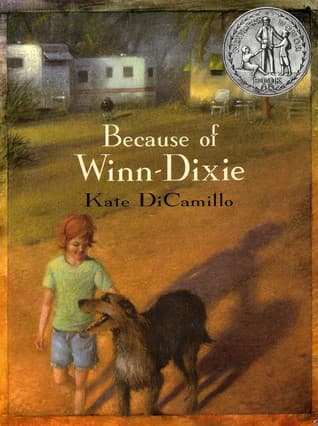
- Because of Winn-Dixie
Kate DiCamillo
4.0 (206k) average on GoodreadsChildren'sFeatures a lonely child finding connection and healing through an unlikely friendship and a series of quirky encounters.
- The Diary of a Young Girl
Anne Frank
4.2 (2.7M) average on GoodreadsBiographyDuring the Nazi occupation, a teenage girl's diary, written from a secret annex, shares observations on humanity, hope, and the wait for freedom.
- Twisted 1. Twisted love
Ana Huang
3.7 (1.7M) average on GoodreadsA quiet billionaire with a difficult past finds his guarded heart opening to the woman he must protect, but their growing passion uncovers dangerous secrets and a shared, traumatic history.
- Eat, Pray, Love
Elizabeth Gilbert
3.6 (1.5M) average on GoodreadsLifestyleA heartbroken writer leaves her conventional life for a year-long global search for pleasure in Italy, spiritual devotion in India, and unexpected love and balance in Bali.





Enjoyed the summary?
A summary gives you the shape of the book. The book itself has the detail, the examples and the voice.
Find Eggs on AmazonAs an Amazon Associate, BookBrief earns from qualifying purchases. How we're funded