

Synopsis
Covers the whole plot, including the ending.
- Difficulty
- Easy
- Pacing
- Slow
- Mood
- Quaint, humorous, reflective, peaceful, charming
Elizabeth and Her German Garden Plot Summary
Covers the whole plot, including the ending.
A Garden in Spring
The novel opens with Elizabeth expressing joy and gratitude for her garden in Rügen, Germany. She enjoys the solitude and beauty of her estate, contrasting it with the social obligations she dislikes. She introduces her three young daughters, called the April, May, and June babies, and her distant husband, 'the Man of Wrath.' Elizabeth details her early gardening attempts, often with humor, as she learns through trial and error. Spring brings a renewed sense of purpose and a fresh start for her gardening plans, marking a period of intense engagement with nature and her own thoughts.
The Joys of Solitude and Nature
Elizabeth continues to describe her deep appreciation for nature and the peace it provides. She finds pleasure in simple tasks like planting bulbs and watching the seasons change. Her narrative often turns to thoughts about life, happiness, and the superficiality of society. She often expresses a desire to escape the company of people, especially her more conventional acquaintances, preferring the quiet companionship of her garden and her children. This chapter shows her independent spirit and her strong connection to the natural world, which she sees as a sanctuary from civilization.
The Interruption of Guests
Elizabeth's peaceful solitude is often disturbed by guests. She describes these social obligations with resignation and dry humor. One visitor is a 'Cousin' who brings her own social pretensions and a desire for constant entertainment, clashing with Elizabeth's preference for quiet thought. Elizabeth details the elaborate preparations and mental strain of hosting, often feeling relief when her guests finally leave. These interactions highlight her unique view of social etiquette and her struggle to balance her love for solitude with her duties as a hostess.
The Children and the Garden
Elizabeth shares charming stories about her three young daughters, the April, May, and June babies, and their time in the garden. She describes them as innocent and delightful companions, often finding their uninhibited joy and curiosity a source of great pleasure. She encourages their connection with nature, allowing them freedom to explore and play among the flowers and trees. Their presence adds a tender and often humorous dimension to her narrative, as she watches their personalities develop. These moments show her role as a mother and her desire to teach her children a similar love for the natural world.
Gardening Triumphs and Tribulations
Elizabeth recounts her garden's successes and failures. She details her plans for different flowerbeds, her struggles with stubborn plants, and the unexpected delights of a thriving patch. She describes her hands-on approach, often getting dirty and enjoying the physical labor. Her narrative is filled with practical gardening tips, learned through experience, and her enthusiastic descriptions of blossoming flowers and lush greenery. Despite her initial inexperience, she develops a deep understanding and passion for gardening, finding a sense of accomplishment in cultivating her own paradise.
The Man of Wrath and Domestic Life
Elizabeth occasionally refers to her husband as 'the Man of Wrath,' a nickname that suggests a somewhat distant or formal relationship, though not necessarily an unhappy one. She touches upon their domestic routines and his reactions to her gardening and social preferences. While he is not a central figure in her daily thoughts, his presence provides a backdrop to her life at the estate. Her descriptions of him are often brief and tinged with playful, yet respectful, irony, hinting at a dynamic where Elizabeth largely pursues her own interests with his implicit, if sometimes amused, approval.
The Arrival of Summer and New Blooms
As summer arrives, Elizabeth describes the garden at its peak beauty. She enjoys the colors and scents of the summer blooms. Her narrative becomes even more praising of nature's bounty, detailing specific flowers and their growth. She spends long hours outdoors, observing and tending to her plants, finding contentment in the warmth and light. The summer months are a period of fulfillment for Elizabeth, as her hard work in the spring comes to fruition, transforming her estate into a haven.
More Unwelcome Social Calls
Despite her efforts to avoid society, Elizabeth hosts more visitors during the summer. These encounters continue to be a source of humorous frustration for her. She describes a particularly trying visit from a group of friends who seem more interested in gossip and superficial conversation than in the beauty of her surroundings. Elizabeth's wit shows as she subtly critiques their lack of appreciation for the simple pleasures she cherishes. These interruptions reinforce her desire for solitude and highlight the contrast between her inner world and external social demands.
Reflections on Books and Reading
Elizabeth often mixes her gardening stories with thoughts on books and reading. She shares her preferences for authors and genres, often recommending specific settings for reading certain works—for instance, reading Shelley under the shade of a particular tree. Her literary observations reveal her intellectual curiosity and cultivated mind. She finds similarities between the beauty of literature and the beauty of nature, both offering escape and insight. These passages give a glimpse into her inner world and her constant quest for intellectual and aesthetic nourishment.
The Fading Glory of Autumn
As autumn arrives, Elizabeth observes the gradual change in her garden. The bright summer colors begin to fade, and the leaves turn golden and red. She describes the melancholy beauty of this season, a time of transition and preparation for winter. While acknowledging the inevitable decline, she still finds beauty in the muted tones and the crisp air. She reflects on the cyclical nature of life and the garden, finding quiet wisdom in the passage of time. Her narrative conveys a sense of acceptance and peace as she watches nature's gentle descent into dormancy.
Winter's Embrace and Anticipation
The novel concludes with Elizabeth contemplating winter's arrival. Though the garden is now bare, she finds a different kind of beauty in the stark landscape and the quiet it brings. She looks forward to indoor pursuits, such as reading, and planning next year's garden. Her narrative ends with hopeful anticipation for spring's return, completing the full cycle of a year in her garden. She remains content in her solitary haven, her spirit invigorated by the natural world and her own introspective journey.
Elizabeth and Her German Garden Characters
Elizabeth
Protagonist
The garden-loving mistress of the estate
Elizabeth is the narrator and central character of the novel, a woman of independent spirit, wit, and a profound love for nature. She finds immense joy and solace in her German garden, often preferring the company of flowers and her children to social engagements. She is intelligent, well-read, and possesses a keen observational eye, which she applies to both the natural world and human foibles. Her humor is often dry and self-deprecating, and she is unabashedly honest about her desire for solitude and her dislike of conventional society.
Relationships: The Man of Wrath (husband); April, May, June babies (daughters); Cousin (social acquaintance)
The Man of Wrath
Supporting
Elizabeth's somewhat distant husband
The Man of Wrath is Elizabeth's husband, frequently mentioned but rarely seen in detail. His moniker suggests a stern or formal demeanor, though Elizabeth's tone towards him is more playful than fearful. He seems to allow Elizabeth considerable freedom in her pursuits, including her gardening and her preference for solitude. His presence often serves as a contrast to Elizabeth's bohemian spirit, representing the more conventional aspects of her life from which she seeks escape.
Relationships: Elizabeth (wife); April, May, June babies (daughters)
The April Baby
Supporting
Elizabeth's eldest daughter
The April Baby is Elizabeth's eldest daughter, one of her three 'babies' who frequently interact with the garden. She is depicted as curious, imaginative, and full of childlike wonder. Elizabeth often observes her with tender affection, noting her developing personality and her innocent engagement with nature. The April Baby, along with her sisters, provides moments of warmth and humor, showcasing Elizabeth's loving maternal side.
Relationships: Elizabeth (mother); The Man of Wrath (father); May Baby (sister); June Baby (sister)
The May Baby
Supporting
Elizabeth's middle daughter
The May Baby is Elizabeth's middle daughter, another source of delight and amusement for her mother. She shares the April Baby's innocence and love for the garden, often participating in their outdoor adventures and games. Elizabeth's observations of the May Baby contribute to the novel's endearing portrayal of family life and the simple joys found in a rural setting. Her interactions with her sisters and the natural world are a recurring motif.
Relationships: Elizabeth (mother); The Man of Wrath (father); April Baby (sister); June Baby (sister)
The June Baby
Supporting
Elizabeth's youngest daughter
The June Baby is the youngest of Elizabeth's three daughters. She is often depicted as the most dependent and perhaps the most whimsical, adding to the charm of the children's presence in the narrative. Elizabeth's affection for her youngest is evident in her descriptions, highlighting the unique bond between mother and child. Her innocent observations and playful demeanor further enrich the domestic scenes in the garden.
Relationships: Elizabeth (mother); The Man of Wrath (father); April Baby (sister); May Baby (sister)
The Cousin
Supporting
A well-meaning but bothersome guest
The Cousin is a recurring guest who frequently visits Elizabeth's estate, much to Elizabeth's polite annoyance. She embodies the societal expectations and superficiality that Elizabeth often tries to escape. The Cousin is portrayed as well-meaning but conventional, constantly seeking entertainment and company, and lacking appreciation for Elizabeth's quiet, nature-focused lifestyle. Her visits highlight Elizabeth's struggle to balance her desire for solitude with social obligations.
Relationships: Elizabeth (cousin/hostess)
The Gardener
Supporting
Elizabeth's practical, traditional gardener
The Gardener is a minor but significant character, representing traditional horticultural knowledge and a more practical approach to gardening. He often serves as a foil to Elizabeth's more whimsical and experimental methods. While Elizabeth appreciates his expertise, she also enjoys the freedom to make her own gardening decisions, sometimes to his quiet disapproval. His presence underscores Elizabeth's journey of learning and her sometimes humorous clashes with established gardening norms.
Relationships: Elizabeth (employer)
Elizabeth and Her German Garden Themes
The Solace and Beauty of Nature
The most prominent theme is Elizabeth's strong connection to and love for nature, especially her garden. She finds solace, beauty, and spiritual renewal in her natural surroundings, using it as an escape from superficial society. The changing seasons and the growth of her plants mirror her own inner reflections and provide a constant source of joy and thought. Nature is a sanctuary, a place of authenticity and deep peace.
“My garden is my most faithful friend, always there, always beautiful, always comforting.”
The Conflict Between Solitude and Society
Elizabeth's narrative is a continuous negotiation between her deep desire for solitude and the unavoidable demands of social interaction. She often expresses her dislike of formal social calls and the superficial conversations that come with them, preferring the quiet company of her garden and her children. Her humorous accounts of hosting unwelcome guests highlight the stark contrast between her inner world, which cherishes peace and thought, and the external world, which imposes obligations and intrusions.
“I am a person who is quite unable to get on with two things at once, and when I have a visitor I simply cannot garden.”
The Joys of Motherhood and Childhood
Elizabeth's three daughters, the 'April, May, and June babies,' are a constant source of joy and affectionate observation. Their innocence, curiosity, and natural engagement with the world bring a tender and endearing quality to the narrative. Elizabeth enjoys their presence in the garden, encouraging their connection with nature and finding happiness in their simple pleasures. This theme highlights the warmth of family life amidst Elizabeth's more solitary pursuits.
“The children are so sweet in the garden, running about among the flowers, as innocent and as beautiful as the flowers themselves.”
Self-Discovery and Authenticity
Through her gardening and solitary reflections, Elizabeth discovers more about herself. She learns to trust her own instincts, both in gardening and in life, often humorously acknowledging her mistakes but always embracing the learning process. Her narrative is about living truthfully, rejecting societal pressures for personal contentment and pursuing what genuinely brings her joy and meaning, regardless of external expectations.
“I was born to be a gardener, not a hostess.”
Plot Devices & Literary Techniques
First-Person Diary/Journal Narrative
An intimate, personal perspective
The novel is presented as Elizabeth's personal diary or journal entries, spanning a year in her life. This allows for an intimate, subjective, and highly personal narrative voice, granting readers direct access to Elizabeth's thoughts, feelings, and humorous observations. The diary format enhances the sense of authenticity and immediate experience, making the reader feel like a confidante. It also allows for a natural progression through the seasons, mirroring the cyclical nature of life and the garden.
Humor and Wit
Elizabeth's dry, self-deprecating humor
Elizabeth's narrative is infused with a dry, often self-deprecating humor and sharp wit. This device is primarily used to critique societal conventions and the foibles of her guests, but also to lighten her own struggles in the garden. Her humorous perspective makes her observations on life, nature, and social interactions highly engaging and entertaining, preventing the narrative from becoming overly sentimental or didactic. It is a key element in establishing her unique and appealing personality.
Personification of Nature
Giving human qualities to the garden
Elizabeth frequently personifies elements of her garden, treating her plants, flowers, and even the weather as if they possess human qualities or intentions. This device deepens her connection to nature, making the garden feel like a living, breathing character and a constant companion. It highlights her affectionate and almost spiritual relationship with her surroundings, reflecting her belief that nature has its own personality and wisdom. This enhances the beauty and emotional resonance of her descriptions.
Quiz
10 questions on the plot and the characters. Each answer comes with a short explanation.
Question 1
What is the primary genre of "Elizabeth and Her German Garden"?
- Science Fiction
- Historical Fiction
- Mystery
- Romance
Show answer
B. Historical Fiction "Elizabeth and Her German Garden" is classified as Historical Fiction, focusing on a specific period and personal experiences.
Question 2
Who is the author of "Elizabeth and Her German Garden"?
- Jane Austen
- Virginia Woolf
- Elizabeth von Arnim
- George Eliot
Show answer
C. Elizabeth von Arnim The author of the book is Elizabeth von Arnim.
Question 3
What format does "Elizabeth and Her German Garden" primarily take?
- A collection of poems
- A year's diary
- A series of letters
- A travelogue
Show answer
B. A year's diary The novel is structured as a diary chronicling a year of Elizabeth's life.
Question 4
What is a significant element contributing to the humor in the book?
- Satirical political commentary
- Elizabeth's frequent mistakes and idiosyncratic outlook
- Witty dialogue between characters
- Situational irony in dramatic events
Show answer
B. Elizabeth's frequent mistakes and idiosyncratic outlook The text explicitly states that the humor arises from Elizabeth's mistakes and her unique perspective on life.
Question 5
Besides gardening, what other topics does Elizabeth's diary include commentary on?
- Philosophy and religion
- The beauty of nature and society
- Current events and politics
- The history of gardening tools
Show answer
B. The beauty of nature and society The provided text mentions commentary on the beauty of nature and society.
Question 6
How does Elizabeth feel about people disrupting her solitary lifestyle?
- She welcomes them warmly
- She is indifferent to their presence
- She has a sometimes sharp sense of humor regarding them
- She actively seeks their company
Show answer
C. She has a sometimes sharp sense of humor regarding them The text states she has 'a sometimes sharp sense of humor in regards to the people who will come and disrupt her solitary lifestyle.'
Question 7
What is implied about Elizabeth's character based on the description?
- She is purely pragmatic and dislikes nature
- She is introverted, appreciates nature, and possesses a keen wit
- She is socially outgoing and avoids introspection
- She is highly critical of her own mistakes
Show answer
B. She is introverted, appreciates nature, and possesses a keen wit The description highlights her appreciation for nature, her solitary lifestyle, her humor, and her commentary on society, all suggesting an introverted and witty personality.
Question 8
The book was popular and frequently reprinted during which period?
- The late 19th century
- The mid-20th century
- The early years of the 20th century
- The Victorian era
Show answer
C. The early years of the 20th century The text specifies that the book was popular and frequently reprinted 'during the early years of the 20th century.'
Question 9
What does Elizabeth's interest in authors suggest about her?
- She is dismissive of literature
- She is an avid reader with specific preferences
- She only reads gardening manuals
- She is uninterested in the opinions of others
Show answer
B. She is an avid reader with specific preferences The text states, 'Elizabeth was an avid reader and has interesting comments on where certain authors are best read,' indicating a deep engagement with literature and specific opinions.
Question 10
The phrase 'idiosyncratic outlook on life' most closely implies:
- A conventional and predictable viewpoint
- A highly unusual and individual perspective
- A pessimistic and gloomy disposition
- A scientifically objective approach
Show answer
B. A highly unusual and individual perspective 'Idiosyncratic' means peculiar or individual, suggesting a unique and perhaps unconventional way of seeing things.
Elizabeth and Her German Garden FAQ
What is Elizabeth and Her German Garden about?
The book is a humorous diary detailing Elizabeth's experiences over a year as she learns about gardening and interacts with her friends and children. It offers commentary on nature, society, and her own idiosyncratic outlook on life.
Who is the author of Elizabeth and Her German Garden?
The author is Elizabeth von Arnim, who wrote under the pseudonym 'Elizabeth'. The novel is semi-autobiographical, drawing from her own experiences.
When was Elizabeth and Her German Garden published?
The book was first published in 1898. It quickly became popular and was frequently reprinted in the early 20th century.
Is Elizabeth and Her German Garden a novel or a memoir?
While it reads like a diary and is semi-autobiographical, it is generally classified as a novel. It blends fictional elements with the author's real-life experiences and observations.
What are the main themes in Elizabeth and Her German Garden?
Key themes include the joys and challenges of gardening, the appreciation of nature's beauty, the contrast between solitude and social interaction, and a witty critique of societal norms.
What is the tone of Elizabeth and Her German Garden?
The tone is primarily humorous and lighthearted, characterized by Elizabeth's witty observations, self-deprecating remarks about her gardening mishaps, and charming anecdotes.
Does the book feature children?
Yes, Elizabeth frequently tells charming stories about her children, which add to the endearing and personal nature of the diary entries.
What kind of commentary does Elizabeth offer on society?
Elizabeth provides a sometimes sharp, humorous commentary on the people who disrupt her solitary lifestyle and on societal expectations, often highlighting her desire for peace and quiet.
Is Elizabeth and Her German Garden a good book for garden lovers?
Absolutely. The book celebrates the process of learning to garden, the beauty of nature, and the satisfaction derived from cultivating a garden, making it highly enjoyable for garden enthusiasts.
What makes Elizabeth's perspective unique?
Elizabeth's perspective is unique due to her idiosyncratic outlook on life, her frequent mistakes in gardening which lead to humorous situations, and her sharp wit when observing the world around her.
About the author
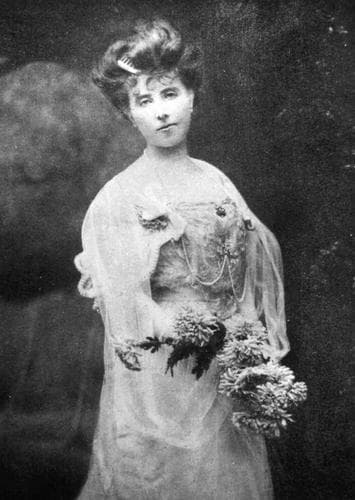
Elizabeth von Arnim was a British author known for her novels that often explore themes of nature and personal freedom. Her notable works include "The Enchanted April," which tells the story of four women who find renewal in Italy, and "Elizabeth and Her German Garden," a semi-autobiographical account of her gardening experiences in Germany.
Similar books
- To Kill a Mockingbird
Harper Lee
4.3 (4.5M) average on GoodreadsHistorical FictionIn the 1930s Jim Crow South, Harper Lee writes about racial injustice, moral growth, and the quiet courage of a lawyer father, Atticus Finch, as seen through his young daughter's eyes.
- The Great Gatsby
F. Scott Fitzgerald
3.9 (3.8M) average on GoodreadsHistorical FictionIn the opulent Roaring Twenties, a mysterious millionaire's lavish parties hide his desperate, tragic pursuit of a lost love, exposing the emptiness within the American Dream.
- Pride and Prejudice
Jane Austen
4.3 (3M) average on GoodreadsHistorical FictionIn a society focused on status and money, Elizabeth Bennet navigates love and pride, challenging Mr. Darcy and social expectations to find true affection.
- Angels & Demons
Dan Brown
3.9 (2.7M) average on GoodreadsThrillerA Harvard symbologist races through Rome's ancient sites, deciphering cryptic clues to unmask the Illuminati and stop a vengeful plot to destroy the Vatican with a stolen antimatter weapon.
- The Kite Runner
Khaled Hosseini
4.3 (2.4M) average on GoodreadsHistorical FictionIn pre-Taliban Afghanistan, a wealthy boy's betrayal of his servant's son during a kite-running tournament starts a lifelong journey for amends as his country collapses.
- The Help
Kathryn Stockett
4.5 (2.2M) average on GoodreadsHistorical FictionIn 1960s Mississippi, an aspiring writer and two Black maids risk everything to expose the harsh realities of their lives, defying societal norms with stories that start a quiet revolution.



Enjoyed the summary?
A summary gives you the shape of the book. The book itself has the detail, the examples and the voice.
Find Elizabeth and Her German Garden on AmazonAs an Amazon Associate, BookBrief earns from qualifying purchases. How we're funded