

Synopsis
Covers the whole plot, including the ending.
- Difficulty
- Medium
- Pacing
- Slow
- Mood
- Reflective, Observational, Atmospheric, Introspective
- Read it if
- You enjoy introspective literary fiction, vivid portrayals of urban life, and nuanced explorations of identity, belonging, and cultural observation.
- Skip it if
- You prefer fast-paced plots, clear narrative arcs with strong resolutions, or don't enjoy reflective, observational prose.
Every Day is for the Thief Plot Summary
Covers the whole plot, including the ending.
Return to Lagos: A Foreigner's Gaze
The unnamed narrator, a Nigerian writer who has lived in New York City for fifteen years, goes back to Lagos. He arrives at Murtala Muhammed International Airport. He immediately sees the chaotic energy and familiar yet strange feel of his hometown. His first observations are sharp and separate. He notices the widespread sense of a city struggling with its systems, corruption, and a lively, though sometimes desperate, cleverness. His family picks him up and drives him through the busy streets. The surroundings are a mix of memories and harsh new realities. He feels like an outsider, a 'returnee,' watching the city with a critical but nostalgic eye. He is looking for something to write about and a way to reconnect with his background.
Encounters with Everyday Corruption
Soon after he arrives, the narrator sees the widespread corruption that shapes much of daily life in Lagos. He tells about seeing a police officer taking money from a driver, which is a common event. He also describes the 'area boys' who demand random fees for parking or passing, and the general poor service and unreliability of public utilities. These encounters do not surprise him, but they show a clear difference from the orderly society he has known in New York. He watches these events with a mix of acceptance, frustration, and a writer's analytical curiosity, thinking about how these issues are part of a larger system.
Internet Cafes and 'Yahoo Boys'
The narrator visits an internet cafe, a busy place where he watches young men, often called 'Yahoo Boys,' carefully planning and carrying out email scams. He describes how focused they are, how they use good English and psychological tricks to cheat unsuspecting foreign victims. He feels a complex mix of disapproval for what they do and an understanding of the desperate situations that might drive them. He sees it as a twisted kind of business born from a failing economy. This scene comments on the cleverness and moral questions in modern Nigerian society.
The National Museum and Cultural Decay
The narrator visits the National Museum in Onikan, Lagos, expecting to find Nigerian history and art. Instead, he finds a neglected, poorly kept institution. Many exhibits are badly shown, damaged, or missing, and the building itself is falling apart. He notes the irony of a country rich in culture failing to save its own treasures. This experience deeply saddens him. It stands for a wider societal disregard for history, art, and intellectual pursuits, which further strengthens his disappointment with some parts of his homeland.
Reconnecting with Family and Friends
During his stay, the narrator spends a lot of time with his family, experiencing their warmth and familiarity. He shares meals, talks, and the comfort of being among loved ones, which grounds him in the city's chaos. He also reconnects with old school friends, remembering their youth and talking about their different life paths. These interactions offer real connection and nostalgia, but they also show the different realities and views that have come up over the years, further cementing his unique position as both an insider and an outsider.
A Woman on the Bus: A Glimpse of Beauty
While riding a public bus, the narrator notices a young woman reading Michael Ondaatje's 'Anil's Ghost.' He is struck by her quiet focus and the unexpected sight of such a book there. He watches her with admiration and longing, seeing her as a symbol of intellectual beauty and a possible connection in the city. This short, silent meeting becomes an important moment of appreciating beauty and brief hope, a contrast to the harder parts of Lagos life he often sees.
The Power of Music and Art
Throughout his trip, music is important for the narrator. He often listens to John Coltrane, especially in the quiet late afternoons. Coltrane's complex jazz provides a background to his thoughts, helping him process what he sees and feels about Lagos. This artistic escape highlights his own identity as a writer and an intellectual, contrasting his inner world with the city's outer realities. Music becomes a way for him to find order and meaning, a personal anchor in the often confusing environment.
Observing Religious Life
The narrator often sees the widespread presence of religion in Lagos. He hears the muezzin's call to prayer from mosques and sees the strong displays of Pentecostal Christianity, from big church gatherings to street preachers. He notes the deep faith that supports much of daily life, offering both comfort and, at times, a sense of fate or a distraction from systemic problems. His observations are neutral, focusing on how these practices affect society and culture rather than their religious meanings. He sees them as part of the city's unique rhythm and identity.
Reflections on Identity and Belonging
As his visit continues, the narrator constantly struggles with his identity. He feels both Nigerian and American, belonging fully to neither place. He thinks about how Lagos has changed and how he himself has changed, creating a gap between his memories and the present. His family and friends, while welcoming, sometimes treat him as a 'foreigner,' showing his detachment. He questions where his true home is and what it means to be Nigerian, especially someone who has lived abroad for so long. This inner struggle is a main part of his personal journey.
The Writer's Search and Unresolved Questions
Towards the end of his stay, the narrator thinks about why he came back — to find something to write about. He has gathered many observations, stories, and thoughts, but he has not found one clear 'story.' Instead, he has collected many experiences that show the complexity of Lagos and his changing relationship with it. He leaves Lagos with a deeper understanding of its contradictions, its beauty, and its difficulties, but also with unanswered questions about his own place in the world and the exact nature of the story he is meant to tell. The trip has been more about internal discovery than finding external answers.
Principal Figures
The Narrator (Unnamed)
Protagonist
A Nigerian writer living in New York, returning to Lagos after many years.
The unnamed narrator is an intellectual, observant, and introspective Nigerian writer who has lived in New York City for fifteen years. He returns to Lagos seeking inspiration for his writing and a deeper understanding of his homeland and himself. He is a keen observer of human behavior and societal dynamics, often analyzing situations with a detached, almost anthropological eye, yet also feeling a profound emotional connection to the city and its people. He struggles with a dual identity, feeling both foreign and familiar in Lagos, and uses his experiences to reflect on themes of corruption, cultural identity, and the passage of time. His journey is primarily internal, focusing on his perceptions and reflections.
Relationships: Family (Loving but sometimes distant due to his long absence); Old School Friends (Nostalgic and reflective, highlighting divergent paths); Woman on the Bus (Brief, idealized, and unspoken admiration)
The Narrator's Family
Supporting
His relatives in Lagos who provide a sense of home and familiarity.
The narrator's family, though largely unnamed individually, represents his roots and the enduring warmth of Nigerian domestic life. They provide him with a home base, meals, and conversation, anchoring him in the personal aspects of his return. Their interactions, while loving, also subtly highlight his 'foreignness' due to his long absence. They serve as a contrast to the impersonal chaos of the city, offering moments of comfort and tradition, and prompting the narrator to reflect on his personal history and the passage of time within his own lineage.
Relationships: The Narrator (Supportive and familial, providing a sense of belonging)
Old School Friends
Supporting
Childhood acquaintances who offer a glimpse into the narrator's past.
These are the narrator's former classmates and friends from his youth in Lagos. They appear in brief vignettes, sharing memories and discussing their lives since childhood. Their conversations allow the narrator to reflect on how different their paths have been and the impact of living in Nigeria versus abroad. They represent a connection to his past and offer different perspectives on the challenges and opportunities in contemporary Lagos. Their presence emphasizes the theme of memory and the divergence of lives over time, and they serve as a benchmark for the narrator's own personal evolution.
Relationships: The Narrator (Nostalgic and reflective, discussing shared past and divergent presents)
The Woman on the Bus
Mentioned
An anonymous woman who briefly captivates the narrator's attention.
This unnamed woman is seen by the narrator on a public bus, engrossed in reading Michael Ondaatje's 'Anil's Ghost.' She becomes a momentary symbol of intellectual beauty, unexpected grace, and a fleeting sense of connection in the midst of Lagos's often overwhelming environment. Her presence highlights the narrator's internal world and his appreciation for moments of quiet contemplation and shared humanity. She represents an idealized, aesthetic counterpoint to the city's more chaotic and corrupt aspects, offering a glimpse of cultural sophistication and individual focus.
Relationships: The Narrator (Brief, unspoken admiration and idealization)
'Yahoo Boys' (Internet Scammers)
Supporting
Young men engaged in online fraud at internet cafes.
These are young, often desperate, men whom the narrator observes diligently working in internet cafes, perpetrating email scams. They represent a specific facet of Lagosian society, highlighting issues of economic hardship, moral compromise, and ingenious, albeit illicit, entrepreneurship. Their detailed work and ambition, however misdirected, offer a complex portrait of survival in a challenging environment. The narrator's observations of them provide a critical look at the social and ethical landscape of contemporary Nigeria, forcing him to consider the systemic factors that drive such activities.
Relationships: The Narrator (Observed and analyzed, representing a societal problem)
Police Officers / Area Boys
Supporting
Figures representing the pervasive petty corruption and informal authority in Lagos.
These figures, often acting as informal gatekeepers or enforcers, embody the everyday corruption and chaotic power structures the narrator encounters. Police officers are seen extorting money from drivers, while 'area boys' demand arbitrary fees for passage or parking. They are not characters in the traditional sense but rather archetypes of the systemic dysfunction and the constant negotiation required to navigate Lagos. Their presence reinforces the narrator's observations about the breakdown of formal institutions and the resilience, both positive and negative, of individuals within such a system.
Relationships: The Narrator (Observed as agents of everyday corruption and chaos)
The Muezzin and Street Preachers
Mentioned
Voices representing the diverse and pervasive religious landscape of Lagos.
These are not individual characters but collective voices representing the strong religious currents in Lagos. The muezzin's call to prayer signifies the presence of Islam, while street preachers and large church congregations represent the vibrant, often fervent, Christianity. Their presence is a constant auditory and visual backdrop to the narrator's observations, highlighting the deep spiritual life of the city. They underscore the cultural fabric of Lagos, where faith plays a significant role in daily life, offering both solace and, at times, a commentary on societal values and escapism.
Relationships: The Narrator (Observed as integral parts of Lagos's soundscape and cultural identity)
Themes & Insights
Identity and Belonging
The narrator's main struggle is his dual identity as a Nigerian who has lived abroad for many years. He feels a strong connection to Lagos and a deep sense of being a stranger, often seeing himself as an outsider watching his own culture. This theme shows through his talks with family and friends who sometimes treat him as a 'foreigner,' and his inner thoughts comparing his memories of Lagos with its current state. He questions where his real home is and what it means to be Nigerian when another culture has shaped him, reflecting the experience of many people from the diaspora.
“To be a Nigerian in New York is to be a part of the Nigerian diaspora, to be a part of an imagined community. To be a Nigerian in Lagos is to be a part of a real community, a community that is messy and complicated and beautiful and difficult.”
Corruption and Societal Dysfunction
A widespread theme in the book is the constant corruption and inefficiency in Lagosian society. The narrator repeatedly encounters small bribes from police officers, demands from 'area boys,' and a general lack of public services and infrastructure. This theme is presented as an observed reality that shapes daily life, not as a moral judgment. The 'Yahoo Boys' phenomenon further shows how economic desperation can lead to illegal activities, making the narrator deal with the complex ethical situation and the systemic problems behind these issues.
“Corruption is a kind of tax, a tax that everyone pays, but it is also a tax that everyone collects.”
Memory vs. Reality
The narrator's return to Lagos is always seen through his memories of the city from his youth. He often compares present-day Lagos to the Lagos of his past, showing how much both the city and he have changed. This contrast brings a sense of nostalgia, disappointment, and sometimes pleasant surprise. The run-down National Museum, for example, is a sharp contrast to what he might have hoped for, symbolizing a wider decay. This theme explores how personal and shared histories are seen and reinterpreted over time, and how hard it is to match a romanticized past with a complex present.
“Lagos is a city of memory, a city that lives in the past, even as it hurtles into the future.”
The Role of the Artist/Observer
As a writer, the narrator approaches his experiences in Lagos with an analytical and observational mind. He is always looking for a 'subject' for his writing, filtering what he sees through a literary viewpoint. This theme explores the challenges and duties of an artist trying to capture the essence of a complex place and culture. His inner thoughts, his love for music like John Coltrane, and his detailed descriptions of scenes all emphasize his role as a separate yet deeply involved observer, trying to understand the world and explain its details.
“I am a thief of lives, a collector of fragments, a witness to the daily drama of the city.”
Cultural Preservation and Neglect
The state of the National Museum is a strong symbol of this theme. The narrator sees the neglect of cultural heritage, with poorly kept exhibits and a general lack of appreciation for historical items. This neglect extends to other parts of public life and infrastructure. This theme criticizes the focus on immediate survival and making money over saving national history, art, and intellectual life, reflecting a wider societal challenge in many developing countries.
“The museum was a ruin, a testament to what we had lost, and what we refused to remember.”
Plot Devices & Literary Techniques
First-Person Unnamed Narrator
Provides an intimate, subjective, and observational perspective.
The use of an unnamed, first-person narrator allows for a highly subjective and introspective exploration of Lagos. The lack of a name universalizes his experience, making him an everyman figure for the diasporic Nigerian. His observations are filtered through his unique perspective as both an insider and outsider, enabling deep reflection on identity, memory, and societal issues. This narrative choice emphasizes the internal journey over external plot, focusing on the narrator's perceptions, feelings, and analytical insights as he navigates his return.
Episodic Structure / Vignettes
A series of loosely connected observations and encounters rather than a linear plot.
The book is structured as a series of short, self-contained chapters or vignettes, each detailing a specific observation, encounter, or reflection. There isn't a strong overarching linear plot with rising action and climax. Instead, the narrative progresses through accumulated experiences, mirroring the narrator's wanderings and the fragmentary nature of memory and observation. This episodic structure allows the author to explore a wide range of themes and aspects of Lagosian life without being constrained by a conventional plot, emphasizing the mosaic-like reality of the city.
Symbolism of the National Museum
Represents cultural decay and neglect of heritage.
The dilapidated National Museum serves as a potent symbol within the narrative. Its neglected state, with damaged exhibits and poor maintenance, represents a broader societal disregard for history, art, and cultural preservation in Lagos. It highlights the contrast between Nigeria's rich cultural past and its challenging present. For the narrator, it underscores his disillusionment with certain aspects of his homeland and prompts reflection on what a society values and chooses to preserve or forget, linking to themes of memory and cultural identity.
Music as a Reflective Device
John Coltrane's jazz provides a soundtrack for introspection and contrast.
The narrator's frequent listening to John Coltrane's jazz serves as a recurring motif and a significant plot device. Coltrane's complex, improvisational music provides a backdrop for the narrator's internal monologues and reflections, offering a sense of order and intellectual refuge amidst the chaotic external environment of Lagos. It highlights his artistic and intellectual sensibilities, contrasting with the often-gritty realities he observes. The music functions as a tool for deeper introspection, allowing him to process his experiences and emotions, and emphasizing his identity as a contemplative artist.
Every Day is for the Thief Quotes
“Lagos is a city of ghosts. The ghosts of the past are everywhere, but they are not the only ones. There are also the ghosts of the future, the ones who have not yet arrived but whose presence is already felt.”
“Every day is for the thief, but one day is for the owner.”
“The past is not dead. It is not even past.”
“In Lagos, you learn to see without seeing, to hear without hearing. It is a survival skill.”
“The internet café is a place of dreams and deceptions, where young men stare at screens as if they were windows to another world.”
“Home is not where you are from, but where you are going.”
“The traffic is a metaphor for everything that is wrong with this country: the stagnation, the chaos, the endless waiting.”
“Art is what remains when everything else has been taken away.”
“The thief is not always the one with the knife. Sometimes, the thief is the one with the pen.”
“Memory is a fickle thing. It bends to the will of the present, reshaping the past to suit our needs.”
“In this city, everyone is a performer, acting out a role in the grand drama of survival.”
“The sea does not care for our small histories. It swallows them whole and returns only salt.”
“To leave is to die a little. To return is to be born again, but into a body you no longer recognize.”
“The market is a living organism, pulsing with energy and deceit.”
Quiz
10 questions on the plot and the characters. Each answer comes with a short explanation.
Question 1
What is the narrator's primary reason for returning to Lagos?
- To attend a family wedding
- To find a subject for his writing and reconnect with himself
- To start a new business venture
- To escape political persecution in New York
Show answer
B. To find a subject for his writing and reconnect with himself The narrator is a young Nigerian writer living in New York who returns to Lagos specifically in search of a subject for his writing and to rediscover himself, as described in the book's premise.
Question 2
What activity does the narrator observe teenagers doing in internet cafes?
- Playing video games
- Perpetrating email frauds
- Studying for exams
- Watching movies
Show answer
B. Perpetrating email frauds The narrator witnesses teenagers diligently carrying out email frauds from internet cafes, highlighting aspects of contemporary Lagos life and cybercrime.
Question 3
Which author's book is a woman reading on a public bus that captivates the narrator?
- Chinua Achebe
- Michael Ondaatje
- Teju Cole
- J.M. Coetzee
Show answer
B. Michael Ondaatje The narrator longs after a woman reading Michael Ondaatje on a public bus, a detail that reflects his literary interests and the serendipitous encounters in Lagos.
Question 4
What does the narrator compare throughout the book to reveal changes in himself?
- Lagos and New York
- Present-day Lagos and the Lagos of his memory
- His childhood friends and his adult acquaintances
- Nigerian and American politics
Show answer
B. Present-day Lagos and the Lagos of his memory The narrator compares present-day Lagos to the Lagos of his memory over long, wandering days, which helps him understand the changes that have occurred in himself since he left.
Question 5
What kind of institution does the narrator visit that is described as impoverished?
- A local market
- A public library
- The National Museum
- A university campus
Show answer
C. The National Museum The narrator visits the impoverished National Museum, which symbolizes the neglect of cultural heritage in Lagos and prompts reflections on national history.
Question 6
How does the narrator experience Lagos upon his return?
- Solely as a foreign tourist
- As both a foreigner and a local
- Exclusively as a native resident
- As a political activist
Show answer
B. As both a foreigner and a local The narrator rediscovers Lagos as both a foreigner and a local, reflecting his dual perspective after years away and his search for identity.
Question 7
What prompts the narrator to ask profound questions about personal and national history?
- His encounters with strangers on the street
- Reconnecting with old school friends and his family
- Reading newspapers about current events
- Attending religious ceremonies
Show answer
B. Reconnecting with old school friends and his family Reconnecting with old school friends and his family forces the narrator to confront profound questions about his personal history and Nigeria's national history.
Question 8
Which musician does the narrator listen to during the late afternoon heat in Lagos?
- Fela Kuti
- John Coltrane
- Bob Marley
- Miriam Makeba
Show answer
B. John Coltrane The narrator listens to John Coltrane during the late afternoon heat, blending global cultural influences with the local setting of Lagos.
Question 9
What does the narrator hear in the early morning light that connects to Lagos's religious diversity?
- Church bells ringing
- The muezzin's call to prayer
- Gospel music from a radio
- A traditional drum ceremony
Show answer
B. The muezzin's call to prayer The narrator hears the muezzin's call to prayer in the early morning light, highlighting the Islamic presence and religious diversity in Lagos.
Question 10
What overarching theme is explored through the narrator's comparisons of Lagos and his personal changes?
- The economic development of Nigeria
- The conflict between tradition and modernity
- The search for identity and belonging in a changing world
- The impact of colonialism on African literature
Show answer
C. The search for identity and belonging in a changing world The book delves into the search for identity and belonging, as the narrator navigates his dual perspective and reflects on how both Lagos and he himself have transformed over time.
Every Day is for the Thief FAQ
What is 'Every Day is for the Thief' about?
The novel follows an unnamed Nigerian writer living in New York who returns to Lagos after many years away. Through his wanderings, he observes contemporary Nigerian life—from internet fraud schemes to cultural decay at the National Museum—while reconnecting with family and old friends, ultimately confronting how both he and his homeland have changed.
Why should I read 'Every Day is for the Thief'?
It offers a poignant, immersive exploration of diaspora identity and urban life in Lagos, blending sharp social commentary with lyrical introspection. Cole's evocative prose captures the city's contradictions—its vibrancy and decay—making it essential for readers interested in postcolonial literature and the complexities of returning 'home.'
What is the background/setting of 'Every Day is for the Thief'?
Set primarily in contemporary Lagos, Nigeria, the novel unfolds through the narrator's daily wanderings across the city—from internet cafes and bustling markets to quiet family homes. The backdrop contrasts Lagos's rapid modernization with its lingering colonial legacies and social inequalities.
What are the most memorable quotes?
Notable quotes include: 'Every day is for the thief, but one day is for the owner,' reflecting on injustice and patience; and descriptions like 'the muezzin's call to prayer in the early morning light' juxtaposed with 'teenagers diligently perpetrating e-mail frauds,' highlighting Lagos's moral and sensory contrasts.
What writing style does the author use?
Teju Cole employs a fragmentary, essayistic style blending narrative vignettes with philosophical musings. The prose is lyrical and observational, often pausing on mundane details—like a woman reading Michael Ondaatje on a bus—to explore deeper themes of memory, alienation, and cultural identity.
What minor details add significant meaning?
Small moments, such as the narrator listening to John Coltrane in the afternoon heat or noticing the impoverished National Museum, symbolize the clash between global culture and local neglect. These details underscore his dislocation and Nigeria's strained relationship with its own heritage.
What are some subtle foreshadowing moments?
Early scenes of internet fraud hint at the novel's broader theme of 'theft'—not just criminal, but also cultural and historical. The narrator's fleeting encounter with the woman reading Ondaatje foreshadows his own search for literary meaning amid Lagos's chaos.
What unexpected character connections exist?
The narrator's reconnections with old school friends reveal how their lives have diverged—some embracing corruption, others disillusionment—mirroring Nigeria's societal fractures. These ties emphasize that his personal history is inextricably linked to the nation's unresolved past.
What are unspoken character motivations?
The narrator's return is driven by an unspoken desire to reconcile his diasporic identity with his Nigerian roots, seeking both a creative subject and personal clarity. His observations often mask a deep anxiety about belonging and the ethical compromises required to survive in Lagos.
What psychological complexities do characters exhibit?
The narrator embodies a dual consciousness—feeling both foreign and local—which leads to introspection and detachment. Supporting characters, like old friends engaged in fraud, display moral ambivalence, reflecting the psychological toll of navigating a society where opportunism and tradition collide.
What are the major emotional turning points?
Key moments include visiting the decayed National Museum, which triggers grief over Nigeria's lost cultural memory, and conversations with family that force him to confront his own complicity in leaving. These episodes shift his perspective from observer to implicated participant.
How do relationship dynamics evolve?
Initially distant, the narrator's interactions with family and friends become more charged as he recognizes shared histories of displacement and adaptation. His longing for the woman on the bus symbolizes an elusive connection to a Lagos that feels both familiar and irrecoverably changed.
Which parts remain ambiguous or open-ended?
The narrator's ultimate decision—whether to stay in Lagos or return to New York—is left unresolved, mirroring the novel's theme of perpetual searching. The title's proverb ('Every day is for the thief...') also invites debate about justice and time in a society shaped by inequality.
What are controversial scenes or decisions?
Scenes depicting internet fraud without moral condemnation challenge readers to consider economic desperation as a driver of crime. The narrator's passive observation of corruption, rather than intervention, raises questions about diasporic responsibility and complicity.
'Every Day is for the Thief' ending explained: how it ends & what it means
The novel ends with the narrator still wandering Lagos, reflecting on changes in himself and the city. It suggests no neat resolution, instead emphasizing that understanding 'home' is an ongoing, fragmented process—where personal and national histories remain intertwined and unresolved.
About the author

Teju Cole is a Nigerian-American author known for his literary fiction that often explores themes of identity and urban life. His notable works include "Open City," a novel that follows a Nigerian psychiatrist wandering through New York City, and "Every Day is for the Thief," which reflects on the complexities of life in Nigeria. Cole's writing has garnered significant attention for its introspective style and depth.
Similar books
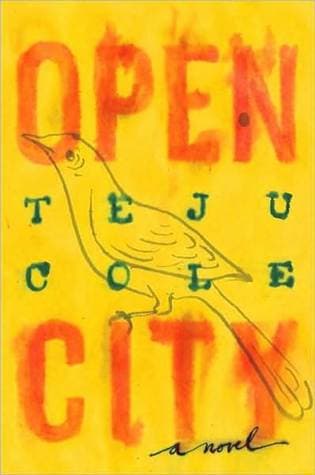
- Open City
Teju Cole
3.5 (14k) average on GoodreadsLiterary FictionShares a similar style of a solitary narrator wandering a city and reflecting on identity, history, and observation.
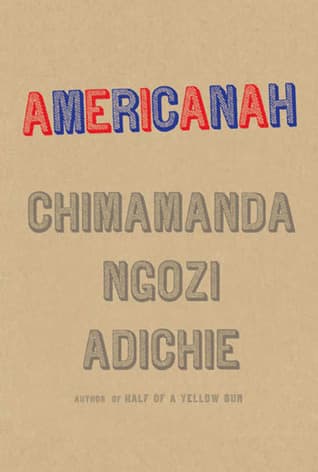
- Americanah
Chimamanda Ngozi Adichie
4.3 (264k) average on GoodreadsLiterary FictionExplores themes of Nigerian identity, returning home after living abroad, and cultural observation, though with a more traditional plot.
- The Stranger
Albert Camus
4.1 (3k) average on GoodreadsFantasyFeatures an emotionally detached, observational narrator grappling with their place in the world, albeit in a different cultural context.
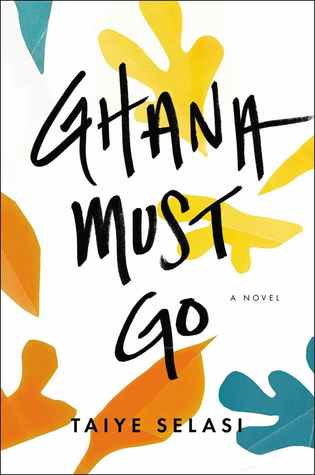
- Ghana Must Go
Taiye Selasi
3.8 (10k) average on GoodreadsLiterary FictionUnlike Selasi's Ghana Must Go, which uses multiple perspectives and a sprawling family saga to explore transnational African identity, Cole's Every Day is for the Thief maintains a singular, intensely personal focus. Cole's strength lies in his laser-like examination of the narrator's individual experience and observations, rather than a broad familial or societal tapestry.
- The Old Man and the Sea
Ernest Hemingway
3.8 (831k) average on GoodreadsLiterary FictionA Cuban fisherman's long struggle with a giant marlin becomes a story of endurance and dignity, now retold for young adults with illustrations, phonetic guides, and writing prompts in Traditional Chinese.
- One Hundred Years of Solitude
Gabriel García Márquez
4.1 (753k) average on GoodreadsLiterary FictionThrough the multi-generational story of the Buendía family, a mythical town deals with the repeating patterns of time, love, and solitude, as the extraordinary mixes with the ordinary.



Enjoyed the summary?
A summary gives you the shape of the book. The book itself has the detail, the examples and the voice.
Find Every Day is for the Thief on AmazonAs an Amazon Associate, BookBrief earns from qualifying purchases. How we're funded