
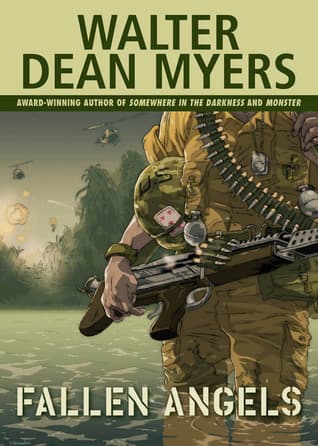
Synopsis
Covers the whole plot, including the ending.
- Difficulty
- Medium
- Pacing
- Moderate
- Mood
- Gritty, Somber, Reflective, Intense
- Read it if
- You want a raw, unflinching look at the Vietnam War through the eyes of a young soldier, exploring themes of race, morality, and the psychological toll of conflict.
- Skip it if
- You prefer lighthearted stories or are sensitive to graphic depictions of war and violence.
Fallen Angels Plot Summary
Covers the whole plot, including the ending.
Deployment to Vietnam
Richard Perry, an aspiring writer from Harlem, joins the army after college plans fail due to money problems and his mother's illness. He arrives in Vietnam in 1967, expecting a desk job because of a knee injury, but instead, he goes to Alpha Company, a combat unit. Perry immediately faces the harsh realities of war, seeing a fellow soldier, Jenkins, die during a patrol. This shocking event shatters Perry's romantic ideas of military service and forces him to confront the danger and fragility of life on the front lines, a sharp contrast to his sheltered life in New York.
Forming Bonds in Alpha Company
After the initial shock of Jenkins' death, Perry starts to bond with his squad mates. He becomes close with Peewee Gates, a funny and street-smart soldier from Chicago, and Monaco, a brave and quiet Italian-American. Other key members include Johnson, the squad's strong machine gunner, and Brunner, an ambitious soldier. Their interactions offer moments of friendship and dark humor, helping them cope with daily stress and fear. Perry sees the different backgrounds and personalities in his unit, realizing they are all connected by the shared experience of war, no matter where they came from.
First Encounters and Moral Dilemmas
Perry's unit has its first major firefight, an intense battle with the Vietcong that causes casualties on both sides. During the chaos, Perry has to shoot an enemy soldier, an act that deeply troubles him. He struggles with the morality of taking a life, even in self-defense, and the impersonal nature of combat where the enemy is often unseen. This experience changes Perry significantly, removing any remaining innocence and forcing him to face the brutal reality of his role in the war. He begins to question the war's reasons and its dehumanizing effects on soldiers.
Leadership Changes and Increased Danger
Lieutenant Carroll, a kind and respected leader, dies in action, a devastating loss for the squad. His replacement, Lieutenant Gearhart, lacks experience and makes mistakes, increasing the squad's worry and exposure to danger. During this time, Perry notices and thinks about the racial dynamics in the military, seeing that Black soldiers often get the most dangerous missions and face higher risks. He talks about these observations with Johnson and Peewee, who confirm his suspicions, adding to Perry's growing disappointment. The constant threat of death and the perceived unfairness fuel his increasing cynicism about the war.
The Trauma of Combat
As the war continues, the squad endures constant patrols, ambushes, and firefights. The psychological toll becomes clear as soldiers show signs of stress, paranoia, and emotional numbness. Perry sees his comrades' spirits slowly wear down, including Peewee's increasingly cynical humor and Monaco's quiet acceptance. The lines between right and wrong blur, and soldiers often struggle with the random nature of life and death in combat. Perry himself experiences intense fear and despair, questioning his own survival and the sanity of their situation. Constant exposure to violence and loss leaves a lasting mark on their minds.
A Glimmer of Hope and Further Disillusionment
Perry is wounded during an ambush, an experience that brings him close to death. While recovering, he thinks about the random nature of survival and the deep impact of his injuries, both physical and mental. He also gets a letter from his brother, Kenny, back home, which connects him briefly to his old life but also shows the vast gap between his experiences and those of people not at war. This recovery period offers a break but also strengthens his growing disappointment with the war's purpose and the sacrifices being made. He starts to openly question the mission's validity.
The Tet Offensive
The Tet Offensive begins, putting Perry's unit into some of the most brutal and continuous fighting they have seen. They are in intense urban combat, defending positions against overwhelming enemy forces. The offensive's scale and the fighting's ferocity are unprecedented, shattering any ideas of American dominance. Perry, Peewee, Monaco, and Johnson fight desperately to survive, seeing widespread destruction and terrible horrors. The offensive further highlights the conflict's complexity and seemingly unwinnable nature, as the enemy shows unexpected strength and determination, challenging the idea of American victory.
Loss and Solidarity
The Tet Offensive takes more lives from Alpha Company, deepening the emotional scars of the survivors. The constant threat of death strengthens the bonds among the remaining soldiers, especially Perry, Peewee, and Monaco. They rely on each other for emotional support, protection, and a shared understanding of their terrifying experiences. Each loss reminds them of their own mortality and the random nature of who lives and who dies. Despite the overwhelming despair, their solidarity helps them cope with unimaginable circumstances and maintain some humanity amidst the war's savagery.
The Weight of Command
Lieutenant Gearhart's inexperience and poor judgment continue to trouble Alpha Company. His tactical errors and emotional instability lead to avoidable casualties and increased danger for the squad. Perry and his comrades often question his decisions and feel a lack of trust in his leadership, unlike their respect for the fallen Lieutenant Carroll. Gearhart's struggles show the immense pressure of command in a war zone and the devastating results of poor leadership, adding to the soldiers' feeling of vulnerability and their growing resentment toward higher command.
The End of Tour
As their tour of duty nears its end, Perry and Peewee get orders to go home. However, before they can leave, they are caught in a final, terrifying ambush. During the chaos, they get separated from their unit and have to hide in a spider hole, fearing for their lives. This intense, isolated experience pushes them to their limits, relying only on each other for survival. They emerge shaken but alive, their bond made stronger by this ultimate shared trauma. This final combat act is a brutal farewell to the war, emphasizing its unpredictable and relentless nature until the very last moment.
Journey Home and Reflection
Perry and Peewee, both physically and emotionally scarred, begin their trip back to the United States. On the plane, they reflect on their experiences, the friends they lost, and the deep changes they have undergone. They share a quiet understanding of the horrors they saw and the burden they now carry. Perry, in particular, thinks about how hard it will be to return to normal life and explain the war to those who haven't experienced it. The journey home is not just a physical one; it is a transition back to a world that can never truly understand the lasting marks left by Vietnam, leaving them with a shared, unspoken trauma.
Principal Figures
Richard Perry
Protagonist
A thoughtful and sensitive Harlem teenager who volunteers for Vietnam.
Richard Perry is a young Black man from Harlem, intelligent and introspective, who enlists in the army after his college plans falter. He initially hopes for a non-combat role due to a knee injury but is thrust into the brutal reality of infantry combat. Perry is a keen observer, often internalizing his experiences and using his writing aspirations to process the horrors around him. He struggles with the morality of war, racial injustices within the military, and the constant fear of death, maintaining a sense of humanity despite the dehumanizing environment.
Relationships: Peewee Gates (Best friend and confidant, shared trauma and support); Monaco (Close friend, shared combat experiences and loyalty); Johnson (Respected squad member, discussions on racial inequality); Lieutenant Carroll (Respected leader, mentor figure); Kenny Perry (Younger brother, connection to home and innocence)
Peewee Gates
Supporting
Perry's street-smart, humorous, and loyal best friend from Chicago.
Peewee Gates is a small, quick-witted Black soldier from Chicago, known for his cynical humor and resourcefulness. He often uses jokes and pranks as a coping mechanism for the horrors of war. Despite his tough exterior, Peewee is deeply loyal to his friends, especially Perry, and shares a profound bond of shared trauma. He is pragmatic and survival-oriented, but also capable of great compassion. His background growing up in poverty has prepared him for hardship, but not for the specific brutality of Vietnam.
Relationships: Richard Perry (Best friend and confidant, shared trauma and support); Monaco (Friend, shared combat experiences); Johnson (Squad member, shared experiences)
Monaco
Supporting
A brave and stoic Italian-American soldier, known for his leadership and loyalty.
Monaco is an Italian-American soldier who embodies quiet strength and unwavering loyalty. He is brave and dependable in combat, often taking on leadership roles within the squad, especially after Lieutenant Carroll's death. Monaco is less outwardly expressive than Peewee or Perry but demonstrates his care through his actions and steadfast presence. He is committed to protecting his comrades and represents a grounded, honorable presence amidst the chaos. His quiet determination is a source of stability for the squad.
Relationships: Richard Perry (Close friend, shared combat experiences and loyalty); Peewee Gates (Friend, shared combat experiences); Lieutenant Carroll (Respected leader)
Johnson
Supporting
The powerful and dependable machine gunner of the squad, a voice of reason.
Johnson is a strong and reliable Black soldier, serving as the squad's machine gunner. He is a pragmatic and thoughtful individual, often providing a grounded perspective on the racial tensions and injustices within the military. Johnson is physically imposing and highly effective in combat, but also possesses a keen intellect and a sense of moral integrity. He is a respected figure within the squad, offering both physical protection and a voice of reason amidst the chaos and confusion of war.
Relationships: Richard Perry (Squad member, discussions on racial inequality); Peewee Gates (Squad member, shared experiences)
Lieutenant Carroll
Supporting
The compassionate and respected initial platoon leader of Alpha Company.
Lieutenant Carroll is the first platoon leader of Perry's unit. He is a humane and compassionate officer who genuinely cares for his soldiers and struggles with the moral implications of the war. He tries to protect his men and maintain their spirits, earning their respect and admiration. His death in combat is a significant blow to the squad, highlighting the arbitrary nature of war and the loss of good leadership.
Relationships: Richard Perry (Respected leader, mentor figure); All squad members (Respected leader)
Lieutenant Gearhart
Supporting
Lieutenant Carroll's inexperienced and often incompetent replacement.
Lieutenant Gearhart replaces Lieutenant Carroll as the platoon leader. He is inexperienced, prone to making tactical errors, and often emotionally unstable under pressure. His lack of leadership skills and poor judgment frequently put the squad in unnecessary danger, earning him the distrust and resentment of his men. Gearhart represents the negative aspects of military command and the devastating consequences of placing unprepared individuals in positions of immense responsibility.
Relationships: All squad members (Leader, but often distrusted and resented)
Brunner
Supporting
An ambitious and often antagonistic soldier within the squad.
Brunner is a member of Perry's squad who is often portrayed as ambitious, eager for recognition, and sometimes confrontational. He can be overzealous in combat and occasionally clashes with other members of the unit. Brunner represents a more aggressive and less empathetic type of soldier, driven by a desire to prove himself, often at the expense of others' comfort or safety.
Relationships: Richard Perry (Squad member, occasional tension); Peewee Gates (Squad member, occasional tension)
Jenkins
Mentioned
A young soldier who dies shortly after Perry's arrival, symbolizing the abruptness of death.
Jenkins is a young, nervous soldier who Perry meets upon his arrival in Vietnam. He is the first casualty Perry witnesses, dying during a seemingly routine patrol. Jenkins's death is sudden and brutal, serving as Perry's immediate and shocking introduction to the harsh realities of war. His brief presence and quick demise underscore the arbitrary and unpredictable nature of death in combat, shattering any illusions of safety or heroism for the new recruits.
Relationships: Richard Perry (Brief acquaintance, first combat death witnessed)
Themes & Insights
The Loss of Innocence
The novel shows how the Vietnam War takes away young soldiers' innocence. Richard Perry, new from Harlem, arrives with romantic ideas of heroism, only to face the brutal reality of death, fear, and unclear morals. His initial shock at Jenkins's death quickly turns into a hardened understanding of survival. Constant exposure to violence, the dehumanization of the enemy, and the random nature of life and death force Perry and his comrades to lose their youth and adopt a cynical, mature view of the world. Perry's internal thoughts, where he struggles with the morality of killing and his own changing character, show this theme.
“I had wanted to be a hero, but I knew now that I was not. I was a soldier, and I was in Vietnam, and the real heroes were the ones who didn't come back.”
The Brutality and Futility of War
Myers clearly depicts the physical and psychological cost of combat in Vietnam. The constant threat of ambushes, firefights, and booby traps creates an atmosphere of widespread fear and paranoia. The novel highlights the seemingly pointless violence and lack of clear goals, especially during the Tet Offensive, which only deepens the soldiers' disappointment. Random deaths, the incompetence of some leaders like Lieutenant Gearhart, and questions about why they are fighting all contribute to a strong sense of futility. The soldiers' experiences reveal how war dehumanizes, reducing individuals to parts of a violent machine, simply trying to survive.
“It wasn’t about being a hero, it was about being alive.”
Racial Injustice and Inequality
The novel quietly but strongly addresses the racial inequalities in the U.S. military during the Vietnam War. Perry, Johnson, and Peewee, all Black soldiers, often notice and discuss how Black troops are frequently given the most dangerous and exposed positions. This leads to a disproportionate number of casualties among African Americans. Perry's thoughts and conversations with his comrades highlight the bitter irony of fighting for freedom abroad while facing systemic discrimination at home and within their own military. This theme adds complexity to the soldiers' struggles, as they fight not only an external enemy but also internal prejudices.
“They always put us out front. Always. Like we ain't got no mamas or daddies.”
Brotherhood and Camaraderie
Amidst the war's horrors, the strong bonds formed between soldiers are a central theme. Perry, Peewee, Monaco, and Johnson develop deep friendships born from shared trauma, mutual reliance, and a desperate need for human connection in an inhuman setting. These relationships provide emotional support, dark humor, and a sense of belonging that helps them cope with the constant threat of death. Their loyalty to each other goes beyond racial and social differences, becoming a key way to survive. The loss of a comrade, like Lieutenant Carroll, is deeply felt, showing how strong these wartime friendships are.
“We were brothers, not because we were born that way, but because we had lived together, and fought together, and died together.”
Plot Devices & Literary Techniques
First-Person Narration
The story is told entirely from Richard Perry's perspective.
The use of first-person narration allows the reader to experience the war directly through Perry's eyes and mind. This immersive perspective provides intimate access to his fears, doubts, moral struggles, and observations. It emphasizes the subjective and personal nature of war, making his journey of disillusionment and survival particularly impactful. Perry's internal monologues and letters home serve as a crucial window into his processing of the traumatic events, highlighting his intellectual and emotional growth amidst the chaos.
Letters Home
Perry writes letters to his mother and brother, providing a contrast to his reality.
Perry's letters home serve as a powerful plot device, creating a stark contrast between the brutal reality of his experiences and the sanitized, often misleading accounts he sends to his family. These letters highlight the psychological burden of war, as soldiers feel compelled to protect loved ones from the truth. They also offer Perry moments of reflection, forcing him to articulate his thoughts and feelings, even if he cannot fully convey the horror. The letters also connect him to his past life and the innocence he left behind, emphasizing the vast chasm between the war zone and home.
Symbolism of the Fallen Angel
The title itself refers to the soldiers, particularly Perry, losing their innocence.
The title 'Fallen Angels' symbolizes the young, innocent soldiers who are corrupted and destroyed by the war. Like angels cast from heaven, they are taken from their ordinary lives and forced into a hellish existence where morality is blurred and death is constant. Perry, with his initial idealism and poetic aspirations, embodies this 'fallen angel' archetype, losing his innocence and grappling with the darkness of humanity. The title also suggests a loss of grace and purity, reflecting the profound psychological and moral damage inflicted upon the soldiers.
Dark Humor
Characters use humor as a coping mechanism in the face of death.
Dark humor, primarily expressed through Peewee's jokes and banter, is a crucial coping mechanism for the soldiers. It provides momentary relief from the unbearable stress and fear of combat, allowing them to process the grim realities of their situation. This gallows humor often involves morbid jokes about death, injuries, or the absurdity of their circumstances. It highlights the psychological resilience of the human spirit in extreme conditions and the way individuals find small ways to assert their humanity and sanity against the overwhelming forces of war.
Fallen Angels Quotes
“War is like a game of checkers, if you don't know the rules, you're just moving pieces around.”
“It wasn't a game. It was a war, and it was going to be a part of me for the rest of my life.”
“Sometimes you just had to do what you had to do. Even if you didn't know why.”
“You don't get used to seeing dead people. You just get used to seeing dead people.”
“I wondered if there was a difference between being a hero and being crazy.”
“The only thing worse than being scared was being scared and alone.”
“We were doing the best we could, but the best we could do wasn't always enough.”
“You come to a place like this, you lose a little bit of yourself every day.”
“We were all just trying to make it home, one way or another.”
“It was just a new way to die. That’s all it was.”
“There was no good guys and bad guys, just guys who wanted to live and guys who wanted to kill.”
“The hardest part was knowing that it could happen again, any minute.”
“We were the last ones to know what was going on. Always.”
“Sometimes I thought about what I would tell my family, and then I thought about how I couldn't tell them anything.”
Quiz
10 questions on the plot and the characters. Each answer comes with a short explanation.
Question 1
Why does Richard Perry volunteer for the army instead of going to college?
- He was drafted and decided to volunteer to choose his branch.
- His family encouraged him to join for the financial benefits.
- His dream of attending college fell through due to financial reasons.
- He wanted to escape a difficult home life in Harlem.
Show answer
C. His dream of attending college fell through due to financial reasons. Perry volunteers because his plans for college fell through, leaving him with limited options and a desire to escape his current circumstances.
Question 2
Which character serves as a mentor figure to Perry early in his deployment, offering guidance and friendship?
- Lieutenant Carroll
- Peewee Gates
- Sergeant Simpson
- Monk
Show answer
. While Peewee is his closest friend, Sergeant Simpson initially provides more direct mentorship and guidance to Perry on the realities of combat.
Question 3
What significant event causes Perry to truly understand the random and brutal nature of war, leading to a profound shift in his perspective?
- His first direct firefight with the Vietcong.
- The death of Lieutenant Carroll.
- Witnessing the execution of a suspected Vietcong civilian.
- Being wounded for the first time.
Show answer
B. The death of Lieutenant Carroll. Lieutenant Carroll's death, particularly its suddenness and futility, deeply affects Perry and shatters any remaining illusions he had about the war's purpose or fairness.
Question 4
What item does Peewee Gates carry with him that provides a small comfort and connection to home?
- A photograph of his girlfriend.
- A small, worn Bible.
- A small, ceramic frog.
- A special good-luck charm from his mother.
Show answer
C. A small, ceramic frog. Peewee carries a small ceramic frog, which he often talks to and views as a symbol of home and hope.
Question 5
A recurring theme in the novel is the moral ambiguity of war. How does Perry primarily grapple with this theme?
- By constantly questioning the orders given by his superiors.
- Through his internal monologues and letters, reflecting on the 'why' of their presence and actions.
- By engaging in philosophical debates with his fellow soldiers.
- By seeking guidance from the chaplain about right and wrong.
Show answer
B. Through his internal monologues and letters, reflecting on the 'why' of their presence and actions. Perry's internal thoughts, often expressed in his letters home, are his primary means of processing the moral dilemmas and the 'why' of the war.
Question 6
What does Perry observe about the assignments given to black troops, leading him to question racial inequality within the military?
- They are often given more dangerous reconnaissance missions.
- They are frequently denied promotions compared to white soldiers.
- They are assigned to less desirable base camps and living conditions.
- They receive less training and equipment than their white counterparts.
Show answer
A. They are often given more dangerous reconnaissance missions. Perry frequently notes that black soldiers, like himself and his friends, are often assigned to the most hazardous 'point' positions and dangerous missions.
Question 7
Which character struggles with maintaining his religious faith amidst the horrors of war, often quoting scripture?
- Sergeant Simpson
- Johnson
- Brew
- Captain Stewart
Show answer
C. Brew Brew is the character most notably associated with his deep religious faith, which is severely tested by the brutal realities of Vietnam.
Question 8
What is the primary method of communication Perry uses to share his experiences and feelings with his younger brother Kenny back home?
- Video recordings sent via mail.
- Regular phone calls.
- Letters.
- Telegram messages.
Show answer
C. Letters. Perry frequently writes letters to his younger brother Kenny, using them as a way to process his experiences and maintain a connection to home.
Question 9
The novel explores the psychological toll of war. Which specific psychological defense mechanism do Perry and his comrades often employ to cope with constant danger and death?
- Rationalization, finding logical reasons for their suffering.
- Denial and dark humor, pretending death isn't real or making jokes about it.
- Sublimation, channeling their fear into aggressive combat.
- Intellectualization, analyzing war strategies to detach from emotions.
Show answer
B. Denial and dark humor, pretending death isn't real or making jokes about it. The soldiers frequently use dark humor and a form of denial to distance themselves from the ever-present threat of death and the loss of their comrades.
Question 10
What is the ultimate fate of Perry and Peewee at the end of the novel?
- They are both killed in a final ambush.
- They are captured by the Vietcong.
- They are both wounded and sent home together.
- Perry is sent home, but Peewee remains in Vietnam.
Show answer
C. They are both wounded and sent home together. After being wounded in an ambush, both Perry and Peewee are evacuated and ultimately sent home from Vietnam.
Fallen Angels FAQ
What is the central premise of 'Fallen Angels'?
'Fallen Angels' follows Richie Perry, a Harlem teenager, who volunteers for the Vietnam War after his college dreams fall through. He is sent to the front lines, where he and his platoon experience the brutal realities of combat, forcing him to confront violence, death, and his own moral compass.
Who are some of the key members of Perry's platoon?
Perry's platoon includes Peewee Gates, a street-smart and often humorous soldier from Chicago; Brunner, a tough and sometimes aggressive squad leader; Monaco, a loyal and brave soldier; and Lobel, who often copes with the war by imagining it as a movie. Each character brings a distinct personality and perspective to the harrowing experiences.
What motivates Richie Perry to join the army?
Richie Perry enlists in the army primarily because his family lacks the funds for him to attend college, effectively ending his academic aspirations. He sees military service as a way to escape his limited prospects in Harlem and contribute, though he quickly realizes the profound mistake he's made.
How does the novel portray the psychological impact of war on the soldiers?
The novel vividly depicts the psychological toll through Perry's internal monologues, detailing his fear, confusion, and moral dilemmas. Soldiers like Lobel use escapism, imagining the war as a film, while others like Peewee resort to dark humor and bravado to cope with the constant threat of death and the loss of innocence.
What is the significance of the title 'Fallen Angels'?
The title 'Fallen Angels' refers to the young, often innocent soldiers who are sent to war and lose their innocence, humanity, or lives in the brutal conflict. They are 'angels' in their youth and potential, but 'fallen' due to the horrors and moral compromises forced upon them by the war.
How does the book address racial tensions within the military during the Vietnam War?
Perry frequently observes and questions why black troops are often assigned the most dangerous and frontline missions. This subtle but persistent theme highlights the racial inequalities and prejudices that existed even within the military ranks, adding another layer of injustice to the soldiers' experiences.
What role does Peewee Gates play in Perry's experience?
Peewee Gates serves as Perry's closest friend and confidant, providing comic relief and a sense of camaraderie amidst the horror. His street smarts and cynical humor help Perry navigate the absurdities and dangers of war, and their bond becomes a crucial source of support for both characters.
Are there any specific events that deeply traumatize Perry?
Perry is deeply traumatized by multiple events, including witnessing the death of his squad leader, Lieutenant Carroll, and the constant close calls with death. The ambush where he is almost killed and the subsequent struggle to survive in the jungle profoundly shake his sense of safety and morality.
How does the novel depict the Vietnamese people?
The novel primarily shows the Vietnamese people from the perspective of the American soldiers, often as an unseen enemy or as civilians whose lives are tragically disrupted. There are moments of empathy, but largely, they are a backdrop to the American experience, highlighting the soldiers' limited understanding of the local population.
What is the significance of Perry's letters home?
Perry's letters home serve as a crucial narrative device, allowing him to process his experiences and attempt to convey the unspeakable horrors of war to his family. They often contain censored truths or carefully chosen words, reflecting his desire to protect his loved ones while also grappling with the reality he faces.
How does the book challenge traditional notions of heroism?
The book challenges traditional heroism by focusing on the everyday struggles, fears, and moral ambiguities of the soldiers rather than grand, glorious acts. Heroes are not depicted as fearless, but as individuals who simply try to survive and protect their comrades in an often senseless and terrifying environment.
What is Lieutenant Carroll's impact on the platoon?
Lieutenant Carroll is a compassionate and respected leader who genuinely cares for his men. His death early in the novel is a profound shock and a turning point for Perry and the platoon, underscoring the arbitrary nature of death in war and stripping the soldiers of a significant moral anchor.
How does Walter Dean Myers use language to convey the reality of war?
Myers uses straightforward, visceral language and authentic dialogue to immerse the reader in the soldiers' experiences. The use of military jargon, slang, and raw descriptions of combat, fear, and injury creates a sense of immediacy and grim realism, avoiding romanticization of the conflict.
What is the ending of the book, and what does it signify?
The book ends with Perry and Peewee being medically evacuated from Vietnam, scarred but alive. Their departure signifies a physical escape from the war zone, but the emotional and psychological wounds they carry suggest that the war will continue to affect them long after they leave the battlefield.
How does Perry's perception of himself evolve throughout the novel?
Perry begins as an idealistic, somewhat naive young man, but the brutal realities of war force him to confront his own mortality, courage, and moral limits. He evolves from a passive observer to an active participant, grappling with his identity and questioning the very nature of humanity and conflict.
What role does humor play in the soldiers' coping mechanisms?
Humor, often dark and gallows-like, is a vital coping mechanism for the soldiers. Peewee, in particular, uses jokes and sarcasm to diffuse tension, process trauma, and maintain a semblance of sanity in the face of constant danger and death, creating a bond among the men.
Is there a specific moment where Perry questions the purpose of the war?
Perry constantly questions the purpose of the U.S. presence in Vietnam, especially after witnessing senseless violence and the deaths of his comrades. His internal monologues frequently express confusion and despair over why they are fighting and what they are truly achieving, beyond mere survival.
How does the novel portray the relationship between individual soldiers and the larger military machine?
The novel highlights the individual soldiers' powerlessness against the vast, impersonal military machine. They are cogs in a larger system, often receiving conflicting orders or feeling expendable, emphasizing the disconnect between strategic objectives and the ground-level human cost.
About the author
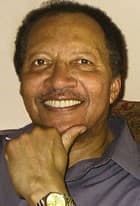
Walter Dean Myers was an American author known for his contributions to young adult literature, particularly in the realm of fiction. His notable works include "Fallen Angels," which explores the experiences of soldiers during the Vietnam War, and "Shadow of the Red Moon," a story that delves into themes of identity and belonging. Myers's writing often addresses complex social issues faced by young people.
Similar books
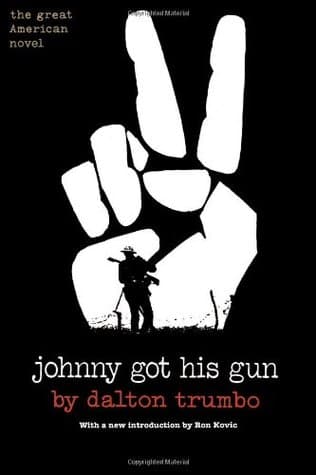
- Johnny Got His Gun
Dalton Trumbo
4.2 (34k) average on GoodreadsPoliticsA powerful anti-war novel depicting the horrific consequences of combat.
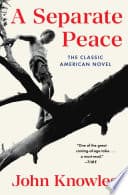
- A Separate Peace
John Knowles
3.6 (191k) average on GoodreadsHistorical FictionA coming-of-age story set against the backdrop of war, focusing on friendship and the loss of innocence.
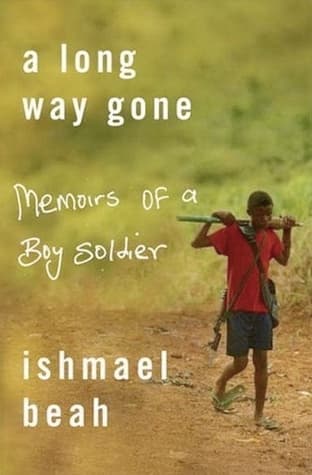
- A Long Way Gone: Memoirs of a Boy Soldier
Ishmael Beah
4.2 (163k) average on GoodreadsBiographyBoth Myers's Fallen Angels and Beah's A Long Way Gone depict the horrific experiences of young people in armed conflict, but they focus on different wars and cultural contexts. Myers's work is historical fiction set in Vietnam, exploring the experiences of American soldiers. Beah's is a memoir about a child soldier in Sierra Leone. While both powerfully convey the loss of innocence, the trauma of violence, and the struggle for survival, Beah's narrative offers a unique perspective on the recruitment and psychological manipulation of children in modern warfare, a dimension not present in Myers's portrayal of adult enlistees. Myers emphasizes the bonds formed in a structured military unit, whereas Beah highlights the desperate, often isolating, struggle for survival within a more chaotic and predatory conflict.
- To Kill a Mockingbird
Harper Lee
4.3 (4.5M) average on GoodreadsHistorical FictionIn the 1930s Jim Crow South, Harper Lee writes about racial injustice, moral growth, and the quiet courage of a lawyer father, Atticus Finch, as seen through his young daughter's eyes.
- The Great Gatsby
F. Scott Fitzgerald
3.9 (3.8M) average on GoodreadsHistorical FictionIn the opulent Roaring Twenties, a mysterious millionaire's lavish parties hide his desperate, tragic pursuit of a lost love, exposing the emptiness within the American Dream.
- Pride and Prejudice
Jane Austen
4.3 (3M) average on GoodreadsHistorical FictionIn a society focused on status and money, Elizabeth Bennet navigates love and pride, challenging Mr. Darcy and social expectations to find true affection.



Enjoyed the summary?
A summary gives you the shape of the book. The book itself has the detail, the examples and the voice.
Find Fallen Angels on AmazonAs an Amazon Associate, BookBrief earns from qualifying purchases. How we're funded