

Core Idea
- Difficulty
- Medium
- Read it if
- You are interested in powerful true stories of overcoming extreme childhood adversity, the psychological impact of trauma and healing, or the journey of self-discovery and forgiveness.
- Skip it if
- You prefer books with a light tone or are not comfortable with detailed accounts of child abuse and neglect.
Key Takeaways from Finding Fish
The Indomitable Spirit of 'Fish'
Even in the darkest despair, the human spirit can find a way to survive and thrive.
Antwone Fisher's life started with abandonment, then constant abuse, neglect, and homelessness. Yet, through it all, he remained strong. This takeaway shows how, despite overwhelming external problems meant to break his spirit, Antwone developed internal ways to cope. These included a romantic heart, a sharp sense of humor, and a great imagination, which protected and guided him. His ability to hold onto 'big dreams of a better day' was not ignoring his reality, but a strong act of self-preservation and a claim of his own worth, even when no one else said it.
“Though convinced he was unwanted and unworthy, Fish, as he came to be known, refused to allow his spirit to be broken.”
In the book: Antwone's early life in institutions, the abusive foster home, and subsequent homelessness illustrate the depth of his hardship. His internal monologue and persistent dreaming of a better future, despite these realities, serve as evidence of his unbroken spirit.
Try this: Cultivate an inner sanctuary of hope and imagination, regardless of external circumstances. Identify and nurture personal traits—humor, creativity, resilience—that serve as your internal anchors during difficult times. Regularly remind yourself of your inherent worth, independent of external validation.
Related ideas: resilience, inner-strength, self-preservation
The Power of Unexpected Mentors
Even fleeting positive interventions can plant seeds of hope and guidance in a troubled life.
Antwone's journey included short but important meetings with people who saw past his problems and offered help. These were not always long relationships, but moments where a social worker, a teacher, or a military superior offered a kind word, advice, or simply recognized him as a person. These interactions, though sometimes brief, provided important different stories from the abuse and neglect he experienced. They showed that not all adults were harmful, and that there were ways to a different future if he chose to listen and act.
“He became determined to raise himself, to listen to social workers and teachers who intervened on his behalf.”
In the book: The narrative mentions 'social workers and teachers who intervened on his behalf.' Later, the structure and mentorship within the U.S. Navy served as a pivotal 'family' that raised him and provided a framework for growth.
Try this: Seek out and be open to guidance from unexpected sources. Recognize the profound impact even small acts of kindness or mentorship can have on others. For mentors, understand that your brief interactions can be life-altering for someone in need.
Related ideas: mentorship, guidance, positive-influence
The Navy as a Crucible for Self-Actualization
Structured environments can provide a framework for healing and growth for those lacking foundational support.
For Antwone, the U.S. Navy was much more than a job; it was like a family and a structured place that gave him stability, purpose, and a sense of belonging he had never known. The discipline, friendship, and chances for travel and education were a strong contrast to his chaotic and abusive childhood. It allowed him to develop who he was, learn valuable skills, and build a network of supportive relationships. The Navy acted as a 're-parenting' force, giving him the rules, expectations, and affirmations he needed to change from a traumatized youth to a capable adult.
“Fatefully, just as Antwone's life on the streets hit rock bottom, he enlisted in the United States Navy, where he remained for the next eleven years. During that time, Fish became a man of the world, raised by the Navy family he created for himself.”
In the book: His eleven-year tenure in the Navy, becoming a 'man of the world,' and describing it as the 'family he created for himself' directly supports this. The opportunities for travel and personal development within the Navy are also key.
Try this: For individuals from challenging backgrounds, consider structured environments like military service, trade schools, or apprenticeships as potential pathways for stability and growth. For organizations, recognize the profound impact a supportive and structured environment can have on individuals seeking to rebuild their lives.
Related ideas: structured-environment, self-actualization, belonging
The Therapeutic Power of Creative Expression
Art, poetry, and storytelling can be vital outlets for processing trauma and finding one's voice.
From a young age, Antwone found comfort and a way to express himself in art, especially painting, to show emotions he could not say. This early interest grew into poetry and, later, screenwriting. Creative expression became a strong way to heal, allowing him to show his inner struggles, understand his past, and eventually tell his own story. His journey from a quiet, traumatized child to a famous storyteller shows how much healing can come from turning pain and experience into art, changing personal suffering into stories for everyone.
“An artist was born—first as the child who painted the feelings his words dared not speak, then as a poet and storyteller who would eventually become one of Hollywood's most well-paid, sought-after screenwriters.”
In the book: The book explicitly states he was 'the child who painted the feelings his words dared not speak' and later became a 'poet and storyteller' and a 'well-paid, sought-after screenwriter.'
Try this: Encourage and engage in various forms of creative expression (writing, art, music, dance) as a means of emotional processing and self-discovery, especially after traumatic experiences. Recognize that finding one's voice doesn't always begin with words.
Related ideas: creative-therapy, trauma-healing, artistic-expression
Unraveling the Mystery of Identity
Understanding one's origins is a crucial step in solidifying self-identity and achieving closure.
For Antwone, being 'Baby Boy Fisher' and knowing little about his birth parents left a big gap in who he felt he was. The constant search for his biological family was not just curiosity; it was a basic search for identity, to understand where he came from, and to connect with a family line that had been denied to him. This important journey to Cleveland to find his family was necessary for him to put together his personal history, to understand why he was abandoned, and to finally combine his broken past into a clear sense of self, leading to a strong feeling of closure and belonging.
“In its climactic conclusion, the mystery of his identity is finally unravelled as Antwone returns to Cleveland to locate his mother's and father's surviving family members.”
In the book: The narrative highlights the 'mystery of his identity' and the 'climactic conclusion' where he 'returns to Cleveland to locate his mother's and father's surviving family members.'
Try this: For adoptees or individuals with unknown parentage, actively seeking information about one's biological origins can be a vital part of identity formation and healing. Support those on such journeys with empathy and resources.
Related ideas: identity-formation, genealogy, closure
The Long Road to Forgiveness (and Self-Forgiveness)
Healing requires confronting past traumas and making peace with both perpetrators and oneself.
While not directly called a 'forgiveness' book, Antwone's journey involves coming to terms with the great wrongs he suffered. Writing his memoir, showing his pain and his successes, is a way of processing and, arguably, a step towards inner peace. His ability to move past the anger and resentment that could have taken over him, and instead focus on building a successful life, suggests deep internal work of letting go. This also includes self-forgiveness—forgiving himself for any perceived failures or weaknesses from his traumatic past, and accepting his journey with all its parts.
“A tumultuous and ultimately gratifying tale of self-discovery written in Fisher's gritty yet melodic literary voice, Finding Fish is an unforgettable reading experience.”
In the book: The very act of writing and publishing such a deeply personal and traumatic memoir, transforming his pain into a narrative of triumph, serves as evidence of this processing and journey towards peace.
Try this: Recognize that forgiveness is often a process, not a single event. Engage in self-reflection and therapeutic practices to address past traumas. Understand that true healing may involve forgiving others and, crucially, forgiving oneself.
Related ideas: forgiveness, trauma-recovery, self-acceptance
Beyond Survival: The Pursuit of Extraordinary Success
Overcoming adversity can fuel an exceptional drive for achievement and contribution.
Antwone Fisher's story is not just about surviving; it is about going beyond. His journey from homelessness to Hollywood screenwriter shows a determined pursuit of excellence. The hardship he experienced did not lead to despair but instead sparked a strong ambition. He did not just want a stable life; he wanted an extraordinary one, using his unique voice and experiences to create art that spoke to people everywhere. This takeaway emphasizes that trauma, while devastating, can sometimes create a strong will to prove one's worth and make a big impact on the world.
“Eventually become one of Hollywood's most well-paid, sought-after screenwriters.”
In the book: His progression through various jobs (correctional officer, security guard) to becoming a highly successful Hollywood screenwriter, culminating in a major motion picture based on his life, clearly illustrates this trajectory.
Try this: Don't let past struggles define your future potential. Use challenges as fuel for ambition and growth. Recognize that unique life experiences can provide a distinct perspective and voice that is highly valuable.
Related ideas: post-traumatic-growth, ambition, self-made
The Importance of Telling Your Story
Sharing personal narratives can be transformative for the storyteller and inspiring for others.
Antwone Fisher's choice to turn his painful life story into a memoir and a screenplay highlights how important stories are. Telling his story was not only a personal act of healing and self-discovery but also a strong contribution to understanding resilience, child welfare issues, and the human spirit. His 'gritty yet melodic literary voice' makes his experiences understandable and impactful, proving that personal stories, when told honestly, can inspire hope and give a voice to many others who have faced similar problems. It shows that our stories have power, both for ourselves and for the wider community.
“A tumultuous and ultimately gratifying tale of self-discovery written in Fisher's gritty yet melodic literary voice, Finding Fish is an unforgettable reading experience.”
In the book: The existence of the book 'Finding Fish' itself, and its adaptation into a major motion picture, directly supports the impact of his storytelling.
Try this: Consider the power of your own story, even if it feels ordinary. Find ways to share your experiences, whether through writing, speaking, or art, as a means of personal growth and connection with others. Support authors and artists who bravely share their vulnerable truths.
Related ideas: narrative-therapy, storytelling, memoir
The Lasting Impact of Early Childhood Trauma
Even with triumph, the scars of early trauma require ongoing processing and acknowledgment.
While Antwone's story is one of great success, it is important to recognize the deep and lasting effect of his early childhood trauma. The memoir subtly, and sometimes clearly, shows how abandonment and abuse in early years shape a person, requiring great effort to overcome. Even after achieving success and finding family, the feelings of being 'unwanted and unworthy' likely remain and need continuous self-awareness and healing. This takeaway reminds us that resilience does not erase the past, but rather allows one to build a meaningful future despite it. It emphasizes how important early childhood care and protection are.
“Baby Boy Fisher—as he was documented in his child welfare caseworkers' reports—was raised in institutions from the moment of his birth in prison to a single mother.”
In the book: The detailed accounts of his early life in institutions and the abusive foster home, and the lifelong quest for identity and family, demonstrate the enduring effects of his initial experiences.
Try this: Advocate for robust child welfare systems and early intervention programs. Understand that individuals who have experienced early trauma may require ongoing support and compassion, even after achieving external success. Practice empathy towards those with difficult pasts.
Related ideas: childhood-trauma, adverse-childhood-experiences, healing-journey
Defining Your Own Family
Family is not solely defined by blood, but by those who provide love, support, and belonging.
Denied a traditional family from birth, Antwone actively sought and built his own support networks. The Navy became an important 'family' that gave him structure, friendship, and a sense of belonging. Even before finding his biological relatives, he made meaningful relationships that met the basic human need for connection. This takeaway shows that while biological ties can be important, the real meaning of family is in the bonds of love, support, and shared experience that people choose to create for themselves, especially when biological family is not there or is harmful.
“During that time, Fish became a man of the world, raised by the Navy family he created for himself.”
In the book: His description of the Navy as the 'family he created for himself' is direct evidence. The consistent seeking of connection and building of relationships throughout his life also supports this.
Try this: Actively cultivate supportive relationships and communities that feel like family, regardless of biological ties. Recognize and celebrate the diverse forms that family can take. Be a 'chosen family' member for someone who needs it.
Related ideas: chosen-family, community, belonging
Finding Fish Quotes
“I knew what it was like to be hungry, and I knew what it was like to be ignored by people who were supposed to care.”
“It was in that moment that I realized that I had to save myself. No one else was going to do it for me.”
“The past is a place of reference, not a place of residence.”
“I learned that when you have nothing, you have nothing to lose. And when you have nothing to lose, you can do anything.”
“My mind was a battlefield, and the war was against myself.”
“Words had power, and I was just beginning to understand how much.”
“The greatest prison people live in is the fear of what other people think.”
“Sometimes the best way to find yourself is to get lost in something you love.”
“Forgiveness is not for the person who hurt you, it's for you.”
“I wasn't looking for a handout, I was looking for a hand up.”
“Every scar tells a story, and every story has a lesson.”
“Hope is a powerful thing. It can make you believe in miracles.”
“The ocean was vast and unpredictable, much like my life.”
“You can't change the past, but you can change how you react to it.”
Quiz
10 questions on the main ideas. Each answer comes with a short explanation.
Question 1
What was Antwone Fisher's initial name as documented in his child welfare caseworkers' reports?
- Antwone 'Fish' Fisher
- Baby Boy Fisher
- Oliver Twist Fisher
- Unnamed Male Child
Show answer
B. Baby Boy Fisher The book states that Antwone was documented as 'Baby Boy Fisher' in his child welfare caseworkers' reports from the moment of his birth.
Question 2
Where did Antwone Fisher spend the longest period of his childhood, enduring emotional abandonment and physical abuse?
- An orphanage
- A boys' reform school
- His second foster home
- On the streets of Cleveland
Show answer
C. His second foster home After a temporary foster home, Antwone was transferred to a second foster home around age two, where he remained for the next thirteen years, experiencing significant abuse.
Question 3
What significant life event provided Antwone with a sense of family and stability after hitting rock bottom on the streets?
- Being adopted by a kind couple
- Enlisting in the United States Navy
- Finding his birth mother
- Attending a prestigious art school
Show answer
B. Enlisting in the United States Navy The book explicitly states that 'just as Antwone's life on the streets hit rock bottom, he enlisted in the United States Navy, where he remained for the next eleven years,' forming a new 'Navy family.'
Question 4
How did Antwone initially express his feelings as a child, before becoming a poet and storyteller?
- Through music and song
- By writing in a secret journal
- By painting his feelings
- Through dramatic performances
Show answer
C. By painting his feelings The text mentions that 'an artist was born—first as the child who painted the feelings his words dared not speak.' This shows his early creative outlet.
Question 5
What was Antwone's profession immediately before he became a screenwriter in Hollywood?
- A Navy officer
- A federal correctional officer
- A security guard at Sony Pictures
- A social worker
Show answer
C. A security guard at Sony Pictures The narrative traces his path 'from the Navy to his jobs as a federal correctional officer and then a security guard at Sony Pictures in Hollywood,' which was his direct precursor to screenwriting.
Question 6
Which of the following traits are highlighted as sustaining Antwone despite his difficult circumstances?
- A cynical outlook and detachment
- A romantic heart, scathing sense of humor, and wondrous imagination
- Strict adherence to rules and a desire for revenge
- Isolation and a refusal to trust others
Show answer
B. A romantic heart, scathing sense of humor, and wondrous imagination The book states he nurtured 'a romantic heart along with a scathing sense of humor and a wondrous imagination—all of which sustained him with big dreams of a better day.'
Question 7
What is the 'climactic conclusion' of Antwone's story as described in the book's summary?
- His first major motion picture being produced
- His marriage and starting a family
- Returning to Cleveland to locate his mother's and father's surviving family members
- Receiving an award for his screenwriting achievements
Show answer
C. Returning to Cleveland to locate his mother's and father's surviving family members The summary explicitly states: 'In its climactic conclusion, the mystery of his identity is finally unravelled as Antwone returns to Cleveland to locate his mother's and father's surviving family members.'
Question 8
The book compares Antwone Fisher's journey to which classic literary character?
- Huckleberry Finn
- David Copperfield
- Oliver Twist
- Pip from Great Expectations
Show answer
C. Oliver Twist The description directly refers to Antwone's journey as 'a modern-day Oliver Twist,' highlighting the parallels of a troubled childhood and eventual triumph.
Question 9
How does the book characterize Antwone's refusal to let his spirit be broken despite being convinced he was unwanted and unworthy?
- By emphasizing his innate rebelliousness and defiance of authority.
- By highlighting his determination to raise himself and listen to supportive interventions.
- By focusing on his isolation and self-reliance without external help.
- By portraying him as someone who always expected others to solve his problems.
Show answer
B. By highlighting his determination to raise himself and listen to supportive interventions. The text states, 'Instead, he became determined to raise himself, to listen to social workers and teachers who intervened on his behalf,' showing a proactive and receptive spirit.
Question 10
What is a central theme conveyed by the description of Antwone's journey from 'deprivation and hope' to becoming an artist?
- That artistic talent is solely hereditary and cannot be learned.
- The power of resilience and self-discovery in overcoming a traumatic past.
- The idea that social institutions are inherently flawed and offer no real help.
- That success in Hollywood is primarily due to luck and connections.
Show answer
B. The power of resilience and self-discovery in overcoming a traumatic past. The phrase 'out of this unlikely mix of deprivation and hope, an artist was born' encapsulates the theme of resilience and self-discovery, where creativity and success emerge from profound hardship.
Finding Fish FAQ
What is 'Finding Fish' about?
'Finding Fish' is the memoir of Antwone Fisher, detailing his incredible journey from being born in prison and enduring years of abandonment and abuse in foster care, to finding liberation, manhood, and eventually extraordinary success as a Hollywood screenwriter. It's a powerful story of resilience and self-discovery.
Does Antwone Fisher overcome his traumatic past?
Yes, 'Finding Fish' chronicles Antwone Fisher's remarkable triumph over his traumatic past. Despite severe abuse and homelessness, he refuses to let his spirit be broken, ultimately finding stability and purpose through the Navy and later achieving success as a screenwriter.
What role did the U.S. Navy play in Antwone Fisher's life?
The U.S. Navy served as a crucial turning point and a surrogate family for Antwone Fisher. After hitting rock bottom on the streets, his eleven years in the Navy provided him with structure, a sense of belonging, and the opportunity to grow into a man of the world.
How does 'Finding Fish' explore themes of identity?
The book deeply explores themes of identity as Antwone, initially known as 'Baby Boy Fisher' and later 'Fish,' embarks on a quest to understand his origins and family history. The climactic conclusion involves his return to Cleveland to unravel the mystery of his parents' identities and connect with surviving family members.
How different is 'Finding Fish' from other memoirs about overcoming abuse?
'Finding Fish' stands out due to Antwone Fisher's unique artistic voice, blending grit with melodic prose, and its focus on how deprivation fostered an artist. It uniquely portrays the journey from painting feelings to becoming a successful Hollywood screenwriter, offering a perspective on creative survival.
Does 'Finding Fish' offer hope for individuals with similar backgrounds?
Absolutely. 'Finding Fish' is a profoundly hopeful story, demonstrating that even in the face of extreme adversity, it's possible to find resilience, self-worth, and extraordinary success. It highlights the power of nurturing one's spirit, listening to mentors, and pursuing big dreams.
What is the significance of the title 'Finding Fish'?
The title 'Finding Fish' refers to Antwone's journey of self-discovery and reclaiming his identity. 'Fish' was a nickname he acquired, and the book culminates in his search for his biological family, metaphorically 'finding' his roots and a complete sense of self.
Is 'Finding Fish' inspiring for aspiring writers or artists?
Yes, it is highly inspiring. The memoir details how Antwone Fisher, despite his lack of formal education in his early life, developed into an artist—first through painting, then poetry, and ultimately becoming a sought-after Hollywood screenwriter. It's a testament to the power of creative expression as a means of healing and success.
What challenges did Antwone Fisher face after leaving foster care?
After leaving his abusive foster home, Antwone faced significant challenges, including a brief stay in a boys' reform school and then the nightmare of homelessness. These experiences further hardened his resolve but also pushed him to seek a better life, ultimately leading him to enlist in the Navy.
About the author

Antwone Quenton Fisher is an American author, screenwriter, and film producer. He is best known for his autobiographical book "Finding Fish: A Young Man's Journey to Home," which chronicles his difficult childhood and eventual triumph over adversity. The book was adapted into the critically acclaimed film "Antwone Fisher," directed by Denzel Washington, further solidifying Fisher's impact as a storyteller.
Similar books
- The Glass Castle
Jeannette Walls
4.3 (903k) average on GoodreadsBiographyExplores a difficult childhood and the resilience of the human spirit amidst poverty and unconventional upbringing.
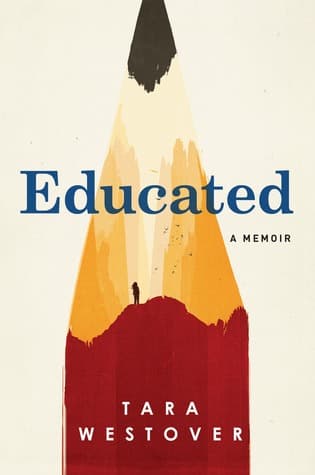
- Educated
Tara Westover
4.5 (796k) average on GoodreadsBiographyA memoir about overcoming a traumatic upbringing through education and self-discovery.
- The Perks of Being a Wallflower
Stephen Chbosky
4.2 (1.3M) average on GoodreadsPsychologyThrough letters, a shy high school freshman learns to navigate first love, trauma, and self-discovery, stepping off the sidelines and into life.
- Eleanor Oliphant Is Completely Fine
Gail Honeyman
4.3 (708k) average on GoodreadsLiterary FictionA lonely woman's structured life changes when an IT guy and an elderly man help her learn to open her heart.
- One Flew Over the Cuckoo's Nest
Ken Kesey
4.2 (631k) average on GoodreadsPsychologyIn a mind-bending asylum, the boisterous Randle McMurphy wages a defiant war against the tyrannical Nurse Ratched, inspiring his fellow inmates, including the seemingly catatonic Chief Bromden, to reclaim their lost humanity.
- The Bell Jar
Sylvia Plath
4.0 (591k) average on GoodreadsPsychologyIn the suffocating grip of 1950s expectations, a brilliant young woman's descent into mental illness is painted with such vivid, internal clarity that her 'insanity' feels terrifyingly rational and inevitable.





Enjoyed the summary?
A summary gives you the shape of the book. The book itself has the detail, the examples and the voice.
Find Finding Fish on AmazonAs an Amazon Associate, BookBrief earns from qualifying purchases. How we're funded