

Synopsis
Covers the whole plot, including the ending.
- Difficulty
- Easy
- Pacing
- Moderate
- Mood
- Heartwarming, Hopeful, Romantic, Humorous
- Read it if
- You enjoy heartwarming contemporary romance with a unique premise and themes of unconventional families, unexpected parenthood, and overcoming past traumas.
- Skip it if
- You prefer romances without significant focus on pregnancy and child-rearing, or if you dislike 'instalove' elements.
Finding Perfect Plot Summary
Covers the whole plot, including the ending.
The Unexpected Inheritance
Pia O'Brian is heartbroken by the sudden death of her best friend, Amy. Pia expects to inherit Amy's cat, Princess, but instead receives a more significant and surprising legacy: three frozen embryos. Amy's will states that Pia should use these embryos to fulfill Amy's dream of motherhood. Pia, who has a history of failed relationships and no experience with children, is at first overwhelmed and unsure. Her sister, Erin, a nurse, and her friend, Felicia, offer different advice, but Pia feels a strong duty to honor Amy's wishes, even if it means changing her life completely.
A New Path and a Chance Encounter
After much thought and a visit to the fertility clinic, Pia decides to become a single mother using Amy's embryos. The same day she makes this decision, she meets Raoul Moreno. Raoul, a wealthy former foster child who runs a camp for disadvantaged children in Fool's Gold, is immediately captivated by Pia's charm and genuine personality. Their first meeting has an undeniable spark, despite Pia's focus on her new maternal journey and Raoul's past cynicism about relationships.
Raoul's Proposition
Raoul cannot stop thinking about Pia and quickly seeks her out. When he learns about her unique situation—her decision to become a single mother through embryo implantation—Raoul is intrigued rather than put off. Having been hurt in the past, he is wary of traditional romantic commitments but finds himself drawn to Pia's honesty and vulnerability. He proposes an unusual arrangement: a committed partnership where he can support Pia and the children, creating a family unit without the pressures of a typical romantic courtship, which he believes often leads to heartbreak.
Navigating the First Trimester
Pia, after careful thought and a surprising leap of faith, agrees to Raoul's proposal. They begin to navigate their unusual relationship, which quickly deepens beyond convenience. Pia undergoes the embryo transfer, and to their delight, she becomes pregnant with twins. The first trimester is hard for Pia, as she experiences severe morning sickness. Raoul proves to be a supportive and attentive partner, showing a tenderness Pia never expected. Their shared experience of the pregnancy brings them closer, and Pia finds herself falling for Raoul, despite their unconventional start.
Family Dynamics and Past Wounds
As Pia's pregnancy progresses, she and Raoul spend more time together, blending their lives. Pia introduces Raoul to her close-knit, if sometimes overbearing, family, including her sister Erin and their parents. Raoul, who grew up in the foster care system, is more guarded about family, but he slowly tells Pia about his past and his reasons for creating Camp Moreno. They also connect over their shared desire to provide a stable, loving home for the children, a desire rooted in both their personal histories and their commitment to Amy's legacy.
The Doubts Creep In
Despite their growing affection, Pia begins to worry about the true nature of their relationship. She fears that Raoul's commitment is more to the idea of family and providing for the children than to her personally. Her past experiences with heartbreak make her cautious, and she struggles with the insecurity of their unconventional beginning. Raoul, still scarred by his previous relationship and transient childhood, has trouble expressing his deeper feelings, leading to misunderstandings and growing emotional distance between them as Pia's due date approaches.
A Visit from the Past
Just as Pia's worries peak, Raoul's ex-girlfriend, Victoria, unexpectedly reappears. Victoria, a beautiful and manipulative woman, tries to rekindle her relationship with Raoul, highlighting the insecurities Pia has been battling. Pia sees their interactions and misinterprets Raoul's politeness as a sign of lingering feelings, further convinced that she is merely a means to an end for Raoul to achieve his dream of a family. This encounter pushes Pia to confront Raoul about his true feelings and their future.
Confrontation and Revelation
Feeling emotionally cornered and fearing she is about to lose everything, Pia confronts Raoul, asking where she stands. Raoul, realizing the depth of Pia's pain and his own fear of vulnerability, finally opens up. He confesses his genuine love for Pia, admitting that his unconventional proposal was a shield against potential heartbreak, but that his feelings for her have grown far beyond convenience. He assures her that Victoria means nothing to him and that Pia and their unborn children are his true family and future.
The Birth of the Twins
With their emotional barriers broken, Pia and Raoul's relationship is stronger. Soon after, Pia goes into labor and gives birth to healthy twins, a boy and a girl. The birth is a profound experience that solidifies their bond and their identity as a family. Raoul is a supportive and loving partner throughout the delivery, and seeing him hold their children fills Pia with an overwhelming sense of love and belonging. They name the twins after Amy, honoring her memory and the path that led them to parenthood.
Building Their Perfect Life
After the twins' birth, Pia and Raoul settle into parenthood. They embrace their unconventional family, finding immense joy in their shared life. Raoul's camp continues to do well, and Pia finds her own purpose in motherhood and her partnership with Raoul. They learn to navigate the challenges of raising twins together, their love deepening with each shared experience. The story ends with Pia realizing that her 'perfect' life wasn't what she expected, but it was exactly what she needed, built on love, honesty, and an unexpected inheritance.
Principal Figures
Pia O'Brian
Protagonist
A quirky, compassionate woman who unexpectedly becomes a mother.
Pia is a kind-hearted and somewhat scatterbrained woman in her early thirties. She has a history of disastrous relationships and a low self-esteem when it comes to her romantic and maternal capabilities. Despite her initial apprehension, she possesses a strong sense of loyalty and a deep desire to honor her best friend Amy's last wish. Her journey is one of self-discovery, as she learns to trust herself and open her heart to an unconventional form of love and family.
Relationships: Raoul Moreno (Husband/Partner, father of her children, initially a marriage of convenience that evolves into deep love.); Amy (Deceased best friend, whose inheritance of embryos sets Pia's journey in motion.); Erin O'Brian (Sister, a supportive but sometimes overly pragmatic confidante.); Felicia (Friend, offers advice and support.); O'Brian Family (Close-knit, sometimes overbearing, but loving family.)
Raoul Moreno
Love Interest/Protagonist
A wealthy, guarded man who finds love and family in an unexpected way.
Raoul is a handsome, successful, and intensely private man who built his fortune from nothing after a difficult childhood in the foster care system. He runs a camp for underprivileged children, reflecting his charitable nature and desire to help others. Past heartbreak has made him cynical about traditional romance, leading him to propose an unconventional partnership with Pia. He is fiercely protective and loyal, though he struggles to express his deepest emotions.
Relationships: Pia O'Brian (Wife/Partner, mother of his children, initially an unconventional arrangement that blossoms into profound love.); Victoria (Ex-girlfriend, a manipulative woman who caused him past heartbreak and briefly reappears.); Camp Moreno Kids (His extended family, reflecting his desire to provide stability and care.)
Amy
Mentioned/Catalyst
Pia's deceased best friend whose will sets the plot in motion.
Amy is Pia's best friend who dies unexpectedly before the story begins. Though never physically present, her presence is deeply felt throughout the narrative. Her dying wish, to have Pia carry her embryos, serves as the central catalyst for Pia's journey into motherhood and her relationship with Raoul. She is remembered as a loving, determined woman who deeply desired to be a mother.
Relationships: Pia O'Brian (Best friend, to whom she entrusts her most profound wish.)
Erin O'Brian
Supporting
Pia's pragmatic and supportive older sister.
Erin is Pia's older sister, a practical and grounded nurse. She loves Pia deeply but is often exasperated by Pia's romantic misadventures and quirky nature. She offers a voice of reason and practical advice, sometimes bordering on skepticism, regarding Pia's decision to become a single mother. Despite her initial reservations about Raoul and the unconventional situation, she is ultimately supportive of Pia's happiness.
Relationships: Pia O'Brian (Sister, a close but sometimes challenging relationship.); O'Brian Family (Daughter and sister within the close-knit family.)
Felicia
Supporting
Pia's loyal and encouraging friend.
Felicia is another one of Pia's close friends, offering a different perspective than Erin. She is generally more optimistic and encouraging of Pia's bold decisions, providing emotional support and a listening ear. She helps Pia navigate the emotional complexities of her situation, often serving as a sounding board for Pia's fears and hopes.
Relationships: Pia O'Brian (Close friend, confidante.)
Victoria
Antagonist/Mentioned
Raoul's manipulative ex-girlfriend.
Victoria is Raoul's ex-girlfriend, a beautiful but self-centered and manipulative woman who caused him significant heartbreak in the past. Her brief reappearance in Fool's Gold serves to stir up Pia's insecurities and challenge the nascent relationship between Pia and Raoul. She represents the past pain and mistrust that Raoul carries, making Pia question his true feelings.
Relationships: Raoul Moreno (Ex-girlfriend, source of past emotional trauma.)
Themes & Insights
The Definition of Family
The novel explores how family is defined by love, commitment, and shared purpose, not just traditional structures. Pia and Raoul's journey, starting with inherited embryos and an unusual proposal, challenges ideas about what a 'perfect' family is. Raoul's foster care background and his dedication to Camp Moreno show that family can be found and created in many forms, extending beyond blood relatives to include chosen bonds, as seen in their loving home with their twins.
“'Family isn't about whose blood you have. It's about who you love and who loves you back.'”
Overcoming Insecurity and Past Trauma
Both Pia and Raoul struggle with personal insecurities and past traumas that prevent them from forming trusting relationships. Pia's history of failed romances and self-doubt about her maternal abilities make her hesitant to embrace her new life. Raoul's difficult childhood in foster care and a painful past relationship have made him emotionally guarded and wary of traditional commitment. Their journey together forces them to confront these fears, learn to trust each other, and find healing and confidence through their shared commitment to their unusual family.
“'Sometimes the most perfect thing isn't what you expect at all, but what you never imagined.'”
Love in Unexpected Places
A central theme is that love can grow in the most unconventional circumstances. Pia's decision to become a single mother through inherited embryos, followed by Raoul's marriage-of-convenience proposal, is far from a typical romantic start. However, through shared experiences, vulnerability, and genuine care, their relationship becomes a deep and lasting love. The story shows that true connection is not bound by traditional courtship or expectations, but can be formed through shared commitment, mutual respect, and a willingness to embrace the extraordinary.
“'He'd offered her a life, not just a love, and somehow, that felt even more real.'”
The Meaning of Motherhood
The novel looks at the many aspects of motherhood, especially through Pia's experience. She initially doubts her ability to be a good mother, given her unusual pregnancy. However, her commitment to honor Amy's wish and her growing love for her unborn children show that motherhood is a journey of the heart, not solely a biological or conventional path. The theme emphasizes that maternal love is cultivated through intention, sacrifice, and a desire to nurture, rather than just perfect parenting skills or a traditional family unit.
“'Being a mother wasn't about being perfect. It was about being present, and loving with all your heart.'”
Plot Devices & Literary Techniques
The Inherited Embryos
The central catalyst that drives the entire plot.
The inheritance of Amy's three frozen embryos is the primary plot device. It forces Pia, who never envisioned motherhood, onto a completely new life path. This unconventional beginning immediately sets the tone for a story that challenges traditional notions of family and romance. It creates the unique circumstances under which Pia meets Raoul and provides the initial framework for their unusual relationship, making their bond both fated and intensely personal, directly linking them to Amy's legacy and a shared future.
Marriage of Convenience Proposal
A contractual agreement that evolves into true love.
Raoul's proposal of a 'marriage of convenience' is a significant plot device. It allows him to enter Pia's life and support her decision to become a mother, while also protecting his own emotionally guarded heart. This arrangement creates initial tension and uncertainty, as both characters must navigate their evolving feelings within the confines of a non-traditional agreement. It serves as a narrative hurdle that they must overcome, forcing them to confront their fears and ultimately realize the depth of their genuine affection, proving that love can blossom from the most pragmatic of beginnings.
Raoul's Foster Care Background
A character backstory that informs his motivations and fears.
Raoul's past experience in the foster care system is a crucial plot device that explains his deep-seated fear of abandonment and his desire for a stable family, while simultaneously making him wary of traditional emotional commitment. This backstory informs his creation of Camp Moreno and his initial unconventional proposal to Pia. It provides a sympathetic dimension to his character, explaining his emotional distance and making his eventual vulnerability and acceptance of love all the more impactful. It also highlights the theme of creating one's own family and home.
Finding Perfect Quotes
“Every woman deserves to feel like a princess, at least once in her life.”
“Sometimes, the biggest risks have the greatest rewards.”
“Love isn't about finding someone perfect, it's about finding someone who makes your imperfections feel perfect.”
“You can't change the past, but you can choose how it defines your future.”
“Happiness isn't a destination; it's a way of traveling.”
“The best kind of magic is the kind you make yourself.”
“Sometimes, you have to break a few rules to find your own perfect.”
“True strength isn't about never falling, it's about getting back up every time you do.”
“The heart wants what it wants, even when the head tries to argue.”
“It's never too late to start over, to build a new dream, to find a new perfect.”
“Sometimes, the person you're meant to be with is the one who sees the real you, even when you're trying to hide.”
“A little bit of sparkle never hurt anyone.”
“You have to trust yourself, even when everyone else is telling you you're wrong.”
Quiz
10 questions on the plot and the characters. Each answer comes with a short explanation.
Question 1
What does Pia O'Brian expect to inherit from her best friend after her death?
- A large sum of money
- Her cherished cat
- Her best friend's house in Fool's Gold
- A collection of antique jewelry
Show answer
B. Her cherished cat Pia initially expects to inherit her best friend's cherished cat, not the embryos that are ultimately left to her.
Question 2
What unexpected item does Pia's best friend actually leave her in her will?
- A diary with secrets
- Three frozen embryos
- A business partnership
- A significant art collection
Show answer
B. Three frozen embryos Instead of the cat, Pia is left with three frozen embryos, which sets the main conflict of the story in motion.
Question 3
What is Raoul Moreno's background before becoming rich?
- He was a successful entrepreneur from a young age.
- He inherited his wealth from a distant relative.
- He was a former foster-care kid.
- He worked his way up in a corporate company.
Show answer
C. He was a former foster-care kid. Raoul Moreno is described as a former foster-care kid who is now rich beyond his wildest dreams, which informs his character and his work with children.
Question 4
What is Pia's initial concern about becoming a mother?
- She worries about the financial burden.
- She believes she has the parenting skills of a hamster.
- She doesn't want to give up her career.
- She fears judgment from her family.
Show answer
B. She believes she has the parenting skills of a hamster. Pia expresses self-doubt about her parenting abilities, stating she has 'the parenting skills of a hamster.'
Question 5
What kind of organization does Raoul Moreno run in Fool's Gold, California?
- A high-tech startup
- A camp for needy children
- A luxury resort
- An animal shelter
Show answer
B. A camp for needy children Raoul uses his wealth to run a camp specifically for needy children in Fool's Gold, reflecting his own past experiences.
Question 6
What is Raoul's initial stance on women and commitment after his last relationship?
- He was actively seeking a new long-term partner.
- He thought he was done with women and commitment.
- He was open to casual dating but nothing serious.
- He was focused solely on his business.
Show answer
B. He thought he was done with women and commitment. After a negative past experience, Raoul believed he was 'done with women and commitment' before meeting Pia.
Question 7
What is Pia's track record in the romance department described as?
- Remarkably successful
- Perfectly average
- Disastrous
- Non-existent
Show answer
C. Disastrous The synopsis explicitly states Pia has a 'disastrous track record in the romance department,' highlighting her personal struggles before meeting Raoul.
Question 8
What is the 'crazy plan' Raoul proposes to Pia?
- He suggests they become business partners.
- He proposes they move to another country together.
- He proposes an unconventional beginning to their relationship, implying marriage or a committed partnership despite Pia's embryos.
- He offers to fund her new life as a single mother.
Show answer
C. He proposes an unconventional beginning to their relationship, implying marriage or a committed partnership despite Pia's embryos. Though not explicitly detailed, the synopsis mentions Raoul proposes a 'crazy plan' to Pia, implying a commitment or solution to her situation regarding the embryos, leading to their unconventional relationship.
Question 9
What is the central theme explored by Pia's decision to become a single mother and her subsequent meeting with Raoul?
- The importance of financial security in relationships.
- The conflict between personal responsibility and unexpected love.
- The challenges of career advancement for women.
- The difficulties of maintaining friendships over time.
Show answer
B. The conflict between personal responsibility and unexpected love. Pia's determination to do the 'right thing' by becoming a single mother, immediately followed by meeting Raoul and his 'crazy plan,' highlights the theme of how personal obligations can intertwine with unexpected romantic possibilities.
Question 10
The setting for Raoul's camp for needy children is:
- San Francisco, California
- Fool's Gold, California
- Los Angeles, California
- Sacramento, California
Show answer
B. Fool's Gold, California The synopsis clearly states that Raoul runs his camp in Fool's Gold, California, a recurring setting in Susan Mallery's novels.
Finding Perfect FAQ
What is the central premise of 'Finding Perfect'?
The story revolves around Pia O'Brian, who, instead of inheriting her best friend's beloved cat, is bequeathed three frozen embryos. Despite her self-perceived lack of maternal instincts and a history of relationship failures, Pia decides to embark on single motherhood, only to meet Raoul Moreno on the very same day, complicating her plans.
Who is Raoul Moreno and what is his background?
Raoul Moreno is a wealthy former foster-care kid who now dedicates his time and resources to running a camp for needy children in Fool's Gold, California. He enters Pia's life shortly after her decision about the embryos, initially having sworn off commitment after a previous difficult relationship.
What initial conflict does Pia face regarding the embryos?
Pia's primary internal conflict stems from her belief that she is ill-equipped for motherhood, describing her parenting skills as those of a hamster and her romantic history as disastrous. The unexpected inheritance of the embryos forces her to confront these insecurities and decide whether to embrace a path she never envisioned.
How do Pia and Raoul first meet, and what is their initial dynamic?
Pia and Raoul meet on the very day Pia decides to proceed with single motherhood. Their initial dynamic is one of unexpected attraction, despite Raoul's previous resolution to avoid commitment and Pia's focus on her new maternal journey, leading to an immediate spark that challenges both their preconceived notions.
What 'crazy plan' does Raoul propose to Pia?
While the specific details of Raoul's 'crazy plan' are not fully elaborated in the synopsis, it implies an unconventional arrangement or proposition that allows him to be part of Pia's life and her journey to motherhood, despite their recent acquaintance and his past commitment issues. It likely involves a non-traditional approach to starting a family.
What role does Pia's deceased best friend play in the story beyond the embryos?
Pia's best friend's legacy extends beyond the physical inheritance of the embryos; her decision to leave them to Pia forces Pia to re-evaluate her life and potential. The friend's trust in Pia, despite Pia's self-doubt, serves as a catalyst for Pia's personal growth and her journey towards motherhood and love.
How does Raoul's past as a foster-care kid influence his character and actions?
Raoul's background in foster care deeply shapes his character, driving his dedication to helping needy children through his camp. It also likely contributes to his initial aversion to commitment, as stability and family might have been elusive in his youth, making him wary of traditional relationships despite his success.
What is the significance of the setting, Fool's Gold, California, to the overall narrative?
Fool's Gold is often depicted in Susan Mallery's books as a charming, close-knit community where love and unexpected connections thrive. Its quaint atmosphere likely provides a supportive backdrop for Pia's unconventional journey and Raoul's philanthropic endeavors, fostering a sense of belonging and community that helps the couple navigate their unique path.
How does Pia's self-perception as having 'parenting skills of a hamster' contribute to her character arc?
Pia's humorous yet genuine self-assessment highlights her initial insecurity and the enormity of the responsibility she faces. Her journey will involve overcoming this self-doubt, learning to trust her instincts, and ultimately proving herself capable of profound love and nurturing, demonstrating significant personal growth throughout the story.
What psychological barriers does Raoul face regarding commitment?
Raoul's past difficult relationship and his history as a foster-care kid likely created significant psychological barriers to commitment, leading him to believe he was 'done with women and commitment.' He struggles with trusting stability and opening himself up to vulnerability, which Pia's unique situation challenges and ultimately helps him overcome.
How does the concept of 'doing the right thing' influence Pia's decision-making process?
Pia's determination to 'do the right thing' is a core motivator, indicating a strong moral compass despite her personal fears. This ethical drive pushes her to consider the embryos as a profound responsibility rather than just an unexpected burden, leading her to embrace motherhood even when it seems daunting.
In what ways do Pia and Raoul challenge each other's preconceived notions about love and family?
Pia challenges Raoul's belief that he is 'done with women and commitment' by her unique situation and inherent sweetness, making him reconsider his stance. Raoul, in turn, challenges Pia's self-doubt about motherhood and her romantic track record, offering an unconventional path to family that she never imagined possible, pushing both out of their comfort zones.
Can Raoul's 'crazy plan' be interpreted as a way for him to avoid traditional commitment while still being involved?
Initially, Raoul's 'crazy plan' could be interpreted as a way for him to participate in Pia's life and the potential family without fully embracing the traditional trappings of commitment that he fears. However, the progression of the story likely shows him moving past this avoidance into a deeper, more genuine form of commitment.
Does Pia's initial reluctance to become a mother make her a more relatable or flawed protagonist?
Pia's initial reluctance and self-doubt make her a highly relatable and flawed protagonist. Her human anxieties about such a monumental life change, coupled with her past struggles, allow readers to connect with her journey of growth and self-discovery, making her eventual embrace of motherhood more impactful.
How does the title 'Finding Perfect' relate to the unconventional beginning of Pia and Raoul's relationship?
The title 'Finding Perfect' suggests that 'perfect' is not about a conventional or ideal start, but rather about discovering what works for Pia and Raoul, despite their unconventional circumstances. It implies that perfection lies in their unique journey, their evolving understanding of love, and the family they build together, regardless of how they began.
Is the inheritance of embryos a commentary on modern family structures or just a plot device?
While it serves as a central plot device, the inheritance of embryos also functions as a subtle commentary on modern family structures, highlighting the diverse and sometimes unexpected ways families are formed today. It challenges traditional notions of parenthood and opens a dialogue about biological vs. chosen family, reflecting contemporary societal shifts.
What is the overarching message about love and family conveyed by the story?
The overarching message is that love and family can be found in the most unexpected places and through unconventional means. It emphasizes that 'perfect' is subjective and often forged through overcoming personal insecurities and societal expectations, ultimately celebrating the power of connection, commitment, and unconditional love, regardless of how a family begins.
About the author
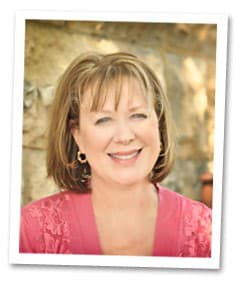
Susan Mallery is an author known for her contemporary fiction, particularly in the romance genre. Her book "Finding Perfect" explores themes of love and relationships, showcasing her engaging storytelling style. Mallery has written numerous novels that often focus on the complexities of personal connections.
Similar books
- The Hunger Games
Suzanne Collins
4.3 (6.4M) average on GoodreadsFantasyIn a future where children fight to the death on live television, Katniss Everdeen volunteers for the arena, turning a death sentence into a fight for survival and a spark of rebellion.
- The Great Gatsby
F. Scott Fitzgerald
3.9 (3.8M) average on GoodreadsHistorical FictionIn the opulent Roaring Twenties, a mysterious millionaire's lavish parties hide his desperate, tragic pursuit of a lost love, exposing the emptiness within the American Dream.
- The Fault in Our Stars
John Green
4.2 (3.6M) average on GoodreadsYoung AdultA girl with a terminal illness finds her story rewritten when a charming boy with a similar past enters her life at a cancer support group, leading to a star-crossed romance.
- Pride and Prejudice
Jane Austen
4.3 (3M) average on GoodreadsHistorical FictionIn a society focused on status and money, Elizabeth Bennet navigates love and pride, challenging Mr. Darcy and social expectations to find true affection.
- Divergent
Veronica Roth
4.2 (2.9M) average on GoodreadsFantasyIn a society divided by virtues, a sixteen-year-old's difference from the norm starts a rebellion that threatens her world.
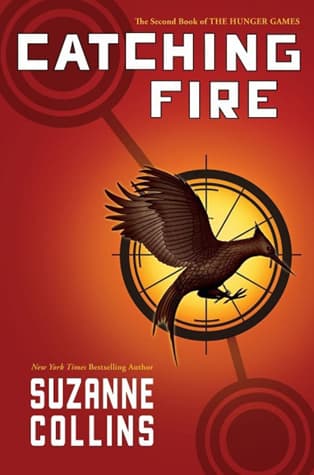
- Catching Fire
Suzanne Collins
4.3 (2.5M) average on GoodreadsFantasyAfter defying the Capitol and starting a rebellion, Katniss and Peeta are forced on a dangerous Victory Tour, navigating political schemes, a fake romance, and the constant threat of a government eager to crush the uprising they began.





Enjoyed the summary?
A summary gives you the shape of the book. The book itself has the detail, the examples and the voice.
Find Finding Perfect on AmazonAs an Amazon Associate, BookBrief earns from qualifying purchases. How we're funded