
Core Idea
- Difficulty
- Medium
- Read it if
- You are grappling with profound loss, seeking solace in the unexplained, or interested in how personal tragedy can open doors to spiritual and interconnected insights. Ideal for readers who appreciate memoir blended with philosophical inquiry into grief, love, and the persistence of spirit.
- Skip it if
- You prefer strictly scientific or rational explanations for life events, are uncomfortable with themes of the supernatural or spiritualism, or are looking for a purely objective account of grief without personal mystical experiences.
Key Takeaways from Fireflies
The Unseen Tapestry of Connection
Profound spiritual bonds transcend physical presence and the limitations of illness.
Morrell's story shows that deep human connections do not rely only on physical closeness or health. Even as his son, Matthew, fought a terrible illness, their bond changed, becoming more spiritual. Communication happened beyond words, and his presence was felt even when absent. This shows that love and connection have a spiritual side that can grow during hard times, offering comfort and a sense of continuity that goes beyond physical limits. It challenges common ideas about relationships, suggesting a more expansive, energetic interaction between people.
“The feeling of being connected, of being loved, was a tangible force that defied explanation, yet was undeniably real.”
In the book: The numerous instances where Morrell describes feeling Matthew's presence or receiving intuitive messages, particularly after Matthew's passing, such as the recurring image of fireflies and specific shared memories that manifest unexpectedly.
Try this: Cultivate a deeper awareness of your relationships, recognizing that love and connection can manifest in non-physical ways. Practice mindfulness and intuition to perceive subtle signs of connection with loved ones, both present and absent. Engage in acts of remembrance and ritual to honor these enduring bonds.
Related ideas: spiritual-connection, intuitive-communication, grief-healing
Finding Awe in the Mundane
Tragedy can sharpen perception, revealing the sacred in everyday moments.
The weight of Matthew's illness and death makes Morrell rethink his life. What he once took for granted—a meal, a quiet talk, watching fireflies—becomes deeply meaningful. This change in view is not just coping, but a spiritual awakening where life's fleeting nature highlights how precious each moment is. It suggests that great suffering can remove superficial concerns, allowing for a truer appreciation of the present and the beauty in everyday experiences, turning the ordinary into something special.
“In the face of the ultimate loss, the smallest, most ordinary moments became imbued with an extraordinary luminescence, a sacred quality I had never noticed before.”
In the book: Morrell's detailed descriptions of seemingly simple interactions with Matthew during his illness, such as watching him play video games, or the poignant beauty he finds in the natural world, particularly the fireflies, after Matthew's death.
Try this: Consciously practice gratitude for everyday experiences. Take time to observe and appreciate small details in your environment. Journal about moments of unexpected beauty or joy. Frame challenges as opportunities for heightened awareness and appreciation of life's simple gifts.
Related ideas: mindfulness, gratitude-practice, post-traumatic-growth
The Persistence of Spirit
The human spirit, and perhaps consciousness itself, endures beyond physical death.
Morrell's journey through grief shows a growing belief that his son's spirit continues. This is not just hope; it comes from profound, often unexplainable, mystical experiences and coincidences. The book argues that consciousness, or the 'spirit,' is not just a product of the brain but an enduring entity that goes beyond the body. This view changes how we see death, moving it from an absolute end to a transformation, offering a powerful message of hope and continuity in the face of ultimate loss.
“I came to understand that Matthew, the essence of him, was not gone. He had merely transitioned, his spirit continuing its journey.”
In the book: The repeated appearances of fireflies in significant moments, the vivid and comforting dreams Morrell experiences, and the uncanny coincidences that seem to confirm Matthew's continued presence and influence.
Try this: Explore different spiritual or philosophical perspectives on consciousness and life after death. Be open to experiencing and interpreting synchronicities or 'signs' in your life. Consider practices like meditation or dream journaling to connect with deeper aspects of consciousness.
Related ideas: afterlife, consciousness-studies, spiritual-transformation
Grief as a Catalyst for Growth
Profound loss, while devastating, can be a crucible for profound personal and spiritual evolution.
While Morrell deals with immense grief, his story is not just about suffering but about personal change. Matthew's death shatters his old worldview, forcing him to face big questions and leading him to a richer understanding of life, death, and spirituality. This shows that grief, though painful, can lead to growth, pushing people to find inner strength, new perspectives, and a deeper connection to the spiritual side of life. It reframes grief not just as an ending, but as a difficult, yet potentially transformative, journey.
“The pain was unbearable, yet within that abyss of sorrow, something new was being forged within me, a deeper understanding of life and my place within it.”
In the book: Morrell's shift from a purely rational, intellectual perspective to one more open to mystical experiences and spiritual interpretations, directly following Matthew's illness and death.
Try this: Allow yourself to fully experience grief without judgment, recognizing it as a natural process. Seek support from others who have experienced similar loss. Look for ways to honor your loved one's memory through acts of service or creative expression, channeling pain into meaningful action.
Related ideas: grief-process, resilience, personal-growth
The Power of Narrative and Memory
Crafting a story around loss is essential for processing pain and preserving legacy.
As an author, Morrell naturally uses storytelling to cope with his son's illness and death. Writing "Fireflies" becomes a key part of his healing, allowing him to process traumatic events, understand the unexplainable, and immortalize Matthew's spirit. This shows the power of narrative—how creating a coherent story from fragmented, painful experiences can provide meaning, help healing, and ensure a loved one's memory and essence last beyond their physical presence. It suggests that we are, in many ways, the stories we tell.
“To write his story was to keep him alive, to give shape to the formless void of my sorrow, and to ensure that his brief, bright light would not be forgotten.”
In the book: The very existence of the book 'Fireflies' as a testament to Matthew's life and Morrell's journey, which gives structure and meaning to chaotic and painful events.
Try this: Consider journaling or writing your own narrative during times of significant life change or loss. Share stories and memories of loved ones with family and friends. Create a legacy project (e.g., photo album, scrapbook, digital archive) to preserve important memories and stories.
Related ideas: narrative-therapy, memory-preservation, legacy-building
Embracing the Unexplained
Sometimes, the most profound truths lie beyond rational explanation.
Morrell, initially a rational person, faces events—visions, coincidences, and strong intuitions—that defy normal explanation. His journey makes him expand his worldview, accepting that some deep truths exist outside of science. This suggests that sticking only to rational explanations can limit understanding of reality, especially with experiences like love, loss, and spirituality. It encourages openness to mystery and accepting that not everything can, or needs to be, logically explained.
“There were things that happened, things I saw and felt, that defied all logic, all scientific understanding. And I learned that sometimes, that's precisely where the deepest truths reside.”
In the book: The recurring motif of fireflies appearing at critical moments, seemingly guided by Matthew's spirit, and the comfort and meaning Morrell derives from these inexplicable occurrences.
Try this: Practice an open mind towards experiences that seem to defy logic. Avoid immediately dismissing phenomena that don't fit your current understanding. Cultivate a sense of wonder and curiosity about the mysteries of life and the universe.
Related ideas: mysticism, intuition, spiritual-experience
The Interconnectedness of All Things
Personal tragedy can reveal a deeper, universal web of existence.
Beyond his personal grief, Morrell begins to see a deep interconnectedness in the universe. This is not just about human relationships but a feeling that all life, and even objects, are part of a larger, unified system. The mystical experiences he has during and after Matthew's illness lead him to believe that individual lives are threads in a larger design, and that the lines between self and other, life and death, are more fluid than commonly thought. This holistic view offers a sense of cosmic belonging even amid personal devastation.
“It was as if Matthew's passing had opened my eyes to a vast, invisible network, connecting not just people, but all of life, across time and space.”
In the book: The way natural phenomena, like the fireflies, become deeply symbolic and seem to communicate with Morrell, reinforcing a sense of a living, responsive universe.
Try this: Engage in practices that foster a sense of connection to nature (e.g., spending time outdoors, gardening). Reflect on how your actions impact others and the environment. Explore philosophies or spiritual traditions that emphasize interconnectedness.
Related ideas: holism, universal-consciousness, ecological-awareness
Love's Enduring Presence
Love is not extinguished by death but transforms into an eternal force.
At the heart of "Fireflies" is a father's strong love for his son. Morrell shows that this love is not a fleeting emotion dependent on physical interaction, but an enduring force that continues to shape his life even after Matthew's death. The book argues that love is a basic spiritual energy that lasts, offering comfort, guidance, and a sense of ongoing relationship with those who have passed. This view of love provides great comfort, suggesting that the bonds we form are truly eternal, changing form but never disappearing.
“Love does not die; it merely changes its form, becoming a constant, guiding presence that transcends the physical.”
In the book: Morrell's continued feeling of Matthew's presence, the comfort he derives from specific memories, and the way Matthew's spirit seems to influence events in his life, all rooted in profound love.
Try this: Actively remember and celebrate the love you share with departed loved ones. Express love openly and frequently to those around you. Understand that true love is an energetic connection that transcends physical limitations and can be felt even in absence.
Related ideas: eternal-love, grief-and-love, spiritual-bonds
The Healing Power of Nature
Nature offers solace, metaphor, and a pathway to spiritual understanding during times of sorrow.
Throughout his ordeal, Morrell often turns to nature for comfort and insight. The fireflies become a symbol for Matthew's bright, short life and lasting spirit. The natural world provides a comforting cycle of life and death, growth and decay, offering a broader view of his personal tragedy. This highlights nature's ability to heal, to provide metaphors for understanding complex emotions, and to connect people to a spiritual dimension beyond human ideas. It suggests that engaging with nature can be vital for processing grief and finding peace.
“In the quiet beauty of the natural world, I found a balm for my fractured soul, a mirror reflecting the cycles of life and death, and a silent teacher of enduring hope.”
In the book: The significant role of fireflies as a symbol and source of comfort, as well as Morrell's descriptions of finding peace and reflection in natural settings.
Try this: Spend regular time in nature, whether it's a park, forest, or simply observing the sky. Pay attention to natural cycles and their metaphors for life. Engage in activities like gardening or hiking to foster a deeper connection with the earth.
Related ideas: nature-therapy, eco-spirituality, symbolism-in-nature
Empathy's Unspoken Language
True empathy transcends words, offering profound comfort in shared suffering.
Morrell's experience shows how limited language is when facing immense suffering. While friends and family offer condolences, it is often unspoken empathy—shared glances, quiet presence, understanding from others who have experienced similar loss—that provides the deepest comfort. This shows that empathy is not just about saying the right thing, but about truly connecting with another's pain non-verbally and emotionally. It emphasizes the power of compassionate presence and the profound relief found in feeling truly seen and understood in one's suffering, even without words.
“Sometimes, the most profound comfort came not from words, but from the silent understanding in another's eyes, the shared knowing of unspoken pain.”
In the book: Morrell's recounting of interactions with other parents of sick children or individuals who had experienced loss, where a look or a gesture conveyed more understanding than any verbal expression.
Try this: When supporting someone in pain, prioritize presence and active listening over offering advice or platitudes. Practice non-verbal communication of empathy, such as making eye contact or offering a comforting touch. Seek out support groups or individuals who have shared similar experiences.
Related ideas: compassion, active-listening, emotional-intelligence
Fireflies Quotes
“My son, Matthew, died in 1987, at the age of fifteen, from a rare form of bone cancer.”
“Grief is a landscape you have to walk through, not a wall you can climb over.”
“The memory of a child is a firefly, flickering brightly, then disappearing, only to return again.”
“You don't get over it. You learn to carry it.”
“The world doesn't stop because your world has.”
“Love doesn't die with the person. It just changes form.”
“Sometimes the greatest courage is simply to keep breathing.”
“The silence was a presence, a third person in the room.”
“We were a family of three, and now we were two, but the third was still there, in the air, in our hearts.”
“There are no easy answers, only the slow, arduous process of finding a way to live again.”
“A photograph is a moment stolen from time, a tiny victory against oblivion.”
“The act of writing became a lifeline, a way to hold onto the flickering flame of memory.”
“We measure our lives not by the years, but by the moments, especially the moments of love and connection.”
“You never stop being a parent, even when your child is gone.”
Quiz
10 questions on the main ideas. Each answer comes with a short explanation.
Question 1
What type of cancer did David Morrell's son, Matthew, battle?
- Leukemia
- Brain Cancer
- Bone Cancer
- Lymphoma
Show answer
C. Bone Cancer The book explicitly details Matthew's valiant but unsuccessful battle against bone cancer.
Question 2
What 'mystical and miraculous events' does the author primarily describe as leading him to an understanding of the human spirit?
- Visitations from deceased relatives
- Out-of-body experiences during his son's illness
- Experiences with fireflies and other natural phenomena
- Dream interpretations from a spiritual guide
Show answer
C. Experiences with fireflies and other natural phenomena The title 'Fireflies' directly alludes to the central mystical experiences involving these insects that help the author understand the enduring quality of the human spirit.
Question 3
What is the primary genre classification of 'Fireflies' according to the description?
- Thriller
- Science Fiction
- Memoir
- Historical Fiction
Show answer
C. Memoir The book is described as a memoir, biography, and literary fiction, focusing on the author's personal experience with his son's illness.
Question 4
What is the core philosophical shift David Morrell experiences by the end of the book?
- A belief in the power of conventional medicine over alternative treatments.
- An understanding of the undying quality of the human spirit.
- A renewed commitment to writing fiction exclusively.
- A rejection of all supernatural beliefs.
Show answer
B. An understanding of the undying quality of the human spirit. The description explicitly states the book 'led the author to an understanding of the undying quality of the human spirit.'
Question 5
How does the author's background as a 'best-selling author' contribute to the narrative's unique perspective?
- It provides insight into the publishing industry during a personal crisis.
- It allows him to articulate complex emotional and spiritual experiences with a skilled narrative voice.
- It suggests a detachment from the common struggles of grief due to his financial success.
- It implies the book is a fictionalized account rather than a true memoir.
Show answer
B. It allows him to articulate complex emotional and spiritual experiences with a skilled narrative voice. While not explicitly stated in the summary, a best-selling author's skill in storytelling would naturally enhance the depth and clarity with which he describes profound personal experiences, making the 'telling' itself a significant aspect.
Question 6
What role do 'relationships' play in the overall context of the book?
- The book focuses on the strained relationship between the author and his wife.
- It highlights the deep bond between the author and his son, central to the emotional impact.
- It explores the author's relationships with medical professionals and their limitations.
- Relationships are secondary to the author's individual spiritual journey.
Show answer
B. It highlights the deep bond between the author and his son, central to the emotional impact. The book describes 'his teenage son's valiant but unsuccessful battle,' indicating the core relationship between father and son is central to the narrative's emotional weight and the author's subsequent spiritual understanding.
Question 7
How does the book's inclusion of 'mystical and miraculous events' differentiate it from a purely medical memoir?
- It emphasizes the scientific understanding of near-death experiences.
- It broadens the scope beyond physical illness to explore spiritual and existential questions.
- It suggests a distrust of conventional medical treatments.
- It implies the son's recovery was due to supernatural intervention.
Show answer
B. It broadens the scope beyond physical illness to explore spiritual and existential questions. While a medical memoir might focus solely on the illness and treatment, 'Fireflies' explicitly mentions mystical events leading to a deeper spiritual understanding, moving beyond just the physical aspects of health.
Question 8
What is the primary emotional journey the reader is invited to undertake with the author?
- From anger and resentment towards acceptance and peace.
- From despair and grief towards a transcendent understanding of life and death.
- From skepticism about medicine to a belief in its ultimate power.
- From isolation to finding community support.
Show answer
B. From despair and grief towards a transcendent understanding of life and death. The narrative begins with the son's 'unsuccessful battle' (implying grief and despair) and culminates in the author's 'understanding of the undying quality of the human spirit,' suggesting a journey towards transcendence.
Question 9
Given the description, what is a potential challenge an author faces when writing about such a deeply personal and tragic experience?
- Maintaining an objective, journalistic tone throughout the narrative.
- Balancing raw emotional honesty with the need for a coherent, meaningful narrative arc without succumbing to sentimentality.
- Finding enough material to fill a full-length book about a single illness.
- Avoiding any mention of the spiritual or mystical to maintain credibility.
Show answer
B. Balancing raw emotional honesty with the need for a coherent, meaningful narrative arc without succumbing to sentimentality. Writing a memoir about such profound loss requires navigating intense personal grief while crafting a story that resonates with readers, avoiding either emotional detachment or excessive sentimentality, especially when integrating 'mystical' elements.
Question 10
How might the 'reprint' status of the book influence its reception or significance?
- It suggests the book was initially poorly received and is being re-released with significant changes.
- It indicates the book has enduring appeal and continues to resonate with readers over time.
- It means the book is now available only in digital format, not physical.
- It implies the author has disavowed the original content and offers a revised perspective.
Show answer
B. It indicates the book has enduring appeal and continues to resonate with readers over time. A reprint generally signifies continued demand and relevance for a book, suggesting its themes and narrative have lasting impact on its audience.
Fireflies FAQ
What is 'Fireflies' by David Morrell about?
'Fireflies' is a deeply personal memoir by best-selling author David Morrell. It chronicles his son Matthew's courageous fight against bone cancer and the profound grief and spiritual journey that followed his passing, leading Morrell to an understanding of the enduring nature of the human spirit.
Does 'Fireflies' offer hope for dealing with loss?
Yes, 'Fireflies' is ultimately a book about hope and healing. While it delves into the pain of loss, it also shares the mystical and miraculous experiences that helped David Morrell find peace and a renewed sense of purpose, suggesting a spiritual continuity beyond physical life.
Who was Matthew Morrell and what was his battle with cancer like?
Matthew Morrell was David Morrell's teenage son, whose valiant but ultimately unsuccessful battle against osteosarcoma (bone cancer) is at the heart of the memoir. The book details his strength, spirit, and the family's journey through his illness and treatment.
What kind of 'mystical events' are described in 'Fireflies'?
David Morrell recounts various unexplained and deeply personal experiences, including vivid dreams, synchronicities, and other phenomena, which he interprets as signs and communications from his son after his death. These events played a crucial role in his spiritual awakening.
Is 'Fireflies' a religious book?
While 'Fireflies' explores profound spiritual themes and the author's personal journey of faith and understanding, it is not explicitly tied to a specific organized religion. It focuses more on a universal concept of the human spirit and its enduring quality.
How does 'Fireflies' differ from other memoirs about grief?
'Fireflies' distinguishes itself by integrating the author's personal grief with his experiences of the mystical and miraculous, offering a perspective on loss that extends beyond conventional mourning. It's less about a linear healing process and more about a transformative spiritual discovery.
Does 'Fireflies' provide advice for parents dealing with a child's illness?
While not a practical guide, 'Fireflies' offers a deeply empathetic and honest portrayal of the emotional and psychological toll of a child's illness on parents. Readers may find solace and understanding in Morrell's shared experience, particularly regarding the spiritual aspects of coping.
What impact did writing 'Fireflies' have on David Morrell?
Writing 'Fireflies' was a profoundly cathartic and transformative experience for David Morrell. It allowed him to process his grief, share his spiritual journey, and ultimately find a sense of peace and understanding regarding the loss of his son, which he describes as an essential part of his healing.
About the author

David Morrell is a critically acclaimed author known for his gripping thrillers and suspense novels. He is best known for creating the iconic character John Rambo in his debut novel, *First Blood*. Morrell's other notable works include *Fireflies* and the award-winning historical mystery *Murder as a Fine Art*, showcasing his versatility across genres.
Similar books
- A Grief Observed
C.S. Lewis
4.2 (58k) average on GoodreadsBiographyExplores profound personal grief and questioning of faith after loss, with a literary and philosophical depth.
- The Year of Magical Thinking
Joan Didion
3.9 (142k) average on GoodreadsPsychologyA memoir of grief and the psychological processes following the sudden death of a loved one, focusing on memory and the mind's response to trauma.
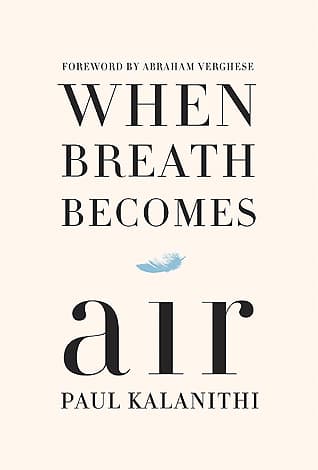
- When Breath Becomes Air
Paul Kalanithi
4.4 (415k) average on GoodreadsBiographyA poignant memoir by a doctor confronting his own mortality, exploring life's meaning, love, and legacy in the face of death.
- The Old Man and the Sea
Ernest Hemingway
3.8 (831k) average on GoodreadsLiterary FictionA Cuban fisherman's long struggle with a giant marlin becomes a story of endurance and dignity, now retold for young adults with illustrations, phonetic guides, and writing prompts in Traditional Chinese.
- One Hundred Years of Solitude
Gabriel García Márquez
4.1 (753k) average on GoodreadsLiterary FictionThrough the multi-generational story of the Buendía family, a mythical town deals with the repeating patterns of time, love, and solitude, as the extraordinary mixes with the ordinary.
- The Goldfinch
Donna Tartt
3.9 (720k) average on GoodreadsLiterary FictionHaunted by a tragic explosion and clutching a stolen Dutch masterpiece, a young orphan navigates the opulent drawing rooms of New York and the gritty underbelly of the art world, desperately seeking connection and redemption amidst a life spiraling into crime and obsession.





Enjoyed the summary?
A summary gives you the shape of the book. The book itself has the detail, the examples and the voice.
Find Fireflies on AmazonAs an Amazon Associate, BookBrief earns from qualifying purchases. How we're funded