
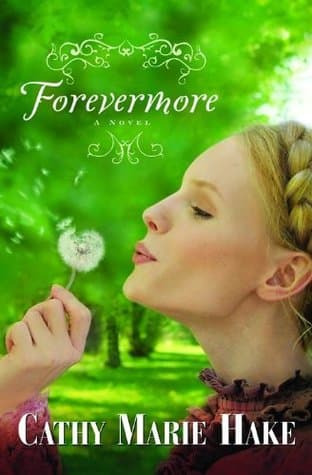
Synopsis
Covers the whole plot, including the ending.
- Difficulty
- Easy
- Pacing
- Moderate
- Mood
- Heartwarming, Charming, Hopeful, Romantic
- Read it if
- You enjoy heartwarming historical romance with quirky characters, a strong sense of family, and a touch of humor.
- Skip it if
- You prefer fast-paced plots, complex mysteries, or dislike religious themes in your historical fiction.
Forevermore Plot Summary
Covers the whole plot, including the ending.
A New Cook Arrives
Hope Ladley, a young woman known for her unique sayings and happy mood, arrives at Jakob Stauffer's Pennsylvania Dutch farm to cook for the harvest workers. Jakob, a quiet widower with a young daughter, Annie, and a pregnant sister, Ruth, living with him, is immediately confused by Hope's unusual ways and often strange words. Despite his first doubts and her illiteracy, Hope quickly wins over Annie and Ruth with her warmth and real care. Jakob struggles to understand Hope's odd habits along with her clear skill in the kitchen and her good effect on his home, which has been sad since his wife died.
Hope's Influence on the Stauffer Household
Hope's lively personality and steady hope slowly start to change the serious Stauffer farm. She brings laughter and light into Annie's life, playing games and telling stories, something Jakob has found hard to do since his wife passed. Ruth, who is hiding from her abusive husband, finds comfort and friendship in Hope, who listens without judging and offers practical, if sometimes odd, advice. Jakob watches these changes with a mix of confusion and growing thanks. He finds himself more and more drawn to Hope's true kindness and how she easily brings joy to those around her, even as her unusual views keep challenging his logical mind.
Jakob's Growing Affection
As the harvest goes on, Jakob finds himself more and more interested in Hope. He watches her with Annie and Ruth, seeing the good effect she has on them. Hope's constant energy and her ability to find beauty and humor in daily life slowly break through Jakob's quiet nature. He starts to notice her gentle touch, her happy laugh, and how her eyes sparkle when she cares about something. Even though his logical mind questions her illiteracy and her strange view of the world, his heart begins to feel a deeper connection. He starts to protect her and finds her charming, even when she misuses common phrases.
Threat from the Past
The new peace and happiness on the Stauffer farm are broken by the sudden arrival of Elmer, Ruth's estranged and abusive husband. Elmer's presence immediately brings stress and fear, especially for Ruth, who is scared of him. He is demanding, manipulative, and clearly plans to take Ruth and her unborn child back. Jakob, protecting his sister and family, faces Elmer. But Elmer's legal claim as Ruth's husband makes things difficult. The situation creates a clear sense of danger and uncertainty, threatening the fragile calm Hope helped create and forcing Jakob to think about strong actions to protect his loved ones.
Hope's Steadfast Support
During the growing problem with Elmer, Hope shows herself to be an unexpected source of strength and steady support. While Jakob deals with legal issues and Elmer's threat, Hope stays firm, comforting Ruth and Annie, and keeping some sense of normal in the house. Her hope, though sometimes said in her odd way, becomes a guide for the family. She offers practical help and emotional comfort, reminding everyone how important love and family are. Her presence helps lessen the fear and sadness, showing Jakob a deeper part of her character beyond her charming quirks.
Ruth's Resolution and Elmer's Departure
With Hope's steady support and Jakob's protection, Ruth finds the courage to face Elmer. She states her wish for independence and refuses to go back with him. Jakob, with the help of friends and his own resolve, makes it clear to Elmer that he is not welcome and will face trouble if he keeps bothering Ruth. Facing united opposition and realizing he has lost control, Elmer unwillingly leaves the Stauffer farm, though the chance of his return remains. His leaving brings a temporary feeling of relief, but the family stays cautious.
A New Life Begins
Soon after Elmer leaves, Ruth goes into labor. Hope, with her calm manner and natural kindness, helps Ruth during the birth, giving comfort and encouragement. Ruth safely delivers a healthy baby, bringing great joy and a new sense of hope to the Stauffer home. The new baby stands for a fresh start and the family's strength. This event further secures Hope's place within the family, as she shares in their most personal moments of joy and weakness. Jakob watches Hope with the baby, his admiration and love for her growing each day.
Jakob's Confession
With the immediate problems solved and a new life blooming on the farm, Jakob can no longer deny his feelings for Hope. He talks to her, saying how much he cares for her and wants her to stay, to be his wife and a mother to Annie. Hope is very touched by his words, as she has also grown to love Jakob and the family. However, she hesitates, weighed down by her past and the belief that her illiteracy and unusual ways make her unsuitable for a man like Jakob. She fears she is not 'good enough' to settle down and commit to a permanent home.
Hope's Past Revealed
Hope eventually tells Jakob the painful reasons for her moving around and her illiteracy. She explains that she was an orphan at a young age and moved from farm to farm, never getting a chance for schooling or a stable home. Her unique way of speaking and seeing the world comes from her lack of education and her relying on observation and her own logic. This story helps Jakob understand her more deeply and strengthens his love for her, seeing her strength and kindness despite a hard past. He tells her that her past does not lessen her worth.
A Proposal of Forevermore
Jakob, understanding Hope's fears, assures her that her past does not matter to him. He says he loves her for who she is—her kindness, her joy, her unique spirit—and that he wants her to be a lasting part of his family. He calmly explains that she is not just a passing dandelion in the wind, but a beautiful flower he wants to see grow in his life. He repeats his love and his commitment to her, promising to teach her to read and to always cherish her. Overwhelmed by his steady love and the true affection of Annie and Ruth, Hope finally agrees to marry him, choosing a future of 'forevermore' on the Stauffer farm.
Principal Figures
Hope Ladley
Protagonist
A cheerful, illiterate cook with a unique perspective on life.
Hope is an optimistic and compassionate young woman who travels from farm to farm as a harvest cook. Despite her illiteracy and unconventional way of speaking, she possesses an innate wisdom and an ability to bring joy and warmth wherever she goes. She has a deep capacity for love and empathy, easily connecting with children and those in distress. Her past has left her with a fear of permanence, seeing herself as a 'dandelion in the wind,' but she yearns for a place to belong and be loved for who she is.
Relationships: Jakob Stauffer (Employer, then love interest and husband); Annie Stauffer (Caregiver, maternal figure); Ruth Stauffer (Friend, confidante)
Jakob Stauffer
Protagonist
A stoic widower and farmer, initially bewildered by Hope.
Jakob is a hardworking Pennsylvania Dutch farmer, responsible and reserved, still grieving the loss of his wife. He is a loving father to Annie and a protective brother to Ruth. Initially, he struggles to understand Hope's unconventional ways and her often-twisted sayings, relying on logic and practicality. However, beneath his stoic exterior lies a deep capacity for love and a yearning for peace and happiness in his home. He is fiercely protective of his family and values integrity and hard work.
Relationships: Hope Ladley (Employer, then love interest and husband); Annie Stauffer (Father); Ruth Stauffer (Brother); Elmer (Antagonist, brother-in-law)
Annie Stauffer
Supporting
Jakob's young daughter, who adores Hope.
Annie is Jakob's young daughter, who has been quiet and withdrawn since her mother's death. She quickly forms a deep bond with Hope, drawn to her warmth, playfulness, and ability to bring joy back into her life. Annie represents the innocence and hope that Hope brings to the Stauffer household, and her happiness is a key factor in Jakob's growing affection for Hope. She is a sweet and perceptive child, reflecting the emotional needs of the family.
Relationships: Jakob Stauffer (Father); Hope Ladley (Maternal figure, friend); Ruth Stauffer (Aunt)
Ruth Stauffer
Supporting
Jakob's pregnant sister, seeking refuge from an abusive husband.
Ruth is Jakob's pregnant sister, who has sought refuge at his farm to escape her abusive husband, Elmer. She is vulnerable, fearful, and carries the emotional scars of her past. Ruth finds comfort and strength in Hope's non-judgmental kindness and unwavering support. Her journey is one of finding her voice and courage to stand up for herself and her unborn child, eventually asserting her independence from Elmer. She represents the need for protection and healing within the family.
Relationships: Jakob Stauffer (Brother); Hope Ladley (Friend, confidante); Elmer (Abusive husband)
Elmer
Antagonist
Ruth's abusive and manipulative husband.
Elmer is Ruth's estranged husband, who arrives at the Stauffer farm to reclaim her and their unborn child. He is controlling, manipulative, and represents a significant threat to the peace and safety of the Stauffer family. His presence brings fear and tension, forcing Jakob and Ruth to confront his abusive nature. He is driven by a sense of entitlement and a desire to maintain control over Ruth, embodying the external conflict that challenges the family's newfound happiness.
Relationships: Ruth Stauffer (Abusive husband); Jakob Stauffer (Antagonist, brother-in-law)
Themes & Insights
The Power of Unconventional Love
This theme looks at how love can grow in unexpected ways, going beyond social rules and personal hopes. Jakob, a logical and quiet farmer, is at first confused by Hope's illiteracy and unique view of the world. But he slowly falls in love with her true kindness, steady hope, and the good effect she has on his family. Hope, despite her worries about her past, learns to accept Jakob's love. Their relationship shows that true love looks past surface differences and accepts a person's heart, as seen in Jakob's acceptance of Hope's 'twisted cliches' and her past.
“Love wasn’t a thing to be measured by what was on the outside, but by what filled the inside.”
Finding Home and Belonging
The novel deeply explores the human need for a stable home and a sense of belonging. Hope, having lived a life of moving from farm to farm, sees herself as a 'dandelion in the wind,' unable to settle. The Stauffer farm, with its loving family, slowly becomes the place where she can imagine a lasting future. Ruth, escaping an abusive marriage, also seeks safety and a secure home. The Stauffer farm changes from a place of sadness into a safe place where people can find acceptance, safety, and a sense of family. This shows that home is not just a physical place but a feeling of being truly seen and loved.
“She was a dandelion, always blowing in the wind, but for the first time, she wanted to take root.”
Overcoming Past Trauma and Insecurity
Both Hope and Ruth deal with big past hurts and worries. Hope's illiteracy and moving childhood lead to a deep fear that she isn't 'good enough' for a lasting home or a man like Jakob. Ruth is troubled by the abuse from her husband, Elmer, which leaves her scared and weak. The story shows their journeys toward healing and self-acceptance. Through the support and love of the Stauffer family, especially Hope's kindness to Ruth and Jakob's steady love for Hope, they gain the courage to face their pasts and accept a more hopeful future. This shows strength and the power of human connection in healing.
“The past was like a bad seed, but it didn’t have to keep you from growing.”
The Definition of Family
The novel questions common ideas of family, showing that it goes beyond blood ties to include those who offer love, support, and a sense of belonging. While Jakob, Annie, and Ruth are related by blood, Hope, at first an outsider, quickly becomes an important part of their family. She brings joy, comfort, and stability, filling the empty space left by Jakob's dead wife. The shared experiences of joy, sorrow, and facing problems together make their bonds stronger. This shows that family is built on mutual care, loyalty, and unconditional love, no matter how one joins the group. The birth of Ruth's baby further expands this growing family.
“Family wasn’t just about who you were born to; it was about who you chose to love.”
Plot Devices & Literary Techniques
Hope's Twisted Cliches and Bible Verses
A source of humor and character insight, highlighting Hope's unique perspective.
Hope's tendency to misinterpret and twist common idioms and Bible verses provides much of the novel's humor and reveals her innocent, unconventional way of processing information due to her illiteracy. This device serves to initially baffle Jakob, creating comedic misunderstandings, but also highlights Hope's genuine heart and unique wisdom. It underscores the theme that intelligence and understanding are not solely tied to formal education and allows readers to see the world through her distinct, often profound, lens. It's a key aspect of her charming eccentricity that Jakob grows to love.
The Dandelion Metaphor
A central symbol for Hope's transient nature and her desire for permanence.
The dandelion serves as a recurring metaphor throughout the novel, primarily representing Hope's transient existence. She views herself as a 'dandelion in the wind,' blowing from one place to another without a permanent home or roots. This metaphor encapsulates her insecurity about her place in the world and her fear of committing to a stable life. Jakob's eventual plea for her to 'take root' directly addresses this metaphor, symbolizing his desire for her to find a permanent home and belonging with him, transforming the dandelion from a symbol of transience into one of rooted love and commitment.
The Somber Farm Atmosphere
A contrasting setting that highlights Hope's transformative impact.
The initial somber and grieving atmosphere of the Stauffer farm, still reeling from the death of Jakob's wife, serves as a stark contrast to Hope's vibrant and optimistic personality. This device effectively highlights Hope's transformative power; her arrival brings laughter, light, and renewed hope to a household shrouded in sadness. The gradual shift in the farm's mood, from quiet despair to joyful activity, visually and emotionally demonstrates the profound positive influence Hope has on Jakob, Annie, and Ruth, emphasizing her role as a catalyst for healing and happiness within the family.
Forevermore Quotes
“When God gives a vision, He also makes provision.”
“True love isn't about finding someone perfect, but about loving an imperfect person perfectly.”
“Sometimes the greatest strength is found in admitting your weakness.”
“The past may shape us, but it does not define us.”
“A heart surrendered to God is never truly alone.”
“Forgiveness is not forgetting, but remembering without pain.”
“It takes courage to love, but even more to let yourself be loved.”
“Hope is a candle that shines brightest in the darkest night.”
“God's timing is rarely ours, but always perfect.”
“Kindness is a language the deaf can hear and the blind can see.”
“Sometimes the greatest adventures are found in the quiet moments of life.”
“Fear is a liar, always whispering what isn't true.”
“Love isn't just a feeling; it's a choice, made every single day.”
“The Lord works in mysterious ways, and often through the most unexpected people.”
Quiz
10 questions on the plot and the characters. Each answer comes with a short explanation.
Question 1
What is Hope Ladley's primary occupation as she travels from farm to farm?
- Field hand
- Cook for the field hands
- Nanny for children
- Seamstress
Show answer
B. Cook for the field hands Hope Ladley's role is to help cook for the field hands during the harvest season.
Question 2
What is Jakob Stauffer's marital status at the beginning of the story?
- Married
- Single
- Widower
- Divorced
Show answer
C. Widower Jakob Stauffer is described as a widower, indicating he has lost his wife.
Question 3
Which specific skill is Hope Ladley noted to lack?
- Cooking
- Literacy
- Farming
- Social graces
Show answer
B. Literacy Hope Ladley is described as 'illiterate,' which means she cannot read or write.
Question 4
Why is Jakob's sister staying with him on the farm?
- She is helping with the harvest.
- She is recovering from an illness.
- She is pregnant and being shielded from an abusive husband.
- She is visiting for a family reunion.
Show answer
C. She is pregnant and being shielded from an abusive husband. Jakob is 'shielding' his 'pregnant sister' from 'an abusive husband,' which is why she is at his farm.
Question 5
What is one of Hope's distinctive verbal habits mentioned in the description?
- She frequently sings folk songs.
- She often twists cliches and Bible verses into unique observations.
- She speaks in riddles and metaphors.
- She has a habit of speaking in rhyming couplets.
Show answer
B. She often twists cliches and Bible verses into unique observations. The description states Hope 'often twisting cliches and Bible verses into mind-boggling observations.'
Question 6
What event threatens the 'newfound peace and happiness' of Jakob's farm?
- A bad harvest season
- The arrival of Jakob's brother-in-law
- A natural disaster
- A dispute with neighboring farmers
Show answer
B. The arrival of Jakob's brother-in-law The description explicitly states, 'Then Jakob's brother-in-law shows up and threatens the newfound peace and happiness of the farm.'
Question 7
What quality of Hope's character leads to positive changes on the farm, despite her unconventional methods?
- Her strict adherence to rules
- Her exceptional organizational skills
- Her sunny disposition and unstinting love
- Her ability to teach new farming techniques
Show answer
C. Her sunny disposition and unstinting love The text highlights 'her sunny disposition and unstinting love' as the qualities that make changes of a different kind around the place.
Question 8
The metaphor 'Like a dandelion in the wind, Hope Ladley blows from one farm to the next' primarily suggests what about her?
- She is delicate and easily broken.
- She is a free spirit, unrooted, and travels frequently.
- She is considered a nuisance by others.
- She spreads joy and beauty everywhere she goes.
Show answer
B. She is a free spirit, unrooted, and travels frequently. The dandelion metaphor emphasizes her transient nature, moving from place to place without a fixed home, much like a dandelion seed carried by the wind.
Question 9
What is the central conflict regarding Hope's future that Jakob faces?
- Whether she will find another farm to work on.
- Whether she will ever learn to read and write.
- Whether he can convince her to settle down and become his wife.
- Whether she will leave with his brother-in-law.
Show answer
C. Whether he can convince her to settle down and become his wife. The concluding sentence asks, 'can the farmer convince Hope to take root and remain as his wife?' This highlights the central romantic conflict.
Question 10
Despite Jakob being 'baffled by her unconventional ways,' what impact does Hope have on his little daughter and pregnant sister?
- They are also confused by her.
- They find her methods inefficient.
- They adore her and things get accomplished.
- They become more withdrawn due to her presence.
Show answer
C. They adore her and things get accomplished. The text states, 'His little daughter and the pregnant sister he's shielding from an abusive husband adore Hope, and things are getting accomplished even if Hope's methods are unique.'
Forevermore FAQ
What is the central premise of 'Forevermore'?
'Forevermore' tells the story of Hope Ladley, an illiterate but warm-hearted cook who travels between farms during harvest. She lands at Jakob Stauffer's farm, bringing an unconventional yet impactful presence that challenges his orderly life and eventually wins over his family, including his young daughter and pregnant sister.
Who is Hope Ladley and what are her most defining characteristics?
Hope Ladley is the protagonist, characterized by her illiteracy, sunny disposition, and unique way of twisting cliches and Bible verses into often humorous, yet profound, observations. She is a transient worker, moving from farm to farm, but possesses an unstinting capacity for love and hard work, despite her unconventional methods.
Describe Jakob Stauffer and his initial reaction to Hope.
Jakob Stauffer is a widower and a farmer, initially baffled and somewhat exasperated by Hope's unconventional ways and mangled phrases. He is a man of order and responsibility, focused on managing his farm and protecting his family, but Hope's presence slowly begins to soften his stoic exterior.
Who are the key supporting characters on Jakob's farm?
Key supporting characters include Jakob's young daughter, who quickly adores Hope, and his pregnant sister, whom he is sheltering from an abusive husband. Both characters find comfort and joy in Hope's presence, highlighting her positive impact on the Stauffer household.
What external conflict threatens the peace on the Stauffer farm?
The primary external conflict arises when Jakob's abusive brother-in-law, his sister's husband, arrives at the farm. His appearance threatens the safety and newfound peace of Jakob's sister and disrupts the burgeoning happiness and stability Hope has brought to the household.
How does Hope's illiteracy impact her character development and interactions?
Hope's illiteracy is a significant aspect of her character, shaping her unique communication style and her reliance on observation and intuition rather than formal knowledge. It also presents a vulnerability and a challenge she must overcome, particularly in her relationship with Jakob, who values order and education.
Are there any subtle clues about Hope's past before she arrived at Jakob's farm?
While not explicitly detailed, Hope's transient lifestyle and her deep empathy for Jakob's sister suggest she may have experienced hardship or instability in her own past. Her desire to find a place to 'take root' hints at a longing for belonging she has not previously found.
How does Jakob's deceased wife subtly influence his decisions and feelings for Hope?
Jakob's past as a widower means he carries the weight of his previous marriage, and he may unconsciously compare Hope to his deceased wife. This likely contributes to his initial resistance to Hope's unconventionality, as he might seek a partner who fits a more traditional mold he once knew.
What is the significance of Hope's 'dandelion in the wind' analogy?
The 'dandelion in the wind' analogy highlights Hope's transient nature and her ability to bring beauty and resilience wherever she lands, despite not having a permanent home. It underscores her adaptability and the unexpected joy she brings to the lives she touches, much like a dandelion can thrive anywhere.
How does Hope's 'mind-boggling observations' reveal her deeper psychological insights?
Despite her literal misinterpretations, Hope's twisted cliches and Bible verses often reveal an intuitive understanding of human nature and spiritual truths. Her observations, though uniquely phrased, cut through pretense and offer simple, profound wisdom that often baffles Jakob but resonates with others.
Analyze Jakob's internal conflict between his sense of duty and his growing feelings for Hope.
Jakob is torn between his ingrained sense of order, his responsibility to his farm and family, and the disruptive yet heartwarming influence of Hope. His internal conflict lies in reconciling his practical, logical mind with the undeniable emotional connection he develops for a woman who defies all his expectations.
How does Hope's love for Jakob's daughter and sister influence his perception of her?
Hope's genuine and unstinting love for Jakob's daughter and his vulnerable sister is crucial in breaking down his initial reservations. Witnessing her positive impact on his family, and how they adore her, allows Jakob to see beyond her unconventionalities and appreciate her true character and worth.
What psychological impact does the brother-in-law's arrival have on the characters, especially Jakob and his sister?
The brother-in-law's arrival creates immense fear and anxiety for Jakob's sister, reigniting her trauma. For Jakob, it brings a surge of protective instinct and stress, forcing him to confront a dangerous external threat that challenges his ability to maintain peace and safety on his farm, while also solidifying his resolve to protect his loved ones.
What is the central theme concerning 'taking root' in the novel?
The theme of 'taking root' explores the idea of finding belonging, stability, and a permanent home, both physically and emotionally. For Hope, it signifies an end to her transient life and the establishment of a family with Jakob, while for Jakob, it represents accepting a new kind of love and future that grounds his life in a deeper way.
How does the book challenge traditional notions of intelligence and wisdom?
The book challenges traditional notions by portraying Hope, an illiterate woman, as possessing a profound, intuitive wisdom that often surpasses Jakob's more conventional intelligence. Her 'mind-boggling observations' reveal deeper truths, suggesting that true wisdom can come from unexpected sources and is not solely tied to formal education.
Is 'Forevermore' primarily a romance, or does it delve into deeper social commentaries?
While 'Forevermore' has a strong romantic core between Hope and Jakob, it also delves into deeper social commentaries. It touches on themes of domestic abuse through Jakob's sister's storyline, challenges societal expectations for women and education, and explores the meaning of family and home beyond traditional structures.
What is the significance of the title 'Forevermore' in the context of the story?
The title 'Forevermore' signifies the enduring nature of love, commitment, and the desire for a lasting home. It reflects Hope's longing for a permanent place and a love that will last forever, and Jakob's eventual realization that his love for Hope is deep and enduring, offering a promise of a future together.
How does the historical setting influence the characters' choices and limitations?
The historical setting, likely late 19th or early 20th century, emphasizes the limited opportunities for women, especially uneducated ones like Hope, and the societal expectations placed on them. It also highlights the challenges of farming life, the vulnerability of women facing abuse, and the importance of community and family support in an era without extensive social safety nets.
Similar books
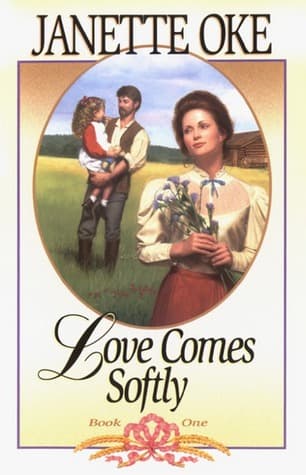
- Love Comes Softly
Janette Oke
4.3 (37k) average on GoodreadsHistorical FictionClassic Christian historical romance with themes of family, faith, and finding love in unexpected places.
- To Kill a Mockingbird
Harper Lee
4.3 (4.5M) average on GoodreadsHistorical FictionIn the 1930s Jim Crow South, Harper Lee writes about racial injustice, moral growth, and the quiet courage of a lawyer father, Atticus Finch, as seen through his young daughter's eyes.
- The Great Gatsby
F. Scott Fitzgerald
3.9 (3.8M) average on GoodreadsHistorical FictionIn the opulent Roaring Twenties, a mysterious millionaire's lavish parties hide his desperate, tragic pursuit of a lost love, exposing the emptiness within the American Dream.
- Pride and Prejudice
Jane Austen
4.3 (3M) average on GoodreadsHistorical FictionIn a society focused on status and money, Elizabeth Bennet navigates love and pride, challenging Mr. Darcy and social expectations to find true affection.
- Angels & Demons
Dan Brown
3.9 (2.7M) average on GoodreadsThrillerA Harvard symbologist races through Rome's ancient sites, deciphering cryptic clues to unmask the Illuminati and stop a vengeful plot to destroy the Vatican with a stolen antimatter weapon.
- The Kite Runner
Khaled Hosseini
4.3 (2.4M) average on GoodreadsHistorical FictionIn pre-Taliban Afghanistan, a wealthy boy's betrayal of his servant's son during a kite-running tournament starts a lifelong journey for amends as his country collapses.





Enjoyed the summary?
A summary gives you the shape of the book. The book itself has the detail, the examples and the voice.
Find Forevermore on AmazonAs an Amazon Associate, BookBrief earns from qualifying purchases. How we're funded