

Synopsis
Covers the whole plot, including the ending.
- Difficulty
- Medium
- Pacing
- Moderate
- Mood
- Introspective, Dark, Haunting, Thought-provoking
- Read it if
- You appreciate profound character studies, unflinching explorations of racism and prejudice, and the lyrical prose of a master storyteller.
- Skip it if
- You prefer light-hearted reads or are sensitive to graphic depictions of racial violence and psychological distress.
Going to Meet the Man Plot Summary
Covers the whole plot, including the ending.
The Rockpile
Johnnie, the younger son of Gabriel and Elizabeth Grimes, plays on the forbidden rockpile with his older brother, Roy. While roughhousing, Johnnie is hit in the eye by a rock and seriously injured. Roy, a boisterous and often defiant child, is sent home by his mother, Elizabeth, to get his father, Gabriel, a strict and unforgiving preacher. This incident highlights the stark differences between Roy, who is Gabriel's biological son, and Johnnie, who is Elizabeth's illegitimate son from a previous relationship. Gabriel constantly uses this fact to emotionally torment both Elizabeth and Johnnie. The accident on the rockpile brings the simmering tensions within the Grimes household to a head, especially between Gabriel and Elizabeth, and exposes Gabriel's harsh judgment.
The Outing
The story follows two young boys, Paul and David, on a church outing to a lake. The day involves swimming, picnicking, and the lively energy of other children. However, the main focus of the outing is the impending revival service led by Reverend Davis. As the day goes on, the atmosphere shifts from playful to deeply spiritual. During the service, both boys experience intense religious conversions, marked by strong emotional and physical reactions. Paul, in particular, feels an overwhelming sense of divine presence and purity, a feeling that both excites and frightens him. This experience shows the powerful, often overwhelming, influence of religious fervor and the search for spiritual meaning in their lives, hinting at the complexities and potential ambiguities of such intense spiritual encounters.
The Man Child
Jamie, a young boy, celebrates his birthday with his family and guests. The atmosphere is initially festive, but an underlying tension exists between his parents, Eric and Lydia. During the party, a disturbing incident occurs: Eric, while drunk, makes a crude comment about Jamie's parentage, implying Jamie might not be his biological son. This revelation shatters the celebratory mood and deeply wounds Lydia, who is already fragile. Jamie, though young, senses the deep distress and unspoken truths that suddenly fill the room. The incident exposes the deep-seated insecurities and resentments within the marriage, highlighting the destructive power of secrets and the vulnerability of a child caught in adult conflicts, leaving a lasting scar on Jamie's understanding of his family.
Previous Condition
Peter, a talented young black actor, faces constant frustration and discrimination in New York City. Despite his abilities, he is repeatedly cast in stereotypical roles or denied opportunities due to his race. He lives in constant anxiety, struggling to pay rent and maintain his dignity. He often seeks comfort with his white friend, Jules, a musician, but their friendship is strained by unspoken racial dynamics. One evening, Peter meets Ida, a black woman who is also an artist. Their brief, intense interaction is charged with a shared understanding of their marginalized existence and the pressures they face. Peter's story is a moving exploration of the psychological cost of racism and the relentless fight for self-worth in a society that constantly diminishes him, forcing him to confront his identity.
Sonny's Blues
The unnamed narrator, a high school algebra teacher in Harlem, learns that his younger brother, Sonny, has been arrested for selling and using heroin. This news forces him to confront their strained relationship, marked by Sonny's troubled past and his passion for jazz music, which the narrator initially struggles to understand. After Sonny is released from prison, the brothers try to reconnect. Sonny moves in with the narrator's family, but their interactions are often awkward and tense. The narrator deals with his own guilt and responsibility, especially after the death of his daughter, Grace. The story ends with the narrator finally attending one of Sonny's jazz performances, where he has an epiphany. He recognizes the profound beauty and redemptive power of Sonny's music, and understands his brother's struggle and his artistic expression as a means of survival and communication.
This Morning, This Evening, So Soon
Caleb, a successful black American singer living in France with his white French wife, Harriet, and their son, Paul, grapples with his racial identity and the complexities of his past. Despite his apparent success and the relative freedom he experiences in Europe, the memory of American racism continues to haunt him. He reflects on his journey from the segregated South to his current life, and the sacrifices he made to achieve his dreams. A visit from his younger brother, Alex, who is less assimilated and more openly angry about racial injustice, forces Caleb to confront his own conflicted feelings and the compromises he has made. The story explores the psychological burden of being black in a white-dominated world, the tension between assimilation and cultural heritage, and the search for an authentic self across continents, revealing Caleb's internal struggle.
Come Out the Wilderness
Ruth, a young black woman living in New York, is in a relationship with Paul, a white man. Their relationship is passionate but full of unspoken tensions and societal pressures. Ruth, who works as a secretary, is fiercely independent and protective of her emotional space, having grown up with the complexities of racial and social marginalization. She is hesitant to fully commit to Paul, fearing the loss of her identity and the potential for pain. Her internal thoughts reveal her deep anxieties about love, race, and self-worth. The story explores the intricacies of an interracial relationship in a racially charged environment, looking at Ruth's struggle to balance her desires for love and connection with her need for autonomy and her awareness of the external judgments they face as a couple, highlighting her resilience.
Going to Meet the Man
Jesse, a white deputy sheriff in a Southern town, cannot achieve sexual arousal with his wife, Grace. His impotence triggers a disturbing flashback to his childhood. As he lies in bed, he remembers being taken by his parents as a young boy to witness the brutal lynching and castration of a black man. The memory is vivid and horrifying, filled with the gruesome details of the mob's sadistic glee and the victim's suffering. This childhood experience, which he initially saw as a display of white power and dominance, is the source of his deep psychological and sexual dysfunction. The story powerfully links his personal trauma and sexual anxieties to the historical trauma of racial violence, exposing the deep and destructive impact of racism on both perpetrators and victims, revealing the core of his being.
Going to Meet the Man Characters
Gabriel Grimes
Antagonist
A rigid and hypocritical preacher, patriarch of the Grimes family.
Gabriel is a deeply religious man, outwardly pious but inwardly consumed by self-righteousness, lust, and hypocrisy. He uses his faith as a weapon to control his family, particularly his wife, Elizabeth, and his illegitimate son, Johnnie. He is unforgiving, judgmental, and cruel, constantly reminding Johnnie of his illegitimacy and projecting his own failures and sins onto others. His character embodies the destructive potential of rigid religiosity and the psychological damage inflicted by a patriarchal figure who wields power through moral condemnation.
Relationships: Elizabeth Grimes (Wife, whom he resents and abuses); Johnnie Grimes (Illegitimate son, whom he despises); Roy Grimes (Biological son, whom he favors)
Elizabeth Grimes
Supporting
Gabriel's long-suffering wife and mother of Johnnie and Roy.
Elizabeth is a resilient and deeply compassionate woman trapped in a suffocating marriage to Gabriel. She fiercely protects her sons, especially Johnnie, from Gabriel's cruelty. She carries the burden of her past – her illegitimate child – but strives to create a loving home despite her husband's constant condemnation. Her quiet strength and unwavering love for her children stand in stark contrast to Gabriel's harshness. She represents a source of warmth and empathy in a cold household, constantly navigating the emotional minefield created by Gabriel's presence and trying to maintain a semblance of peace.
Relationships: Gabriel Grimes (Husband, source of her suffering); Johnnie Grimes (Son, whom she fiercely protects); Roy Grimes (Son, whom she also loves)
Johnnie Grimes
Protagonist
Elizabeth's illegitimate son, a sensitive and vulnerable child.
Johnnie is a sensitive and physically delicate boy, constantly targeted by Gabriel's scorn due to his illegitimacy. He seeks affection and acceptance, particularly from his mother, Elizabeth. His vulnerability makes him a sympathetic figure, and his accident on the rockpile serves as a catalyst for revealing the family's deep-seated issues. He is a victim of his father's cruelty and the societal judgment attached to his birth. His character highlights the innocence destroyed by adult prejudice and the silent suffering of a child caught in the crossfire of his parents' unresolved conflicts and societal norms.
Relationships: Gabriel Grimes (Father figure, source of his pain); Elizabeth Grimes (Mother, source of his comfort); Roy Grimes (Brother, sometimes a playmate, sometimes a tormentor)
Roy Grimes
Supporting
Gabriel's biological son, a boisterous and favored child.
Roy is a spirited and mischievous boy, often getting into trouble but largely escaping serious punishment due to Gabriel's favoritism. He embodies the typical boisterousness of a young boy, but also a latent sense of privilege and a touch of cruelty towards his half-brother, Johnnie. He is less sensitive than Johnnie and more inclined to physical play and defiance. His character demonstrates the impact of parental favoritism and the subtle ways children absorb and reflect the biases present in their home environment, even if unconsciously. He is a product of his upbringing.
Relationships: Gabriel Grimes (Father, who favors him); Elizabeth Grimes (Mother); Johnnie Grimes (Half-brother, with whom he plays and fights)
Peter
Protagonist
A struggling black actor facing racial discrimination in New York.
Peter is a talented and ambitious actor, constantly thwarted by the pervasive racism of the American theater scene. He is intelligent, sensitive, and deeply aware of the injustices he faces. His internal life is marked by frustration, anxiety, and a fierce desire to maintain his dignity and artistic integrity. He grapples with feelings of invisibility and the pressure to conform to stereotypical roles. His character represents the broader struggle of black artists to find authentic expression and recognition in a prejudiced society, highlighting the psychological toll of systemic racism and the fight for self-definition.
Relationships: Jules (White friend, whose friendship is complex due to racial dynamics); Ida (Fellow black artist, with whom he shares a brief, intense understanding)
Sonny
Protagonist
A jazz pianist and heroin addict, searching for expression and redemption.
Sonny is a gifted jazz musician whose passion for music is both his salvation and his curse. He struggles with heroin addiction and a deep sense of alienation, finding it difficult to articulate his inner world except through his music. He is sensitive, intelligent, and deeply complex, often misunderstood by his family, especially his older brother. His journey is one of profound struggle against his demons and the search for a means of expressing the inexpressible pain and beauty he perceives in life. His music becomes a conduit for his suffering and his resilience, a powerful testament to his spirit.
Relationships: Narrator (Sonny's brother) (Brother, with whom he has a strained but ultimately loving relationship); Isabel (Narrator's wife, who offers him kindness)
The Narrator (Sonny's Blues)
Protagonist
Sonny's older brother, a high school algebra teacher.
The narrator is a responsible, conventional man, initially detached from his brother Sonny's struggles and artistic world. He represents stability and societal norms, but also a certain emotional guardedness. His love for Sonny is evident, but it's complicated by his inability to understand Sonny's choices and his own fear of the darker aspects of life. Through his journey of reconnecting with Sonny, he undergoes a profound transformation, learning to empathize with his brother's pain and appreciate the redemptive power of his music. He embodies the struggle to bridge gaps of understanding within a family.
Relationships: Sonny (Brother, whose struggles he initially misunderstands); Isabel (Wife, who is more open to Sonny); Grace (Deceased daughter, whose death influences his perspective)
Caleb
Protagonist
A successful black American singer living in France.
Caleb is a complex character who has achieved professional success and a degree of personal freedom in Europe, away from the overt racism of America. However, he remains deeply conflicted about his racial identity, his past, and the compromises he has made. He is reflective and articulate, but also carries a hidden burden of anxiety and unresolved trauma. He navigates the tension between assimilation and authenticity, and the desire to protect his family from the racial realities he experienced. His character explores the psychological nuances of being an expatriate black artist, caught between two worlds.
Relationships: Harriet (White French wife, whom he loves); Paul (Son, for whom he wants a better future); Alex (Younger brother, who challenges his perspective)
Ruth
Protagonist
A fiercely independent black woman navigating an interracial relationship.
Ruth is a strong-willed and emotionally guarded black woman who works as a secretary in New York. She is intelligent, articulate, and deeply aware of the societal prejudices she faces. Her independence stems from a need for self-preservation, having experienced the complexities of racial and social marginalization. She loves Paul, her white partner, but struggles to fully commit, fearing the loss of her identity and the potential for pain in an interracial relationship. Her character explores the intricate dance between vulnerability and resilience, and the internal conflicts faced by a woman striving for autonomy and love in a challenging world.
Relationships: Paul (White lover, with whom she has a passionate but complex relationship)
Jesse
Protagonist
A white Southern deputy haunted by a childhood lynching.
Jesse is a white deputy sheriff in a Southern town, outwardly embodying the authority and racial prejudice of his community. However, he is deeply troubled and sexually impotent, a condition linked to a traumatic childhood experience. His character is a chilling exploration of how racism can deform the psyche of its perpetrators. His memories of witnessing a brutal lynching as a boy reveal the psychological roots of his present dysfunction and his internalized violence. He is a man consumed by his past, unable to escape the horrific spectacle that shaped his identity and his capacity for intimacy.
Relationships: Grace (Wife, with whom he struggles to achieve intimacy)
Going to Meet the Man Themes
The Destructive Power of Racism
Baldwin vividly portrays racism not just as an external societal force, but as a corrosive agent that deeply wounds both its victims and its perpetrators. In 'Going to Meet the Man,' Jesse's sexual dysfunction and psychological torment are directly linked to his childhood experience of witnessing a lynching. This shows how racial violence warps the human mind. In 'Previous Condition,' Peter's talent is stifled and his spirit worn down by constant discrimination. Even in 'This Morning, This Evening, So Soon,' Caleb, despite his success in France, cannot escape the psychological scars of American racism, which appear as an internal struggle with identity and belonging. Baldwin emphasizes that racism is a pervasive illness that infects individuals and communities, leaving lasting marks.
“He would have to pay for it, his body knew, but he had not known that he would have to pay for it for the rest of his life.”
The Search for Identity and Self-Acceptance
Many characters in Baldwin's collection deal with basic questions of who they are, especially regarding their race, sexuality, and social standing. Sonny in 'Sonny's Blues' finds his identity through his music, using it to express his pain and find his place in the world. Caleb in 'This Morning, This Evening, So Soon' struggles with his identity as a black American expatriate, caught between the expectations of his past and his present life in Europe. Ruth in 'Come Out the Wilderness' fights to maintain her independent identity within an interracial relationship, fearing the loss of self. This theme highlights the complex internal journeys characters take to define themselves against societal pressures and personal demons, striving for authenticity.
“It isn't only the good people who are important. It is all the people.”
Family Dysfunction and Intergenerational Trauma
Baldwin often explores the deep impact of family dynamics, especially how unresolved issues, secrets, and abuse are passed down through generations. In 'The Rockpile' and 'The Man Child,' the fathers' cruelty and unresolved personal issues inflict deep psychological wounds on their children, shaping their identities and relationships. Gabriel's unforgiving treatment of Johnnie in 'The Rockpile' is a clear example of how a parent's prejudice and past sins can poison the family environment. The narrator's guilt and responsibility in 'Sonny's Blues' come from a long history of family misunderstandings and unaddressed pain, which he eventually confronts to build a deeper connection with his brother. These stories show how family structures can either provide comfort or perpetuate cycles of suffering.
“Children suffer when their parents suffer, and they suffer from the very things that make their parents suffer.”
The Power and Limitations of Art and Expression
Art, especially music, is a key means of expression, healing, and communication for many characters, offering a way to say things words cannot capture. Sonny's jazz in 'Sonny's Blues' is a powerful example; it is his refuge, his voice, and ultimately, the bridge that reconnects him with his brother. Through his music, Sonny transforms his pain and suffering into something beautiful and redemptive. Peter in 'Previous Condition' tries to use his acting talent but is limited by racial barriers, highlighting the societal restrictions on artistic freedom. This theme highlights art's ability to go beyond individual suffering and connect people, even as it acknowledges the external forces that can stifle creative expression and the internal struggles artists face.
“It was not only part of his story, but part of everybody's story, too.”
Sexuality and Repression
Baldwin explores the complex interaction of sexuality, repression, and societal norms, particularly in the context of racial and personal trauma. In 'Going to Meet the Man,' Jesse's sexual dysfunction is directly linked to his repressed memory of the lynching. This shows how racial violence can distort intimacy and identity. His inability to connect with his wife, Grace, is a sign of his internal psychological damage. The story suggests that the violent assertion of white male power over black bodies, witnessed in his youth, has deeply perverted his own capacity for healthy sexuality. This theme highlights how societal rules and traumatic experiences can lead to deep personal and sexual alienation.
“He knew that he had been trying to find a way to get rid of it, that secret, for a long time.”
Plot Devices & Literary Techniques
Flashback
Interruption of chronological narrative to reveal past events.
Flashbacks are crucial in several stories to reveal the psychological roots of present-day conflicts and character motivations. In 'Going to Meet the Man,' Jesse's inability to achieve sexual arousal triggers a vivid, horrifying flashback to his childhood memory of witnessing a lynching. This device is essential for understanding the source of his profound psychological and sexual dysfunction. Similarly, in 'Sonny's Blues,' the narrator's recollections of his mother's warnings and Sonny's early struggles provide vital context for their strained relationship, illuminating the historical and personal burdens they carry. Flashbacks deepen character psychology and reveal the lasting impact of past traumas on the present.
First-Person Narration
Story told from the perspective of a character within the narrative.
Many of Baldwin's stories, notably 'Sonny's Blues' and 'Previous Condition,' employ first-person narration. This device allows for an intimate exploration of the narrator's thoughts, feelings, and biases, providing direct access to their internal struggles and perceptions of the world. In 'Sonny's Blues,' the narrator's perspective is crucial for understanding his initial judgment of Sonny and his eventual epiphany, making his journey of empathy deeply personal and impactful. This perspective often highlights the subjective experience of racism and alienation, drawing the reader into the characters' emotional landscapes and fostering a stronger sense of identification with their plights.
Symbolism of Music
Music representing freedom, expression, and the human condition.
Music, particularly jazz and blues, functions as a powerful symbol throughout the collection, most prominently in 'Sonny's Blues.' Here, Sonny's piano playing symbolizes his means of survival, expression, and spiritual redemption. It is a language through which he articulates the inexpressible pain and beauty of his life, transforming suffering into art. The music represents freedom from societal constraints, a form of authentic self-expression, and a connection to a shared cultural heritage. It also acts as a bridge between individuals, allowing for understanding and empathy where words often fail, ultimately becoming a testament to the resilience of the human spirit.
Religious Imagery and Allusion
References to biblical stories and spiritual concepts.
Religious imagery and allusions are woven throughout the collection, often used ironically or to highlight hypocrisy. In 'The Rockpile' and 'The Outing,' the characters' lives are deeply intertwined with the church, but faith is presented as both a source of potential salvation and a tool for oppression. Gabriel Grimes's rigid religiosity in 'The Rockpile' is exposed as a mask for his cruelty and hypocrisy. The intense, almost ecstatic religious conversions in 'The Outing' reveal the powerful, sometimes overwhelming, influence of spiritual fervor. Baldwin uses these allusions to explore the complexities of faith, its capacity for both grace and judgment, and its often-ambiguous role in the lives of his characters, particularly within the black community.
Going to Meet the Man Quotes
“Perhaps the only way to tell the story, to bear witness, is to go back and become the child again, to relive the horror, and to try to understand what it was that happened, and why it happened, and how it came to be.”
“That was the way to do it. That was the way to make a nigger remember who he was.”
“You think your pain and your heartbreak are unprecedented in the history of the world, but then you read. It was books that taught me that the things that tormented me most were the very things that connected me with all the people who were alive, who had ever been alive.”
“All I know is that I've been all over this world and I've seen some things. And I've learned some things. And I've paid some dues.”
“But the man who is truly a man, the man who is truly free, is the man who can look at himself in the mirror and not be ashamed.”
“It was not a question of whether or not one could endure, but of whether or not one could be free.”
“There are some things, after all, that one does not forgive.”
“He knew that what he was feeling was not love, but a kind of desperation, a terrible need to be loved.”
“The world is before you and you need not take it on your shoulders, for it is already there. You have only to walk into it.”
“Perhaps home is not a place but simply an irrevocable condition.”
“And the trouble is that, in America, if you are a Negro, you are not supposed to be there.”
“But a man is a man, and a man has to live. And if he can't live, he's got to die.”
“It was not necessary to hate. It was only necessary to remember.”
“Freedom is not something that anybody can be given. Freedom is something people take, and people are as free as they want to be.”
Quiz
10 questions on the plot and the characters. Each answer comes with a short explanation.
Question 1
In the story 'The Rockpile,' what is John's relationship to Roy?
- They are step-brothers.
- They are half-brothers, sharing the same mother.
- They are full brothers, sharing both parents.
- They are cousins living in the same household.
Show answer
B. They are half-brothers, sharing the same mother. John is Elizabeth's illegitimate son, while Roy is Gabriel's biological son with Elizabeth, making them half-brothers through their mother.
Question 2
What is the primary internal conflict faced by the narrator in 'Sonny's Blues'?
- His struggle with his own unfulfilled musical ambitions.
- His resentment towards his parents for their strict upbringing.
- His attempt to understand and reconcile with his brother's choices and suffering.
- His financial difficulties and inability to support his family.
Show answer
C. His attempt to understand and reconcile with his brother's choices and suffering. The narrator, a schoolteacher, grapples with understanding Sonny's drug addiction and his pursuit of jazz, ultimately seeking to bridge the gap between them and offer support.
Question 3
In the title story, 'Going to Meet the Man,' what specific childhood memory haunts Jesse, the white deputy?
- Witnessing his father being publicly humiliated by a black man.
- Being forced to participate in a violent act against a black person.
- His parents taking him to watch a black man being brutally castrated and murdered by a mob.
- A personal confrontation with a black civil rights activist.
Show answer
C. His parents taking him to watch a black man being brutally castrated and murdered by a mob. Jesse's violent racism is rooted in the traumatic childhood memory of his parents bringing him to witness a lynching, specifically the castration and murder of a black man.
Question 4
What musical instrument does Sonny play in 'Sonny's Blues'?
- Trumpet
- Drums
- Piano
- Saxophone
Show answer
C. Piano Sonny is a jazz pianist who uses his music as an outlet for his struggles and a way to communicate his pain and experience.
Question 5
In 'The Rockpile,' why does Gabriel beat John after Roy is injured?
- John was directly responsible for pushing Roy off the rockpile.
- Gabriel blames John for not stopping Roy, seeing him as a bad influence due to his illegitimate birth.
- John had been disobedient earlier in the day and Gabriel was looking for an excuse.
- John confessed to encouraging Roy to play on the forbidden rockpile.
Show answer
B. Gabriel blames John for not stopping Roy, seeing him as a bad influence due to his illegitimate birth. Gabriel's resentment towards John, stemming from his illegitimacy and perceived 'otherness,' leads him to unfairly punish John for Roy's injury, despite John not being directly at fault.
Question 6
Which of the following best describes the central theme of 'This Morning, This Evening, So Soon'?
- The challenges of interracial marriage in post-war America.
- The psychological toll of racism and the search for identity for a Black American abroad.
- The complexities of father-son relationships in the performing arts.
- The disillusionment of artists with their craft and audience.
Show answer
B. The psychological toll of racism and the search for identity for a Black American abroad. The story explores the protagonist's experience as a successful Black American singer in France, confronting the lingering shadows of American racism and his conflicted identity when faced with his brother's struggles and his son's innocence.
Question 7
What is the physical setting for much of the interaction between Sonny and his brother at the end of 'Sonny's Blues'?
- A coffee shop in Greenwich Village.
- Sonny's apartment in Harlem.
- A jazz club where Sonny performs.
- Their childhood home.
Show answer
C. A jazz club where Sonny performs. The climax of the story occurs when the narrator watches Sonny perform at a jazz club, finally understanding his brother's music and his suffering.
Question 8
In 'The Rockpile,' what is the significance of the rockpile itself?
- It represents a safe haven for the neighborhood children.
- It symbolizes danger, temptation, and the forbidden outside world.
- It is a place where the children secretly meet their friends.
- It is a historical landmark in their community.
Show answer
B. It symbolizes danger, temptation, and the forbidden outside world. The rockpile is a forbidden and dangerous place that fascinates the children, representing the allure of the outside world and the peril that lies beyond the safety of their home.
Question 9
What is the primary motivation behind Jesse's actions and thoughts in 'Going to Meet the Man'?
- A desire for economic stability and social advancement.
- Deep-seated sexual frustration and racial hatred, stemming from a traumatic childhood experience.
- His loyalty to his community's traditions and laws.
- A misguided sense of justice and order.
Show answer
B. Deep-seated sexual frustration and racial hatred, stemming from a traumatic childhood experience. Jesse's violent racism and sexual anxieties are explicitly linked to the traumatic memory of witnessing a lynching as a child, revealing the psychological damage inflicted by bigotry on its perpetrators.
Question 10
In 'The Outing,' what is the relationship between the two main characters, Paul and David?
- They are distant cousins who meet at a family reunion.
- They are friends who attend the same church outing.
- They are brothers who have a strained relationship.
- They are father and son on a day trip.
Show answer
B. They are friends who attend the same church outing. Paul and David are friends who attend a church outing together, during which their complex relationship and Paul's budding sexuality are explored.
Going to Meet the Man FAQ
What is the central theme that unifies the diverse stories in 'Going to Meet the Man'?
The central theme unifying the stories is the pervasive and destructive impact of racism, both on its victims and its perpetrators, and the various coping mechanisms—often self-destructive—individuals employ to deal with their suffering and identity in a prejudiced world. Baldwin explores how societal pressures and personal histories shape characters' internal lives and external actions, particularly in the context of racial tension and power dynamics.
Who are the primary characters in the title story, 'Going to Meet the Man,' and what is their relationship?
The primary characters in the title story are Jesse, a white sheriff's deputy, and his wife, Grace. Jesse is a tormented man whose present-day violence against a young Black boy is directly linked to a traumatic childhood memory of witnessing a brutal lynching, while Grace observes his escalating rage and tries to understand the source of his profound inner conflict.
How does the story 'The Rockpile' introduce themes of sibling rivalry and religious hypocrisy?
'The Rockpile' focuses on the brothers John and Roy, and their strict, religious stepfather Gabriel. When Roy is injured in a fight on the forbidden rockpile, Gabriel's favoritism for Roy and his harsh judgment of John highlight the family's internal strife and the hypocrisy of Gabriel's piety, which is used to mask his own insecurities and resentments.
What is the significance of the jazz pianist's struggle in 'Sonny's Blues'?
In 'Sonny's Blues,' Sonny, a jazz pianist, grapples with heroin addiction and the immense pressure of expressing his pain and truth through his music. His struggle represents the artist's solitary battle to transmute suffering into beauty and meaning, offering a path to transcend the harsh realities of life in Harlem, which his brother initially struggles to comprehend.
What is the role of memory and trauma in Jesse's character development in 'Going to Meet the Man'?
Memory and trauma are central to Jesse's character, particularly the vivid recollection of witnessing a lynching as a child. This horrific event, initially experienced with a disturbing sense of sexual excitement and fear, warps his psyche and informs his adult brutality and racism, revealing how deeply historical violence is imprinted on individual consciousness.
How does the unnamed narrator in 'This Morning, This Evening, So Soon' navigate his dual identity as an American expatriate and a Black man in Paris?
The narrator in 'This Morning, This Evening, So Soon' grapples with his identity as a successful Black American singer living in Paris, where he experiences relative freedom from overt racism. However, the impending visit of his sister and the news of racial tensions back home force him to confront the inescapable legacy of American racism and his complex relationship with his homeland and heritage.
In 'The Outing,' how does the relationship between the two young boys, Paul and David, explore themes of innocence and burgeoning sexuality?
Paul and David's relationship in 'The Outing' explores their innocent yet increasingly complex bond during a church picnic. Their interactions hint at burgeoning homosexual feelings and the societal pressures that will inevitably complicate their connection, set against a backdrop of religious expectations and the natural world.
What psychological defense mechanisms does Gabriel employ in 'The Rockpile' and 'The Amen Corner' (if considered part of the collection's thematic resonance)?
Gabriel in 'The Rockpile' employs projection and displacement, projecting his own failures and insecurities onto John, whom he blames for his illegitimacy, and displacing his anger from his wife onto the children. His rigid piety serves as a defense mechanism to maintain a facade of control and righteousness, masking deep-seated resentment and fear.
How does the metaphor of 'drowning' appear across different stories in the collection?
The metaphor of 'drowning' appears in various forms, representing overwhelming suffering, despair, or the loss of self. Sonny in 'Sonny's Blues' tries to avoid drowning in his pain through music, while characters grappling with racial injustice or personal trauma often feel on the verge of being submerged by their circumstances, desperately seeking ways to keep their heads above water.
What is the significance of the title 'Going to Meet the Man'?
The title 'Going to Meet the Man' is highly symbolic, referring to the act of confronting a powerful, often oppressive, authority figure or one's own destiny. In the title story, it alludes to Jesse's cyclical return to the traumatic memory of the lynching and his confrontation with his own monstrousness, as well as the Black community's forced 'meeting' with their oppressors.
How does Baldwin use shifts in narrative perspective in 'Going to Meet the Man' to enhance its impact?
Baldwin masterfully shifts between Jesse's present-day actions and his childhood memories, often blurring the lines between them. This technique allows the reader to experience Jesse's fractured psyche directly, revealing how past trauma dictates present brutality and creating a disturbing sense of immediacy and psychological depth.
Are there any subtle connections between the themes of music and suffering in 'Sonny's Blues' and other stories?
While 'Sonny's Blues' explicitly links music and suffering, the idea of finding an outlet for pain resonates throughout. For instance, the unnamed narrator in 'This Morning, This Evening, So Soon' is a successful singer who uses his art to navigate his identity, suggesting that creative expression, like Sonny's jazz, can be a vital, albeit challenging, means of coping with profound emotional and racial burdens.
What role do women characters play in the collection, particularly Grace in 'Going to Meet the Man'?
Women characters often serve as witnesses, emotional anchors, or victims of the men's struggles and societal pressures. Grace in 'Going to Meet the Man' endures Jesse's escalating violence and internal torment, representing the silent suffering and complicity of those close to perpetrators of hate, while also hinting at a deep, unspoken understanding of her husband's pain.
How does Baldwin explore the concept of inherited trauma, particularly in the context of racism?
Baldwin explores inherited trauma by showing how the historical violence of racism, such as lynching, is not confined to the past but deeply scars subsequent generations. Jesse's childhood memory in 'Going to Meet the Man' is a prime example, illustrating how the trauma of witnessing such an event can be passed down, shaping an individual's worldview and actions for decades, perpetuating a cycle of violence.
What is the significance of the imagery of light and darkness in 'Sonny's Blues'?
In 'Sonny's Blues,' light and darkness are used to represent hope, clarity, despair, and hidden truths. The dark, oppressive streets of Harlem contrast with the 'light' Sonny seeks through his music, while the 'cup of trembling' in the jazz club, illuminated by a single bulb, symbolizes the fragile, shared human experience of pain and redemption that music can bring to light.
How does Baldwin challenge traditional notions of good and evil in the collection?
Baldwin consistently challenges simplistic notions of good and evil by delving into the complex motivations and internal lives of his characters. He reveals that even perpetrators of heinous acts, like Jesse, are often deeply wounded individuals shaped by trauma and societal conditioning, suggesting that evil is not inherent but a product of suffering, fear, and systemic injustice, making judgment difficult and empathy essential.
What is the overarching message about the human condition that Baldwin conveys through these stories?
Baldwin conveys a profound message about the inescapable nature of suffering and the desperate human need for connection and meaning in a world often marked by cruelty and injustice. He suggests that while pain is universal, the capacity for love, understanding, and artistic expression offers a fragile but vital means of survival and transcendence, emphasizing the importance of confronting one's own truths.
How does the setting of Harlem contribute to the narrative of 'Sonny's Blues'?
Harlem serves as a vital character in 'Sonny's Blues,' representing both a place of vibrant cultural life and a crucible of poverty, addiction, and racial oppression. Its crowded streets, jazz clubs, and housing projects provide the backdrop against which Sonny and his brother navigate their personal struggles, highlighting the systemic challenges faced by Black communities while also celebrating their resilience and artistic spirit.
About the author
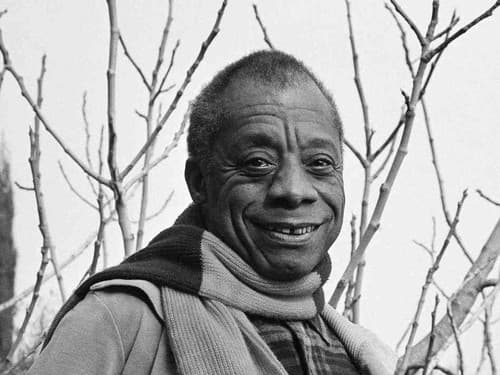
James Arthur Baldwin was an American writer. He garnered acclaim for his work across several forms, including essays, novels, plays, and poems. His first novel, Go Tell It on the Mountain, was published in 1953; decades later, Time magazine included the novel on its list of the 100 best English-language novels released from 1923 to 2005. His first essay collection, Notes of a Native Son, was published in 1955.
Similar books
- Invisible Man
Ralph Ellison
3.9 (157k) average on GoodreadsLiterary FictionExplores the complexities of black identity and racism in America with deep psychological insight.
- Dubliners
James Joyce
3.9 (123k) average on GoodreadsLiterary FictionA collection of short stories offering a stark, realistic portrayal of life and its struggles in a specific cultural context, much like Baldwin's collection.
- Between the World and Me
Ta-Nehisi Coates
4.4 (235k) average on GoodreadsPoliticsA powerful non-fiction work that resonates with Baldwin's themes of race, fear, and the black body in America, presented with similar intellectual rigor.
- The Old Man and the Sea
Ernest Hemingway
3.8 (831k) average on GoodreadsLiterary FictionA Cuban fisherman's long struggle with a giant marlin becomes a story of endurance and dignity, now retold for young adults with illustrations, phonetic guides, and writing prompts in Traditional Chinese.
- One Hundred Years of Solitude
Gabriel García Márquez
4.1 (753k) average on GoodreadsLiterary FictionThrough the multi-generational story of the Buendía family, a mythical town deals with the repeating patterns of time, love, and solitude, as the extraordinary mixes with the ordinary.
- The Goldfinch
Donna Tartt
3.9 (720k) average on GoodreadsLiterary FictionHaunted by a tragic explosion and clutching a stolen Dutch masterpiece, a young orphan navigates the opulent drawing rooms of New York and the gritty underbelly of the art world, desperately seeking connection and redemption amidst a life spiraling into crime and obsession.






Enjoyed the summary?
A summary gives you the shape of the book. The book itself has the detail, the examples and the voice.
Find Going to Meet the Man on AmazonAs an Amazon Associate, BookBrief earns from qualifying purchases. How we're funded