
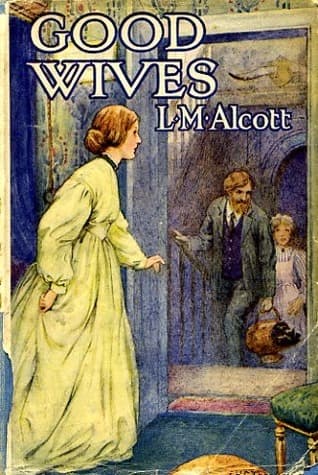
Synopsis
Covers the whole plot, including the ending.
- Difficulty
- Easy
- Pacing
- Moderate
- Mood
- Heartwarming, Reflective, Bittersweet, Gentle
- Read it if
- You loved 'Little Women' and want to see how the March sisters' lives unfold into adulthood, embracing themes of domesticity, artistic ambition, and finding love. Perfect for those who enjoy character-driven historical fiction with strong emotional arcs.
- Skip it if
- You prefer fast-paced plots with high stakes and dramatic twists, or if you dislike stories with a strong focus on domestic life and moral lessons typical of 19th-century literature.
Good Wives Plot Summary
Covers the whole plot, including the ending.
A Year Apart: New Beginnings and Old Ties
A year after the events of 'Little Women,' the March sisters are changing. Meg is engaged to John Brooke and preparing for married life. Jo, at 16, is finding her voice as a writer, publishing sensational stories. Beth continues her quiet life at home, still frail but finding joy in music and family. Amy, now 13, is developing into a refined young lady, focusing on her artistic goals and social graces. Laurie, having confessed his love for Jo and been rejected, decides to travel to Europe with his grandfather, Mr. Laurence, to further his education and overcome his disappointment. The sisters deal with these changes, supporting each other through new romantic prospects, career ambitions, and the passage of time.
Meg's Domestic Delights and Disappointments
Meg March marries John Brooke in a simple ceremony. This marks the first sister to leave the family home. Their early married life has domestic happiness, but also the realities of managing a household on a modest income. Meg, initially prone to extravagance, learns the value of frugality and hard work. She struggles with household management, making mistakes like buying expensive silk she cannot afford and feeling overwhelmed by cooking and cleaning. John, a patient husband, supports her through these challenges. They gradually learn to navigate their shared life, finding contentment in their small, loving home despite financial constraints.
Jo's Literary Ambitions and Laurie's Confession
Jo, seeking independence and new experiences, moves to New York City to work as a governess for Mrs. Kirke and write more seriously. There, she meets Professor Bhaer, an older, kind, intellectual German scholar who challenges her writing style and encourages her to write with more substance. Back home, Laurie, who has returned from Europe, confesses his deep love for Jo and proposes marriage. Despite their long friendship and affection, Jo realizes she does not love him romantically. She rejects his proposal, explaining that she sees him as a brother and fears their personalities would clash in marriage. She prefers to maintain her independence.
Laurie's European Adventures and Amy's Maturation
After Jo's rejection, a heartbroken Laurie returns to Europe with his grandfather. He tries to forget his sorrows in idleness and frivolous pursuits, which worries Mr. Laurence. Meanwhile, Amy, who has always wanted to travel, gets her wish when Aunt March invites her to go on a European tour. In Europe, Amy thrives, embracing the culture, art, and social etiquette. She works to improve her artistic skills and refines her manners, becoming a graceful and sophisticated young woman. Her time abroad helps her gain perspective and maturity, moving beyond her earlier vanity to appreciate deeper values.
Beth's Declining Health and Quiet Courage
Beth's fragile health, never fully recovered from her scarlet fever, begins to decline more noticeably. She becomes weaker and more withdrawn, spending her days quietly at home, often playing the piano or observing nature. Aware of her impending death, Beth faces it with gentleness and courage, finding comfort in her faith and her family's love. She has quiet, conversations with Jo, preparing her for the inevitable and expressing her peaceful acceptance of her fate. Her illness is a somber note in the family's lives, drawing them closer and showing the preciousness of their time together.
A European Reunion and a New Romance
While in Europe, Amy and Laurie meet again in Nice. Laurie, still dealing with his heartache over Jo, is initially moody and aimless. Amy, now a poised and empathetic young woman, gently challenges his self-pity and encourages him to find purpose. As they spend more time together, their old friendship deepens. Laurie is captivated by Amy's maturity, grace, and artistic sensibility. Amy is touched by his kindness and vulnerability. Their shared experiences abroad and mutual understanding gradually lead to a romance, surprising both of them and delighting their families.
Beth's Peaceful Passing
Beth's condition worsens, and she passes away quietly at home, surrounded by her loving family. Her death is a loss for the March family, leaving a deep void, especially for Jo, with whom she shared a special bond. The family grieves, but they also find comfort in Beth's peaceful acceptance and the beautiful memories she left behind. Her passing marks a turning point, showing the fragility of life and the strength of family love. It also prompts deeper reflection on mortality and purpose among the remaining sisters.
Jo's Grief and Growing Affection for Professor Bhaer
Devastated by Beth's death, Jo returns home, finding comfort in her memories and her mother. During this grief, she corresponds with Professor Bhaer, who offers her companionship and encouragement. His thoughtful letters and genuine concern for her well-being begin to soften Jo's independent spirit and open her heart to new possibilities. She realizes the depth of his character and the intellectual stimulation he provides, which she finds more fulfilling than her earlier pursuit of sensational literature. Their friendship deepens, laying the groundwork for a connection.
Amy and Laurie's Engagement and Return
After their romance in Europe, Laurie proposes to Amy, and she accepts. Their engagement is met with enthusiasm by Mr. Laurence, who sees Amy as a perfect match for his grandson. They return to America, eager to share their news with the March family. Jo, initially surprised, quickly embraces the happiness of her sister and old friend, recognizing their suitability. The family celebrates the engagement, finding renewed joy and hope after Beth's passing, and looking forward to the future of the new couple.
Meg's Motherhood and Domestic Bliss
Meg and John's family grows with the arrival of twins, a boy named Demi and a girl named Daisy. Meg embraces motherhood with joy, exhaustion, and renewed purpose. She finds fulfillment in nurturing her children and managing her household, showing how much she has matured from her earlier struggles with domesticity. Her focus shifts entirely to her family. She becomes a loving and capable mother, finding her happiness in the simple, everyday moments of her home life. Her journey shows the traditional path of a 'good wife' in the 19th century.
Professor Bhaer's Arrival and Jo's Realization
Professor Bhaer, having saved enough money, travels to America to visit Jo and the March family. His arrival brings quiet joy to the household. He quickly endears himself to everyone with his gentle nature, wisdom, and kindness. Jo, observing him with her family and seeing his interactions with her nieces and nephews, recognizes her affection for him. She realizes that her independence does not preclude love and that Bhaer offers a partnership based on mutual respect, intellectual stimulation, and deep affection, a different kind of love than she had previously imagined.
Jo's Proposal and Plumfield's Promise
During a walk in the rain, Professor Bhaer proposes to Jo, confessing his love and his desire to provide for her. Jo, overcoming her initial surprise and touched by his sincerity, accepts his proposal. Their engagement is celebrated by the March family, who recognize Bhaer as a worthy and loving partner for their unconventional Jo. The story ends with Jo and Professor Bhaer inheriting Plumfield, Aunt March's old estate, and turning it into a co-educational boarding school for boys and girls. They embark on this new venture together, blending their love for children and education, promising a future filled with purpose, family, and intellectual growth.
Good Wives Characters
Jo March
Protagonist
Independent, ambitious writer who eventually finds love and purpose.
Jo is the spirited, independent, and unconventional second March sister. She longs for a career as a writer, initially publishing sensational stories but later evolving to create more meaningful works. Jo values her freedom and intellectual pursuits above all else, famously rejecting Laurie's proposal because she believes they are better as friends and fears marriage would stifle her. She is fiercely loyal to her family, particularly Beth, and struggles with grief after her sister's death. Her journey involves learning to balance her desire for independence with the natural human need for companionship and love, eventually finding a fulfilling partnership with Professor Bhaer.
Relationships: Meg March (Sister, close bond); Beth March (Sister, deepest bond, confidante); Amy March (Sister, sometimes rivalrous but ultimately loving); Theodore 'Laurie' Laurence (Best friend, unrequited love interest, eventually brother-in-law); Professor Friedrich Bhaer (Intellectual mentor, eventual husband); Marmee (Mrs. March) (Mother, moral guide)
Meg March Brooke
Supporting
The eldest sister, who marries and navigates the joys and challenges of domestic life.
Meg is the eldest and most traditionally feminine of the March sisters. She dreams of a loving home and family, finding fulfillment in her marriage to John Brooke. Her journey in 'Good Wives' focuses on the realities of married life, including managing a household on a modest income and raising children. Meg learns to overcome her initial vanity and occasional extravagance, embracing frugality and hard work for the sake of her family. She matures into a devoted wife and mother, finding deep happiness and purpose in her domestic sphere, embodying the ideal 'good wife' of the era.
Relationships: John Brooke (Husband); Jo March (Sister); Beth March (Sister); Amy March (Sister); Demi Brooke (Son); Daisy Brooke (Daughter)
Beth March
Supporting
The gentle and frail sister whose quiet strength and eventual death profoundly impact her family.
Beth is the third March sister, known for her shyness, sweetness, and love of music. Her health, weakened by scarlet fever in 'Little Women,' continues to decline throughout 'Good Wives.' Beth embodies purity and selflessness, often acting as the family's moral compass and emotional anchor. She faces her impending death with remarkable serenity and courage, finding comfort in her faith and the love of her family. Her quiet suffering and peaceful passing serve as a poignant reminder of life's fragility and the enduring power of familial love, deeply affecting Jo in particular.
Relationships: Jo March (Sister, closest bond); Meg March (Sister); Amy March (Sister); Marmee (Mrs. March) (Mother); Mr. Laurence (Grandfather figure, recipient of her music)
Amy March Laurence
Supporting
The youngest sister, who matures into a refined artist and wife.
Amy is the youngest March sister, initially portrayed as somewhat vain and self-centered, but she undergoes significant maturation in 'Good Wives.' Her European tour with Aunt March allows her to refine her artistic talents and develop into a cultured, graceful, and empathetic young woman. She learns to appreciate deeper values beyond superficial appearances. Her relationship with Laurie evolves from a childhood friendship into a profound love, leading to their marriage. Amy's journey demonstrates growth, self-improvement, and the unexpected ways love can blossom.
Relationships: Theodore 'Laurie' Laurence (Childhood friend, eventual husband); Jo March (Sister, occasional rivalry turned supportive love); Meg March (Sister); Beth March (Sister); Aunt March (Guardian and travel companion in Europe)
Theodore 'Laurie' Laurence
Supporting
The charming and wealthy neighbor, initially in love with Jo, who later marries Amy.
Laurie is the wealthy and charming neighbor of the Marches, practically a fifth sibling. In 'Good Wives,' he initially confesses his deep love for Jo and is heartbroken by her rejection. He travels to Europe, attempting to overcome his disappointment through idleness, but eventually finds purpose and true love with Amy. Laurie's character arc involves maturing beyond his boyish infatuation and learning to appreciate a different kind of love and partnership. He becomes a devoted husband to Amy, supporting her artistic endeavors and embracing a more responsible role in life.
Relationships: Jo March (Best friend, unrequited love interest); Amy March (Friend, eventual wife); Mr. Laurence (Grandfather); Meg March (Sister-in-law); Beth March (Sister-in-law)
Professor Friedrich Bhaer
Supporting
The kind, intellectual German scholar who becomes Jo's mentor and husband.
Professor Bhaer is an older, kind, and intellectual German scholar whom Jo meets while working in New York. He is a man of principle, with a gentle nature and a deep love for learning and children. He challenges Jo's sensationalist writing, encouraging her to write with more depth and truth. Bhaer provides Jo with intellectual companionship and quiet affection, gradually winning her heart through his genuine goodness and understanding. He is not wealthy or conventionally handsome, but his moral integrity and loving spirit make him the perfect partner for Jo, offering her a partnership based on mutual respect and shared purpose.
Relationships: Jo March (Mentor, eventual husband); Marmee (Mrs. March) (Mother-in-law); Mr. March (Father-in-law)
Marmee (Mrs. March)
Supporting
The wise and loving mother who guides her daughters with patience and moral strength.
Marmee is the compassionate and wise matriarch of the March family. She serves as a moral compass for her daughters, offering guidance, comfort, and unconditional love as they navigate the complexities of adulthood, marriage, and loss. Marmee teaches her girls the importance of selflessness, integrity, and finding happiness in simple virtues. Her calm demeanor and unwavering faith provide stability for the family, especially during Beth's illness and death. She is a practical and resourceful woman, managing the household and supporting her husband's intellectual pursuits.
Relationships: Mr. March (Husband); Meg March (Daughter); Jo March (Daughter); Beth March (Daughter); Amy March (Daughter)
John Brooke
Supporting
Meg's devoted and patient husband, a kind and steady presence.
John Brooke is Laurie's tutor and Meg's husband. He is a kind, steady, and principled young man, devoted to Meg and their growing family. Despite their modest income, he works hard to provide for his wife and children. John is patient and understanding with Meg's domestic struggles, always supportive and encouraging. He embodies the ideal of a loving and responsible husband, finding joy in his home life and the simple pleasures of family. His character provides a contrast to Laurie's more passionate nature, representing a calm and enduring love.
Relationships: Meg March (Wife); Demi Brooke (Son); Daisy Brooke (Daughter); Laurie Laurence (Former student, friend); March Family (Brother-in-law figure)
Mr. Laurence
Supporting
Laurie's wealthy and benevolent grandfather, a surrogate father figure to Beth.
Mr. Laurence is Laurie's wealthy and philanthropic grandfather. Initially stern, he is softened by the March family's warmth and particularly by Beth's gentle nature and musical talent. He acts as a benevolent benefactor to the family, offering opportunities and support. He is concerned about Laurie's idleness and encourages him to find purpose. Mr. Laurence eventually approves of Laurie's marriage to Amy, recognizing her maturity and suitability. His character represents wisdom, generosity, and the importance of family and meaningful pursuits over mere wealth.
Relationships: Theodore 'Laurie' Laurence (Grandson); Beth March (Close bond, surrogate granddaughter); Amy March (Granddaughter-in-law); March Family (Close family friend, benefactor)
Aunt March
Supporting
The wealthy, opinionated, but ultimately generous great-aunt.
Aunt March is the wealthy, elderly great-aunt of the March sisters. She is known for her sharp tongue, traditional views, and demanding nature, but she possesses a hidden generosity. She takes Amy to Europe, providing her with invaluable cultural experiences and social refinement. Despite her often critical demeanor, she cares deeply for her family and ultimately shows her affection through practical support, most notably by leaving Plumfield to Jo and Professor Bhaer. She represents the old guard but also proves instrumental in the sisters' development.
Relationships: Amy March (Great-niece, travel companion); Jo March (Great-niece, eventual heir); March Family (Great-aunt, benefactor)
Good Wives Themes
The Transition from Girlhood to Womanhood
'Good Wives' explores the challenges and changes of growing up. Each March sister navigates this transition differently: Meg embraces marriage and motherhood, learning the practicalities of domestic life. Jo struggles with societal expectations versus her desire for independence and a career, eventually finding a balance. Amy refines her character and social graces through travel and art, finding love. Beth faces her mortality with quiet dignity, showing a different kind of maturity. The novel details their individual journeys through love, loss, career goals, and the formation of their adult identities. It illustrates the varied paths women could take in the 19th century.
“They were good wives, these girls, and they had chosen their life work, which was to make happy homes for their husbands.”
Love in Its Various Forms
The book explores the complexities of love. It shows romantic love through Meg and John's practical, devoted marriage, Laurie and Amy's mature partnership, and Jo and Professor Bhaer's intellectual and affectionate bond. Beyond romance, the novel emphasizes family love, particularly the sisterly affection that binds the Marches together through joy and sorrow, especially Jo's love for Beth. It also touches on platonic love and mentorship, as seen in Jo and Professor Bhaer's initial relationship. The story suggests that true love is not always passionate or glamorous, but often built on respect, companionship, and shared values.
“I can't love anyone else, and I'll never marry if you won't have me, Jo.”
The Pursuit of Purpose and Independence
A central theme, particularly for Jo, is the struggle to find purpose beyond traditional gender roles and maintain independence. Jo wants a career as a writer, initially compromising her artistic integrity for money but later seeking more meaningful work. Her rejection of Laurie shows her desire for self-determination. Amy also seeks purpose through her art and refinement, while Meg finds hers in creating a loving home. The novel explores how women of the era navigated their personal ambitions within societal limits. It suggests that purpose can be found in various ways, not just through conventional marriage.
“I want to do something splendid... something heroic or wonderful that won't be forgotten after I'm dead. I don't know what it is, but I'm on the watch for it, and mean to find it.”
Grief, Loss, and Resilience
The most significant instance of this theme is Beth's prolonged illness and eventual death. Her passing affects each sister, particularly Jo, who struggles with the grief of losing her closest confidante. The family's mourning and healing process show their resilience and the strength of their bonds. Beth's death helps characters grow and reflect, reminding them of life's fragility and the importance of cherishing loved ones. It also prompts Jo to re-evaluate her life choices and embrace a more settled future.
“There are many Beths in the world, shy and quiet, sitting in corners till needed, and living for others so cheerfully that no one sees the sacrifices till the little cricket on the hearth stops chirping, and the sweet, modest face is seen no more.”
The Value of Domesticity and Family
While exploring independence, the novel also champions the value of domestic life and a strong family unit. Meg's journey into marriage and motherhood shows the joys and challenges of creating a home. The March household is a central haven, a place of comfort, moral guidance, and unwavering support. Even Jo, who initially resists domesticity, eventually finds fulfillment in establishing a family and a home with Professor Bhaer at Plumfield. The book suggests that a well-ordered, loving home is a source of happiness and a foundation for personal growth and societal contribution.
“Home is a happy place, for there we are always sure of a kind welcome.”
Plot Devices & Literary Techniques
Epistolary Elements (Letters)
Letters convey character development and advance plot across distances.
Letters play a crucial role in 'Good Wives,' particularly when characters are separated by distance. Laurie's letters from Europe reveal his initial despair and later his growing affection for Amy. Jo's correspondence with Professor Bhaer from New York allows their intellectual and emotional connection to develop gradually, even before they acknowledge their romantic feelings. These letters provide insight into the characters' inner thoughts and emotions, advance the plot by sharing significant news (like engagements), and bridge geographical gaps, allowing the reader to witness character evolution and relationship dynamics that would otherwise be difficult to portray.
Parallel Journeys
The sisters' distinct, yet often mirrored, paths to adulthood.
The novel uses parallel journeys to highlight the different paths women take in life. Jo and Amy, for instance, both travel to new places (New York and Europe, respectively) to pursue their ambitions and mature, but their experiences and eventual outcomes are distinct. Jo seeks intellectual and creative independence, while Amy refines her social and artistic graces, eventually marrying Laurie. Similarly, Meg's domestic journey parallels, yet contrasts with, Jo's independent one. This device allows Alcott to explore diverse definitions of 'good wives' and successful womanhood within the constraints of the era.
Symbolism of Homes (Plumfield, Meg's Cottage)
Homes represent stages of life, aspirations, and character growth.
The various homes in 'Good Wives' serve as powerful symbols. Meg's small cottage, initially a source of domestic struggle, becomes a symbol of her growth into a capable wife and mother, representing the beauty of a self-made home. Aunt March's grand estate, Plumfield, initially represents an old, rigid way of life, but its transformation into a vibrant co-educational school under Jo and Professor Bhaer symbolizes new beginnings, progressive ideals, and the merging of love, family, and purpose. The March family home, still central, remains a symbol of unwavering love and familial warmth.
Beth's Illness and Death as a Catalyst
Beth's decline and passing drive emotional development and plot progression.
Beth's ongoing illness and eventual death serve as a major plot device and emotional catalyst. Her fragility and quiet suffering underscore the transient nature of life and deepen the bonds within the family. Her passing directly impacts Jo, forcing her to confront grief, re-evaluate her independent nature, and ultimately open her heart to Professor Bhaer. It also brings the family closer, highlighting their resilience and the enduring power of their love. Her death marks a significant turning point, ushering in a more mature phase for all the surviving characters.
Good Wives Quotes
“I am not afraid of storms, for I am learning how to sail my ship.”
“Love is a great beautifier.”
“I'd rather take coffee than compliments just now.”
“Don't try to make me grow up before my time...”
“Housekeeping ain't no joke.”
“Money is the root of all evil, and yet it is such a useful root that we cannot get on without it.”
“I think she is growing up, and so begins to dream dreams, and have hopes and fears and fidgets, without knowing why or being able to explain them.”
“”
“You have a good many little gifts and virtues, but there is no need of parading them, for conceit spoils the finest genius.”
“I want to do something splendid... something heroic or wonderful that won't be forgotten after I'm dead.”
“The sun has set, no night birds sing, and the wind has gone down with the sun.”
“She was one of those happily created beings who please without effort, make friends everywhere, and take life so gracefully and easily that less fortunate souls are tempted to believe that such are born under a lucky star.”
“Work is wholesome, and there is plenty of it for everyone; it keeps us from ennui and mischief, is good for health and spirits, and gives us a sense of power and independence better than money or fashion.”
Quiz
10 questions on the plot and the characters. Each answer comes with a short explanation.
Question 1
In the excerpt, what does Jo do during the first call with the Chesters that contrasts with Amy's expectations?
- She enthusiastically discusses her novel and social events.
- She remains silent and composed, giving only brief, cold responses.
- She argues with Mrs. Chester about fashion and the opera.
- She leaves early to avoid the conversation entirely.
Show answer
B. She remains silent and composed, giving only brief, cold responses. In 'Good Wives', Jo takes Amy's advice to be ladylike to an extreme by acting overly reserved during the visit, as described in the excerpt where she is 'calm as a summer sea, cool as a snowbank, and as silent as the sphinx', frustrating Amy's intentions.
Question 2
What major life event does Meg March experience in 'Good Wives' that marks her transition into adulthood?
- She publishes her first novel and becomes a successful writer.
- She marries John Brooke and starts a family.
- She travels to Europe to study art and refine her skills.
- She takes over the family household after Marmee's illness.
Show answer
B. She marries John Brooke and starts a family. In 'Good Wives', Meg's marriage to John Brooke and the birth of their twins, Demi and Daisy, are central to her storyline, symbolizing her growth into a 'good wife' and mother as she navigates domestic life.
Question 3
Which character in 'Good Wives' goes to Europe with Aunt March, leading to significant personal growth and romantic developments?
- Beth March
- Jo March
- Amy March
- Meg March
Show answer
C. Amy March Amy travels to Europe with Aunt March in 'Good Wives', where she studies art, matures socially, and reconnects with Laurie, eventually leading to their marriage and her development into a more refined person.
Question 4
Why does Jo March initially reject Laurie's marriage proposal in 'Good Wives'?
- She is in love with Professor Bhaer and plans to marry him instead.
- She feels they are too much like siblings and not suited romantically.
- She wants to focus on her writing career and avoid marriage altogether.
- She believes Laurie is not financially stable enough to support a family.
Show answer
B. She feels they are too much like siblings and not suited romantically. Jo rejects Laurie because she sees him as a brother and friend rather than a romantic partner, valuing their platonic relationship and feeling it wouldn't make a good marriage, which is a key moment in her character development.
Question 5
In 'Good Wives', what tragic event deeply affects the March family and leads to Beth's decline?
- A fire destroys the March family home, forcing them to relocate.
- Beth contracts scarlet fever from the Hummel family, weakening her health.
- Mr. March loses his job, causing financial hardship and stress.
- Amy falls seriously ill while in Europe, requiring emergency care.
Show answer
B. Beth contracts scarlet fever from the Hummel family, weakening her health. Beth's contraction of scarlet fever while helping the poor Hummel family is a pivotal event in 'Good Wives', leading to her prolonged illness and eventual death, which profoundly impacts the family's dynamics and themes of sacrifice.
Question 6
How does Professor Friedrich Bhaer influence Jo's life and career in 'Good Wives'?
- He criticizes her writing harshly, causing her to abandon it permanently.
- He encourages her to write more meaningful, moral stories and later marries her.
- He offers her a teaching position at his school, diverting her from authorship.
- He introduces her to publishers in New York, launching her commercial success.
Show answer
B. He encourages her to write more meaningful, moral stories and later marries her. Professor Bhaer mentors Jo by advising her to write stories with moral depth rather than sensational tales, and their relationship blossoms into marriage, supporting her growth as a writer and person in 'Good Wives'.
Question 7
What theme in 'Good Wives' is exemplified by the sisters' different paths to marriage and personal fulfillment?
- The inevitability of conflict between family loyalty and individual ambition.
- The importance of wealth and social status in achieving happiness.
- The diversity of women's roles and choices in Victorian society.
- The superiority of artistic pursuits over domestic responsibilities.
Show answer
C. The diversity of women's roles and choices in Victorian society. 'Good Wives' explores how each March sister—Meg, Jo, Beth, and Amy—finds fulfillment through different means, such as marriage, career, family duty, or art, reflecting broader themes of women's varied aspirations and societal expectations.
Question 8
In 'Good Wives', what symbolic gift does Beth give to Jo before her death, representing their bond?
- A locket containing a picture of their mother, Marmee.
- The family piano, which Jo learns to play in her memory.
- A copy of 'The Pilgrim's Progress' with personal annotations.
- Her canary, Pip, and the little household duties she cherished.
Show answer
D. Her canary, Pip, and the little household duties she cherished. Beth bequeaths her canary, Pip, and her simple household tasks to Jo, symbolizing the transfer of her gentle, domestic spirit and strengthening Jo's resolve to cherish family and home, a poignant moment in the novel.
Question 9
How does Laurie's character evolve in 'Good Wives' after his rejection by Jo and travels to Europe?
- He becomes bitter and reclusive, cutting ties with the March family entirely.
- He matures into a responsible man, finds purpose in business, and marries Amy.
- He dedicates himself to philanthropy, using his wealth to help the poor anonymously.
- He pursues a career in the arts, becoming a successful musician in Europe.
Show answer
B. He matures into a responsible man, finds purpose in business, and marries Amy. After Jo's rejection, Laurie travels to Europe, where he grows from a restless youth into a more serious and capable man, eventually falling in love with Amy and finding happiness, showcasing his character development in 'Good Wives'.
Question 10
What practical lesson about marriage does Meg learn in 'Good Wives' through her experiences with John Brooke?
- That financial prosperity is essential to avoid marital strife and ensure love.
- That maintaining individuality and personal interests is impossible within marriage.
- That mutual respect, communication, and shared domestic efforts strengthen a marriage.
- That relying on extended family support is crucial to overcoming household challenges.
Show answer
C. That mutual respect, communication, and shared domestic efforts strengthen a marriage. Through trials like financial struggles and parenting, Meg learns that a successful marriage in 'Good Wives' requires partnership, understanding, and working together, as seen in her reconciliation with John after conflicts over household management.
Good Wives FAQ
What is 'Good Wives' about?
'Good Wives' follows the March sisters—Meg, Jo, Beth, and Amy—as they navigate adulthood in post-Civil War New England. The story focuses on their marriages, careers, and personal growth, with key events including Meg's domestic life with John Brooke, Jo's writing career and eventual marriage to Professor Bhaer, Amy's European travels and marriage to Laurie, and Beth's tragic illness and death.
Why should I read 'Good Wives'?
This book offers a poignant exploration of female independence, love, and sacrifice in 19th-century America. Through the March sisters' diverse paths—from Jo's unconventional writing career to Amy's artistic ambitions—it provides timeless insights into family bonds, societal expectations, and personal fulfillment, all with Alcott's warm, moralistic storytelling.
What is the background/setting of 'Good Wives'?
Set in the 1860s-1870s in Concord, Massachusetts, and parts of Europe, the story reflects post-Civil War New England society. It depicts the constraints and opportunities for women, with settings ranging from the March family's modest home to European art studios and wealthy estates, highlighting class differences and cultural norms of the era.
What are the most memorable quotes?
Notable quotes include Jo's declaration, 'I want to do something splendid... something heroic or wonderful that won't be forgotten after I'm dead,' and Professor Bhaer's advice to Jo, 'You must write from life, from the depths of your soul.' Another is Amy's reflection on love, 'I'd rather take coffee than compliments just now,' showcasing her practicality.
What writing style does Louisa May Alcott use?
Alcott employs a sentimental, moralistic style with vivid characterizations and domestic details. Her prose blends realism with didacticism, often using dialogue and introspection to explore themes of virtue and independence, as seen in Jo's internal struggles or Amy's social observations, creating an intimate, episodic narrative.
What minor details add significant meaning?
Small details like Amy burning Jo's manuscripts in childhood foreshadow their competitive yet loving relationship. Beth's care for the Hummel family's sick child early on hints at her selfless nature and later illness. Jo's ink-stained fingers symbolize her dedication to writing, while Amy's art supplies reflect her evolving ambitions from vanity to genuine talent.
What are some subtle foreshadowing moments?
Laurie's initial admiration for Jo's boldness foreshadows his eventual shift to loving Amy's refinement. Beth's frailty and love for music subtly predict her death from scarlet fever complications. Jo's rejection of Laurie's proposal hints at her future with Professor Bhaer, who values her intellect over romance.
What unexpected character connections exist?
Unexpected connections include Laurie's grandfather, Mr. Laurence, acting as a surrogate father to the March sisters, especially Beth. Professor Bhaer's introduction as Jo's intellectual mentor evolves into a romantic partnership. Amy's friendship with Laurie's European acquaintances facilitates her artistic growth and eventual marriage to him.
What are unspoken character motivations?
Jo's fierce independence masks a deep fear of losing her family and identity in marriage. Amy's desire for wealth and status stems from childhood insecurities about being the 'less talented' sister. Laurie's pursuit of Jo is partly a rebellion against his grandfather's expectations, while Meg's contentment with domesticity hides a longing for the romance of her youth.
What psychological complexities do characters exhibit?
Jo grapples with balancing her creative ambitions against societal pressures to marry. Amy shows complexity in her transition from a vain girl to a mature woman who values love over luxury. Laurie experiences depression after Jo's rejection, leading to personal growth. Beth's quiet strength in facing illness reveals a profound acceptance of mortality.
What are the major emotional turning points?
Key emotional moments include Beth's death, which forces the family to confront grief and resilience. Jo's rejection of Laurie's proposal marks a shift toward self-discovery. Amy's decision to marry Laurie after he reforms shows her maturity. Jo's acceptance of Professor Bhaer's proposal represents her embrace of love without sacrificing independence.
How do relationship dynamics evolve?
Jo and Laurie's friendship transforms from playful camaraderie to unrequited love, then to a mature, platonic bond after he marries Amy. Meg and John's marriage evolves from newlywed idealism to practical partnership. Amy and Laurie's relationship shifts from childhood rivalry to a deep, mutual understanding based on shared experiences in Europe.
Which parts remain ambiguous or open-ended?
The novel leaves ambiguous whether Jo fully reconciles her writing career with motherhood, as her school's success is noted but her personal fulfillment is less clear. Amy's artistic achievements are hinted at but not detailed, and Laurie's career beyond inheriting his grandfather's estate is largely unexplored, leaving their futures open to interpretation.
What are controversial scenes or decisions?
Jo's rejection of Laurie's proposal is controversial, as readers debate whether she acted out of fear or genuine incompatibility. Amy's marriage to Laurie sparks discussion about whether she 'stole' him from Jo or if it was a natural evolution. Beth's death is seen by some as overly sentimental, while others view it as a realistic portrayal of loss.
'Good Wives' ending explained: how it ends & what it means
The novel ends with the March family gathered at Plumfield, Jo and Professor Bhaer's school, symbolizing a new chapter of nurturing and community. It suggests that happiness comes from blending personal ambitions with family bonds, as seen in Jo's fulfilled life as a writer and teacher, Amy's contented marriage, and Meg's domestic joy, emphasizing Alcott's themes of growth and legacy.
About the author
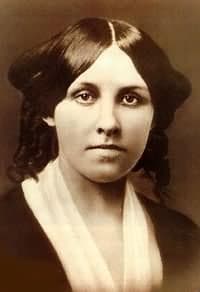
Louisa May Alcott was an American novelist best known for her works exploring themes of family and personal growth. Among her notable books are "Little Men," "Good Wives," "Rose in Bloom," "A Long Fatal Love Chase," and "A Modern Cinderella," which reflect her interest in the lives of women and children in the 19th century.
Similar books
- Pride and Prejudice
Jane Austen
4.3 (3M) average on GoodreadsHistorical FictionExplores themes of marriage, social class, and personal development through the experiences of strong female characters in a historical setting.
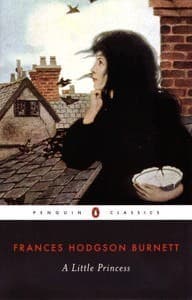
- A Little Princess
Frances Hodgson Burnett
4.2 (4k) average on GoodreadsFantasyFeatures a strong, imaginative female protagonist facing life's challenges, emphasizing resilience and inner strength, though with a younger focus.
- Jane Eyre
Charlotte Brontë
4.1 (1.6M) average on GoodreadsHistorical Fiction'Good Wives' operates more within established social frameworks, gently pushing for individual agency, whereas 'Jane Eyre' offers a more intense and subversive critique of patriarchal structures through its protagonist's fierce independence and rejection of societal expectations.
- Harry Potter and the Sorcerer's Stone
J.K. Rowling
4.5 (7M) average on GoodreadsFantasyRescued from a miserable life under the stairs, an orphaned boy discovers he's a wizard destined for a magical school, where he uncovers a dangerous secret tied to the dark wizard who murdered his parents.
- The Hobbit, or There and Back Again
J.R.R. Tolkien
4.3 (2.9M) average on GoodreadsFantasyA comfort-loving hobbit named Bilbo Baggins is whisked away by a mischievous wizard and a band of dwarves on an unexpected journey to reclaim stolen treasure from a fearsome dragon, discovering courage and a magical ring along the way.
- Harry Potter and the Goblet of Fire
J.K. Rowling
4.6 (2.6M) average on GoodreadsFantasyA bewildered Harry Potter, underage and thrust into a deadly Triwizard Tournament, must brave dragons, mermaids, and a resurgent dark magic to survive a year that will forever alter the wizarding world.





Enjoyed the summary?
A summary gives you the shape of the book. The book itself has the detail, the examples and the voice.
Find Good Wives on AmazonAs an Amazon Associate, BookBrief earns from qualifying purchases. How we're funded