

Synopsis
Covers the whole plot, including the ending.
- Difficulty
- Medium
- Pacing
- Fast
- Mood
- Intense, adventurous, romantic, suspenseful
Heat Stroke Plot Summary
Covers the whole plot, including the ending.
A New Beginning, a Familiar Threat
Five days after her funeral, Joanne Baldwin awakens as a Djinn. Her human life is over, but her consciousness and memories remain. She is now immensely powerful, able to manipulate weather on a grander scale than before. Yet, she is also bound by new limits and weaknesses, especially the risk of being 'claimed' by a human. Her former mentor, David, and her Djinn lover, Lewis, help her understand this change. However, her adjustment is cut short when she senses a new, dangerous threat in Earth's atmosphere – a 'dead zone' that human Wardens cannot detect. It poses a risk to the planet. She struggles to explain the danger because of her altered state and the general disbelief from human authorities.
The Djinn Council and Human Distrust
Joanne and Lewis travel to the Djinn Council, hoping to get their help with the atmospheric problem. The Council, made up of old and powerful Djinn, cares little about human affairs. They view Joanne with suspicion because of her recent change and her strong ties to humanity. They care more about keeping their power and avoiding direct involvement. Lewis, though powerful, is also bound by their rules. Joanne's attempts to explain the dead zone's urgency are met with doubt and resistance, forcing her to consider more extreme measures to protect the world she still cares about.
The Dead Zone's Manifestation
Despite Joanne's warnings, the 'dead zone' grows and shows its effects. It does not cause immediate, violent weather like typical Warden threats, but a slow, hidden draining of atmospheric energy. This leads to widespread tiredness, illness, and a breakdown of weather systems. Crops fail, animals sicken, and the air itself feels wrong. Human Wardens are confused; their usual detection and manipulation methods do not work against this new danger. This growing crisis forces even the most doubtful human authorities to admit that something new is happening, though they still struggle to understand what it is or where it came from.
A Reluctant Alliance
With the dead zone worsening, Joanne realizes she cannot fight this alone. She seeks out a powerful and dangerous Djinn, one who has been an enemy in the past, but who has unique knowledge and abilities that might be necessary. This alliance is full of tension and distrust, as their past conflicts are not easily forgotten. However, the sheer size of the threat forces them to put aside their differences, for now. This uneasy partnership shows the desperate situation and the need for unusual actions, even if it means working with former enemies.
Unveiling the Origin
Through her improved Djinn senses and her allies' combined efforts, Joanne begins to solve the dead zone's mystery. It is not a natural event, nor a simple weather problem. It is a parasitic entity or force, feeding on the atmosphere's essence and life force, slowly draining the planet. It comes from outside Earth or another dimension, something entirely new to both human Wardens and many Djinn. This discovery raises the stakes; it is not just about controlling weather, but about expelling an alien invader that threatens all life on Earth.
The Challenge of Communication
Even with her understanding of the dead zone, Joanne finds it very hard to explain the threat to those who can help. Human Wardens, limited by their senses and understanding, cannot grasp the idea of an atmospheric parasite not based on weather. The Djinn Council largely stays out of it, seeing it as a human problem or minor compared to their old concerns. Joanne feels very alone, holding important knowledge but lacking the means to get others to act. Her Djinn abilities, while powerful, also make her seem strange to human understanding, making her pleas sound like madness to some.
Sacrifice and Desperation
As the dead zone expands and life on Earth declines, Joanne realizes that normal methods will not work. The parasitic entity is too deeply set, too alien for standard weather manipulation or Djinn actions. She considers a drastic and possibly self-destructive solution. It might require her to channel a vast amount of power, risking her own existence or her new Djinn nature. This decision weighs heavily on her, forcing her to face the ultimate cost of her commitment to humanity and the planet, even as her Djinn form makes her more separate from human concerns.
The Final Confrontation
With time running out, Joanne, Lewis, and their uneasy allies launch a coordinated attack against the core of the parasitic dead zone. This is not a battle of physical force but of elemental energy and will. Joanne must use her full Djinn power, pushing her limits to manipulate the atmosphere itself and channel immense energy to expel the entity. The fight is dangerous and unpredictable, threatening to consume her and her allies. Their mission's success depends on their ability to work together despite their differences and to defeat an enemy unlike any they have faced.
Aftermath and Lingering Effects
The parasitic dead zone is successfully removed from Earth's atmosphere, but the victory has a cost. The planet is marked, its weather systems disrupted, and its population deeply affected. Joanne and her allies are exhausted, and her Djinn form has been tested to its limits. While the immediate danger is over, the event has shown Earth's weakness to extra-dimensional threats and the limits of both human and Djinn understanding. New questions arise about the long-term effects on the planet and the chance of similar threats in the future, leaving a sense of unease.
A Djinn's Burden, A Human Heart
Afterward, Joanne deals with what it means to be a Djinn. She is powerful, almost immortal, yet her heart remains tied to humanity. The battle has strengthened her resolve to protect Earth, but it has also shown her the deep loneliness and responsibility of her new role. Her relationship with Lewis grows stronger, but the gap between Djinn and human understanding remains. She must learn to balance her great power with her human empathy, living in a world where she is both a guardian and an outsider, forever changed by her rebirth and the trials she has faced.
Heat Stroke Characters
Joanne Baldwin
Protagonist
A reborn Djinn with a human heart, fighting to save Earth from an unknown threat.
Formerly a human Weather Warden, Joanne has been reborn as a Djinn after her 'death.' This transformation grants her immense power over weather and the elements, far beyond her previous capabilities, but also introduces new vulnerabilities and responsibilities. She struggles with the alien nature of Djinn existence, constantly battling the urge to detach from humanity while her core empathy and protective instincts remain. She is fiercely independent and determined, often clashing with both human and Djinn authorities due to her unique perspective and unwavering resolve to protect Earth.
Relationships: Lewis (Lover, mentor, fellow Djinn); David (Former mentor, friend); Djinn Council (Authority figures, often adversarial)
Lewis
Supporting
Joanne's Djinn lover and guide, torn between Djinn law and his love for her.
Lewis is an ancient and powerful Djinn, deeply in love with Joanne. He serves as her primary guide and protector in her new Djinn life, helping her understand her abilities and the complex politics of the Djinn world. He is fiercely loyal to Joanne but is also bound by the strictures and traditions of the Djinn Council, creating internal conflict. He possesses vast knowledge and experience, offering strategic advice and emotional support, but he also struggles with the implications of Joanne's unique position as a human-turned-Djinn.
Relationships: Joanne Baldwin (Lover, partner); Djinn Council (Authority figures, his peers)
David
Supporting
Joanne's former mentor and a high-ranking human Weather Warden.
David was Joanne's mentor when she was human and remains a trusted friend and ally, despite her transformation into a Djinn. He is a high-ranking Weather Warden, dedicated to protecting humanity. He struggles to fully comprehend Joanne's new Djinn existence but trusts her implicitly. He acts as a crucial bridge between Joanne and the human Warden organization, helping her to communicate threats and coordinate efforts, even when he doesn't fully understand the nature of the danger himself. His loyalty to Joanne is unwavering.
Relationships: Joanne Baldwin (Former mentee, friend)
The Djinn Council (collective)
Antagonist/Supporting
Ancient, powerful Djinn who govern their kind but are often indifferent to human affairs.
The Djinn Council is a collective of the oldest and most powerful Djinn, responsible for maintaining order within their society and upholding ancient laws. They are largely detached from human concerns, viewing them as transient and insignificant. Their primary interest lies in preserving Djinn traditions and power dynamics. They are often skeptical of Joanne's claims and her human ties, making them an obstacle to her efforts to save Earth. While not inherently evil, their apathy and self-interest make them an antagonistic force.
Relationships: Joanne Baldwin (New Djinn, often at odds with their decrees); Lewis (Member, bound by their laws)
The Parasitic Entity (Dead Zone)
Antagonist
An alien atmospheric parasite slowly draining Earth's life force.
This entity manifests as a 'dead zone' in the atmosphere, imperceptible to human Wardens but keenly felt by Djinn. It is not a weather phenomenon but an alien, parasitic force that slowly depletes the planet's atmospheric energy and life force, leading to widespread decay and illness. It is a silent, insidious killer, making it difficult to detect and combat. It represents a new, unprecedented threat that challenges the understanding and capabilities of both human and Djinn powers.
Relationships: Earth (Host, victim); Joanne Baldwin (Opponent)
The Rogue Djinn (Unnamed/Former Antagonist)
Supporting
A powerful, dangerous Djinn with unique knowledge, forced into an alliance with Joanne.
This character is a powerful Djinn who has been an antagonist to Joanne in previous events, known for their dangerous nature and self-serving tendencies. However, the unprecedented threat of the 'dead zone' forces them into an uneasy, temporary alliance with Joanne. They possess unique knowledge or abilities crucial to understanding or combating the parasitic entity. Their cooperation is born out of necessity rather than loyalty, and their presence adds significant tension and unpredictability to Joanne's efforts.
Relationships: Joanne Baldwin (Uneasy ally, former antagonist)
Humans (General Population)
Supporting
The vulnerable population affected by the 'dead zone' and unaware of the true threat.
The general human population serves as the primary victims of the 'dead zone's' effects. They experience the symptoms of atmospheric depletion—lethargy, illness, crop failure—without understanding the true, alien nature of the cause. Their inability to perceive the threat directly highlights the critical role of Wardens and Djinn. Their suffering drives Joanne's determination, reinforcing her connection to humanity despite her Djinn transformation. They represent what Joanne is fighting to protect.
Relationships: Joanne Baldwin (Protector)
Heat Stroke Themes
The Burden of Power and Responsibility
Joanne's change into a Djinn gives her great power, but it also brings responsibilities and moral problems. She struggles with knowing about a threat that others cannot see or believe, and the pressure to act when others cannot or will not. This theme explores the isolation that often comes with great power and the sacrifices needed to use it for good, especially when one's nature changes completely. It asks if power truly makes things easier or simply changes the nature of the struggle.
“Being all-powerful was not going to be easy. It was just going to be different, and infinitely more lonely.”
Identity and Transformation
The heart of Joanne's journey is her change from human to Djinn. This theme explores losing her old self, the struggle to adapt to a new life with changed perceptions and weaknesses, and the challenge of combining her human memories and empathy with her new, more separate Djinn nature. It looks at how identity is shaped by big changes, and if a person's core can last beyond their body and species. Joanne constantly balances her human heart and her Djinn abilities.
“Her human life was over, but she had been reborn into Djinnhood. The world looked different, felt different, but her heart still beat for the same people.”
Inter-species Communication and Trust
The novel shows the great difficulties in communication and trust between different species – humans (Wardens) and Djinn. Joanne, living between both worlds, struggles to explain the alien threat to humans who lack the senses to perceive it, and to Djinn who care little about human affairs. This theme explores the barriers created by different perceptions, priorities, and distrust. It also shows the need to bridge these gaps when facing a common, huge enemy. It asks if true understanding is possible across such divides.
“How could she make them see what she saw, feel what she felt, when their very natures prevented it?”
Environmentalism and Planetary Vulnerability
At its core, the story is a fight to save Earth's atmosphere and ecosystem from a hidden, alien parasite. This theme highlights how fragile our planet is and its openness to threats beyond human understanding. It explores the idea of the atmosphere as a living, vital thing that can get sick or be drained. The 'dead zone' is a symbol for unseen environmental dangers, showing the urgent need for awareness and action, even against threats that are not immediately obvious or commonly understood. It reinforces the idea that the planet itself needs protection.
“It wasn't a storm, it was a sickness, a slow, silent death infecting the very air they breathed.”
Plot Devices & Literary Techniques
The 'Dead Zone' as an Incomprehensible Threat
An atmospheric anomaly that defies conventional understanding and detection.
The 'dead zone' is a crucial plot device, serving as the central antagonist and driving force of the narrative. Its nature as an alien, parasitic entity that cannot be detected by human Warden senses or understood by their science creates immediate tension and highlights Joanne's unique Djinn abilities. This incomprehensibility forces Joanne to act as the sole interpreter of the threat, isolating her and increasing the stakes. It also forces characters to confront something entirely new, pushing the boundaries of their understanding and forcing unlikely alliances.
Joanne's Djinn Rebirth
The protagonist's transformation into a powerful, yet vulnerable, new form.
Joanne's rebirth as a Djinn is the foundational plot device, fundamentally altering her character and capabilities. It grants her the power necessary to perceive and combat the 'dead zone,' but also introduces new challenges: the risk of being 'claimed,' the struggle with Djinn detachment, and the difficulty of relating to humans. This transformation serves to elevate the stakes, provide unique solutions, and explore themes of identity and responsibility, making her the only one capable of facing the novel's central threat.
The Djinn Council's Indifference
An ancient, powerful governing body that acts as an obstacle to immediate action.
The Djinn Council serves as a significant plot device by creating external conflict and highlighting the political complexities of the Djinn world. Their ancient laws, detachment from human affairs, and skepticism towards Joanne's warnings force her to seek alternative solutions and rely on her own initiative. This indifference amplifies the sense of urgency and isolation Joanne feels, preventing an easy resolution and forcing her to build alliances outside of established power structures, thereby showcasing her unique leadership and determination.
Quiz
10 questions on the plot and the characters. Each answer comes with a short explanation.
Question 1
What is the name of the main character in 'Heat Stroke'?
- Jim Butcher
- Rachel Caine
- Joanne Baldwin
- The Djinn
Show answer
C. Joanne Baldwin The text explicitly states, 'Weather Warden Joanne Baldwin was chased across the country...'
Question 2
What organization does Joanne Baldwin belong to?
- The Djinn Association
- The Climatic Extremes Bureau
- The Rogue Warden Hunters
- The Wardens Association
Show answer
D. The Wardens Association The passage mentions, 'the Wardens Association still protects the human race from extermination by climatic extremes...' and that Joanne is a 'Weather Warden'.
Question 3
What genre is 'Heat Stroke' classified as?
- Mystery, Thriller, Romance
- Fantasy, Science Fiction, Romance
- Historical Fiction, Adventure
- Horror, Supernatural
Show answer
B. Fantasy, Science Fiction, Romance The provided text lists the genres as 'Fantasy, Science Fiction, Romance.'
Question 4
What event led to Joanne Baldwin's death and subsequent rebirth?
- She was killed by a climatic extreme.
- She was accused of murder and hunted by her own association.
- She sacrificed herself to save humanity.
- She was attacked by a rogue Djinn.
Show answer
B. She was accused of murder and hunted by her own association. The text states, 'Accused of murder, Weather Warden Joanne Baldwin was chased across the country--and killed... Five days later, Joanne had a lovely funeral and was posthumously cleared of all charges. Her human life was over, but she had been reborn into Djinnhood.'
Question 5
What is Joanne's primary challenge after being reborn as a Djinn?
- Mastering her new powers and avoiding being 'claimed' by a human.
- Investigating the climatic hazard threatening Earth.
- Clearing her name of the murder charges.
- Finding the rogue Wardens who hunted her.
Show answer
A. Mastering her new powers and avoiding being 'claimed' by a human. The text says, 'Now, until she masters her enhanced powers, Joanne must try to avoid being "claimed" by a human.'
Question 6
What specific threat infiltrates Earth's atmosphere that only a Djinn can sense?
- A rogue Djinn attack
- An extreme weather event
- A hazard
- A human invasion
Show answer
C. A hazard The passage mentions, 'But when a hazard that only a Djinn could sense infiltrates Earth's atmosphere...'. The specific nature of the hazard is not detailed.
Question 7
Who is the author of 'Heat Stroke'?
- Jim Butcher
- Rachel Caine
- Joanne Baldwin
- Unknown
Show answer
B. Rachel Caine The first line of the excerpt states, 'In Rachel Caine's tempestuous follow-up...'
Question 8
What does it imply when Joanne is described as being 'reborn into Djinnhood'?
- She has gained the ability to control weather.
- She has transformed into a supernatural being with new powers.
- She has lost her memories and identity.
- She has achieved a higher level of human consciousness.
Show answer
B. She has transformed into a supernatural being with new powers. Being 'reborn into Djinnhood' suggests a transformation into a non-human, supernatural entity with enhanced abilities, as further elaborated by the mention of 'enhanced powers'.
Question 9
What is the central conflict Joanne faces regarding the atmospheric hazard?
- She must defeat the hazard herself using her new powers.
- She needs to convince others to act against a threat she alone can perceive.
- She must find a way to reverse her Djinn transformation to deal with it.
- She has to hide the hazard from humanity to prevent panic.
Show answer
B. She needs to convince others to act against a threat she alone can perceive. The text states, 'Joanne must somehow convince someone to do something about it--or the forecast will be deadly.' This highlights the conflict of needing to persuade others to act on a threat she senses.
Question 10
The phrase 'So who said being all-powerful was going to be easy?' suggests that despite her new Djinn abilities, Joanne will still face significant challenges. Which of the following best reflects this sentiment based on the text?
- Her powers are not strong enough to stop the atmospheric hazard.
- She is struggling to control her powers and navigate her new existence.
- The human race is unwilling to accept her help.
- She is concerned about the funeral arrangements.
Show answer
B. She is struggling to control her powers and navigate her new existence. The preceding sentences detail her struggle to master her powers and the need to convince others to act. The concluding line implies that even with 'all-powerful' status (as a Djinn), her immediate concerns are about control, persuasion, and avoiding being 'claimed', indicating ongoing difficulties.
Heat Stroke FAQ
What is the genre of the book Heat Stroke by Rachel Caine?
Heat Stroke is a thrilling blend of fantasy, science fiction, and romance. It features apocalyptic atmospheric elements and a unique world where magical beings and extreme weather collide.
What is the premise of Heat Stroke?
The story follows Joanne Baldwin, a Weather Warden who is framed for murder, killed, and then reborn as a Djinn. She must learn to control her new powers while protecting humanity from an atmospheric threat only she can sense.
Who are the Wardens in Heat Stroke?
The Wardens are an association tasked with protecting the human race from devastating climatic extremes. However, they also have internal conflicts and are sometimes involved in hunting down rogue members.
What are Djinn in the context of Heat Stroke?
Djinn are powerful beings who exist in the world of Heat Stroke. Joanne Baldwin becomes one after her death, gaining enhanced powers but also facing new challenges and dangers.
What is Joanne Baldwin's main challenge after becoming a Djinn?
After her transformation, Joanne must master her enhanced powers. A significant challenge is avoiding being 'claimed' by a human, which implies a dangerous or unwanted fate.
What kind of threat does Joanne face in Heat Stroke?
Joanne must confront a hazard that only a Djinn can sense, which has infiltrated Earth's atmosphere. If not dealt with, this threat will have deadly consequences for the planet.
Is Heat Stroke a standalone novel or part of a series?
Heat Stroke is a follow-up to Rachel Caine's novel Ill Wind, suggesting it is part of a larger series. It continues the story and world-building established in the previous book.
What does it mean for Joanne to be 'claimed' by a human?
While not explicitly detailed, being 'claimed' by a human suggests a loss of control or agency for Joanne as a newly transformed Djinn. It's a danger she must actively avoid.
What is the tone or atmosphere of Heat Stroke?
The book is described as having 'apocalyptic atmospherics' and being a 'tempestuous' follow-up. It combines high stakes, action, and a sense of urgency with elements of fantasy and romance.
Is Heat Stroke suitable for fans of Jim Butcher?
Yes, Jim Butcher himself described the book as 'a fun read,' indicating that fans of his style, which often includes action-packed urban fantasy with strong characters, might enjoy Heat Stroke.
About the author

Rachel Caine is an author known for her contributions to the fiction genre. Her notable works include "Stillhouse Lake," "Midnight Alley," "Lord of Misrule," "Glass Houses," "Ghost Town," and "Last Breath." Caine's writing often blends elements of suspense and supernatural themes.
Similar books
- Daughter of Smoke & Bone
Laini Taylor
4.0 (311k) average on GoodreadsFantasyWhile both "Heat Stroke" and "Daughter of Smoke & Bone" feature compelling female protagonists navigating supernatural conflicts, Caine's work grounds its magic in a more tangible, climate-impacted near-future. Taylor's world is more overtly mythical and fantastical, focusing on angels and demons, whereas Caine blends scientific plausibility with magical abilities related to a specific environmental crisis. "Heat Stroke" has a more immediate, action-driven plot, whereas Taylor's narrative often takes a more lyrical and introspective approach to its world-building and character relationships.
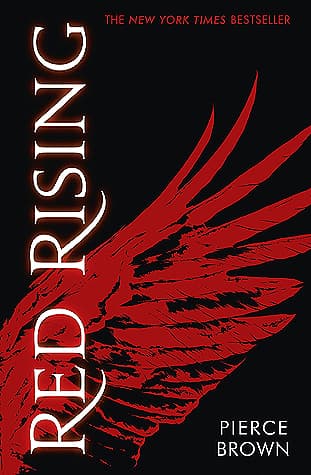
- Red Rising
Pierce Brown
4.3 (248k) average on GoodreadsFantasyBoth "Heat Stroke" and "Red Rising" present dystopian futures shaped by societal hierarchies and technological advancements, but they diverge significantly in their approach to power and conflict. Brown's series is a space opera focusing on class warfare and military strategy with a predominantly male protagonist. Caine's novel, while also featuring power struggles, centers on a female protagonist whose abilities are magical and tied to the planet's environment. "Heat Stroke" leans more into urban fantasy elements within its sci-fi framework, offering a more intimate scale of conflict compared to the galactic scope of "Red Rising," and a stronger emphasis on the personal cost of survival in a broken world.
- Harry Potter and the Sorcerer's Stone
J.K. Rowling
4.5 (7M) average on GoodreadsFantasyRescued from a miserable life under the stairs, an orphaned boy discovers he's a wizard destined for a magical school, where he uncovers a dangerous secret tied to the dark wizard who murdered his parents.
- The Hunger Games
Suzanne Collins
4.3 (6.4M) average on GoodreadsFantasyIn a future where children fight to the death on live television, Katniss Everdeen volunteers for the arena, turning a death sentence into a fight for survival and a spark of rebellion.
- 1984
George Orwell
4.2 (3.1M) average on GoodreadsPoliticsIn a future where surveillance and thought control are absolute, a man's search for truth clashes with the Party, showing that hope can be a form of rebellion.
- Divergent
Veronica Roth
4.2 (2.9M) average on GoodreadsFantasyIn a society divided by virtues, a sixteen-year-old's difference from the norm starts a rebellion that threatens her world.





Enjoyed the summary?
A summary gives you the shape of the book. The book itself has the detail, the examples and the voice.
Find Heat Stroke on AmazonAs an Amazon Associate, BookBrief earns from qualifying purchases. How we're funded