

Synopsis
Covers the whole plot, including the ending.
- Difficulty
- Easy
- Pacing
- Moderate
- Mood
- Thought-provoking, Emotional, Hopeful, Romantic, Reflective
- Read it if
- You enjoy contemporary YA with a strong emotional core, exploring themes of identity, grief, and finding hope after tragedy, with a touch of romance.
- Skip it if
- You prefer lighthearted reads without historical or emotionally heavy themes, or if you're not interested in stories centered around the aftermath of 9/11.
Hope and Other Punchlines Plot Summary
Covers the whole plot, including the ending.
A Summer of Anonymity
Abbi Hope Goldstein, known as 'Baby Hope' from an iconic 9/11 photograph, is tired of being recognized and carrying the weight of public grief. The photo, taken on her first birthday, shows her with a red balloon and a party hat, with the South Tower collapsing in the background. Now almost seventeen, Abbi decides to escape her fame by working as a junior counselor at Knights Day Camp in a nearby town. She hopes to blend in and have a normal summer. She is assigned to the 'Bumblebees,' a group of four-year-olds, none of whom she expects to recognize her. Her goal is to put aside the 'Baby Hope' identity, even for a few months, and focus on her own life.
An Unlikely Encounter
Abbi's plan for anonymity is immediately complicated when she meets Noah Stern, another junior counselor. Noah, an aspiring photographer, not only recognizes Abbi from the famous 'Baby Hope' photo but is deeply moved by it. His own father died on 9/11, and the photo means a lot to him, a symbol of hope amid tragedy. He believes their meeting at camp is fate, a sign they are meant to connect over their shared, though different, experiences of that day. Abbi, however, sees his recognition as a threat to her carefully built summer persona.
The Photo's Origin
As Abbi and Noah spend more time together, Noah reveals that his connection to the 'Baby Hope' photo is more than general public awareness. His father, a photojournalist, was at the World Trade Center that day and took the iconic picture. This news deeply affects Abbi, linking her personal history directly to Noah's tragic past. The photograph, which has shaped much of Abbi's life, suddenly becomes a new, more personal, and emotional object shared between them.
A Shared Quest for Answers
Noah's revelations and Abbi's own curiosity lead them to look deeper into the 'Baby Hope' photograph. They begin to research the photo's origins, seeking information about Noah's father's work and the events of that morning. Their joint investigation helps them process their individual traumas and understand how 9/11 affected their lives. This search for answers becomes the main focus of their summer, bringing them closer as they learn more about the day that changed both their families' futures.
Uncovering the Photographer's Story
Abbi and Noah start by contacting people who knew Noah's father, a dedicated photojournalist. They speak with his former colleagues and friends, piecing together his movements and intentions on September 11th. They learn about his passion for capturing truth, even in danger. They discover he went to the World Trade Center not just as a journalist, but out of duty. Each new detail about his final hours helps them understand the context in which the 'Baby Hope' photo was taken, adding meaning to the image that has shaped Abbi's identity.
The Weight of Public Memory
As Abbi and Noah continue their investigation, Abbi deals with her public identity. She sees how strangers project their own grief and hope onto her, often overshadowing her personal feelings. She struggles with feeling like a symbol, not a person, to many. This internal struggle is made worse by her wish for a normal life, which the 'Baby Hope' identity constantly undermines. Her talks with Noah help her express these frustrations and begin to process the burden of being a public figure tied to a national tragedy.
A Complicated Romance Blooms
Through their intense and emotional shared search, Abbi and Noah form a deep connection that goes beyond their first hesitations. They find comfort and understanding in each other, as both have felt the lasting impact of 9/11. Their shared vulnerability and support lead to a budding romance. This relationship is complicated by the circumstances that brought them together — the tragedy of 9/11 and the iconic photo — yet it also creates a unique bond. Their feelings grow as they navigate the difficult truths they uncover, finding comfort and strength in their shared journey.
The Truth Behind the Smile
Abbi and Noah eventually uncover the full story behind the 'Baby Hope' photograph. They learn that Noah's father, in the chaos and fear of that morning, took the picture of Abbi, a small sign of innocence amid the unfolding disaster. The photo was taken just moments before the South Tower collapsed, making it a powerful symbol of fleeting normalcy before irreversible change. They discover the specific street corner, the time, and the emotional context of the shot. This revelation brings both closure and a deeper understanding of the photo's lasting power, for them personally and for the nation.
Personal Reckoning
With the full truth of the 'Baby Hope' photograph revealed, Abbi and Noah must face what it means for their own lives. Abbi begins to understand that the photo, while a burden, also shows resilience and hope, not just tragedy. Noah finds a deeper connection to his father's legacy, seeing his final act not just as a journalist, but as someone who captured a moment of humanity. They both deal with the weight of memory, grief, and the unexpected ways hope can come from devastation. This understanding helps them begin healing and moving forward.
Embracing the Future
By the end of the summer, Abbi has changed a lot. She no longer tries to completely escape the 'Baby Hope' identity but instead tries to make it part of who she is. She understands that while the photo is part of her, it does not define her entirely. With Noah's help, she finds a way to acknowledge the public's connection to her story while also being herself. She learns to accept the hope the photo represents, not just the tragedy, and looks toward her future with a new sense of self-acceptance and purpose, ready to handle the complexities of her unique past.
Hope and Other Punchlines Characters
Abbi Hope Goldstein
Protagonist
The 'Baby Hope' from the iconic 9/11 photograph, seeking anonymity.
Abbi is a clever, empathetic, and somewhat introverted teenager burdened by her accidental fame as 'Baby Hope.' The iconic 9/11 photograph, taken on her first birthday, has made her a symbol of national grief and resilience, leading to unwanted public attention and a feeling of being defined by a single moment. She struggles with asthma, adding another layer of vulnerability. Abbi yearns for anonymity and a normal life, often feeling detached from the 'hope' others project onto her. She is driven by a desire to understand her past and carve out her own identity separate from the photograph.
Relationships: Noah Stern (Romantic interest; co-investigator of the photo's origins.); Her parents (Supportive but protective, also navigating the complexities of her fame.)
Noah Stern
Supporting/Love Interest
An aspiring photographer whose father died on 9/11, deeply connected to Abbi's photo.
Noah is an earnest, artistic, and deeply sensitive teenager who carries the profound grief of losing his father on 9/11. He is an aspiring photographer, drawn to capturing truth and emotion, much like his late father. The 'Baby Hope' photograph holds immense personal significance for him, symbolizing hope amidst his family's tragedy. He believes in fate and is determined to uncover the full story behind the photo, which he sees as a way to connect with his father's memory. Noah is driven by a need for understanding and a desire to honor his father's legacy.
Relationships: Abbi Hope Goldstein (Romantic interest; co-investigator of the photo's origins.); His father (Deceased; a photojournalist who took the 'Baby Hope' photo, inspiring Noah.)
Abbi's Parents
Supporting
Protective and loving parents who try to shield Abbi from the weight of her fame.
Abbi's parents are loving and fiercely protective, having spent years navigating the unique challenges of raising a child who became a national symbol. They are supportive of Abbi's desire for anonymity but also worry about her safety and emotional well-being. They've tried to shield her from the more intrusive aspects of her fame, often downplaying the significance of the photo in their daily lives. They carry their own memories of 9/11 and the profound impact it had on their family, making them cautious about Abbi delving too deeply into the past.
Relationships: Abbi Hope Goldstein (Parents to Abbi; protective and supportive.)
Noah's Father (deceased)
Mentioned/Catalyst
A photojournalist who took the iconic 'Baby Hope' photo on 9/11.
Noah's father was a dedicated and passionate photojournalist, driven by a desire to capture truth and human experience through his lens. He was working near the World Trade Center on 9/11 and, in a tragic twist of fate, captured the 'Baby Hope' photograph just before his death. His legacy deeply influences Noah, who inherited his passion for photography and his quest for understanding. Though deceased, his actions and character profoundly shape Noah's journey and are central to the mystery Abbi and Noah seek to solve.
Relationships: Noah Stern (Father to Noah; his death and work are central to the plot.)
Hope and Other Punchlines Themes
Identity and Public Perception
The novel shows how Abbi's identity is shaped by a public image she didn't choose. She struggles with being 'Baby Hope' — a national symbol of hope — while wanting to be seen as an individual. Strangers project their grief and expectations onto her, making it hard for her to define herself. This theme is clear when she tries to escape her fame at camp, only to be recognized by Noah, forcing her to confront her public persona. The story shows her learning to combine this public identity with her private self, rather than trying to get rid of it.
“What if the thing that defines you is something you didn't even do?”
Grief, Memory, and Healing
The lasting impact of the 9/11 attacks on individuals and families is a main theme. Both Abbi and Noah, in different ways, carry the weight of that day. Noah's direct loss of his father drives his search for understanding, while Abbi's accidental fame makes her a vessel for public grief. The novel shows how memory, both personal and shared, shapes their present. Their investigation into the photograph becomes a shared way to process trauma and find a path toward healing, showing that understanding the past is important for moving forward.
“Sometimes looking to the past helps you find your future.”
Hope Amidst Tragedy
The novel directly addresses hope in the face of great tragedy. The 'Baby Hope' photograph itself is a strong symbol of this, capturing innocence and resilience against the backdrop of collapse. For Noah, the photo is a beacon of hope after his father's death. Abbi at first dislikes this label, feeling the burden of carrying a nation's hope. However, through her journey, she comes to understand hope — not as simple optimism, but as quiet endurance and the chance to find light even in the darkest times.
“Hope isn't about ignoring the bad stuff. It's about finding the good, even when it's buried deep.”
The Power of Photography
Photography is an important theme, showing its power to capture, preserve, and interpret moments. The 'Baby Hope' photo is more than a picture; it is a historical object, a symbol, and a deeply personal link for Abbi and Noah. The novel explores how one image can shape stories, influence public opinion, and connect generations. Noah's own photography goals highlight the idea that images can communicate deep truths and help people process terrible events, making the unseen visible.
“A photograph can be a window, or it can be a mirror.”
Plot Devices & Literary Techniques
The Iconic Photograph ('Baby Hope' photo)
A central visual motif and catalyst for the entire plot.
The 'Baby Hope' photograph serves as the primary plot device, both literally and symbolically. It is the catalyst that brings Abbi and Noah together, the mystery they seek to unravel, and the physical manifestation of their intertwined pasts. The photo represents Abbi's public identity and the national memory of 9/11, while for Noah, it's a direct link to his deceased father. Its existence drives the narrative forward, forcing the characters to confront difficult truths and explore the lasting impact of a single, devastating moment in history.
The Summer Camp Setting
A temporary escape that paradoxically forces confrontation with the past.
The Knights Day Camp provides a contained and initially anonymous setting for Abbi, allowing her to believe she can escape her 'Baby Hope' identity. This 'bubble' of normalcy is quickly burst by Noah's presence, turning the camp into a crucible where their shared past is forced to the surface. The camp setting, with its youthful innocence and distance from their regular lives, creates a space for vulnerability and the development of their relationship, while also highlighting the contrast between their personal burdens and the lightheartedness of summer.
The Shared Investigation
A collaborative quest for truth that deepens the characters' bond.
Abbi and Noah's joint investigation into the origins of the 'Baby Hope' photograph is a crucial plot device. It provides the narrative structure, giving them a common goal and forcing them to interact, communicate, and rely on each other. This shared quest allows them to process their individual traumas collectively, fosters their burgeoning romance, and ultimately leads to the discovery of pivotal information. The investigation is not just about finding answers, but about the journey of self-discovery and connection it facilitates for both characters.
Flashbacks and Recollections
Brief glimpses into the past that illuminate character motivations and context.
While not extensively used, the novel incorporates subtle flashbacks and character recollections to provide context for the characters' emotional states and the historical significance of 9/11. These brief moments, whether Abbi's fragmented memories of her childhood or Noah's memories of his father, serve to deepen the emotional impact of the main narrative. They help to illustrate the long-term effects of trauma and how past events continue to shape present experiences, adding depth to their personal journeys of discovery and healing.
Hope and Other Punchlines Quotes
“Hope was the most dangerous word in the English language.”
“Maybe being a hero isn't about being brave all the time, but about being brave when it counts.”
“Sometimes the things that break you are also the things that make you.”
“The past is never really gone. It just changes its shape.”
“It's funny how you can think you know someone your whole life, and then suddenly, you realize you don't know them at all.”
“Grief is a tricky thing. It doesn't just go away. It just… changes its address.”
“Maybe the point isn't to forget, but to remember differently.”
“We all have our own versions of that day, don't we? Our own stories.”
“It’s hard to be a legend when you’re just trying to be a person.”
“Sometimes the greatest acts of bravery are the quietest ones.”
“You can't erase history, but you can learn from it.”
“Love isn't always easy. Sometimes it's messy and complicated and makes you want to pull your hair out. But it's still love.”
“Maybe that's what hope is. Not a guarantee, but a possibility.”
“The world keeps spinning, even when yours feels like it's stopped.”
Quiz
10 questions on the plot and the characters. Each answer comes with a short explanation.
Question 1
What is Abbi's famous alter ego called, which is the subject of internet memes?
- Little Star
- Baby Hope
- Princess Abbi
- Red Balloon Girl
Show answer
B. Baby Hope Abbi's famous alter ego, captured in the iconic photograph, is known as Baby Hope.
Question 2
What significant historical event is Abbi's iconic photograph linked to?
- The Oklahoma City Bombing
- The Challenger Disaster
- The September 11th terrorist attacks
- The 1993 World Trade Center bombing
Show answer
C. The September 11th terrorist attacks The iconic photograph of Abbi was taken on September 11th, with the South Tower of the World Trade Center collapsing behind her.
Question 3
Where does Abbi decide to spend her summer to escape her fame?
- A summer school program
- A library internship
- Knights Day Camp as a counselor
- A volunteer trip abroad
Show answer
C. Knights Day Camp as a counselor Abbi seeks anonymity by becoming a counselor at Knights Day Camp, hoping the four-year-olds won't recognize her.
Question 4
What unique physical characteristic does Abbi possess, mentioned alongside her fame?
- Severe allergies
- Asthma
- Poor eyesight
- A limp
Show answer
B. Asthma The description states that Abbi has asthma, among other exceptions to being like every other teenager.
Question 5
Who is the other character who has a similar summer plan and whose world was also shattered by 9/11?
- Ethan Miller
- Noah Stern
- Liam Davis
- Caleb Jones
Show answer
B. Noah Stern Noah Stern, who believes meeting Baby Hope is fate, shares a similar summer plan at the camp.
Question 6
What specific items is 'Baby Hope' holding or wearing in the iconic photograph?
- A teddy bear and a blue ribbon
- A birthday crown and a red balloon
- A flower bouquet and a white dress
- A small flag and a party hat
Show answer
B. A birthday crown and a red balloon The description details that Abbi 'wears a birthday crown and grasps a red balloon' in the iconic picture.
Question 7
How old is Abbi going to be just after her summer at camp?
- Sixteenth
- Seventeenth
- Eighteenth
- Fifteenth
Show answer
B. Seventeenth Abbi decides to spend the summer 'before her seventeenth birthday' at the camp.
Question 8
What is Abbi's primary motivation for seeking anonymity at Knights Day Camp?
- To avoid a family problem
- To pursue a hidden talent
- To escape the constant recognition and emotional reactions to her 'Baby Hope' identity
- To make new friends who don't know her past
Show answer
C. To escape the constant recognition and emotional reactions to her 'Baby Hope' identity Abbi is 'desperate for anonymity' because 'people spontaneously burst into tears when they recognize her' as Baby Hope.
Question 9
What is the central conflict or question Abbi and Noah team up to investigate?
- The identity of the photographer who took the Baby Hope picture
- The meaning behind the red balloon in the photograph
- Difficult questions about the history behind the Baby Hope photo
- The specific details of the 9/11 attacks in their town
Show answer
C. Difficult questions about the history behind the Baby Hope photo The summary states that Abbi and Noah 'team up to ask difficult questions about the history behind the Baby Hope photo'.
Question 10
The novel suggests that looking to the past can help find the future. How does this theme relate to Abbi and Noah's journey?
- They discover a hidden treasure related to the past.
- By investigating the past of the Baby Hope photo, they confront their shared trauma and potentially forge a path forward.
- They learn about historical figures who inspire their future careers.
- Their research into the past reveals a way to prevent future disasters.
Show answer
B. By investigating the past of the Baby Hope photo, they confront their shared trauma and potentially forge a path forward. The book's tagline 'Sometimes looking to the past helps you find your future' directly ties into Abbi and Noah's joint investigation into the Baby Hope photo's history, implying that confronting this shared past will influence their future.
Hope and Other Punchlines FAQ
What is the central premise of 'Hope and Other Punchlines'?
The book follows Abbi Hope Goldstein, known as 'Baby Hope' from an iconic 9/11 photograph, as she seeks anonymity at a summer camp. There, she meets Noah Stern, whose life was also impacted by 9/11, and together they delve into the history behind her famous photo, confronting difficult truths.
Who is Abbi Hope Goldstein and what makes her unique?
Abbi is a teenager whose childhood image as 'Baby Hope' in a 9/11 photo made her an internet meme and a subject of public recognition, often leading to emotional reactions. She lives with asthma and struggles with the fame and the weight of her accidental connection to a national tragedy.
Why does Abbi decide to work at Knights Day Camp?
Abbi chooses Knights Day Camp, two towns away from her home, specifically to escape the constant recognition as 'Baby Hope.' She craves anonymity and believes working with four-year-olds, who are unlikely to know her internet persona, will provide the normal summer she desires before her seventeenth birthday.
Who is Noah Stern and what is his connection to the 9/11 events?
Noah Stern is another teenager who also had his world shattered by 9/11, though his specific connection is initially a mystery to Abbi. He believes meeting 'Baby Hope' (Abbi) is a matter of fate, indicating a deeper, personal link to the iconic photograph or the events of that day.
What is the significance of the 'Baby Hope' photograph?
The 'Baby Hope' photograph is an iconic image taken on September 11th, showing Abbi in a birthday crown and with a red balloon, with the South Tower of the World Trade Center collapsing in the background. It symbolizes innocence amidst tragedy and has become a widely recognized internet meme.
How does Abbi's asthma play into her character and experiences?
Abbi's asthma is a recurring physical manifestation of her anxieties and the weight she carries from her past. It often flares up during moments of stress or emotional intensity, symbolizing her vulnerability and the lingering impact of the trauma she's indirectly associated with.
What 'difficult questions' do Abbi and Noah investigate about the photo?
Abbi and Noah investigate the circumstances surrounding the 'Baby Hope' photo, including who took it, why Abbi was there, and the specific events unfolding just out of frame. They seek to understand the full context and human stories behind the iconic image, rather than just its surface appearance.
How does the book use the setting of a summer camp for four-year-olds?
The summer camp setting provides a stark contrast to the heavy themes of 9/11. The innocence and simplicity of working with young children offer Abbi a temporary reprieve and a chance to experience normalcy, while also highlighting her maturity in dealing with her own complex past.
What is the underlying reason for Noah's belief that meeting Abbi is 'fate'?
Noah's belief in fate stems from his personal loss on 9/11; his father was a comedian performing in the World Trade Center. He sees Abbi, 'Baby Hope', as a symbol of hope and a direct link to the day that irrevocably changed his life, fueling his need to understand and connect.
How does Abbi's desire for anonymity conflict with her past?
Abbi's desire for anonymity is a coping mechanism to escape the constant public scrutiny and the emotional burden of being 'Baby Hope.' However, her past is an intrinsic part of her identity, and true anonymity proves impossible, forcing her to confront rather than avoid her history.
What psychological impact does being an internet meme have on Abbi?
Being an internet meme leads to a profound sense of objectification and loss of control over her own image and narrative. Abbi feels her identity is reduced to a viral image, leading to feelings of frustration, embarrassment, and a deep longing for privacy and self-definition.
How does Noah's coping mechanism for 9/11 trauma differ from Abbi's?
Noah actively seeks answers and a deeper understanding of the events, believing in a fated connection, which helps him process his grief and loss. Abbi, conversely, initially tries to escape her connection to 9/11 and her public identity, preferring to avoid direct confrontation with the past.
In what ways do Abbi and Noah help each other psychologically?
Abbi helps Noah move beyond his idealized view of 'Baby Hope' to see the real person and the complexities of the past, while Noah encourages Abbi to confront her trauma and reclaim her narrative rather than letting the past define her in isolation. They offer each other validation and a shared understanding.
How does the book explore the theme of collective memory versus personal trauma?
The book explores how 9/11 became a collective historical memory, often simplified into iconic images like 'Baby Hope,' contrasting with the deeply personal and varied traumas experienced by individuals like Abbi and Noah. It highlights the tension between public narratives and private pain.
Is the book primarily a romance or a story of self-discovery?
While there is a romantic element between Abbi and Noah, the book is more profoundly a story of self-discovery for both characters. Their relationship serves as a catalyst for each to confront their pasts, understand their identities, and find healing, making the romance a secondary, albeit important, plotline.
How does the author use humor in a story dealing with such a serious topic?
The author uses Abbi's internal monologue and interactions with her friends to inject moments of relatable teenage humor and wit. This serves as a coping mechanism for Abbi and provides a necessary balance, preventing the narrative from becoming solely somber and reflecting the resilience of youth.
What message does the title 'Hope and Other Punchlines' convey?
The title suggests the duality of life's experiences, blending profound hope with the unexpected, sometimes ironic, 'punchlines' or twists. It hints at the humor found amidst tragedy, and the idea that even in the shadow of immense loss, there can be moments of lightness, connection, and future possibility.
What is the ultimate resolution regarding Abbi's identity as 'Baby Hope'?
Abbi ultimately learns to integrate her identity as 'Baby Hope' into her sense of self, understanding that while it's a part of her history, it doesn't define her entirely. She reclaims her narrative, moving from shame and avoidance to acceptance and a more empowered understanding of her unique past.
Similar books
- The Fault in Our Stars
John Green
4.2 (3.6M) average on GoodreadsYoung AdultExplores profound themes of life, death, and love in a YA setting, with a focus on character development and emotional depth.
- I'll Give You the Sun
Jandy Nelson
4.1 (254k) average on GoodreadsYoung AdultFeatures a strong focus on sibling relationships, art, and uncovering family secrets, with a bittersweet tone.
- Emergency Contact
Mary H.K. Choi
3.7 (25k) average on GoodreadsYoung AdultContemporary YA romance with quirky characters and a focus on self-discovery and navigating personal anxieties.
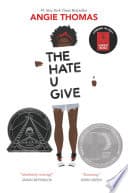
- The Hate U Give
Angie Thomas
4.5 (504k) average on GoodreadsYoung AdultWhile both novels tackle the aftermath of traumatic events and their impact on young protagonists, 'The Hate U Give' offers a more direct and confrontational exploration of systemic issues (racism, police brutality) and the immediate, raw grief associated with them. 'Hope and Other Punchlines' is more reflective, focusing on the generational impact of a historical event and the burden of public memory, rather than the event itself.
- Salt to the Sea
Ruta Sepetys
4.3 (123k) average on GoodreadsHistorical Fiction'Salt to the Sea' is a historical fiction novel set during WWII, focusing on the immediate struggle for survival amidst a massive historical tragedy. Buxbaum's novel, while also historical fiction, delves into the aftermath and the long-term psychological and social effects of a past event on subsequent generations, rather than the direct experience of the event. Sepetys's narrative is more epic in scope, while Buxbaum's is more intimately focused on personal and familial legacy.
- To Kill a Mockingbird
Harper Lee
4.3 (4.5M) average on GoodreadsHistorical FictionIn the 1930s Jim Crow South, Harper Lee writes about racial injustice, moral growth, and the quiet courage of a lawyer father, Atticus Finch, as seen through his young daughter's eyes.





Enjoyed the summary?
A summary gives you the shape of the book. The book itself has the detail, the examples and the voice.
Find Hope and Other Punchlines on AmazonAs an Amazon Associate, BookBrief earns from qualifying purchases. How we're funded