
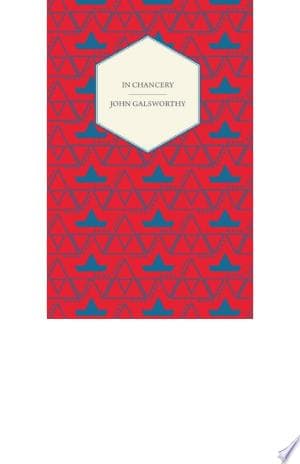
Synopsis
Covers the whole plot, including the ending.
- Difficulty
- Medium
- Pacing
- Slow
- Mood
- Reflective, Melancholy, Detailed, Social Commentary
- Read it if
- You enjoy classic multi-generational sagas with deep character studies and insights into Victorian society and its legal complexities.
- Skip it if
- You prefer fast-paced plots or dislike extensive descriptions and introspective character analysis.
In Chancery Plot Summary
Covers the whole plot, including the ending.
The Weight of the Past
Soames Forsyte, still bothered by Irene's leaving and their separation, feels more alone within the Forsyte family's strict social circles. Despite his wealth and social standing, he feels an emptiness. He wants to reconcile or, failing that, get a divorce so he can marry Annette, a young Frenchwoman. His sister, Winifred Dartie, also has marriage problems; her husband, Montague Dartie, continues his extravagant ways, including gambling and an affair, showing the unhappiness beneath the Forsytes' respectable surface. Soames's wish for a legitimate heir and a stable family drives him, even as he knows his past attempts to control Irene were pointless.
Irene's New Life and Old Flames
Irene Heron, free from Soames's control, lives a more independent life, though still limited by society's expectations for a separated woman. She finds a deep connection with Young Jolyon Forsyte, who has admired her and understood her situation. Their relationship, at first friendly, grows as they share a mutual understanding and appreciation for art and beauty. This contrasts sharply with the materialistic values of the main Forsytes. Their growing affection is met with scandal and disapproval by the wider family, especially the older generation who see it as a further stain on the family's name and a betrayal of Soames. This relationship becomes a central point of argument and gossip within the Forsyte clan.
Montague Dartie's Disgrace
Montague Dartie's reckless gambling and womanizing reach a breaking point. He runs up huge debts and is involved in a scandal with a dancer. Facing ruin and public shame, Dartie flees the country, leaving Winifred and their children. This shocks the Forsyte family, shaming Winifred and threatening the family's financial reputation. Soames, always practical, must step in to protect his sister's interests and the family's honor, though he secretly resents the distraction from his own marriage problems. Dartie's flight starts a complex legal fight for Winifred to get a divorce.
The Divorce Dilemma
Both Soames and Winifred navigate the difficult divorce laws of early 20th-century England. Soames wants to divorce Irene but needs proof of her infidelity, which she denies and he cannot get. He hires private detectives, leading to humiliating and useless investigations. Winifred, on the other hand, has clear reasons for divorce due to Dartie's desertion and adultery, but the process is slow, costly, and socially stigmatizing. Their similar struggles highlight the restrictive and often unfair legal system of the time, especially for women, and the social pressures that dictated proper conduct. The family watches these legal battles with a mix of fascination and quiet disapproval.
The Old Jolyon's Decline
Old Jolyon Forsyte, the head of the 'Jolyon' branch, watches the unfolding dramas with calm wisdom. He has always liked Irene and sympathizes with her, often disagreeing with his brothers' traditional views. As he ages, he thinks about happiness, love, and the lasting legacy of the Forsyte name. His health begins to fail, and he spends his last days reflecting on his life, his love for his family (especially Young Jolyon and his children), and his quiet appreciation for beauty and freedom, which he sees in Irene. His declining health casts a sad shadow over the family's more immediate worries.
The Seeds of a New Love
Among the adult problems, a romance begins between Holly Forsyte, Young Jolyon's daughter, and Val Dartie, Winifred's son. Their love is innocent and strong, but complicated by the bad feelings between their families. Val, though named after his father, is a more serious and honorable young man, while Holly is lively and independent. Their relationship shows a possible break from the strict Forsyte traditions and a move towards a more emotional future. However, it faces disapproval from their elders, especially Soames, who sees it as another unwanted link to the Dartie shame and a further mixing of the two family branches he dislikes.
Soames's Desperation and Schemes
Soames, increasingly desperate to marry Annette and have an heir, becomes more aggressive in his pursuit of a divorce from Irene. He confronts her, offering money and threats, but Irene steadfastly refuses to provide grounds for divorce, unwilling to involve Young Jolyon. His attempts to legally force a divorce fail, as the law requires proof of adultery, which he cannot produce. This legal deadlock fuels his frustration and shows his inability to control Irene, even years after their separation. His plans reflect his deep wish for possession and order, which Irene's elusive nature and emotional independence constantly thwart.
Old Jolyon's Passing
Old Jolyon Forsyte dies peacefully in his garden, a moment of calm amidst the family's ongoing trouble. His death marks the end of an era for the Forsyte family, as he was one of the last of the founding generation. His will leaves a large sum to Irene, a final act of kindness and recognition of her suffering, which further angers Soames and deepens the family split. Old Jolyon's death allows Young Jolyon to inherit his estate, 'Robin Hill,' and gives him the financial freedom to openly pursue his relationship with Irene, free from the money problems that had limited her options before.
A New Chapter for Irene and Young Jolyon
With Old Jolyon's death and his gift to Irene, along with Young Jolyon's inheritance of Robin Hill, the barriers to their union are greatly reduced. They are now free to openly acknowledge their love and marry. Their marriage, though still met with disapproval by many Forsytes, represents a win for emotional connection and personal freedom over the family's strict rules and materialistic values. This union, however, unintentionally gives Soames the long-sought grounds for divorce, as Irene's marriage to Young Jolyon is clear adultery in the eyes of the law, allowing Soames to finally marry Annette and pursue his own wish for an heir.
Soames's Second Marriage and Hope for an Heir
Finally divorced from Irene because of her marriage to Young Jolyon, Soames quickly marries Annette. He hopes this marriage will bring him the heir he so desperately wants, a son to continue the Forsyte name and inherit his fortune. His focus shifts entirely to fatherhood, seeing it as the ultimate fulfillment of his possessive nature and a way to secure his legacy. However, despite his satisfaction in getting a new wife and the chance of an heir, there remains a lingering feeling of emptiness and the ghost of Irene's past presence, subtly weakening his new happiness. The birth of his daughter, Fleur, in the next novel, will complicate these expectations.
Winifred's Freedom and Resolution
Winifred Dartie successfully navigates the complex legal process and gets a divorce from Montague Dartie. This gives her a sense of freedom and the ability to rebuild her life and secure her children's future without the constant shadow of her disgraced husband. She regains her social standing within the family, though it is still marked by the scandal. Her divorce, though hard, ultimately allows her to achieve some peace and control over her own life, contrasting with the more emotionally complex end to Soames's marriage problems. She remains a key figure in the family, linking the various branches.
The Younger Generation's Future
Holly Forsyte and Val Dartie's love story continues, facing their families' disapproval, especially Soames, who sees Val as an unsuitable match due to his father's reputation. Despite these objections, their love remains strong, showing a new generation's challenge to the old Forsyte traditions. Their future together, however, is still uncertain, as they must navigate the complex family loyalties and social expectations. Their relationship shows the changing values within the Forsyte clan, where personal happiness and emotional connection are beginning to question the established norms of property and social standing.
In Chancery Characters
Soames Forsyte
Protagonist/Antagonist
A wealthy solicitor driven by property and possession.
Soames is a central figure, representing the embodiment of the Forsyte values: property, security, and social standing. He is a meticulous, reserved, and deeply possessive man, whose emotional life is largely dominated by his obsession with Irene. He struggles with understanding human emotions, particularly love and freedom, viewing people, especially his wife, as possessions. He is driven by a desire for order, respectability, and most importantly, an heir to his fortune, which he believes will complete his life. His actions are often motivated by a desire to maintain control and protect what he considers his own.
Relationships: Irene Forsyte (Ex-wife, object of his obsession and source of his emotional torment.); Annette Forsyte (Second wife, chosen for her beauty and potential to bear an heir.); Winifred Dartie (Sister, whose marital troubles parallel and distract from his own.); Young Jolyon Forsyte (Cousin and rival for Irene's affection, whom Soames deeply resents.)
Irene Forsyte
Protagonist
An enigmatic and beautiful woman seeking freedom and genuine connection.
Irene is a woman of immense beauty and quiet strength, who deeply values freedom and aesthetic pleasure over material wealth. She is presented as a symbol of beauty and art, often contrasted with the materialistic values of the Forsytes. Having endured an unhappy and oppressive marriage to Soames, she seeks emotional and personal liberation. She is gentle yet unyielding when it comes to her principles, refusing to be possessed or controlled. Her quiet suffering and her eventual pursuit of happiness with young Jolyon make her a sympathetic figure, representing a challenge to the rigid social conventions of the time.
Relationships: Soames Forsyte (Ex-husband, source of her past suffering and a constant, unwanted shadow.); Young Jolyon Forsyte (Second husband and true love, with whom she finds genuine happiness and understanding.); Old Jolyon Forsyte (Sympathetic protector and benefactor, who understood her plight.)
Young Jolyon Forsyte
Protagonist
A sensitive and artistic Forsyte, estranged from the family's core values.
Young Jolyon is the son of Old Jolyon and a painter, representing the more artistic and liberal branch of the Forsyte family. He has long been an outcast due to his earlier scandalous divorce and remarriage. He possesses a deep understanding of human nature and a strong sense of empathy, particularly for Irene. He champions emotional truth and personal freedom over property and convention. His love for Irene is sincere and selfless, contrasting sharply with Soames's possessive affection. He is thoughtful, philosophical, and willing to defy societal norms for genuine happiness.
Relationships: Irene Forsyte (Wife and true love, with whom he shares a deep spiritual and emotional connection.); Old Jolyon Forsyte (Father, with whom he shares a close, understanding bond and inherits his estate.); Soames Forsyte (Cousin and rival, whose values he fundamentally opposes.); Holly Forsyte (Daughter, whom he loves and supports.)
Old Jolyon Forsyte
Supporting
The wise and gentle patriarch of the liberal Forsyte branch.
Old Jolyon is the oldest living Forsyte patriarch at the beginning of the novel, a man of great wealth but also of surprising emotional depth and an evolving understanding of life beyond mere property. He is the father of young Jolyon and a sympathetic observer of the family's dramas. He holds a unique perspective, having lived through many changes, and often provides a moral compass. He has a particular fondness for Irene, recognizing her suffering and quiet dignity. His wisdom and generosity, particularly in his will, play a crucial role in the unfolding of events.
Relationships: Young Jolyon Forsyte (Son, with whom he shares an intellectual and emotional bond.); Irene Forsyte (Object of his benevolent affection and recipient of his generosity.); James Forsyte (Brother, with whom he represents the older generation of Forsytes.)
Winifred Dartie (née Forsyte)
Supporting
Soames's sister, enduring a scandalous and unhappy marriage.
Winifred is Soames's sister, a conventional Forsyte woman who values social standing and respectability. She is married to Montague Dartie, whose profligate behavior brings shame and distress to her and the family. Her struggles with her husband's infidelity and financial recklessness mirror, in a different vein, Soames's own marital woes, though she is more overtly a victim of her husband's actions. She relies on Soames's practical help and advice to navigate her legal and social difficulties, highlighting the family's interconnectedness and reliance on each other for protection of their image and property.
Relationships: Soames Forsyte (Brother, her primary support and advisor during her marital crisis.); Montague Dartie (Husband, source of her unhappiness and public disgrace.); Val Dartie (Son, whose romance with Holly causes further family entanglement.)
Montague Dartie
Antagonist/Supporting
Winifred's profligate and irresponsible husband.
Montague Dartie is the antithesis of the typical Forsyte: irresponsible, a gambler, a womanizer, and deeply in debt. He brings scandal and financial ruin to Winifred and, by extension, to the Forsyte family name. His actions serve as a catalyst for Winifred's divorce proceedings and highlight the contrast between the Forsyte's obsession with property and his careless disregard for it. He represents the dangers of excessive pleasure-seeking and a lack of foresight, ultimately leading to his abandonment of his family and flight from England.
Relationships: Winifred Dartie (Wife, whom he abuses and abandons.); Val Dartie (Son, whose reputation is tarnished by his father's actions.)
Annette Forsyte
Supporting
Soames's beautiful young French second wife.
Annette is a young, attractive Frenchwoman whom Soames meets and decides to marry after his divorce from Irene. She is chosen primarily for her beauty and her potential to bear Soames an heir, fulfilling his deep-seated desire for a son. She is presented as somewhat less complex than Irene, more amenable to Soames's possessive nature, though her inner life is not deeply explored. Her presence serves to highlight Soames's renewed hope for a conventional family life and the continuation of his line, even as the shadow of Irene still subtly affects his emotional landscape.
Relationships: Soames Forsyte (Husband, whom she marries to provide him with an heir.)
Holly Forsyte
Supporting
Young Jolyon's daughter, who falls in love with Val Dartie.
Holly is young Jolyon's daughter, a spirited and independent young woman who represents the younger generation's burgeoning sense of individuality and emotional freedom. She falls in love with Val Dartie, despite the social complications and family disapproval arising from his father's scandal. Her romance with Val symbolizes a potential bridge between the estranged branches of the Forsyte family and a move away from the purely materialistic considerations of her elders. She is portrayed as earnest and sincere in her affections.
Relationships: Young Jolyon Forsyte (Father, whom she loves and respects.); Val Dartie (Love interest, whose family connection creates complications.)
Val Dartie
Supporting
Winifred's son, a honorable young man in love with Holly Forsyte.
Val Dartie is Winifred's son, a young man who, despite his father Montague's disgraced reputation, possesses a strong sense of honor and sincerity. He falls deeply in love with Holly Forsyte, creating another layer of entanglement between the various Forsyte branches. He is determined to make his own way in the world and overcome the stigma of his father's actions. His character offers a contrast to his father's recklessness and represents the potential for the younger generation to forge new paths, driven by genuine affection rather than purely financial or social considerations.
Relationships: Winifred Dartie (Mother, whom he loves and supports.); Montague Dartie (Father, whose actions bring shame upon him.); Holly Forsyte (Love interest, with whom he shares a deep connection.)
In Chancery Themes
The Nature of Possession and Property
Possession is a main theme in 'In Chancery.' Soames Forsyte shows this, seeing Irene as property he owns and has a right to control, not a person. His constant pursuit of a divorce and an heir comes from his wish to 'possess' a complete and respectable family life, much like his art and real estate. The divorce battles, both Soames's and Winifred's, highlight how property (money, reputation, and even people within the law of the time) shapes relationships and social standing. Old Jolyon's will, which gives money to Irene, quietly questions this idea by valuing human connection and kindness over just material inheritance. This theme underlies the entire conflict, as Soames's inability to possess Irene emotionally leads to his unhappiness.
“He knew that he had never possessed Irene, and that he never would. She was like a beautiful bird that had flown away, leaving an empty cage.”
Freedom vs. Convention
This novel looks at the conflict between individual freedom and the strict social rules of Victorian and Edwardian society. Irene's desire for personal liberty and emotional honesty directly clashes with Soames's expectations of a wife's duty and the Forsyte family's focus on respectability. Young Jolyon, having already broken tradition, fully embraces freedom by openly pursuing Irene, despite the scandal. Winifred's fight for divorce, while following legal processes, is also a fight for personal freedom from a bad marriage. The younger generation, Holly and Val, further question these rules through their cross-family romance, suggesting a future where personal happiness might be more important than social dictates. The story often shows how stifling tradition can be and the high cost of going against it.
“What did he want? A wife, a home, an heir. What did she want? Freedom, and a little beauty in her life.”
The Illusion of Happiness
'In Chancery' explores how shallow happiness is when it comes only from wealth and social status. Despite their large fortunes and respected positions, many Forsytes, especially Soames and Winifred, are very unhappy. Soames believes marrying Annette and having an heir will make him content, but the story hints at a lingering emptiness, a result of his inability to find real emotional connection. Winifred's 'respectable' marriage brings her only misery and scandal. In contrast, Irene and Young Jolyon find true happiness outside the typical Forsyte pursuit of property. This suggests that real fulfillment comes from love, understanding, and personal freedom, rather than from getting possessions or following strict social norms. The novel questions what a 'successful' life really means.
“For what was happiness but the moment of freedom from the weight of life?”
Generational Shift and Evolving Values
The novel clearly shows the generation gap within the Forsyte family and the slow fading of their old values. The older generation, like James and some of Soames's aunts, strongly hold onto the principles of property, social standing, and strict manners. Old Jolyon, however, has a more open view, valuing kindness and beauty. Young Jolyon and Irene fully reject the materialistic Forsyte 'instinct' for emotional honesty and artistic appreciation. The growing romance between Holly and Val, children of the next generation, further emphasizes this change. Their love defies family feuds and social expectations, signaling a future where personal choice and affection may replace the old Forsyte focus on wealth and reputation. This theme highlights the slow but certain march of progress and changing social customs.
“The old order changeth, yielding place to new.”
Plot Devices & Literary Techniques
Parallel Plotlines
Two simultaneous divorce narratives highlight societal constraints.
The novel effectively uses parallel plotlines by following both Soames's and Winifred's attempts to secure divorces. Soames's struggle to divorce Irene due to lack of proof of adultery contrasts sharply with Winifred's clearer grounds for divorce from Montague Dartie. This device allows Galsworthy to explore the intricacies and injustices of divorce law in early 20th-century England from different perspectives. It emphasizes the pervasive marital unhappiness within the wealthy classes and highlights how both men and women were constrained by legal and social expectations, though often in different ways. The parallel also amplifies the theme of possession and the illusion of happiness within the Forsyte world.
Symbolism of Property and Art
Material possessions and artistic beauty represent opposing values.
Property, particularly houses and land, symbolizes the Forsyte 'instinct' for security, status, and control. Soames's meticulous attention to his art collection and his house, 'The Shelter,' underscores his possessive nature. In stark contrast, Irene and young Jolyon are associated with art, beauty, and nature (particularly Robin Hill after Old Jolyon's death), symbolizing freedom, emotional depth, and a rejection of materialism. The conflict between Soames's desire to possess Irene (as property) and her inherent artistic and free spirit is central. This symbolic opposition highlights the novel's core themes of possession versus freedom and the clash between material and spiritual values.
The Omniscient Narrator
A detached yet insightful voice provides social commentary.
Galsworthy employs an omniscient narrator who offers a broad perspective on the Forsyte family's lives, motivations, and societal context. This narrator is often detached, almost anthropological in observing the 'Forsyte' species, but also provides moments of deep psychological insight into characters like Soames, Irene, and Old Jolyon. This narrative voice allows for subtle social commentary on class, wealth, marriage, and the changing values of the era. The narrator's ability to reveal inner thoughts and provide historical context enriches the understanding of the characters' dilemmas and the broader societal forces at play, often with an ironic or melancholic tone.
The Forsyte 'Instinct'
A recurring concept explaining the family's materialistic nature.
The 'Forsyte Instinct' is a quasi-mythical concept frequently invoked by the narrator to describe the family's inherent drive for property, security, and material possession. It functions as a shorthand for their collective psyche and explains their often-unfeeling or pragmatic approach to life and relationships. This device helps to characterize the family as a whole, providing a framework for understanding their reactions to events like divorces, inheritances, and unconventional romances. It also serves as a thematic anchor, highlighting the values that the more liberal Forsytes (like young Jolyon) and figures like Irene actively resist, making their struggles more profound.
In Chancery Quotes
“The only thing that matters is that one should be happy, and one isn't.”
“Property, of course, was the sacred thing, and the Forsytes knew how to worship.”
“Love was a thing that came and went, but money stayed.”
“He belonged to that class of Englishmen who, without ever having read a line of poetry, are yet profoundly poetic in their love of the land.”
“To possess a thing was to understand it; to understand it was to possess it.”
“The Forsytes, indeed, were a force of nature, an elemental force, like the sea or the wind, or the earth itself.”
“It was impossible for a Forsyte to be quite happy unless he had something to worry about.”
“Youth had its rights, and it was a mistake to deny them.”
“The past was a foreign country; they did things differently there.”
“One could not escape one's own nature, try as one might.”
“Marriage was a contract, and contracts were meant to be kept.”
“He had always been haunted by the sense of something lost, something beautiful and irretrievable.”
“The English upper middle class was a fort, and within it, the Forsytes were the keep.”
“Life was a matter of adjustments, of making the best of things.”
Quiz
10 questions on the plot and the characters. Each answer comes with a short explanation.
Question 1
Which two Forsyte cousins are actively pursuing divorces from their spouses at the beginning of 'In Chancery'?
- Soames and Young Jolyon
- Soames and Winifred
- Bosinney and Irene
- Montague Dartie and Annette
Show answer
B. Soames and Winifred At the start of 'In Chancery', Soames is seeking a divorce from Irene, and Winifred is seeking a divorce from Montague Dartie.
Question 2
What is the primary reason Soames Forsyte gives for wanting a divorce from Irene?
- She has run away with Philip Bosinney.
- She refuses to live with him and denies him a child.
- She has committed adultery with Young Jolyon.
- She has squandered his family fortune.
Show answer
B. She refuses to live with him and denies him a child. Soames's main grievance is Irene's continued refusal to live with him as his wife and to bear him a child, which he sees as a denial of his property rights.
Question 3
Who does Young Jolyon Forsyte eventually marry in 'In Chancery'?
- Annette Lamotte
- June Forsyte
- Irene Heron
- Holly Dartie
Show answer
C. Irene Heron After Irene is finally free from Soames, she marries Young Jolyon, with whom she has developed a deep affection.
Question 4
What is the profession of the young Frenchwoman, Annette Lamotte, whom Soames eventually marries?
- A governess for his daughter
- A saleswoman in a millinery shop
- A concert pianist
- An artist's model
Show answer
B. A saleswoman in a millinery shop Annette Lamotte is a young Frenchwoman who works in a millinery shop and becomes Soames's second wife.
Question 5
How does the character of Old Jolyon's will affect the financial situation of Irene and Young Jolyon?
- He leaves everything to June, disinheriting Young Jolyon.
- He makes Irene a substantial beneficiary, securing her financial independence.
- He leaves a large sum to Soames, hoping to reconcile the family.
- He leaves his estate to charity, causing financial hardship for his relatives.
Show answer
B. He makes Irene a substantial beneficiary, securing her financial independence. Old Jolyon, deeply fond of Irene, leaves her a significant inheritance, ensuring her financial security and enabling her to live independently before marrying Young Jolyon.
Question 6
What is the primary motivation behind Winifred Dartie's desire for a divorce from Montague Dartie?
- His constant gambling and philandering.
- His mistreatment of their children.
- His desire to emigrate to Australia.
- His infidelity with Irene.
Show answer
A. His constant gambling and philandering. Winifred seeks a divorce due to Montague Dartie's persistent gambling, financial irresponsibility, and numerous affairs, which cause her considerable distress and social embarrassment.
Question 7
The title 'In Chancery' refers to the legal process of being involved in a lawsuit, particularly concerning property or divorce. How does this theme manifest through the contrasting experiences of Soames and Irene regarding marriage?
- It highlights how both view marriage as a purely economic contract.
- It underscores Soames's belief in marriage as ownership, while Irene seeks freedom from such ownership.
- It shows their shared frustration with the slow pace of the legal system.
- It symbolizes their mutual desire to reconcile through legal mediation.
Show answer
B. It underscores Soames's belief in marriage as ownership, while Irene seeks freedom from such ownership. The title reflects Soames's view of marriage as a property right he is defending in court, and Irene's struggle to escape being 'owned' by Soames, with the legal system acting as the 'Chancery' holding them.
Question 8
What is the significance of the character of Holly Dartie in 'In Chancery'?
- She becomes a romantic interest for Soames.
- She represents the younger generation's rebellion against Forsyte values.
- She eventually marries Val Dartie, linking two branches of the family.
- She forms a close bond with Young Jolyon's children and eventually marries Val Dartie, bringing the families closer.
Show answer
D. She forms a close bond with Young Jolyon's children and eventually marries Val Dartie, bringing the families closer. Holly, Winifred's daughter, becomes close to Young Jolyon's children, particularly Jon, and later marries her cousin Val Dartie, further intertwining the Forsyte family branches and showing the evolving relationships of the younger generation.
Question 9
How does the eventual birth of a child to Soames and Annette affect Soames's character and his relationship with the past?
- It makes him forget Irene entirely and embrace a purely materialistic future.
- It intensifies his feelings of ownership and control over his new family.
- It brings him a sense of fulfillment and a new focus, but also a lingering sense of loss for what he couldn't have with Irene.
- It causes him to question all his previous Forsyte values and become more bohemian.
Show answer
C. It brings him a sense of fulfillment and a new focus, but also a lingering sense of loss for what he couldn't have with Irene. The birth of his daughter, Fleur, gives Soames a new purpose and a profound sense of family, fulfilling his desire for an heir. However, it also highlights the contrast with his past with Irene and the 'beauty' he felt he was denied, creating a complex emotional state.
Question 10
The novel explores the theme of 'property' beyond material possessions. How is this theme developed through the contrasting approaches of Soames and Young Jolyon towards love and marriage?
- Both men view their wives as extensions of their social status and wealth.
- Soames sees his wife as property to be owned and controlled, while Young Jolyon values companionship and freedom in marriage.
- Soames believes in traditional marriage contracts, whereas Young Jolyon advocates for polygamy.
- Both men struggle with the legal intricacies of property division in divorce.
Show answer
B. Soames sees his wife as property to be owned and controlled, while Young Jolyon values companionship and freedom in marriage. Soames embodies the Forsyte ideal of owning his wife as property, leading to his conflict with Irene. Young Jolyon, in contrast, represents a more modern view, valuing mutual affection, respect, and freedom in his relationship with Irene, moving beyond the 'property' mindset.
In Chancery FAQ
What is the central conflict driving the plot of 'In Chancery'?
'In Chancery' primarily revolves around the escalating marital crises of Soames Forsyte and Irene, and Young Jolyon and Helene. Soames desperately seeks to reclaim Irene, even pursuing legal action, while his cousin Young Jolyon's marriage is complicated by his lingering feelings for Irene, creating a complex web of unrequited love and societal disapproval.
How does the novel explore the concept of 'property' in relation to marriage?
The novel deeply explores the Forsytean concept of 'property' as applied to human relationships, particularly marriage. Soames views Irene as his possession, leading him to legal battles and attempts at reconciliation based on this possessive mindset, highlighting the era's legal and social frameworks that often treated wives as extensions of their husbands' estates.
Who is Annette and what role does she play in Soames Forsyte's life?
Annette is a young French woman whom Soames Forsyte eventually marries after his divorce from Irene. She is a stark contrast to Irene, more materialistic and less intellectual, and her arrival signifies Soames's attempt to move on and secure an heir, though their marriage proves to be one of convenience rather than deep affection.
What happens to the relationship between Young Jolyon and Irene by the end of the novel?
By the end of 'In Chancery', Young Jolyon and Irene finally marry, solidifying a long-standing, unspoken affection that had been a source of scandal and conflict. Their union represents a departure from the rigid Forsytean conventions and a pursuit of genuine emotional connection, despite the societal repercussions and the pain it causes Soames.
How does the novel's title, 'In Chancery', relate to the plot?
The title 'In Chancery' refers to the legal proceedings and entanglements that define much of the plot, particularly Soames Forsyte's attempts to divorce Irene and the subsequent legal battles surrounding their separation. It also metaphorically suggests the characters' emotional and moral predicaments, trapped in difficult circumstances and societal expectations.
Are there any subtle foreshadowings of future events or character developments in 'In Chancery'?
Yes, there are subtle hints, such as the growing distance between Soames and his sister Winifred, and the increasing isolation of James Forsyte, which foreshadow the eventual decline of the older generation's influence. The introduction of Annette also subtly hints at the challenges Soames will face in finding true happiness, despite achieving his desire for an heir.
What is the significance of the recurring motif of the 'golden ruff' in relation to Irene?
The 'golden ruff' is a subtle motif associated with Irene, symbolizing her elusive beauty and her perceived value, particularly by Soames. It represents the idealized image he holds of her, and his inability to truly possess or understand her, highlighting the superficiality of his desire compared to the deeper connection she shares with Young Jolyon.
How does Galsworthy use setting, like Timothy's house, to reflect character states?
Galsworthy frequently uses settings to mirror character states. Timothy's house, for example, with its static, unchanging atmosphere and the presence of the older Forsyte aunts, reflects the stagnation and rigid adherence to tradition that characterizes much of the older Forsyte generation, contrasting sharply with the evolving world outside.
What role do the younger generation, like Val Dartie and Holly, play in the larger Forsyte narrative in this book?
The younger generation, particularly Val Dartie and Holly, begin to emerge more distinctly, representing a shift away from the older Forsyte values. Their budding relationships and independent spirits offer a glimpse into the future of the family, suggesting a potential for greater freedom and less adherence to strict materialism, though their roles are still secondary here.
Analyze Soames Forsyte's psychological state throughout his pursuit of Irene.
Soames Forsyte's psychological state is characterized by a deep-seated possessiveness, a fear of loss, and a desperate craving for control. His pursuit of Irene is less about love and more about restoring his perceived ownership and social standing, leading to intense frustration and a profound sense of injustice when she continues to elude him. He is driven by a need for order and property.
How does Irene's silence and passivity contribute to her psychological complexity?
Irene's frequent silence and apparent passivity are central to her psychological complexity. Rather than weakness, her quietness often signifies a profound inner strength and a refusal to be defined or controlled by others, especially Soames. It's a form of resistance, allowing her to maintain her dignity and autonomy in a society that often seeks to suppress her.
Discuss the psychological motivations behind Young Jolyon's unwavering devotion to Irene.
Young Jolyon's devotion to Irene stems from a deep empathy and a recognition of her intrinsic worth, contrasting sharply with Soames's possessive view. He is drawn to her spirit and suffering, seeing in her a kindred soul who also rejects the materialistic confines of Forsytean society. His love is selfless and rooted in a desire for genuine connection and freedom.
What psychological impact does the societal pressure and scandal have on the characters, particularly the women?
Societal pressure and scandal have a profound psychological impact, especially on women like Irene and Helene. They face ostracization, judgment, and emotional distress due to their unconventional relationships, highlighting the restrictive nature of Edwardian society. This pressure forces them to make difficult choices and often leads to isolation, even as they seek personal happiness.
Is Soames Forsyte portrayed as a villain or a tragic figure in 'In Chancery'?
Soames Forsyte is arguably portrayed as both a villain and a tragic figure. While his possessive actions towards Irene are clearly villainous, Galsworthy also imbues him with a certain pathos, showing his deep-seated loneliness and inability to connect emotionally. He is tragic in his inability to adapt and his suffering, despite his wealth and efforts to conform to societal norms.
How does Galsworthy use the legal system to critique societal norms and class structures?
Galsworthy uses the legal system, particularly the divorce proceedings, to critique the rigid societal norms and class structures of the time. The law, while seemingly impartial, often reinforces the power dynamics of wealth and property, making it difficult for individuals like Irene to escape oppressive situations and highlighting the inherent biases within the system.
What is the broader social commentary Galsworthy makes through the Forsyte family's struggles in this novel?
Through the Forsyte family's struggles, Galsworthy offers a broad social commentary on the changing values of early 20th-century England. He critiques the materialistic, possessive nature of the upper-middle class, contrasting it with emerging desires for personal freedom, emotional authenticity, and artistic expression, ultimately exploring the decline of Victorian ideals.
Does 'In Chancery' offer any hope for the future of the Forsyte family, or is it largely pessimistic?
'In Chancery' offers a complex blend of pessimism and cautious hope. While the older generation's struggles and the pain of divorce are prominent, the union of Young Jolyon and Irene, and the emerging independence of some younger characters, suggests a potential for a more emotionally fulfilling future for parts of the family, moving away from pure materialism.
How does the novel's perspective on love and marriage evolve from 'The Man of Property' to 'In Chancery'?
From 'The Man of Property' to 'In Chancery', the novel's perspective on love and marriage evolves significantly. 'The Man of Property' emphasized marriage as a societal and proprietary institution. 'In Chancery' shifts towards a more modern view, highlighting the importance of emotional connection, mutual respect, and personal freedom over societal expectations and the legal bonds of marriage, as seen in Irene and Young Jolyon's eventual union.
To what extent does 'In Chancery' reflect Galsworthy's own views on divorce and societal change?
'In Chancery' strongly reflects Galsworthy's critical views on the restrictive divorce laws and the broader societal resistance to change in early 20th-century England. He champions individual freedom and emotional truth over rigid conventions, portraying the suffering caused by outdated institutions and advocating for a more compassionate and understanding approach to human relationships.
About the author
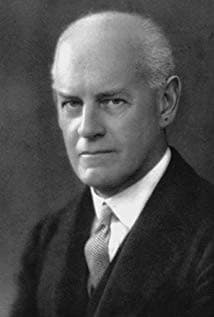
John Galsworthy was an English novelist and playwright. He is best known for his trilogy of novels collectively called The Forsyte Saga, and two later trilogies, A Modern Comedy and End of the Chapter. He won the Nobel Prize in Literature in 1932.
Similar books
- The Man of Property
John Galsworthy
4.0 (5k) average on GoodreadsFictionThe first book in the Forsyte Saga, essential for context and character background.
- Middlemarch
George Eliot
4.0 (136k) average on GoodreadsHistorical FictionExplores complex social dynamics, marriage, and individual desires within a detailed Victorian setting.
- Vanity Fair
William Makepeace Thackeray
3.8 (118k) average on GoodreadsHistorical FictionA sprawling social satire with a large cast of characters navigating ambition and societal expectations.
- Jude the Obscure
Thomas Hardy
3.8 (64k) average on GoodreadsHistorical FictionWhile both Galsworthy and Hardy critique societal institutions, Hardy's Jude the Obscure offers a far more visceral and tragic indictment of marriage and class barriers, focusing on working-class struggles and intellectual ambition rather than the comfortable ennui of the upper-middle class. Hardy's characters often face harsher, more fatalistic consequences, and his prose is imbued with a greater sense of raw emotion and naturalistic detail, contrasting with Galsworthy's more measured and detached observation of social mores. Hardy's critique of institutions is more radical and less concerned with the preservation of a certain social order.
- The Portrait of a Lady
Henry James
3.8 (73k) average on GoodreadsHistorical FictionBoth novels explore the entrapment of women within marriage and societal expectations. However, James's The Portrait of a Lady delves deeper into the psychological interiority of Isabel Archer, focusing on her intellectual and moral choices, and the subtle manipulations she endures. Galsworthy, in In Chancery, while sympathetic to Irene, often views her more as an object of desire and a catalyst for Soames's actions, rather than as a fully autonomous agent whose internal world is the primary focus. James's style is also more intricate and psychologically nuanced, whereas Galsworthy's realism is more direct and concerned with social observation.
- Nineteen Eighty-Four
George Orwell
4.2 (5.5M) average on GoodreadsFictionWinston Smith dreams of truth and rebellion in a world where Big Brother watches all, but he confronts the terrifying power of a regime that controls not just actions, but thoughts.



Enjoyed the summary?
A summary gives you the shape of the book. The book itself has the detail, the examples and the voice.
Find In Chancery on AmazonAs an Amazon Associate, BookBrief earns from qualifying purchases. How we're funded