

Synopsis
Covers the whole plot, including the ending.
- Difficulty
- Medium
- Pacing
- Moderate
- Mood
- Philosophical, unsettling, thought-provoking, dark, allegorical
- Read it if
- you are fascinated by philosophical allegories, existential dread, and critiques of authoritarianism and justice systems. If you appreciate Kafkaesque themes of alienation, bureaucracy, and the absurd, and enjoy short, impactful reads that provoke deep thought.
- Skip it if
- you prefer straightforward narratives with clear resolutions, or if you are sensitive to graphic descriptions of torture and discomfort. If you dislike ambiguity and stories that offer more questions than answers, this might not be for you.
In the Penal Colony Plot Summary
Covers the whole plot, including the ending.
The Arrival of the Explorer
An unnamed Explorer arrives at a remote penal colony. He is an observer, invited by the new Commandant. He meets an Officer, a devoted follower of the colony's previous Commandant and his justice system. The Officer wants to show the Explorer the colony's execution machine, a device that carves a prisoner's sentence onto their body over many hours. The Explorer is polite but watchful, listening to the Officer's explanations without immediate judgment. He is clearly troubled by the system's ideas and mechanics.
Introduction to the Machine
The Officer takes the Explorer to the machine, described in gruesome detail. He explains its three parts: the 'Bed,' the 'Designer,' and the 'Harrow.' The Officer talks about the machine's past under the old Commandant, stressing its precision and the profound experience it supposedly gave prisoners. He claims it brought spiritual enlightenment. He describes the machine as a sacred tool of justice and redemption, a symbol of the colony's past glory. He complains that the current Commandant does not appreciate its tradition.
The Condemned Man and the Soldier
The condemned man arrives, a dull-witted person accused of insubordination. A Soldier guards him. Both the condemned man and the Soldier seem indifferent, almost bored, showing how routine and dehumanizing the colony's justice is. The Officer explains that the prisoner was not told his sentence, nor did he have a trial or a chance to defend himself, because 'Guilt is always beyond doubt.' This makes the Explorer even more uneasy and opposed to the system, as it goes against any idea of fair process.
The Officer's Plea for Support
As the Officer describes the machine and the old Commandant's rules, he subtly asks the Explorer for support. He sees the Explorer's silence and polite attention as a possible endorsement. The Officer reveals his desperate situation: the new Commandant doubts the machine and its methods, and its use is threatened. He believes the Explorer's report could save the machine and its traditions. He presents the execution as a demonstration, hoping to impress the Explorer and get his help, emphasizing the process's supposed spiritual beauty.
The Explorer's Moral Dilemma
The Explorer is increasingly disturbed. He finds the entire system barbaric and unjust, especially the lack of due process and the machine's torture. He recognizes the Officer's fanaticism and deep attachment to the old ways. He considers stepping in but thinks about the effort it would take and the political problems. He is a guest, an outsider, and direct interference could insult the Commandant and the colony's independence. He struggles with the moral need to act versus the practical issues of his position, feeling responsible for the condemned man's fate.
The Execution Begins
Despite the Explorer's silent disapproval, the Officer, driven by his beliefs, proceeds with the execution. He cleans and prepares the machine meticulously, showing his deep personal connection to it. He strips the condemned man and places him on the 'Bed,' securing him with straps. The condemned man remains passive, seemingly resigned. The Officer carefully inserts the 'Designer' and 'Harrow,' explaining the patterns and the sentence to be carved. The air is thick with anticipation and the ritualistic precision of the Officer's actions, showing the grim reality of the impending torture.
The Explorer's Decision
As the machine is about to start, the Explorer makes his decision. He cannot passively watch such an atrocity. He confronts the Officer, stating his clear disapproval of the machine and the entire judicial process. He says he will not support the system in his report and finds its methods barbaric. This declaration shatters the Officer's hopes and challenges his beliefs. The Explorer's intervention is a turning point, signaling the end of the Officer's cherished tradition and changing the story's direction.
The Officer's Self-Sacrifice
Devastated by the Explorer's refusal to endorse the machine and facing the collapse of his life's purpose, the Officer makes a shocking decision. He frees the condemned man from the machine, dresses him, and then, to the astonishment of the Explorer and the Soldier, prepares to take the condemned man's place. He believes that only by experiencing the machine himself can he show its value and perhaps revive its legacy. His act is a desperate attempt to preserve the old Commandant's ideals, a final, self-sacrificial act of faith in the machine's justice.
The Machine's Malfunction
The Officer, now on the 'Bed' and having set the machine to execute himself with the sentence 'BE JUST,' begins his self-inflicted punishment. However, the machine, perhaps due to its age or the Officer's hurried adjustments, malfunctions. Instead of the slow, precise inscription, the 'Harrow' goes wild, stabbing and mutilating the Officer's body. The machine breaks down, failing to produce the promised spiritual enlightenment. The Officer's death is agonizing, a stark contrast to the beautiful end he had envisioned, symbolizing the ultimate failure of his system.
The Officer's Death and the Aftermath
The Officer's death is horrific and drawn out, his body disfigured by the malfunctioning machine. The Explorer, the freed condemned man, and the Soldier watch in horror as the machine finally stops, leaving the Officer's corpse mangled. There is no sign of the promised spiritual transcendence; only a brutal, meaningless end. The Explorer examines the body, noting the lack of any clear inscription, further showing the machine's failure. The scene is one of disillusionment and the definitive end of the old Commandant's era.
The Journey to the Teahouse
Following the Officer's gruesome death and the machine's destruction, the Explorer, the now-freed condemned man, and the Soldier leave the execution site. They head towards the teahouse, a more modern part of the colony. The journey is quiet, marked by lingering shock. The condemned man, once a passive victim, now walks freely, though his understanding of the events remains unclear, showing the dehumanizing effect of his previous condition.
The Old Commandant's Grave
At the teahouse, the Explorer asks to be shown the grave of the old Commandant. It is a simple grave beneath a table, bearing an inscription that predicts the Commandant's return and the re-establishment of his system. The inscription reads: 'Here rests the Old Commandant. His followers, who now must dig this grave, will one day return and raise him up again. Then the old order will be restored.' This adds another layer of complexity, suggesting that the 'old order' might not be completely gone and that its spirit could persist.
The Explorer's Escape
Disturbed by the events and perhaps the lingering presence of the old Commandant's ideas, the Explorer decides to leave the colony immediately. He declines to take the freed condemned man or the Soldier with him, despite their apparent willingness to follow. His refusal to engage further with the colony's inhabitants or its problems shows his role as an observer and his desire to distance himself from the horrific events. He embarks on a small boat, leaving the island and its dark past behind, but the experience undoubtedly leaves a lasting impression on him.
In the Penal Colony Characters
The Explorer
Protagonist
An impartial observer who becomes a moral arbiter.
The Explorer is an unnamed, presumably European, dignitary or traveler visiting the penal colony. He is presented as a man of reason, an outsider whose perspective offers a stark contrast to the colony's ingrained barbarism. Initially, he maintains a polite, detached observation, but as he witnesses the injustice and cruelty of the machine, his moral conscience is increasingly challenged. He represents modern, humanitarian values, struggling with the dilemma of intervention versus respectful observation. His ultimate decision to condemn the machine and leave the colony signifies his inability to reconcile with such inhumanity.
Relationships: The Officer (Opponent/Moral contrast); The Commandant (new) (Inviter/Implicit ally)
The Officer
Antagonist
A fanatical devotee of the old justice system and its execution machine.
The Officer is a zealous and unwavering proponent of the penal colony's old justice system, particularly the execution machine. He served under the previous Commandant, who designed the machine, and views it with profound reverence and almost religious devotion. He is meticulous, articulate, and passionate in his defense of the machine, believing it to be a perfect instrument of justice and spiritual enlightenment. His fanaticism blinds him to its cruelty and injustice. He is deeply traditional, resistant to change, and desperate to preserve the old ways, ultimately leading to his tragic and self-destructive act.
Relationships: The Explorer (Opponent/Desperate pleader); The Old Commandant (Mentor/Idol); The Condemned Man (Executor/Victim)
The Condemned Man
Supporting
A passive victim of the colony's dehumanizing justice system.
The Condemned Man is a dull-witted, seemingly indifferent individual accused of insubordination. He is a passive figure throughout the narrative, stripped of his dignity and agency. He has not been informed of his sentence, nor has he been given a trial or a chance to defend himself. His quiet resignation and lack of understanding highlight the dehumanizing effects of the colony's justice system. He represents the ultimate victim of arbitrary power and the complete absence of due process, serving as a stark illustration of the machine's cruelty.
Relationships: The Officer (Executor/Victim); The Explorer (Potential savior)
The Soldier
Supporting
A silent, obedient figure representing the system's enforcers.
The Soldier is a minor character who guards the Condemned Man. He is young, strong, and largely silent, embodying the unthinking obedience required by the colony's hierarchical structure. He is a product of the system, carrying out his duties without question or apparent emotion. His presence reinforces the oppressive atmosphere and the unquestioning acceptance of authority within the colony. He is a witness to the unfolding drama but remains an observer rather than an active participant in the moral conflict.
Relationships: The Officer (Superior/Subordinate); The Condemned Man (Guard/Prisoner)
The Old Commandant
Supporting
The revered, deceased architect of the brutal justice system.
The Old Commandant is a deceased but profoundly influential figure in the penal colony. He is the inventor and fervent proponent of the execution machine and the entire philosophy behind its use. His legacy is upheld by the Officer with almost religious fervor. He represents the embodiment of absolute, unchallenged authority and a deeply ingrained, barbaric tradition. His presence is felt throughout the story through the Officer's descriptions and the cryptic inscription on his grave, suggesting that his influence, or the spirit of his ideology, may endure beyond his physical death.
Relationships: The Officer (Idol/Follower); The Machine (Creator)
The New Commandant
Supporting
The current, more pragmatic leader challenging the old traditions.
The New Commandant is the current, unseen leader of the penal colony. He is portrayed as pragmatic and skeptical of the old Commandant's methods and the execution machine. His policies and attitudes threaten the Officer's cherished traditions, leading to the Officer's desperate attempt to gain the Explorer's support. He represents a modernizing force, attempting to dismantle or at least question the brutal, archaic system. His unseen presence highlights the clash between tradition and reform within the colony.
Relationships: The Officer (Opponent/Authority figure); The Explorer (Inviter/Potential ally)
In the Penal Colony Themes
Justice and Injustice
The story explores the nature of justice, contrasting a system based on absolute guilt, torture, and no fair process with humanitarian principles. The penal colony's justice system, through the machine, is unjust: guilt is assumed, defense is denied, and punishment is a long, agonizing execution. The Officer believes this system offers enlightenment, while the Explorer sees it as barbaric. Kafka shows how a system designed to inflict pain can be called 'justice,' questioning what fairness and human rights mean.
“Guilt is always beyond doubt.”
Tradition vs. Progress
A central conflict is the struggle between tradition and change. The Officer is a fanatical guardian of the old Commandant's system, seeing any change as a betrayal. The execution machine is a relic, a symbol of a past era the Officer tries to preserve. The new Commandant and the Explorer represent a more modern, humanitarian view that challenges these brutal traditions. The story examines the dangers of blindly following tradition, even when it involves extreme cruelty, and how hard it is to make changes against deeply held beliefs.
“Times are changing, and this machine belongs to the old times.”
Dehumanization and Torture
The narrative shows the dehumanizing effects of the penal colony's justice system. The condemned man is treated as an object, stripped of his clothing, his voice, and his humanity. The machine is designed not just to kill, but to inflict prolonged torture, carving the sentence onto the body. This process reduces the individual to a canvas for pain. Kafka makes the reader confront the psychological and physical horrors of torture and how systems can make such cruelty seem routine, almost sacred.
“The condemned man only begins to understand his sentence at the sixth hour.”
Power and Authority
The story looks at the nature of power, especially absolute authority. The Old Commandant had ultimate power, designing a system that allowed no dissent. The Officer, though subordinate to the new Commandant, clings to the power of the old system, trying to maintain its authority. The narrative explores how individuals become subservient to powerful systems, even when those systems are barbaric, and how power can lead to extreme cruelty. The shift in power from the old to the new Commandant creates the central tension.
“The Commandant used to lie on this bed, reading the sentence as it was written on him.”
Plot Devices & Literary Techniques
The Execution Machine
A complex, torturous device symbolizing barbaric justice.
The machine is the central and most significant plot device. It is a highly intricate, almost living apparatus designed to inscribe the condemned man's sentence onto his body over many hours, leading to a slow, agonizing death. It functions as a symbol of the colony's archaic, brutal, and dehumanizing justice system, representing the ultimate expression of absolute power and the perversion of justice into torture. Its meticulous description highlights the grotesque beauty the Officer perceives in its cruelty, and its eventual malfunction and destruction mark the symbolic collapse of the old order.
The Explorer's Observer Status
A narrative technique to introduce an outsider's moral perspective.
The Explorer's role as an invited observer is a crucial plot device. It allows Kafka to present the horrific details of the penal colony's justice system through the eyes of an outsider, whose perspective is initially detached but gradually becomes one of moral outrage. This device enables the reader to experience the shock and revulsion alongside the Explorer, making the system's barbarity more pronounced. His outsider status also creates the central conflict: whether he will remain a neutral observer or intervene, ultimately highlighting the moral imperative to act against injustice.
The Officer's Monologue
A sustained speech revealing character, ideology, and backstory.
The Officer's extensive, detailed, and passionate monologue about the machine and the old Commandant's philosophy serves as a primary plot device for exposition and character development. Through his speech, the reader learns about the machine's history, its intricate workings, the underlying ideology of the colony's justice, and the Officer's fanatical devotion. This monologue not only reveals the Officer's character but also immerses the reader in the disturbing logic of the system, creating a claustrophobic atmosphere of unquestioned authority and tradition. It is the main vehicle for conveying the story's thematic concerns.
In the Penal Colony Quotes
“It is not necessary to believe in anything; you only have to act as if you believed.”
“When the judge reads the sentence, he will be buried alive.”
“It is a kind of justice, is it not?”
“He has no need of the judge, he has the machine.”
“The execution is the most important thing, the judgment is only a prelude.”
“The law is not what it used to be. It is in the process of being forgotten.”
“This is not a court of law. This is a place of execution.”
“We are all servants of the machine.”
“The machine is the judge and the executioner.”
“It is a beautiful piece of work, is it not?”
“The old commander laid down the law, and we have to follow it.”
“The suffering is the point.”
“It is a difficult task for the judge to decide who is guilty and who is innocent.”
“The condemned man is not allowed to appeal.”
Quiz
10 questions on the plot and the characters. Each answer comes with a short explanation.
Question 1
Franz Kafka'nın "Ceza Kolonisinde" öyküsü hangi tarihi olayların yaşandığı dönemde yazılmıştır?
- İkinci Dünya Savaşı
- Soğuk Savaş
- Birinci Dünya Savaşı
- Soğuk Savaş sonrası dönem
Show answer
C. Birinci Dünya Savaşı Metinde Kafka'nın öyküyü 'Birinci Dünya Savaşı'nın karanlık günlerinde' yazdığı belirtilmektedir.
Question 2
"Ceza Kolonisinde" öyküsünde gezgin, adada ne ile karşılaşır?
- Gelişmiş bir adalet sistemi
- Tuhaf bir makine ile acımasız bir ceza sistemi
- Umut dolu bir toplum
- Siyasi bir devrim
Show answer
B. Tuhaf bir makine ile acımasız bir ceza sistemi Metinde gezginin 'tüyler ürpertici bir sistemle' ve 'tuhaf bir makineyle cezalandırıldığına' tanık olduğu ifade edilmektedir.
Question 3
Kafka'nın 1904-1912 yılları arasında yazdığı on sekiz kısa öyküyü topladığı ilk kitabının adı nedir?
- Dava
- Şato
- Ceza Kolonisinde
- Gözlem
Show answer
D. Gözlem Metinde 'Gözlem ise, Kafka’nın 1904-1912 yılları arasında yazdığı on sekiz kısa öyküyü topladığı ilk kitabıdır.' şeklinde açıkça belirtilmiştir.
Question 4
Kafka'nın öykülerinin genel teması nedir?
- Aşk ve romantizm
- İnsanın sıkıştığı durumlar ve Avrupa'nın şiddet dolu atmosferi
- Bilim kurgu ve fütürizm
- Tarihi roman
Show answer
B. İnsanın sıkıştığı durumlar ve Avrupa'nın şiddet dolu atmosferi Metinde 'İnsanın sıkıştığı cendereyi kendine has bir acımasızlıkla ele alarak Avrupa’nın içinde olduğu şiddet dolu atmosferi okurun iliklerine kadar işleten bu öyküleri...' ifadesi bu temayı vurgular.
Question 5
"Ceza Kolonisinde" öyküsünde cezalandırma sistemi neye dayanmaktadır?
- Kanıtlanmış suçlara
- Kişinin suçlu olup olmadığına bakılmaksızın, bir makine aracılığıyla
- Mahkeme kararlarına
- Toplumun genel kanaatine
Show answer
B. Kişinin suçlu olup olmadığına bakılmaksızın, bir makine aracılığıyla Metinde 'Kişinin suçlu olup olmadığına bakılmaksızın, ona kendini savunma hakkı bile verilmeden, acımasız bir zekânın ürünü olan tuhaf bir makineyle cezalandırıldığına tanık olur.' denilmektedir.
Question 6
Öyküdeki subayın durumu nasıldır?
- Sistemi sorgulayan ve değiştirmeye çalışan biri
- Tüm gücü elinde tutan ve geçmişe körü körüne bağlı biri
- Sisteme karşı çıkan bir asi
- Sistemin adaletine inanan ve bunu savunan biri
Show answer
B. Tüm gücü elinde tutan ve geçmişe körü körüne bağlı biri Metinde subay için 'Tüm gücü elinde tutan ve geçmişe körü körüne bağlı subayın anlattıklarıyla içinden çıkılması zor bir ikilemde kalır.' ifadesi kullanılır.
Question 7
Kafka'nın öykülerinin okuyucu üzerindeki etkisi nasıl tasvir edilmiştir?
- Eğlendirici ve neşelendirici
- İlham verici ve umut dolu
- Okurun iliklerine kadar işleyen ve şiddet atmosferini hissettiren
- Bilgilendirici ve eğitici
Show answer
C. Okurun iliklerine kadar işleyen ve şiddet atmosferini hissettiren Metinde 'Avrupa’nın içinde olduğu şiddet dolu atmosferi okurun iliklerine kadar işleten bu öyküleri...' ifadesiyle bu etki anlatılır.
Question 8
Kafka'nın öykülerinin bir özelliği olarak ne belirtilmiştir?
- Her zaman mutlu sonla bitmeleri
- Gerçekçi ve belgesel nitelikte olmaları
- Yakından bakıldığında umudu anlatmaları
- Tamamen kurgusal ve fantastik olmaları
Show answer
C. Yakından bakıldığında umudu anlatmaları Metinde 'Birbirinden kaotik anlara ışık tutan bu eser, yakından bakıldığında aslında herkes için bir yerlerde var olan umudu anlatır.' denilmektedir.
Question 9
Metinde geçen 'insanın sıkıştığı cenderesi' ifadesi neyi ima eder?
- İnsanın fiziksel olarak sıkışması
- İnsanın içinde bulunduğu zorlayıcı, baskıcı ve çıkmaz durumlar
- İnsanın yalnızlığı
- İnsanın özgür iradesi
Show answer
B. İnsanın içinde bulunduğu zorlayıcı, baskıcı ve çıkmaz durumlar Cendere, sıkıştırıcı ve ezici bir baskıyı ifade eder. Bu bağlamda, insanın içinde bulunduğu zorlayıcı, baskıcı ve çıkmaz durumları sembolize eder.
Question 10
Ahmet Arpad'ın çevirisiyle sunulan bu öykülerin yayımlandığı kitap, Kafka'nın hangi özelliğini vurgular?
- Roman yazma yeteneğini
- Toplumsal eleştiri yönünü
- Kısa öykü yazarlığındaki ustalığını ve erken dönem eserlerini
- Felsefi derinliğini
Show answer
C. Kısa öykü yazarlığındaki ustalığını ve erken dönem eserlerini Metinde 'Gözlem ise, Kafka’nın 1904-1912 yılları arasında yazdığı on sekiz kısa öyküyü topladığı ilk kitabıdır.' ifadesi, bu kitabın Kafka'nın kısa öykülerini ve erken dönem eserlerini kapsadığını belirtir. Çevirmenin adı ise bu sorunun cevabı için bir ipucu olmaktan ziyade, eserin sunuluş biçimini belirtir.
In the Penal Colony FAQ
What is Kafka's 'In the Penal Colony' about?
Kafka's 'In the Penal Colony' describes a traveler's visit to a colony on an unknown island where they witness a chilling system of punishment. Individuals are subjected to a bizarre machine that inflicts torture without a trial or the right to defense, regardless of guilt.
What is the central theme of 'In the Penal Colony'?
The story explores themes of justice, punishment, bureaucracy, and the human condition under oppressive systems. It critiques blind adherence to tradition and the dehumanizing effects of unchecked power.
Who are the main characters in 'In the Penal Colony'?
The primary characters are the Traveler, who visits the colony and observes the brutal penal system, and the Officer, who is a staunch defender of the old, elaborate execution machine and its methods.
What does the penal machine represent in the story?
The penal machine is a powerful symbol of an arbitrary, cruel, and dehumanizing justice system. It represents the past, the absurd, and the inability to adapt to changing times or humanistic values.
What is the philosophical significance of 'In the Penal Colony'?
Philosophically, the story raises profound questions about the nature of guilt, punishment, morality, and the purpose of law. It critiques systems that prioritize ritual and tradition over individual rights and empathy.
How does the Traveler react to the penal colony's system?
The Traveler is initially a detached observer but becomes increasingly disturbed and morally conflicted by the brutality and lack of humanity in the penal system. Their presence highlights the absurdity and cruelty of the established order.
What is the significance of the Officer's defense of the machine?
The Officer's fervent defense of the penal machine symbolizes a rigid adherence to outdated traditions and a fear of progress. He embodies the bureaucratic mindset that prioritizes procedure and ideology over compassion and reason.
Is 'In the Penal Colony' a political allegory?
While not explicitly stated, the story can be interpreted as an allegory for the oppressive political and social conditions in Europe during Kafka's time, particularly the dehumanizing aspects of authoritarian regimes and war.
What is the role of the 'Gözlem' collection mentioned in the description?
'Gözlem' is the title of Kafka's first collection of eighteen short stories written between 1904-1912. 'In the Penal Colony' is one of these stories, and the collection as a whole is described as shedding light on chaotic moments while also conveying hope.
What is the overall mood or atmosphere of 'In the Penal Colony'?
The story creates a dark, oppressive, and disturbing atmosphere. It immerses the reader in the violent and suffocating reality of the penal colony, reflecting the turbulent times in Europe.
About the author
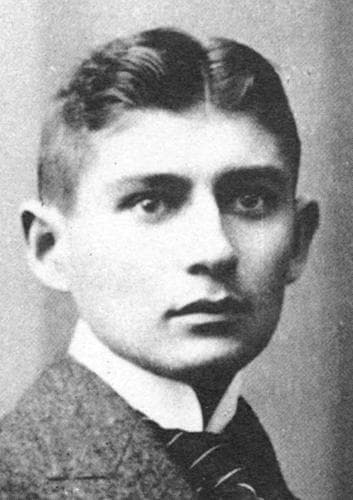
Franz Kafka was a German-speaking Bohemian novelist and short-story writer based in Prague, who is widely regarded as one of the major figures of 20th-century literature. His work fuses elements of realism and the fantastic. It typically features isolated protagonists facing bizarre or surrealistic predicaments and incomprehensible socio-bureaucratic powers. It has been interpreted as exploring themes of alienation, existential anxiety, guilt, and absurdity. His best known works include the novella The Metamorphosis and novels The Trial and The Castle. The term Kafkaesque has entered English to describe absurd situations like those depicted in his writing.
Similar books
- The Trial
Franz Kafka
4.0 (235k) average on GoodreadsLiterary FictionExplores themes of an inescapable, oppressive justice system and the individual's powerlessness.
- 1984
George Orwell
4.2 (3.1M) average on GoodreadsPoliticsDepicts a dystopian society with a totalitarian regime that controls justice and thought through brutal means.
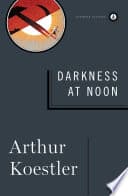
- Darkness at Noon
Arthur Koestler
4.0 (26k) average on GoodreadsPoliticsKoestler's Darkness at Noon, set during the Stalinist purges, shares Kafka's preoccupation with the absurd and self-destructive nature of totalitarian justice. Both works feature protagonists caught in a system where guilt is predetermined and confession is coerced. However, Koestler's novel provides a more detailed psychological portrait of Rubashov, the Old Bolshevik, as he grapples with his past revolutionary ideals and the logical fallacies of the Party. Kafka's "In the Penal Colony" is more allegorical and less concerned with the specific political machinations, instead focusing on the visceral horror of the execution machine and the Officer's almost religious devotion to it. While Koestler explores the why behind the purges and the internal conflict of the accused, Kafka scrutinizes the how of dehumanizing punishment and the unquestioning faith in a cruel tradition.
- Brave New World
Aldous Huxley
4.0 (1.4M) average on GoodreadsFantasyIn a future where happiness comes from chemicals and individuality is gone, one man's desire for real experience threatens the calm, controlled society.
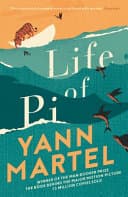
- Life of Pi
Yann Martel
3.9 (1.3M) average on GoodreadsFantasyStranded in the vast Pacific, a young Indian boy forms an unlikely bond with a Bengal tiger, questioning belief and survival.
- The Picture of Dorian Gray
Oscar Wilde
4.1 (966k) average on GoodreadsFantasyA beautiful young man's soul decays within a cursed portrait, mirroring the grotesque cost of his hedonistic pursuit of eternal youth and illicit pleasure.




Enjoyed the summary?
A summary gives you the shape of the book. The book itself has the detail, the examples and the voice.
Find In the Penal Colony on AmazonAs an Amazon Associate, BookBrief earns from qualifying purchases. How we're funded