
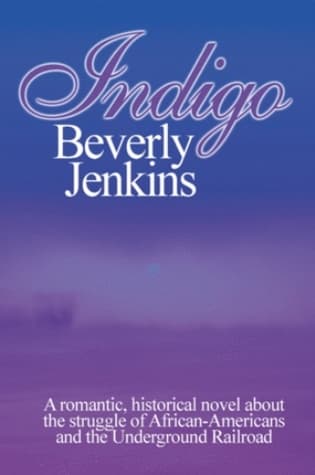
Synopsis
Covers the whole plot, including the ending.
- Difficulty
- Easy
- Pacing
- Moderate
- Mood
- Passionate, Hopeful, Suspenseful, Romantic
- Read it if
- You love historical romance with strong, independent heroines and passionate, protective heroes, set against the backdrop of the Underground Railroad.
- Skip it if
- You prefer fantasy or contemporary settings, or are not interested in historical fiction focusing on the American Civil War era.
Indigo Plot Summary
Covers the whole plot, including the ending.
A Dangerous Arrival in Michigan
Hester Wyatt, an independent conductor on the Michigan Underground Railroad, receives a severely injured man from her fellow conductor, Elijah. The man is Galen Vachon, known as the 'Black Daniel,' a legendary figure in the network with a substantial bounty on his head. Despite the danger, Hester, who escaped slavery herself as a child, immediately hides him in her cellar. She is unimpressed by his arrogance and rude demeanor, even considering his value to the cause, as she tends to his wounds in her secluded cabin near Battle Creek. The arrival of such a figure brings heightened risk to her already dangerous life.
Clash of Wills and Growing Awareness
As Galen recovers in Hester's cellar, their strong personalities clash. Galen, accustomed to a life of privilege and command as a member of a wealthy free Black family from New Orleans, finds Hester's independence and sharp wit both challenging and interesting. Hester, wary of men and self-reliant, is annoyed by his demanding nature and his casual assumptions. Despite their verbal sparring, an attraction begins to simmer. Galen observes Hester's dedication to the cause, her skill with herbs, and her deep compassion, even as he struggles with his own injuries and the frustration of being confined.
A Traitor Among Them
During his recovery, Galen tells Hester that he was ambushed, not merely injured in an accident. He believes there is a traitor within the Underground Railroad network who tipped off the slave catchers about his movements. This revelation adds urgency and danger to their situation, as they realize their haven might not be as secure as they thought. The search for the informant becomes important, not only for Galen's safety but for the network. Hester's trust in her fellow conductors is tested, and she becomes even more vigilant, understanding the implications of such a betrayal.
Escaping the Net
Despite his injuries, Galen insists on participating in the ongoing work of the Underground Railroad. He and Hester begin to work more closely, transporting fugitives through dangerous routes. Their shared purpose forces them to rely on each other, deepening their bond. They narrowly escape several close calls with slave catchers, showing the constant danger they face. During these tense moments, Galen sees Hester's bravery and resourcefulness, while Hester begins to see beyond Galen's initial arrogance to the dedicated and compassionate man beneath. Their missions become a test of their combined strength and growing feelings.
A Glimpse into the Past
As their relationship intensifies, Hester, who has always kept her past guarded, begins to tell Galen about her experiences as a child slave. She recounts the trauma of her escape and the lasting scars it left on her, particularly her deep fear of intimacy and her reluctance to trust fully. Galen listens with empathy and understanding, offering comfort and respect for her resilience. This shared vulnerability is a turning point in their relationship, moving it beyond attraction to an emotional connection. Galen, in turn, shares aspects of his own privileged yet challenging life in New Orleans.
The Betrayer Revealed
Through observation and reasoning, Galen and Hester piece together clues about the traitor. They discover that one of the trusted members of their local Underground Railroad network has been secretly relaying information to slave catchers for money. The revelation is painful, shaking the foundations of trust within their community. The identity of the betrayer, a person they had both interacted with, shows the constant danger and the insidious nature of their fight for freedom. This discovery needs immediate action to protect the network and its fugitives.
Confrontation and Resolution
With the traitor identified, Galen and Hester, along with other trusted conductors, confront the individual. The confrontation is tense and dangerous, but they manage to neutralize the threat, ensuring that no more fugitives will be compromised through that channel. This act solidifies their bond as partners, both in the fight for freedom and in their personal lives. The network is secured, at least for the moment, allowing them to breathe a temporary sigh of relief, though constant vigilance remains. This event marks a victory against the forces of slavery and betrayal.
Galen's Proposal and Hester's Hesitation
Having faced danger and shared intimacy, Galen confesses his love for Hester and asks her to marry him. He envisions a future where they can build a life together, continuing their work for freedom. However, Hester, still haunted by her traumatic past and her fear of dependence and vulnerability, hesitates. Her self-reliance, born of necessity, makes it difficult for her to fully trust in the permanence and safety of love, especially with a man from a world so different from her own. She fears losing her independence and being trapped again, even in a loving relationship.
A Journey to New Orleans
To help Hester overcome her reservations and understand his world, Galen takes her to New Orleans to meet his family. Hester is introduced to the sophisticated and wealthy free Black society of New Orleans, a contrast to her rustic life in Michigan. She meets Galen's family, who are initially wary of her but eventually come to appreciate her strength and character. This journey exposes Hester to a different facet of Black life in America, one of culture, education, and influence, but also one with its own complexities and expectations. It challenges her perceptions and forces her to consider a future she never imagined.
Acceptance and a Future Together
After witnessing Galen's unwavering love, meeting his family, and confronting her own fears, Hester finally accepts Galen's proposal. She realizes that loving Galen does not mean sacrificing her independence but rather finding a partner who respects and cherishes it. They commit to a future together, one that will continue to involve their dedication to the Underground Railroad and the fight for freedom. Their union symbolizes not just personal happiness but also the hope and resilience of their community in the face of adversity, blending their two worlds into a bond.
Principal Figures
Hester Wyatt
Protagonist
A fiercely independent and dedicated conductor on the Underground Railroad.
Hester is a dark-skinned, strong-willed woman who escaped slavery as a child. She lives a solitary life in a cabin near Battle Creek, Michigan, where she serves as a vital conductor on the Underground Railroad. She is highly resourceful, skilled in healing with herbs, and deeply compassionate, though her past trauma has made her wary of intimacy and fiercely protective of her independence. She initially views Galen Vachon with suspicion and annoyance due to his perceived arrogance but gradually comes to admire his dedication and falls deeply in love with him. Her journey is about learning to trust and embrace love without surrendering her hard-won freedom.
Relationships: Galen Vachon (Love interest, partner in the Underground Railroad); Elijah (Fellow conductor, friend); Hester's family (unnamed) (Deceased, source of past trauma)
Galen Vachon (The Black Daniel)
Protagonist
A legendary conductor on the Underground Railroad and member of a wealthy free Black family.
Galen, known as the 'Black Daniel,' is a charismatic, intelligent, and determined man from a prominent, wealthy free Black family in New Orleans. He has forsaken a life of ease to dedicate himself to freeing enslaved people. Severely injured when introduced, he initially appears arrogant and demanding, clashing with Hester's independent nature. However, he is deeply committed to justice and displays profound courage and compassion. He is drawn to Hester's strength and innocence, determined to win her love. His arc involves finding a partner who challenges and complements him, and navigating his privileged background with his dedication to the cause.
Relationships: Hester Wyatt (Love interest, partner in the Underground Railroad); Vachon Family (Wealthy, influential free Black family in New Orleans); Slave catchers (Adversaries)
Elijah
Supporting
A reliable and trusted fellow conductor on the Underground Railroad.
Elijah is a dedicated and loyal member of the Underground Railroad network in Michigan. He is the one who brings the injured Galen Vachon to Hester's cabin, trusting her implicitly with such a dangerous charge. He serves as a reliable connection to the wider network and a source of information about the movements of fugitives and slave catchers. Elijah represents the broader community of brave individuals working tirelessly for freedom, and his trust in Hester highlights her respected position within the network. He is a steadfast friend to both Hester and Galen.
Relationships: Hester Wyatt (Fellow conductor, friend); Galen Vachon (Fellow conductor, ally)
The Traitor (unnamed initially)
Antagonist
A seemingly trusted member of the Underground Railroad who betrays the network.
This character is initially presented as a fellow conductor, seemingly dedicated to the cause. However, they secretly betray the Underground Railroad by providing information to slave catchers for monetary gain. This betrayal leads to Galen's injury and poses a significant threat to the entire network and the safety of countless fugitives. The traitor represents the internal dangers and moral compromises that existed even within a movement fighting for freedom. Their exposure and neutralization are crucial plot points, reinforcing the constant vigilance required in their perilous work.
Relationships: Galen Vachon (Victim of betrayal); Hester Wyatt (Works to expose them); Slave catchers (Clients/associates)
Galen's Mother (unnamed)
Supporting
Matriarch of the wealthy Vachon family in New Orleans.
Galen's mother is a dignified and influential woman from New Orleans' free Black society. She initially views Hester with some apprehension, concerned about her son's choice of a partner from a very different background. However, she eventually recognizes Hester's strength, integrity, and love for Galen, offering her acceptance. She represents the established, cultured world that Galen comes from, highlighting the social differences Hester must navigate. Her approval is important for Galen and helps Hester feel more secure in her decision to join his life.
Relationships: Galen Vachon (Son); Hester Wyatt (Future daughter-in-law)
Slave Catchers
Antagonist
The relentless pursuers of escaped slaves and Underground Railroad conductors.
These are the recurring antagonists throughout the novel, representing the brutal enforcement of slavery. They are driven by the bounties on fugitives' heads and the desire to uphold the institution of slavery. They are a constant threat to Hester, Galen, and all those they help, creating numerous moments of tension and danger. Their pursuit of Galen, specifically, highlights his importance and the high stakes involved in their work. They are a faceless, omnipresent danger that underscores the perilous reality of the Underground Railroad.
Relationships: Hester Wyatt (Opponents); Galen Vachon (Opponents, specifically targeting him)
Fugitives (various unnamed)
Mentioned
Enslaved individuals seeking freedom through the Underground Railroad.
These are the individuals whom Hester and Galen risk their lives to help. Though often unnamed and appearing briefly, their presence is central to the purpose and danger of the Underground Railroad. They represent the human cost of slavery and the profound hope for freedom that drives the conductors. Their stories, though not explicitly detailed, are implied in the urgency and compassion with which Hester and Galen operate, reminding the reader of the immense stakes involved in every journey to freedom.
Relationships: Hester Wyatt (Aids them to freedom); Galen Vachon (Aids them to freedom)
Themes & Insights
Freedom and Self-Determination
This is the main theme, seen in both the literal fight against slavery and the characters' personal journeys. Hester's escape from slavery as a child gave her a fierce independence and a deep understanding of freedom, which she dedicates her life to helping others achieve. Galen, though born free, dedicates his life to the freedom of others, sacrificing personal comfort. Their personal relationship also explores freedom, as Hester grapples with the fear of losing her self-determination by committing to love, eventually realizing that love can coexist with personal freedom.
“She had escaped the bonds of slavery, but the chains of her past still held her heart captive.”
Love and Trust Amidst Adversity
The novel explores how love can blossom and deepen even in dangerous circumstances. Hester, scarred by her past, finds it difficult to trust and open herself to intimacy. Galen's unwavering love and respect for her slowly break down her barriers. Their shared mission on the Underground Railroad forces them to rely on each other completely, fostering a deep bond of trust that transcends their initial clashes. The constant threat of slave catchers and the presence of a traitor highlight the fragility of their world, making their eventual commitment to each other a powerful example of their resilience and the strength of their connection.
“He saw past the scars of her past to the fierce, loving woman beneath, and he knew he would move heaven and earth to make her his own.”
The Dangers and Dedication of the Underground Railroad
The novel portrays the constant danger and courage required to operate the Underground Railroad. From the threat of slave catchers and the need for secrecy to the discovery of a traitor within their ranks, the book shows the life-or-death stakes involved. Hester and Galen's dedication, resourcefulness, and willingness to risk everything for the freedom of others are central to the narrative. It shows the network, the bravery of its conductors, and the moral imperative that drove its participants.
“Every shadow held a potential threat, every rustle of leaves could be the approach of danger. This was the life of a conductor.”
Identity and Belonging
Hester's identity is rooted in her past as an escaped slave and her present as an independent conductor. She struggles with belonging, particularly when confronted with Galen's privileged world in New Orleans. Galen, despite his wealth and status, has chosen an identity defined by his commitment to the enslaved. The novel explores how their individual identities, shaped by different experiences, merge and evolve within their relationship. Hester's journey to New Orleans forces her to reconcile her past with a potential future that challenges her ideas of where she belongs and who she can be.
“She had forged her own path, alone, but with him, she wondered if a new path could be found, one where she was still herself, but not alone.”
Plot Devices & Literary Techniques
The 'Black Daniel' Alias
A legendary persona that provides both protection and peril.
Galen's alias, 'The Black Daniel,' serves multiple purposes. It creates a legendary, almost mythical figure within the Underground Railroad, inspiring hope among the enslaved and fear among slave catchers. This anonymity offers a degree of protection but also makes him a highly sought-after target with a significant bounty, increasing the stakes of his missions. The alias highlights the necessity of secrecy and the symbolic power of figures like Galen in the fight against slavery, while also contrasting with his personal, vulnerable self known to Hester.
Hester's Cabin
A sanctuary and a symbol of independence and danger.
Hester's isolated cabin functions as a crucial plot device. It is a sanctuary for fugitives and for the injured Galen, representing safety and the heart of Hester's operation. Its secluded nature underscores Hester's independence and self-reliance, but also the constant danger of exposure. The confined space of the cabin, particularly the cellar where Galen recovers, forces Hester and Galen into close proximity, accelerating their personal conflict and burgeoning attraction. It is both a place of healing and a place where their relationship is forged under pressure.
The Traitor Plotline
Introduces internal conflict and heightens suspense.
The revelation of a traitor within the Underground Railroad network is a significant plot device. It introduces an element of internal conflict and distrust, forcing the protagonists to question even those they thought were allies. This adds a layer of suspense and paranoia, making the already dangerous work even more perilous. The search for and eventual confrontation with the traitor not only drives a significant portion of the plot but also underscores the moral complexities and the constant vigilance required to protect the network from within.
Journey to New Orleans
A contrast in worlds and a catalyst for personal growth.
Galen taking Hester to New Orleans serves as a pivotal plot device. It visually and experientially contrasts Hester's rustic, independent life with Galen's privileged, sophisticated background among the free Black elite. This journey challenges Hester's preconceived notions, exposes her to a different facet of Black identity and society, and forces her to confront her fears about integrating into a world so different from her own. It's a catalyst for her personal growth, helping her to overcome her final reservations about fully committing to Galen and their shared future.
Indigo Quotes
“Indigo is the color of royalty, and you, my dear, are a queen.”
“Freedom isn't just a word; it's a state of being that you have to fight for every day.”
“Love doesn't see color; it sees the heart.”
“We are not defined by our past, but by what we choose to do with our future.”
“A strong woman knows she has strength enough for the journey, but a woman of strength knows it is in the journey where she will become strong.”
“The land remembers what people try to forget.”
“Sometimes the bravest thing you can do is to love someone who the world says you shouldn't.”
“Education is the key that unlocks the chains of ignorance.”
“Home isn't a place; it's the people who make you feel safe and loved.”
“Justice may be slow, but it is a river that eventually carves its way through stone.”
“In the darkest nights, we find the brightest stars—the ones who guide us home.”
“True strength lies not in never falling, but in rising every time you fall.”
“Our stories are the threads that weave the fabric of our history.”
“Love is the one force that can heal even the deepest wounds.”
Quiz
10 questions on the plot and the characters. Each answer comes with a short explanation.
Question 1
What is Hester Wyatt's role in the Underground Railroad at the beginning of the novel?
- A fugitive slave hiding from authorities
- A conductor providing shelter to runaways
- A wealthy donor funding operations
- A spy infiltrating slave-catching groups
Show answer
B. A conductor providing shelter to runaways Hester is introduced as a dedicated conductor in Michigan's Underground Railroad, offering refuge to escaped slaves, which reflects her own past as a former slave who values freedom.
Question 2
Why is Galen Vachon brought to Hester's home initially?
- He is seeking medical treatment for a chronic illness
- He is injured and needs a safe place to hide
- He is delivering supplies for the Underground Railroad
Show answer
B. He is injured and needs a safe place to hide Galen, known as the 'Black Daniel,' is injured and has a price on his head, so fellow conductors bring him to Hester's cellar for protection and care.
Question 3
What nickname is Galen Vachon known by in the Underground Railroad network?
- The Freedom Rider
- The Black Daniel
- The North Star
- The Conductor King
Show answer
B. The Black Daniel Galen is referred to as the 'Black Daniel,' a title highlighting his vital role and reputation in the Underground Railroad, similar to the biblical figure Daniel known for wisdom and rescue.
Question 4
How does Hester initially feel about Galen when she first meets him?
- She is immediately attracted to him
- She finds him rude and arrogant
- She is terrified of his reputation
- She feels pity for his injuries
Show answer
B. She finds him rude and arrogant Despite her commitment to helping him, Hester is put off by Galen's demeanor, which challenges her vow to hide him and sets up their initial conflict.
Question 5
What is Galen's background before joining the Underground Railroad?
- He was a slave on a plantation in the South
- He came from a wealthy free Black family in New Orleans
- He was a poor farmer in the North
- He was a sailor traveling the world
Show answer
B. He came from a wealthy free Black family in New Orleans Galen hails from one of the wealthiest free Black families in New Orleans, but he rejects his lavish lifestyle to fight for freedom, adding depth to his character and motivations.
Question 6
What major obstacle must Hester and Galen overcome to be together?
- Hester's family disapproves of Galen
- Galen is wanted by the law and must flee the country
- Hester's refusal to trust her own heart
- A rival conductor tries to sabotage their relationship
Show answer
C. Hester's refusal to trust her own heart The back cover notes that Hester's inability to trust her own heart is a key emotional barrier, alongside external threats like traitors and slave catchers.
Question 7
What does Galen find refreshing about Hester that draws him to her?
- Her wealth and social status
- Her innocence and dedication to freedom
- Her skills in healing and medicine
- Her connections to powerful abolitionists
Show answer
B. Her innocence and dedication to freedom Galen is captivated by Hester's innocence and her unwavering commitment to the cause, which contrasts with his own jaded experiences and adds to their romantic development.
Question 8
Which of the following is NOT a threat Hester and Galen face according to the back cover?
- Traitors within the Underground Railroad
- Slave catchers trying to capture runaways
- A family curse from Galen's past
- Hester's emotional barriers to love
Show answer
C. A family curse from Galen's past The back cover mentions traitors, slave catchers, and Hester's trust issues as obstacles, but no family curse is referenced, making this option incorrect.
Question 9
What symbolic meaning does 'freedom' hold in the context of Hester and Galen's relationship?
- Only political freedom from slavery matters
- Freedom is solely about escaping physical danger
- Love brings a personal freedom that complements their fight for liberation
- Freedom is irrelevant once they achieve romantic love
Show answer
C. Love brings a personal freedom that complements their fight for liberation The back cover states they seek 'the freedom only love can bring,' intertwining their personal emotional liberation with their broader struggle against slavery, a key theme in the novel.
Question 10
How does the setting of Michigan's Underground Railroad contribute to the novel's historical context?
- It highlights the lack of abolitionist activity in the North
- It shows how all conductors were wealthy and free from risk
- It emphasizes the dangers and dedication of Black conductors in free states
- It portrays Michigan as a safe haven with no slave catchers
Show answer
C. It emphasizes the dangers and dedication of Black conductors in free states Hester's work in Michigan underscores the real historical risks faced by Underground Railroad operatives, even in free states, and reflects the novel's grounding in historical fiction.
Indigo FAQ
What is 'Indigo' by Beverly Jenkins about?
'Indigo' follows Hester Wyatt, a formerly enslaved woman who now works with the Underground Railroad in Michigan, and Galen Vachon, a wealthy free Black man from New Orleans known as the 'Black Daniel,' who is a key conductor. After Hester hides an injured Galen, their initial clash of personalities evolves into a romance as they navigate dangers like slave catchers and traitors while fighting for freedom and love.
Why should I read 'Indigo'?
This book offers a compelling blend of historical detail about the Underground Railroad and a slow-burn romance between two strong-willed protagonists. It highlights the resilience of Black communities during slavery, with themes of freedom, trust, and personal growth that resonate emotionally.
What is the background/setting of 'Indigo'?
The story is set in the mid-19th century, primarily in Michigan, where Hester operates as part of the Underground Railroad network. It also references Galen's background in New Orleans, depicting the contrasts between free Black wealth in the South and the dangers of aiding runaways in the North.
What are the most memorable quotes from 'Indigo'?
While specific quotes aren't provided in the summary, key themes include Hester's dedication to freedom ('offering other runaways a chance at the freedom she has learned to love') and Galen's transformation ('Her innocence fills him like a breath of fresh air'). These lines capture the novel's emotional and ideological core.
What writing style does Beverly Jenkins use in 'Indigo'?
Jenkins employs a descriptive, character-driven style that blends historical authenticity with romantic tension. The narrative focuses on internal conflicts and evolving relationships, using vivid details to portray the Underground Railroad's operations and the protagonists' emotional journeys.
What minor details add significant meaning in 'Indigo'?
Details like Hester's dark skin being emphasized highlight beauty standards and identity in a racist society. Galen's rejection of his lavish lifestyle underscores his commitment to abolition, adding depth to his character beyond his wealth and arrogance.
What are some subtle foreshadowing moments in 'Indigo'?
Hester's initial vow to hide Galen despite his rudeness foreshadows her eventual emotional investment. The mention of 'traitors have to be found' early on hints at internal threats within the Underground Railroad that drive the plot's suspense.
What unexpected character connections exist in 'Indigo'?
Galen's identity as the 'Black Daniel' connects him to a broader network of conductors, while Hester's past as an escaped slave ties her personally to the cause. Their shared commitment to the Railroad, despite different backgrounds, creates a bond that deepens their relationship.
What are unspoken character motivations in 'Indigo'?
Hester's refusal to trust her heart stems from past trauma and fear of vulnerability after escaping slavery. Galen's arrogance masks a deep-seated need for purpose beyond wealth, driving his risky work with the Underground Railroad and his pursuit of Hester.
What psychological complexities do characters exhibit in 'Indigo'?
Hester balances strength as a conductor with emotional guardedness, while Galen combines privilege with self-sacrifice. Their interactions reveal layers of pride, fear, and desire, complicating their romance as they navigate trust and danger.
What are the major emotional turning points in 'Indigo'?
Key moments include Galen awakening in Hester's cellar and seeing her differently, Hester questioning her vow due to his behavior, and their growing attraction amidst threats like slave catchers. The climax involves overcoming traitors and Hester's trust issues to embrace love.
How do relationship dynamics evolve between Hester and Galen in 'Indigo'?
They start with hostility as Hester finds Galen rude and arrogant, but as he heals, his admiration for her innocence grows. Their dynamic shifts from conflict to mutual respect and romantic tension, culminating in a partnership that blends personal and political freedom.
Which parts of 'Indigo' remain ambiguous or open-ended?
The summary leaves some aspects open, such as the exact identities of the traitors or the full resolution of external threats like slave catchers. Hester's journey to fully trust her heart may have nuanced developments not detailed, inviting reader interpretation.
What are controversial scenes or decisions in 'Indigo'?
Hester's decision to hide Galen despite the price on his head risks her safety and the Railroad's secrecy. Galen's determination to 'make her his' could be seen as possessive, sparking debate about consent and power dynamics in their romance.
'Indigo' ending explained: how it ends & what it means
The ending implies Hester and Galen overcome traitors, slave catchers, and her trust issues to find love, symbolizing that true freedom involves emotional liberation. It ties their personal romance to the broader fight for abolition, suggesting love and activism are intertwined paths to freedom.
About the author
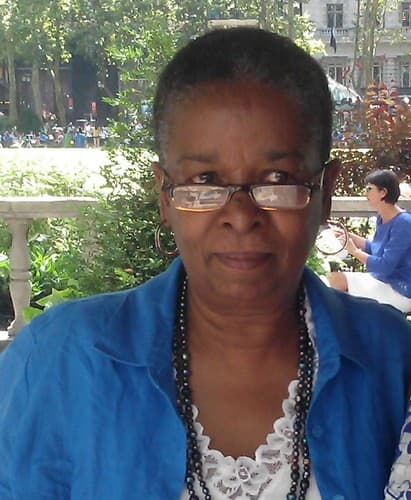
Beverly Jenkins is a prolific author of African-American historical romance and contemporary fiction. Her novels, such as the acclaimed 'Indigo,' are celebrated for their rich historical detail, strong characters, and exploration of Black history and culture. Jenkins has earned numerous awards for her contributions to the romance genre and is a USA Today bestselling author.
Similar books
- The Underground Railroad
Colson Whitehead
4.0 (290k) average on GoodreadsLiterary FictionExplores the harrowing realities of the Underground Railroad, albeit with a more literary and less romance-focused approach.
- Secrets of a Summer Night
Lisa Kleypas
4.0 (53k) average on GoodreadsHistorical Fiction"Indigo" differs significantly from Kleypas's work, which is set in Regency England and focuses on aristocratic white society and its social expectations. Jenkins' novel delves into the racial and economic struggles of post-slavery America, offering a more profound socio-historical commentary.
- The Flame and the Flower
Kathleen E. Woodiwiss
4.1 (17k) average on GoodreadsHistorical FictionWhile Woodiwiss's book is a foundational historical romance, it prioritizes grand adventure and passionate encounters. "Indigo" distinguishes itself by offering a more nuanced exploration of racial identity, trauma, and the specific socio-historical context of African Americans during Reconstruction, moving beyond generic romantic escapism.
- To Kill a Mockingbird
Harper Lee
4.3 (4.5M) average on GoodreadsHistorical FictionIn the 1930s Jim Crow South, Harper Lee writes about racial injustice, moral growth, and the quiet courage of a lawyer father, Atticus Finch, as seen through his young daughter's eyes.
- The Great Gatsby
F. Scott Fitzgerald
3.9 (3.8M) average on GoodreadsHistorical FictionIn the opulent Roaring Twenties, a mysterious millionaire's lavish parties hide his desperate, tragic pursuit of a lost love, exposing the emptiness within the American Dream.
- Pride and Prejudice
Jane Austen
4.3 (3M) average on GoodreadsHistorical FictionIn a society focused on status and money, Elizabeth Bennet navigates love and pride, challenging Mr. Darcy and social expectations to find true affection.





Enjoyed the summary?
A summary gives you the shape of the book. The book itself has the detail, the examples and the voice.
Find Indigo on AmazonAs an Amazon Associate, BookBrief earns from qualifying purchases. How we're funded