

Synopsis
Covers the whole plot, including the ending.
- Difficulty
- Medium
- Pacing
- Slow
- Mood
- Bleak, Poignant, Haunting, Reflective, Gritty
- Read it if
- You appreciate raw, character-driven literary fiction exploring themes of guilt, poverty, and the human spirit's resilience amidst despair, with a touch of magical realism.
- Skip it if
- You prefer fast-paced plots, clear-cut resolutions, or shy away from bleak and challenging subject matter.
Ironweed Plot Summary
Covers the whole plot, including the ending.
Return to Albany
In 1938, Francis Phelan, a vagrant and former baseball player, returns to his hometown of Albany, New York, after decades of wandering. He is with Helen Archer, another homeless alcoholic. Francis immediately confronts the ghosts of his past, both literal and metaphorical. He gets a temporary job digging graves in St. Agnes Cemetery, a place with significant personal history for him, as his infant son, Gerald, is buried there. While working, he encounters the ghost of Rowdy Dick, a man he killed during a strike years ago, and experiences other spectral visitations that blur the lines between his present and his guilt-ridden memories. His return is driven by nostalgia, a longing for redemption, and the inescapable pull of his past failures and losses.
The Cemetery and Gerald's Grave
While digging graves, Francis is plagued by vivid hallucinations and interactions with the dead. He 'sees' and 'speaks' to Rowdy Dick, the strikebreaker he accidentally killed decades prior. More deeply, he visits the grave of his infant son, Gerald, whom he accidentally dropped and killed as a baby. This traumatic event, the reason for his initial flight from Albany, continues to haunt him. The cemetery becomes a place where Francis's past wrongs and grief are personified, forcing him to confront the impact of his actions and the irreversible loss that shaped his life of vagrancy. He seeks peace or understanding from these spectral encounters, though true absolution remains out of reach.
Helen's Decline
Helen Archer, Francis's companion, begins to show severe signs of declining health, made worse by her chronic alcoholism and the harsh conditions of their homeless life. She coughs constantly, struggles to eat, and her physical state quickly worsens. Francis, despite his own struggles, tries to care for her as best he can. Her condition becomes critical, leading her to be admitted to a charity hospital. This separation deeply affects Francis, showing the fragile bonds he forms and the pervasive loneliness that defines his life on the streets. Helen's illness is a stark reminder of the brutal realities faced by the destitute and the devastating consequences of their lifestyle.
The Barroom Encounters
Francis spends much of his time and meager earnings in Albany's various bars, seeking temporary escape from his memories and the cold reality of his life. In these places, he encounters characters from the fringes of society — other vagrants, prostitutes, and working-class people. He shares drinks, stories, and fleeting moments of camaraderie, but also sees the despair and degradation that mirror his own existence. These barroom scenes establish the social setting of Depression-era Albany and show Francis's desperate attempts to find connection and escape the torment of his past, even if only for a few hours through the haze of alcohol.
Visiting Annie
Driven by guilt, longing, and a desire to see his family one last time, Francis visits the home of his estranged wife, Annie. He observes his grown children, Billy and Peg, and tries to interact with them, though decades of absence and his current state make genuine connection difficult. Annie, hardened by his abandonment and the struggles she faced raising their children alone, still holds a flicker of the past. The reunion is full of unspoken resentments and the weight of their shared history. Francis confronts the life he left behind and the family he irrevocably altered, intensifying his feelings of remorse and the impossibility of truly returning to his former life.
The Confrontation with St. Peter
In a surreal internal monologue, Francis Phelan confronts what he perceives as a spiritual judgment, personified by St. Peter. This vivid hallucination takes place within his mind, acting as a confessional and an interrogation of his life's sins and failures. He tries to justify his actions, particularly the death of Gerald and his abandonment of his family, but finds himself unable to fully escape the weight of his guilt. This scene highlights the deep-seated Catholic guilt that permeates Francis's mind and his desperate, though flawed, search for redemption and understanding of his own moral standing in the face of his past. It is a key moment for understanding his psychological landscape.
The Death of Helen
Helen Archer, after suffering in the charity hospital, eventually dies. Francis receives the news, and her death deeply affects him, despite his hardened exterior. Her passing is a significant loss, as she was his closest companion and a shared soul in their vagrant existence. Her death reinforces the theme of loss and the harsh reality of life for the homeless, where death is frequent and often unmourned. Francis reflects on their time together, the fleeting moments of warmth and connection amidst their shared desolation, and grapples with the finality of her absence, adding another ghost to his already crowded mental landscape.
The Search for Helen's Family
Following Helen's death, Francis feels a sense of responsibility to inform her estranged family, a task he undertakes with surprising commitment. He travels to her last known address, a dilapidated house, and speaks with her sister, Clara. This encounter is strained and reveals the deep-seated dysfunction and resentment within Helen's family, painting a clearer picture of the life she fled and the circumstances that led her to homelessness. Francis's effort to connect with Helen's past is a gesture of respect and a final act of kindness for his deceased companion, showing a flicker of his inherent decency despite his own tumultuous life.
The Bridge and the River
Francis Phelan spends time by the Hudson River, particularly near the bridges, a symbolic space representing both escape and connection. Here, he reflects on his life, his choices, and the relentless flow of time. The river, a constant presence in Albany, mirrors the unceasing current of his memories and the transient nature of his existence. He contemplates ending his life, but ultimately cannot succumb to such despair. This contemplation by the river signifies a moment of introspection, where Francis, despite his suffering, clings to a stubborn will to survive, even if that means continuing his aimless wandering.
The Last Days in Albany
As his time in Albany draws to a close, Francis makes a final circuit through the places that mean something to him — the cemetery, the bars, the streets of his youth. He tries to reconcile with the ghosts that have tormented him, finding a fragile sense of peace, or at least acceptance, regarding his past. He recognizes that true redemption or a return to his former life is impossible. With Helen gone, and his family unable to truly accept him, Francis prepares to leave Albany once more, resuming his life as a vagrant. His departure is not one of despair, but of a quiet, weary resignation, having faced his demons and accepted his fate.
Ironweed Characters
Francis Phelan
Protagonist
A haunted, alcoholic vagrant returning to his hometown.
Francis Phelan is a man consumed by guilt and a lifetime of wandering. Once a promising baseball player, his life derailed after he accidentally killed his infant son, Gerald, and subsequently fled Albany. He is a complex character: outwardly hardened by decades of homelessness and alcoholism, yet inwardly tormented by the ghosts of his past. He possesses a strange mix of decency and self-destructive tendencies, capable of both acts of kindness and profound neglect. His journey is one of confronting his personal demons, seeking a form of absolution he can never quite grasp, and trying to reconcile with the life he abandoned.
Relationships: Helen Archer (Companion, fellow vagrant, lover); Annie Phelan (Estranged wife); Gerald Phelan (Deceased infant son, source of profound guilt); Rowdy Dick (Ghost of a man Francis killed)
Helen Archer
Supporting
Francis's loyal, but ailing, alcoholic companion.
Helen Archer is Francis's long-suffering companion, a fellow alcoholic and vagrant. She is a former singer and pianist, a detail that hints at a more refined past, now eroded by poverty and addiction. Helen is fiercely loyal to Francis, enduring the hardships of their life with a quiet dignity and a sharp wit. Her deteriorating health serves as a stark reminder of the brutal realities of homelessness and the physical toll it takes. Her character provides a counterpoint to Francis's internal struggles, representing the tangible, immediate suffering of their shared existence and the profound loneliness that underpins their bond.
Relationships: Francis Phelan (Companion, fellow vagrant, lover)
Annie Phelan
Supporting
Francis's estranged, long-suffering wife.
Annie Phelan is Francis's estranged wife, who raised their children alone after his sudden disappearance. She is a woman hardened by decades of struggle, resentment, and abandonment. Despite her bitterness, there is a lingering sense of their shared past and a faint, almost imperceptible, connection to the man Francis once was. Her interactions with Francis are strained, reflecting the deep wounds he inflicted upon their family. Annie represents the stable, domestic life Francis abandoned and the lasting consequences of his actions on those he left behind. She embodies the pain of betrayal and the strength required to rebuild a life after such a profound loss.
Relationships: Francis Phelan (Estranged husband); Billy Phelan (Son); Peg Phelan (Daughter)
Gerald Phelan
Mentioned
Francis's deceased infant son, a central source of his guilt.
Gerald Phelan is Francis's infant son, whose accidental death at Francis's hands is the pivotal event that shattered Francis's life and propelled him into decades of vagrancy. Though deceased, Gerald is a pervasive presence in Francis's mind, a constant and agonizing ghost that embodies his deepest guilt and trauma. His death is the unhealable wound that drives Francis's self-destructive behavior and his inability to find peace. Gerald's memory forces Francis to confront the irreversible consequences of his actions, serving as the primary catalyst for his internal struggle for redemption.
Relationships: Francis Phelan (Father); Annie Phelan (Mother)
Rowdy Dick
Mentioned
The ghost of a man Francis killed during a strike.
Rowdy Dick is the ghost of a strikebreaker whom Francis Phelan accidentally killed years before the novel's present timeline. He is one of the many spectral figures that haunt Francis, representing another significant act of violence and guilt in Francis's past. Unlike Gerald, Rowdy Dick's ghost often appears to taunt or challenge Francis, embodying the more adversarial aspects of Francis's conscience. His presence reinforces the idea that Francis's past actions, both intentional and accidental, continue to exert a powerful, inescapable influence on his present reality, making true escape impossible.
Relationships: Francis Phelan (Victim of Francis's accidental violence)
Billy Phelan
Supporting
Francis's surviving son, a gambler and small-time criminal.
Billy Phelan is Francis's adult son, who has grown up without a father. He is a gambler and involved in the petty criminal underworld of Albany, a life that mirrors some of Francis's own rebellious tendencies, though Billy operates within a more confined social sphere. His relationship with Francis is distant and marked by the father's long absence. Billy represents the second generation affected by Francis's choices, navigating his own life on the fringes while carrying the weight of his family's fractured history. He is a pragmatic character, more concerned with immediate survival and opportunity than with past grievances.
Relationships: Francis Phelan (Estranged father); Annie Phelan (Mother); Peg Phelan (Sister)
Peg Phelan
Supporting
Francis's surviving daughter, who has a more stable life.
Peg Phelan is Francis's adult daughter, who, unlike Billy, has managed to carve out a more conventional and stable life for herself. She represents a degree of resilience and a successful break from the cycle of poverty and instability that marked her parents' lives. Her interactions with Francis are cautious and tinged with a mix of curiosity and residual pain. Peg embodies the possibility of overcoming a difficult past, but also the enduring scars left by a father's abandonment. Her presence highlights the different paths the Phelan children took in response to their turbulent upbringing.
Relationships: Francis Phelan (Estranged father); Annie Phelan (Mother); Billy Phelan (Brother)
Ironweed Themes
Guilt and Redemption
The novel is saturated with Francis Phelan's deep guilt over the accidental death of his infant son, Gerald, and the subsequent abandonment of his family. This guilt appears as literal ghosts and internal torment, driving his aimless wandering and self-destructive behavior. His return to Albany is an unconscious search for redemption, though he never says so directly. Scenes like his visit to Gerald's grave in St. Agnes Cemetery and his internal confrontation with St. Peter highlight his desperate attempts to atone or understand his past, ultimately finding a weary acceptance rather than full absolution. The novel suggests that while forgiveness might be elusive, a form of peace can be found in confronting one's demons.
“He knew he would never escape the past, but he could learn to live with its ghosts.”
Memory and the Past's Persistence
Memory is not just a recollection in 'Ironweed'; it is a living entity that constantly intrudes upon Francis's present. The past is not over for Francis; it is always present, appearing as spectral figures like Rowdy Dick and the constant torment of Gerald's death. The streets of Albany themselves are filled with his history, each corner triggering a memory or a ghost. This theme explores how trauma and significant life events are never truly left behind, but rather shape an individual's reality. The novel blurs the line between hallucination, memory, and reality, emphasizing the inescapable power of one's personal history.
“The dead were not dead, they were just gone to another place, and from that place, they could still reach out and touch you.”
Homelessness and Marginalization
The novel offers a raw and direct look at the lives of the homeless and marginalized during the Great Depression. Francis and Helen's struggle for survival — their constant search for food, warmth, and shelter, their reliance on charity and odd jobs, and their vulnerability to illness and violence — forms the background of the narrative. Their existence is one of constant insecurity and a lack of dignity. The scenes in the flophouses, bars, and charity hospitals vividly portray the dehumanizing effects of poverty and societal neglect. This theme highlights the resilience and fragility of individuals living on the fringes, often invisible to mainstream society, and the specific challenges they face.
“They were the invisible people, the ones who had fallen through the cracks of the world, and no one cared where they landed.”
The Supernatural and the Real
A defining characteristic of 'Ironweed' is its seamless integration of the supernatural into the gritty realism of Francis Phelan's life. Francis regularly converses with the ghosts of those he has known or wronged, including his son Gerald, Rowdy Dick, and even his parents. These spectral encounters are not mere hallucinations but feel as real and impactful as his interactions with living characters. This blurring of lines between the real and the spectral externalizes Francis's internal psychological torment and guilt. The ghosts are manifestations of his conscience, his memories, and his unresolved past, making his internal struggle tangible and giving a unique, almost mythological quality to his journey.
“He knew the dead spoke to him not because he was crazy, but because they had something to say, and he was the only one left to listen.”
Plot Devices & Literary Techniques
Magical Realism
The seamless blending of supernatural elements into a realistic setting.
William Kennedy employs magical realism by portraying Francis Phelan's interactions with ghosts as a natural, albeit unsettling, part of his reality. The deceased characters, such as Gerald, Rowdy Dick, and Francis's parents, appear and speak to him not as mere hallucinations but as tangible presences that influence his thoughts and actions. This device blurs the line between Francis's internal psychological state and external reality, making his guilt and memories manifest. It allows the narrative to explore themes of past trauma and redemption in a uniquely evocative way, moving beyond conventional psychological realism to deepen the reader's understanding of Francis's tormented mind.
Stream of Consciousness
A narrative technique that mirrors the protagonist's free-flowing thoughts.
The novel frequently delves into Francis Phelan's stream of consciousness, presenting his thoughts, memories, and sensory perceptions in a non-linear, often fragmented manner. This technique allows the reader direct access to Francis's internal world, revealing his fractured psyche, his recurring guilt, and the constant interplay between his present reality and his past traumas. The narrative often shifts abruptly from current events to vivid flashbacks or interactions with ghosts, reflecting the chaotic and associative nature of Francis's mind. This device is crucial for portraying the depth of his internal suffering and the pervasive influence of his memories.
Symbolism of Albany
The city of Albany acts as a character and repository of Francis's past.
Albany, Francis Phelan's hometown, functions as more than just a setting; it is a powerful symbol and almost a character in itself. Every street, building, and landmark in Albany is imbued with Francis's personal history, acting as a trigger for his memories and encounters with ghosts. The city represents the life he abandoned, the source of his profound guilt, and the inescapable pull of his past. His return is a confrontation with the physical embodiment of his decisions. The familiar yet changed landscape of Albany mirrors Francis's own journey of confronting his identity and coming to terms with the man he has become versus the man he once was.
Ironweed Quotes
“Death is a business, and it is a business that is always hiring.”
“The past is a foreign country; they do things differently there.”
“He was a man who lived on the edge of things, a man who saw the world as a series of narrow escapes.”
“Life was a game of chance, and he had always been willing to play.”
“Ghosts were not just in the past; they walked with you, breathed with you, and sometimes even spoke to you.”
“There was a certain beauty in ruin, a stark honesty that polished perfection could never achieve.”
“He carried his regrets like stones in his pockets, heavy and ever-present.”
“The only true freedom was the freedom to disappear.”
“Poverty was a coat that never quite fit, always too tight in some places, too loose in others.”
“Memory was a tricky thing, a funhouse mirror that distorted and reshaped the truth.”
“Every step he took was a step into a future that was already haunted by the past.”
“He was a connoisseur of desolation, an expert in the art of getting by.”
“Love, in its purest form, was a phantom limb, always there but forever out of reach.”
“The wind carried the voices of the dead, whispering their stories into the ears of the living.”
Quiz
10 questions on the plot and the characters. Each answer comes with a short explanation.
Question 1
In what year does Francis Phelan return to Albany as a vagabond?
- 1929
- 1938
- 1945
- 1918
Show answer
B. 1938 The book explicitly states that Francis returns to Albany in 1938.
Question 2
What tragic event involving his infant son haunts Francis Phelan?
- His son was kidnapped and never found.
- His son died from an illness due to neglect.
- He accidentally dropped his infant son, causing his death.
- His son was killed in a street fight.
Show answer
C. He accidentally dropped his infant son, causing his death. Francis is tormented by the memory of dropping his infant son while intoxicated, leading to the child's death.
Question 3
What is Francis Phelan's primary source of income when he first returns to Albany?
- Working as a bartender.
- Begging on the streets.
- Digging graves in the local cemetery.
- Selling stolen goods.
Show answer
C. Digging graves in the local cemetery. Upon his return, Francis earns money by digging graves in the cemetery.
Question 4
Who is Helen, the woman who accompanies Francis in his wanderings?
- His estranged wife.
- A fellow vagabond and his companion.
- His long-lost sister.
- A kind woman who offers him shelter.
Show answer
B. A fellow vagabond and his companion. Helen is a homeless woman who shares Francis's life on the streets and accompanies him.
Question 5
What was Francis Phelan's former profession or promise before his life spiraled downwards?
- A talented musician.
- A successful businessman.
- A promising football player.
- A respected politician.
Show answer
C. A promising football player. Francis was once a 'grande promessa del football' (great football promise) before his decline.
Question 6
Which theme is central to Francis Phelan's journey in 'Ironweed'?
- The pursuit of wealth and power.
- The struggle for redemption and coming to terms with the past.
- The glory of sports and athletic achievement.
- The importance of social status and reputation.
Show answer
B. The struggle for redemption and coming to terms with the past. The novel focuses on Francis's attempts to confront his past and find a form of redemption, moving between 'disperazione e speranza, l’abominio e il riscatto'.
Question 7
Who played Francis Phelan in the film adaptation of 'Ironweed'?
- Robert De Niro
- Jack Nicholson
- Al Pacino
- Dustin Hoffman
Show answer
B. Jack Nicholson The text states that Jack Nicholson played Francis in the film adaptation.
Question 8
What is the primary substance Francis Phelan uses to 'stordendosi' (stupefy himself) with Helen?
- Opium
- Liquore (Liquor)
- Marijuana
- Cocaine
Show answer
B. Liquore (Liquor) The text mentions Francis spending his money to 'stordendosi di liquore' (stupefy himself with liquor) with Helen.
Question 9
What significant literary figure personally intervened to help 'Ironweed' get published after it was rejected by many editors?
- Ernest Hemingway
- Saul Bellow
- Kurt Vonnegut
- John Updike
Show answer
B. Saul Bellow The description highlights that Saul Bellow's 'intercessione personale' (personal intercession) led to Viking publishing the novel.
Question 10
The novel 'Ironweed' explores the 'confine sottile' (thin line) between which two opposing states?
- Wealth and poverty.
- Youth and old age.
- Desperation and hope, abomination and redemption.
- Reality and fantasy.
Show answer
C. Desperation and hope, abomination and redemption. The text describes the novel as moving on the 'confine sottile tra la disperazione e la speranza, l’abominio e il riscatto' (thin line between desperation and hope, abomination and redemption).
Ironweed FAQ
Who is Francis Phelan and what is his central struggle in 'Ironweed'?
Francis Phelan is a former baseball star haunted by past tragedies, most notably the accidental death of his infant son, Gerald, and the killing of a scab during a trolley strike. His central struggle involves confronting these specters of guilt and regret, as he wanders through Albany in 1938, attempting to reconcile with his past actions and the people he abandoned, while battling alcoholism and poverty.
What is the significance of Albany, New York, as the setting for the novel?
Albany is more than just a backdrop; it is intrinsically linked to Francis's identity and past. It's the city where he achieved his athletic fame, committed his most grievous errors, and abandoned his family. His return in 1938 transforms the familiar streets and landmarks into a psychological landscape, where every corner evokes memories and encounters with his personal history and its ghosts.
Who is Helen Archer and what is her role in Francis's life?
Helen Archer is Francis's companion in vagrancy, a former singer and pianist who shares his transient existence and battle with alcoholism. She serves as a mirror to Francis's own despair and resilience, offering him a semblance of companionship and understanding in their shared marginalization, even as their relationship is strained by their circumstances and individual torments.
What are some of the 'ghosts' Francis encounters, both literal and metaphorical?
Francis literally encounters the ghosts of Gerald, his deceased infant son, and Rowdy Dick Doolan, the scab he killed, who manifest as vivid hallucinations and internal dialogues. Metaphorically, he grapples with the 'ghosts' of his past self – the celebrated athlete, the family man – and the persistent guilt and shame that haunt his consciousness, driving his self-destructive behaviors.
How does the novel depict the economic conditions and social attitudes of the Great Depression era?
The novel vividly portrays the harsh realities of the Great Depression through the lives of Francis, Helen, and other transients. It shows widespread poverty, the struggle for basic necessities like food and shelter, and the societal indifference or contempt towards the homeless and marginalized. The characters' desperation and resilience are direct reflections of these challenging economic conditions.
What is the significance of the recurring motif of digging graves in the cemetery?
Francis's work digging graves in the cemetery is deeply symbolic. It physically places him in proximity to death and the past, mirroring his psychological state of constantly unearthing and confronting his own buried memories and guilt. It also represents a form of penance and a stark reminder of mortality, including his own slow decline.
Are there any subtle indications of Francis's past heroism or positive traits despite his current state?
Despite his current degradation, the novel offers glimpses of Francis's past heroism and underlying decency. His memories of being a celebrated baseball player, his protective instincts towards Helen at times, and his deep, albeit tortured, affection for his family members, particularly Annie, suggest a complex character capable of both great failing and enduring love.
How does the author use sensory details to enhance the reader's experience of Francis's reality?
William Kennedy masterfully employs rich, often grotesque, sensory details to immerse the reader in Francis's reality. The smells of stale alcohol, urine, and decay, the biting cold of Albany's winter, the taste of cheap liquor, and the visceral descriptions of hunger and pain all contribute to a raw, immediate experience of vagrancy and Francis's deteriorating physical and mental state.
What is the role of the dog, Jack, in the narrative?
Jack, the dog Francis encounters, serves as a poignant symbol of loyalty, companionship, and perhaps even a reflection of Francis's own untamed spirit. His presence offers Francis a rare moment of unconditional affection and a connection to something living, contrasting with the many spectral figures and human disappointments in his life.
How does Francis's alcoholism function as both an escape and a perpetuator of his suffering?
Francis's alcoholism is a dual-edged sword. It serves as an immediate escape from the crushing weight of his guilt and the harshness of his reality, offering temporary oblivion. However, it simultaneously perpetuates his suffering by impairing his judgment, isolating him further, and preventing him from truly confronting and resolving his past, trapping him in a destructive cycle.
Discuss the psychological impact of guilt and self-blame on Francis's identity.
Guilt and self-blame have fundamentally reshaped Francis's identity, transforming him from a celebrated athlete into a rootless vagrant. The death of Gerald and his other transgressions have instilled in him a profound sense of unworthiness, leading to self-punishment, a reluctance to accept help, and a perpetual state of internal torment that fuels his aimless existence.
How does Francis's perception of reality blur with his hallucinations, and what does this signify?
Francis's perception of reality frequently blurs with vivid hallucinations of the dead, particularly his son Gerald and Rowdy Dick Doolan. This blurring signifies his fractured mental state, exacerbated by alcohol and trauma, and his inability to escape the past. It suggests that his internal world, dominated by guilt and memory, is as real and impactful as his external circumstances.
What psychological needs does Francis attempt to fulfill through his relationship with Helen?
Through Helen, Francis seeks companionship, understanding, and a shared experience of marginalization. Their relationship, however fraught, offers a sense of not being entirely alone in their suffering. He also finds a recipient for his occasional protective instincts, which may partially assuage his unresolved guilt over past failures to protect his own family.
Does Francis Phelan achieve redemption by the end of the novel? Why or why not?
Whether Francis achieves full redemption is debatable. He does return to his family home, a significant step towards reconciliation, and makes some peace with his past. However, his future remains uncertain, and his profound guilt is unlikely to be entirely erased. The novel suggests a moment of fragile hope and self-acceptance rather than a complete, definitive redemption.
How does the novel explore the theme of free will versus determinism in Francis's life?
The novel subtly explores free will versus determinism. Francis makes choices that lead to his downfall, suggesting free will. Yet, he is also heavily influenced by the circumstances of his past, the Great Depression, and the addictive grip of alcohol, which can be seen as deterministic forces. His struggle highlights the complex interplay between personal agency and external pressures.
What is the significance of the title 'Ironweed'?
The title 'Ironweed' refers to a hardy, persistent plant that thrives in harsh conditions, often considered a weed. This symbolizes Francis Phelan himself: resilient, enduring, and difficult to eradicate despite the brutal circumstances and self-inflicted wounds of his life. It reflects his tenacious survival, even in degradation, and his refusal to fully surrender.
How does the narrative's blend of realism and magical realism contribute to its overall impact?
The blend of gritty realism, depicting the harshness of vagrancy and poverty, with elements of magical realism, such as Francis's conversations with ghosts, creates a unique and powerful impact. It allows the novel to delve into Francis's psychological depths and the subjective nature of his suffering, making his internal torment vividly tangible and blurring the lines between sanity and delusion.
Discuss the ending of the novel. Is it hopeful, tragic, or ambiguous?
The ending of 'Ironweed' is largely ambiguous, leaning towards a fragile hope rather than definitive tragedy or triumph. Francis returns to his family home, potentially signaling a desire for reconciliation and a break from his transient life. However, his future is left open, implying that his internal struggles and the lure of the road may not be entirely resolved, leaving the reader to ponder his ultimate fate.
About the author
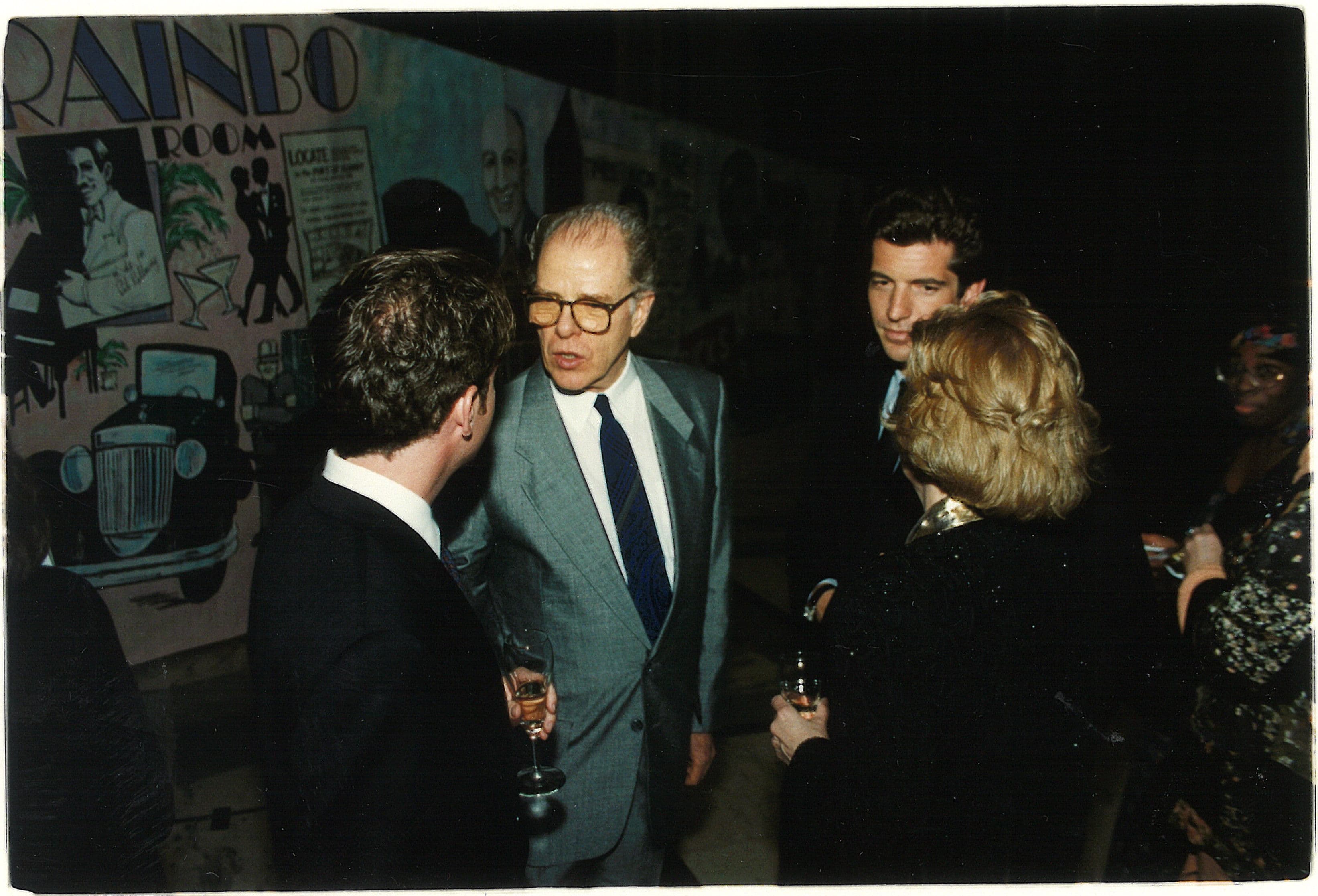
William Kennedy may refer to:
Similar books
- A Tree Grows in Brooklyn
Betty Smith
4.3 (388k) average on GoodreadsHistorical FictionExplores poverty and resilience in an urban setting, though 'Ironweed' is much darker.
- The Grapes of Wrath
John Steinbeck
4.0 (750k) average on GoodreadsHistorical FictionDepicts the struggles of the dispossessed during the Depression era with social commentary.
- Tender is the Night
F. Scott Fitzgerald
3.8 (114k) average on GoodreadsLiterary FictionFeatures a protagonist grappling with a tragic past and a descent into despair, though in a different social class.
- Ulysses
James Joyce
3.7 (111k) average on GoodreadsLiterary FictionBoth explore a short period in a character's life within a specific urban setting and utilize stream-of-consciousness. Ironweed is more accessible in its prose and employs distinct magical realism rather than Joyce's high modernist experimentation, offering a different kind of psychological journey through the past.
- The Old Man and the Sea
Ernest Hemingway
3.8 (831k) average on GoodreadsLiterary FictionA Cuban fisherman's long struggle with a giant marlin becomes a story of endurance and dignity, now retold for young adults with illustrations, phonetic guides, and writing prompts in Traditional Chinese.
- One Hundred Years of Solitude
Gabriel García Márquez
4.1 (753k) average on GoodreadsLiterary FictionThrough the multi-generational story of the Buendía family, a mythical town deals with the repeating patterns of time, love, and solitude, as the extraordinary mixes with the ordinary.






Enjoyed the summary?
A summary gives you the shape of the book. The book itself has the detail, the examples and the voice.
Find Ironweed on AmazonAs an Amazon Associate, BookBrief earns from qualifying purchases. How we're funded