
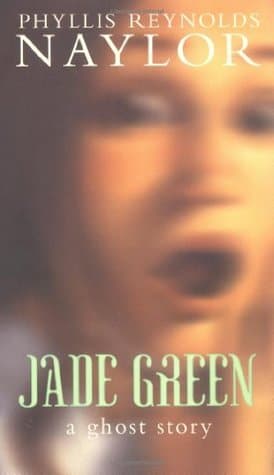
Synopsis
Covers the whole plot, including the ending.
- Difficulty
- Easy
- Pacing
- Moderate
- Mood
- Atmospheric, Suspenseful, Mysterious, Melancholy
- Read it if
- You enjoy gothic mysteries with a touch of the supernatural, historical settings, and stories about uncovering family secrets.
- Skip it if
- You prefer fast-paced thrillers or are easily disturbed by themes of madness and hauntings.
Jade Green Plot Summary
Covers the whole plot, including the ending.
A New Home and a Hidden Secret
Fifteen-year-old Judith Sparrow travels by train to her Uncle Geoffrey and Aunt Cora's home in South Carolina. Her mother recently died in an asylum after succumbing to madness. Judith carries two secrets: the stigmatizing nature of her mother's death, and a small, cherished photograph of her mother in a green silk frame, hidden in her trunk. This frame goes against Uncle Geoffrey's strict rule: nothing green is allowed inside his home. Judith wants to fit in with her new family, including her cousin, Annie, and the housekeeper, Mama Rose. The hidden green frame creates tension and a sense of unease as Judith tries to settle into her new life.
Unsettling Occurrences Begin
Soon after Judith arrives, strange things begin to happen in the house. Objects move, doors creak open, and a chill comes from the attic. Judith first thinks these events are her imagination, perhaps a symptom of the 'madness' she fears she inherited from her mother. But the incidents become more frequent and unsettling. She hears whispers and feels an unseen presence, especially in her room where the green frame is hidden. These events make Judith anxious, reminding her of her mother's mental decline and making her fear she is following the same path. She feels torn between confessing her secret and enduring the growing paranormal activity.
The Emergence of the Jade Green Scarf
The strange occurrences grow when a jade green silk scarf, similar in color to Judith's hidden frame, starts to appear and disappear in various places around the house, particularly near Judith. It shows up on her bed, draped over a chair, or in the attic, always in unexpected spots. Judith is terrified. She realizes the scarf seems to be a manifestation of the restless spirit haunting the house. She tries to hide or get rid of it, but it always returns. The scarf's appearance often comes with a distinct chill, a faint scent of jasmine, and the feeling of an unseen presence. It is clear the entity is trying to communicate or reveal something through the green object.
Zeke Carey and a Budding Friendship
Amidst the growing fear, Judith finds comfort in a new friendship with Zeke Carey, the intelligent and kind miller's son. Zeke works at his family's mill nearby and often visits the Sparrow household. He shows Judith the local area, shares stories, and provides a needed distraction from the unsettling events in the house. Their conversations offer Judith a sense of normalcy and companionship, helping her forget her anxieties about the haunting and her mother's past for a short time. Zeke is a source of comfort and hope for Judith, who feels isolated by her secrets and the strange occurrences.
Uncovering Family History and a Hidden Room
Curiosity and a growing belief that the haunting is tied to the house's history drive Judith to explore. With Annie's help, she finds a hidden room in the attic, sealed off and largely forgotten. This discovery happens as she learns more about her uncle's past, particularly his first wife, Margaret. Aunt Cora does not want to discuss Margaret, and Uncle Geoffrey becomes visibly upset at any mention of her. Judith starts to suspect the spirit haunting the house is Margaret, and the green objects are connected to her. The hidden room holds clues, though its contents are sparse and unsettling.
The Journal and Margaret's Story
In the hidden room, Judith finds Margaret's journal. Reading it, she uncovers the tragic story of Margaret, Uncle Geoffrey's first wife. Margaret was an artistic woman who loved the color green and wore a jade green scarf, a gift from her true love, a young artist named Stephen. The journal entries show Margaret and Stephen were in love, but their relationship was forbidden by Uncle Geoffrey's family, who thought Stephen unsuitable. Margaret was forced to marry Geoffrey, even though her heart belonged to another. The journal describes a woman trapped in an unhappy marriage, longing for her lost love, and growing isolated.
The Truth About Margaret's Death
As Judith reads Margaret's journal, the entries become more desperate. Margaret writes of her despair, her attempts to reach Stephen, and her growing sense of entrapment. It becomes clear Margaret was not only heartbroken but also driven to madness by her circumstances and Uncle Geoffrey's controlling nature. The journal entries hint at a final, tragic confrontation. Judith realizes Margaret died by suicide, falling from a window in the house. Uncle Geoffrey, in his grief and guilt, tried to erase all memory of her, especially anything green, which reminded him of her and Stephen. The haunting is Margaret's restless spirit, wanting to reveal the truth.
Confrontation and Confession
With the truth from Margaret's journal, Judith confronts Uncle Geoffrey. She shows him the green frame and later, the scarf, forcing him to face the memories he has suppressed for so long. Uncle Geoffrey is resistant at first, denying and deflecting, but Judith's resolve and the undeniable evidence of the haunting break through his defenses. He confesses the full story: his jealousy, his insistence on Margaret marrying him despite her love for Stephen, and his deep regret over her tragic death. He admits to trying to erase all traces of her, especially the color green, which symbolized her spirit and his failure to make her happy. His confession is a painful but necessary release.
Releasing the Spirit
After Uncle Geoffrey's confession, the family, including Aunt Cora and Annie, acknowledge Margaret's presence and her suffering. Judith, with Mama Rose's help, suggests honoring Margaret and bringing peace to her spirit. They decide to hold a small, quiet ceremony in the attic, where Margaret's presence was most felt and her journal was found. They light candles and offer words of remembrance, placing the jade green scarf and Judith's green-framed photograph of her mother as symbols of acceptance and love. As they do so, peace settles over the house, and the strange occurrences stop, showing Margaret's spirit has found rest.
Healing and a New Beginning
With Margaret's spirit at peace and the truth revealed, the oppressive atmosphere in the house lifts. Uncle Geoffrey, though still affected by his past, begins to heal and reconcile with his family. Judith feels relief, realizing she is not destined for her mother's madness and that the haunting was an external event, not an internal affliction. She has found her place in the family, not just as an orphaned relative, but as someone who brought healing and understanding. Her relationship with Zeke deepens, and she looks forward to a future free from the secrets and shadows that once affected her. The house, once a place of fear, becomes a true home.
Principal Figures
Judith Sparrow
Protagonist
Fifteen-year-old orphan seeking a home and understanding the past.
Judith is a sensitive and intelligent fifteen-year-old girl, recently orphaned and carrying the heavy burden of her mother's descent into madness. She is initially fearful of inheriting her mother's mental illness, which makes her question her own perceptions of the strange events in her uncle's house. Despite her anxieties, Judith possesses a strong sense of curiosity and determination, which drives her to uncover the truth behind the haunting. She values her memories and emotional connections, as evidenced by her refusal to part with her mother's green-framed photograph, even in defiance of her uncle's rule. Her journey is one of self-discovery, courage, and ultimately, healing.
Relationships: Uncle Geoffrey (guardian, later reconciled after truth revealed); Aunt Cora (kind but somewhat detached aunt, later supportive); Annie (lively and supportive cousin); Zeke Carey (developing romantic interest and close friend); Mama Rose (wise and comforting housekeeper, maternal figure); Margaret (the restless spirit she helps to free, Uncle Geoffrey's first wife)
Uncle Geoffrey
Supporting
Judith's strict but remorseful uncle, haunted by his past.
Uncle Geoffrey is Judith's paternal uncle, a stern and somewhat rigid man who carries a deep, unspoken grief and guilt. He enforces a strict 'no green' rule in his house, which serves as a symbolic attempt to erase his painful past. He is initially dismissive of Judith's fears of a haunting, preferring to live in denial. His character is driven by a profound remorse over his treatment of his first wife, Margaret, and her tragic death. His confession and subsequent healing are central to the resolution of the haunting and the emotional well-being of the family. He represents the danger of suppressing truth and memory.
Relationships: Judith Sparrow (guardian, later reconciled); Aunt Cora (second wife, somewhat distant); Margaret (first wife, whose death he caused and suppressed); Annie (daughter)
Aunt Cora
Supporting
Judith's kind but somewhat detached aunt.
Aunt Cora is Uncle Geoffrey's second wife and Annie's mother. She is generally kind and welcoming to Judith, providing a sense of stability in the household. However, she is also somewhat detached from the deeper emotional currents of the family, particularly regarding Uncle Geoffrey's past with Margaret. She avoids discussing Margaret and seems to accept her husband's rigid rules without question, perhaps to maintain peace. While not actively malicious, her passivity allows the secrets of the house to fester. She eventually supports Judith in bringing peace to Margaret's spirit once the truth is revealed, demonstrating her underlying good nature.
Relationships: Judith Sparrow (aunt, caregiver); Uncle Geoffrey (husband); Annie (daughter)
Annie
Supporting
Judith's lively and supportive cousin.
Annie is Judith's cousin, Aunt Cora and Uncle Geoffrey's daughter. She is a cheerful, curious, and energetic girl who quickly befriends Judith. Annie is less burdened by the unspoken tensions in the house and provides a refreshing contrast to Judith's anxieties. She is instrumental in helping Judith explore the house, particularly in discovering the hidden room, and offers emotional support and companionship. Her youthful spirit and willingness to believe Judith's experiences, to a certain extent, make her a valuable ally in uncovering the truth. She represents innocence and the potential for a brighter future within the family.
Relationships: Judith Sparrow (cousin and close friend); Uncle Geoffrey (father); Aunt Cora (mother)
Zeke Carey
Supporting
The kind and intelligent miller's son, Judith's friend and confidant.
Zeke Carey is the miller's son, a thoughtful and gentle young man who befriends Judith. He provides a much-needed external connection for Judith, offering her a sense of normalcy and a respite from the unsettling atmosphere in her uncle's house. Zeke is intelligent and perceptive, listening to Judith's concerns without judgment and offering quiet support. Their developing friendship provides a grounding influence for Judith, and he represents the possibility of a future filled with warmth and understanding outside the confines of her troubled home. He is a source of comfort and a budding romantic interest.
Relationships: Judith Sparrow (close friend, developing romantic interest)
Mama Rose
Supporting
The wise and nurturing housekeeper with a keen sense of the unseen.
Mama Rose is the compassionate and perceptive housekeeper for the Sparrow family. She possesses a deep understanding of human nature and an intuitive awareness of the spiritual world. She offers Judith comfort, practical advice, and subtle guidance, often speaking in riddles or proverbs that hint at the truth of the haunting. Mama Rose is a maternal figure for Judith, providing emotional support and a sense of safety when Judith feels most isolated. Her wisdom and belief in the unseen are crucial in helping Judith interpret the strange occurrences and ultimately find a way to bring peace to Margaret's spirit.
Relationships: Judith Sparrow (maternal figure, confidante); Uncle Geoffrey (employer); Aunt Cora (employer)
Margaret
Mentioned
Uncle Geoffrey's tragic first wife, whose spirit haunts the house.
Margaret is Uncle Geoffrey's first wife, whose tragic story is revealed through her journal and the haunting. She was a vibrant, artistic woman who loved the color green and was deeply in love with an artist named Stephen. Forced into a loveless marriage with Geoffrey, she became increasingly isolated and despairing, eventually taking her own life. Her restless spirit haunts the house, seeking to reveal the truth of her suffering and Geoffrey's culpability. She is the catalyst for the entire plot, as her unresolved pain manifests through the jade green objects and the strange occurrences, guiding Judith towards uncovering her story.
Relationships: Uncle Geoffrey (first husband, source of her despair); Stephen (true love)
Stephen
Mentioned
Margaret's true love, an artist deemed unsuitable by her family.
Stephen is the artist with whom Margaret was deeply in love before she was forced to marry Uncle Geoffrey. He is only mentioned through Margaret's journal entries, but his presence is crucial to understanding Margaret's heartbreak and the true depth of her despair. He represents the lost love and happiness that Margaret was denied, making her tragic fate even more poignant. Stephen symbolizes freedom, passion, and artistic expression, all the things that Geoffrey's world lacked for Margaret.
Relationships: Margaret (true love)
Themes & Insights
Secrets and Their Consequences
The novel shows how secrets, both personal and familial, can cause pain and disruption. Judith's secret of her mother's madness and the hidden green frame creates internal anxiety and external paranormal activity. Uncle Geoffrey's decades-long suppression of Margaret's tragic story and his role in it has led to a haunted house and a family living under unspoken grief. The book argues that truth, however painful, is necessary for healing and peace, for both the living and the dead.
“'Secrets are like shadows, Judith. The longer you keep them, the darker they grow, until they swallow everything around them.'”
Grief, Memory, and Forgiveness
The story looks at different forms of grief: Judith's grief for her mother, Uncle Geoffrey's suppressed grief and guilt over Margaret. It shows how memory, when denied or twisted, can lead to haunting and unresolved suffering. Uncle Geoffrey's attempt to erase all memories of Margaret, especially anything green, stops him from processing his grief. Forgiveness, of oneself and others, becomes a path to healing. Judith's act of remembering and honoring Margaret allows both the spirit and the living family members to move towards peace and forgiveness.
“'Sometimes, child, the dead don't rest until their story is told, until someone remembers them right.'”
Identity and Self-Discovery
Judith's journey is about her search for identity. She fears inheriting her mother's madness, questioning her sanity as strange events happen. By uncovering Margaret's story, Judith realizes the 'madness' haunting the house is external, a specific historical tragedy, not an internal failing of her own. This discovery lets her see herself as different from her mother's fate and forge her own path, free from inherited fears. Her courage in facing the past strengthens her sense of self and purpose.
“'I wasn't going mad. I wasn't like my mother. This was something else. Something real, outside of me.'”
The Power of Objects and Symbols
The novel gives specific objects symbolic power. The jade green color, a source of beauty and love for Margaret, becomes a forbidden symbol of tragedy and suppressed memory for Uncle Geoffrey. Judith's green-framed photograph of her mother connects to her past but also starts the haunting. The jade green scarf is a manifestation of Margaret's spirit and her desire to be remembered. These objects are not just props; they are active parts of the plot, carrying emotional weight and connecting the past to the present.
“'He hated the color green, not because it was evil, but because it reminded him of her, of what he'd lost, of what he'd done.'”
Plot Devices & Literary Techniques
The Haunted House
A physical setting that externalizes internal psychological and emotional turmoil.
The house itself serves as a central plot device, reflecting the emotional state of its inhabitants and the secrets it holds. Its creaking floorboards, unexplained chills, and locked attic rooms are not just atmospheric details but physical manifestations of the unresolved grief and guilt within the Sparrow family. The haunting is a direct result of Uncle Geoffrey's suppression of Margaret's story, making the house a character in its own right, a silent witness demanding the truth be revealed. The house's transformation from a place of fear to a place of peace mirrors the family's healing process.
The Forbidden Color Green
A powerful symbol representing suppressed memory, love, and tragedy.
The color green is a pervasive and crucial symbol. For Margaret, it represented love, nature, and her vibrant spirit, especially in her jade green scarf and her true love, Stephen. For Uncle Geoffrey, it became a hated color, a reminder of his first wife's tragic death and his own culpability, leading him to banish it from his home. Judith's hidden green-framed photograph of her mother acts as a catalyst, drawing out the suppressed memories. The reappearance of green objects (the scarf, the photograph) signifies the spirit's attempts to communicate and break through the denial, making the color a key to unlocking the past.
Margaret's Journal
A direct link to the past, revealing the hidden truth through a first-person account.
Margaret's journal is a classic literary device used to unveil crucial backstory and character motivation. It allows Margaret's voice to be heard posthumously, providing a first-person account of her suffering, her love for Stephen, and her tragic end. The journal serves as irrefutable evidence for Judith, validating her suspicions about the haunting and giving her the ammunition to confront Uncle Geoffrey. Without the journal, the truth might have remained buried, and Margaret's spirit might never have found peace. It is the key that unlocks the mystery and drives the plot towards its resolution.
The Restless Spirit (Ghost)
A supernatural entity serving as a messenger and catalyst for truth.
The ghost of Margaret is not merely a scary presence but a purposeful entity. Her haunting is not random but a deliberate attempt to communicate her story and seek resolution. She uses specific objects (the green scarf, the disturbances around Judith's green frame) to guide Judith towards the truth. The ghost acts as a catalyst, forcing the living characters to confront their past and their suppressed emotions. Her ultimate goal is peace and remembrance, and her departure signifies the successful resolution of the central conflict and the healing of the family.
Jade Green Quotes
“The wind was a living thing, always whispering secrets through the trees.”
“Sometimes, the only way to find out what's real is to believe in what isn't.”
“There are things in this house that have been waiting a long, long time.”
“Fear can make you see things that aren't there, and blind you to things that are.”
“A house holds memories, not just in its walls, but in the very air you breathe.”
“The past isn't always gone; sometimes it just waits for someone to find it.”
“Silence can be louder than any scream if you listen closely enough.”
“Not all mysteries are meant to be solved with logic.”
“The truth is often hidden in plain sight, if only you know how to look.”
“Some stories aren't written in books; they're woven into the fabric of a place.”
“Courage isn't the absence of fear, but the decision to act despite it.”
“The color jade green, Aunt Lavinia had said, was the color of magic and memory.”
“Every secret has a key, but sometimes the key is not what you expect.”
“It wasn't just a house; it was a guardian of secrets, a keeper of dreams.”
Quiz
10 questions on the plot and the characters. Each answer comes with a short explanation.
Question 1
What is one of the two secrets Judith Sparrow brings with her to her uncle's house?
- She stole a valuable jewel from her former home.
- Her mother died in a madhouse.
- She is secretly engaged to a sailor.
- She can communicate with ghosts.
Show answer
B. Her mother died in a madhouse. One of Judith's two major secrets is the tragic fact that her grief-stricken mother died in a madhouse, a detail she keeps hidden from her new family.
Question 2
What is the only condition Uncle Geoffrey sets for Judith living in his house?
- She must attend church every Sunday.
- She must help with all the household chores.
- Nothing green is allowed in the house.
- She must never speak of her deceased mother.
Show answer
C. Nothing green is allowed in the house. Uncle Geoffrey's peculiar rule is that nothing green is permitted in his house, a condition Judith immediately disobeys.
Question 3
What specific item does Judith hide that violates her uncle's condition?
- A green silk dress
- A green-painted wooden bird
- A photograph of her mother in a green silk frame
- A small green jade pendant
Show answer
C. A photograph of her mother in a green silk frame Judith cannot bear to part with the photograph of her mother, which is encased in a lovely green silk frame, directly defying her uncle's rule.
Question 4
Where is Uncle Geoffrey's house located?
- Virginia
- North Carolina
- South Carolina
- Georgia
Show answer
C. South Carolina Judith travels to her uncle's house in South Carolina, where the story primarily takes place.
Question 5
Who is Zeke Carey?
- Uncle Geoffrey's butler
- A new friend Judith makes, the miller's son
- Judith's long-lost brother
- A traveling merchant who visits the house
Show answer
B. A new friend Judith makes, the miller's son Zeke Carey is introduced as one of Judith's new friends in South Carolina, specifically identified as the miller's son.
Question 6
What is the central mystery or conflict that Judith's hidden item seems to 'unleash'?
- A series of unfortunate accidents befalling the family.
- A powerful force determined to bring Uncle Geoffrey's own secret into the open.
- The return of a long-lost family member.
- A curse placed upon the house years ago.
Show answer
B. A powerful force determined to bring Uncle Geoffrey's own secret into the open. The synopsis states that Judith's hidden picture frame 'unleashes a powerful force that seems determined to bring that secret [Uncle Geoffrey's own secret] into the open.'
Question 7
What internal conflict does Judith face regarding her mother's past?
- Whether she should reveal her mother's true identity to her new family.
- If she is following her mother down the path toward madness.
- How to avenge her mother's unjust death.
- Whether her mother truly loved her before her death.
Show answer
B. If she is following her mother down the path toward madness. Judith grapples with the fear that the strange events might indicate she is 'following her mother down the path toward madness,' given her mother's history.
Question 8
Based on the description, what genre elements are prominent in 'Jade Green'?
- Science Fiction and Romance
- Western and Contemporary
- Fantasy, Mystery, and Historical Fiction
- Thriller and Dystopian
Show answer
C. Fantasy, Mystery, and Historical Fiction The book description explicitly lists 'Fantasy, Children's, Historical Fiction, Mystery, Young Adult' as the genres, with fantasy and mystery particularly highlighted by the 'powerful force' and 'secret' elements.
Question 9
What is the primary thematic tension introduced by Judith's defiance of the 'no green' rule?
- The conflict between urban and rural lifestyles.
- The struggle between personal grief and societal expectations.
- The dangerous consequences of holding onto forbidden memories and secrets.
- The importance of family loyalty above all else.
Show answer
C. The dangerous consequences of holding onto forbidden memories and secrets. Judith's 'small defiance' of keeping the green frame is directly linked to 'unleash[ing] a powerful force' that brings a secret into the open, establishing a theme about the repercussions of hidden memories and secrets.
Question 10
How old is Judith Sparrow at the beginning of the story?
- Thirteen
- Fourteen
- Fifteen
- Sixteen
Show answer
C. Fifteen The synopsis clearly states that Judith is 'Orphaned fifteen-year-old Judith Sparrow'.
Jade Green FAQ
What is "Jade Green" about?
"Jade Green" follows fifteen-year-old Judith Sparrow, an orphan who moves to her Uncle Geoffrey's house in South Carolina. She carries two secrets: her mother died in a madhouse, and she has a forbidden green silk-framed photograph of her mother. This small act of defiance seems to unleash a mysterious, powerful force within the house, forcing Judith to confront whether she's uncovering a family secret or succumbing to madness like her mother.
Why should I read "Jade Green"?
You should read "Jade Green" for its compelling blend of historical fiction, mystery, and supernatural elements, all wrapped in a Young Adult narrative. It offers a rich atmosphere of 19th-century South Carolina, a relatable protagonist struggling with grief and identity, and a genuinely suspenseful plot that keeps you guessing about the true nature of the eerie occurrences and family secrets.
What is the background/setting of "Jade Green"?
The story is set in 19th-century rural South Carolina, specifically in the isolated home of Judith's Uncle Geoffrey. The historical backdrop adds to the sense of mystery and isolation, with details of period life, social expectations, and the lingering superstitions of the era influencing the unfolding events and character interactions.
What writing style does the author use?
Phyllis Reynolds Naylor employs a descriptive and atmospheric writing style, rich with sensory details that evoke the South Carolina setting and Judith's internal turmoil. The narrative is primarily from Judith's first-person perspective, allowing readers deep insight into her fears, suspicions, and burgeoning affections, maintaining a consistent tone of suspense and psychological unease.
What minor details add significant meaning?
The recurring motif of jade green itself, beyond just the photograph, is a significant detail. Every instance of green, whether it's a plant or an object, seems to amplify the supernatural occurrences, linking directly to the family's tragic past and the specific, dangerous secret Uncle Geoffrey is trying to suppress.
What are some subtle foreshadowing moments?
Early in the story, Uncle Geoffrey's extreme aversion to anything green, and his immediate, almost panicked reaction to Judith's arrival with her trunk, subtly foreshadows the deep-seated and dangerous secret connected to the color. His attempts to immediately burn her mother's green-framed photo also hint at its potent, unexplainable power.
What unexpected character connections exist?
The connection between Judith's mother and the 'ghost' or presence haunting the house is an unexpected and crucial revelation. It's not just a random haunting, but a manifestation directly tied to her mother's past, her connection to the house's previous mistress, and the very secret Uncle Geoffrey is trying to bury.
What are unspoken character motivations?
Uncle Geoffrey's unspoken motivation is a desperate desire to protect his family and maintain order, even if it means suppressing a terrible truth and living under immense psychological strain. He believes by banning green and ignoring the past, he can prevent further tragedy, driven by guilt and fear from previous events.
What psychological complexities do characters exhibit?
Judith exhibits the psychological complexity of questioning her own sanity, fearing she inherited her mother's madness, while simultaneously trying to rationalize the inexplicable events around her. This internal conflict between logic and supernatural experience is central to her character arc and creates deep psychological tension throughout the narrative.
What are the major emotional turning points?
A major emotional turning point for Judith is when she realizes the haunting isn't just a figment of her imagination or madness, but a real entity with a purpose. This shift from self-doubt to conviction empowers her to actively investigate and confront the mystery, rather than simply being a passive victim of the house's strangeness.
How do relationship dynamics evolve?
Initially, Judith's relationship with Uncle Geoffrey is one of cautious dependency, but it evolves into a strained dynamic of suspicion and conflict as she uncovers secrets he wishes to keep hidden. Her budding romance with Zeke Carey, the miller's son, also develops from innocent friendship to a bond of trust and mutual support as he helps her unravel the mystery.
Which parts remain ambiguous or open-ended?
While the central mystery is largely resolved, the precise nature of the 'force' or 'ghost' remains somewhat ambiguous. Is it a true supernatural entity, or a powerful, lingering psychic imprint tied to objects and emotions? The story leans into the supernatural but allows for some interpretation regarding the exact mechanics of its manifestation.
What are controversial scenes or decisions?
Uncle Geoffrey's decision to actively suppress the truth about the house's past and the fate of its previous inhabitants, even at the cost of Judith's emotional and mental well-being, could be seen as controversial. His fear leads him to prioritize secrecy over honesty, creating further suffering for Judith and risking a repeat of past tragedies.
"Jade Green" ending explained: how it ends & what it means
The ending of "Jade Green" reveals that the 'force' is the spirit of the previous mistress of the house, who was poisoned with arsenic (a green pigment) and buried on the property. Judith and Zeke uncover her remains, bringing peace to the restless spirit and exposing Uncle Geoffrey's complicity in covering up the crime. The ending signifies Judith's triumph over fear and madness, as she not only solves the mystery but also accepts her own strength and sanity, forging a new, honest life free from the shadows of the past.
About the author

Phyllis Reynolds Naylor is an American author known for her contributions to children's and young adult literature. Her notable works include the novels "Shiloh" and "Shiloh Season," which explore themes of friendship and loyalty, as well as "Jade Green" and "Achingly Alice," which delve into the complexities of adolescence. Naylor's writing often reflects her deep understanding of youth and the challenges they face.
Similar books
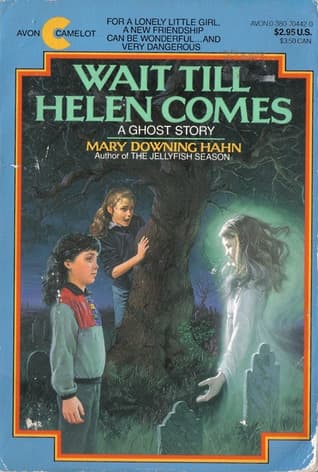
- Wait Till Helen Comes
Mary Downing Hahn
4.1 (20k) average on GoodreadsFantasyDeals with a troubled ghost, family secrets, and a young girl trying to solve a mystery in a new, old house.
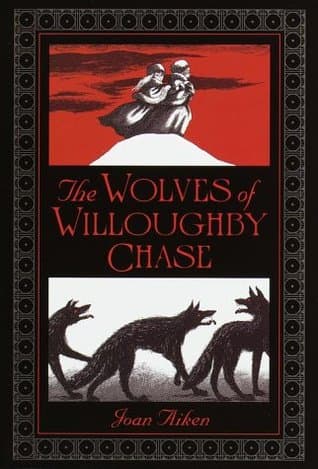
- The Wolves of Willoughby Chase
Joan Aiken
4.1 (19k) average on GoodreadsFantasyWhile both share a historical setting and elements of adventure/mystery, Aiken's work focuses more on gothic adventure and intricate plotting with resourceful heroines. Jade Green is more psychologically driven and less action-oriented, and its narrative drive isn't always as consistent as Aiken's.
- Harry Potter and the Sorcerer's Stone
J.K. Rowling
4.5 (7M) average on GoodreadsFantasyRescued from a miserable life under the stairs, an orphaned boy discovers he's a wizard destined for a magical school, where he uncovers a dangerous secret tied to the dark wizard who murdered his parents.
- The Hunger Games
Suzanne Collins
4.3 (6.4M) average on GoodreadsFantasyIn a future where children fight to the death on live television, Katniss Everdeen volunteers for the arena, turning a death sentence into a fight for survival and a spark of rebellion.
- 1984
George Orwell
4.2 (3.1M) average on GoodreadsPoliticsIn a future where surveillance and thought control are absolute, a man's search for truth clashes with the Party, showing that hope can be a form of rebellion.
- Divergent
Veronica Roth
4.2 (2.9M) average on GoodreadsFantasyIn a society divided by virtues, a sixteen-year-old's difference from the norm starts a rebellion that threatens her world.




Enjoyed the summary?
A summary gives you the shape of the book. The book itself has the detail, the examples and the voice.
Find Jade Green on AmazonAs an Amazon Associate, BookBrief earns from qualifying purchases. How we're funded