

Synopsis
Covers the whole plot, including the ending.
- Difficulty
- Easy
- Pacing
- Moderate
- Mood
- Adventurous, Romantic, Rugged, Epic
- Read it if
- You enjoy classic westerns with a strong sense of adventure, survival, and a touch of romance set in the untamed American frontier.
- Skip it if
- You prefer fast-paced thrillers or stories with complex psychological depth and modern sensibilities.
Jubal Sackett Plot Summary
Covers the whole plot, including the ending.
The Quest Begins
Jubal Sackett, a young frontiersman, meets Keokuk, an elderly Natchez priest. Keokuk explains that a Natchez exploration group, led by the future chief Itchakomi, went into the western plains, the Far Seeing Lands, and has not returned. Itchakomi is important for Natchez succession; she is the rightful heir and can unite the tribes against Kapata, an ambitious warrior who wants her position. Keokuk asks Jubal to find Itchakomi and ensure her safe return, offering him a map and the future of a people. Driven by his desire to explore and a sense of duty, Jubal accepts the dangerous mission.
Journey into the Far Seeing Lands
Jubal Sackett begins his journey into the Far Seeing Lands, a vast prairie few white men have seen. He travels light, using his tracking skills, wilderness knowledge, and rifle. His path is dangerous; he meets various Native American tribes, some neutral, others hostile. He must stay alert, avoiding ambushes and navigating difficult land. The huge landscape and isolation test his endurance. He learns to read the land's subtle signs, following faint trails and interpreting smoke signals, while watching for Itchakomi's party or Kapata's warriors.
Signs of the Lost Party
As Jubal goes deeper into the Far Seeing Lands, he finds signs of Itchakomi's lost group. He discovers abandoned campsites, broken arrows, and old fires, showing they were moving and likely in trouble. He also finds evidence of another, larger group tracking them, indicating Kapata's warriors are pursuing Itchakomi. These discoveries make Jubal more urgent, knowing Itchakomi's life and her people's future are at risk. He carefully follows the fading tracks, understanding that time is short before Kapata reaches them.
Encounter with the Sioux
Jubal's journey leads him into Sioux territory. He is captured and taken before their chief, a strong and suspicious leader. Jubal, using his understanding of various Native American customs and languages, explains his peaceful intentions. He tells them his quest to find Itchakomi, stressing the importance of her return for Natchez stability and possibly other tribes. Though the Sioux are initially wary, Jubal's honesty and bravery earn him respect. He is allowed to continue, with a warning about the dangers ahead and Kapata's aggressive warriors in the area.
First Glimpse of Itchakomi
After weeks of tracking, Jubal finally sees Itchakomi's group. He watches them from a hidden spot, noting their smaller numbers and tired faces. Despite hardships, Itchakomi shows resilience and leadership, guiding her people with strength. Jubal sees her making difficult choices, caring for the injured, and keeping morale up. He also sees Kapata's continued pursuit, as the Natchez group constantly moves to evade their enemy. Jubal decides not to show himself immediately, instead shadowing them to assess the situation and find the right moment to act.
Direct Intervention
The right moment comes when a small group of renegade warriors, not Kapata's men but opportunistic raiders, ambush Itchakomi's party. Jubal, hidden nearby, acts quickly. Using his rifle and guerrilla tactics, he dispatches several attackers, creating enough confusion to drive the rest away. His sudden appearance saves Itchakomi and her remaining followers. This dramatic intervention introduces Jubal directly to Itchakomi, who is initially cautious but quickly recognizes his skill and sincere help.
Alliance and Growing Trust
After his intervention, Jubal introduces himself to Itchakomi and explains his mission. Though she is a proud and independent leader, Itchakomi sees the value of Jubal's skills and knowledge of the western lands. They form an alliance, with Jubal offering protection and guidance, and Itchakomi sharing her knowledge of the Natchez people and traditions. As they travel together, facing many challenges, a deep respect grows between them. Jubal is impressed by Itchakomi's courage and wisdom, while Itchakomi is drawn to Jubal's determination and quiet strength. A subtle attraction begins amid their shared danger.
Kapata's Persistent Threat
Kapata's pursuit of Itchakomi is relentless. His warriors, driven by ambition, are skilled and numerous. Jubal and Itchakomi's combined efforts are constantly tested by their tactics. There are several skirmishes, forcing them to use cunning strategies to evade their pursuers. Jubal's frontier instincts and Itchakomi's understanding of her people's enemies are vital. The constant threat of Kapata's forces creates a tense atmosphere, reminding them that their return to Natchez lands will be difficult and a final confrontation is coming.
The Journey Home
With Jubal's help, Itchakomi's remaining party begins the long journey back to their Natchez lands. They navigate diverse and often hostile territories, relying on Jubal's tracking skills and Itchakomi's knowledge of the land's resources. Their bond deepens daily, strengthened by shared hardships and mutual reliance. Jubal teaches Itchakomi about the white man's frontier, while she shares the history and spiritual beliefs of her people. They become partners in survival, their destinies intertwined by the quest and their growing affection.
Final Confrontation with Kapata
As they near Natchez territory, Kapata and his full force launch a final, desperate attack. The fight is fierce and brutal, a battle for the Natchez people's future. Jubal fights alongside Itchakomi, protecting her and her people. Itchakomi shows courage and strategic skill, rallying her followers. The climax features a direct fight between Jubal and Kapata, and Itchakomi and her rival. Jubal's combat skill and Itchakomi's rightful claim to leadership are tested in a desperate struggle for survival and justice.
Victory and Return
In a climactic struggle, Kapata is defeated, his ambition stopped by Jubal and Itchakomi's combined strength. Jubal's intervention is decisive, allowing Itchakomi to assert her authority. With Kapata's threat gone, Itchakomi and her diminished but resilient party, with Jubal, return to the Natchez encampment. They are met with relief and celebration, as Keokuk and the elders recognize Itchakomi's successful return and proven leadership. Her journey and survival solidify her position as the true heir and future chief of the Natchez people.
A Future Together
With her people safe and her leadership secured, Itchakomi focuses on Jubal. Their shared journey and experiences have formed an unbreakable bond. They acknowledge the deep love and respect that has grown, bridging their different worlds and cultures. Jubal, always a wanderer, finds a reason to settle with Itchakomi, a place to belong. Itchakomi, the Natchez chief, sees that her future, and perhaps her people's future, can include this remarkable man. They commit to building a life together, embracing the challenges and joys of their intertwined destinies in the expansive American wilderness.
Jubal Sackett Characters
Jubal Sackett
Protagonist
A skilled frontiersman and explorer driven by wanderlust and a strong moral compass.
Jubal Sackett is a young, independent, and highly capable frontiersman, part of the legendary Sackett family. He possesses exceptional tracking skills, a deep understanding of the wilderness, and proficiency with a rifle. Beyond his physical prowess, Jubal is characterized by his strong sense of honor, his quiet determination, and a natural curiosity that drives him to explore the unknown. He is respectful of Native American cultures and possesses a pragmatic intelligence that allows him to navigate dangerous situations and build trust with diverse peoples. Though initially a solitary wanderer, his journey with Itchakomi awakens a deeper desire for connection and purpose.
Relationships: Itchakomi (Love interest, ally, partner in survival); Keokuk (The Natchez priest who entrusts him with the quest); Kapata (Antagonist, rival in combat and for Itchakomi's safety)
Itchakomi
Protagonist/Love Interest
The rightful heir and future chief of the Natchez people, courageous and wise.
Itchakomi is a strong, intelligent, and resilient Natchez woman destined to lead her people. She possesses an innate wisdom, a deep connection to her culture, and a fierce determination to protect her tribe. Despite facing immense hardship and the constant threat of Kapata, she maintains her composure and leadership, inspiring loyalty in her followers. She is independent and proud but also capable of recognizing the value of an ally like Jubal. Her journey to the Far Seeing Lands is not just a physical one, but a trial that solidifies her leadership qualities and reveals her capacity for deep affection.
Relationships: Jubal Sackett (Love interest, protector, ally, partner in survival); Keokuk (Her mentor and spiritual guide); Kapata (Her ambitious rival for leadership and a mortal enemy)
Kapata
Antagonist
An ambitious and ruthless Natchez warrior who seeks to usurp Itchakomi's leadership.
Kapata is the primary antagonist, a powerful and cunning Natchez warrior driven by an insatiable lust for power. He believes he is more fit to lead the Natchez than Itchakomi, and he is willing to use any means necessary, including violence and deception, to achieve his goals. He commands a significant number of loyal warriors and is a formidable opponent, both in strategy and in combat. His relentless pursuit of Itchakomi across the plains highlights his ruthlessness and singular focus on seizing control, making him a constant, dangerous threat throughout the narrative.
Relationships: Itchakomi (Rival for leadership, target of his ambition); Jubal Sackett (Opponent in combat, obstacle to his plans)
Keokuk
Supporting
The wise and elderly Natchez priest who initiates Jubal's quest.
Keokuk is an ancient and revered Natchez priest, deeply spiritual and concerned for the future of his people. He possesses foresight and understands the critical importance of Itchakomi's return for the stability and survival of the Natchez. He places his trust in Jubal Sackett, recognizing the young frontiersman's unique abilities and honorable character. Keokuk represents the wisdom of tradition and the spiritual guidance that underpins Natchez society, acting as the catalyst for the entire plot by sending Jubal on his perilous mission.
Relationships: Jubal Sackett (Entrusts him with a vital mission); Itchakomi (Her mentor and spiritual guide, believes in her rightful claim)
The Far Seeing Lands
Mentioned
The vast, unexplored western plains that serve as the setting for much of the story.
While not a character, the Far Seeing Lands are a pervasive and influential presence in the novel. This immense, untamed wilderness is a character in itself, shaping the characters and their journey. It represents both danger and opportunity, a place of isolation and breathtaking beauty. Its vastness underscores the difficulty of Jubal's quest and the resilience required for survival. The Far Seeing Lands are a crucible where characters are tested and transformed, a symbol of the untamed American frontier.
Jubal Sackett Themes
The Call of the Wilderness and Exploration
This theme is central to Jubal Sackett's character and the story. Jubal wants to explore the unknown, to go beyond known frontiers. The 'Far Seeing Lands' represent this wilderness, a place of both danger and discovery. His quest to find Itchakomi is not just a duty but an extension of his adventurous spirit. This theme appears in his journey through vast, wild landscapes, his encounters with diverse cultures, and his personal growth as he faces wilderness challenges, as seen when he tracks Itchakomi's party across the plains.
“For Jubal, the trail was more than just a path; it was a beckoning, a promise of what lay beyond.”
Love Across Cultures
The growing relationship between Jubal Sackett, a white frontiersman, and Itchakomi, a Natchez chief, shows this theme. Despite their different backgrounds, they find common ground in their courage, intelligence, and shared struggle for survival. Their mutual respect grows into deep affection and love, crossing cultural barriers. This is clear in their shared understanding and protection as they travel together, and it ends with their decision to build a life together, symbolizing the possibility of harmony between different peoples in early America. Their bond shows that love can bridge wide divides, as when they combine knowledge to outwit Kapata.
“Two worlds met, not in conflict, but in the quiet understanding of shared purpose and a growing heart.”
Leadership and Succession
The struggle for leadership within the Natchez tribe is a main part of the plot. Itchakomi's quest is directly tied to her proving herself worthy to succeed her aging chief, and Kapata's ambition directly challenges this. The theme explores what true leadership means—not just strength, but wisdom, resilience, and the ability to inspire and protect one's people. Itchakomi's journey through hardship, her diplomatic skills with other tribes, and her courage in battle, all confirm her rightful claim, securing a peaceful transition of power for her tribe. Her resilience against Kapata's chase shows her inherent leadership.
“A chief leads not by the size of his shadow, but by the strength of his spirit and the wisdom of his heart.”
Survival and Resilience
Both Jubal and Itchakomi, with her dwindling party, are constantly tested by the wilderness and Kapata's pursuit. This theme highlights their adaptability, resourcefulness, and will to survive against great odds. From navigating difficult land and finding food in scarcity to fighting off hostile attacks and enduring emotional stress, every step of their journey shows human resilience. The Natchez party's ability to continue despite losses and Itchakomi's spirit exemplify this theme, especially during the long chase across the plains.
“The wind could howl, the sun could burn, but the will to live, to return, was a fire that could not be quenched.”
Plot Devices & Literary Techniques
The Quest
Jubal's mission to find Itchakomi, which drives the entire narrative.
The quest is the primary plot device, setting the entire story in motion. Jubal's journey to find Itchakomi and ensure her safe return is a classic quest narrative. It provides a clear objective, propels the protagonist into unknown territory, and introduces a series of challenges and encounters that allow for character development and plot progression. The stakes are incredibly high, as the fate of an entire people rests on the success of this quest, making it a compelling and urgent narrative engine.
The Antagonistic Pursuit
Kapata's relentless chase of Itchakomi, creating constant tension and conflict.
Kapata's pursuit of Itchakomi serves as a powerful antagonistic force throughout the book. This device creates sustained tension, forcing Jubal and Itchakomi to constantly move, adapt, and fight. It highlights Kapata's ruthlessness and ambition, making him a tangible and ever-present threat. The pursuit not only provides external conflict but also accelerates the development of Jubal and Itchakomi's relationship as they rely on each other for survival, culminating in a final, decisive confrontation.
The Untamed Wilderness (Far Seeing Lands)
The vast, dangerous, and transformative environment that acts as a crucible for characters.
The 'Far Seeing Lands' function as a significant plot device, more than just a setting. This untamed wilderness is a character in itself, posing constant challenges – from hostile nature to unknown tribes – that test the characters' limits. It serves as a crucible, forcing Jubal and Itchakomi to hone their skills, deepen their understanding of each other, and confront their inner strengths. The vastness and unpredictability of the wilderness heighten the stakes and underscore the monumental task of their journey.
Jubal Sackett Quotes
“There’s a time to be born, and a time to die. A time to plant, and a time to pluck up that which is planted.”
“A man’s reach should exceed his grasp, or what’s a heaven for?”
“The wind was his compass, the stars his guide, and the land his destiny.”
“Fear can kill a man quicker than a bullet.”
“The wilderness was not empty; it was full of life, and the struggle for it.”
“Love, like the land, must be tended, or it will wither and die.”
“Every trail has an end, but the journey itself is the story.”
“A man learns more from his mistakes than his triumphs.”
“There are no strangers in the wilderness, only people you haven't met yet.”
“The past is a road traveled, the future a road to be built.”
“To stand still is to fall behind.”
“Some men dream of gold, others of power. I dream of open land and a place to call my own.”
“The truest wealth is not in what you own, but in who you are.”
“Even the mightiest river begins with a single drop.”
Quiz
10 questions on the plot and the characters. Each answer comes with a short explanation.
Question 1
What is the primary motivation that drives Jubal Sackett westward at the beginning of the story?
- To escape a previous conflict in the East.
- An urge to explore and a sense of destiny.
- To find a specific lost treasure.
- To join a fur trapping expedition.
Show answer
B. An urge to explore and a sense of destiny. Jubal Sackett's initial drive westward is described as an 'urge to explore' and pursuing a 'destiny in the wilderness.'
Question 2
Who asks Jubal Sackett to undertake the quest into the 'Far Seeing Lands'?
- A rival trapper.
- An aging Natchez chief.
- A Natchez priest.
- A French explorer.
Show answer
C. A Natchez priest. The summary states that 'a Natchez priest asks him to undertake a nearly impossible quest.'
Question 3
What is the name of the Natchez leader Jubal Sackett is tasked with finding?
- Kapata
- Itchakomi
- Wah-to-yah
- Chingachgook
Show answer
B. Itchakomi Jubal Sackett seeks 'a Natchez exploration party and its leader, Itchakomi.'
Question 4
What is the primary challenge Itchakomi faces within her own people before she can rule?
- She must prove her hunting skills.
- She needs to find a suitable husband.
- She must vanquish her rival, the warrior Kapata.
- She has to retrieve a lost tribal artifact.
Show answer
C. She must vanquish her rival, the warrior Kapata. The text explicitly states, 'It is she who will rule her people when their aging chief dies, but first she must vanquish her rival, the arrogant warrior Kapata.'
Question 5
What is the significance of the 'Far Seeing Lands' in the context of the story?
- It is a mythical land only spoken of in legends.
- It is the name the Indians use for the endless grassy plains where Jubal ventures.
- It is the location of a hidden Natchez city.
- It refers to the land where Jubal Sackett was born.
Show answer
B. It is the name the Indians use for the endless grassy plains where Jubal ventures. The summary describes these lands as 'the endless grassy plains the Indians call the Far Seeing Lands,' indicating a specific geographical region.
Question 6
What kind of enemy does Jubal Sackett encounter during his quest?
- A band of French trappers.
- An implacable enemy.
- Hostile wildlife.
- A severe winter storm.
Show answer
B. An implacable enemy. The text states, 'Sackett’s quest will bring him danger from an implacable enemy.'
Question 7
What is the ultimate personal discovery Jubal Sackett makes during his journey, beyond just exploration?
- He discovers a vast deposit of gold.
- He finds a life—and a woman—worth dying for.
- He learns a new language from the Natchez.
- He establishes a new trading post.
Show answer
B. He finds a life—and a woman—worth dying for. The last sentence of the summary highlights this discovery: '...and show him a life—and a woman—worth dying for.'
Question 8
How is Jubal Sackett connected to the broader Sackett family saga, based on the provided description?
- He is the founder of the Sackett family.
- He is the 'second generation' of the family.
- He is a distant relative who is not directly part of the main line.
- He is the last living member of the Sackett family.
Show answer
B. He is the 'second generation' of the family. The introductory sentence states, 'Jubal Sackett, the second generation of Louis L’Amour’s great American family pursues a destiny in the wilderness.'
Question 9
What is the central conflict Itchakomi faces that Jubal's quest indirectly supports resolving?
- A famine threatening her people.
- Establishing her legitimate claim to leadership against a rival.
- Finding a new homeland for her tribe.
- Negotiating a peace treaty with a neighboring tribe.
Show answer
B. Establishing her legitimate claim to leadership against a rival. Jubal's quest is to find Itchakomi, who 'must vanquish her rival, the arrogant warrior Kapata' before she can rule, implying his mission helps her consolidate her claim.
Question 10
The description implies a connection between Jubal Sackett's personal journey and the broader theme of American expansion. Which option best reflects this thematic link?
- His journey is solely about personal survival in the wilderness.
- His exploration represents the pioneering spirit of a new land and the pursuit of destiny in the American wilderness.
- He is attempting to establish a colonial settlement for European powers.
- His quest is primarily to map uncharted territories for scientific purposes.
Show answer
B. His exploration represents the pioneering spirit of a new land and the pursuit of destiny in the American wilderness. The introduction states the Sackett family 'pursues a destiny in the wilderness of a sprawling new land,' and Jubal's 'urge to explore' aligns with the broader theme of westward expansion and the pioneering spirit in American history.
Jubal Sackett FAQ
What is the primary motivation for Jubal Sackett's journey into the 'Far Seeing Lands'?
Jubal Sackett is primarily motivated by his innate urge to explore the westward wilderness, a characteristic inherited from his pioneering family. This drive is channeled into a specific quest when a Natchez priest asks him to find a lost Natchez exploration party led by Itchakomi, who is destined to rule her people.
Who is Itchakomi and what is her significance to the Natchez people?
Itchakomi is a crucial figure for the Natchez people, as she is the designated successor to their aging chief. Her ability to lead and her successful return are vital for the stability and future leadership of her tribe, especially as she faces a rival for power.
Who is Kapata and what role does he play in the story?
Kapata is an arrogant warrior who serves as Itchakomi's rival for leadership of the Natchez people. His ambition and opposition create significant internal conflict within the tribe and pose a direct threat to Itchakomi's ascension and, by extension, to Jubal's mission to ensure her return.
What kind of dangers does Jubal Sackett face during his quest?
Jubal Sackett encounters numerous perils, including the vast, untamed wilderness of the Far Seeing Lands, hostile encounters with various Native American tribes, and the machinations of an implacable enemy. These dangers test his survival skills, resolve, and fighting prowess throughout his journey.
What is the ultimate reward or outcome Jubal seeks from his perilous journey?
Beyond successfully completing his quest to find Itchakomi, Jubal ultimately discovers a life and a woman he deems worth fighting and potentially dying for. This suggests a profound personal transformation and the finding of love and purpose in the wilderness.
How does Jubal's connection to the Sackett family legacy influence his character and choices?
Jubal's connection to the Sackett family legacy, particularly their pioneering spirit and resilience, profoundly shapes his character. His inherent urge to explore and his unwavering determination in the face of danger are direct reflections of his heritage, driving him westward and equipping him for the challenges he faces.
Are there any subtle foreshadowing elements regarding Itchakomi's leadership abilities before Jubal meets her?
The Natchez priest's request for Jubal to find Itchakomi, specifically mentioning her future role as ruler, subtly foreshadows her inherent leadership qualities and importance. Her very absence and the need for her return highlight her significance and the respect she commands even before her direct introduction to Jubal.
What is the significance of the 'Far Seeing Lands' name beyond a geographical description?
The name 'Far Seeing Lands' likely carries symbolic weight beyond mere geography, hinting at a place where one gains profound insight or a wider perspective. For Jubal, it's where he 'sees' a life worth dying for, suggesting a place of self-discovery and destiny, not just exploration.
How does the rivalry between Itchakomi and Kapata reflect larger themes within the Natchez society?
The rivalry between Itchakomi and Kapata reflects the critical period of transition and potential internal strife within the Natchez society. It highlights the struggle between traditional, perhaps more diplomatic leadership (Itchakomi) and aggressive, power-hungry ambition (Kapata), crucial for the tribe's future direction.
How does Jubal Sackett's psychological resilience manifest in the face of constant danger?
Jubal Sackett's psychological resilience is evident in his unwavering determination and ability to adapt to extreme circumstances. He consistently pushes forward despite threats from nature and man, demonstrating a strong internal compass and a refusal to yield, characteristic of his pioneering spirit.
Analyze Itchakomi's psychological strength in her struggle against Kapata and her destined role.
Itchakomi displays considerable psychological strength by embracing her destined leadership role despite the formidable challenge posed by Kapata. Her willingness to undertake an exploration party, and her people's faith in her, suggest a deep sense of responsibility, courage, and inner conviction necessary to rule.
What psychological motivations drive Kapata's ambition to usurp Itchakomi?
Kapata's ambition is likely driven by a desire for power, status, and perhaps a belief in his own superiority over Itchakomi. His arrogance suggests a narcissistic personality, where the gratification of his own will overrides the welfare of his people or traditional succession protocols.
How does the wilderness environment psychologically impact Jubal's perception of himself and his future?
The vast and challenging wilderness environment forces Jubal to confront his limits and strengths, ultimately shaping his self-perception. It strips away societal norms, allowing him to discover a deeper sense of purpose and belonging, leading him to find a life and a woman truly aligned with his adventurous spirit.
Is Jubal's attraction to Itchakomi purely romantic, or does it stem from a deeper admiration for her leadership and spirit?
Jubal's attraction to Itchakomi appears to be multi-faceted, extending beyond mere romance to a profound admiration for her leadership qualities and indomitable spirit. His quest to find her is initially a duty, but his eventual willingness to 'die for' her suggests a deep respect for her character and her vital role among her people.
How does the book's portrayal of the Natchez people contribute to or challenge typical Western genre tropes?
The book's portrayal of the Natchez, particularly through Itchakomi's complex character and the internal political struggles, likely challenges typical Western tropes by presenting them with depth and agency rather than as monolithic antagonists or simple background figures. It emphasizes their culture, leadership, and societal complexities.
Could Jubal Sackett's quest be interpreted as a metaphor for the broader American westward expansion?
Jubal Sackett's quest can certainly be interpreted as a metaphor for American westward expansion, embodying the spirit of exploration, the encounter with indigenous cultures, and the pursuit of a new life in uncharted territories. His personal journey mirrors the grander historical movement of seeking destiny in the wilderness.
What is the thematic significance of 'a life—and a woman—worth dying for' in the context of Jubal's character arc?
The thematic significance of 'a life—and a woman—worth dying for' marks the culmination of Jubal's character arc, indicating his transition from a lone explorer to someone deeply committed to a community and a partner. It signifies finding ultimate purpose and belonging, transcending mere adventure to embrace profound love and responsibility.
Does the book suggest that destiny or free will plays a greater role in Jubal's journey?
The book suggests a blend of both destiny and free will. While Jubal's innate urge to explore could be seen as a destined characteristic of his family, his specific choices to undertake the quest and his actions in overcoming obstacles highlight his free will. His ultimate finding of love and purpose feels like a destined outcome achieved through his choices.
About the author
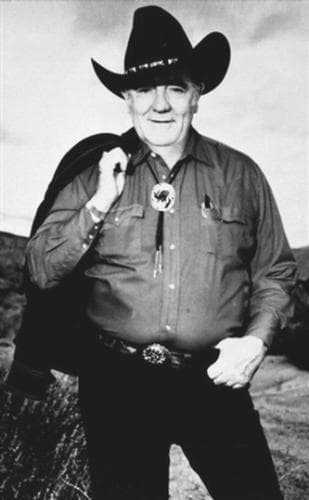
Louis L'Amour was an American author known for his Western novels and adventure fiction. His notable works include "Last of the Breed," "The Walking Drum," "To the Far Blue Mountains," "Jubal Sackett," "The Daybreakers," and "The Sackett Brand," which often explore themes of frontier life and rugged individualism. L'Amour's storytelling has made a significant impact on the genre of Western literature.
Similar books
- Lonesome Dove
Larry McMurtry
4.5 (149k) average on GoodreadsHistorical FictionEpic journey across the American West with strong character development and a sense of adventure.
- To Kill a Mockingbird
Harper Lee
4.3 (4.5M) average on GoodreadsHistorical FictionIn the 1930s Jim Crow South, Harper Lee writes about racial injustice, moral growth, and the quiet courage of a lawyer father, Atticus Finch, as seen through his young daughter's eyes.
- The Great Gatsby
F. Scott Fitzgerald
3.9 (3.8M) average on GoodreadsHistorical FictionIn the opulent Roaring Twenties, a mysterious millionaire's lavish parties hide his desperate, tragic pursuit of a lost love, exposing the emptiness within the American Dream.
- Pride and Prejudice
Jane Austen
4.3 (3M) average on GoodreadsHistorical FictionIn a society focused on status and money, Elizabeth Bennet navigates love and pride, challenging Mr. Darcy and social expectations to find true affection.
- Angels & Demons
Dan Brown
3.9 (2.7M) average on GoodreadsThrillerA Harvard symbologist races through Rome's ancient sites, deciphering cryptic clues to unmask the Illuminati and stop a vengeful plot to destroy the Vatican with a stolen antimatter weapon.
- The Kite Runner
Khaled Hosseini
4.3 (2.4M) average on GoodreadsHistorical FictionIn pre-Taliban Afghanistan, a wealthy boy's betrayal of his servant's son during a kite-running tournament starts a lifelong journey for amends as his country collapses.






Enjoyed the summary?
A summary gives you the shape of the book. The book itself has the detail, the examples and the voice.
Find Jubal Sackett on AmazonAs an Amazon Associate, BookBrief earns from qualifying purchases. How we're funded